Redditor Decides To Let Her Dog Bark Endlessly At Night Because Of The Kids Who Won't Stop Playing Ding Dong Ditch, Neighbors Complain

Some neighborhood pranks stop being funny the second they turn into a nightly routine. In this Reddit story, one resident says local kids kept ringing the doorbell and running off, even after parents were told to knock it off.
After one especially late round of ding-dong ditching, she let her dog bark, put in her AirPods, and went to bed. That move annoyed the neighbors, but the kids had already pushed things pretty far.
Now the whole building seems to have an opinion, and the comments are just as messy as the prank itself. Read on.
The OP begins:
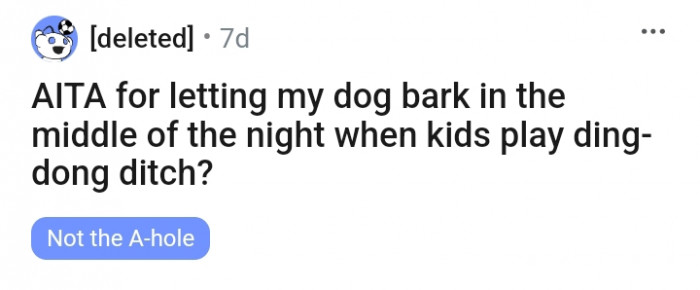
Some kids from the apartment building play ding-dong ditch at all hours of the day
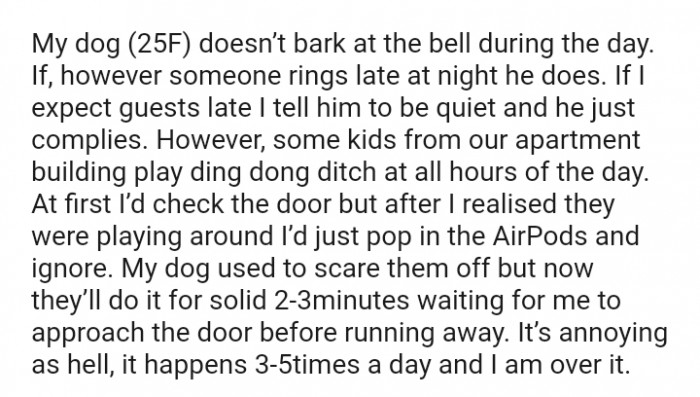
The kids just amp it up after each talk with their parents
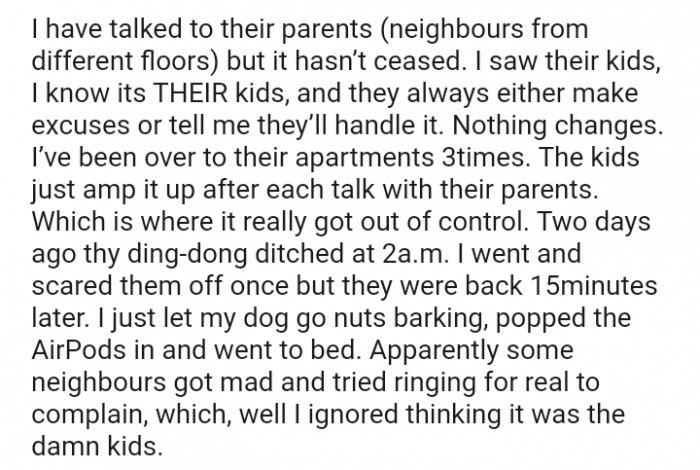
This situation is a lot less funny once the doorbell keeps going off at all hours.
The Redditor says the prank kept escalating, and so did her reaction.
This is where the tension really starts to show.
In this case, the Redditor's decision to let their dog bark endlessly reflects a desire to assert control in response to disruptive behavior from the neighborhood children.
The decision to allow a dog to bark endlessly in response to neighborhood pranks reflects a breakdown in communication and conflict resolution.
Things clearly stopped being a simple annoyance at that point.
I have no idea how they were out between 2-3 a.m.
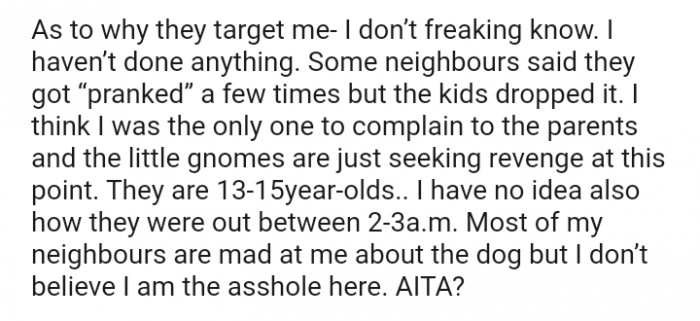
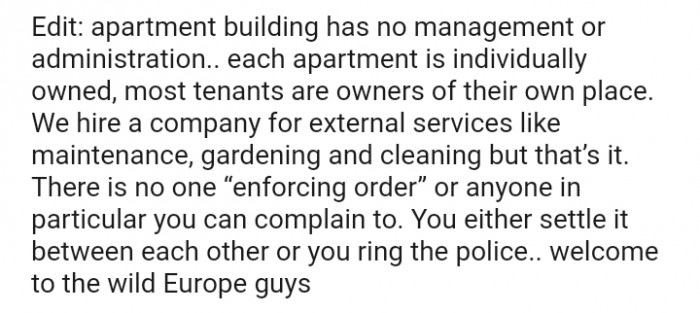
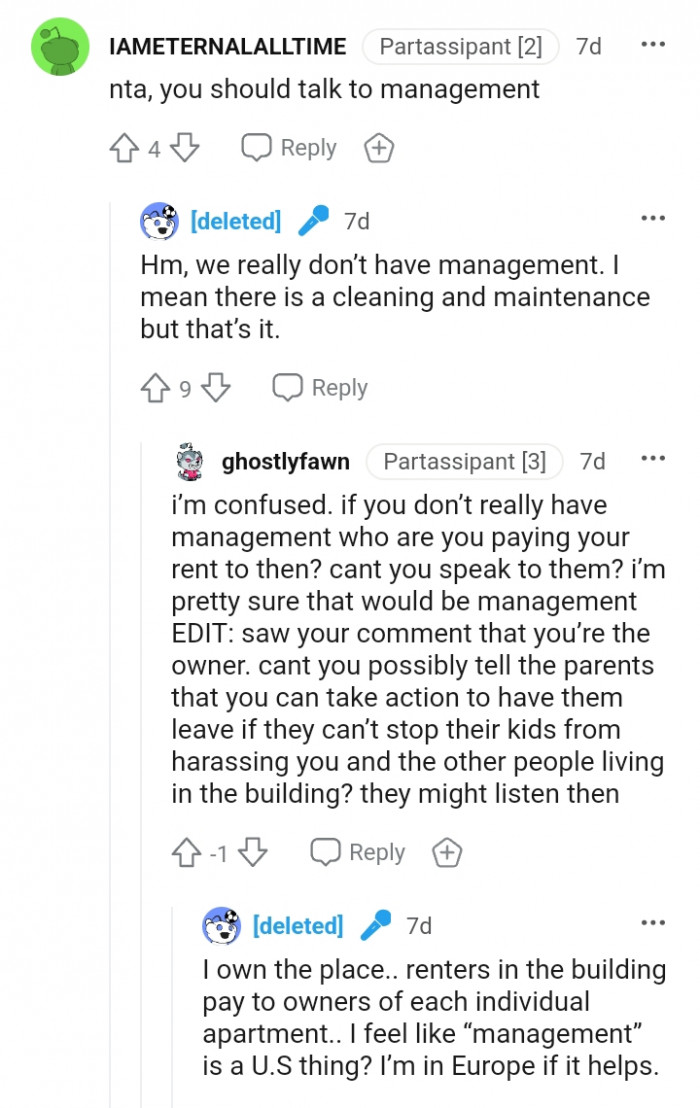
There is no one 'enforcing order' or anyone in particular you can complain to
We've gathered a bunch of comments from Redditors for you to read through below.
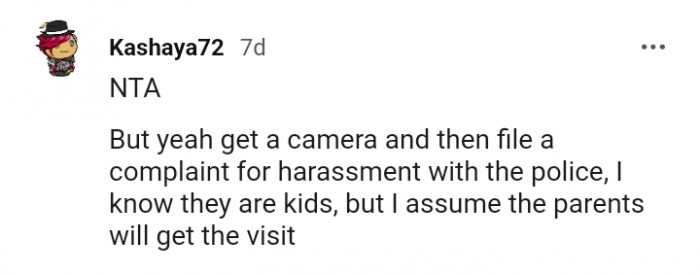
I assume their parents will get the visits
The dog became part of the neighborhood drama whether anyone liked it or not.
Individuals often resort to retaliatory behaviors when they feel threatened or disrespected.
Studies indicate that such behaviors can create a cycle of conflict, exacerbating tensions rather than resolving them.
In this scenario, the barking dog becomes a tool of retaliation, highlighting the importance of addressing conflicts directly rather than allowing them to fester.
The ongoing conflict over the incessant barking of a dog in response to children playing ding-dong ditch illustrates a common issue in neighborhood dynamics. When one party feels wronged, as the dog owner does with the disruptive games, retaliatory actions often ensue, creating a cycle of annoyance rather than fostering resolution.
Understanding the motivations behind the dog owner's decision to allow the barking can shed light on the need for open communication among neighbors. This situation highlights the importance of addressing frustrations directly instead of resorting to retaliatory behaviors that only escalate tensions.
Encouraging dialogue between the dog owner and the children, or even their parents, could significantly improve the living environment for everyone involved, turning a frustrating scenario into an opportunity for community bonding.
Pepper spray on the button

You need to complain about these kids

Taping a thumbtack to the doorbell

By this point, nobody in the building is exactly enjoying the situation.
Disruptive behaviors, like those displayed by the children in this situation, can significantly impact the emotional well-being of those on the receiving end.
This emphasizes the need for effective communication and boundary-setting in community living.
Human behavior in response to conflict often involves instinctual reactions that can cloud judgment.
In this case, the decision to let the dog bark reflects a desire to reassert control in a frustrating situation.
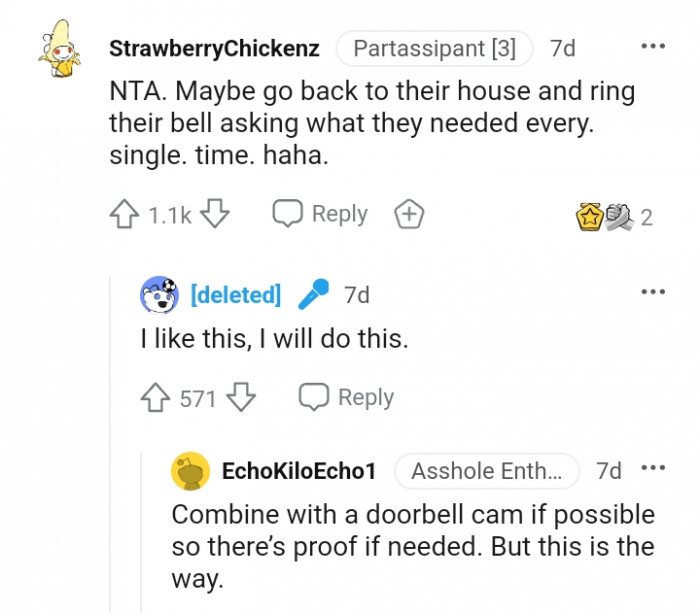
Ring their bell asking what they needed every time
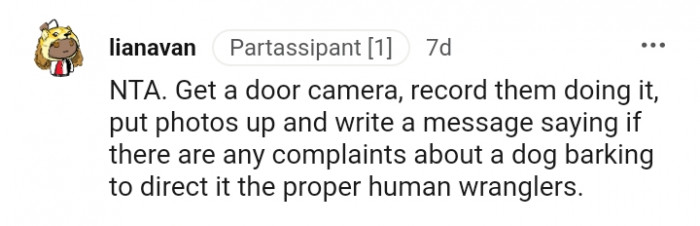
Put photos up and write a message
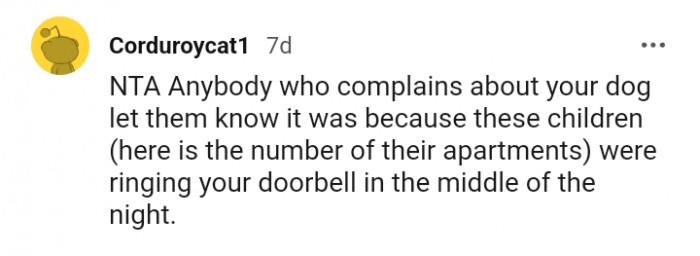
Let them know it was because of these children
That kind of back-and-forth rarely makes things calmer.
Recognizing these patterns can help individuals navigate conflicts more effectively.
This echoes the neighbor report that led to a family’s dog being taken away.
The barking dog's role can also be viewed as a manifestation of the owner's frustration and desire to regain control.
This dynamic can lead to further misunderstandings with neighbors, as the dog becomes a symbol of the owner's distress.
Understanding these dynamics can help individuals recognize when their actions might be driven by emotional responses rather than rational problem-solving.
Becoming aware of these patterns is the first step toward developing better coping and communication strategies.
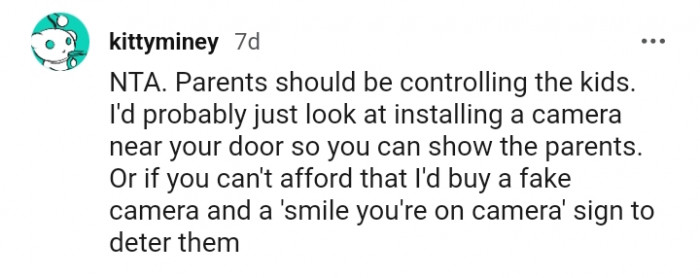
Parents should be controlling the kids
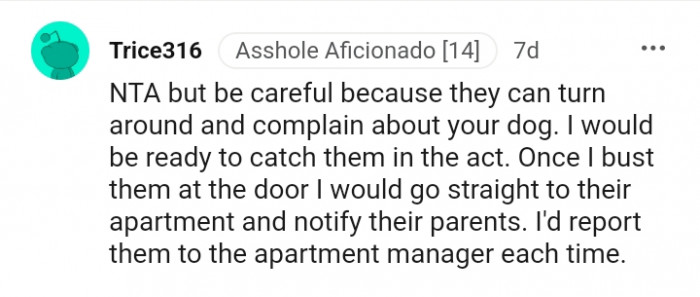
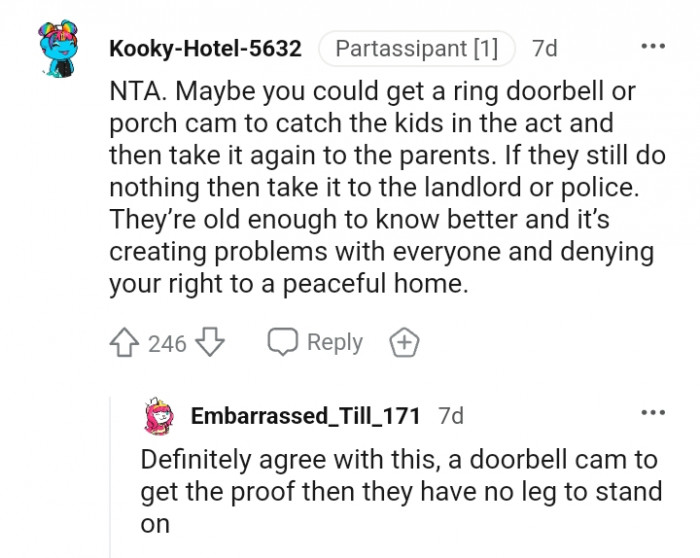
I would be ready to catch them in the act
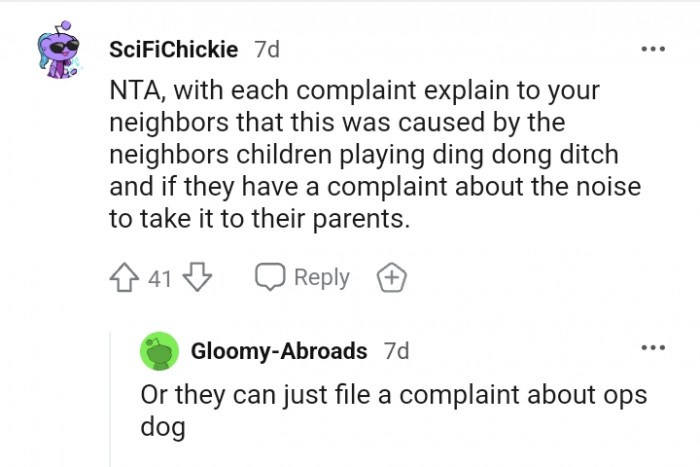
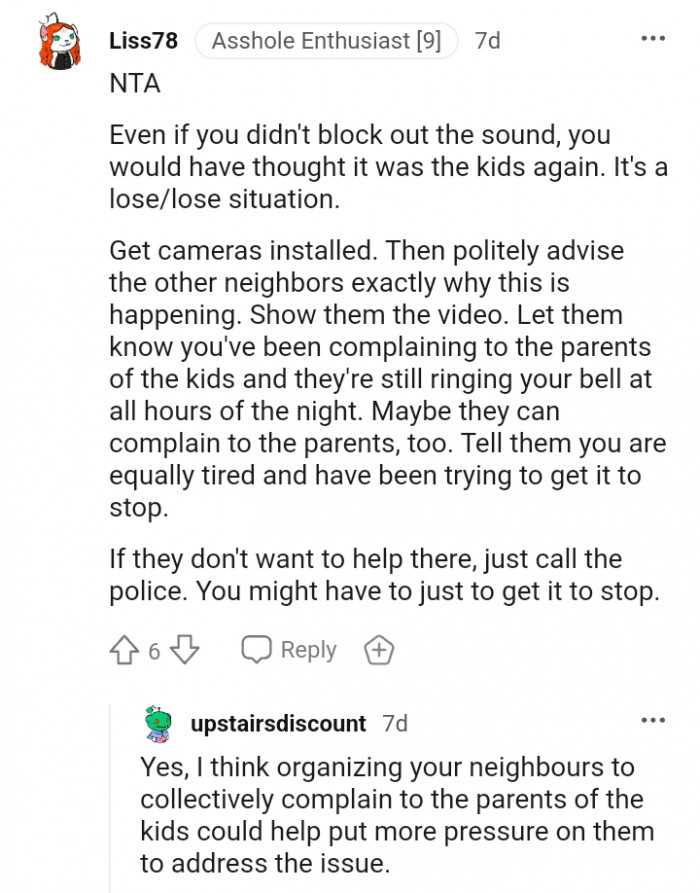
Explain to your neighbors what caused this
In situations like this, employing active listening techniques can significantly improve communication and reduce misunderstandings.
Training in conflict resolution strategies can empower individuals to handle similar situations more effectively in the future.
To address conflicts constructively, individuals can benefit from engaging in open dialogues with neighbors to discuss boundaries and expectations.
Creating agreements about acceptable behavior can help prevent future disputes and promote harmony in shared living environments.
To address conflicts effectively, individuals can benefit from implementing constructive communication techniques.
Using 'I' statements to express feelings and concerns can help reduce defensiveness and promote understanding.
Seeking mediation or community support can also facilitate dialogue and lead to more peaceful resolutions.
They are old enough to know better
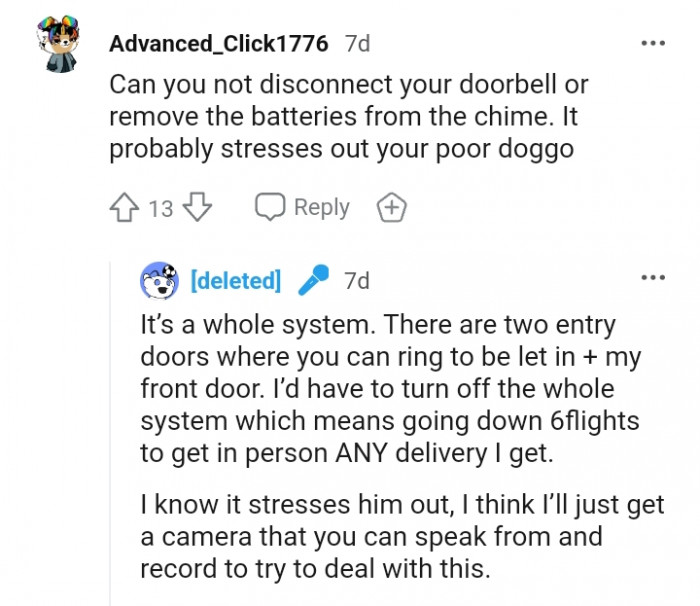
It probably stressed out your poor doggo
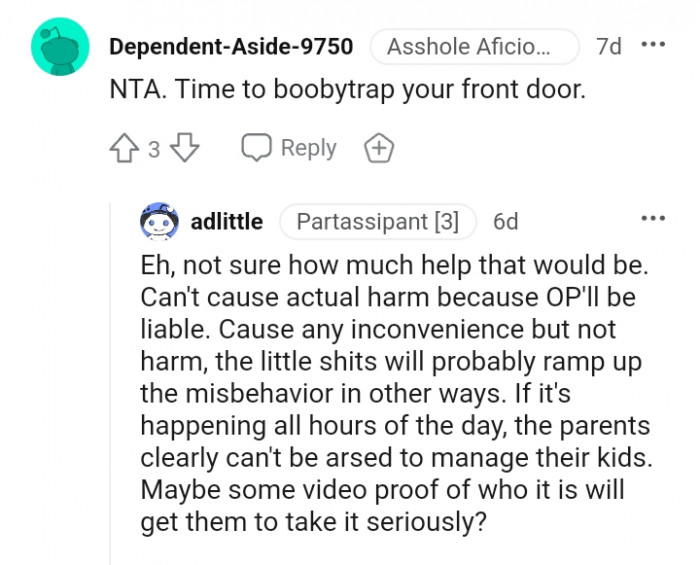
Booby trap your front door
Ultimately, fostering an environment of understanding and respect is crucial for healthy community interactions.
Additionally, practicing stress management techniques can help individuals cope with disruptive behaviors in healthier ways.
Mindfulness and relaxation exercises can provide individuals with tools to manage their emotional responses, reducing the likelihood of retaliatory actions.
By focusing on personal well-being, individuals can approach conflicts with a clearer mindset, leading to more productive outcomes.
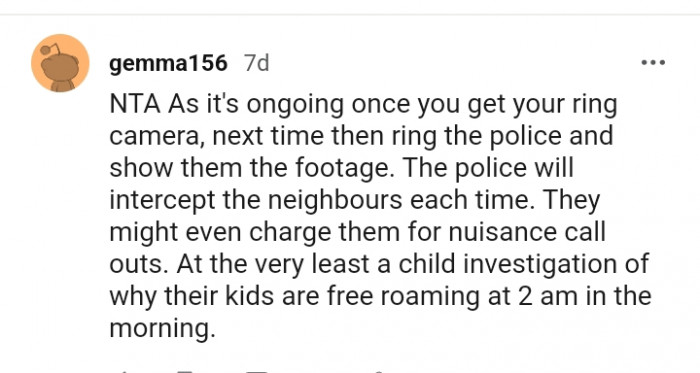
They might even charge them for nuisance calls
Let them know you've been complaining to the parents
The OP really doesn't have management
This is the part where the neighbors start getting pulled into it too.
Encouraging community engagement can lead to stronger relationships and less conflict, ultimately benefiting everyone involved.
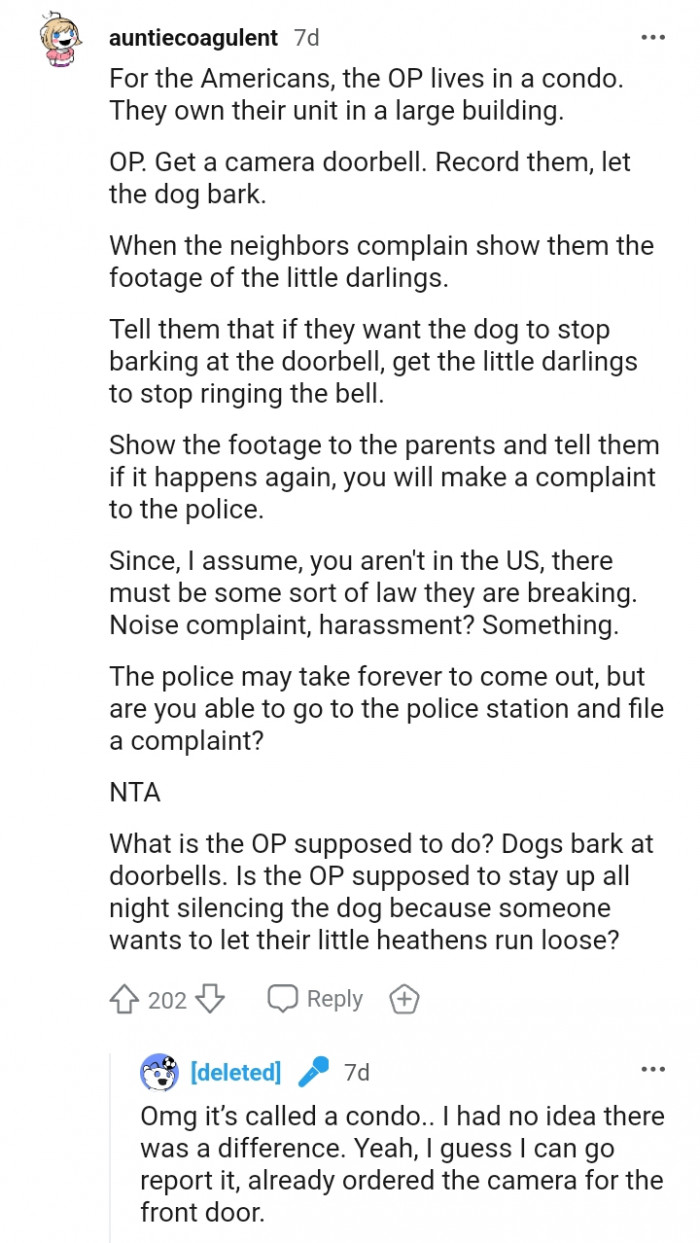
Show the footage to the parents and
You don't want everyone turning and ganging up on you

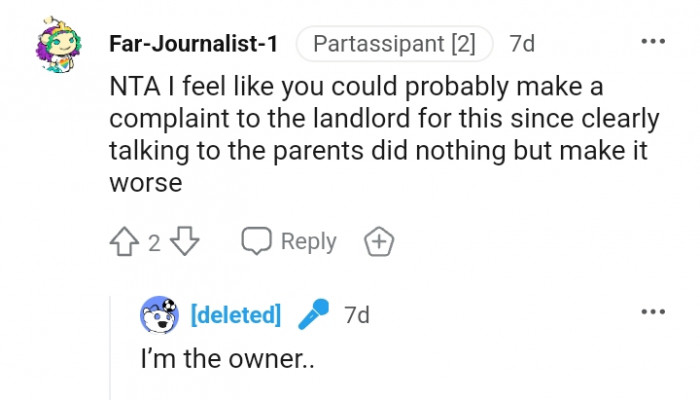
Making a complaint to the landlord
Ultimately, this scenario offers valuable lessons about the importance of addressing conflicts with empathy and understanding.
Tell the parents the next time it happens

The practice of ringing someone's doorbell and leaving before the unwary victim can answer it is known as "ding-dong ditching." If you've been a victim, then you know how annoying it can be.
Redditors supported the OP's actions, and she received the "Not The A-Hole" verdict. Share your thoughts about this story with us in the comments section.
The situation on Reddit highlights the intricate dynamics of living in close quarters, where individual actions can significantly impact neighbors. In this case, the relentless barking of a dog, allowed by its owner in response to persistent nighttime disturbances from children playing ding-dong ditch, illustrates the ripple effects of such behavior. This conflict underscores the importance of communication among residents. By addressing these issues openly, communities can foster a more cooperative atmosphere, ultimately leading to better resolutions and improved harmony in shared living spaces.
In the context of the ongoing ding-dong ditch antics, it is evident that the underlying tensions could be alleviated with better communication among neighbors. The situation escalated when one Redditor decided to let her dog bark uncontrollably at night as a response to the relentless pranks by local children. This retaliatory measure highlights how unresolved conflicts can lead to a cycle of annoyance and frustration.
To foster a more harmonious community, it is crucial for residents to engage in open dialogue. Instead of allowing grievances to fester, a simple conversation could address the disruptive behavior and its impact on everyone’s peace. Proactive communication is not just beneficial but essential for maintaining a positive neighborhood dynamic.
In the ongoing saga of neighborhood dynamics, the Redditor's decision to allow her dog to bark incessantly at night presents a striking example of how unresolved conflicts can escalate. The persistent noise from her pet is a direct reaction to the disruptive antics of children playing ding-dong ditch, highlighting a breakdown in communication between parties. Rather than resorting to retaliatory measures, a more constructive approach would involve fostering dialogue among neighbors to address grievances. This could lead to a more harmonious living environment, where empathy and understanding replace frustration and resentment.
As we observe this unfolding drama, it becomes evident that enhancing communication skills can significantly influence the quality of interactions among residents, ultimately promoting a more cooperative and peaceful neighborhood atmosphere.
For more “barking escalates fast,” see the parent who told a dog owner to “choke out” it.
Share this article: