
Online Community Lectures An Asthmatic Woman Who's Too Passive In Handling Her Roommate After She Brought A Dog Despite Her Dog Allergy

A 28-year-old woman realized her roommate wasn’t just being careless, they were straight-up playing roulette with her lungs. The OP is allergic to dogs, like, the kind of allergy where “it’ll probably be fine” is not a real plan.
Then the roommate brings a dog home anyway. No warning, no compromise, no “hey, I know you’re allergic.” Just constant exposure, piles of medicine, and OP quietly swallowing the problem because she’s “not the confrontational type.” Meanwhile, the dog is living there like it pays rent, and OP is stuck managing symptoms instead of boundaries.
Here’s where it gets messy, because the OP can’t keep being passive when the roommate keeps breaking the rules.
The OP is allergic to dogs. But her roommate seems unconcerned and brought a dog home, anyway.
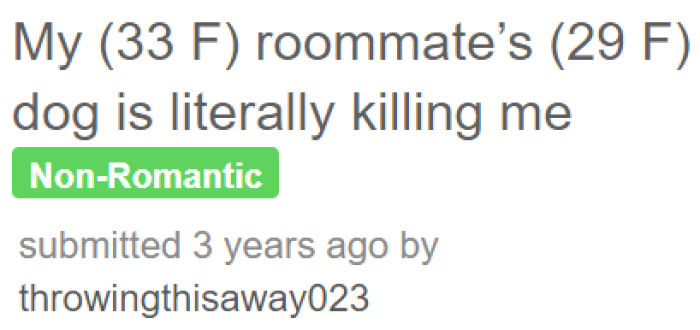
She knows she needs to confront her roommate about the dog for the sake of her health.
But she's not the confrontational type, so she ends up enduring, even if it means taking loads of medicine.

The OP asks for advice on how to deal with her roommate and the dog.
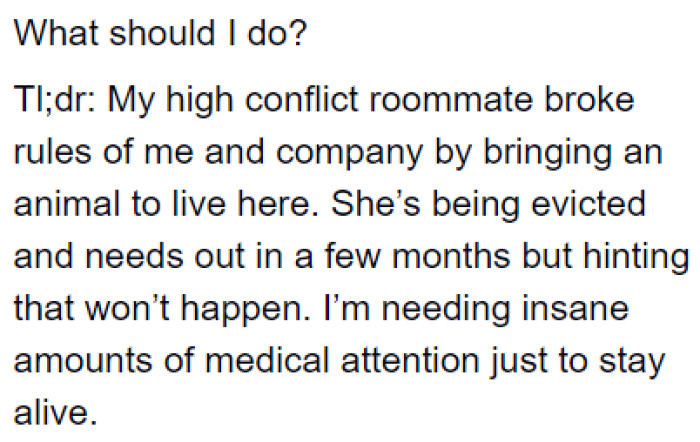
The roommate keeps acting like the dog is no big deal, while OP is the one stuck loading up on meds every time the allergy hits.
The Challenges of Allergy Management
Managing allergies in shared living situations can be incredibly stressful, particularly when personal boundaries are not respected.
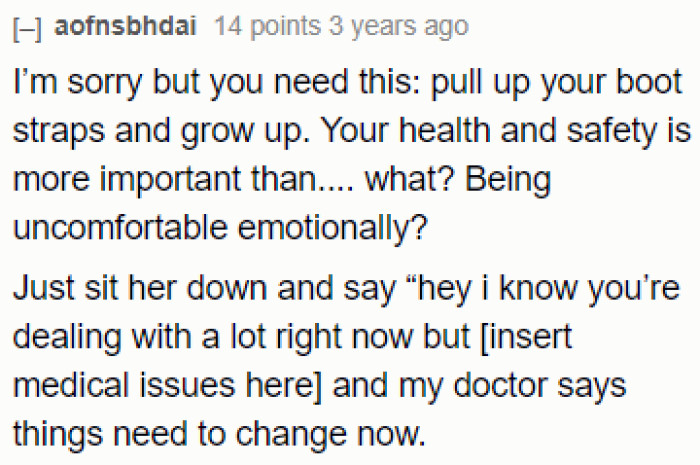
The OP needs to stand her ground against her roommate. She can't just continue living like a doormat.

She's worrying about the wrong thing. The OP should prioritize her health above keeping the peace.
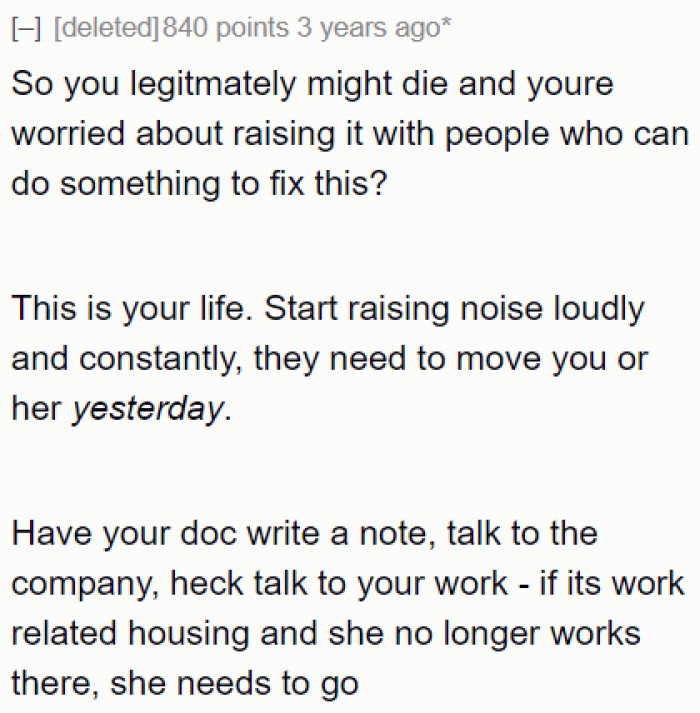
If she continues being passive about it, she might end up dying one day.
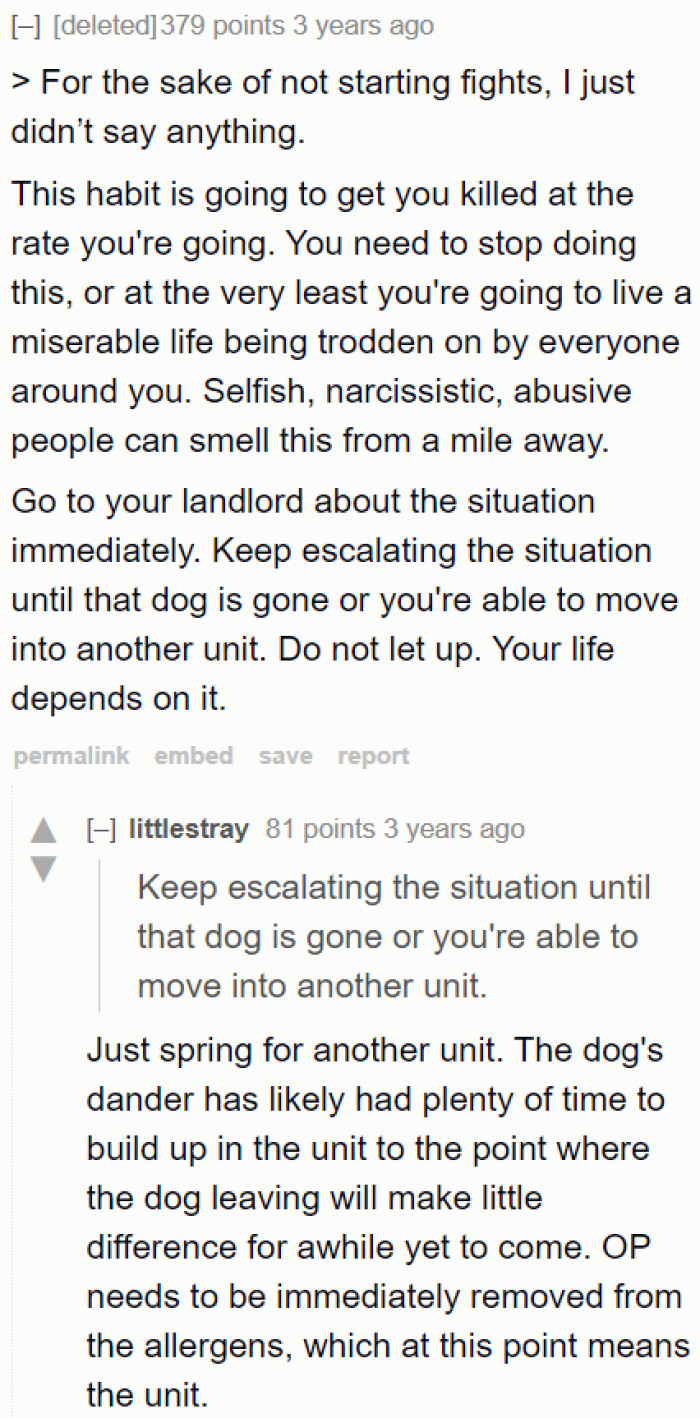
That’s when OP starts asking for advice on how to talk to her roommate without starting a fight, even though the fight is already happening inside her body.
This is similar to the allergic man who demanded his girlfriend rehome her dog before moving in.
Moreover, the psychological impact of feeling unheard can lead to significant emotional distress. Recognizing and respecting health-related boundaries is crucial for maintaining harmonious relationships in shared spaces.
The OP needs to get the landlord involved.
She can collect some evidence and present her medical records so the landlord will take action.
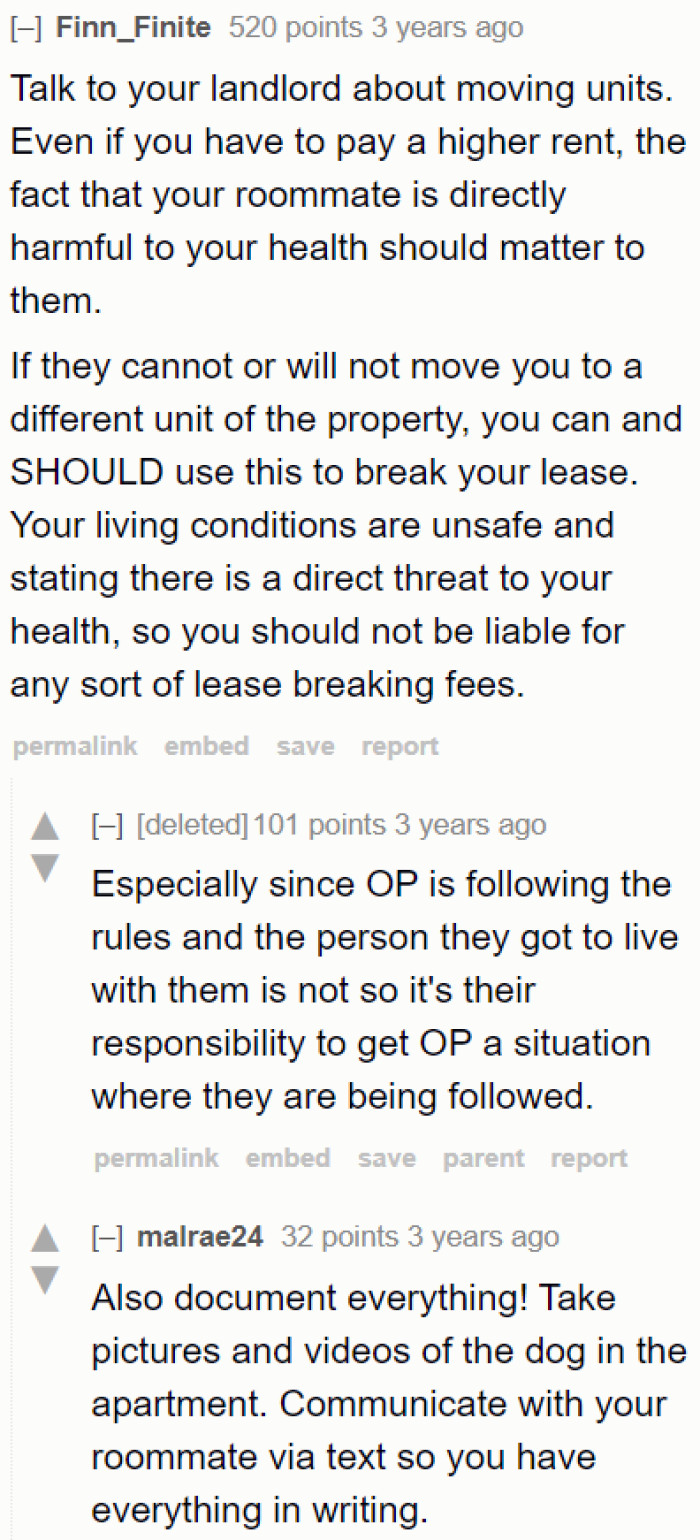
Wrong priorities, OP!
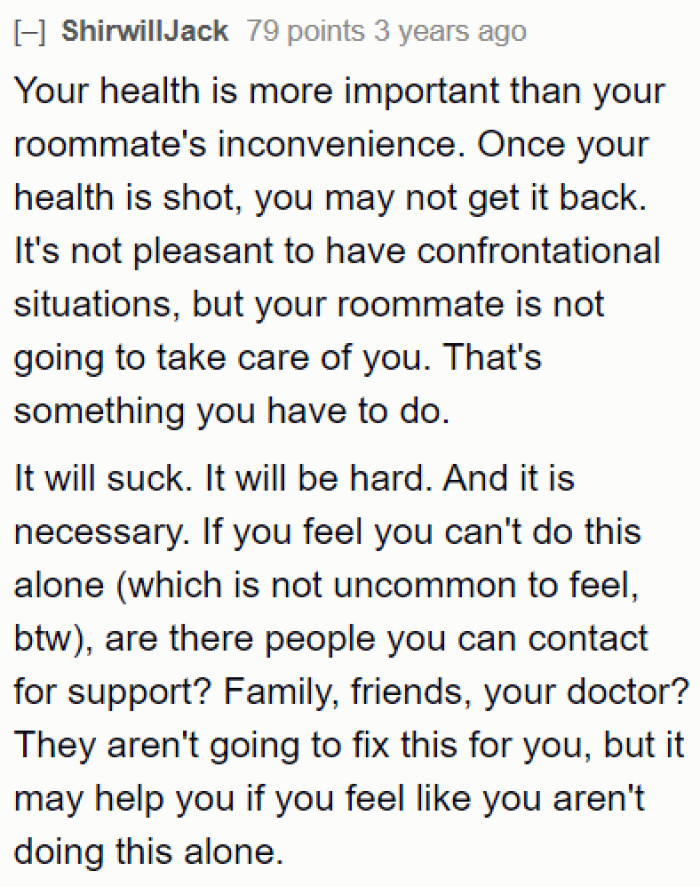
She needs to get the higher-ups involved at this point. Her health is on the line, after all.
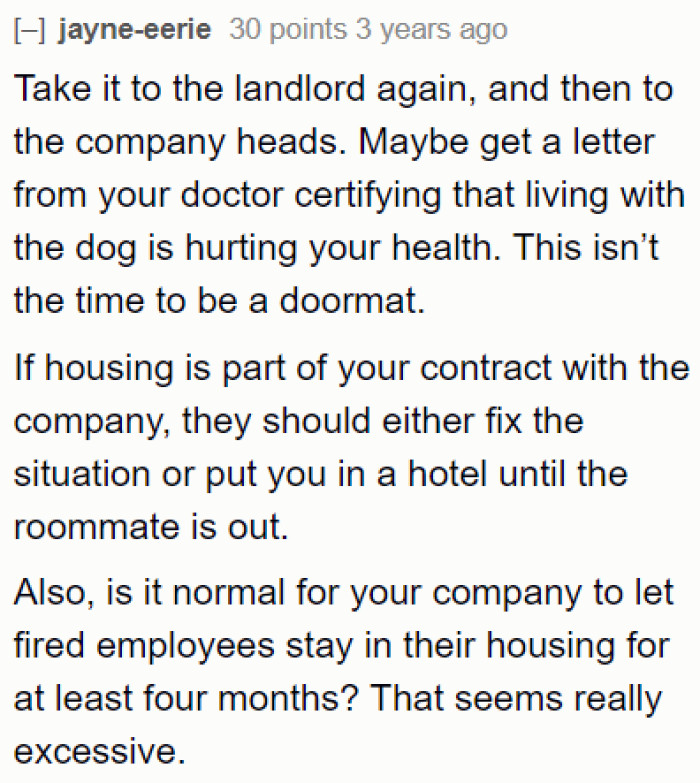
After OP realizes she’s been prioritizing peace over health, the landlord becomes the next stop, with medical records and evidence ready to go.
The article illustrates how non-confrontational language can serve as a tool to express health needs and maintain harmony.
The OP shouldn't take her condition lightly any longer.
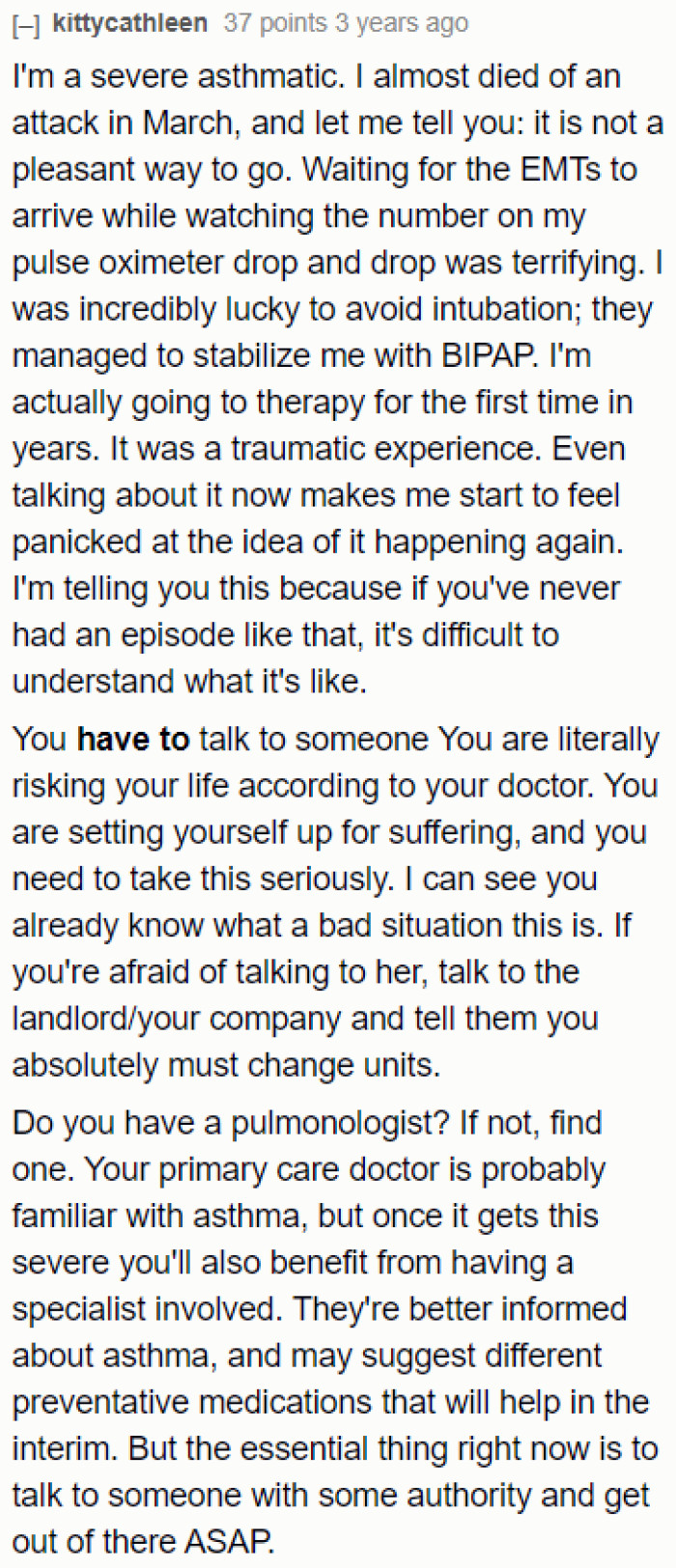
She needs to do something about this quickly. Things can't continue with her worsening condition.
And once the housing people get involved, the roommate’s “I didn’t think it mattered” attitude starts to look a lot like grounds for eviction.
The OP needs to grow a backbone and confront the roommate. Because who knows what will happen to her condition if she allows this to continue?
Since her roommate is breaking the rules, she needs to be evicted soon. At this point, she needs to involve the landlord as well as the management of the company that provides their housing.
The OP shouldn't wait for her condition to worsen. She needs to act fast — or she'll end up dying.
Additionally, educating housemates about allergies can promote empathy and respect. Encouraging open discussions about allergies can enhance mutual understanding and cooperation in shared living environments.
In this scenario, navigating the complexities of allergies in shared living spaces highlights the need for proactive communication.
The dog might be the roommate’s pet, but OP’s apartment is starting to look like it needs to kick the roommate out.
For a roommate allergy standoff with a rabbit, see the allergic girl whose roommate says the rabbit is staying no matter what.
Share this article:





