Hiker Meets Mountain Lion In Utah, And The Video Will Send Chills Down Your Spine

Kyle Burgess thought he was just going for a normal run at Slate Canyon, until “bobcat kittens” turned out to be mountain lion cubs. And the moment he realized what he was looking at, the situation stopped being cute and started being terrifying.
He didn’t just spot them, he got the full experience, because the angry mother showed up within seconds. Kyle ended up stalked for about six minutes, while the canyon’s thick cover kept everything tense and close, like the wild was daring him to make one wrong move.
Now he’s stuck with the kind of memory you cannot shake, even when the video ends.
Kyle Burgess went for a run at Slate Canyon and spotted what he thought were bobcat kittens, only to discover they were actually mountain cougars.
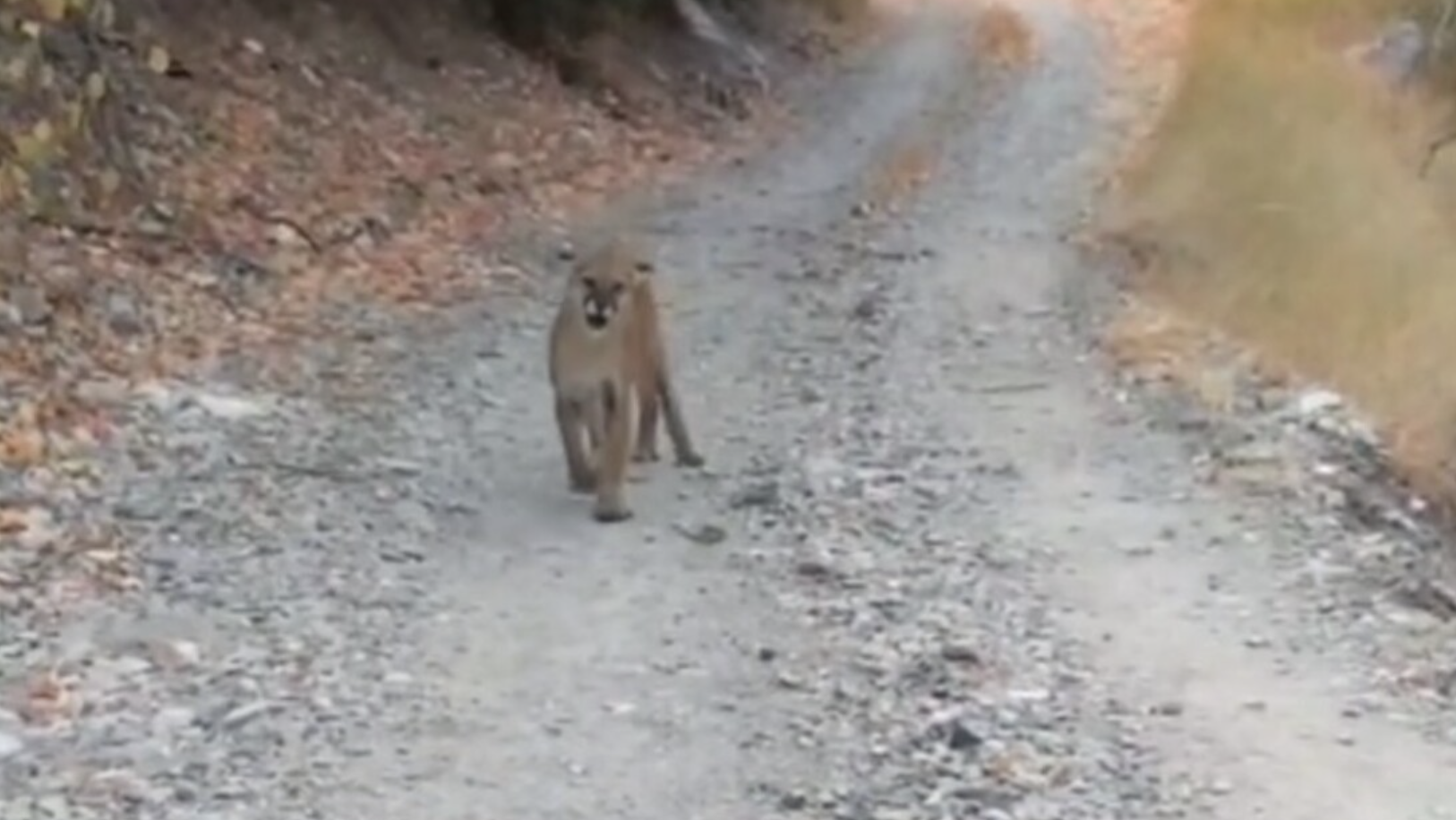
He met their angry mother within seconds, too late to avoid it.
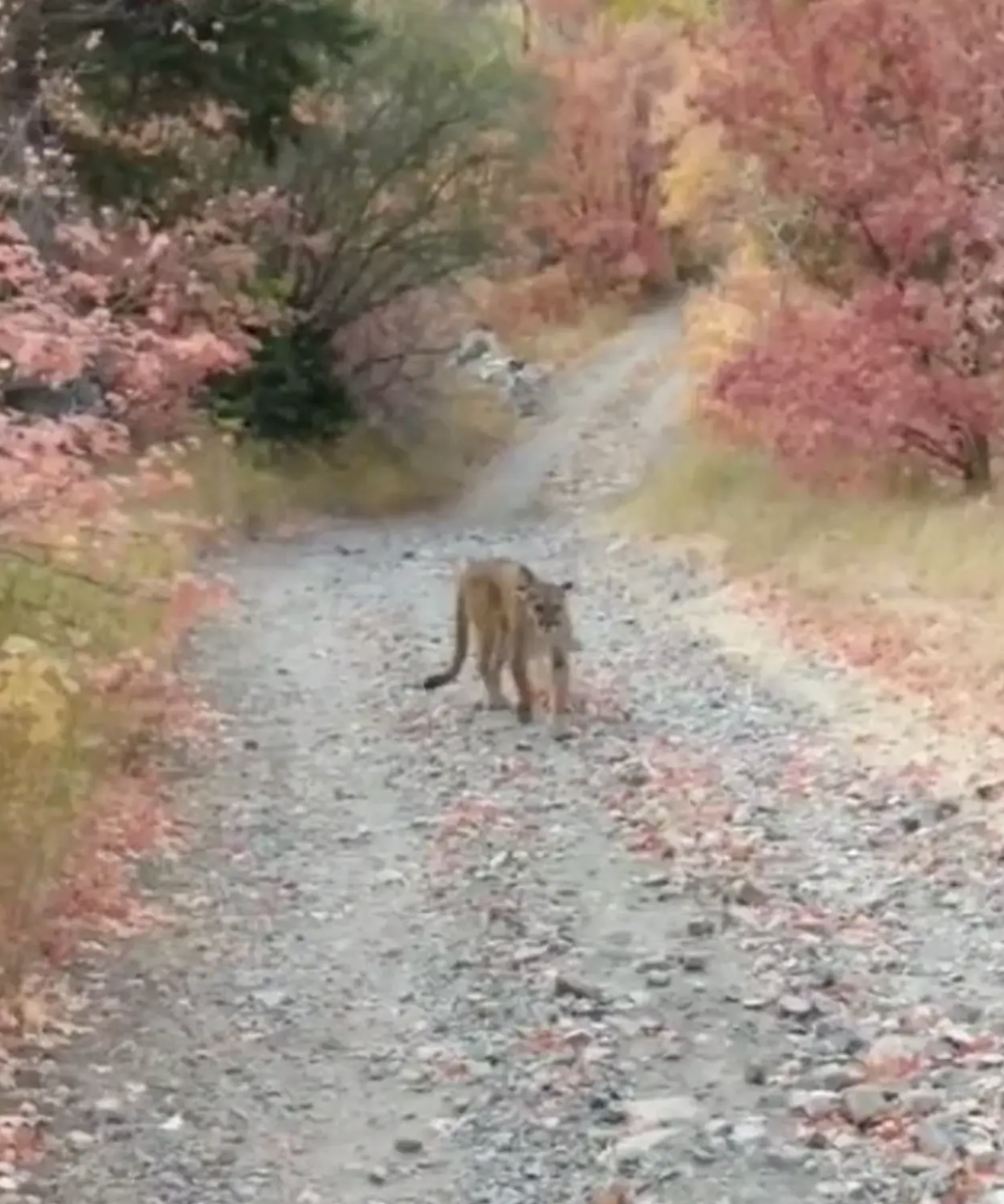
The young man endured his scariest encounter yet as an angry cougar mother stalked him for about six long minutes.
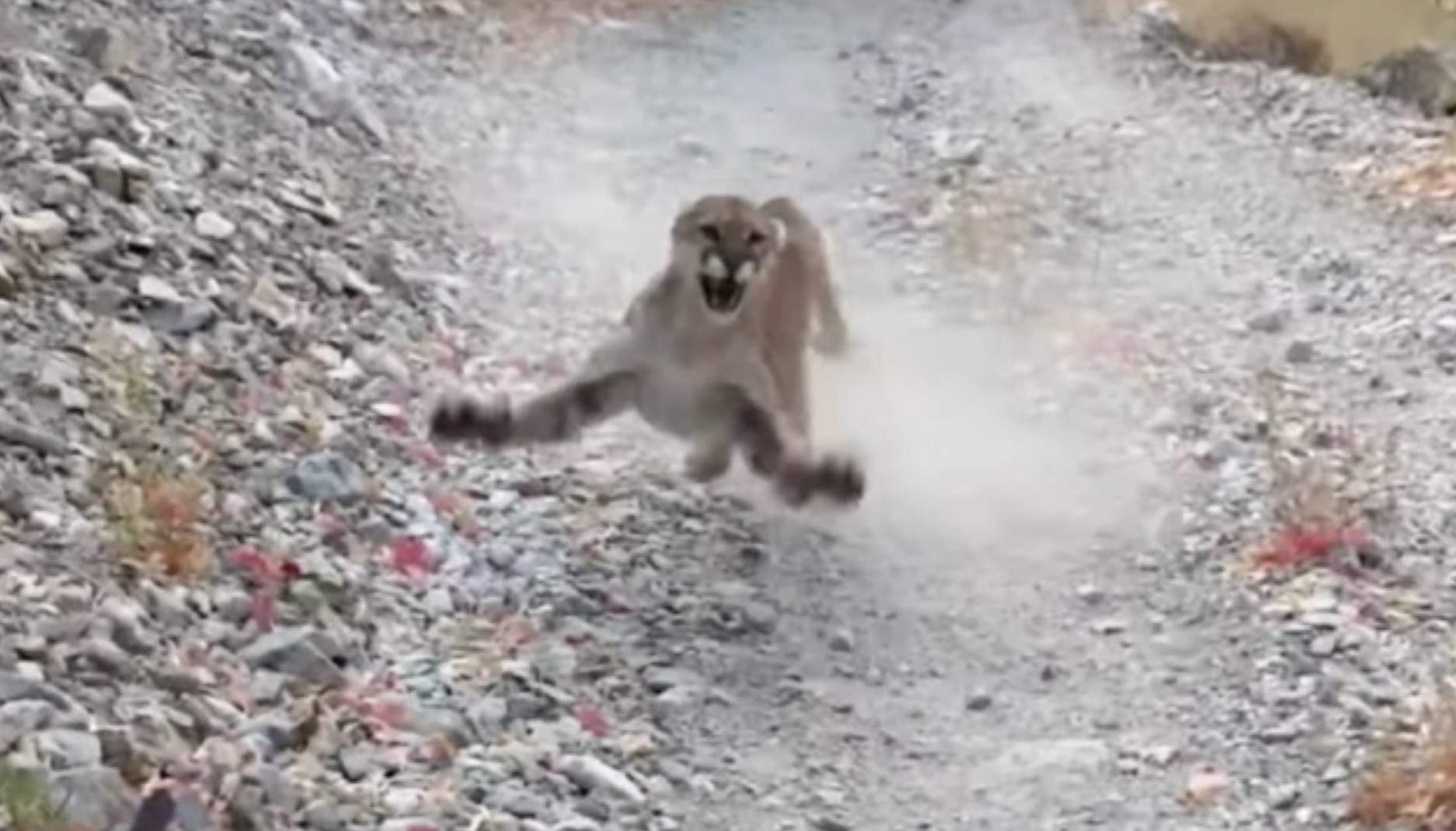
Kyle’s run went from “maybe wildlife” to “oh no,” the second he realized those kittens were actually cougar cubs.
That’s when the mother cat entered the picture fast, and suddenly Kyle wasn’t just watching from a distance.
Mountain lions are typically elusive and prefer to avoid human contact. However, in cases where they feel threatened or cornered, they may exhibit aggressive behavior.
Hikers should remain calm and avoid sudden movements during such encounters. Knowledge about local wildlife, including understanding their behavior, can significantly enhance safety in the wilderness.
"Awareness and education are key," emphasizing that hikers should educate themselves about wildlife interactions before venturing into natural habitats.
It also echoes the courageous man who risked his life to free a mountain lion trapped in a snare.
Wildlife Safety Tips
Carrying deterrents such as bear spray when hiking in areas inhabited by large predators is important. Noise-making devices can also help alert wildlife to a hiker's presence, reducing the likelihood of surprise encounters.
Additionally, hiking in groups and maintaining a safe distance from any wildlife observed is recommended. "Respecting their space is crucial for both human and animal safety,"
By implementing such strategies, hikers can enjoy nature while minimizing risks associated with wildlife encounters.
The six-minute stalk is the part that makes everything feel too real, because Slate Canyon wasn’t giving him any room to breathe.
Mountain cougars, also called mountain lions or pumas, are fascinating animals, and they find a great home in Slate Canyon. This area has the kind of rough landscape that cougars love, offering them plenty of space and resources to live.
These big cats prefer their privacy and need large areas to hunt and find mates, using the thick vegetation in the canyon for hiding. Cougars are top predators, which means they help keep the ecosystem balanced by controlling the number of other animals.
In Slate Canyon, they mostly eat deer, but they'll also catch smaller animals if they can. By keeping the deer population in check, cougars help maintain healthy plant life as well.
"Cougar Encounter in Utah | Mountain Lion Stalks Me For 6 Minutes!"
By the time Kyle gets through it, you’re left thinking about how quickly a peaceful hike can turn into a full-on stare-down.
So if you find yourself in the great outdoors, remember Kyle's story and follow these important tips:
If you encounter a wild cougar, never run, and do not approach the animal. Maintain eye contact and stand tall to appear larger. Make loud noises and back away slowly, giving the cougar an escape route. If attacked, fight back vigorously, focusing on protecting your head and neck.
By being prepared and knowing how to respond, you can stay safe and enjoy all that nature has to offer. After all, as Kyle's experience shows, sharing knowledge could save a life.
Understanding wildlife behavior is vital for safe outdoor experiences.
Kyle lived to tell it, but Slate Canyon definitely made him rethink every run.
After that porch surprise, see how a man watched mountain lions lounge on his own porch.
Share this article: