Dogs Get Banned From Office After Redditor Refuses To Work From Home

Dogs made remote work a lot more bearable for plenty of people, but the return to office life has brought a few unexpected problems with it.
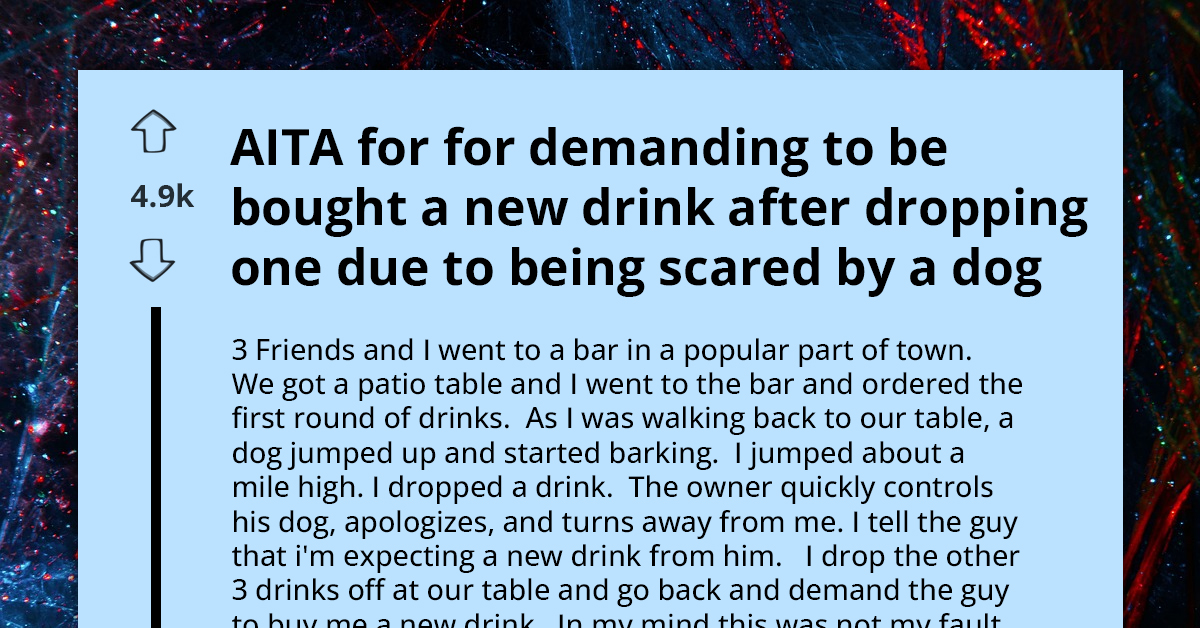
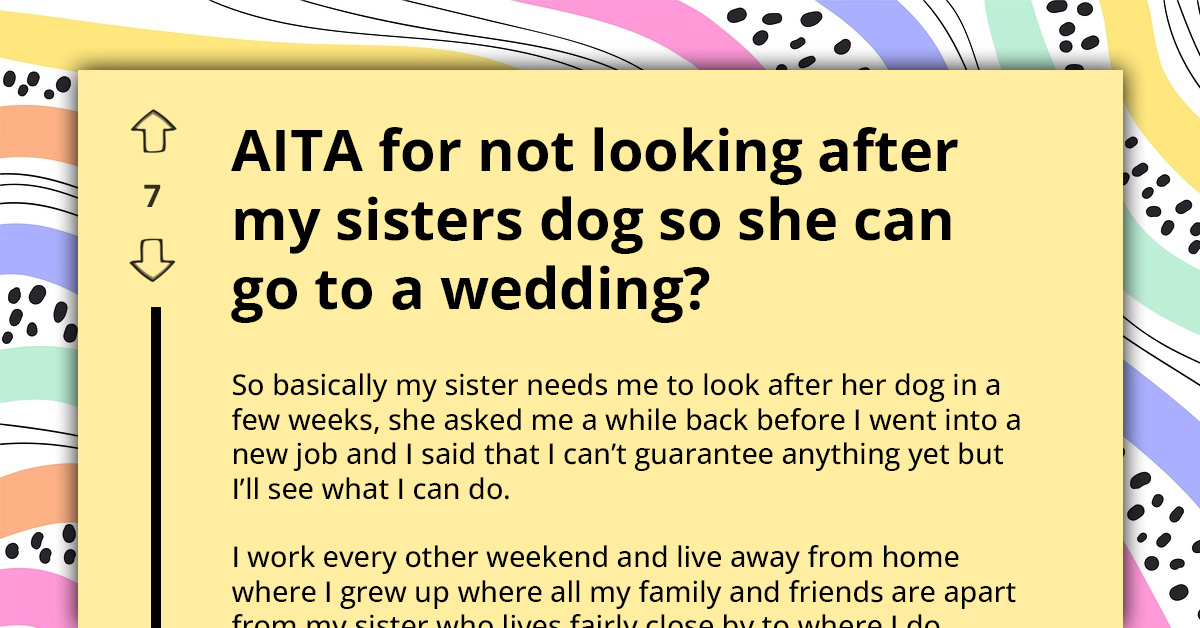
In this Reddit story, one employee is allergic to dogs, while coworkers want to keep bringing their pets into the office. Management ends up choosing the dogs over the shared workspace, and that decision does not go over smoothly.
Now the office is split, and the comments are full of people picking sides.
This is their plight

Since she was allergic, she was given the option to work from home

Unfortunately, their home space isn't conducive to a work-from-home setup

The decision to ban dogs from the office highlights the complex dynamics between workplace policies and employee well-being.
The recent decision to ban dogs from the office highlights the intricate balance between workplace policies and employee preferences. The management's choice appears to be driven by concerns over productivity and potential distractions, rather than an outright dismissal of the joy that pets can bring. This reflects a broader trend where organizational values and goals shape policies that may not always align with individual desires.
Moreover, the impact of such policies on employee morale cannot be underestimated. Data suggests that when employees feel their needs are acknowledged in decision-making, their job satisfaction tends to increase. The dismissal of pet-friendly environments could lead to discontent among workers who found companionship with their dogs during the pandemic, potentially affecting their engagement and overall well-being in the workplace.
Since no one would give up an office, management just decided to ban the dogs

The situation is complicated, especially since it wasn't OP's choice to be allergic to dogs in the first place. If they weren't allergic, they'd probably have their own dog and would be grateful for the chance to bring it to the office or at least to see other people's dogs in their workplace.
In the comment section, people are sympathizing with OP, stating that they're not in the wrong here. However, many are also warning OP that just because they're not wrong doesn't mean it will be easy for them.
Here are some of the best comments.
1. Not everyone is going to take this win for OP and sit silently with it

2. OP's coworkers said they'd love to have the option, but they didn't want to give up their office space to negotiate that deal for them

Engaging in open discussions about the benefits and challenges of having pets in the workplace can foster a collaborative environment where all voices are heard.
Practicing active listening and empathy during these discussions can help mitigate conflict and promote understanding among colleagues.
Furthermore, the decision to ban pets from the workplace can also reflect societal attitudes toward work-life balance.
3. It's not like she wanted to be born with the condition that forces her to stay far away from adorable creatures like dogs

4. This is how you become a considerate person, because while many might love dogs, not everyone can be around them

5. The employer has a responsibility to be transparent, but they also have a responsibility to keep their employees' private details confidential

The Impact of Shared Workspaces on Employee Well-Being
The dynamics of shared workspaces can significantly affect employee mental health. Research in occupational psychology indicates that workplace environments that prioritize employee well-being tend to foster higher levels of job satisfaction. By considering the needs and preferences of all employees, organizations can create a more supportive and productive work environment.
This approach not only enhances morale but also promotes a sense of community among employees, ultimately leading to better organizational outcomes.
This is similar to the boyfriend’s roommate who banned a service dog for narcolepsy.
Practical Recommendations for Workplace Policies
Regular surveys to gather employee feedback about workplace policies can provide valuable insights into their preferences and concerns.
6. Some people might not make it so easy for OP

7. Taking care of allergies is not as simple as taking a Claritin; being considerate of others' conditions is how you become an actual caring human

8. If OP plans to stay there longer, then they should be prepared to face some passive-aggressive trouble, to say the least

Furthermore, fostering open communication between management and employees is essential for creating a positive workplace culture. Encouraging discussions about workplace policies can help identify potential areas of conflict and facilitate collaborative solutions.
By prioritizing employee input, organizations can create a more harmonious work environment that respects both productivity and personal preferences.
9. While dogs are adorable and many people would love to have them as work companions, the reality is that they can also cause distractions

10. Not everyone would be pleased to have pets climbing all over them when they have important work to do

11. Pets can be wonderful companions, but there are certain circumstances from which they should be excluded

12. Dogs require much more care in the office than most people realize

13. This is probably how OP's entitled coworkers were thinking

14. There are many consequences to allowing dog owners to bring their dogs into the office

15. OP has more than one valid reason for wanting to be in the office

16. Dogs also have a great ability to adjust to being alone at home, and there are various options to help avoid leaving your dogs alone for 8-10 hours a day

17. Not all dogs are the best-behaved dogs out there

18. OP's coworkers can survive without their dogs at work, but OP could get into big trouble with them there

19. Service dogs are the exception, of course

20. The management could have done so much better, but they didn't

Many people would be thrilled to have dogs in the office since they can serve as stress relievers for most individuals; however, there are many consequences to bringing a dog to your workplace, especially if your work isn't pet-related. Additionally, there are other people to consider.
When it comes to these kinds of situations, it's always best to consider the needs of those around you and find a way to meet everyone's needs.
The recent decision to ban dogs from the office following a Redditor's refusal to work from home highlights the ongoing struggle to balance workplace policies with employee satisfaction. As the article points out, the pandemic transformed pets into essential companions for many, offering emotional support during isolating times. This situation raises important questions about how companies can better accommodate the needs of their employees while still meeting organizational goals. Engaging employees in discussions about such policies could lead to improved morale and a more inclusive atmosphere, ultimately benefiting both the workforce and the organization. Open communication about preferences regarding pets in the workplace could pave the way for more thoughtful and effective policies that reflect the evolving dynamics of modern work life.
The decision to ban dogs from the office showcases the complexities of balancing workplace dynamics with employee preferences.
Wait until you see the coworker’s untrained dog, and how the Redditor begged for solutions.
Share this article: