Online Community Divided Over Family's Dilemma - Keep Or Rehome Dog After Biting Child

A 2-year-old granddaughter getting bitten by the family dogs turned one Reddit thread into a full-blown war zone, fast. People weren’t just arguing about “dogs vs kids,” they were stuck on the same brutal question: was this a random bite, or a reaction after the child kept pushing boundaries?
In the middle of it all, you’ve got Chihuahuas in the mix, a tense family setup, and someone claiming they kept warning the daughter-in-law that the tormenting had to stop. The comments split hard, with some insisting the dog should go if it acted aggressively, and others firing back that if the child was instigating, then the real problem is parenting and respect.
By the time you factor in how bad the bite was and who started what, the “keep or rehome” debate stops being simple and starts getting personal.
This is the question that's being asked here, and it's definitely one that has garnered a lot of feedback, especially from people with different perspectives.

The first answer here is pretty spot on because it really does depend on the circumstances and what has happened prior to this, how the dog is, etc.
Depends on the circumstances. If the dog just randomly chomped, then yes.
If the child was intentionally terrorizing it… well, everyone has limits. I’d probably punish the child depending on how the child was abusing the animal that led to this issue. However, if that is what happened, then you are at fault for not teaching your child to respect animals.
If you can’t teach a child to respect an animal, then you have no business keeping any type of animals in your home.

If the child did anything to the dog first, then it would really just be a reaction from the dog, and it was mostly the child's doing to instigate the dog.
If a child is bitten by their dog, should the family get rid of the dog?
That depends on WHY the dog bit the child.
If it was a random act and/or the dog is aggressive, then yes. I’d get rid of the dog.
If the child did something TO the dog, I’d get rid of the child.

Dogs only put up with so much, and they don't have the same patience or understanding with children that people do, so they act mainly on instincts.
No, I’d have to see what happened. The child may have aggravated the dog. Dogs only put up with so much, and children have to learn how to treat animals. Plus, how bad was the bite?

OP’s warnings about the 2-year-old granddaughter tormenting the Chihuahuas set the tone, and commenters immediately started picking sides on whether the dog was “random” or just pushed too far.
Family dynamics play a crucial role in how conflicts are navigated.
Children don't usually know how to behave around a dog or how to not bother them, and sometimes this can make the dog react and bite them.
It depends on why the child is bitten.
Were they tormenting the dog? Or did the dog just bite the child?
I kept warning my daughter-in-law that my 2-year-old granddaughter was going to get bitten if she didn't stop tormenting my dogs (Chihuahuas). They had never bitten anyone before, but she wouldn't stop, and yes, she got bitten. It didn't break the skin, but it let her know to stop.
If the child is at fault, no, don't get rid of the dog.

Children don't deserve to be bitten by dogs, but we understand what she's trying to say here, and that's exactly why nobody can really blame a dog for reacting that way.
NO… perhaps the child “deserved” it due to mishandling of the dog. The child must be taught how to treat the dog.
Don’t kick it or pull its ears… etc. IF the behavior continues, of course, you rehome the dog… not get rid of it. Retrain the child.
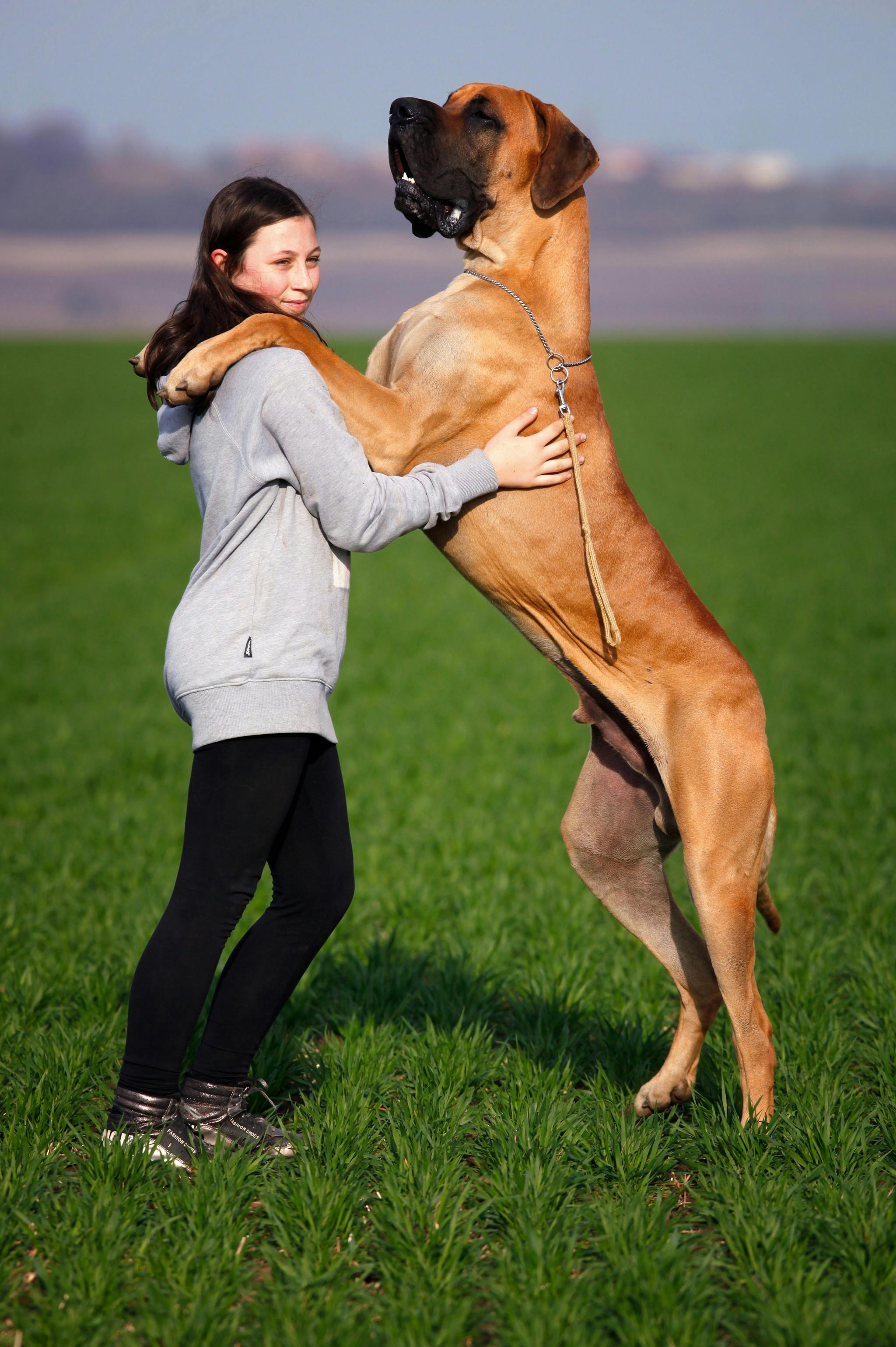
As soon as people mentioned “punish the child depending on how the child was abusing the animal,” the thread shifted from dog safety to blame, and it got ugly fast.
It’s the same warning Quora owners gave about the user trusting a dog with a biting history around a newborn, in this discussion about leaving a baby alone with the dog.
We definitely feel like this question is hard to answer, but people had a lot to say in the comments and answers. Many people said that the dog could have been provoked, and that's why they are more than likely attacking or biting the children.
If the dog is provoked, then you can expect them to react in any sort of way, which could include biting the child. This is why it's important to supervise all the time.
It depends. If the dog was provoked and just gave a little warning nip, the family should keep it and carefully teach the child not to do whatever they did again.
If it was unprovoked or a more serious attack, the dog should probably be put to sleep.
Children are definitely unpredictable, but animals can be unpredictable too, which makes things even harder to control when it comes to both animals and children.
Depends on the situation. All pets must get to know children, and most come to learn that children can be like their personal vending machines. But children can be suddenly unpredictable.
Which can spook any animal. So children need to be taught to respect animals. This step is often overlooked.
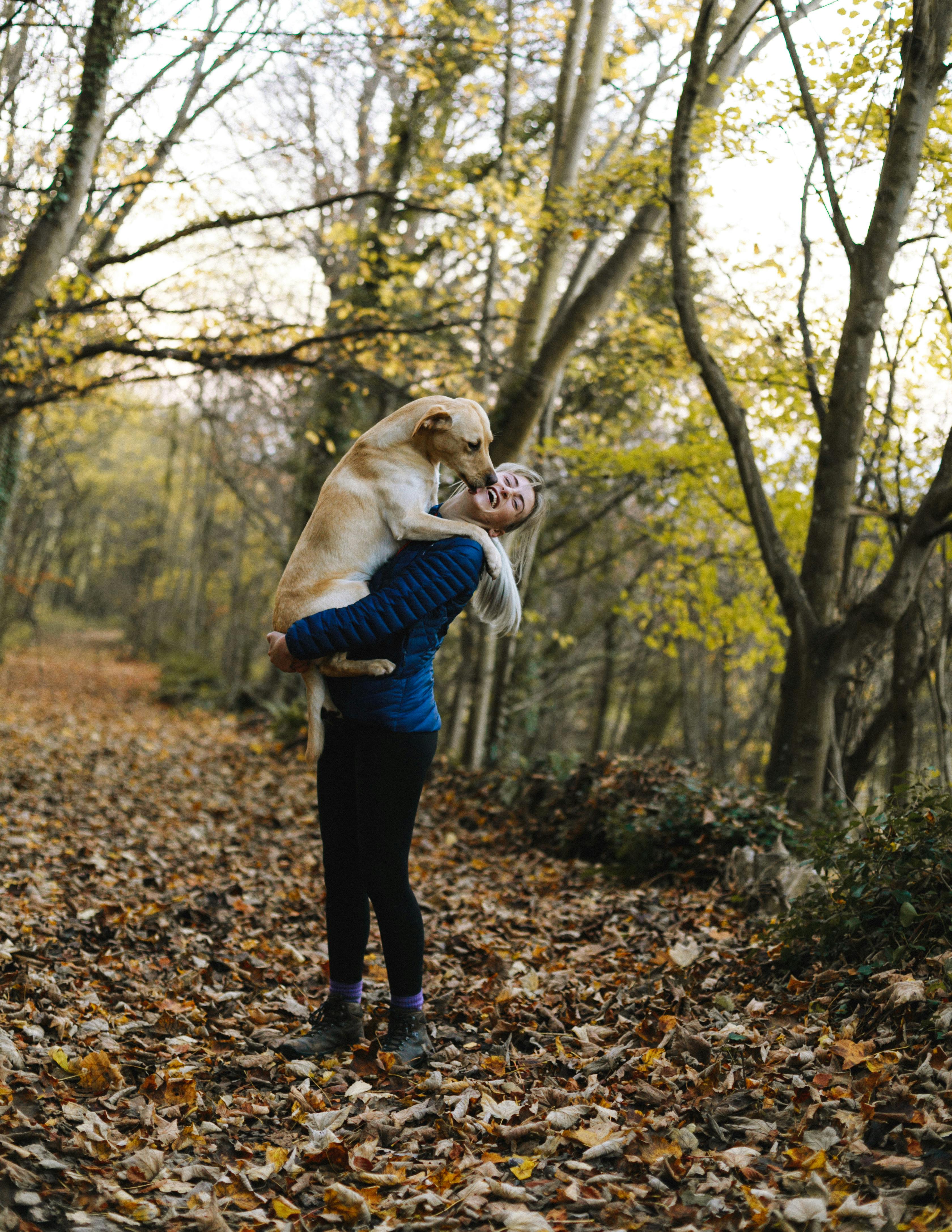
The argument about dogs only putting up with so much, and kids not having the patience to learn boundaries, became the main event, especially once the bite severity entered the chat.
The Psychological Impact of Pet Ownership
Research published in the Journal of Social Psychology indicates that pets can provide significant emotional support, which complicates the decision to rehome them. The emotional bond formed with pets can lead to feelings of loss and grief if they need to be given up.
Understanding these emotional implications can help family members navigate their feelings and reach a decision that honors the emotional needs of everyone involved.
The ongoing debate surrounding the family's decision to keep or rehome their dog after it bit a child highlights the complexities of pet ownership. The article emphasizes that these situations are not merely about the animal's behavior but also about the emotional ties and responsibilities that come with having a pet. Involving all family members in the discussion is crucial. This approach not only acknowledges the feelings of each person involved but also fosters a sense of collaboration in reaching a resolution.
Creating a supportive atmosphere where everyone feels heard can significantly enhance family dynamics. The challenge lies in balancing the safety of the child with the emotional attachment to the dog, illustrating the need for empathy and understanding in such difficult decisions.
Effective communication is vital in resolving conflicts related to pet ownership.
And when the story circles back to how the daughter-in-law allegedly didn’t stop the behavior, the debate becomes less theoretical and more like a family dinner that never ends.
Strategies for Decision-Making in Family Conflicts
Additionally, creating a list of pros and cons for each option can help clarify the best path forward and ensure that decisions are made thoughtfully.
Engaging in family therapy can provide a safe space for these discussions and facilitate healthy conflict resolution.
Empathy is crucial when navigating family dilemmas, especially those involving pets.
Ultimately, resolving dilemmas around pet ownership requires patience, understanding, and collaboration among family members.
The family might not need to “rehome” anything, but they definitely need to stop repeating the same bite-causing pattern.
Not everyone agreed with putting the dog down after the biting incident, see why in this debate over whether a dog should be put down.
Share this article: