Check Out The Rose Robin – A Small Bird With A Big Heart

The rose robin is a tiny Australian bird with a lot of visual charm, and its bright pink chest makes it hard to miss once you spot it. Despite its small size, this passerine has a long tail, quick movements, and a habit of darting through wet forests in search of insects.
Male and female rose robins look quite different, which adds to the confusion for birdwatchers trying to identify them in the wild. They live mainly in eastern and southeastern Australia, where they move through rainforests, gullies, and wetter forests, feeding, breeding, and raising young high in the trees.
That mix of beauty, behavior, and habitat makes the rose robin a standout species. Here’s a closer look at what makes it so distinctive.
The rose robin is a small (4.3 inches) passerine bird with a relatively long tail
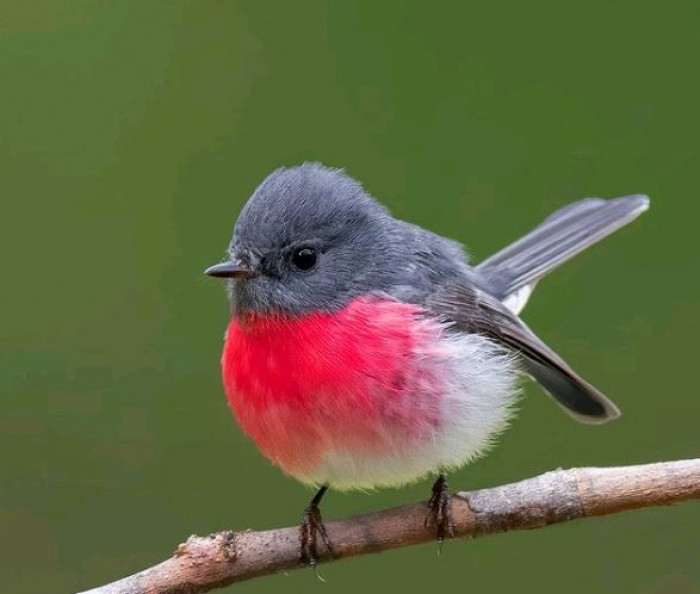
It is sexually dimorphic. Females are mostly a shade of brown-gray
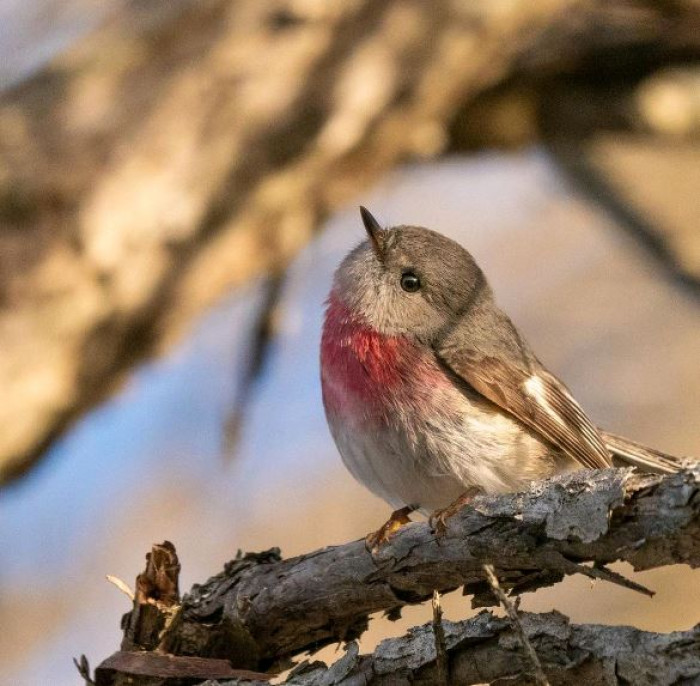
Adult birds are around 4.3 inches in length. When foraging, rose robins seldom stay still, darting out from a perch in pursuit of flying insects with an aerobatic, tumbling flight or snatching insects from the foliage.
Even when perched, they constantly shift position or change perches by making short flights every few seconds. They often join mixed-species feeding flocks, accompanying thornbills, fantails, and other small insectivorous species.
They never seem to sit still for long.
These birds mainly inhabit areas in eastern and southeastern Australia
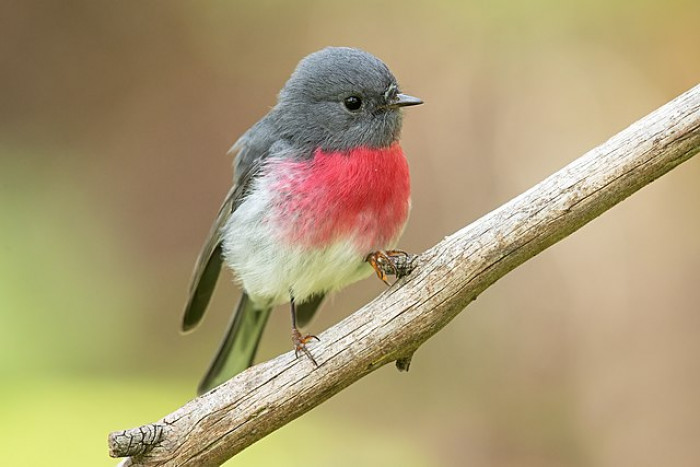
Rose robins mostly feed on insects they find in tree canopies
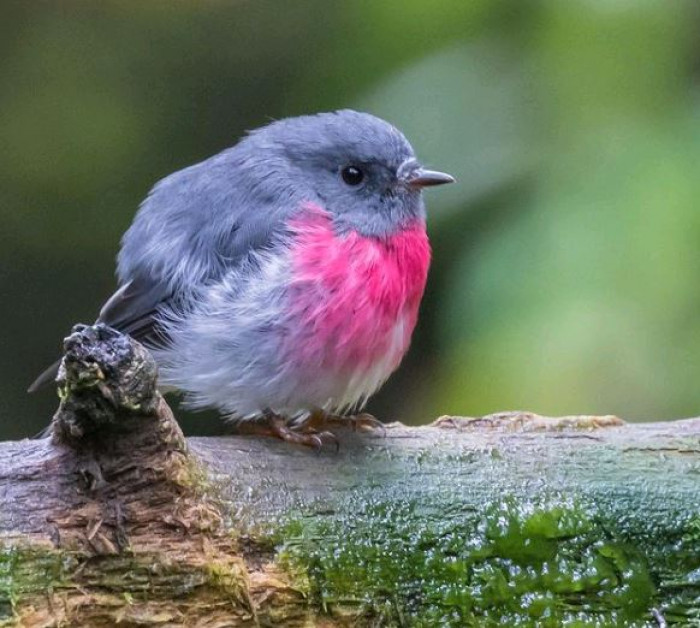
It is easy to confuse the rose robin with other red robins that share its wet forest habitat, with the young birds and females being the hardest to distinguish. In general, it tends to be slimmer, with a much longer tail and shorter legs.
Flame robins are generally bigger and bulkier, with males having a distinctive white wing bar not seen in the rose robin.
Rose robins are tiny too, like the pocket-sized frogs and microscopic swimmers that prove size isn’t everything.
They breed between September to January
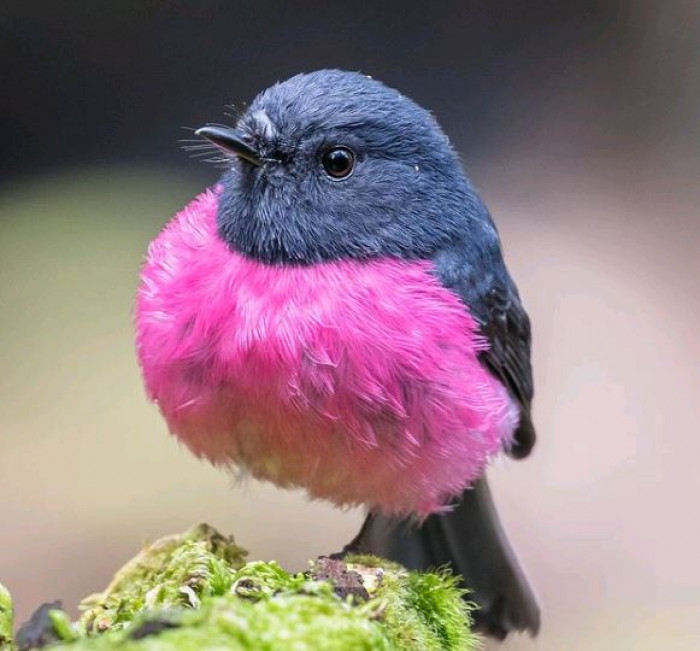
The species is reported to be locally quite common
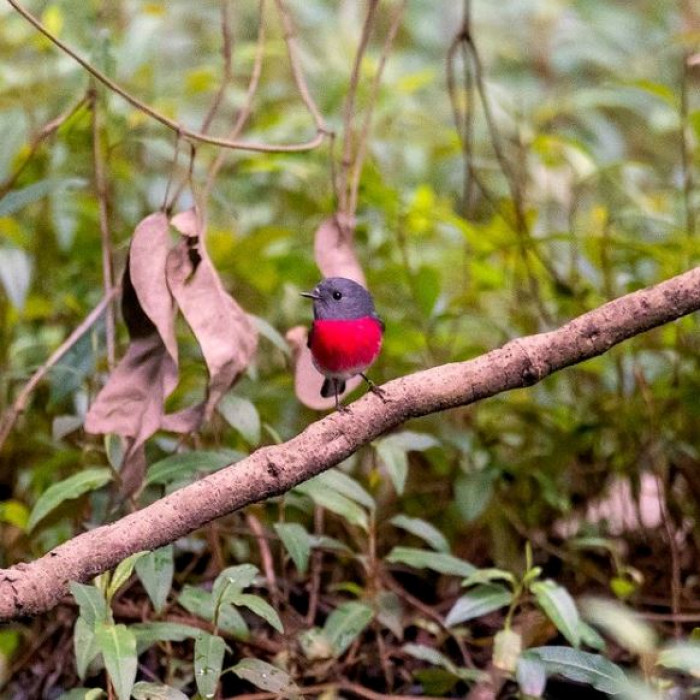
Rose robins seldom stay still
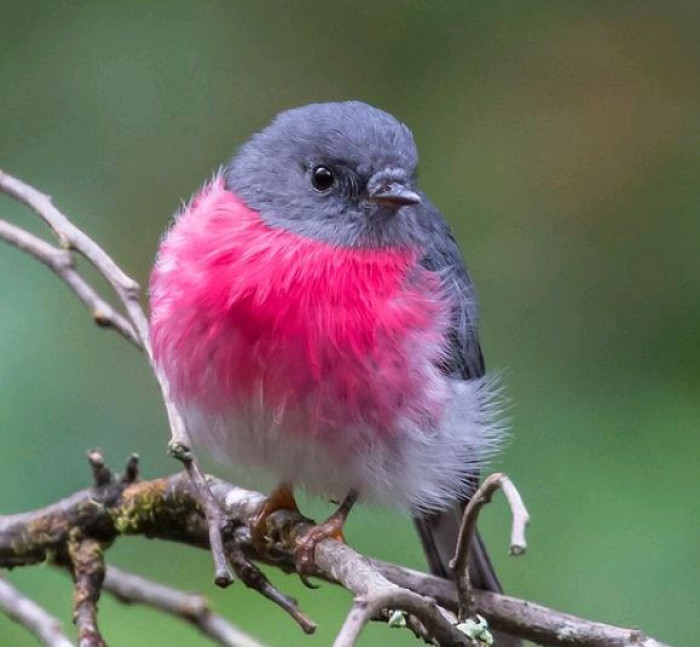
Even when perched, they constantly shift position every few seconds
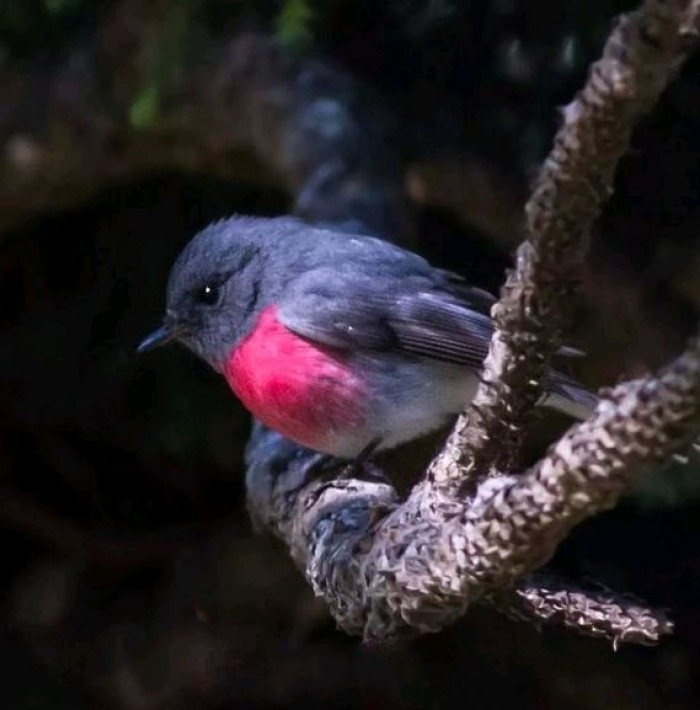
Watch them on video:
The rose robin is not only a visually striking bird but also an important indicator of ecological health. While specific population metrics for the rose robin remain elusive, sightings suggest they are relatively common in their habitat. Their distinctive behaviors, such as their quick, agile movements and preference for flitting between branches, can make them a delightful challenge for birdwatchers. Observing these behaviors in the wild highlights the necessity of protecting their environments, as the presence of the rose robin often signifies a healthy ecosystem. For those interested in understanding more about the intricate balance of our natural world, exploring the significance of various avian species is essential.
A small bird, but it leaves a big impression.
After seeing rose robins dart and tumble for insects, check out the people who found bird nests in unexpected places.
Share this article: