
Concerned Reddit Community Facepalming Over Claim By Korean Buddhist Temple That Cat Practices Buddhism And Went Vegan

A Korean Buddhist temple posted a claim that a cat “learned Buddhism” and went vegan, and the internet did not play along. Reddit users immediately clocked the obvious: cats are not tiny monks, and “crying” at dinner time is not a spiritual breakthrough. The thread spiraled fast into debates about nutrients, caretakers, and whether the cat’s “vegan” setup is actually harming it.
It’s a facepalm story that turns into a real question about how easily we slap human beliefs onto an animal’s needs.
Original Post
A Korean Buddhist temple claims that this cat learned Buddhism and became vegan.
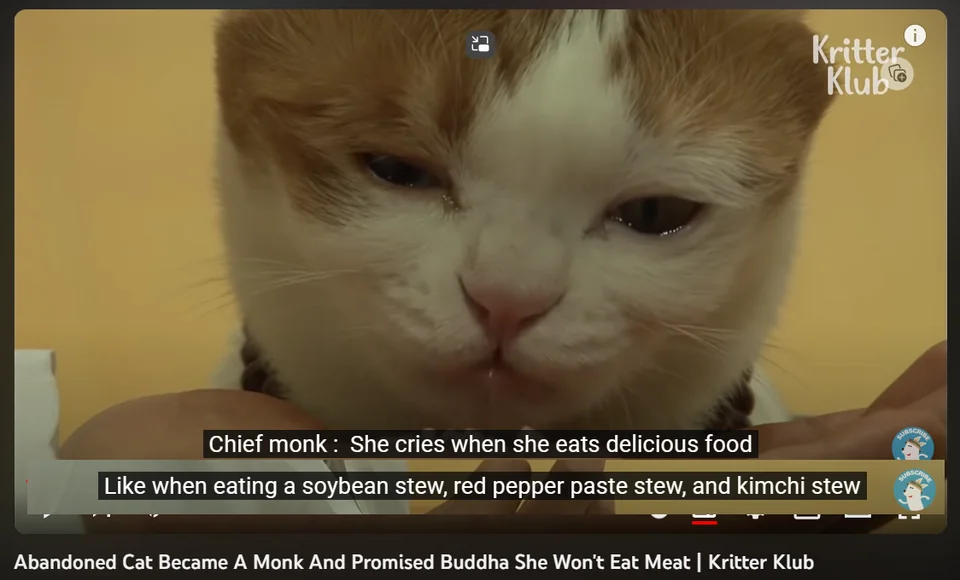
The monks think that the cat is crying because it's eating delicious food. Online users think otherwise.
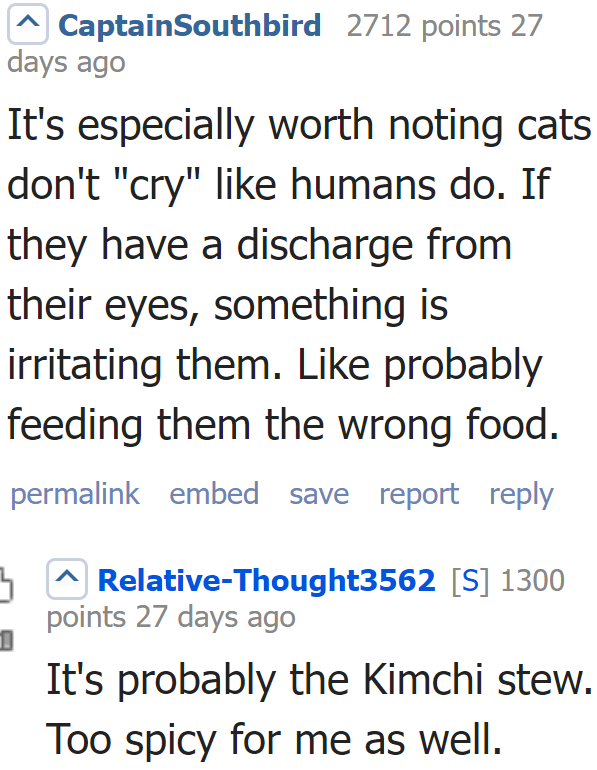
Delicious for humans isn't the same for cats.
The recent claim by a Korean Buddhist temple that a cat practices Buddhism and has adopted a vegan lifestyle prompts a deeper examination of how we perceive animal behavior and ethical responsibility. While the idea may elicit a chuckle or a facepalm from the online community, it underscores a significant misunderstanding of both animal cognition and the principles of ethical treatment. The assertion that a cat can engage in Buddhist practices suggests a level of anthropomorphism that can distort our understanding of what animals truly require for their well-being.
Moreover, the conversation around this claim is not just a humorous anecdote; it highlights the risks of projecting human beliefs onto animals. This tendency can lead to misguided interpretations of their needs, ultimately impacting animal welfare. As we reflect on such claims, we must remember that ethical considerations towards animals should be rooted in their actual behaviors and needs, rather than cultural narratives that may not apply.
The monks reportedly saw “crying” as a sign of enlightenment, and Reddit users were already rolling their eyes.
The Intersection of Belief and Behavior in Cultural Contexts
Beliefs about animals and their roles in society can vary significantly across cultures, influencing how individuals interact with them.
This case exemplifies the complexities that arise when cultural beliefs intersect with personal experiences.
Vitamin deficiency can also be causing the eye irritations.
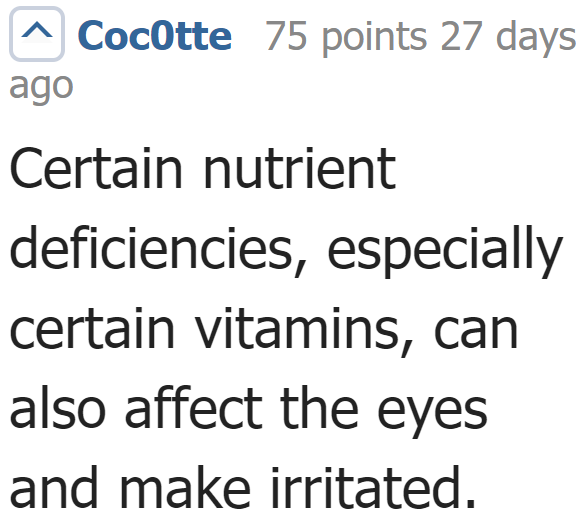
Some people think that the caretakers aren't providing the cat with food that contains the right nutrients.
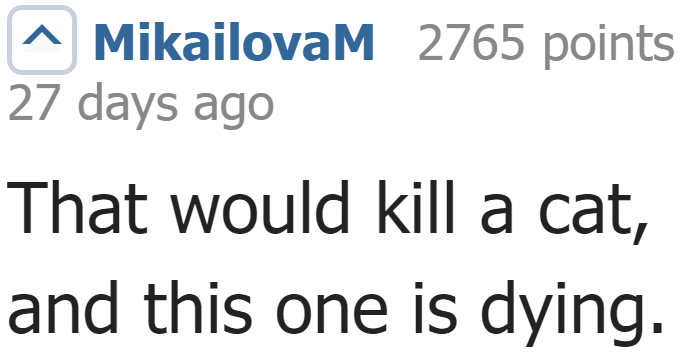
Unfortunately, the cat is surrounded by delusional caretakers.
Let's hope they're allowing it to hunt for the food it truly needs.
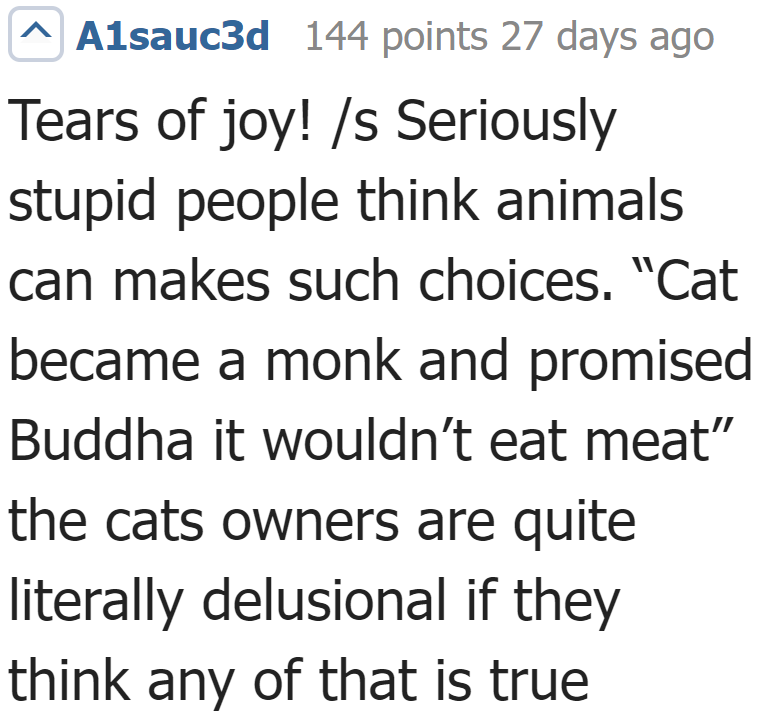
The reactions of the online community can be analyzed through the lens of social psychology. Individuals often react strongly to perceived violations of their beliefs. In this case, the claim about the cat may have triggered defensive reactions among those who value animal welfare, leading to widespread criticism.
Then the comments jumped to the practical stuff, like whether the caretakers were feeding the cat with the right nutrients.
The claim that a cat practices Buddhism highlights the tendency of anthropomorphism—where human traits are attributed to animals.
Attributing human-like qualities to animals can serve as a coping mechanism, providing comfort and companionship.
Some people think that the cat is already blind.
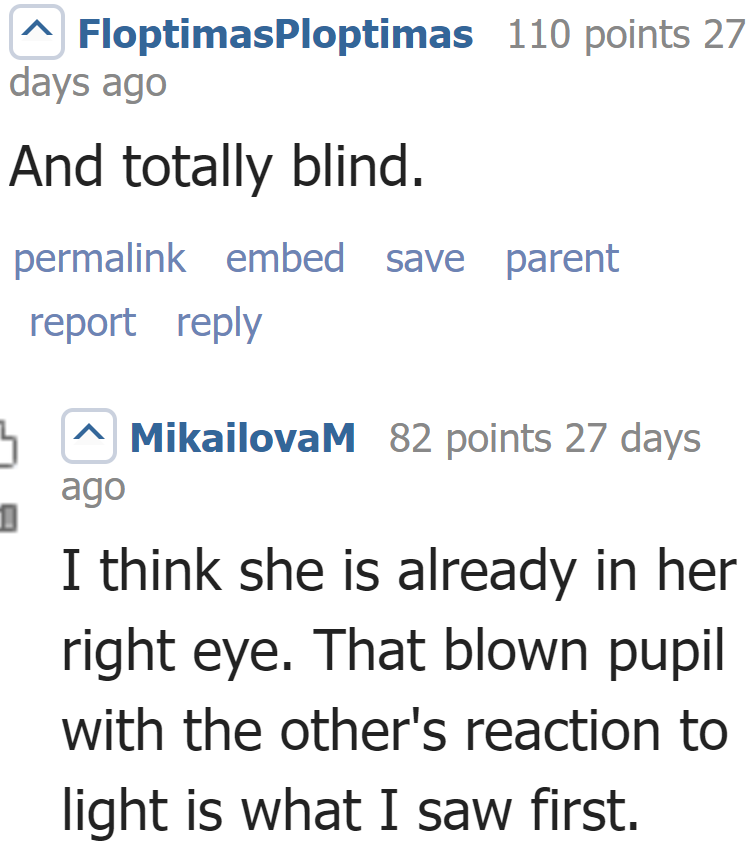
However, someone pointed out that people should look beyond the screenshot.
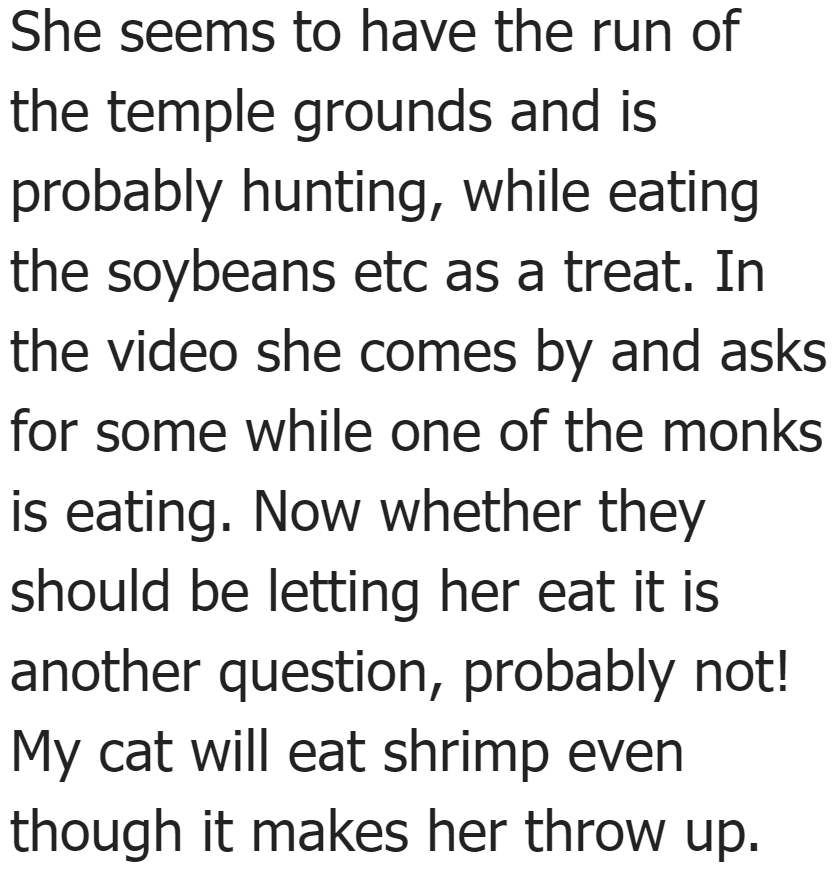
They shared a video showing that the cat looks healthy.

Cats eat food that isn't necessarily good for them.
The monk should stop offering all those Korean stews if the cat keeps tearing up from them.
The recent claim by a Korean Buddhist temple that a cat practices Buddhism and has gone vegan perfectly encapsulates the phenomenon of anthropomorphism. This tendency to attribute human characteristics to animals, while emotionally appealing, can result in significant misunderstandings about their actual needs and behaviors. The temple's assertion reflects a common desire to connect our human values to the actions of animals, demonstrating just how far our perceptions can stretch.
While it is true that cats share a considerable amount of DNA with humans—90.2% to be exact—the leap from genetic similarity to spiritual practice is a significant one. Such beliefs can obscure the reality of feline behavior, potentially leading to misguided assumptions about their dietary needs and lifestyle choices. The discussion surrounding this incident underscores the complexities inherent in our relationships with animals and highlights the importance of understanding their behavior through a more scientific lens, rather than through the filter of our own experiences.
This also echoes the vegan girlfriend who demanded her boyfriend get rid of the cat for “eating meat.”
One user even floated vitamin deficiency as the reason for the eye irritation, which made the whole “vegan cat” story feel darker.
Belief systems play a crucial role in shaping our perceptions of the world, including our interactions with other species.
Recognizing the psychological underpinnings of these beliefs can foster dialogue and understanding.
It's really hard to confirm whether the cat is healthy or not just from one look at it. See the video below:
One thing's for certain: there's no way the cat is sentient enough to be practicing Buddhism and veganism. Cats are creatures of habit, capable of mimicking their owners.
Given that monks have daily routines, the cat is likely accustomed to them as well. In other words, as one user pointed out, the monks are probably just being delusional.
We're crossing our fingers for the cat to thrive and lead a healthy life, all the while hoping the monks are serving up some proper cat food too!
Do your family and friends love crazy cat stories like this? Go ahead, share this post!
To bridge gaps in understanding, promoting education about different cultural perspectives on animals is essential.
Open dialogue is vital in addressing misunderstandings and conflicts, particularly when cultural beliefs are involved.
This can lead to more harmonious interactions and greater mutual respect.
By the time people suggested the cat should be allowed to hunt for what it actually needs, the thread fully committed to the facepalm.
Ultimately, fostering a culture of curiosity and understanding can enhance social cohesion.
Encouraging individuals to explore various beliefs about animals can create a more inclusive environment.
Research shows that open-mindedness can lead to improved relationships and social support.
The conversation surrounding the claim that a cat practices Buddhism and has adopted a vegan lifestyle highlights the complexities of how we perceive animal behaviors through a human lens. The Reddit community's facepalming reaction underscores a deeper cultural and psychological phenomenon. This interaction reflects our innate tendency to anthropomorphize animals, projecting our values and beliefs onto them. Engaging in open dialogue about these beliefs can foster understanding and empathy, reducing friction between differing viewpoints. Ultimately, this playful yet serious debate encourages us to reflect on our relationships with animals and the values we assign to their actions.
To promote a more accurate understanding of animal behavior, it's essential to educate individuals about the true needs of pets. Providing information about appropriate care and welfare can help dispel myths and promote ethical treatment. Research shows that education in animal welfare can lead to improved practices among pet owners and a better quality of life for animals.
Engaging in community outreach and workshops can enhance awareness and understanding of animal behavior and welfare.
This curious claim from the Korean Buddhist temple raises significant ethical questions regarding animal care. The notion that a cat can embrace Buddhism and maintain a vegan diet ignores the biological realities that govern feline health. The dietary needs of cats are distinctly different from those of humans, as they are obligate carnivores requiring nutrients that are primarily found in animal products. This highlights a concerning trend where human beliefs and practices are projected onto animals without considering their natural instincts and nutritional requirements. The focus should always remain on informed practices that prioritize the well-being of the animals rather than human interpretations of their behavior.
Moving forward, individuals should engage in discussions that prioritize animal welfare and ethical treatment. Promoting awareness of the true needs of animals can help bridge the gap between belief and practice. Research indicates that fostering a culture of ethical consideration can lead to more compassionate treatment of animals.
Encouraging community involvement in animal welfare initiatives can create a more informed and responsible society.
This peculiar incident involving a Korean Buddhist temple claiming that a cat practices Buddhism and has adopted a vegan lifestyle sparks a broader dialogue about our perceptions of animals and their welfare. The humorous yet serious nature of this claim invites scrutiny into the implications of anthropomorphism, which can blur the line between human beliefs and animal behaviors. While it is tempting to project our values onto pets, it is crucial to promote accurate information about their care and needs. By engaging in discussions surrounding these ethical considerations, we can work towards a more compassionate society that truly understands and respects the welfare of all living beings, not just those we share our homes with.
The temple’s “vegan monk cat” claim is fun until you realize the cat might just be hungry.
Before you buy the “vegan cat” hype, check out angry-looking reactions to vegan cat food.
Share this article:





