'Smol' Bird Looks Just Like A Flying Cotton Ball And We Can't Get Enough Of It

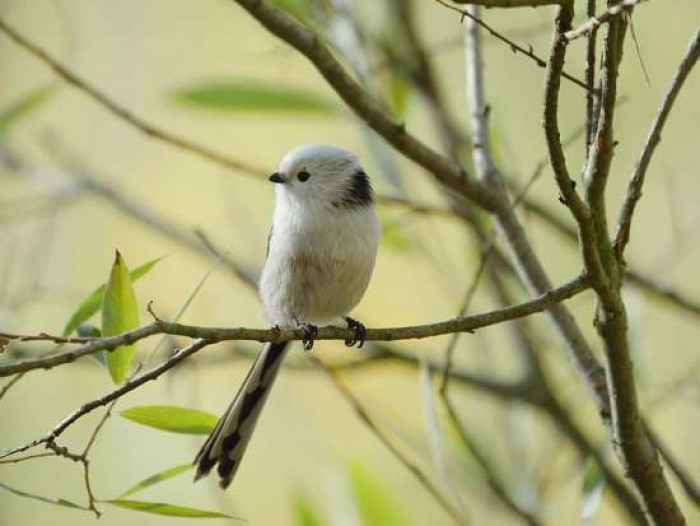
Some birds are so fluffy they barely look real, and this little long-tailed tit is one of them. With its round white body and tiny size, it can look like a cotton ball that somehow learned to fly.
These birds are easy to spot in small, noisy flocks, especially when they bounce through hedgerows, woods, and winter gardens. Their long tail gives them away up close, but from a distance, it is all fluff, motion, and a surprisingly loud call.
That is exactly why this tiny bird keeps stealing attention wherever it appears.
If you are in need of something cute and squishy to see today, just stare at this adorable photo of a Long-Tailed Tit!
You can't deny how adorable it is, and it even looks smol enough to be put into your pocket and keep you company throughout your day!
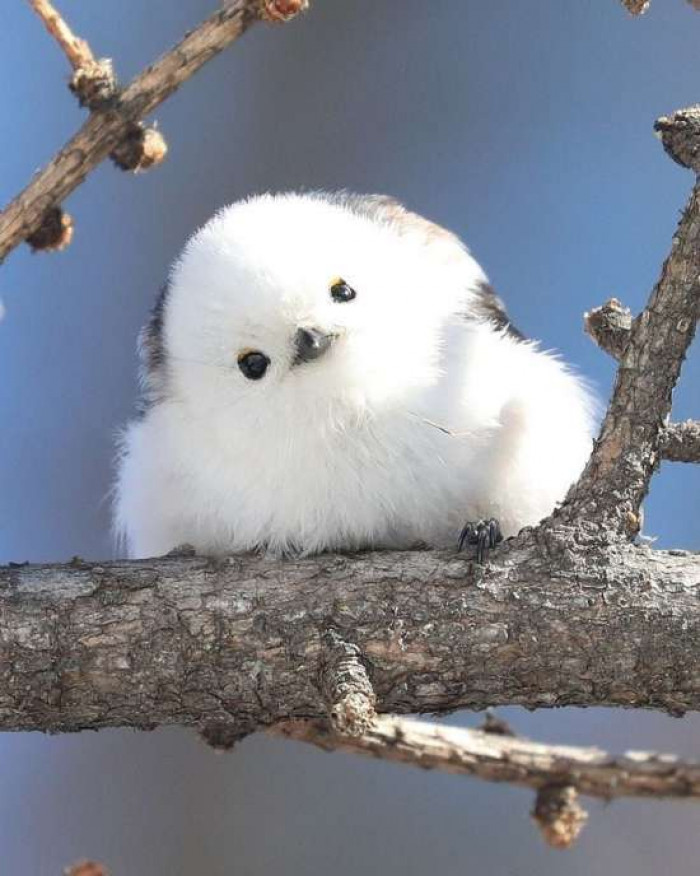
Just a tiny ball of fluff vibing in nature.
They are a widespread species, found in almost all of northern Europe and Asia, and even in the Mediterranean. They prefer to reside in woodlands that have a reputation for having large portions of shrubbery and heathland.
They can also be commonly found in gardens and parks, so make sure to check the nearby sycamore, ash, and oak trees while you're there!
Their tails only appear really long because of their stocky bodies. An adult long-tailed tit can grow to about 5 to 6 inches long, including the tail, which accounts for at least half of that length.
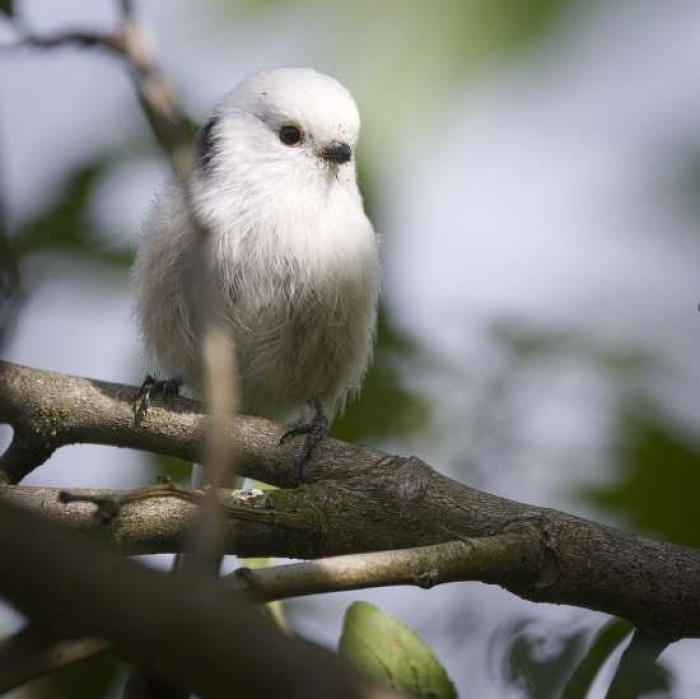
They look so cute, right? It's fortunate that they are still in the "Least Concern" category as of now, and it seems their population numbers won't be in trouble any time soon.
Comment with your thoughts, or share this little ball of fluff with all your family and friends to see!
And if this “flying cotton ball” has you amazed, check out the long-eared jerboa, the tiny rodent with the largest ears on Earth.
While they generally thrive well in winter, harsher conditions will lead them to huddle or flock together to maintain warmth.
“The tiny Long-tailed tit is so small that it is very vulnerable to cold weather. In harsh periods, as many as 90 percent may die.” says Michael McCarthy from Independent.
They are already small in size, but even smaller birds are prone to losing more body heat compared to larger ones, so they are actually at risk of dying when a partner is not found. Therefore, they flock together in specific groups: brothers, sisters, uncles, and aunts.
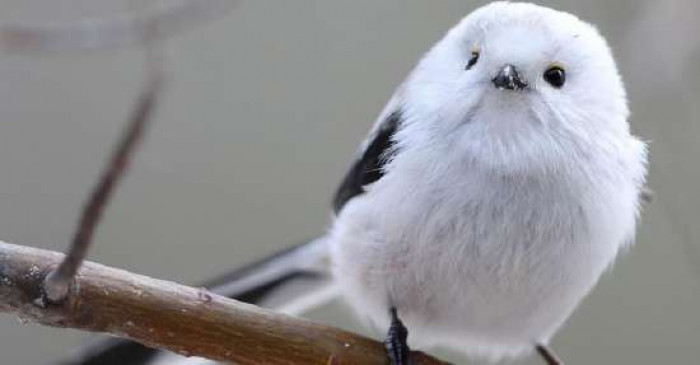
That winter flocking behavior makes them even harder to ignore.
They feed on the eggs and larvae of butterflies and moths; however, they have developed an increasing interest in peanuts because of the growing popularity of feeding areas for birds.
Want more fluff with facts? Dive into educational, surprisingly cute animal facts.
Share this article: