
These Animal Facts Are Educational And Surprisingly Cute

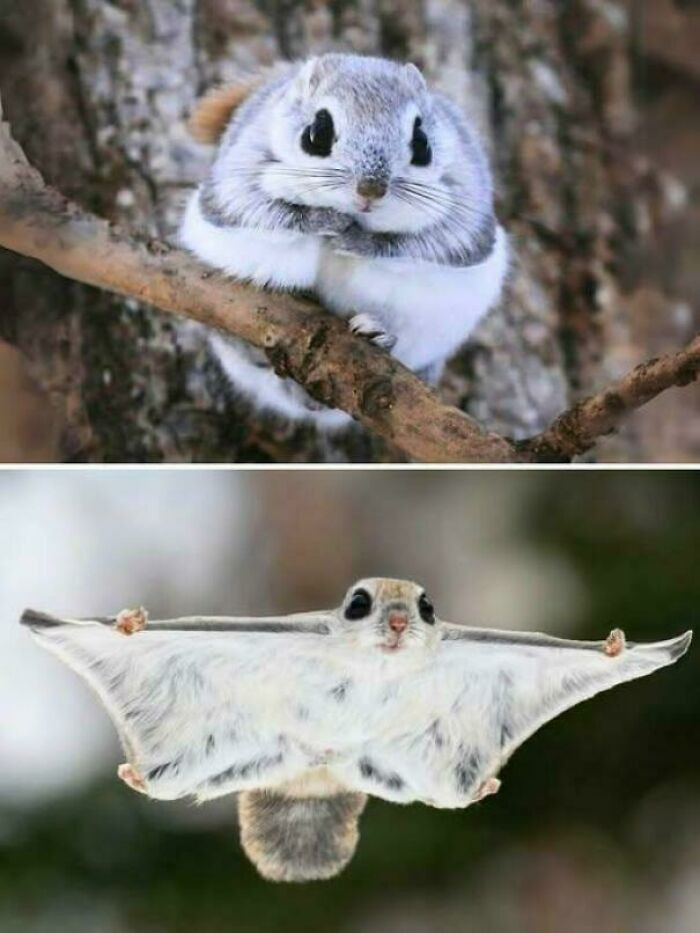
Some animal facts are cute on purpose, and then there are the ones that feel like someone accidentally left the “wow” button on. Japanese dwarf flying squirrels don’t just glide, they use patagia like built-in mini hang gliders, and suddenly the forest looks like a playground.
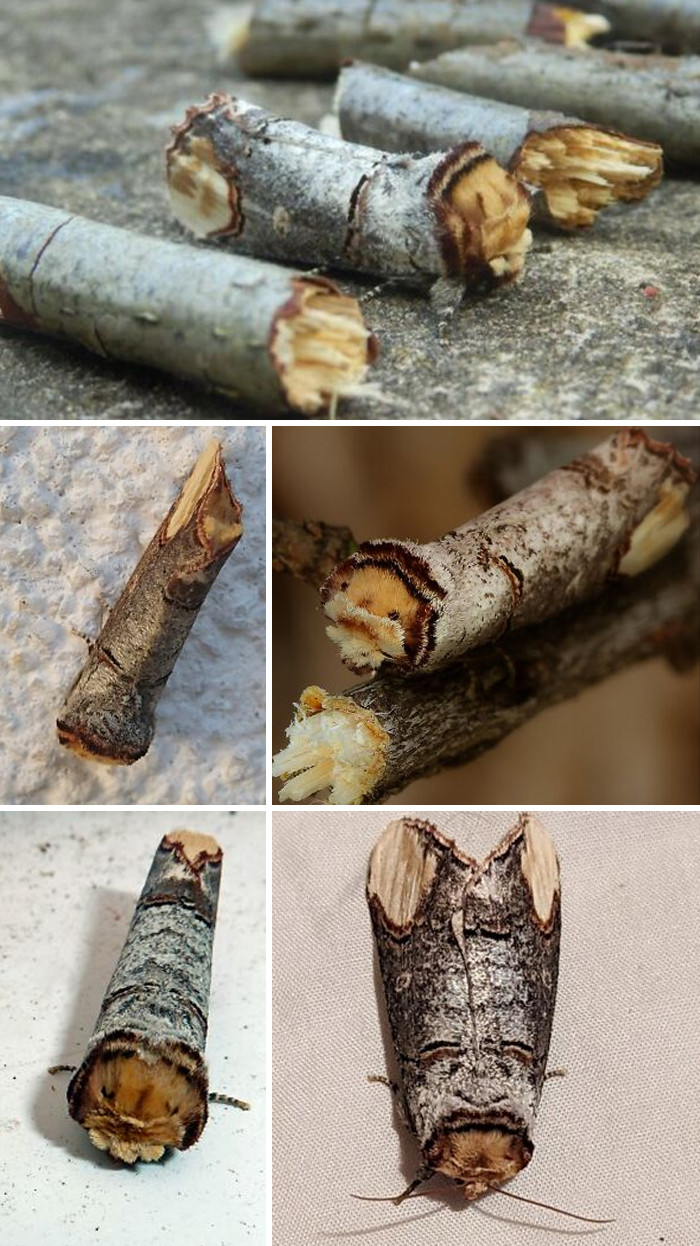
But the real curveball is how different these creatures are when you try to “spot” them. A buff-tip moth freezes like a snapped twig, sand cats shut their eyes when people show up at night, and Ethiopian wolves stay hidden because they are among the rarest wild canids on Earth.
By the time you get to the bright capsule nests of Osmia avosetta and the dawn-and-dusk hunt schedule of snow leopards, you realize this isn’t just trivia, it’s a full-on survival montage.
Japanese Dwarf Flying Squirrels use unique skin flaps, known as patagia, to glide gracefully from tree to tree—essentially becoming miniature gliders of the forest!
The buff-tip moth’s posture, shape, and coloring help it perfectly resemble a broken birch twig when at rest.
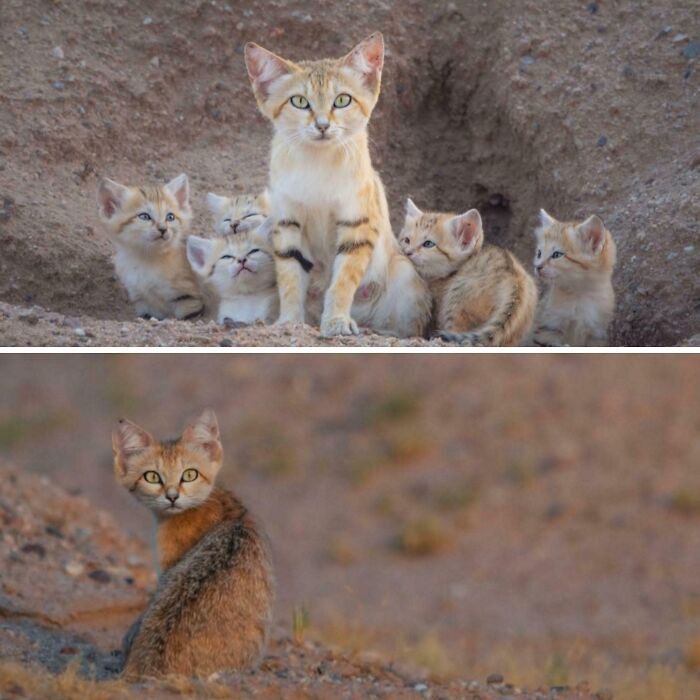
Sand cats are known to shut their eyes when people approach at night, making them incredibly hard to spot, as their sandy fur helps them blend into the desert around them.
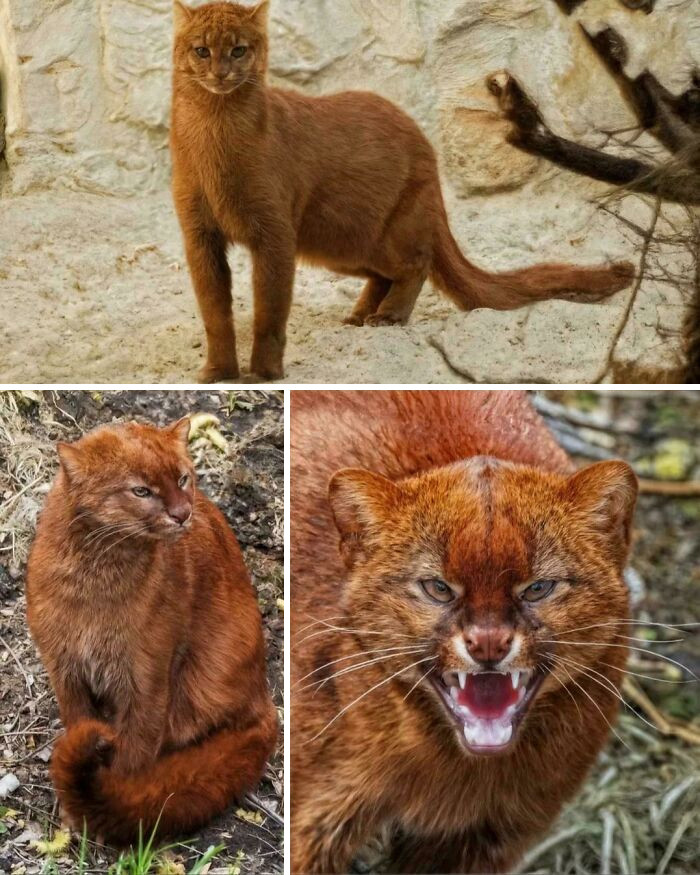
Jaguarundis are elusive creatures with keen senses of sight, hearing, and smell. Although primarily terrestrial, they are also skilled climbers and swimmers, adapting effortlessly to a wide range of environments.
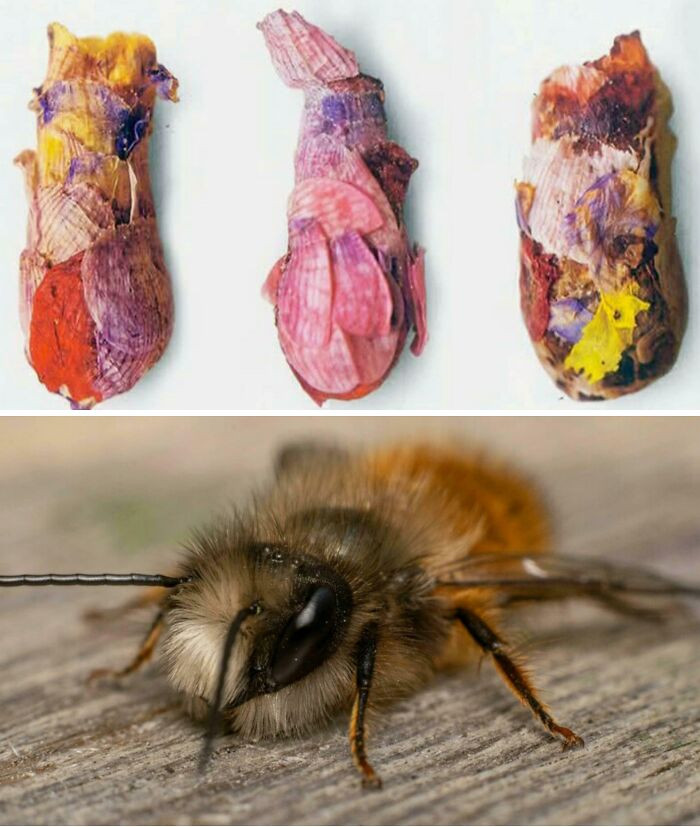
Osmia avosetta is a solitary bee that builds bright, capsule-like nests from flower petals, nectar, and mud, creating colorful homes for its eggs.
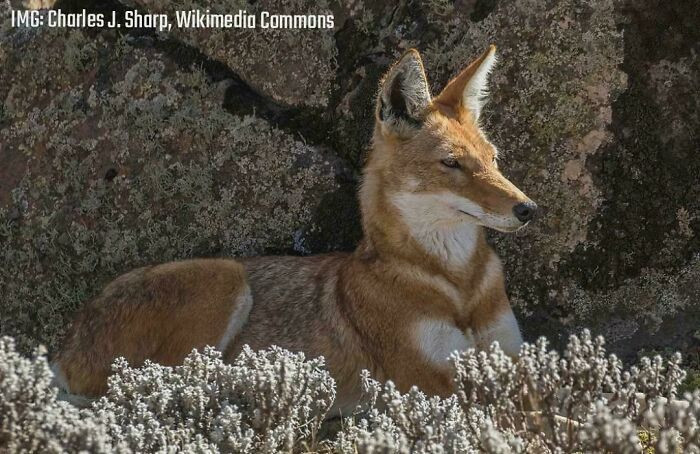
Meet the Ethiopian wolf, a striking and elusive species that stands among the world’s rarest wild canids and is considered one of Africa’s most endangered carnivores.
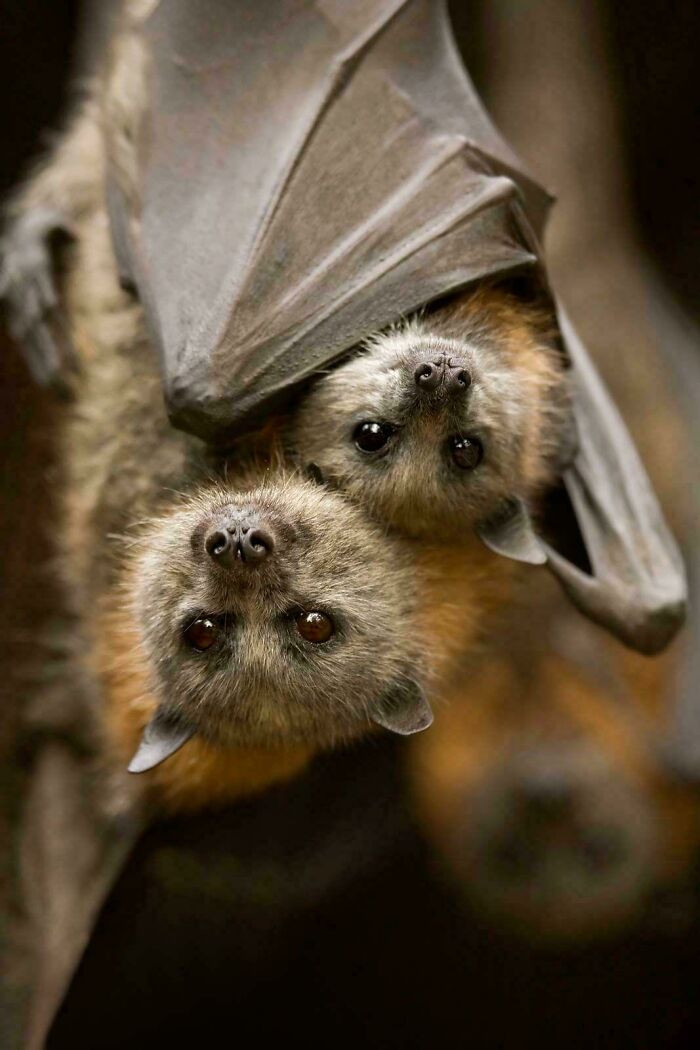
Flying foxes are key pollinators that help native forests grow and stay healthy by spreading pollen and seeds as they move between trees.
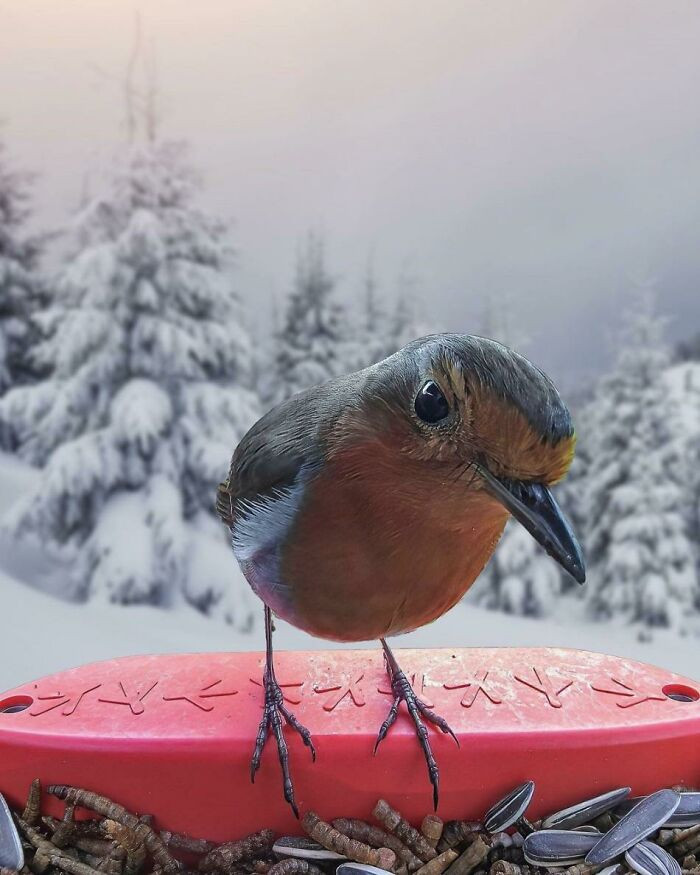
Due to the high risks they face during their first year, most robins have a very short lifespan, with the average lifespan just over a year.
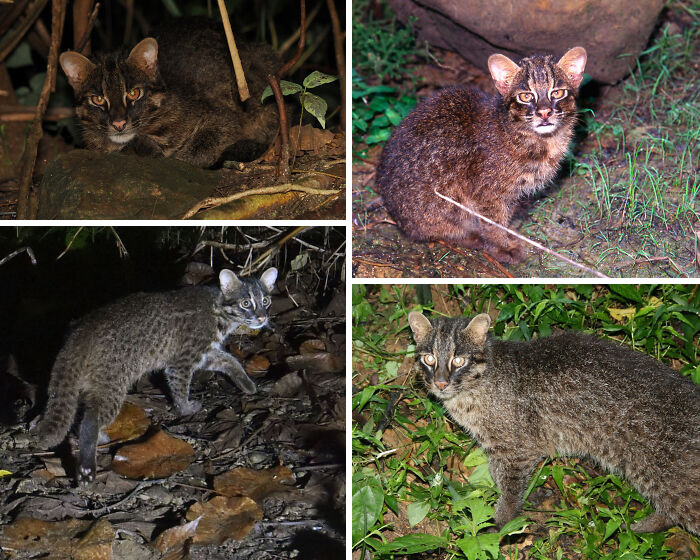
The Iriomote cat lives in a more limited range than any other wild cat species on the planet, occupying an exceptionally small and isolated habitat found nowhere else.
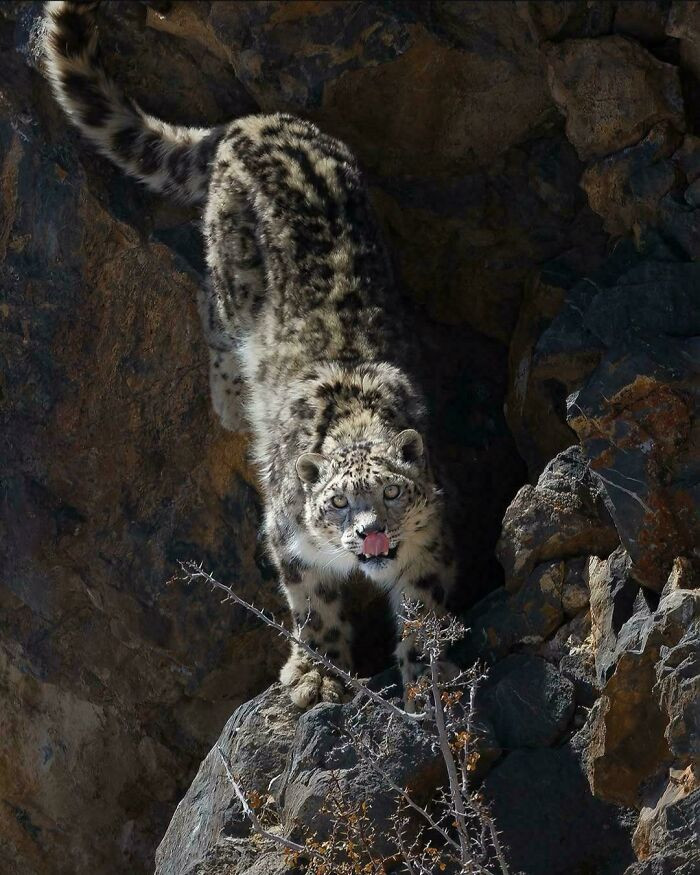
Snow leopards are most active at dawn and dusk and can hunt prey three to four times heavier than themselves.
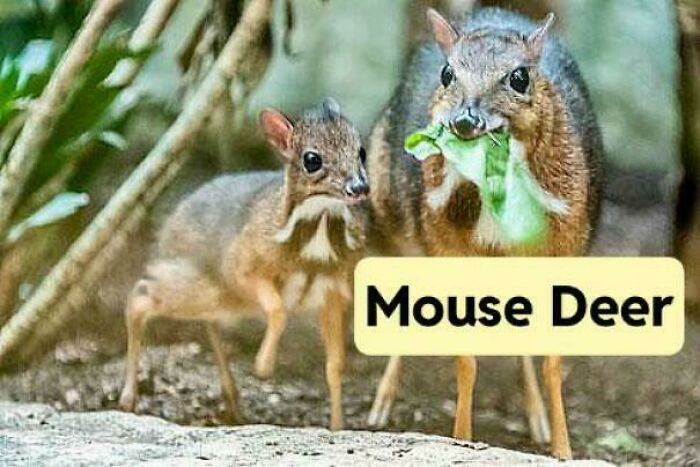
These miniature tragulids can be spotted across parts of Southeast Asia, Sri Lanka, and Africa, where they quietly roam forests and dense vegetation despite their small size.
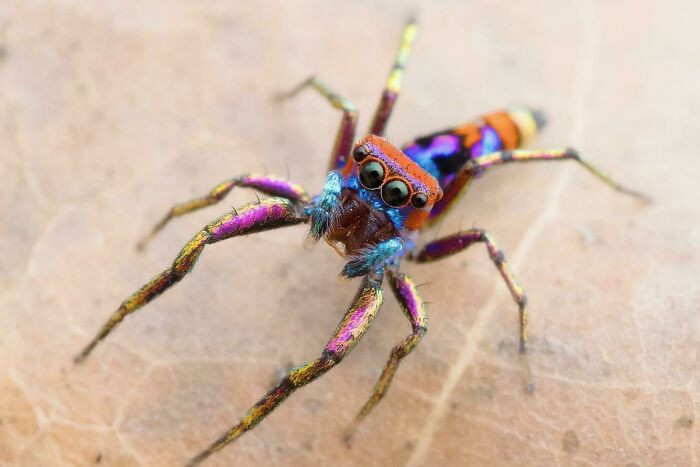
Often considered one of the most vibrant spiders on the planet, Chrysilla volupe is a striking jumping spider found across parts of South Asia, including Sri Lanka, India, Nepal, and Bhutan.
Bare-throated bellbird males are famous for producing one of the loudest bird calls in the world, a sharp, metallic sound that can echo across the forest and be heard from remarkable distances.
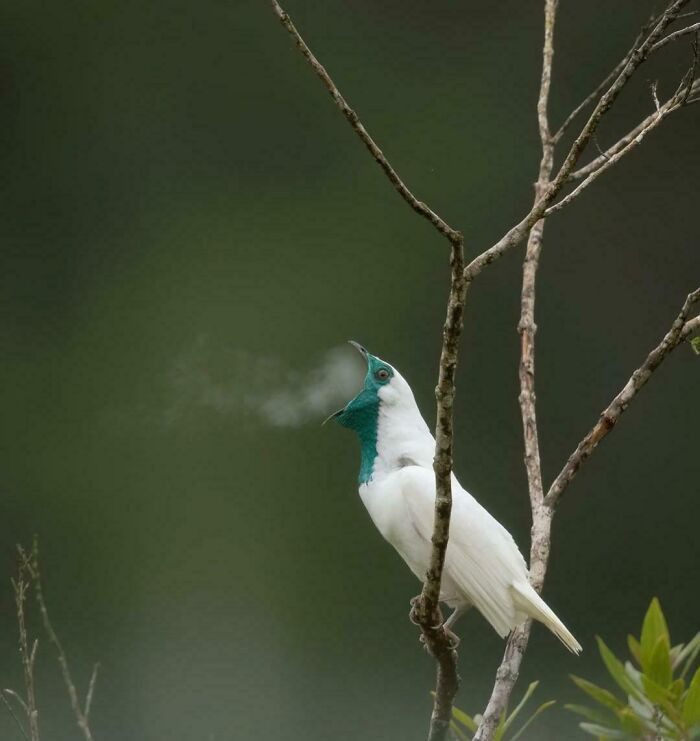
Barn owls can track prey by sound alone with greater accuracy than any other animal studied.
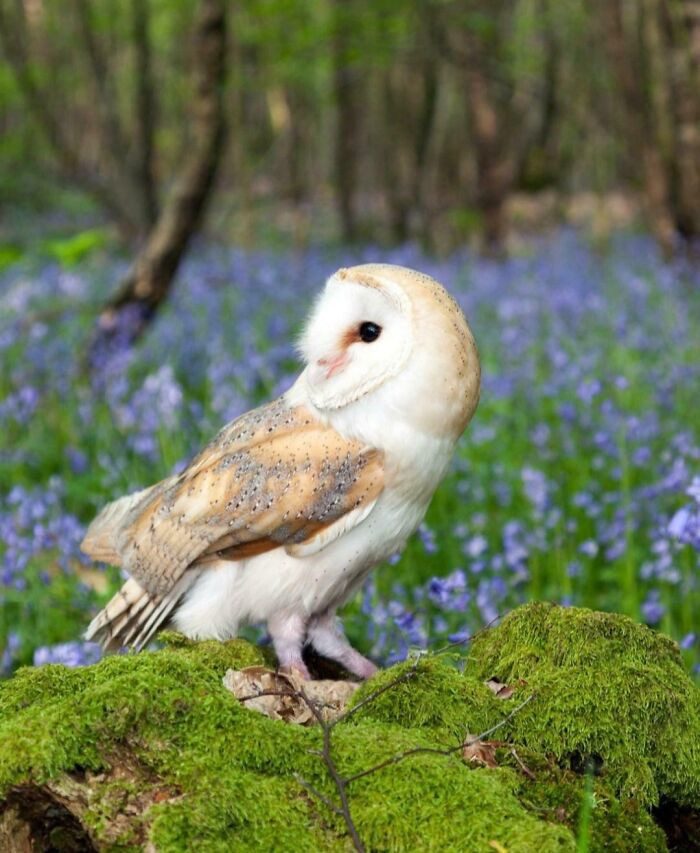
Despite its name, the raccoon dog isn’t a raccoon at all - it’s a canid closely related to foxes.
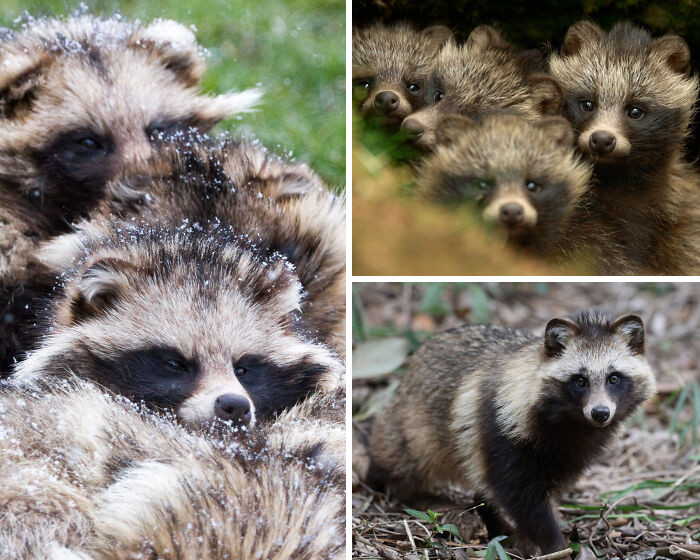
After nearly 2,000 years of isolation, the Scottish wildcat has lost its genetic identity following decades of interbreeding with domestic cats, leading scientists to declare the species genomically extinct in the wild.
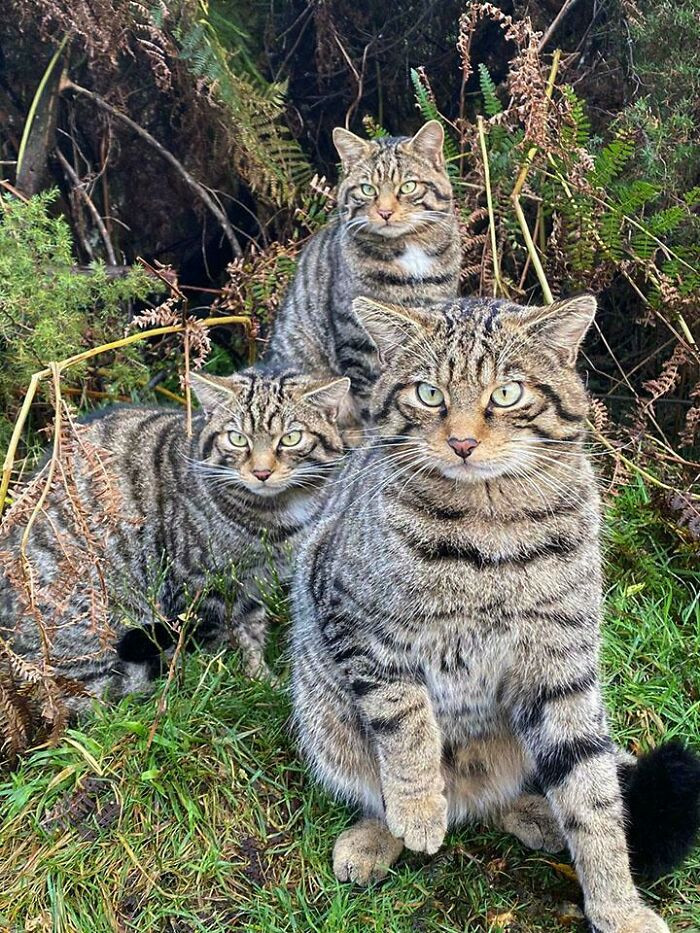
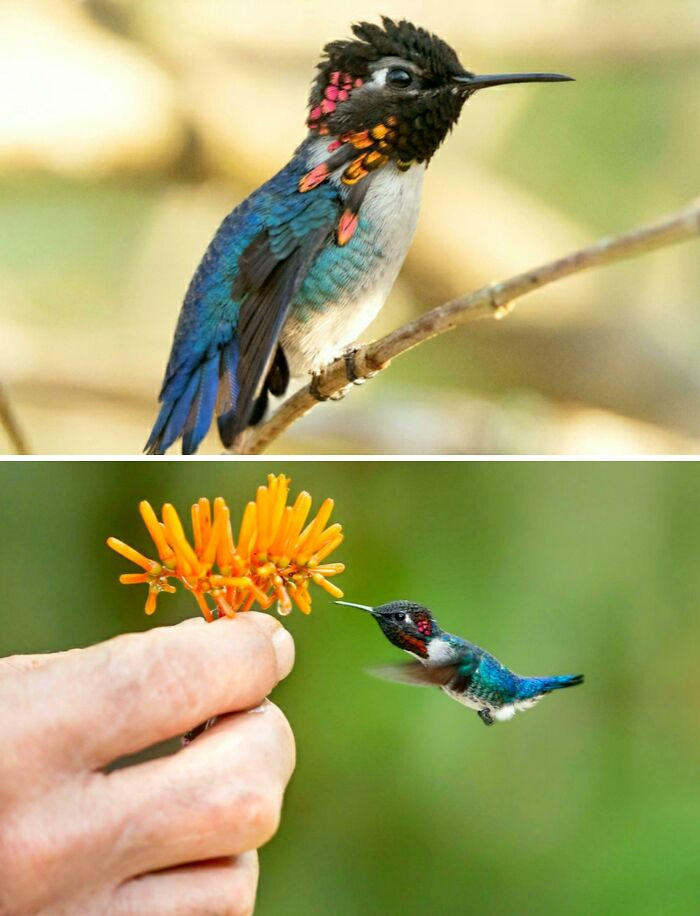
Bee hummingbirds are the smallest birds on Earth, with males growing to just 5.5 cm long and weighing under 2 grams.
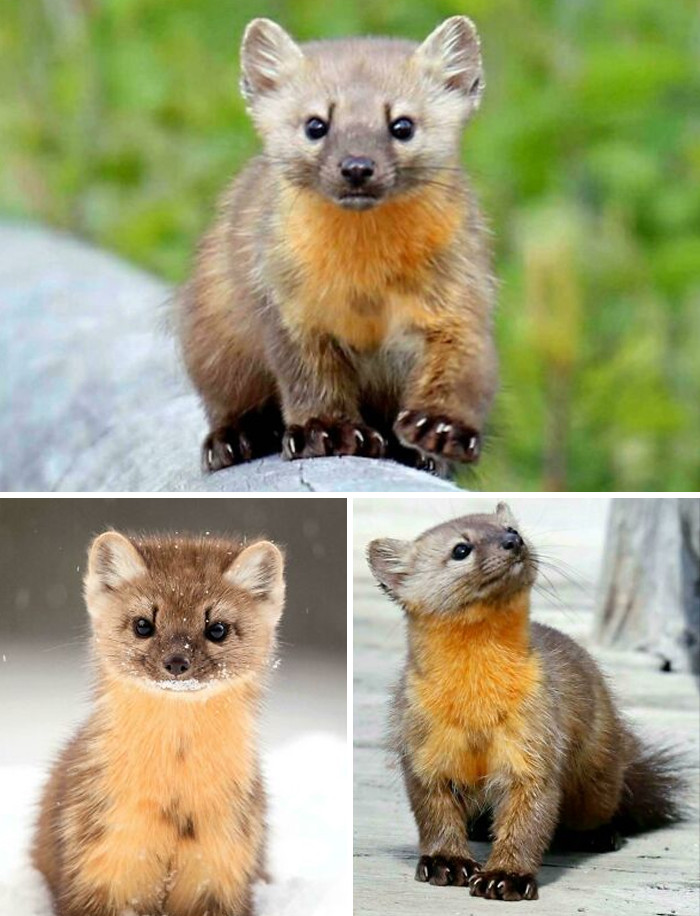
The Pacific marten, a member of the weasel family, has a unique trait where implantation is delayed after breeding.
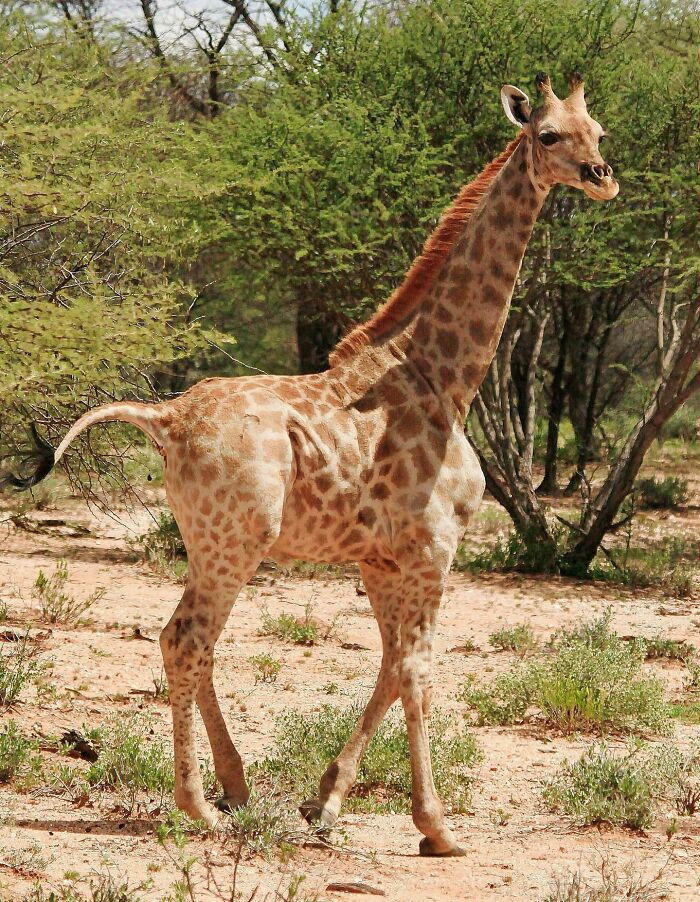
Only two dwarf giraffes have ever been recorded, and this rare individual is one of them. Meet Gimli.
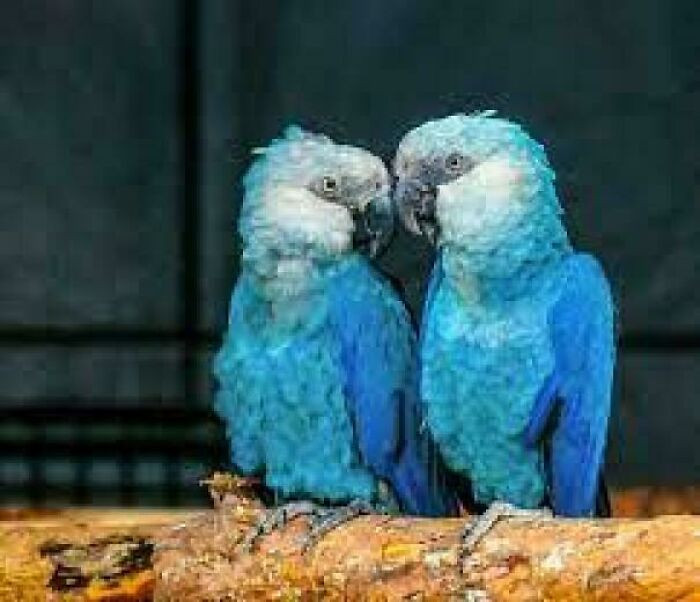
Meet the Spix’s macaw, a parrot native only to Brazil. Once found along the country’s river forests, it disappeared from its natural habitat and was officially declared extinct in the wild in 2019.
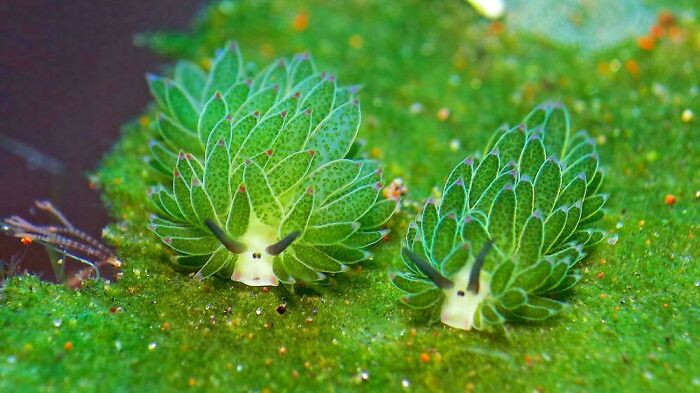
The sea sheep, Costasiella kuroshimae, can produce energy by stealing chlorophyll from algae and storing it in its leaf-like appendages, letting it use sunlight to survive.
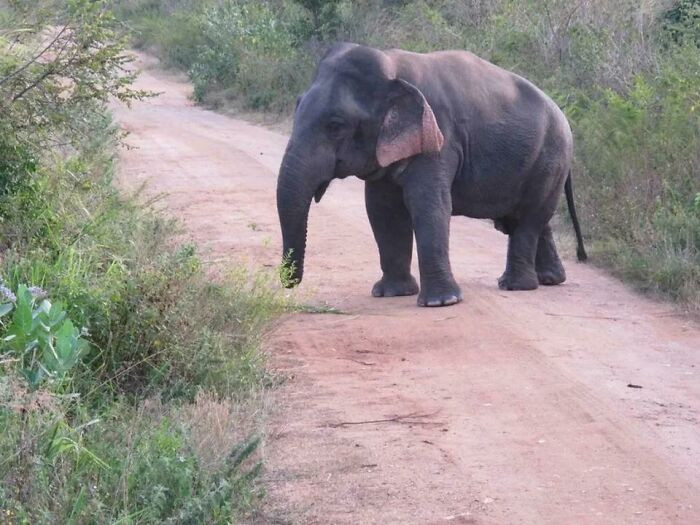
A small elephant found in Sri Lanka stands just 1.5 meters tall, a rare sight that experts say may be evidence of dwarfism in the wild.
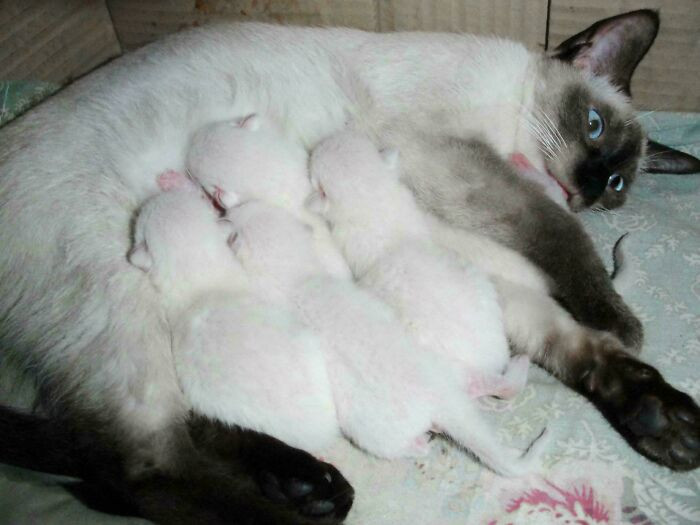
Siamese kittens enter the world with pure white coats, their signature markings developing only later as they grow.
And if you’re already obsessed with hidden nature details, it’s the same addictive vibe as the online community sharing nonstop random knowledge you cannot stop reading.
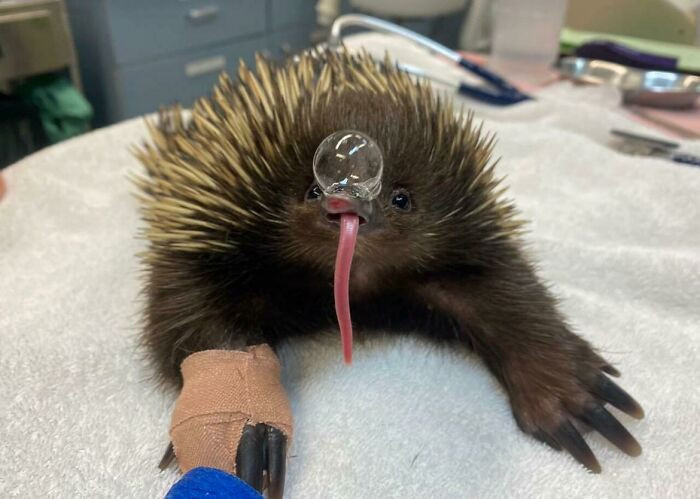
While most animals rely on panting or sweating to stay cool, echidnas take a far stranger route - they release tiny snot bubbles from their noses and cool off by flattening their bellies against the ground.
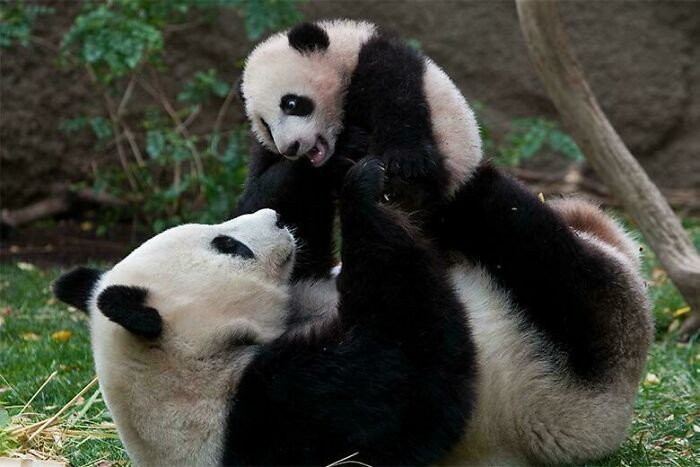
The giant panda’s “bad at life” image is misleading and mostly comes from how captive pandas behave, not how they function in the wild.
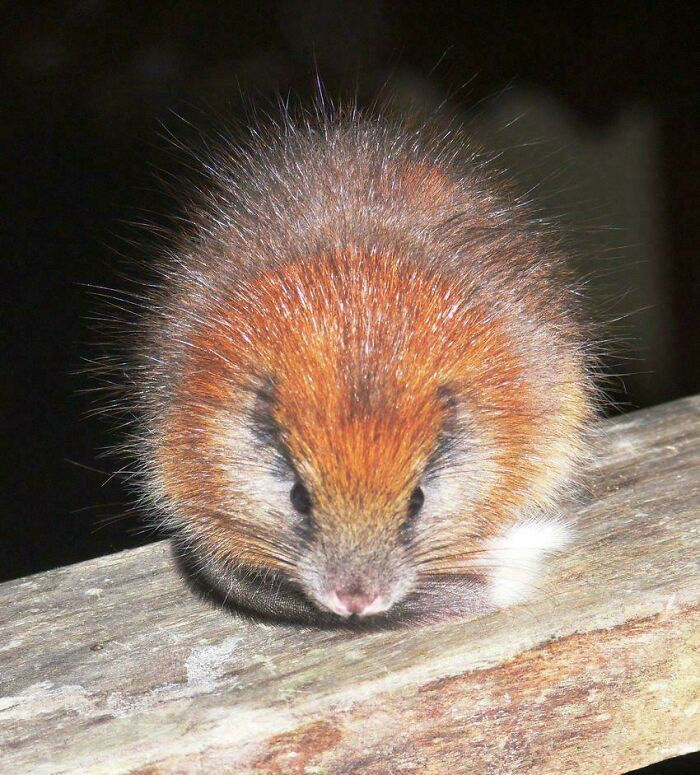
Meet the red-crested tree rat, a rare rodent found only in Colombia and nowhere else on Earth.
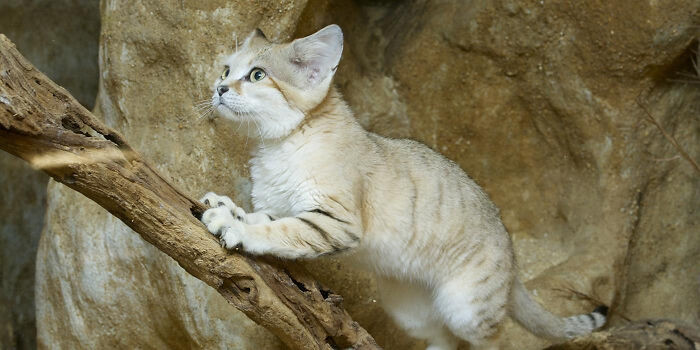
Sand cats rarely need to drink water. Instead, they stay hydrated by drawing all the moisture they need from their prey, which ranges from small rodents and insects to scorpions and even venomous snakes.
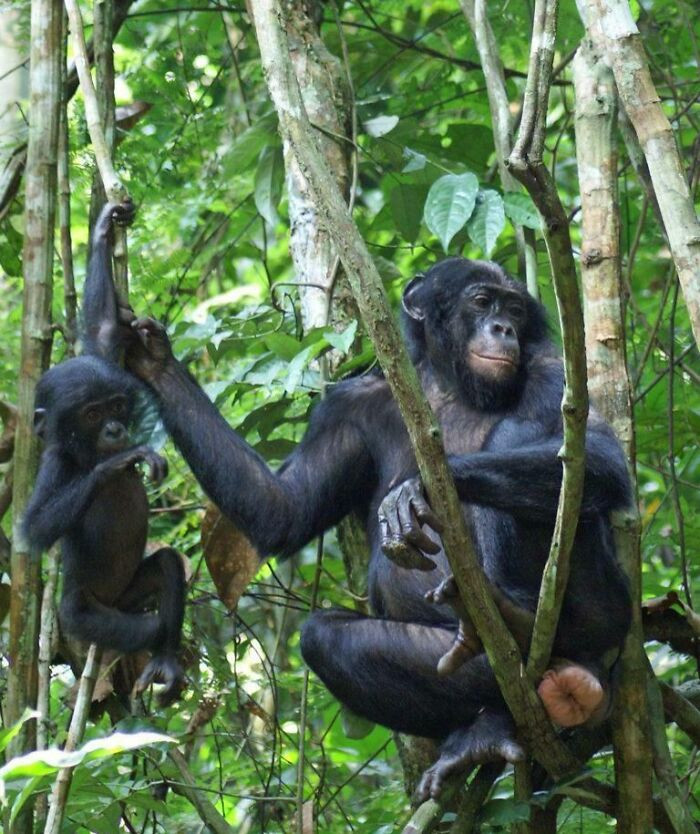
Female bonobos form close alliances to challenge male dominance and maintain a more balanced social order.
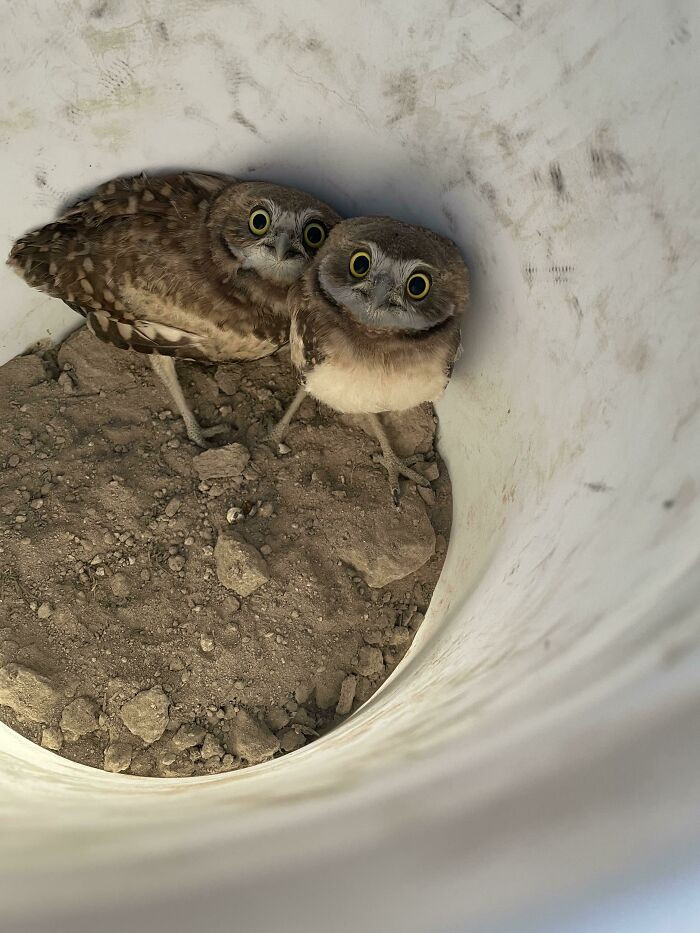
Burrowing owls are unusual because they nest underground, often taking over abandoned burrows made by ground squirrels, prairie dogs, and other mammals.
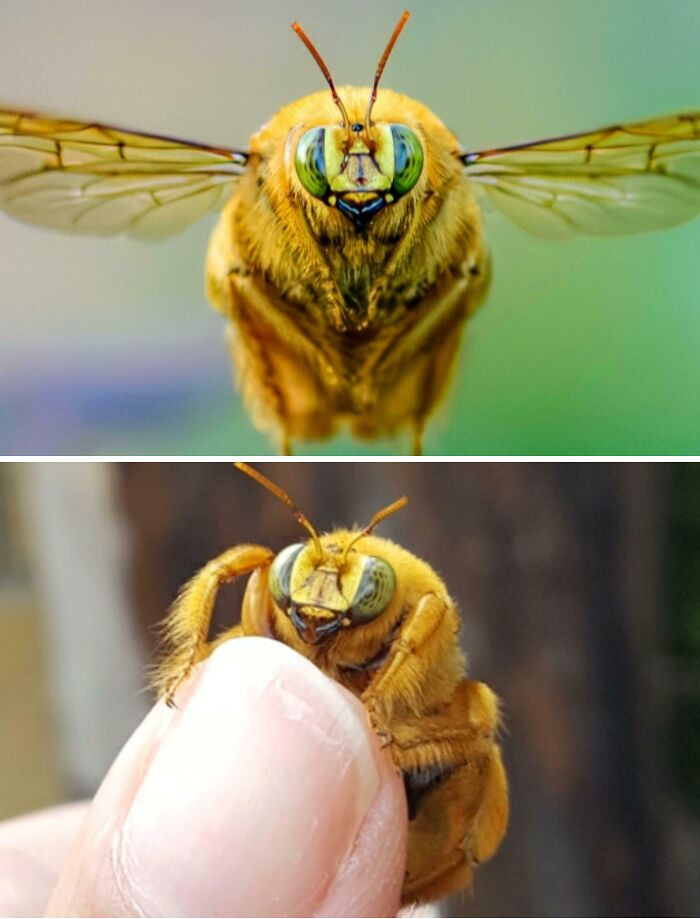
Teddy bear bees are surprisingly large, reaching about 26 millimeters (one inch) in length, and the males are wrapped in thick golden fuzz that makes them look like flying teddy bears.
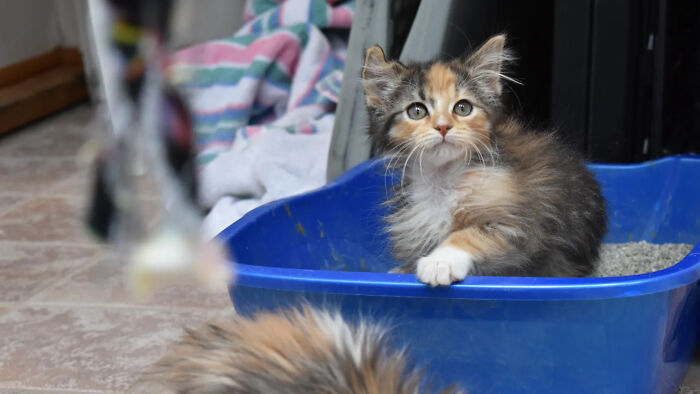
Male calico cats are rare because the genes that determine their distinctive fur colors are carried on the X chromosome, making this pattern far more common in females than in males.
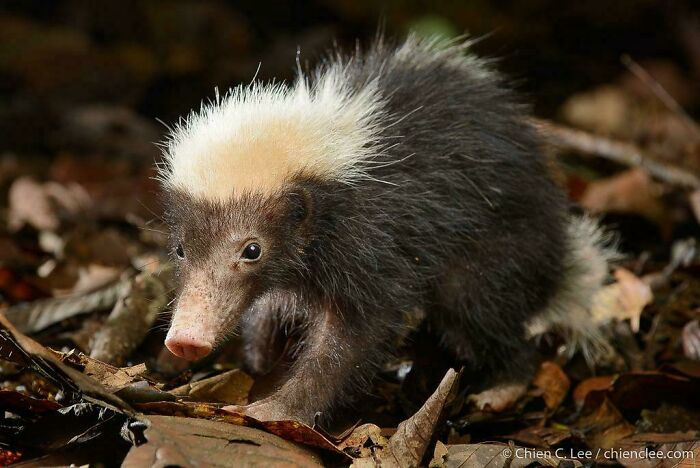
The Sunda stink badger (Mydaus javanensis) is a small, night-active mammal that lives in parts of Indonesia and Malaysia, where it spends most of its time foraging after dark.
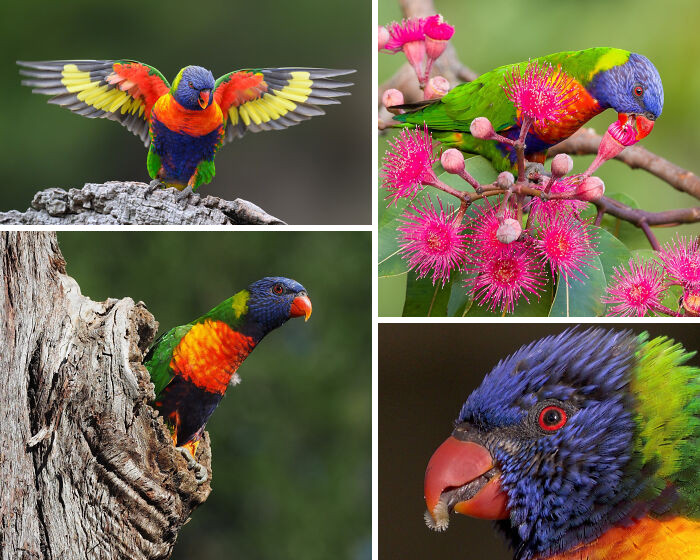
Rainbow lorikeets move in ever-changing flocks, roaming from place to place as different trees come into bloom, and using their unique brush-tipped tongues to sip nectar and gather pollen along the way.
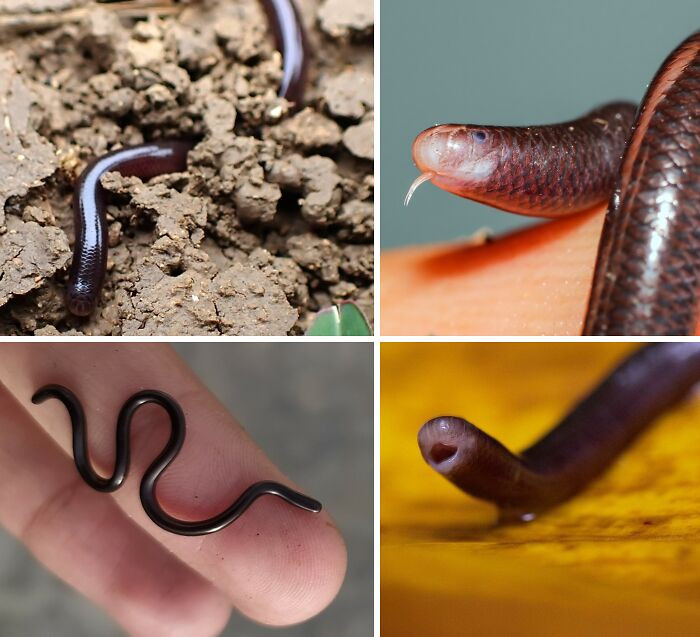
The Brahminy blind snake, nicknamed the “flowerpot snake,” often hides in potted soil, which has helped it spread worldwide.
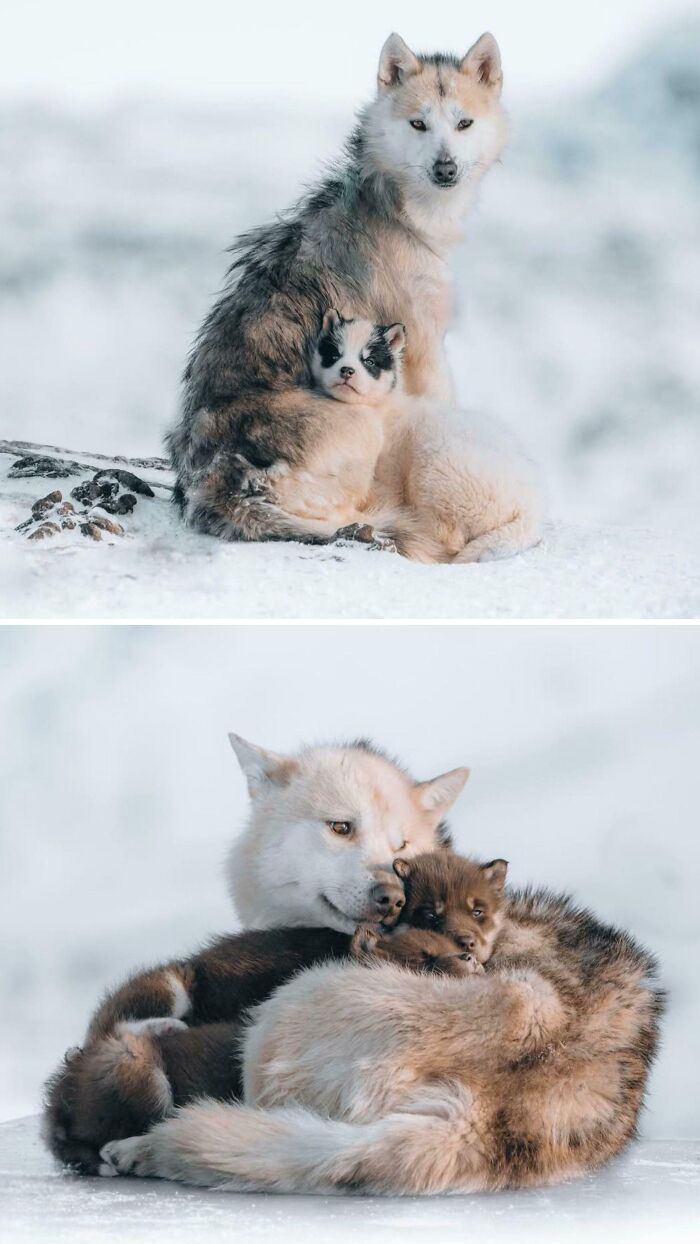
Modern sled dogs descend from a common Arctic ancestor that split from other dogs over 9,500 years ago in Northeast Asia.
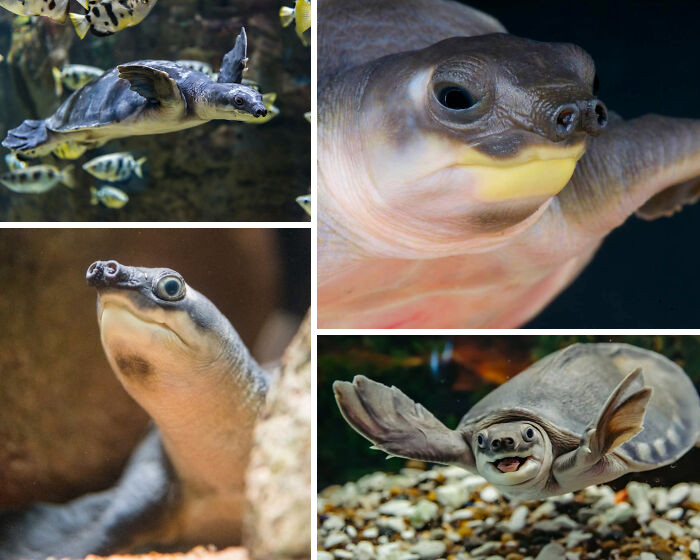
The pig-nosed turtle is the only living representative of its entire family, making it a truly one-of-a-kind species in the animal world.
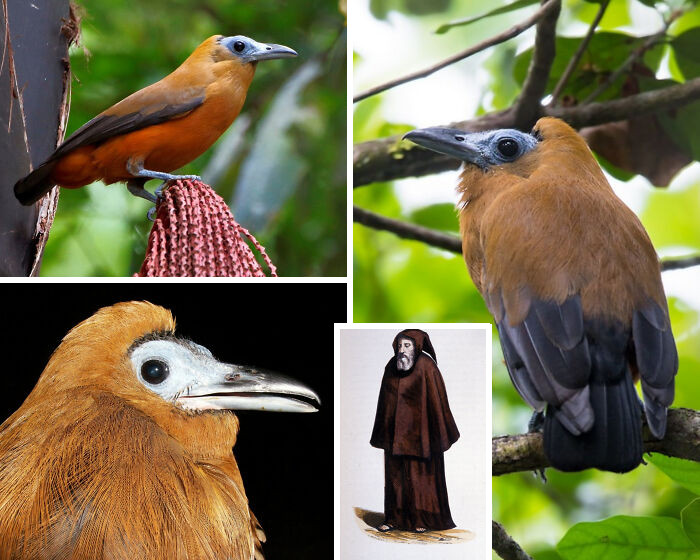
The Capuchinbird gets its name from its striking resemblance to Capuchin monks. The bird's brown plumage surrounding its bald head mirrors the hooded robes worn by these monks, creating an unmistakable connection.
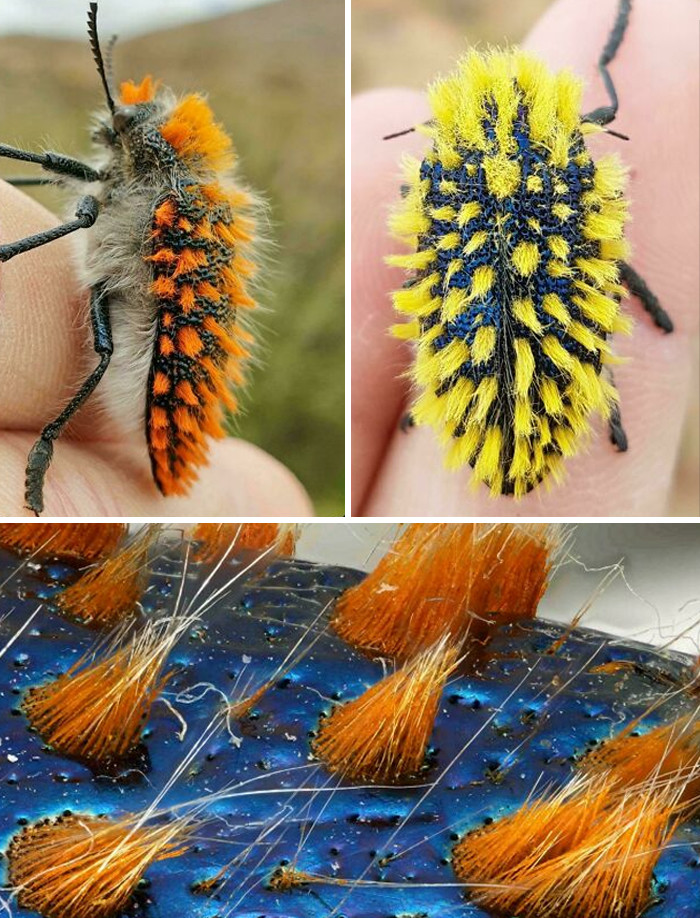
The brush jewel beetle (Julodis) is known for its vivid, wax-coated bristles that form colorful tufts along its head and body.
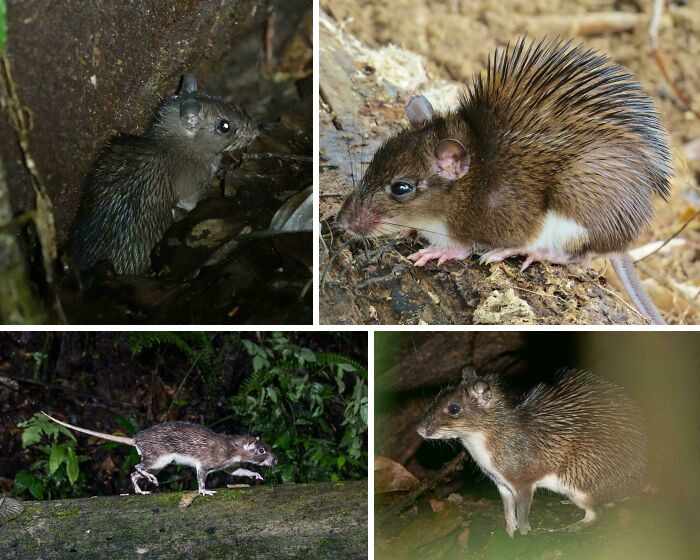
The armoured rat is protected by sharp spines that can reach up to 3 centimeters (1.2 inches) in length.
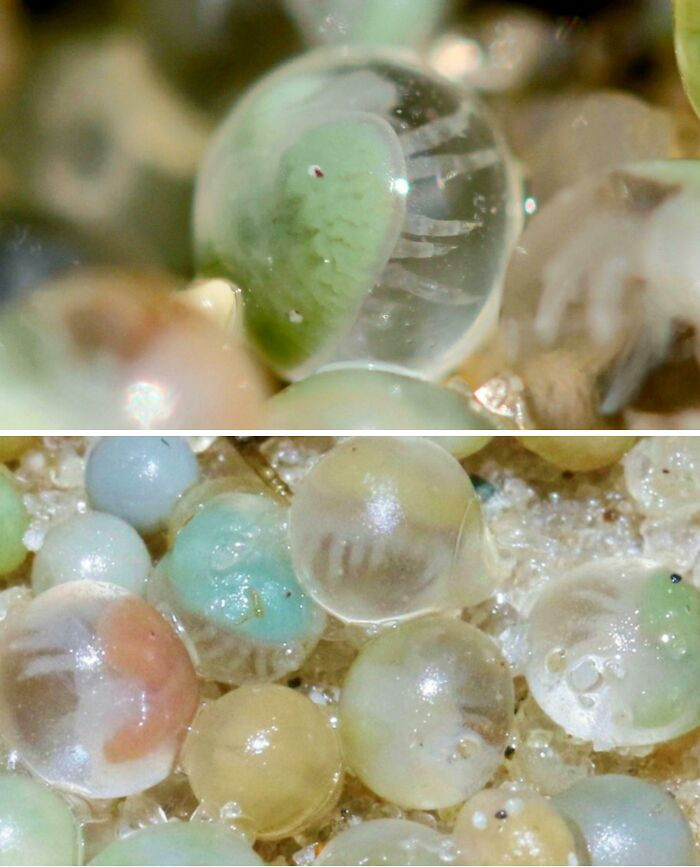
Horseshoe crabs start life inside jelly-like eggs, hatching after two to four weeks, but they need nearly ten years to reach adulthood.
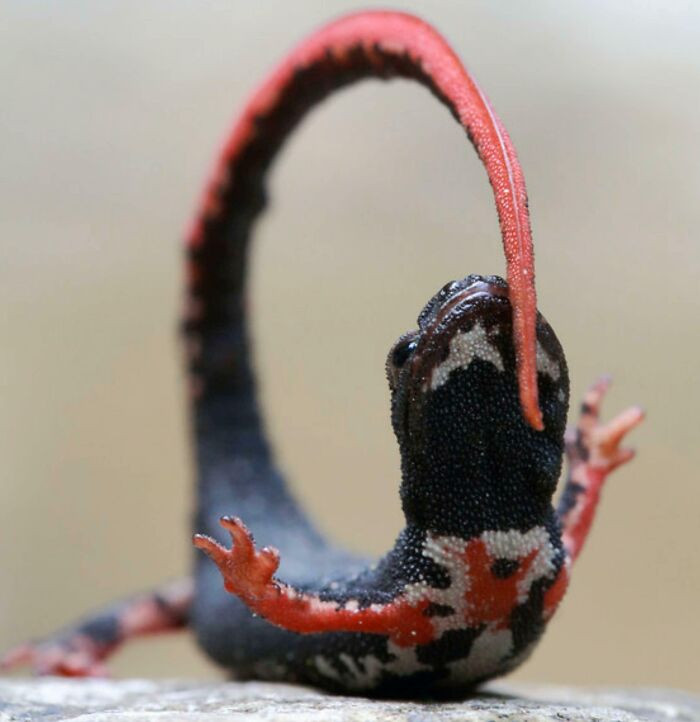
When threatened, the spectacled salamander curls up to reveal the warning colors on its tail and legs.
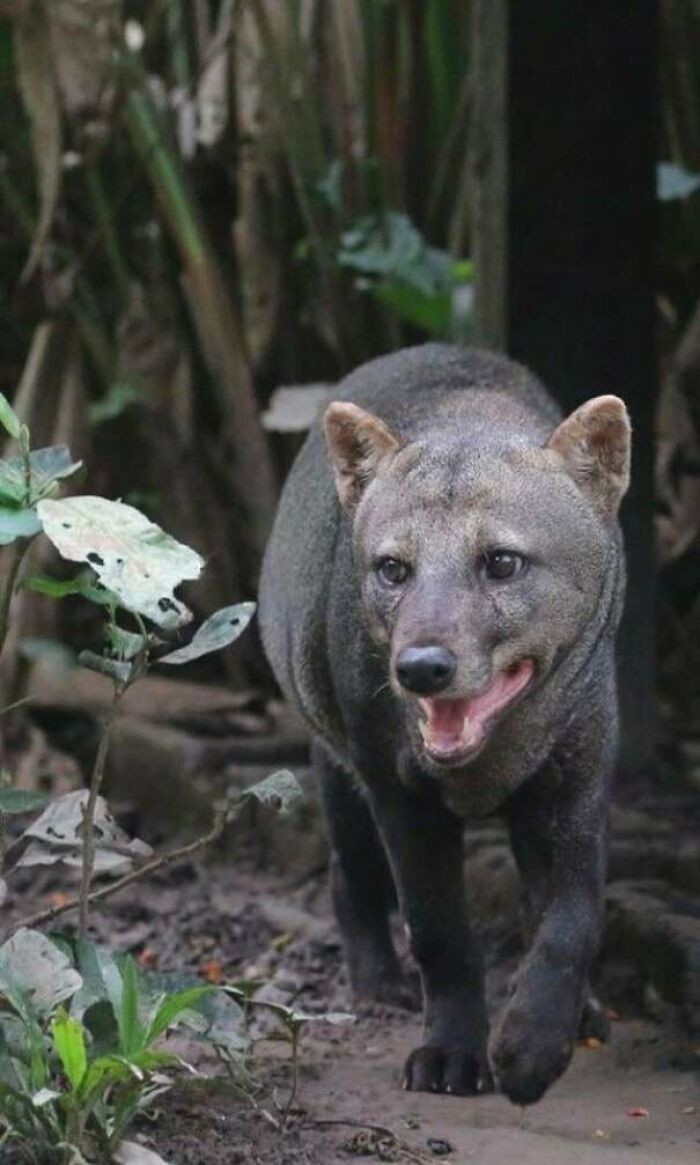
The short-eared dog of the Amazon rainforest is among the world’s most elusive and unusual wild canids, rarely seen and still largely unknown even to scientists.
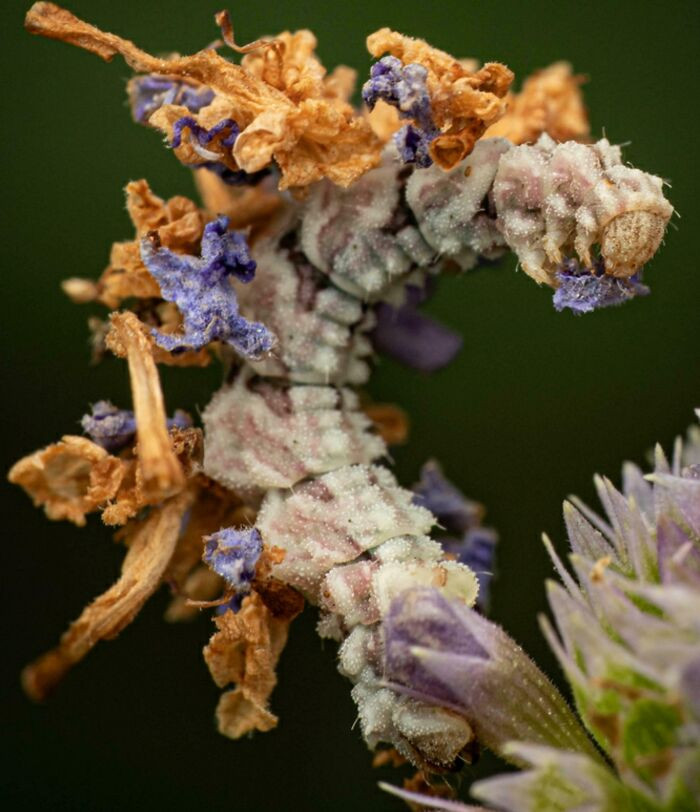
This caterpillar protects itself by making its own camouflage. Using bits of leaves and plant debris, the camouflaged looper blends into its surroundings so well that predators often mistake it for part of the plant.
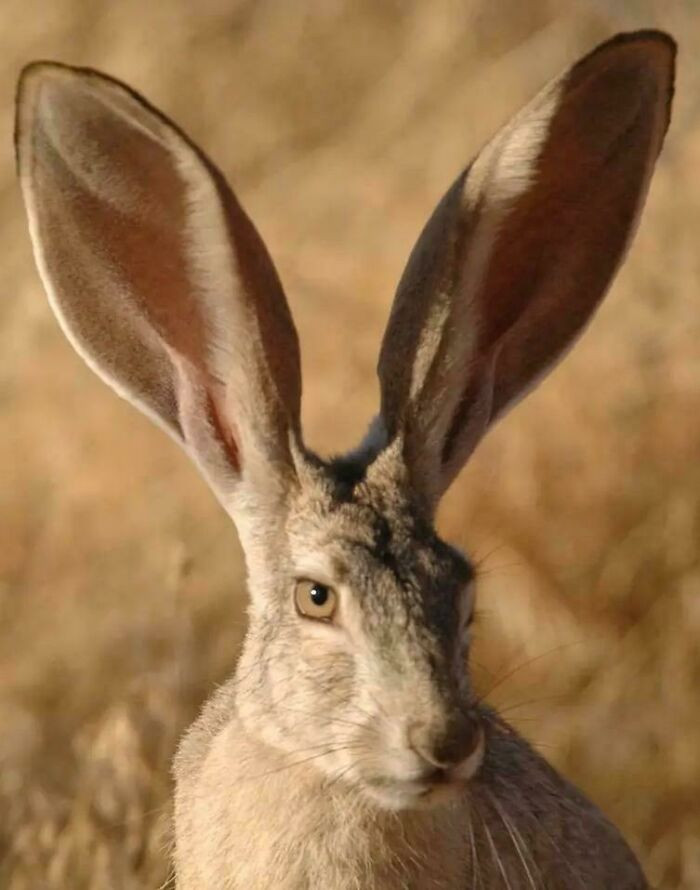
The black-tailed jackrabbit (Lepus californicus) is known for its impressively long ears, which can reach up to 13 centimeters in length - making up nearly 20% of the animal’s total body size.
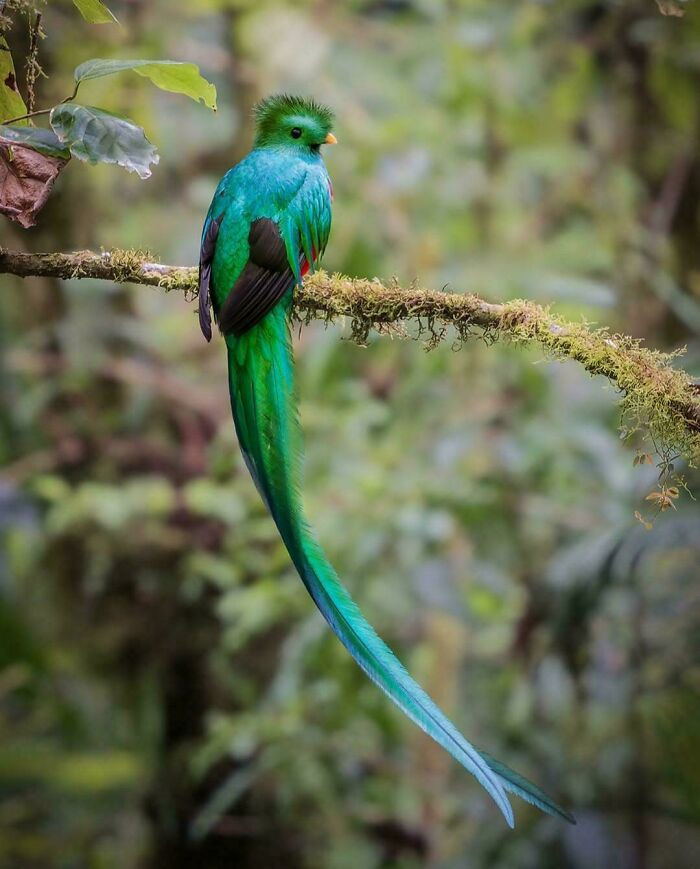
During mating season, the quetzal makes a drawn-out, whiny call, with males repeating a sound that resembles “very good, very good.”
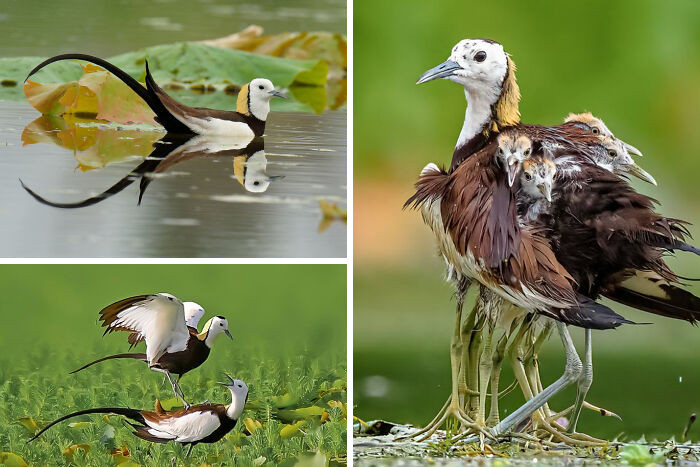
Female pheasant-tailed jacanas are larger than males and follow a rare polyandrous mating system.
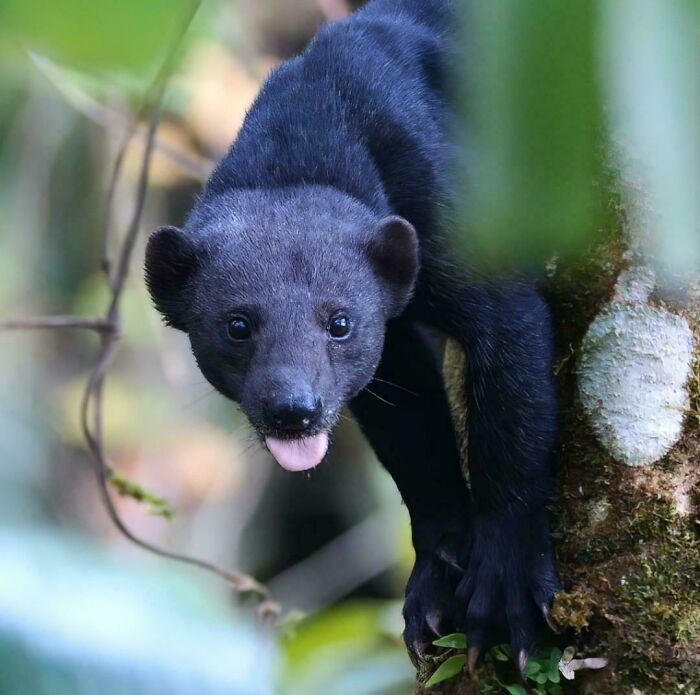
Tayras are the largest mustelids found in Central America, growing to nearly 28 inches in length.
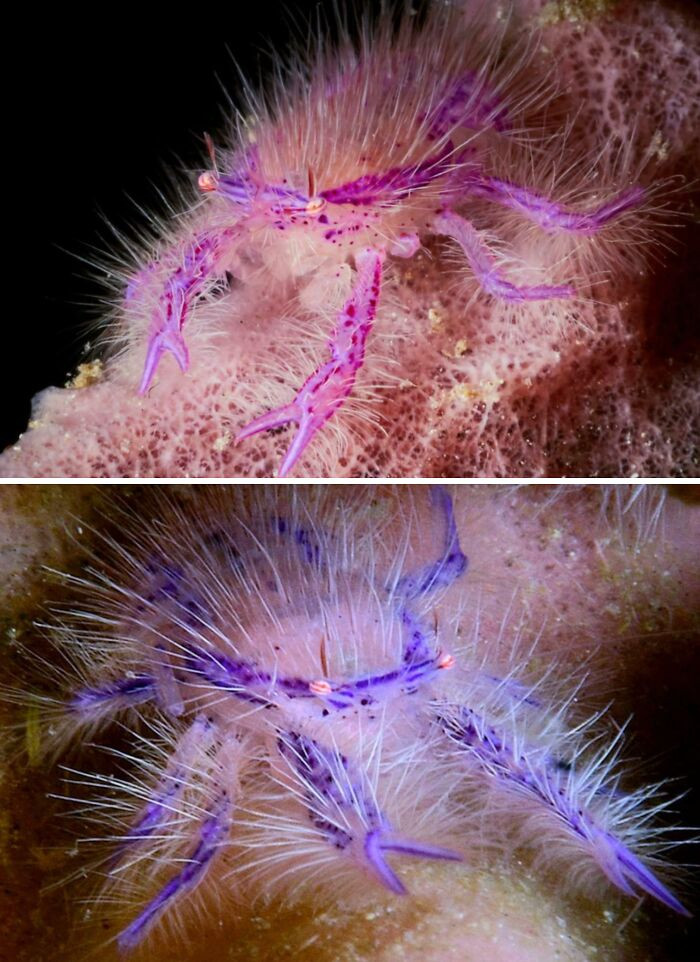
Pink Fairy Crab, often called the pink hairy squat lobster, is a tiny marine creature known for its soft pink color and fuzzy appearance, which makes it look almost unreal beneath the ocean’s surface.
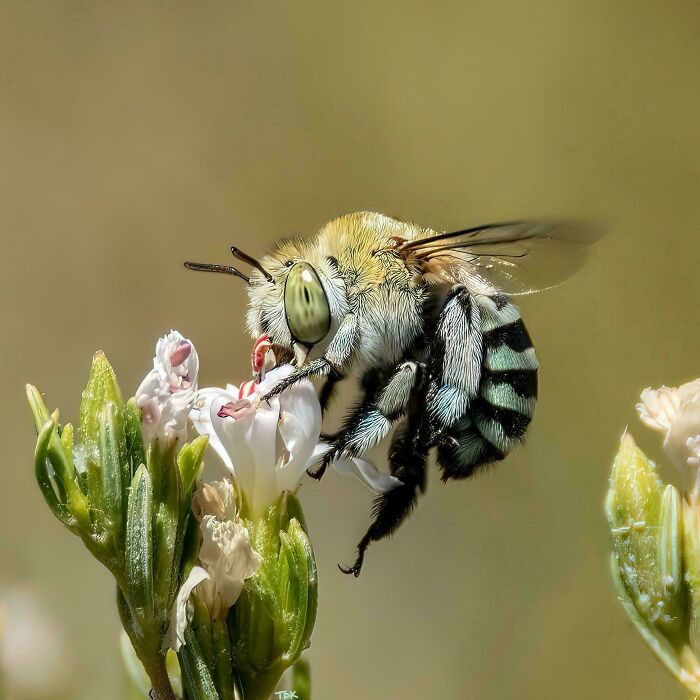
Blue-banded bees use buzz pollination, vibrating their bodies to shake pollen free from flowers that won’t release it on their own.
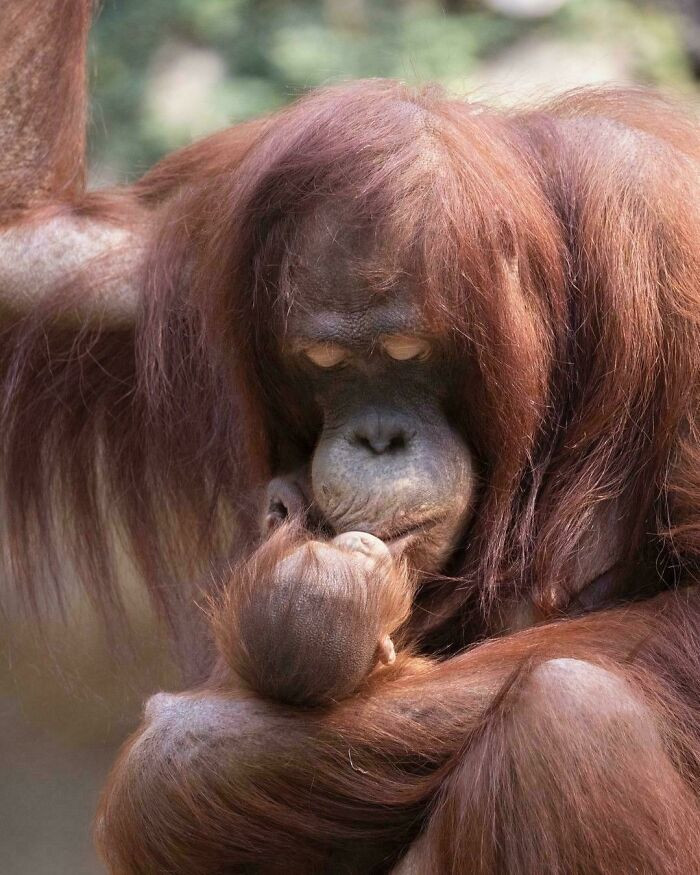
Orangutans rank just behind humans in how long their young rely on parental care, with infants remaining closely dependent on their mothers for an impressive eight to twelve years.
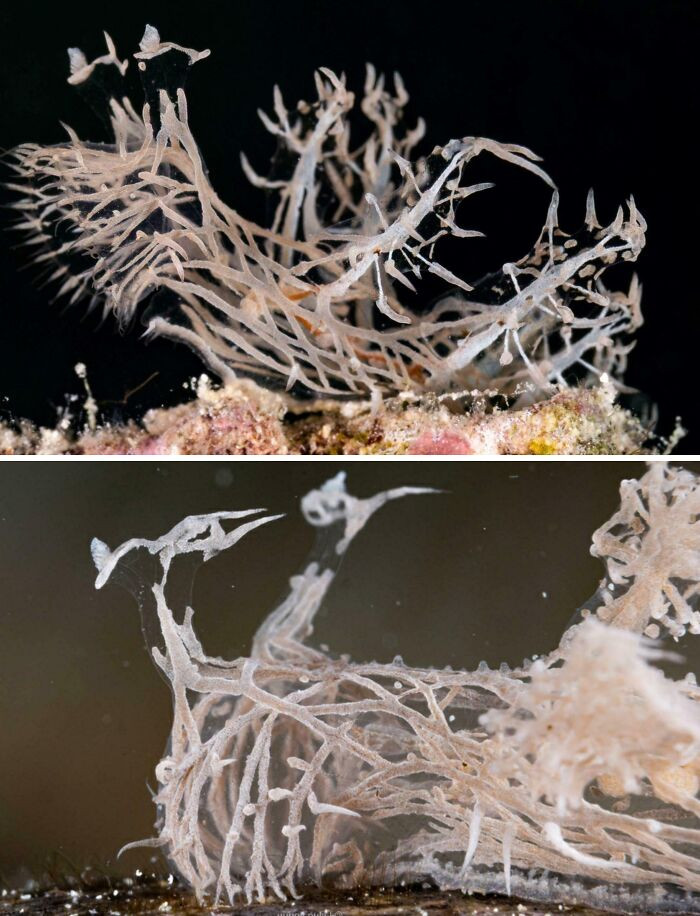
Known as the phantom nudibranch, this unusual sea slug has a body that’s nearly see-through, allowing a faint view of the fragile web of organs beneath its transparent skin.
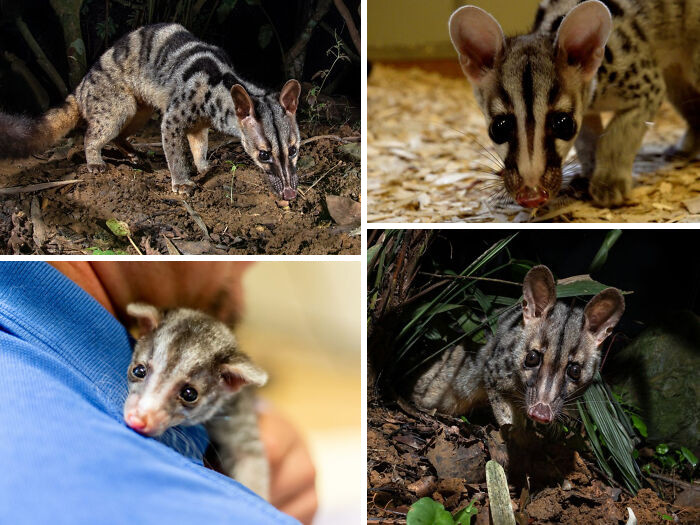
Owston’s civet is a secretive, rarely seen mammal that lives in the dense forests of the Annamite Mountains, a rugged region that stretches along the border between Vietnam and Laos.
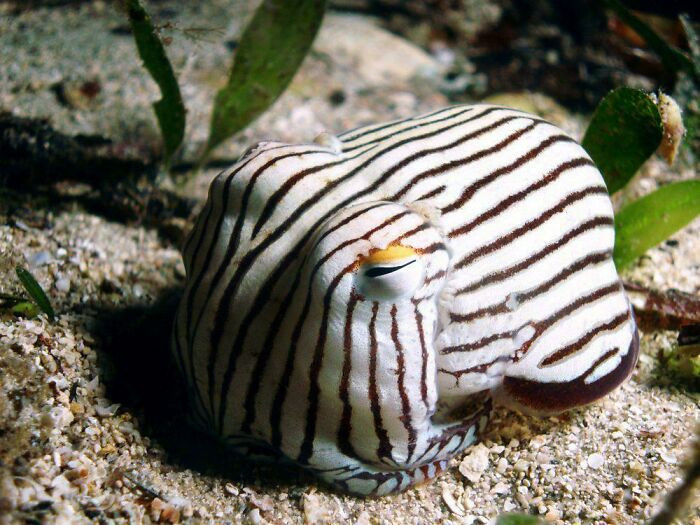
This is the striped pyjama squid, a small Indo-Pacific species found near Australia—cute to look at, but best left untouched.
The second you picture a Japanese dwarf flying squirrel gliding tree to tree, it’s hard not to wonder how anything tiny survives out there without getting noticed.
Then the mood flips when you remember the buff-tip moth’s broken-birch disguise and the sand cat blending in so well that people barely stand a chance at spotting it.
That’s when the Ethiopian wolf enters the scene, because its “elusive and endangered” status makes every quiet moment feel like it could be the last one.
And right as you think you’ve caught up, flying foxes show up as the forest’s movers and shakers, spreading pollen and seeds while everyone else is busy hiding.
Learning does not have to feel complicated or tedious. By combining simple facts with adorable animal moments, this online community shows how easy it is to enjoy discovering something new.
From echidnas to flying squirrels, these small details from nature show us that curiosity can be fun, light, and worth sharing every day.
These animals aren’t just cute, they’re basically running stealth mode on the whole planet.
Want more “wait, what?” energy like the animals that look straight out of a fantasy video game, check out these bizarre animals that seem unreal.
Share this article:





