
Dog Groomer Was Called A "Dog Racist" By A Customer Who Refused To Accept That The Groomer Does Not Want To Shave Her Malinois Dog's Fur

One dog grooming appointment turned into a full-blown argument when a customer refused to accept a simple no. The groomer said she would not shave the dog’s coat, and the owner kept pushing anyway.
The dog in question was a Malinois-Husky mix, and the request was tied to the owner saying the fur made her feel sick. What followed was a mix of phone calls, a family member getting involved, and a very dramatic accusation that had nothing to do with actual grooming.
By the time the review showed up online, the whole thing had gone from annoying to absurd. Read on.
This interaction happened in March, and the dog owner is still calling OP to convince them to shave her dog.
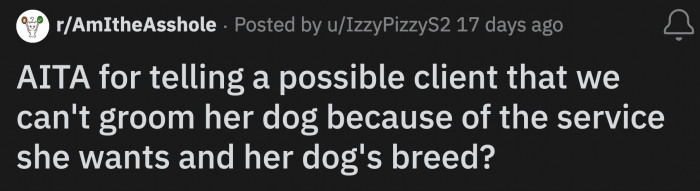
The dog owner even employed the help of her mother to sway the groomer to change their mind.
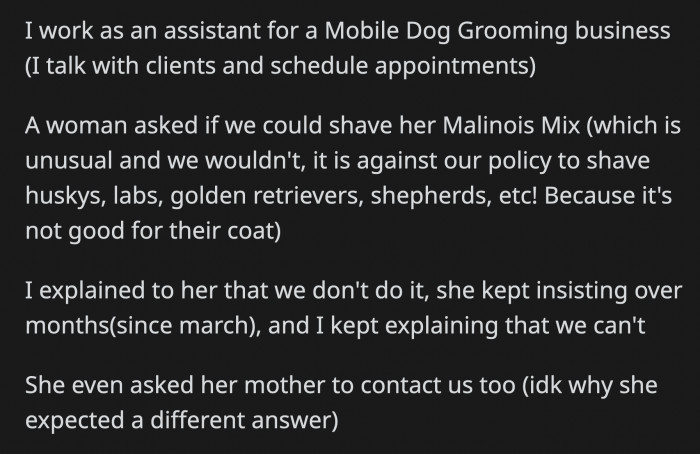
OP kept explaining that they have a policy not to shave dogs like hers, and the groomer simply wouldn't want to deal with this particular breed due to previous unsafe experiences.
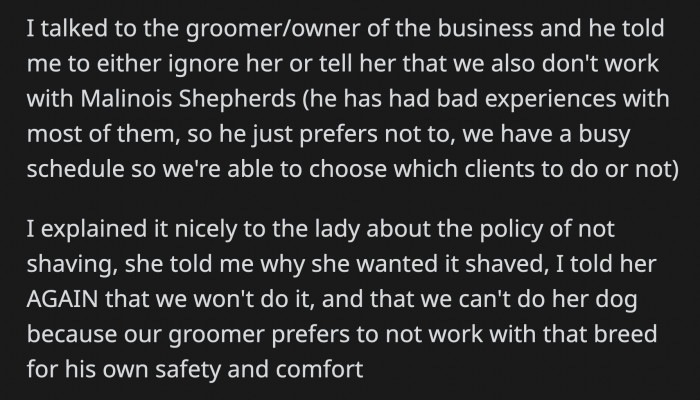
The whole thing got messy fast.
The conflict over grooming a dog highlights the complexities inherent in pet care services. Research from the Journal of Applied Animal Welfare Science suggests that pet owners often have strong emotional attachments to their animals, which can lead to heightened expectations from groomers.
Understanding this emotional connection can help groomers navigate client expectations more effectively.
A pet behavior expert explains that grooming choices often reflect both aesthetic preferences and animal welfare considerations. In the case of the Malinois, certain grooming practices might be perceived as harmful, leading professionals to resist requests that could compromise the dog's health. Understanding the motivations behind grooming decisions can help pet owners appreciate the expertise of groomers.
Research in animal welfare highlights the importance of prioritizing the well-being of pets over aesthetic preferences. Groomers are typically trained to recognize what is best for animals and advocate for their health, even when faced with customer demands.
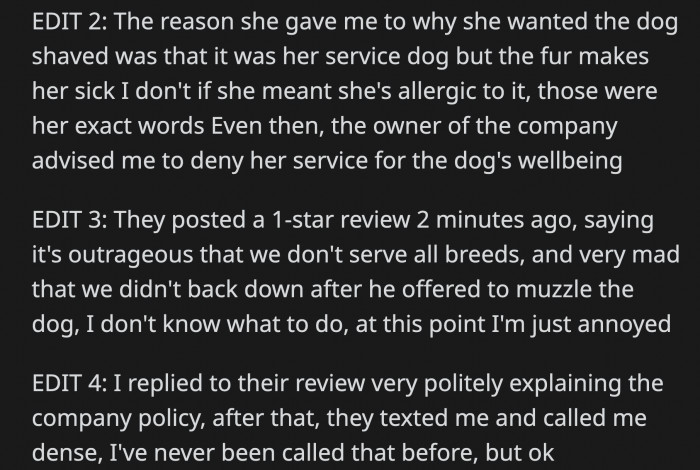
The lady promised to muzzle her dog, but when that failed to convince OP and her boss, the belligerent dog owner called OP a "dog racist" instead.
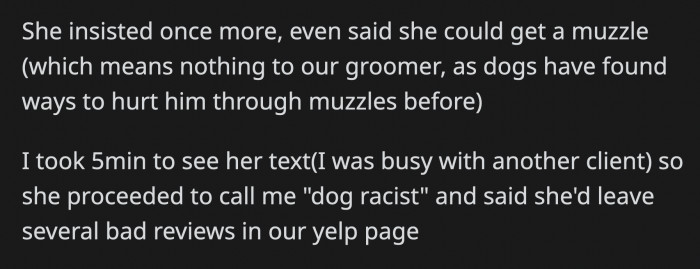
It seemed like the lady finally understood after OP explained their policy one more time.
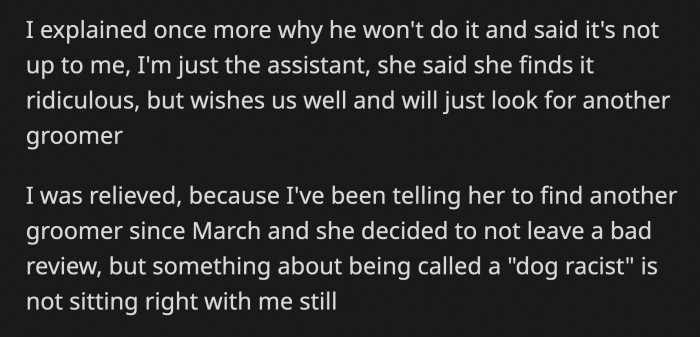
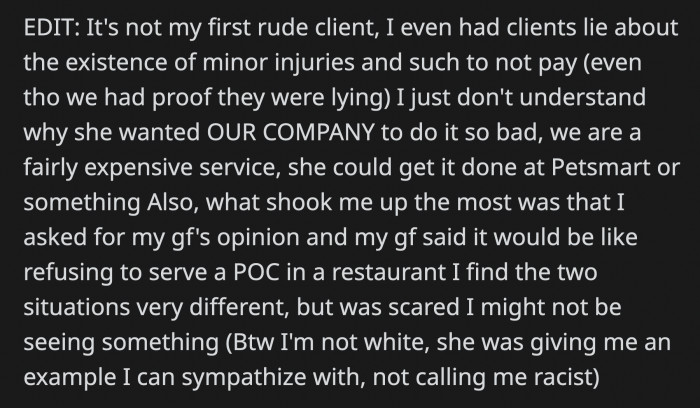
OP added later on that she was confused about why the lady was so adamant about having her dog groomed at their company and why she was taken aback when the lady accused her of being a "dog racist."
Additionally, the dynamics of refusal can evoke feelings of frustration and misunderstanding.
Moreover, navigating client-groomer relationships can be challenging, particularly when expectations clash.
All was not well because the dog owner eventually posted a 1-star review on Yelp, saying she was outraged that their business wouldn't cater to all dog breeds.
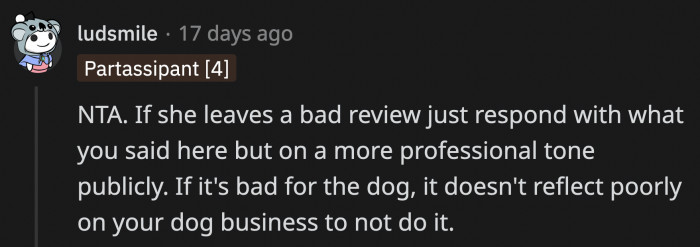
OP obviously followed this advice when she responded to the customer's one-star review.
She explained why she was so daunted by the negative review.

That review made things even more awkward.
It’s the same kind of pressure as the pet sitter facing a client’s bizarre “canine affection” demands.
To reduce conflict, effective communication is essential. Groomers should clearly explain their policies and the reasoning behind grooming decisions to their clients. For instance, providing a rationale for why certain grooming styles may not be suitable for specific breeds can foster understanding and reduce client frustration.
This transparency can lead to a more trusting client-groomer relationship.
Understanding client expectations can lead to more positive outcomes in grooming situations.
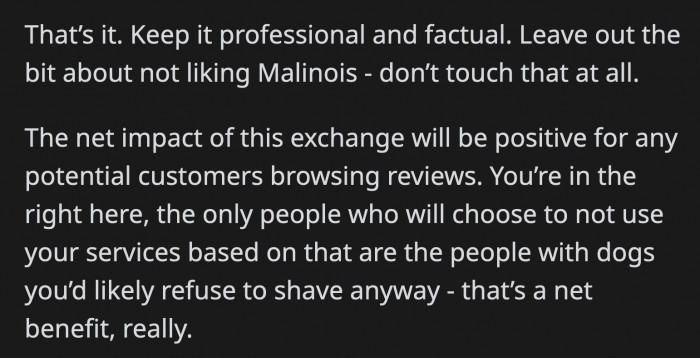
If OP handled the review professionally, it could be an opportunity to show potential customers that they run a safe business.
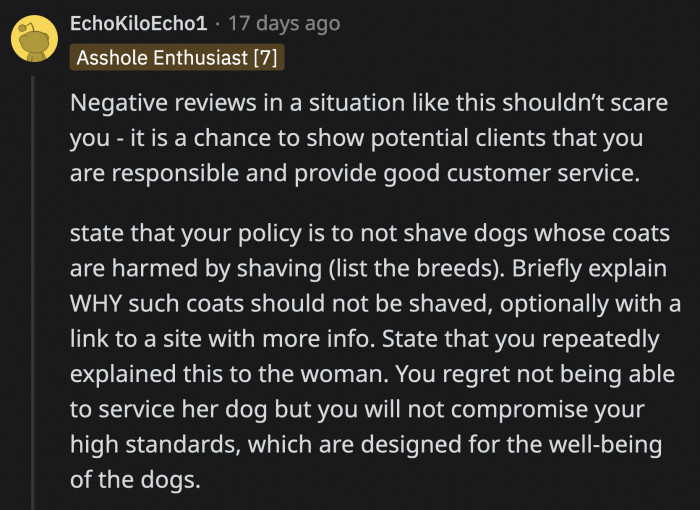
OP has nothing to fear because they did nothing wrong.
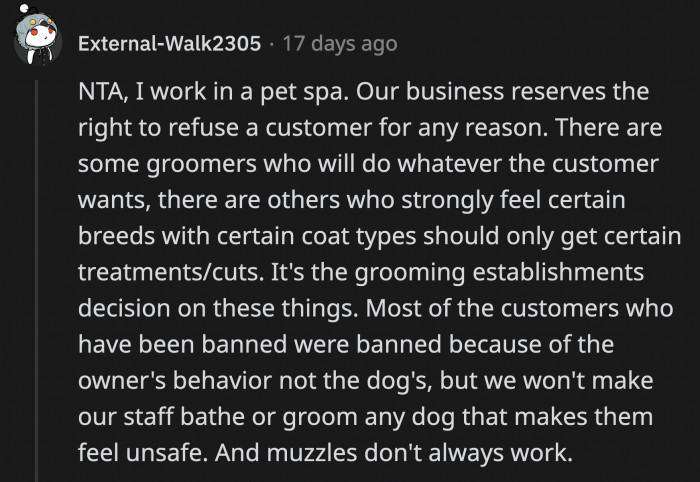
Another person who works in the same industry said that OP did the right thing.
Moreover, employing active listening techniques can help groomers address client concerns more effectively.
Furthermore, managing emotional responses during these discussions is crucial.
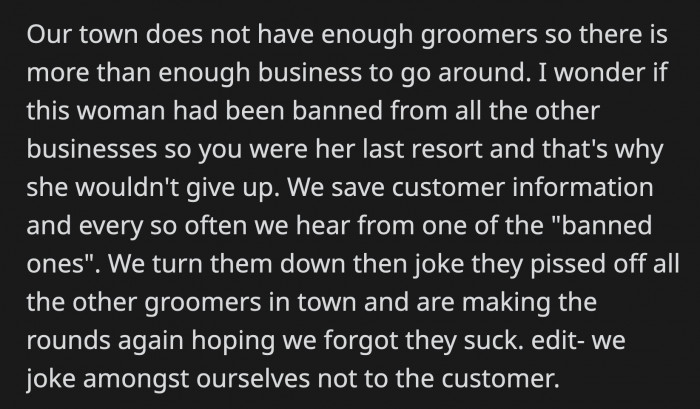
They did wonder if the dog owner's desperation to have her dog groomed at OP's business stemmed from being banned from the other grooming services in their area.
Also, "dog racism" isn't a thing. It's ridiculous to compare being turned away from a dog grooming place to racism. It literally doesn't make sense.
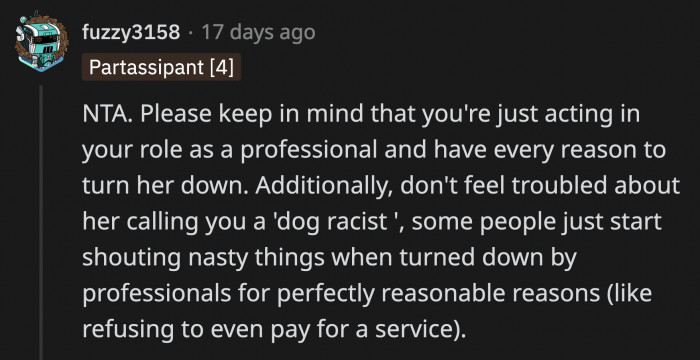
Apparently, OP's customer wanted her dog to be shaved because its fur makes her "sick."
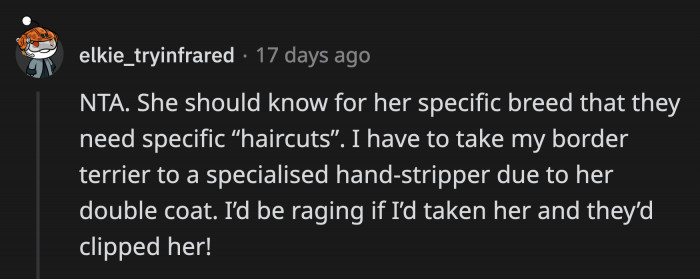
That explanation did not make the situation any less strange.
Understanding the emotional dynamics at play in client-groomer relationships is crucial.
This might include creating informative materials that outline grooming practices and their implications for pet health. Providing clients with educational resources can empower them to make informed decisions while fostering respect for the groomer's expertise.
Additionally, regular feedback sessions can enhance communication and understanding between groomers and clients. These sessions can provide opportunities for discussing client concerns and addressing them effectively, strengthening the professional relationship.
OP can employ this approach the next time (because there will be a next time) she deals with a difficult dog owner.
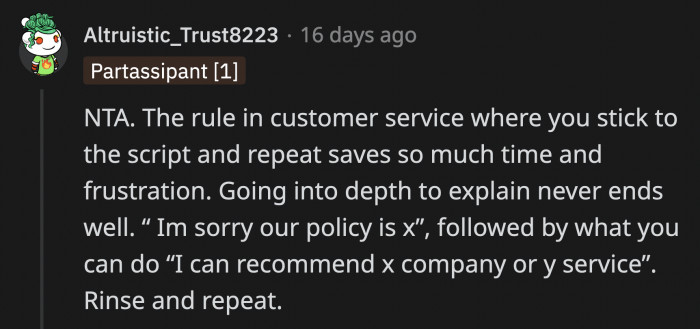
OP's girlfriend was way off base when she said that what they did was akin to restaurants refusing to seat people because of their skin color. It's gross to equate racism to whatever this is.
OP and their business have nothing to worry about. OP deserves a lot of credit for not snapping at the customer and handling the negative review professionally.
This situation emphasizes the importance of collaboration and communication in pet care professions.
Grooming is not merely a routine task; it involves navigating the unique behaviors and needs of various dog breeds, including those that may be more challenging, like the Malinois. The groomer’s refusal to shave the dog’s fur was not an act of discrimination but rather a professional judgment rooted in the well-being of the animal. This situation illustrates how important it is for pet owners to trust the expertise of groomers, who must balance client expectations with the best care practices. Fostering transparency in these interactions can lead to better outcomes for both pets and their owners, ensuring that the grooming process is safe and beneficial for the animal.
Ultimately, navigating conflicts in pet grooming requires a combination of effective communication and emotional awareness. By prioritizing empathy and understanding, groomers can create a more harmonious environment for both pets and their owners.
The recent incident involving a groomer labeled as a "dog racist" highlights the complexities of emotional attachments that pet owners have with their animals. The expectation that a groomer should comply with every request, even when it conflicts with the best care for the animal, underscores a fundamental disconnect. Effective communication is essential in these situations, allowing groomers to explain their professional boundaries and the reasons behind their grooming choices. By fostering empathy and understanding, groomers can not only manage difficult interactions but also strengthen their relationships with clients, ultimately leading to a more positive experience for both the pets and their owners.
For more grooming boundary drama, see how a groomer made a client rebook without reminders.
Share this article:





