Petty Dog-Sitter Unleashes Hungry Slugs On Her Neighbor's Vegetable Patch After She Tried To Kick Her Sister's 16 Y.O. Dachshund

Some people fight with words, others fight with, well, slugs. This one started with a pet sitter who decided her neighbor’s garden was the perfect place to make a point, after a whole mess involving her sister’s 16-year-old dachshund.
OP wasn’t just dealing with “pesky pests” in general, she was already living with them. She even got strategic, using shady spots and pots to steer the slug situation, and then she made the jump from “my house” to “your lettuce.”
And when fat slugs turned a growing patch into lace, the neighbor’s freak-out was only the beginning.
OP made use of the pesky slugs that got into her house once in a while.

She was no longer worried about keeping them away. She even encouraged them to go into her garden by strategically placing her pots in shady areas.
The Dynamics of Neighborly Relations
Conflicts among neighbors can often escalate due to misunderstandings and perceived threats to personal space.
OP then collected the slugs and sneakily dropped them onto her neighbor's growing vegetables. It only took a few fat slugs to turn a beautiful lettuce into lace.
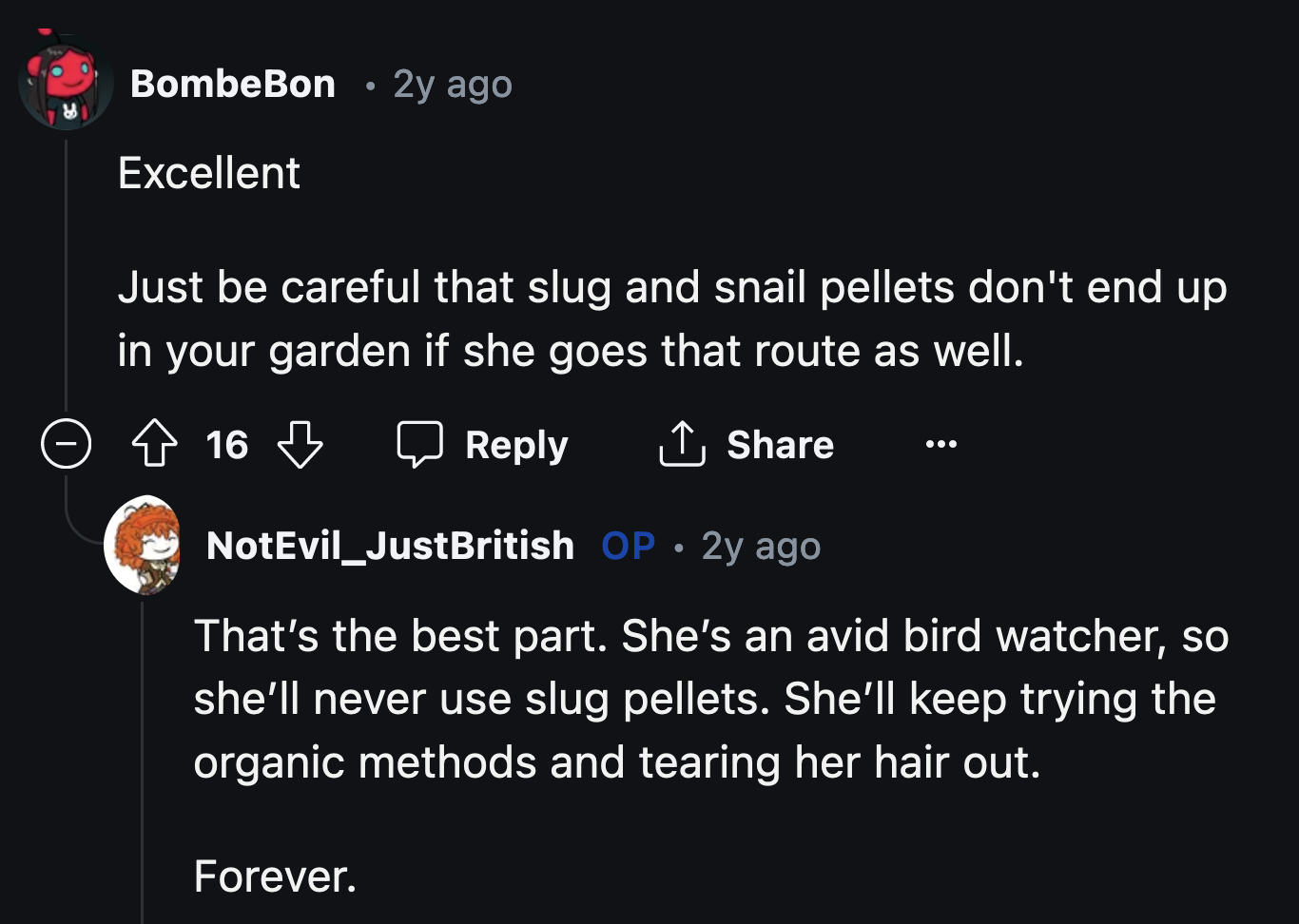
OP watched as her neighbor lost her mind trying to figure out where the slugs came from. She tried every natural deterrent, but the slugs found a way to get to her vegetables.
OP went from tolerating slugs in her own place to actively steering them toward the garden, the moment she realized she had a system.
Behavioral psychology suggests that actions taken in retaliation often stem from a desire to assert control or regain a sense of power in a situation where one feels vulnerable. The pet sitter's actions may reflect a reaction to feeling disrespected or undermined by the neighbor's behavior.
Studies show that such retaliatory behaviors can create a cycle of conflict, emphasizing the need for resolution strategies that focus on communication rather than revenge.
OP and Fred have an unbreakable bond with peanut butter as a foundation. OP must defend him.

It pays to know your enemy. If she could have been as kind to Fred as she was to birds, she would have had her perfect veggies.
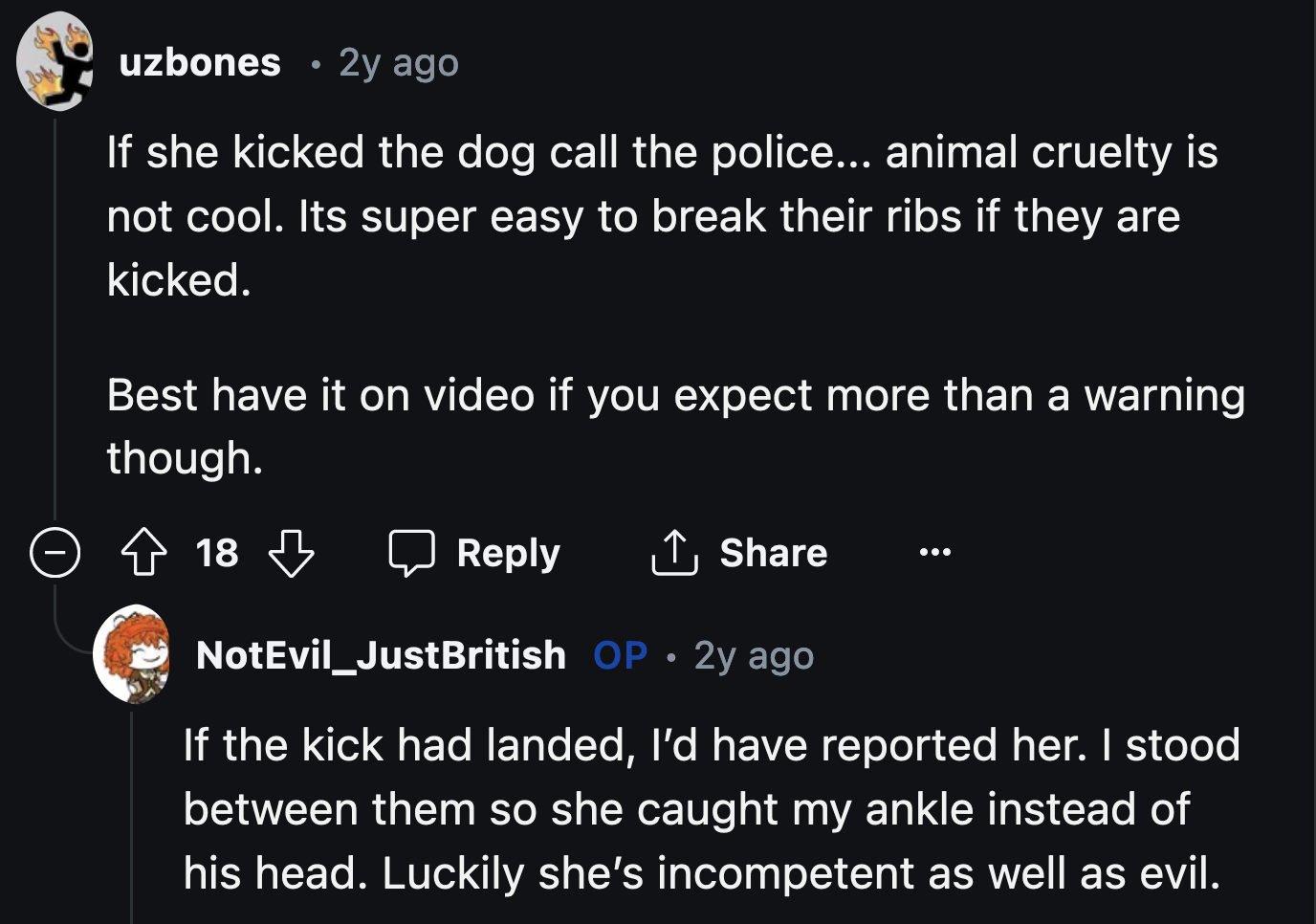
The whole thing escalated after the neighbor got involved with her sister’s 16-year-old dachshund, and suddenly Fred was part of the emotional fallout.
Empathy plays a crucial role in resolving conflicts, particularly in community settings.
This also echoes the man furious at his narcissistic sister for beating his dog, and blaming his parents.
Fred would not have growled at the neighbor in the first place if she had not yelled at him for being old.
Somehow, those slugs on OP's gloves find their way to the neighbor's garden. What a frustrating puzzle.
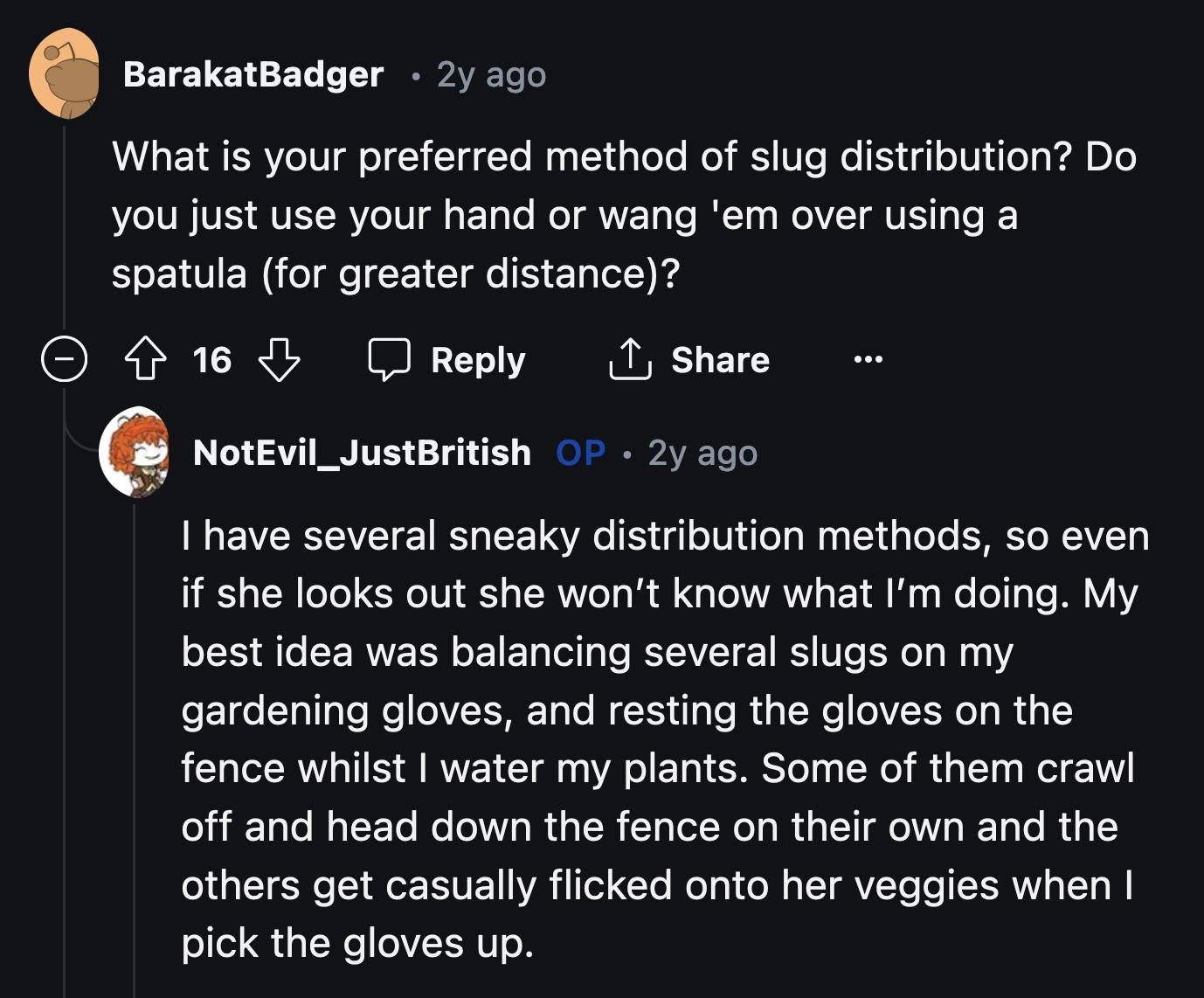
Then OP collected the slugs and dropped them onto the neighbor’s vegetables, watching the lettuce get shredded into lace while the neighbor tried to play detective.
To mitigate conflicts with neighbors, individuals can benefit from engaging in open dialogue about their concerns. Approaching discussions with a mindset of collaboration rather than confrontation can lead to more positive outcomes.
Strategies such as active listening and expressing feelings without blame can help create a safer space for dialogue and understanding.
If OP keeps this up long enough, she might just convince her neighbor to up and leave.
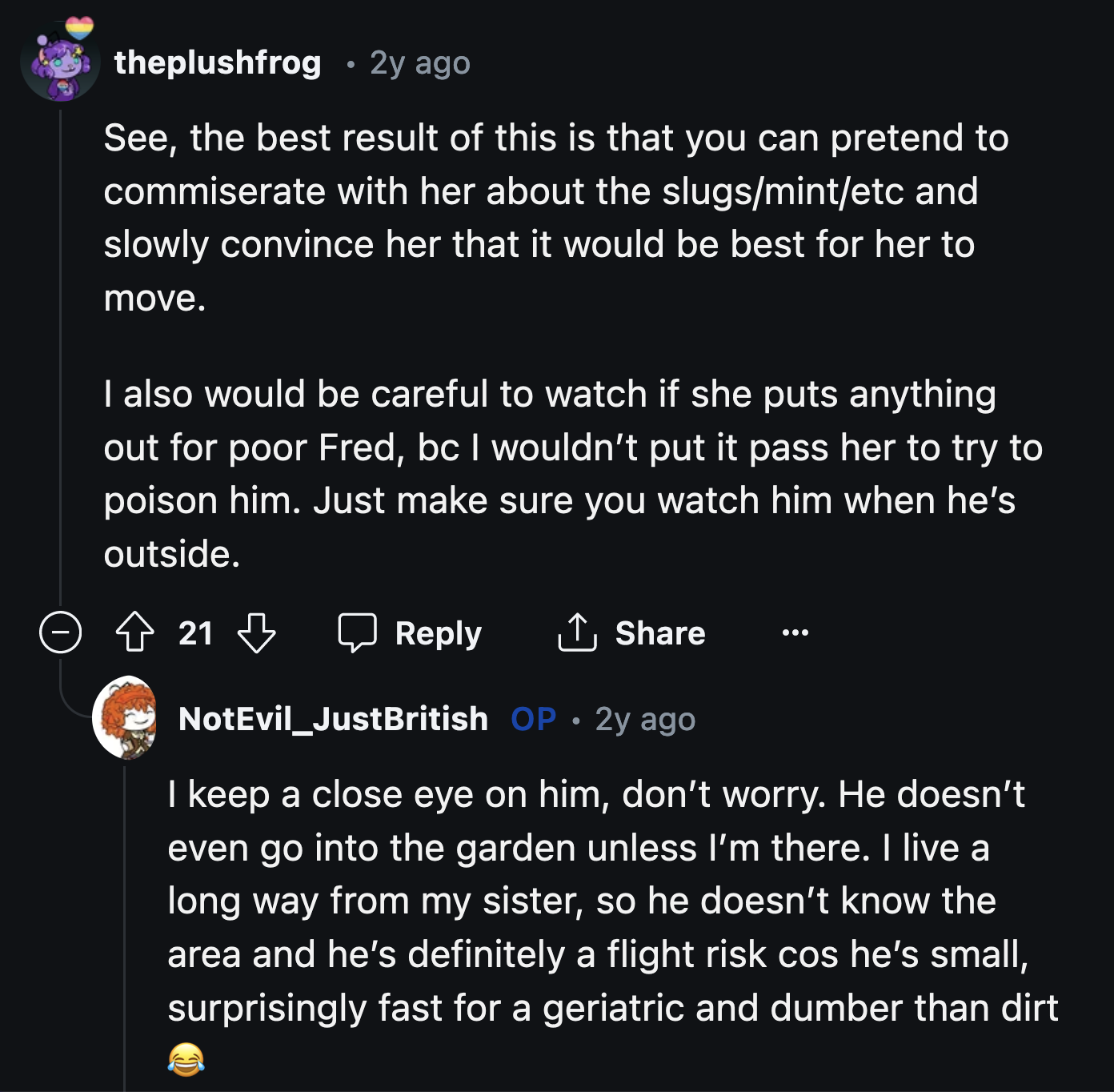
The problem with this is that the neighbor might think Fred is to blame for the sudden influx of stray dogs interested in her garden.
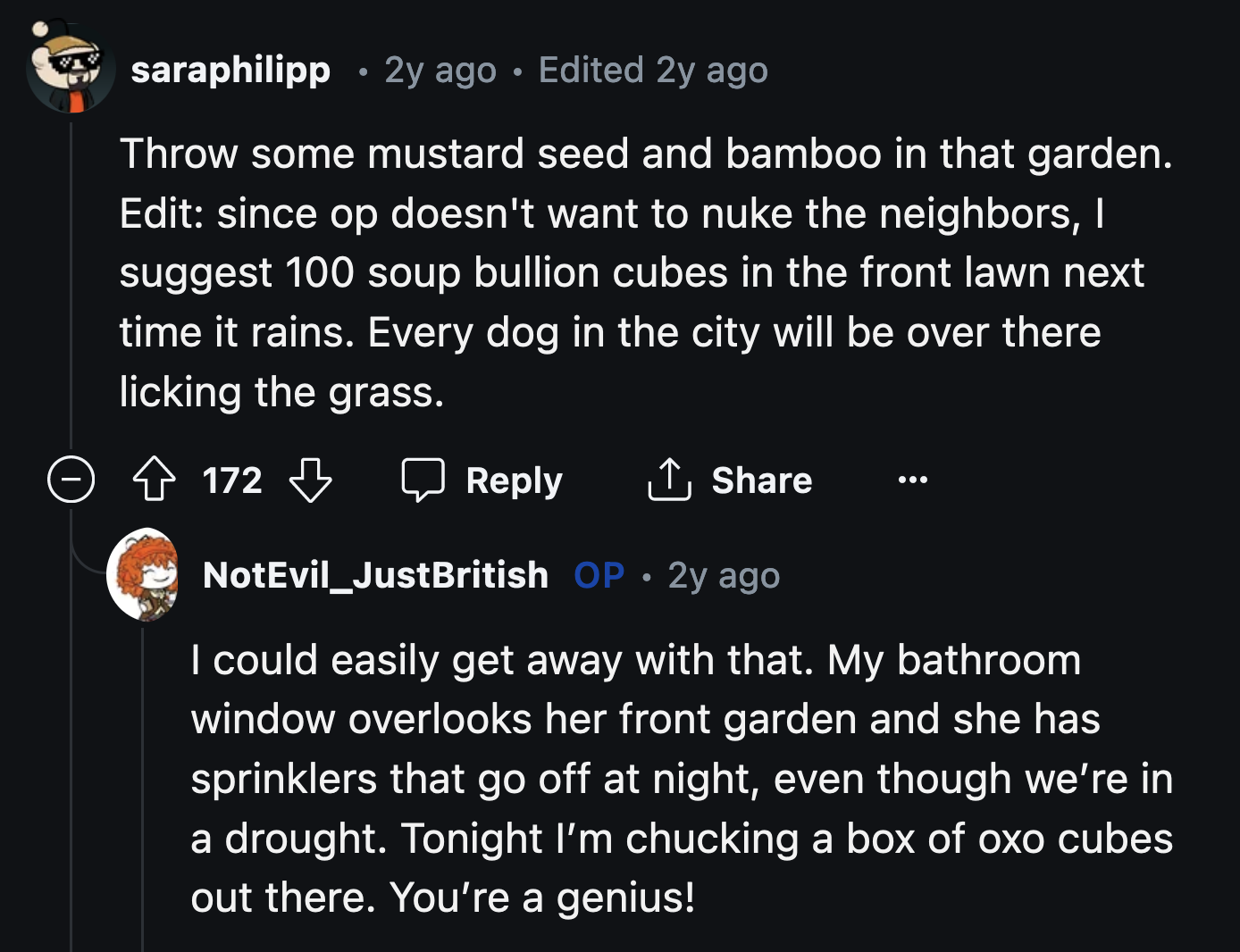
The commenters reminded OP to supervise Fred at all times, especially when he goes out. Who knows what her neighbor could try next to keep him away from her property?
Don't harm animals if you don't want an army of slugs to treat your garden as their cafeteria. She was naive to believe that she could try to hurt someone's pet without consequences.
OP had means, motive, and opportunity. It was as if the stars aligned to ensure the success of her vengeance.

It's time for the neighbor to start her spice garden. OP's helpfulness and a few bags of invasive spice seeds could come in handy.
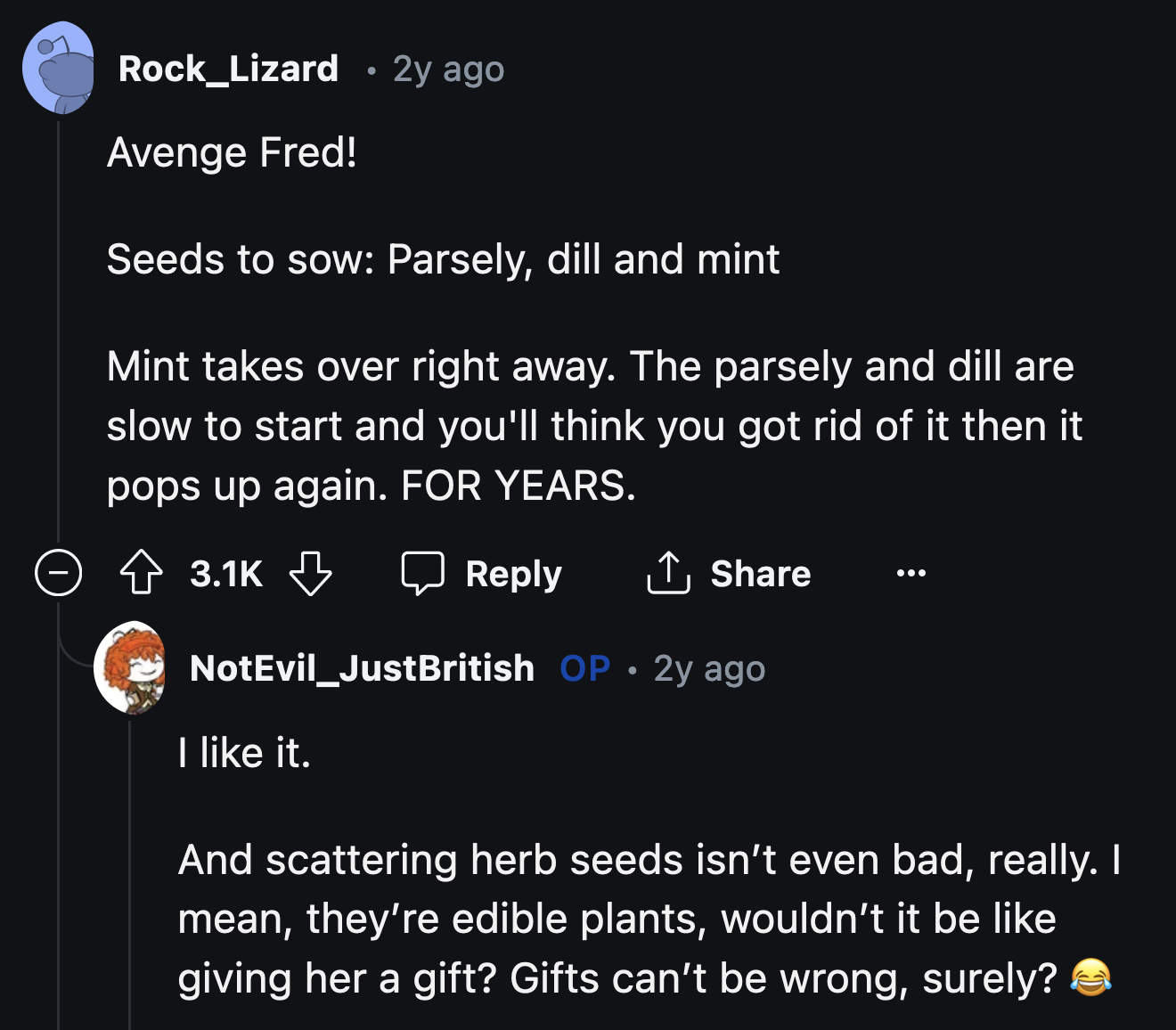
By the time the neighbor tried every natural deterrent and the slugs still kept showing up, it turned into a neighbor war with peanut butter-level loyalty on one side.
Building Community Through Cooperation
Cooperation among neighbors can significantly enhance community relationships.
OP can also offer her neighbor a few perfect heads of lettuce after she notices how poorly this year's batch turned out.
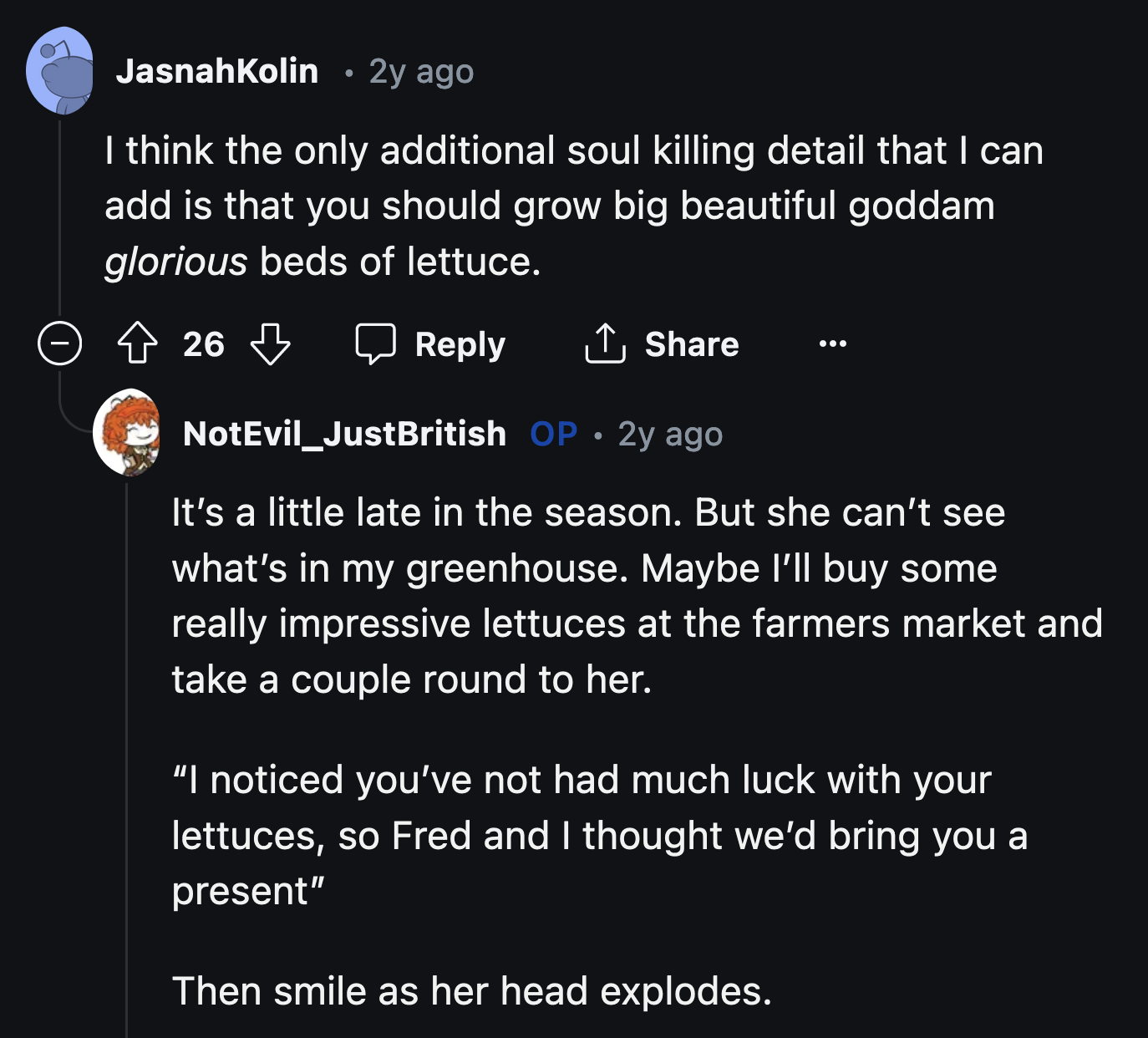
This incident underscores the complexities of neighborly relationships and the potential for tensions to escalate when misunderstandings occur.
Now the neighbor is stuck wondering why her vegetables got punished for a fight she didn’t even finish.
After the slugs, wait till you see the teenager who punched the woman who dragged a dachshund.
Share this article: