
Redditor Sparks Family Outrage For Giving Dog ‘Extreme Makeover’ That Left It Looking Like Plucked Chicken

A 28-year-old woman thought she was doing the right thing when she gave her mum’s dog an “extreme makeover” shave, but the result looked like a plucked chicken and somehow colder than before. The dog ended up with blisters and a tangled, messed-up coat, so OP had to follow up with a bath just to deal with the fallout.
Here’s where the family drama kicks in: this dog was already traumatized after OP’s ex-husband abused her, and she gets agitated around people. OP believed shaving the entire coat was the best move, but her mum and grandma were furious, turning what should have been pet care into a full-on household argument.
And once everyone’s upset for different reasons, the dog becomes the least important part of the fight.
OP gave her mum’s dog a shave which made the dog look ugly and cold.
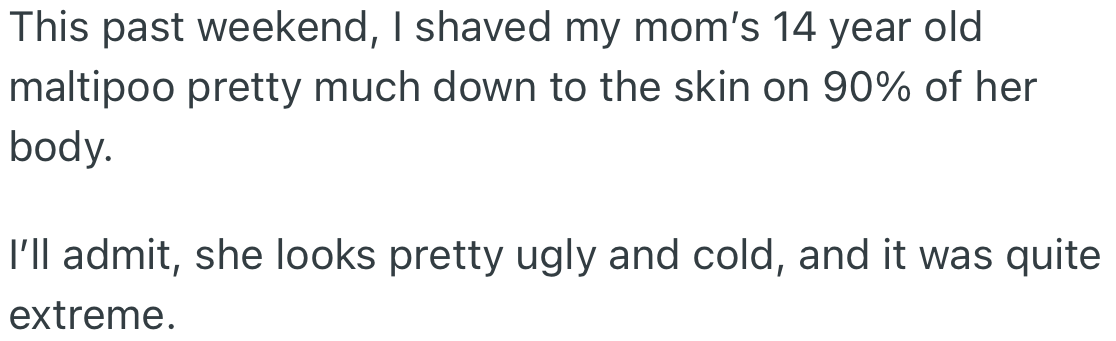
Due to the dog’s blisters and her tangled hair, OP gave her a bath after the shave.
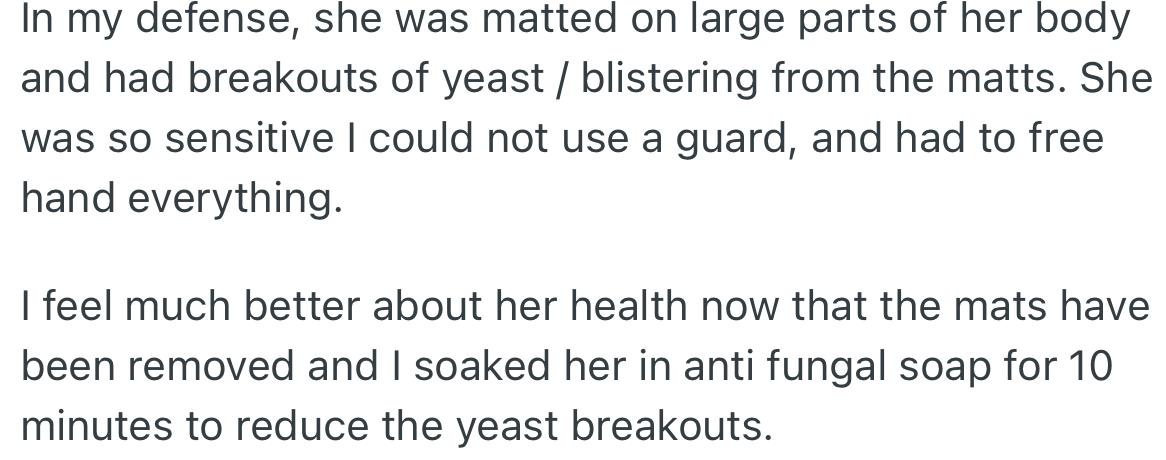
The decision to groom a pet in an extreme manner often stems from underlying psychological factors, including the desire for control and self-expression.
Research highlights that pet owners may project their own identities onto their pets, using grooming as a means to communicate their personal style or preferences.
However, these choices can sometimes reflect deeper issues such as anxiety or a need for validation from others.
The dog was previously abused by OP’s ex-husband and gets agitated around people.
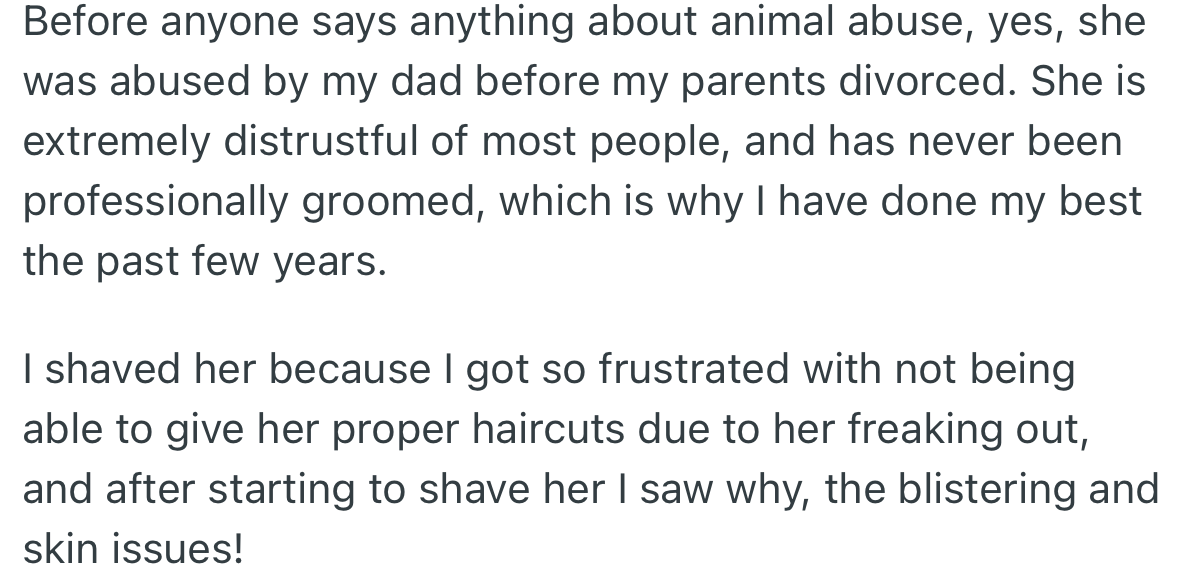
From research, OP discovered that shaving the dog’s entire coat was the best option; however, both her mum and grandma were unhappy about it.
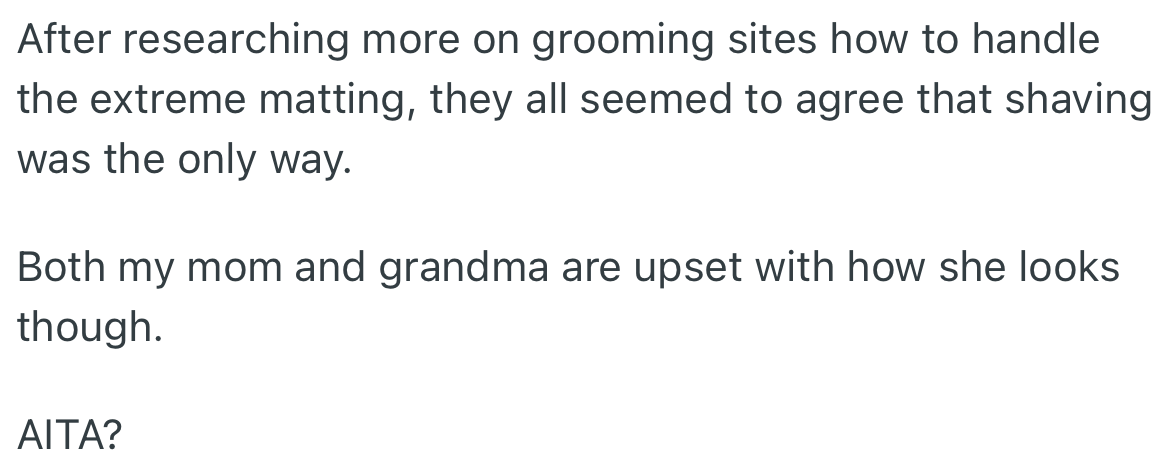
OP’s “best option” plan quickly turned into a nightmare when the shave left blisters and the dog looked absolutely ruined.</p>
From a behavioral psychology perspective, pet ownership itself can evoke strong emotional responses, often leading to heightened sensitivity regarding the pet's appearance and well-being.
When grooming decisions cause distress among family members, it suggests a conflict between personal expression and shared family values, which can lead to significant interpersonal tensions.
Conflict resolution strategies can be beneficial here, promoting open communication about pet care and grooming preferences.
We gathered some interesting comments below:
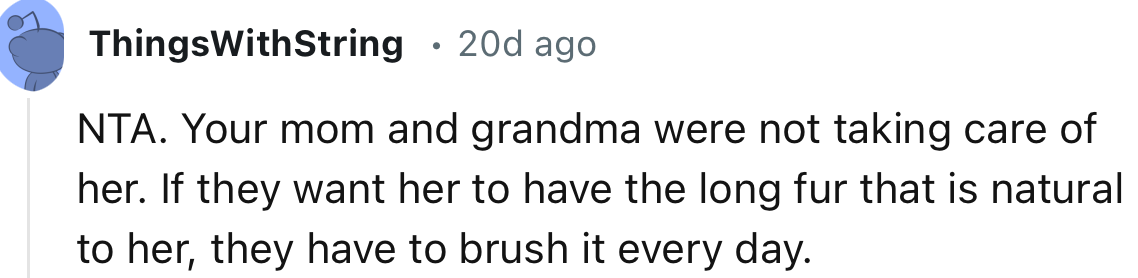
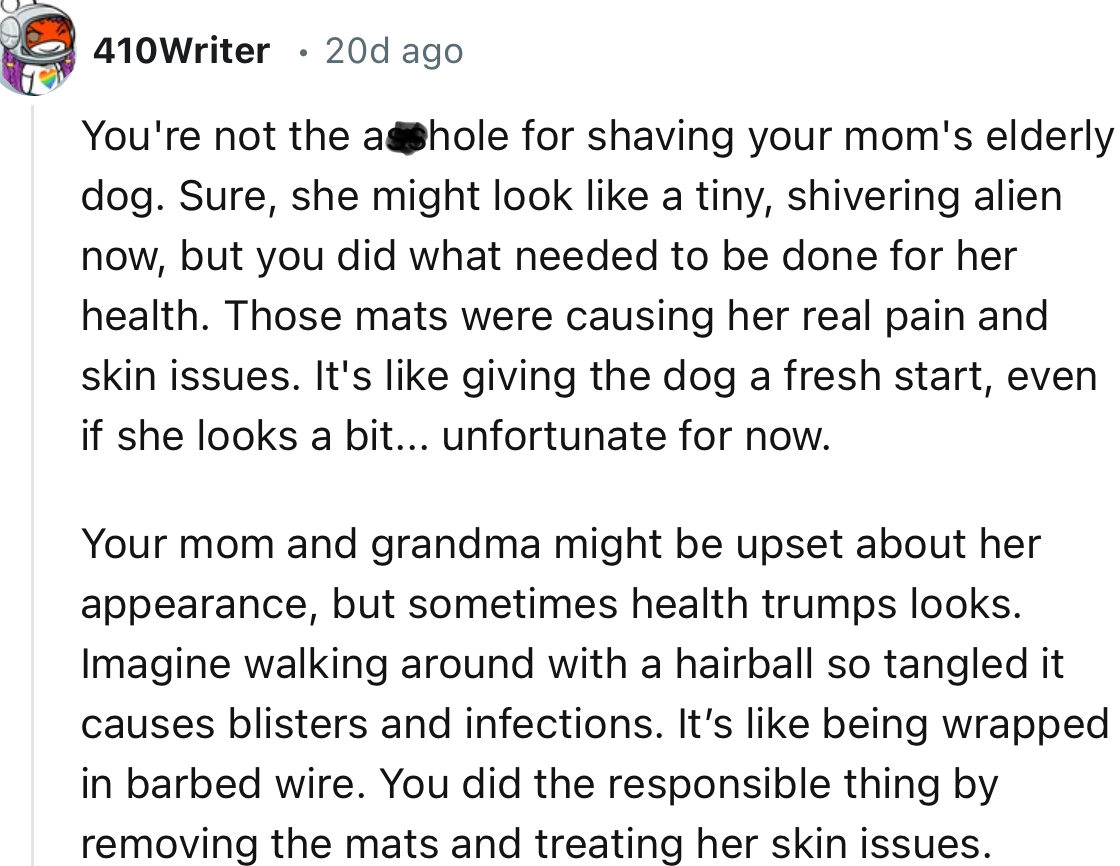
“It's like giving the dog a fresh start, even if she looks a bit... unfortunate for now.”
The bath after the shave might have been necessary, but it also made it harder for OP to explain herself to her mum and grandma.</p>
Social Dynamics Surrounding Pet Ownership
Family dynamics often play a significant role in pet care decisions, particularly when it comes to grooming.
Controversial grooming choices may trigger discussions about responsibility, care, and the emotional bond between family members and pets.
That reaction feels like the online marketplace shaming after someone tried buying a princess bed for her pup.
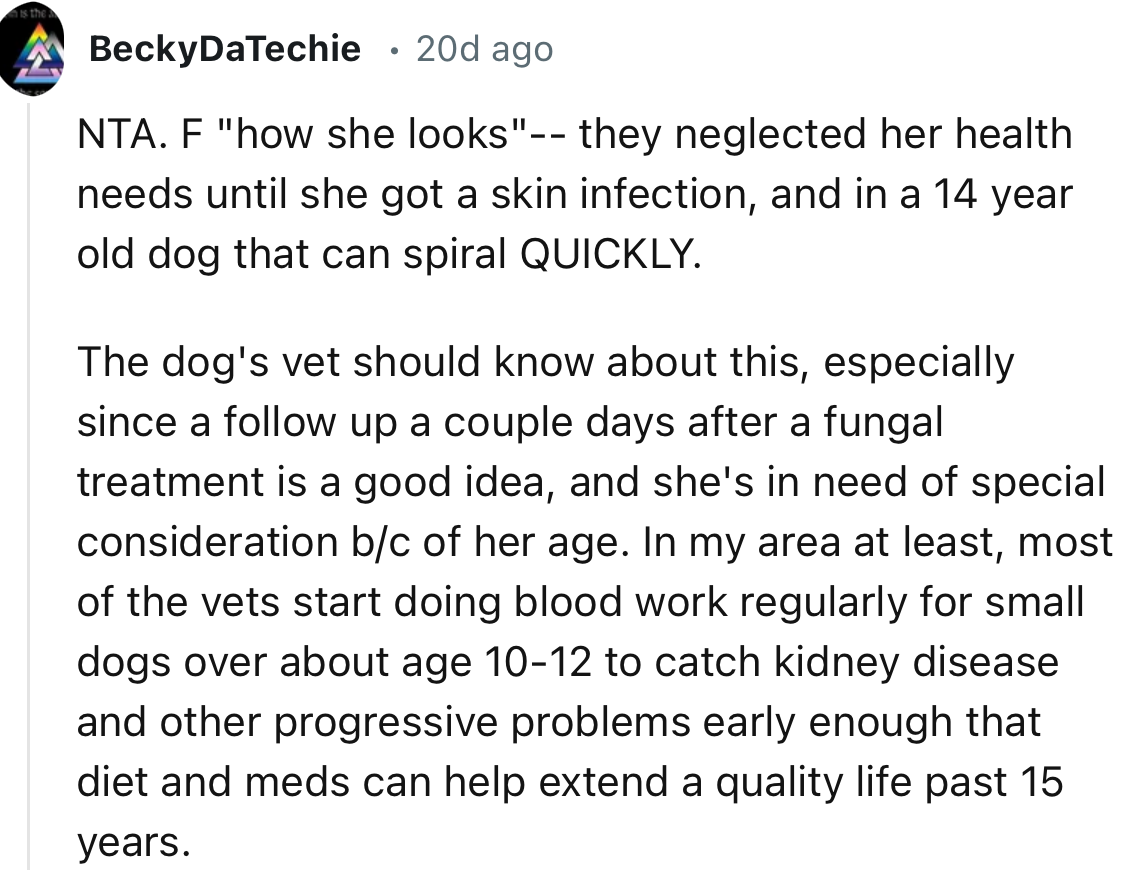
“They neglected her health needs until she got a skin infection, and in a 14-year-old dog, that can spiral QUICKLY.”
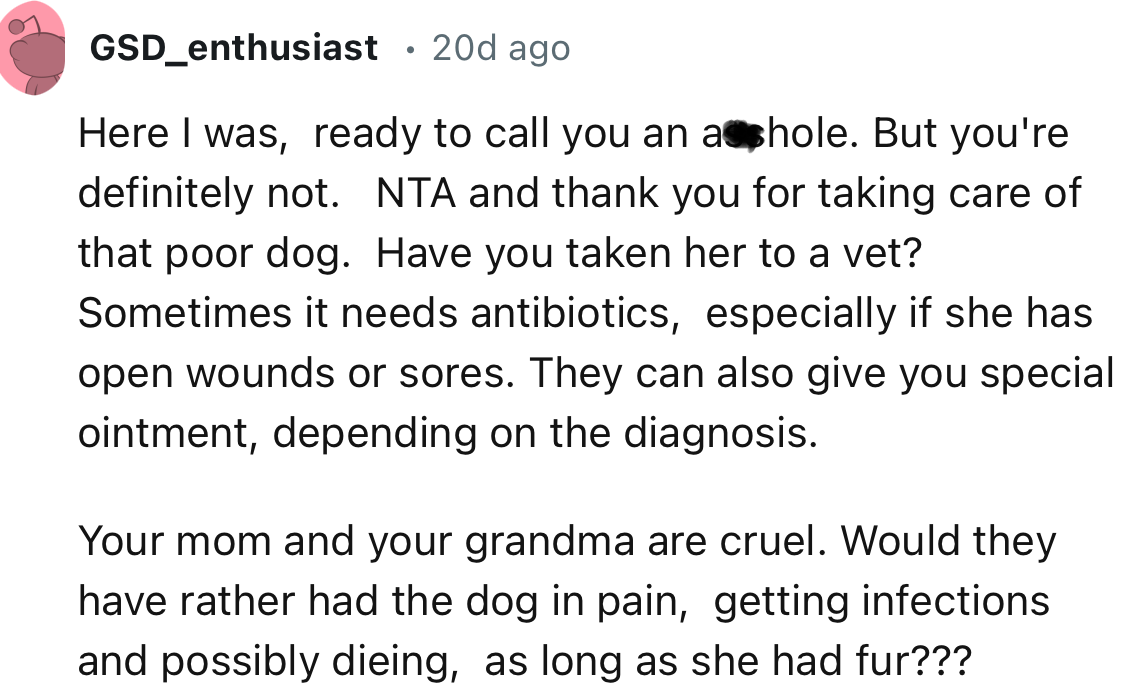
“Your mom and your grandma are cruel. Would they have rather had the dog in pain, getting infections, and possibly dying, as long as she had fur?”
Since the dog was abused by OP’s ex-husband and already gets agitated around people, everyone’s reaction to her appearance felt way more intense.</p>
Understanding the emotional impact of pet grooming requires a look at attachment theory, which posits that the bonds we form with our pets can mirror our attachment styles in human relationships.
Pet owners who express extreme reactions to grooming decisions may be demonstrating insecure attachment patterns, where their emotional needs for approval and connection are heightened.
Addressing these attachment styles through family therapy or pet care workshops can help bridge understanding and reduce conflict.
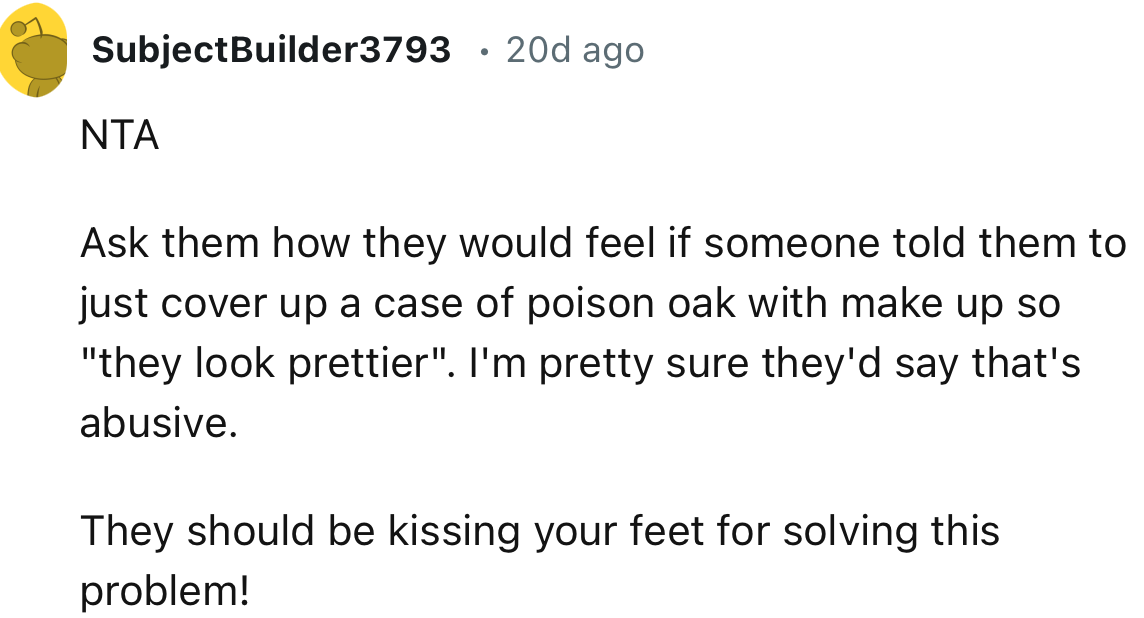
“Ask them how they would feel if someone told them to just cover up a case of poison oak with makeup so they look prettier.”
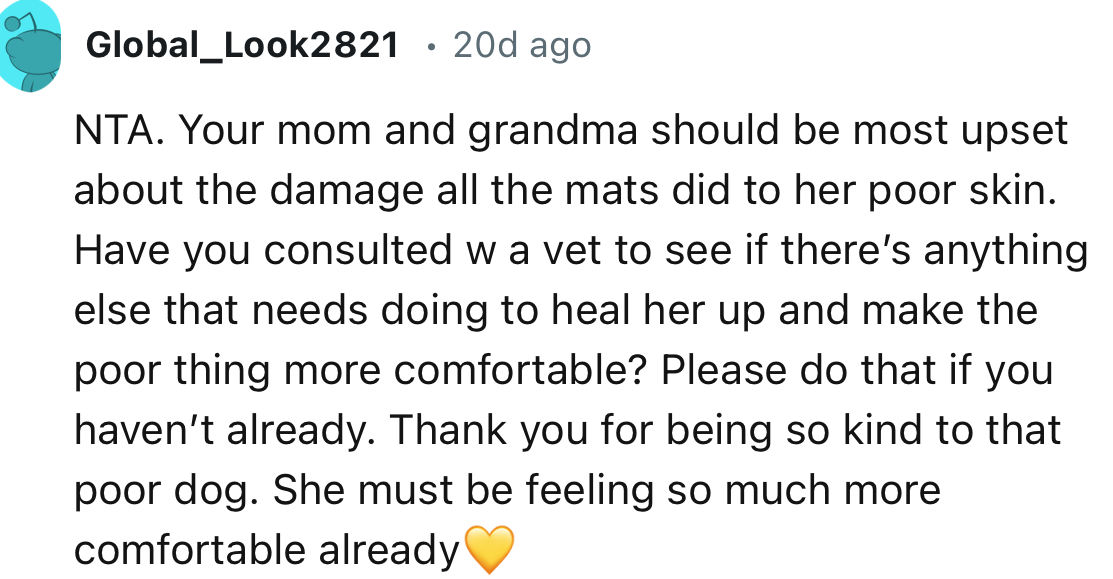
“Thank you for being so kind to that poor dog. She must be feeling so much more comfortable already.”
Redditors echoed what OP confirmed after perusing numerous dog grooming sites—shaving the pooch was the only way. If their mom and grandma were so opposed, they should have taken better care of the dog.
The Maltipoo might not be winning any beauty contests right now, but at least she’s healthier and more comfortable. And that’s what really matters.
Do you agree with the commenters? Share your thoughts with us.
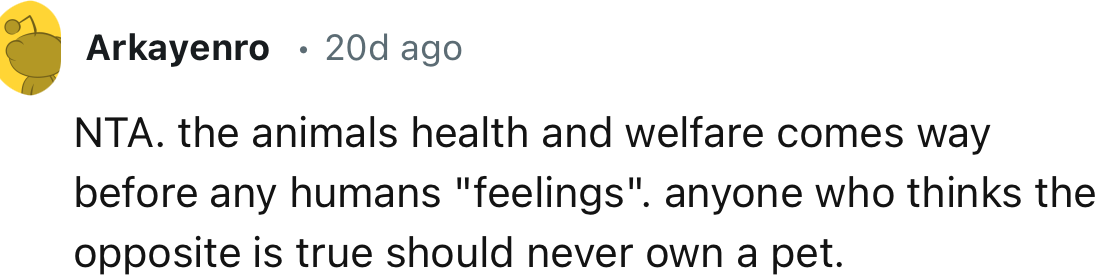
“The animal's health and welfare come way before any human's feelings. Anyone who thinks the opposite is true should never own a pet.”
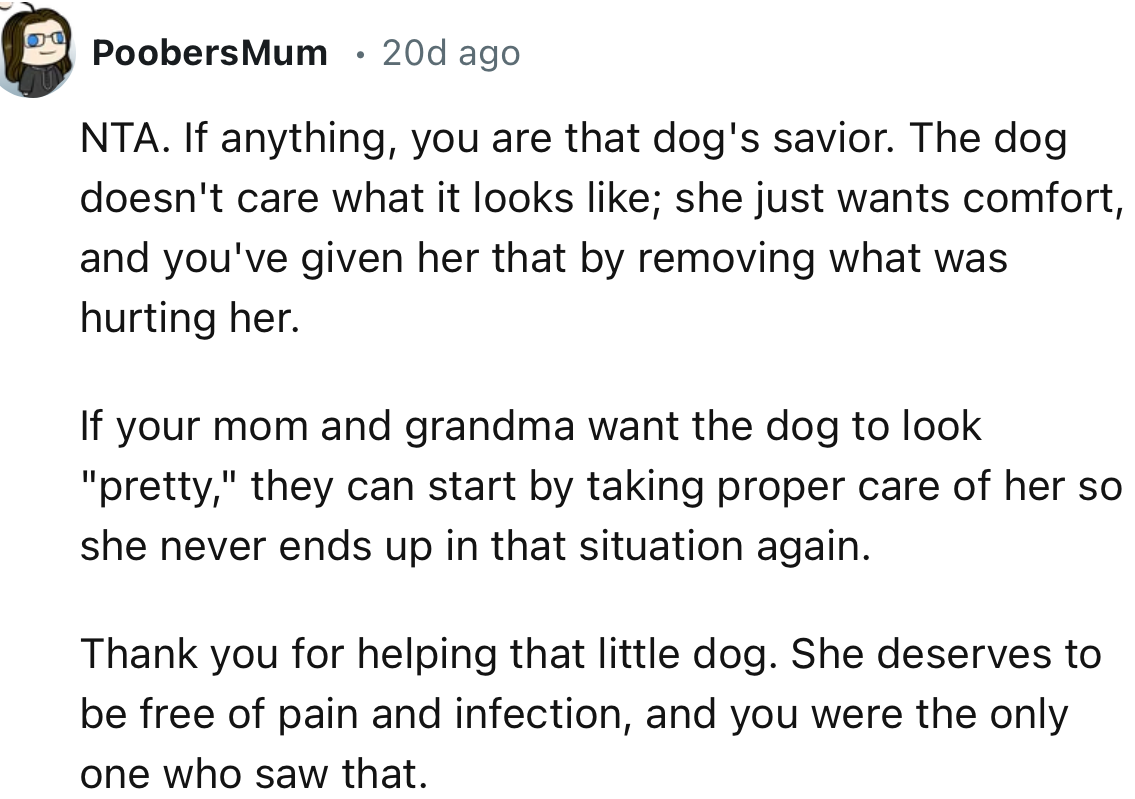
“The dog doesn't care what she looks like; she just wants comfort, and you've given her that by removing what was hurting her.”
That’s when the disagreement stopped being about grooming and started being about who gets to decide what’s “care” in the first place.</p>
Research indicates that individuals who engage in highly stylized grooming often seek positive social feedback, which can be linked to self-esteem issues.
This need for external validation can create a cycle where the pet's appearance becomes a proxy for the owner's self-worth, further complicating family dynamics.
Encouraging family discussions about the motivations behind grooming choices can foster understanding and empathy, mitigating backlash.
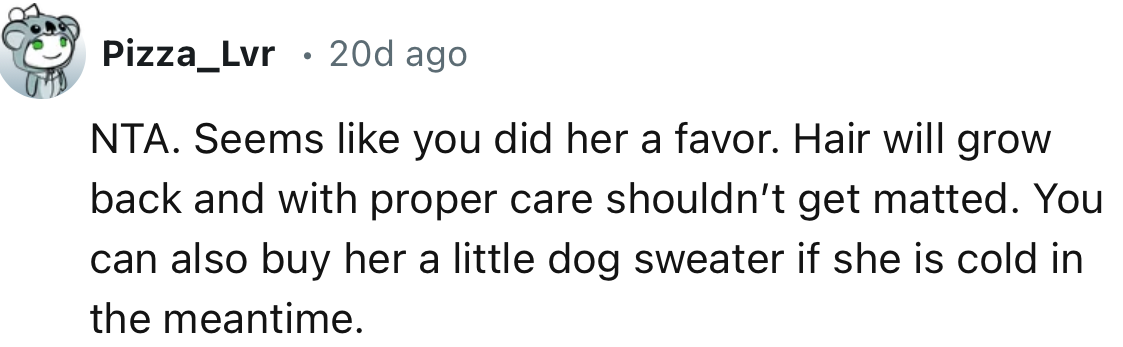
“Hair will grow back and, with proper care, shouldn’t get matted. You can also buy her a little dog sweater if she is cold in the meantime.”
The uproar over the drastic grooming decision highlights the complex emotional bond we share with our pets.
The dog got the makeover, but the family dinner got the real damage.
Want more family fallout over a dog, see how a mom’s “fix” led to a daughter moving out.
Share this article:





