Man Asks For Unethical Advice On How To Solve His Problems With A Neighbor Who Is Neglecting His Dogs, And The Answers He Got Would Shame Any Evil Mastermind

A neighbor’s neglected dogs turned one Reddit post into a full-on ethics mess, and the replies were anything but gentle.
The original poster wanted help dealing with a nearby dog owner who was not taking care of his pets, but he also did not want to hurt the animals in the process. That left Redditors split between petty revenge, practical ideas, and a few responses that were surprisingly reasonable.
Some of the suggestions were wild, some were clever, and a few were just plain mean. Here’s how the thread unfolded.
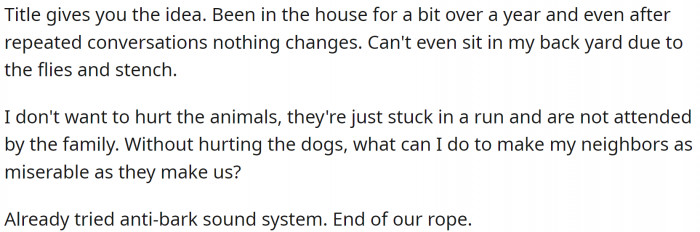
A desperate man asked:

He explained the problem. He tried to solve it, but had no success. Now he wants help, but doesn't want to hurt the animals.
Redditors started sharing their stories:
When faced with conflicts, individuals often grapple with the ethical implications of their choices. Research in moral psychology shows that individuals tend to justify unethical decisions when they believe their intentions are noble (Greene et al., 2001). This phenomenon, known as moral disengagement, can lead to justifying harmful actions in the name of a greater good, like intervening for the welfare of neglected pets.
This tendency is rooted in situational factors that can manipulate our moral compass. The Stanford prison experiment illustrates how normal individuals can commit unethical acts when placed in certain environments, highlighting the importance of context in moral decision-making.
When faced with ethical dilemmas, individuals often experience a range of emotions, from frustration to anger. This emotional turmoil can be explained by cognitive dissonance theory, where one’s beliefs and actions are in conflict.
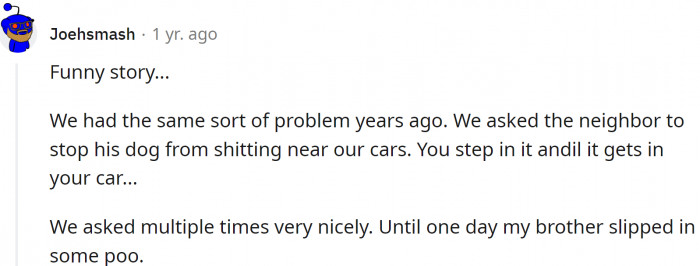
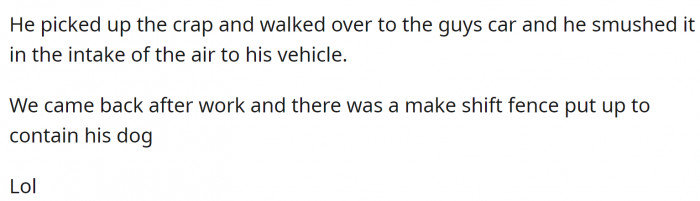
It was a radical solution, but it solved the problem
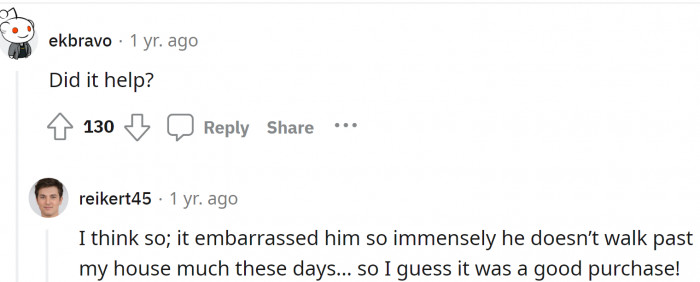
Some people have tried using megaphones
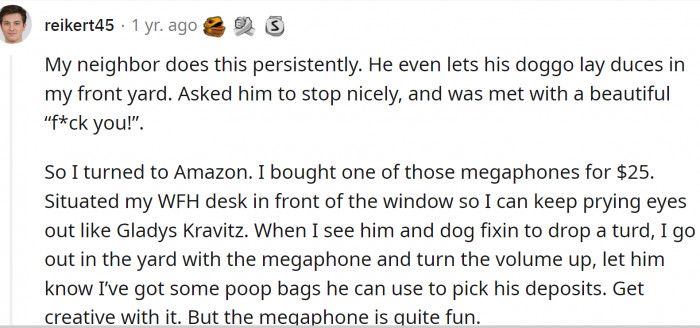
And it helped
The shame associated with unethical behavior can lead to a cycle of justifying one's actions instead of addressing the core issue. When people choose to act unethically, they often feel isolated, leading them to rationalize their choices as a means of self-preservation.
This suggests that the individual who sought unethical advice may benefit from exploring the underlying emotions driving their conflict with their neighbor, including feelings of powerlessness or frustration. Addressing these feelings through dialogue or reflective practices can be transformative, allowing for healthier, more ethical resolutions to conflicts.
The situation regarding the neighbor's neglect of dogs raises important questions about moral responsibility. Research in social psychology indicates that people often assess their responsibilities based on perceived societal norms and personal values. Additionally, understanding our own emotions can help us respond more compassionately to the suffering of others, which is vital in situations like these.
That is where the thread starts to get messy.
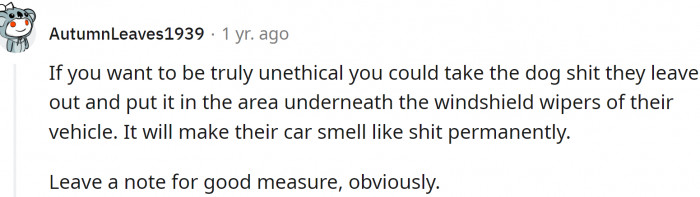
Some more radical solutions coming:
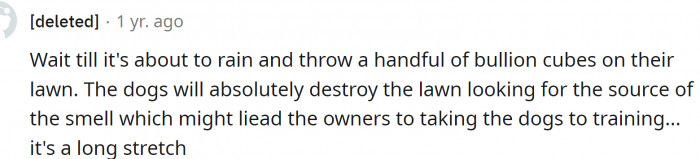
There goes the lawn...
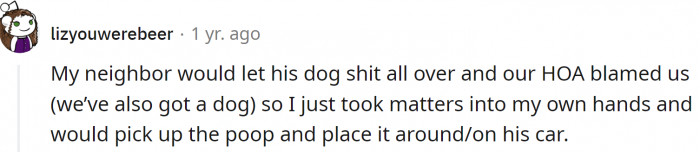
Place the poop around the car...
Empathy plays a crucial role in resolving conflicts, especially in situations like the one described where animals are involved. When individuals can put themselves in the shoes of others, whether human or animal, they are more likely to take constructive actions rather than resorting to unethical ones.
Training programs designed to increase empathy, such as perspective-taking exercises, have been shown to enhance prosocial behavior. For instance, studies demonstrate that individuals who engage in perspective-taking are more likely to support initiatives aimed at improving the welfare of animals, suggesting that fostering empathy can lead to more ethical and constructive problem-solving approaches.
Empathy plays a crucial role in how we respond to ethical dilemmas.
When individuals feel a strong empathetic connection to those affected, they are more likely to take action, even if it means stepping outside their comfort zone.
Old, but good

Some reasonable pieces of advice also came up:

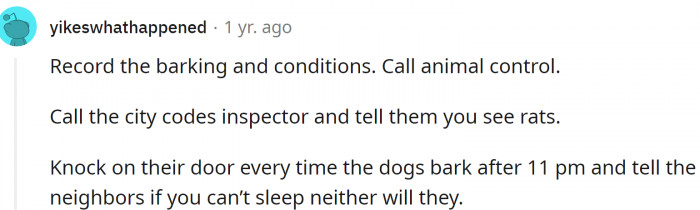
Record and call... Simple enough
The bystander effect means that individuals are less likely to intervene when they believe others might take action (Latané & Darley, 1970). This dynamic can create a sense of helplessness, where individuals justify inaction based on the assumption that someone else will step up.
In the case of the neighbor's neglected dogs, this effect may contribute to a cycle of inaction and reinforce negative behaviors. Encouraging community involvement and awareness can critically counteract this effect, empowering individuals to take a stand for animal welfare instead of remaining passive.
In this case, understanding the neighbor’s situation could evoke empathy, leading to a deeper moral obligation to act.
To navigate this dilemma, individuals are encouraged to reflect on their values and consider the impact of their actions on others, which can guide them toward more ethical decision-making.
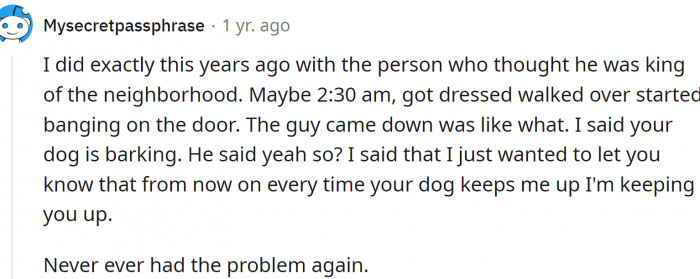
Wake up the neighbor when the dog wakes up you...
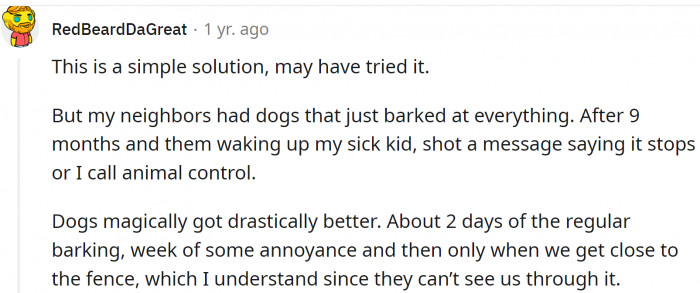
Sometimes even a simple threat helps
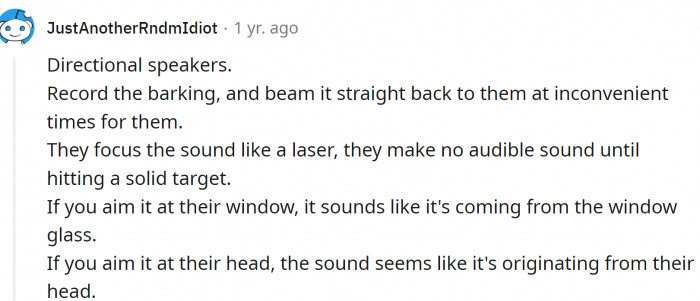
Directional speakers
Effective communication is often the cornerstone of resolving conflicts, and this principle is supported by numerous studies in conflict resolution. His approach encourages individuals to articulate their concerns about the neighbor's treatment of dogs in a way that fosters dialogue rather than defensiveness.
Research shows that when individuals employ nonviolent communication techniques, they are more likely to achieve positive outcomes in conflict situations. By focusing on shared interests, such as the welfare of the animals, individuals can create a collaborative atmosphere that is conducive to finding constructive solutions.
It’s a lot like the neighbor who reported constant barking and got the family’s dog taken away.
Engaging in unethical behavior as a means to solve problems can have long-lasting consequences.
Interesting things...
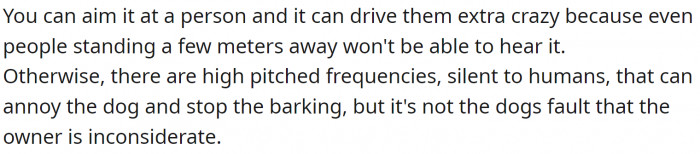
Get those dogs tired...
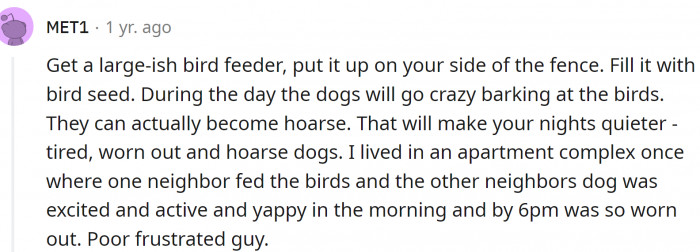
Check the local regulations... this might work...
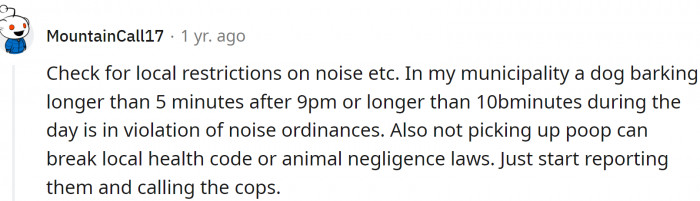
Behavioral psychologists have long studied the role of reinforcement in behavior change.
Instead of resorting to unethical measures, individuals can consider constructive alternatives that promote positive outcomes. Solutions may include direct communication with the neighbor, involving local animal welfare organizations, or seeking mediation to address the issue peacefully.
Using these approaches can help maintain personal integrity while addressing the ethical concerns at hand.
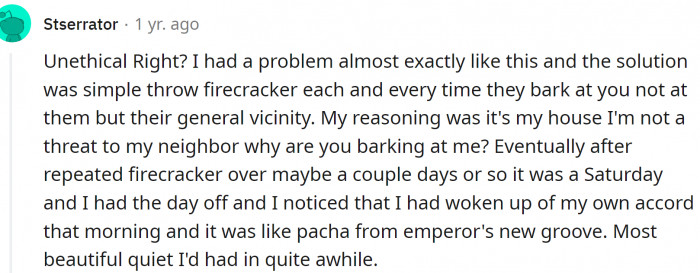
Firecrackers...
Sensor light
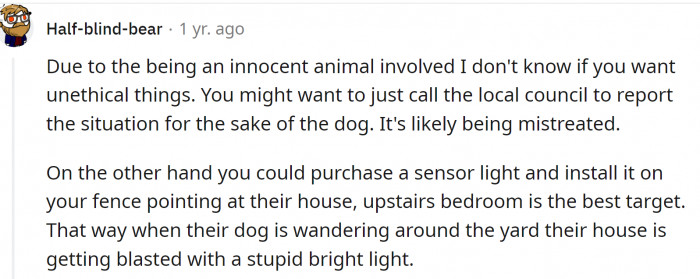
Subwoofer

Communities play a vital role in shaping individual behaviors, particularly regarding the treatment of animals.
This situation underscores the importance of community responsibility when it comes to animal welfare.
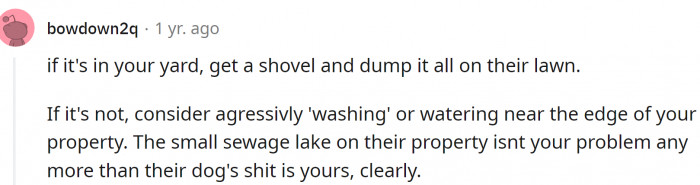
Aggressive and directed washing with a hose
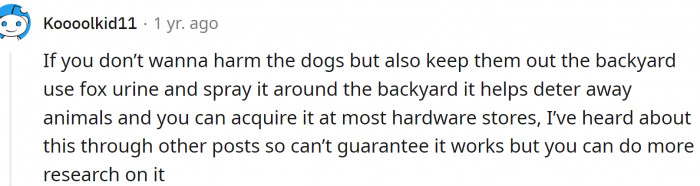
Fox urine
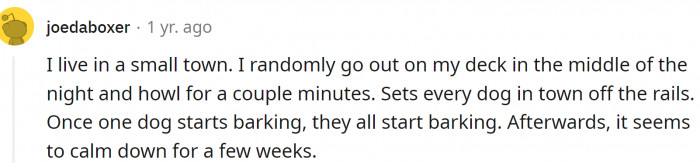
Just go out and howl...
Our perceptions of others can drastically shape our responses to situations involving neglect. Research on stereotypes suggests that when individuals view others through a lens of bias or judgment, it can inhibit empathetic responses (Fiske, 2012).
In the case of the neighbor, understanding their circumstances, be it socioeconomic factors or personal struggles, can foster a more empathetic approach. Encouraging community dialogues that promote understanding of diverse backgrounds can help dismantle these biases, allowing for more compassionate interventions.
Community members can be proactive by organizing awareness campaigns about responsible pet ownership, which can educate others and prevent neglectful situations from arising in the first place. Collaboration with local authorities and animal shelters can also lead to practical solutions that benefit both animals and their owners.
Taking these steps can create a more supportive environment for both pets and their owners, promoting ethical treatment of animals.
Dogs constantly barking can be irritating...
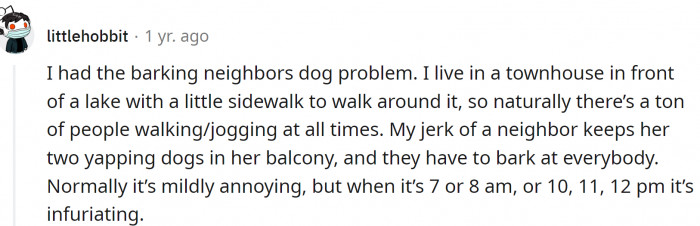
Sonar bug repellents sometimes work

High frequency dog whistle

In confronting issues of animal neglect, it's essential to approach the problem with a blend of compassion and assertiveness. This approach not only encourages problem-solving but also builds rapport, making it more likely that the neighbor will be receptive to change.
When faced with ethical concerns, it's essential for individuals to reflect on their personal values and the impact of their choices. Research in moral psychology indicates that aligning actions with core values can lead to greater life satisfaction.
Considering the long-term consequences of their actions can help individuals make decisions that not only resolve immediate issues but also enhance their overall well-being.
Whistle every hour for 30 days...

Those poor dogs
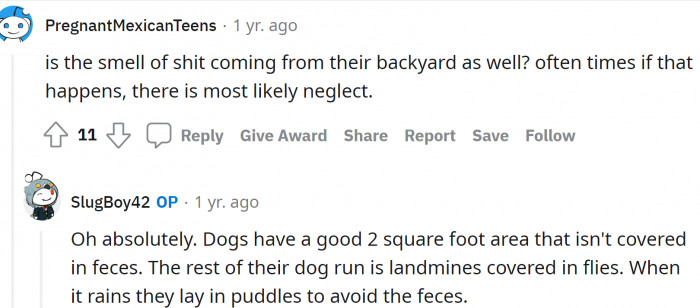
This would be the best solution. Those dogs deserve better.

Ultimately, navigating ethical dilemmas requires a careful balance of empathy, responsibility, and integrity. By choosing to act in ways that reflect their values, individuals can contribute positively to their communities while fostering a sense of personal fulfillment.
In doing so, they not only advocate for the welfare of animals but also reinforce their own moral compass.
The bottom line is:

Well, it’s commendable that the OP wants to solve the problem without hurting the dogs. It is so sad to see how some people mistreat their pets.
And that’s why it is so important not to make people suffer even more. So maybe the best solution is to call the authorities.
Maybe it will make the dog owner take better care of his dogs. And if he doesn't, maybe they will find a better home for them.
The situation presented in the article reveals a troubling reality where the neglect of dogs by their owners is met with a disturbing suggestion for unethical solutions. Instead of approaching this neighborly conflict with compassion and responsibility, the advice offered reflects a worrying trend of prioritizing personal grievances over the welfare of innocent animals.
It's essential to recognize that the true measure of a community lies in how its members treat the most vulnerable among them. The call for introspection and adherence to moral values is critical here. Rather than engaging in harmful tactics, a focus on empathy and responsible action can foster healthier relationships and ultimately lead to better outcomes for all involved, especially the neglected dogs in this scenario.
Addressing the troubling issue of neglectful pet ownership reveals the profound need for empathy and ethical engagement in our communities. The article highlights a man's quest for dubious advice on dealing with a neighbor who is failing to care for his dogs. This situation underscores that effective conflict resolution hinges not just on confronting the neglect itself but on understanding the emotional currents at play. The responses he received, suggesting unethical methods to solve the problem, reflect a troubling trend where immediate gratification is prioritized over thoughtful, compassionate solutions.
Instead of resorting to shameful tactics, fostering a culture of responsibility towards pets requires a commitment to open communication and community support. It is essential to engage with those who may not realize the impact of their actions on their animals. This calls for a collective effort aimed at promoting ethical behavior and encouraging a sense of accountability among pet owners, which ultimately benefits both pets and the community at large. The discourse surrounding this issue needs to pivot towards nurturing understanding and compassion, ensuring that vulnerable animals are treated with the care they deserve.
Wait until you see how the neighbor barking-dogs conflict ended for the woman who tried for years. Click for the last-laugh twist.
Share this article: