Woman Allergic To Dogs Declared To Be The Office Supervillain

Returning to the office was already awkward for plenty of people, and this woman got stuck with an extra problem on top of it. Her workplace allows dogs, but she is allergic, which turns every day at work into a miserable balancing act.
In a Reddit post, she says her boss and coworkers are not making it any easier. Instead of helping her find a workable accommodation, they seem more interested in keeping the office dog-friendly and telling her to deal with it.
That is where the drama really starts, because now she is being treated like the problem for wanting a normal work environment. Read on.
OP is going back to the office. But so are her coworkers and their dogs
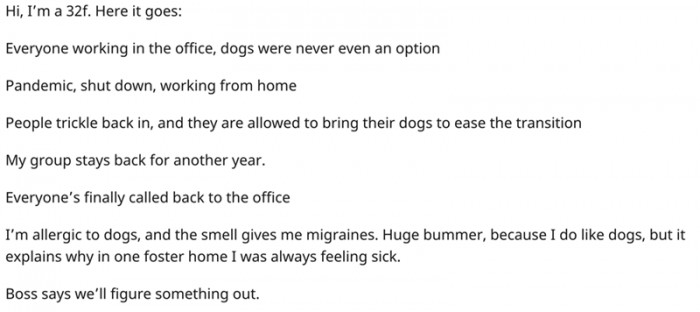
Apparently, her coworkers like their dogs more than they like her. They are not willing to give that perk up.
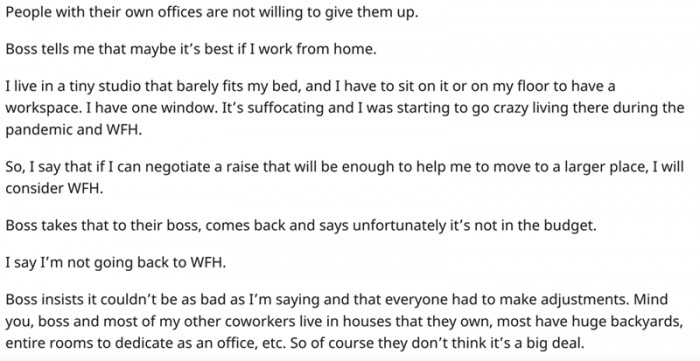
OP's boss was not willing to help her out, and her coworkers gave her advice on how she should suck it up. According to them, she should fill up on antihistamines, and that would solve all problems.

Transitioning back to office life after extended periods of remote work can invoke various emotional responses, often rooted in psychological principles such as adjustment disorder. This phenomenon is particularly relevant in the context of the COVID-19 pandemic, where many have grown comfortable in the safety and privacy of their homes.
To ease this transition, organizations might consider implementing gradual return-to-office plans. These could include hybrid work models that allow employees to split their time between home and the office, facilitating a smoother adjustment while also addressing personal preferences.
The concept of emotional intelligence (EI) is crucial in navigating complex workplace dynamics, especially during challenging transitions.
OP can't change jobs or the apartment. She is stuck.

Redditors advise OP to find a better job
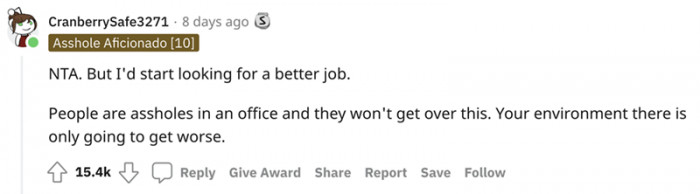
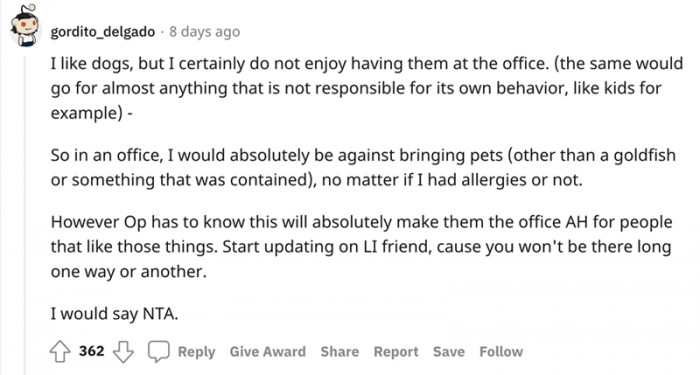
Even some dog-loving people don't like dogs around the office
Another significant factor influencing workplace dynamics is the concept of workplace bullying, which can manifest in various ways, including hostility toward individuals with specific needs, such as allergies. Research reveals that employees who feel bullied often experience lowered self-esteem, increased anxiety, and even physical health issues.
Organizations should be proactive in fostering an inclusive workplace culture that values empathy and understanding. Implementing training programs that educate employees about diversity, inclusion, and respect for individual differences can go a long way in mitigating bullying behaviors and promoting a supportive work atmosphere.
It’s like the housemate who insisted on a dog despite a severe allergy.
There are some challenges involved:
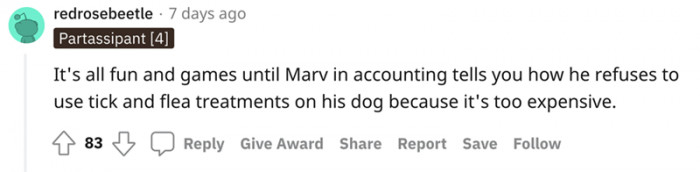
Her boss has poisoned the atmosphere.
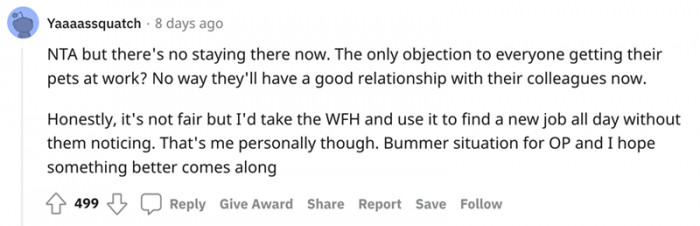
Her coworkers should stay home if they want to spend time with their dogs so much.

The story of a woman allergic to dogs being dubbed the office supervillain highlights a critical issue in modern workplaces: the need for thoughtful accommodations for employees with health concerns. As offices reopen, it becomes increasingly important to create environments that are both inclusive and considerate of individual needs. Implementing designated pet-free zones could be a simple yet effective solution, allowing those with allergies to thrive while contributing to the team's overall productivity.
This situation underscores a broader trend observed in research, which shows that workplaces prioritizing employee health and well-being not only reduce turnover but also enhance engagement. Encouraging open dialogue about health needs can cultivate a culture of respect, ensuring that all employees feel valued and supported. As companies navigate the complexities of post-pandemic work dynamics, they must recognize that fostering a healthy environment is essential for maintaining morale and collaboration.
The bottom line is:
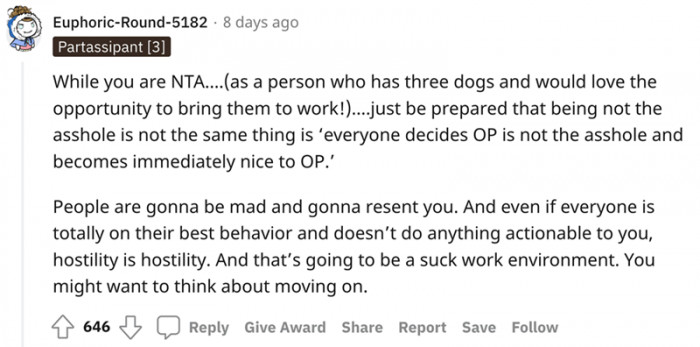
It appears that many people have experienced this during the previous few years. To make people more comfortable, previous working procedures were abandoned.
Unfortunately, few offices took the time to think about what this new order would look like or how it would affect their staff. Even while it's something we're all supposed to be figuring out together, it just doesn't seem like this woman's office is really committed to assisting her in doing so.
Initially, this was a reasonable grievance that the manager ought to have resolved. But after that, he decided to single her out and ensure she was the only one who worked from home.
She responds logically, demanding a suitable accommodation, but is ignored. What then should she do?
Her boss and her coworkers are all against her. To be honest, it doesn't seem like a nice working environment.
As employees grapple with the return to the office, the case of the woman who has been dubbed the office supervillain due to her allergies to dogs highlights the unique challenges of this transition. The article illustrates how individual health concerns can create tension in shared spaces, especially after a long period of remote work where personal routines were adapted. Companies must take heed of this scenario, as it underscores the importance of fostering an inclusive environment that accommodates diverse needs. By prioritizing mental health and implementing supportive policies, organizations can help alleviate anxieties related to this shift. Understanding emotional intelligence becomes crucial in creating a workplace culture that values both personal well-being and collaboration. This is not just about returning to the office; it is about establishing a workspace that respects individual differences while promoting collective harmony.
Want the same “passive” dog-allergy conflict, see how her roommate handled it.
Share this article: