Person Gave Their Dog A Human Name And Accidentally Started Massive Family Drama

Brad the dog did not mean to start a family feud, but that is exactly what happened here. One tiny name choice turned a first meeting with a new boyfriend into an awkward mess, and suddenly everyone had an opinion.
In this Reddit story, OP’s sister brought her new boyfriend over, he asked the dog’s name, and OP answered honestly: Brad. That was enough to send the boyfriend into a mood, and the sister later accused OP of disrespecting him. Read on.
In the unfolding drama of a family navigating the complexities of personal relationships, the decision to name a dog with a human name can serve as a catalyst for unexpected tensions. The choice to give pets names such as Brad not only highlights the emotional bond owners feel with their animals but also reflects a deeper commentary on how we perceive our relationships with them. This whimsical act, while seemingly innocent, can blur the lines between human and animal dynamics, leading to humorous yet revealing situations within family interactions. The article underscores how such a simple choice can ignite laughter or, conversely, stir conflict, illustrating the profound impact of names in shaping perceptions and connections within family structures.
Research shows that humanizing pets by giving them human names can enhance emotional connections. A study published in the Journal of Social Psychology indicates that names influence our perceptions and behaviors toward others, including animals.
When pets are given names typically associated with humans, owners may interact with them more affectionately, reflecting a deeper emotional bond. This behavior aligns with attachment theory, suggesting the significance of naming in fostering an emotional connection, which can inadvertently lead to familial discussions about identity and belonging.
"My sister got a new boyfriend, and I'm sure you can see where this is going. I don't think I even have to say his name. Well, my sister came over the other day with him and we met for the first time. Everything was all fine and good until he asked what my dog's name was. I laughed a little and said that his name was also Brad."
Human Brad is not happy about it!
"He looked at me for a second and asked if I was joking or not, and I told him no, his name is actually Brad. After that his whole mood flipped and the remainder of the visit just had an uncomfortable vibe. A while after they left my sister called me and started berating me for "disrespecting her boyfriend"."
So what do we think folks?
"Honestly, this seems like such a Brad thing for him to do and I don't think I did anything wrong here, but maybe I'm wrong? Should I have lied about Brad's name so I didn't risk hurting his feelings?"
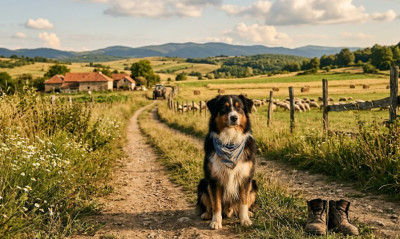
The post was edited to include a picture of Brad (dog, not human!)

"I died at "such a Brad thing for him to do" not gonna lie.
Honestly I have an extremely common human name and have never met a pet that had the same name, but if I did I would be so tickled. What a weird thing to get offended over. NTA."
I have a not very common person name but a very common dog name. Sometimes it’s a bit awkward, about the same level as having people sing happy birthday to you, but it’s such a weird thing to be offended by.
Seeing a dog called Brad would be so funny to me though.
That is where the comments really started piling on.
In the unfolding drama of a family gathering, the decision to name a dog with a human name has sparked unexpected tensions. This incident highlights the profound connections people share with their pets, which often mirror familial bonds. The joy and excitement that arise from such connections can be a source of happiness, but they can also lead to misunderstandings and conflict when family dynamics are involved. The choice of a name, which seems innocuous, becomes a focal point for deeper emotions and reactions, illustrating how intertwined our lives with our pets can be. As families navigate the complexities of relationships, this situation serves as a reminder of the layers of meaning behind seemingly simple choices.
In a scenario that highlights the complexities of familial relationships, the decision to name a pet can unexpectedly ignite tension. The situation illustrates that it is unreasonable to expect someone to foresee the potential conflicts that arise from naming their dog after a human name. The unpredictability of familial introductions and the very human tendency to feel slighted over names can lead to unnecessary drama.
It is important to recognize that names hold personal significance but are not inherently linked to the identities or behaviors of all individuals who share them. This incident reveals how easily misunderstandings can escalate, especially in family dynamics. The pressure to navigate these relationships while remaining sensitive to others' feelings is a balancing act that many face, and this case serves as a reminder of the unpredictability of such interactions.
"sister called me and started berating me for "disrespecting her boyfriend".
Both myself and my my dog, George, think that Brad is disrespecting your dog. NTA. They seem a bit weird over it as well. Does he have a problem that Brad Pitt also has his name?"
Another commenter clearly thought the boyfriend was the one being ridiculous.
The "Human Nigel" story is a classic
I was reading a post about how someone feels the same as you about names, and so called their cat Nigel. Then got a boyfriend... Named Nigel. Human Nigel apparently dislikes that the girlfriend's family calls him Human Nigel.
NTA. Human Brad can get over it. Human Brad is a bit frightening, honestly, nobody should react that way to an animal having their name. I have a parrot with a human name; I didn't do that to offend anyone with the name; he came with it.
Okay, so the facts are, it was a pre-existing pet, and human Brad seems irrationally angry over it. Are you not supposed to give your pets a name without assessing the possibility of eventually knowing someone with that name, because that seems like a nearly impossible task?
What is more, Brad is an objectively hilarious name for a dog, especially one that looks the same as this one does: which is a cute little dude with attitude. The people in the comments on the thread were pretty much in agreement that Human-Brad was the one in the wrong here, and many of them seem pleased with the idea of sharing a name with a pet.
But what do you think: red flag or right to be upset? Sound off in the comments below!
The decision to give a dog a human name may seem like a lighthearted choice, but it highlights a significant trend in how we perceive and relate to our pets. This practice of humanizing animals underscores the emotional connections we foster with them, often viewing our pets as integral members of the family. In this case, the choice to name a dog with a human name inadvertently sparked a wave of family drama, revealing how deeply intertwined our identities and relationships can become with our pets. Such naming conventions not only reflect affection but also enhance the emotional bonds we share, making the ensuing familial tensions all the more poignant.
It echoes the exact moment a best friend stopped hanging out over the new dog’s name, the one that felt “confusing and a little demeaning”.
Interestingly, the naming of pets can also influence how they're treated and perceived by others.
Family dynamics and pet names can get messy fast.
Moreover, the choice of a pet's name can sometimes spark discussions or conflicts within families.
When conflicts arise over pet names, it can serve as an opportunity for family members to express their feelings and preferences.
Encouraging open communication about these choices can foster understanding and respect among family members.
Ultimately, it can strengthen family bonds and enhance emotional intimacy.
Effective communication is essential for resolving conflicts and ensuring everyone feels valued in the decision-making process.
Using active listening techniques can create a more inclusive environment for all family members.
Finally, establishing a consensus on pet names can lead to a more cohesive family unit.
The act of naming a pet often serves as a reflection of underlying family dynamics and emotional ties.
The choice to name a dog with a human name in this family drama reveals much about the emotional dynamics at play. It is not merely a quirky decision but rather a reflection of the owner's deep emotional connection to their pet. This act of naming underscores the evolving perception of pets as integral family members rather than just animals. The article illustrates how such naming choices can trigger unexpected familial tensions, as relatives may interpret the name as a statement of intimate affection or even favoritism.
This situation speaks volumes about how the act of naming can shape our relationships with our pets and influence our interactions within the broader family context. The emotional weight of a name can lead to misunderstandings and conflict, highlighting that even seemingly innocent choices can have far-reaching implications in family dynamics.
The act of naming can also serve as a way to project our own identities onto our pets.
Family dynamics and pet naming can be surprisingly revealing.
The naming of pets often reflects family dynamics and relationships.
Social psychology emphasizes that the names we give our pets can influence how we perceive their behaviors. A study in the Journal of Experimental Social Psychology found that pets with human names are often attributed more complex personalities, leading to more empathetic interactions from their owners. This effect can enhance the emotional connection between pets and their owners, making the relationship more fulfilling.
Recognizing this influence can help owners appreciate the significance of their naming choices.
Humor plays a significant role in how we name our pets, often serving as a way to express affection and creativity. Humor can strengthen relationships by fostering positive interactions.
Choosing a funny or playful name can enhance the emotional connection and make the pet a cherished member of the family.
The phenomenon of naming pets can also reveal societal trends and cultural influences.
Disagreements over pet names can serve as a microcosm for larger family conflicts.
Understanding the motivations behind pet naming can also help owners navigate their relationships with others.
Pet names can say a lot about how people see themselves.
Pet names can influence how owners view themselves and their roles within the family. Naming pets can foster a sense of identity and belonging, particularly for individuals who may feel disconnected. Creating an identity through pet ownership can enhance feelings of fulfillment and community.
Owners should consider the significance of their pets' names in shaping their identities and relationships.
Ultimately, the act of naming a pet is a profound expression of love and companionship.
In this peculiar narrative, the choice to give a dog a human name serves as a catalyst for exploring the complex dynamics within familial relationships. The ensuing drama highlights how something as simple as a name can unravel intricate layers of emotional ties and social expectations among family members. As the story unfolds, it becomes evident that the act of naming is not merely about personal preference but also about how it reflects our cultural values and the connections we forge with those we love, including our pets.
Moreover, the conflicts that arise from this naming choice underscore the importance of communication and understanding within families. By examining the significance attached to names, relatives can navigate their differences more effectively, ultimately strengthening their bonds and enhancing their overall experience of pet ownership.
Your family dynamics can significantly shape how new partners are perceived, especially in emotionally charged situations.
Family dynamics often bear the weight of unspoken expectations, especially during introductions of significant others.
For more Brad-level awkwardness, see how the nickname for the family dog sparked a fight.
Share this article: