Stunning Bird Photography That Reveals The Beauty Hidden In The Country’s Forests

Brazil’s forests don’t just hold birds, they hide entire worlds in plain sight. One minute you’re staring at green blur, the next, a Toco Toucan flashes color like a warning sign, and suddenly the whole place feels alive.
But this isn’t a clean, click-and-go kind of story. Vinícius Kohn is out there chasing Stripe-Breasted Starthroat drama and Sepia-Capped Flycatcher timing, waiting through still mornings for the exact second a bird decides to move. And once those images land, they do more than look pretty, they spark conservation conversations that can turn casual viewers into people who actually care.
So when the next Grey Pileated Finch finally shows up, it’s not just a photo moment, it’s the start of a bigger chain reaction.
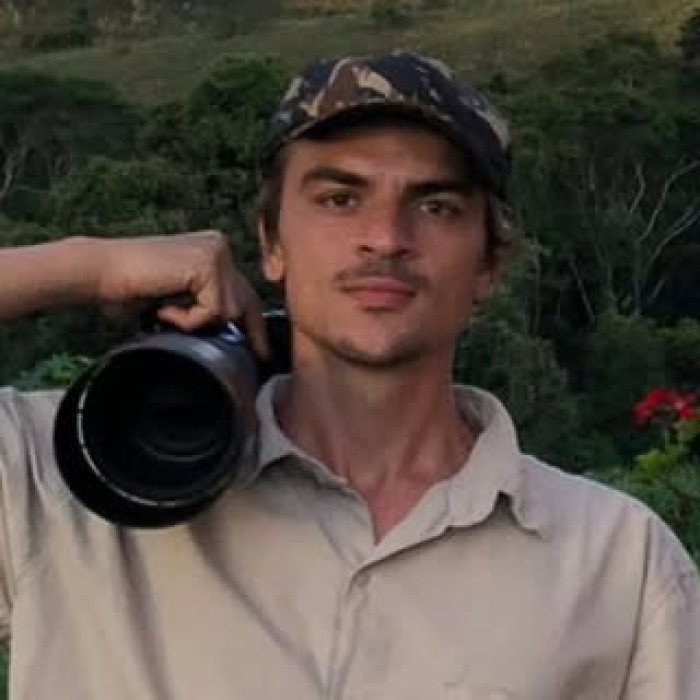
Vinícius Kohn
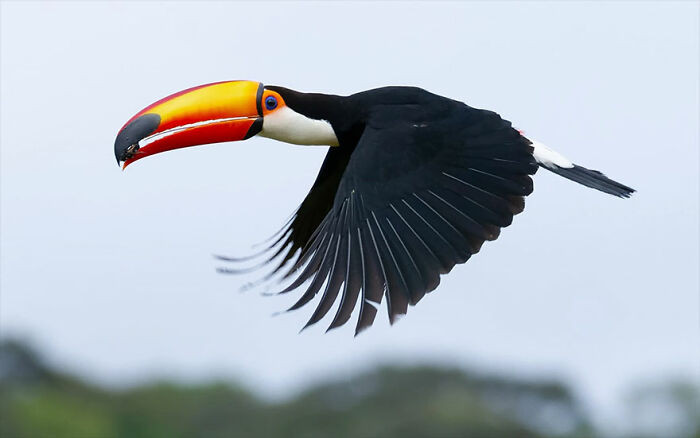
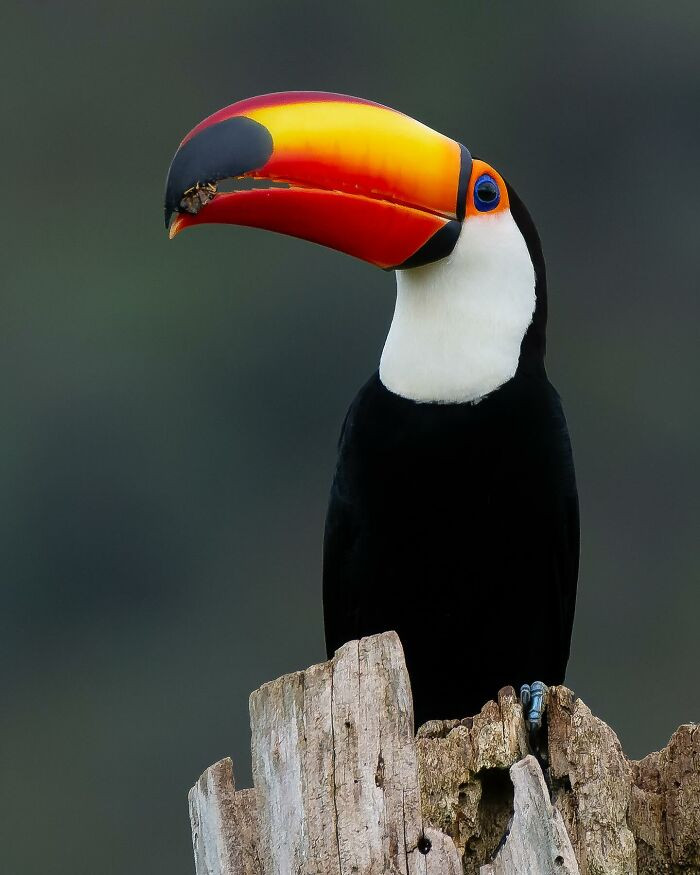
Toco Toucan
Stripe-Breasted Starthroat

Photography can play a crucial role in conservation efforts. When stunning images of wildlife, like Brazil's birds, are shared, they evoke emotions and raise awareness about the importance of preserving these species and their habitats.
Engaging visuals can inspire action among viewers, prompting them to support conservation initiatives. This connection between art and activism is vital in today’s fight against biodiversity loss.
Sepia-Capped Flycatcher
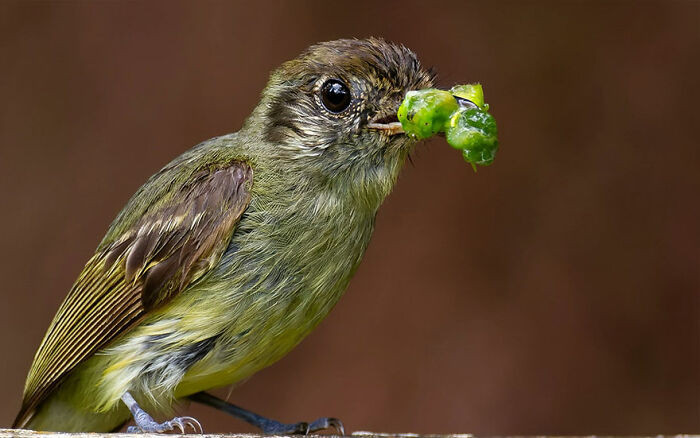
Band-Tailed Hornero

Blue Dacnis

Understanding bird behavior is essential for successful photography. Observing the nuances of their actions allows photographers to capture not just their beauty but also their personality.
This connection can lead to more meaningful images, as they reflect the intricate lives of these creatures. Engaging with the environment and understanding the subject can elevate a research, transforming simple pictures into powerful stories.
Tangara Cyanocephala
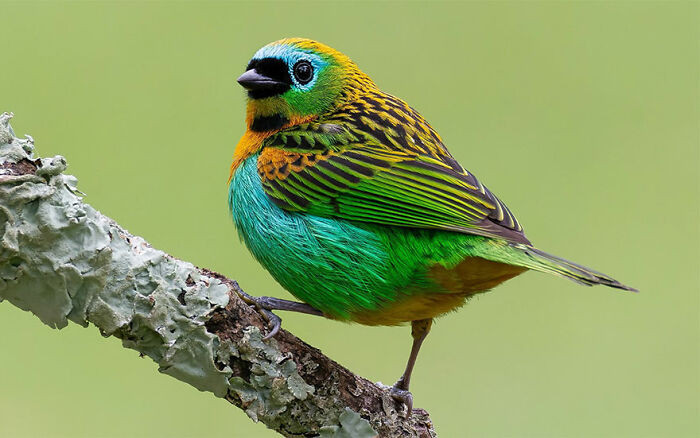
Grey Pileated Finch

Glittering-Bellied Emerald
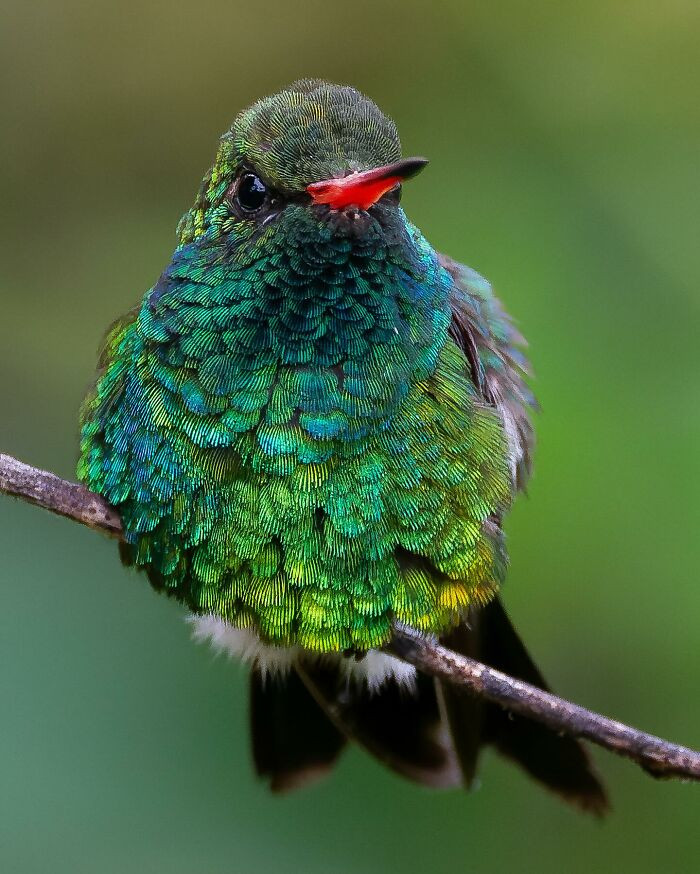
Wildlife photographers often face the challenge of waiting for the perfect moment. Patience is paramount in capturing authentic wildlife moments.
Successful bird photography requires a deep understanding of avian behavior and habitats. By blending knowledge with patience, photographers can create compelling images that resonate with their audience, showcasing the beauty of nature in its most candid form.
Toco Toucan
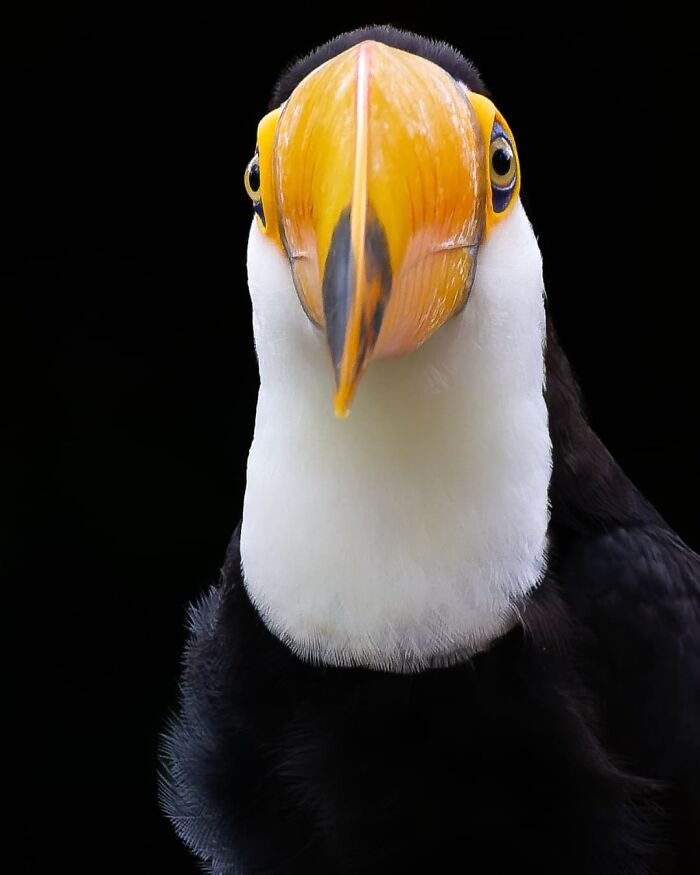
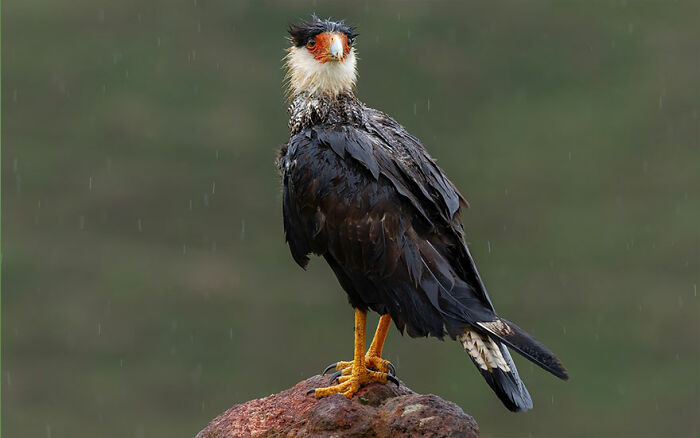
Crested Caracara
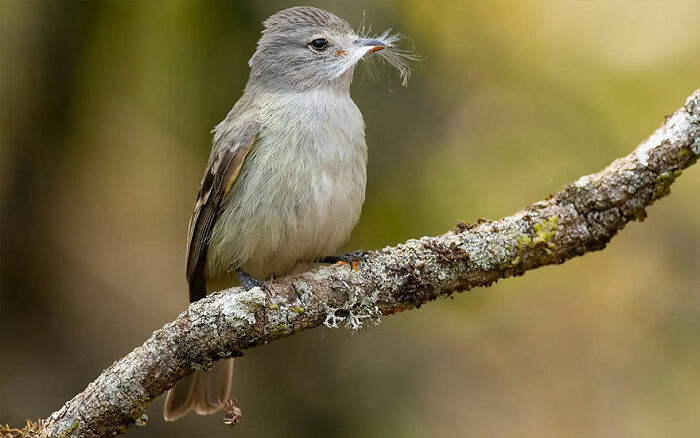
Southern Beardless Tyrannulet
While Vinícius Kohn is tracking the Toco Toucan and Blue Dacnis, the camera becomes a megaphone for the forest, not just a tool for pictures.
The emotional intelligence of birds can enrich the photographic experience. Recognizing the social dynamics and emotional expressions of birds enhances the photographer's ability to capture their essence.
Understanding these behaviors allows for more intimate and impactful images. Photographers are encouraged to spend time observing their subjects to deepen their appreciation and improve their craft.
Amethyst Woodstar

Toco Toucan
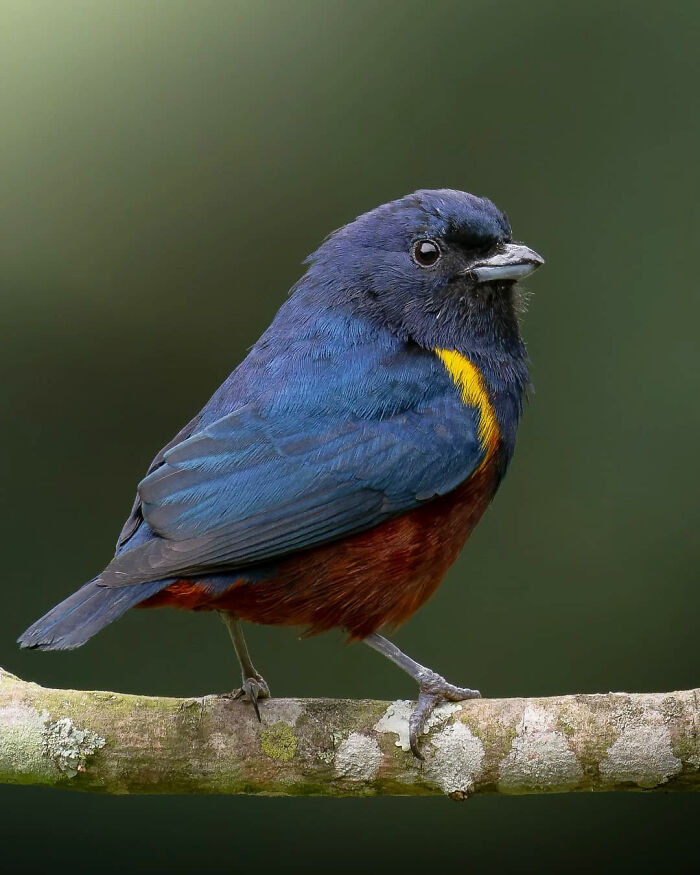
Chestnut-Bellied Euphonia
Capturing Movement and Emotion
Capturing movement in wildlife photography can create dynamic images. Photographers are advised to use faster shutter speeds to freeze action while also considering the composition to convey movement.
Understanding the bird's behavior can help anticipate movements, leading to more compelling photographs that tell a story. This technique not only enhances visual interest but also engages viewers on an emotional level.
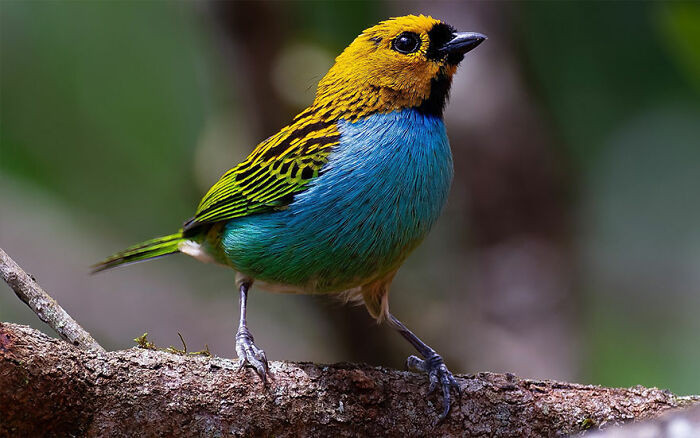
Gilt-Edged Tanager
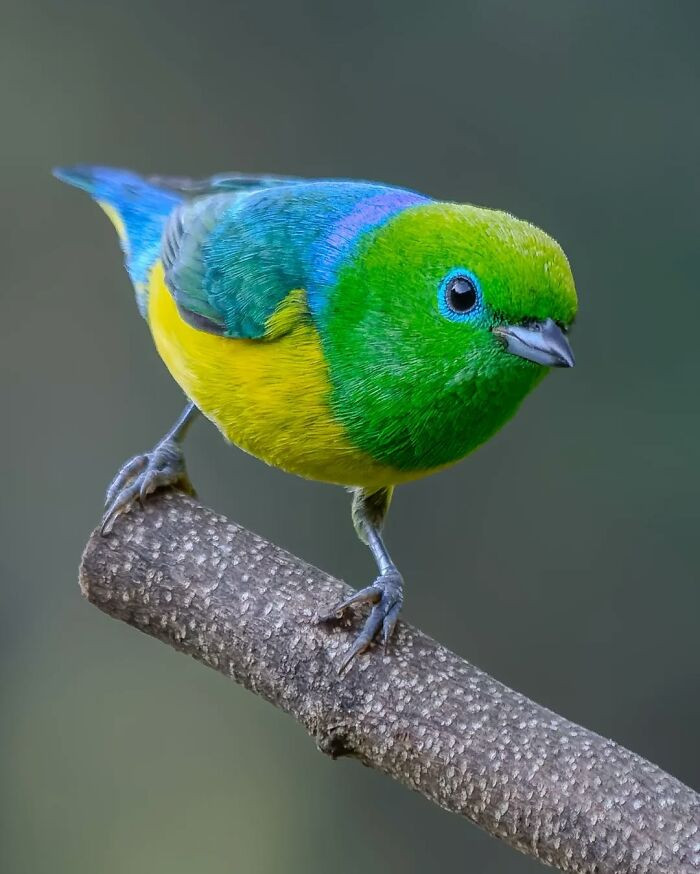
Blue-Naped Chlorophonia
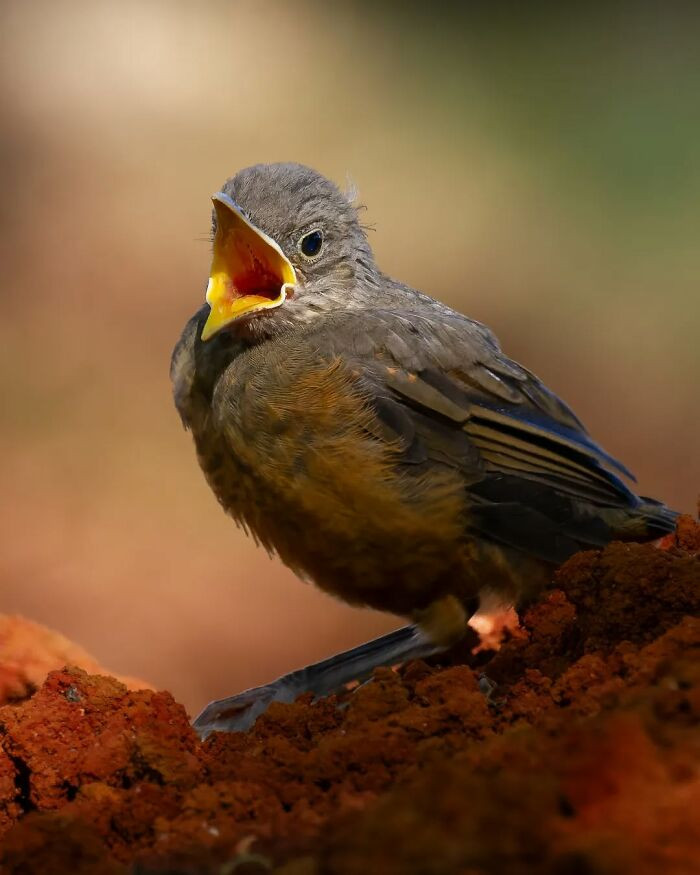
Rufous-Bellied Thrush
Storytelling through photography goes beyond aesthetics. Every image should aim to communicate a deeper message about the species or habitat.
By incorporating context, photographers can raise awareness about conservation issues and inspire viewers to take action. Photographers are encouraged to think critically about the narratives they wish to convey through their work.
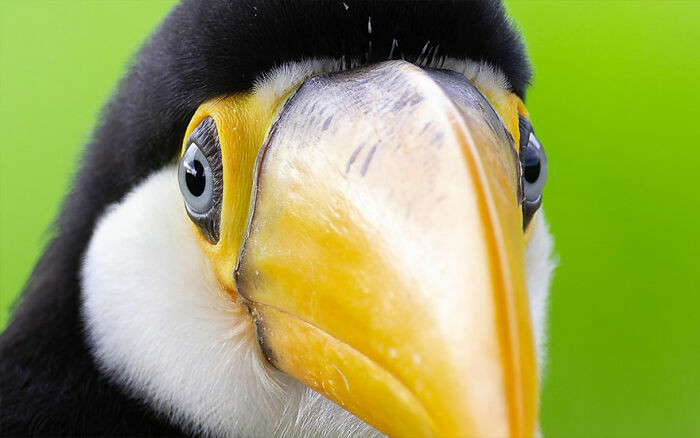
Toco Toucan
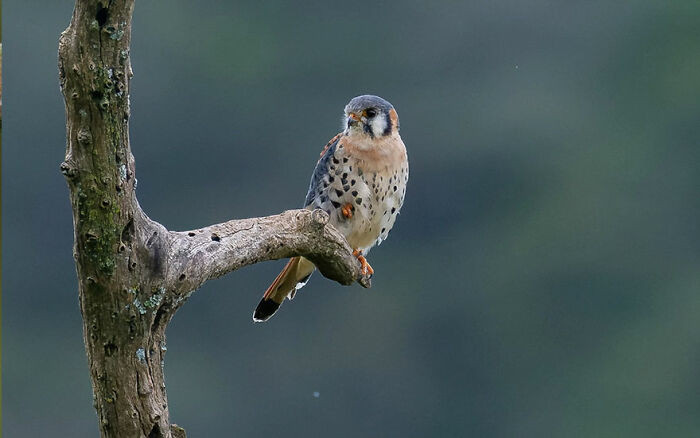
American Kestrel
Squirrel Cuckoo

Practical Tips for Wildlife Photography
Wildlife photographer Katie Couric emphasizes the importance of preparation when photographing birds. This knowledge can significantly improve the chances of capturing stunning images.
Additionally, using the right gear, such as a telephoto lens for close-ups, can enhance the quality of the photographs. Couric suggests practicing with different settings to find the best combinations for varying light conditions.
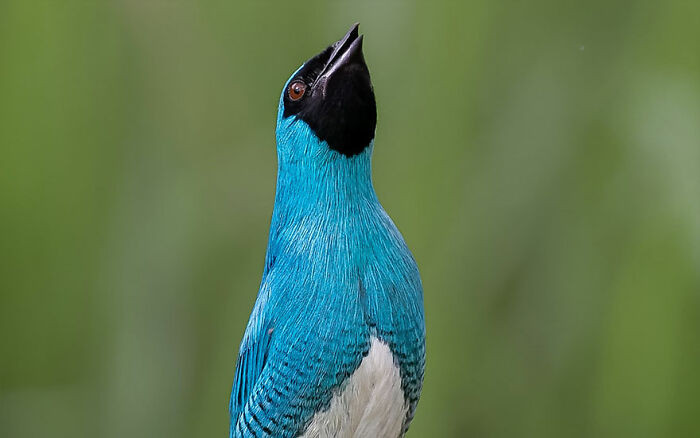
Swallow Tanager
Heliomaster Squamosus
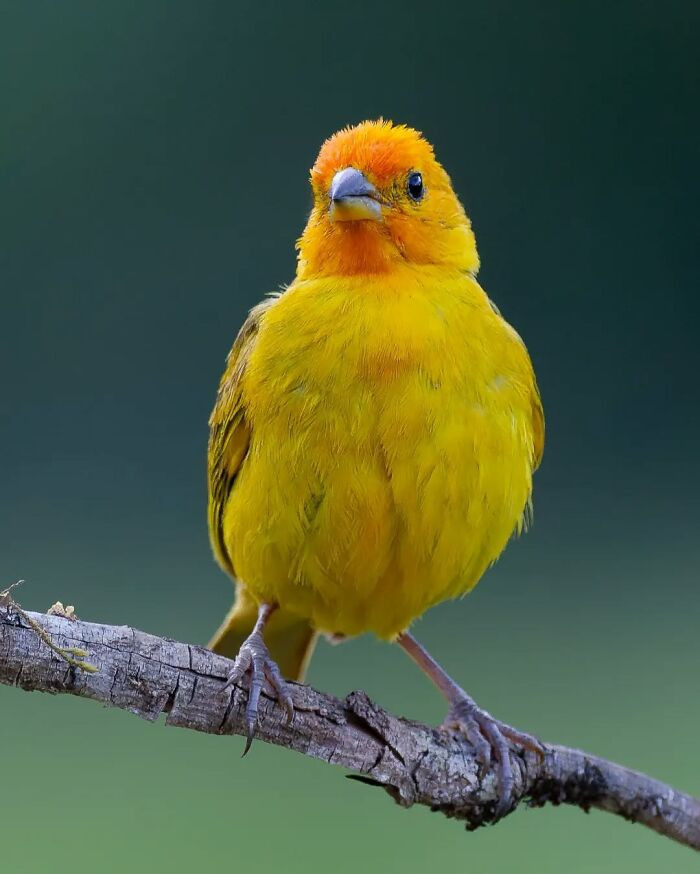
Saffron Finch
That’s when the long waits for a Crested Caracara or Southern Beardless Tyrannulet stop feeling tedious and start feeling necessary.
Understanding the importance of empathy in wildlife photography helps capture more authentic moments. Considering how birds perceive their environment allows photographers to create images that resonate emotionally with viewers. Photographers are encouraged to step back and observe, allowing them to connect with their subjects on a deeper level.
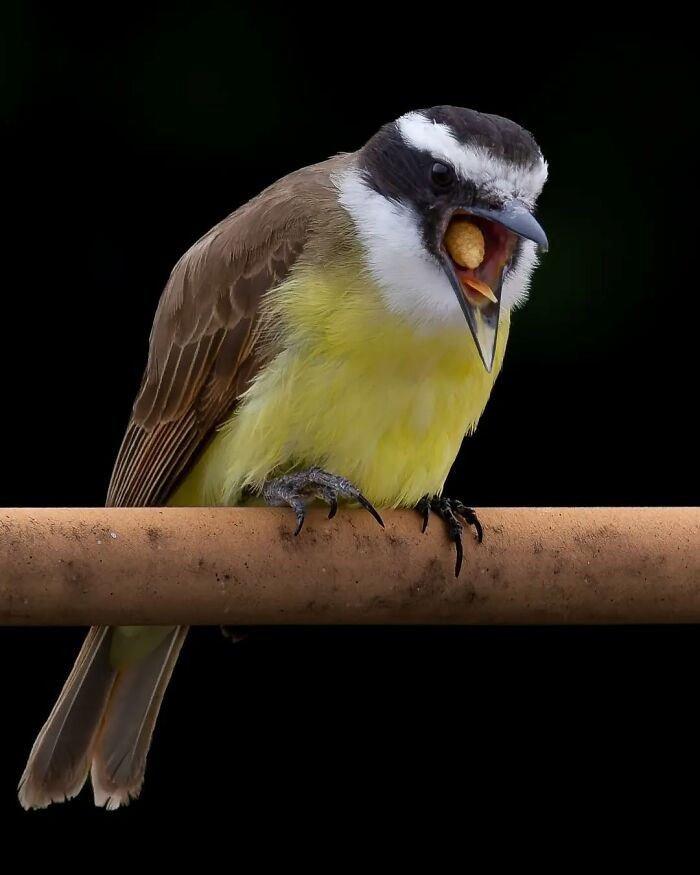
Great Kiskadee
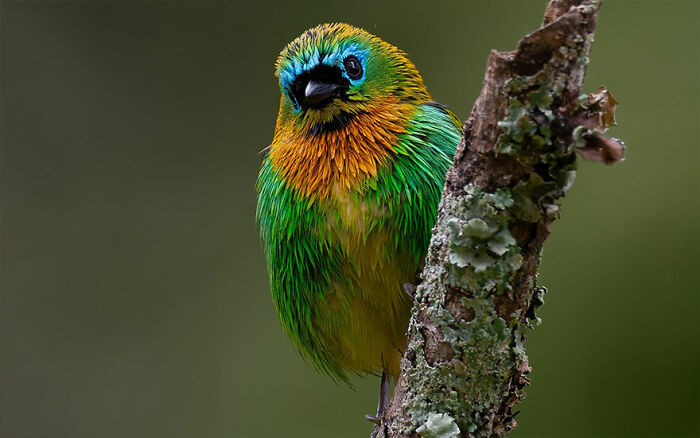
Brassy-Breasted Tanager
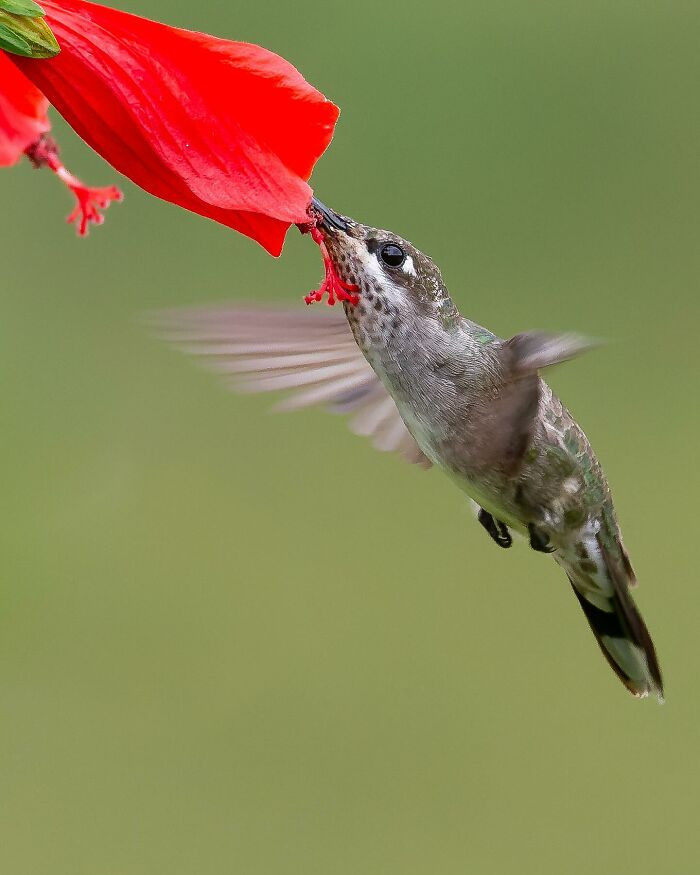
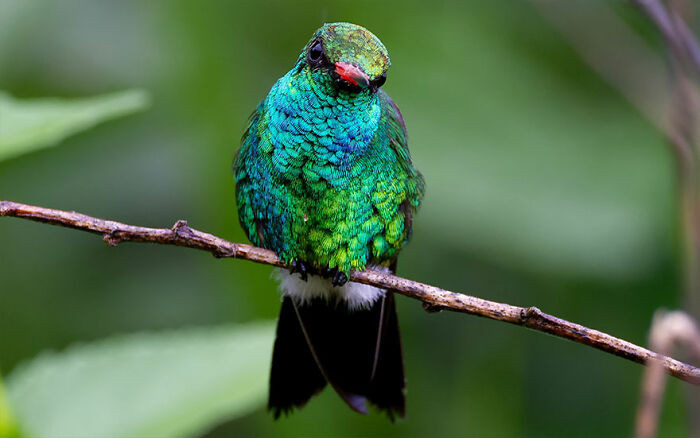
Glittering-Bellied Emerald
Lighting is one of the most critical aspects of photography. The golden hour, shortly after sunrise and before sunset, provides the best natural light for capturing birds.
Photographers are advised to plan their shoots around these times to take advantage of softer light and vibrant colors, enhancing the overall quality of their images. This careful attention to lighting can make a significant difference in the final outcome.
This is the same kind of nature-wild wow you get from the NBP International Awards 2024 winners and distinguished photos.
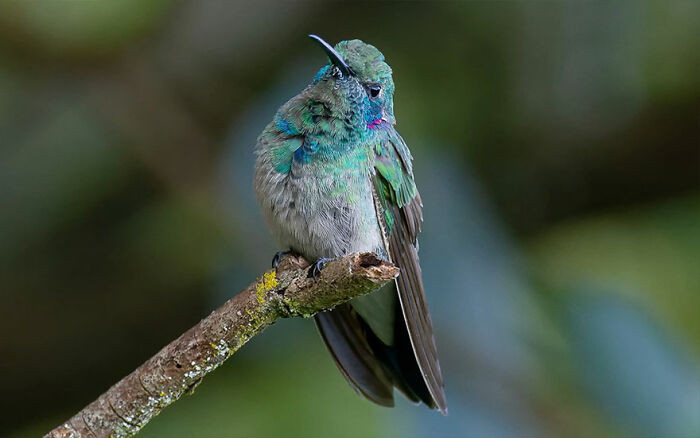
White-Vented Violetear
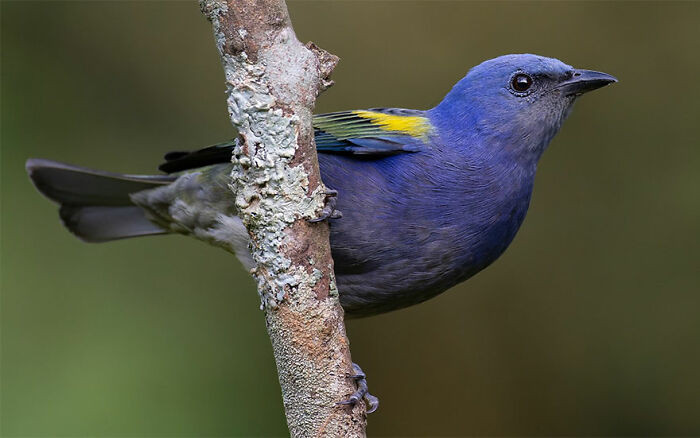
Golden-Chevroned Tanager
Double-Collared Seedeater

Photographers are urged to respect wildlife and their habitats, ensuring that their pursuit of capturing breathtaking images does not disturb or harm the very subjects they wish to portray.
Adopting a 'leave no trace' mindset is crucial for those documenting nature's splendor. This approach not only protects the wildlife but also preserves the authenticity of the experience for future generations. The delicate balance between art and conservation must be a priority, as the beauty revealed through the lens should not come at the expense of the natural world.
Great Kiskadee

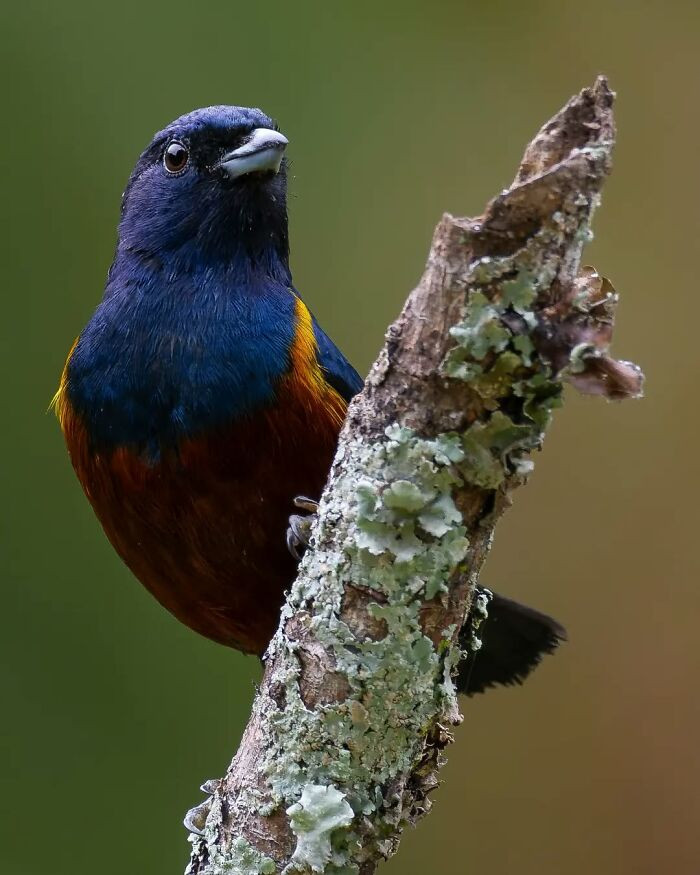
Chestnut-Bellied Euphonia
White-Eared Puffbird

Engaging with Birdwatching Communities
Wildlife photographers can benefit from engaging with local birdwatching communities. These groups often provide invaluable insights about bird behavior and locations, enhancing the photographic experience.
Networking within these communities can lead to collaborations and shared knowledge, allowing photographers to refine their skills while contributing to conservation efforts. Additionally, participating in community events can help raise awareness about the importance of protecting bird habitats.
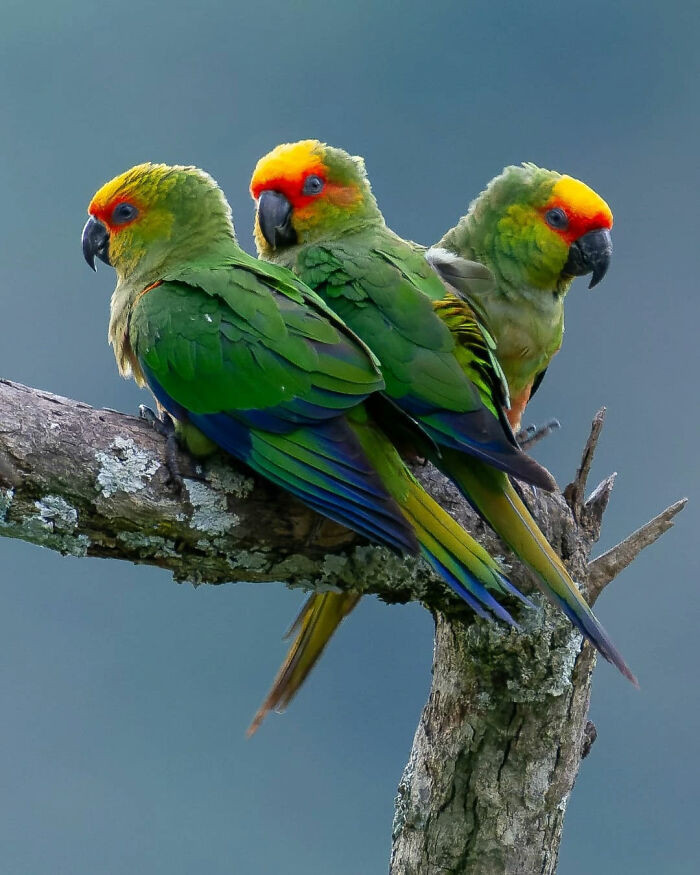
Golden-Capped Parakeet
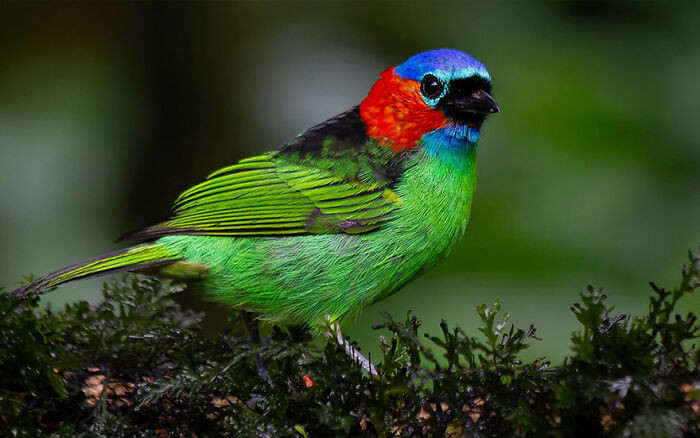
Red-Necked Tanager
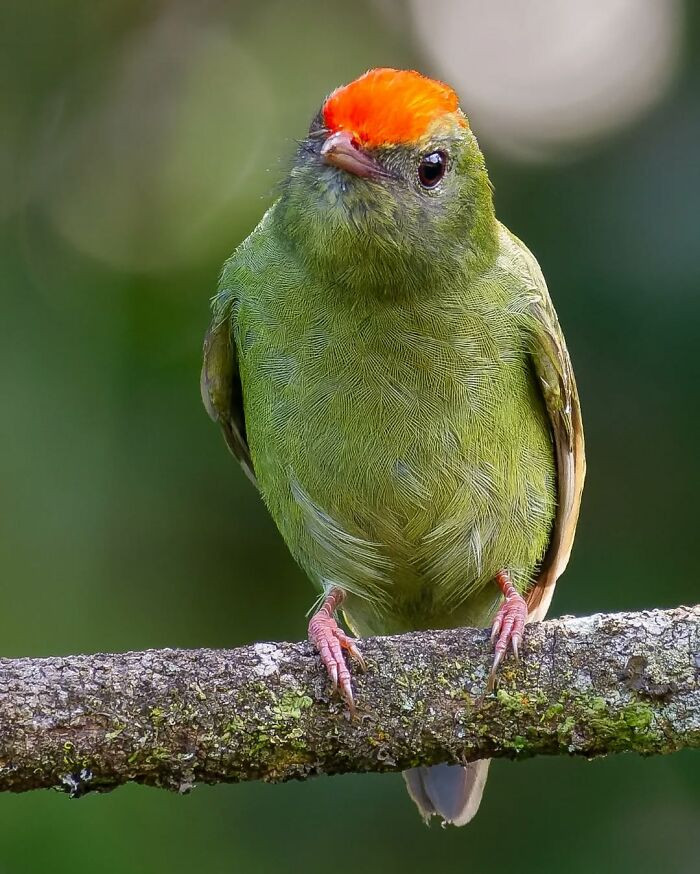
Chiroxiphia Caudata
Then the real complication hits, because capturing Tangara Cyanocephala behavior means reading body language, not just spotting feathers.
Understanding animal behavior is important in wildlife photography. Awareness of stress signals in birds can help photographers avoid causing distress while capturing images.
By recognizing signs of discomfort or agitation, photographers can adjust their approach to ensure a respectful and ethical photographic experience. This understanding not only benefits the animals but also enhances the quality of the images captured.
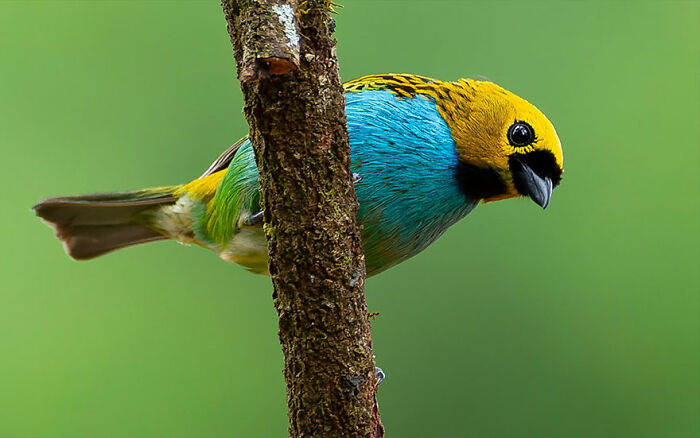
Gilt-Edged Tanager
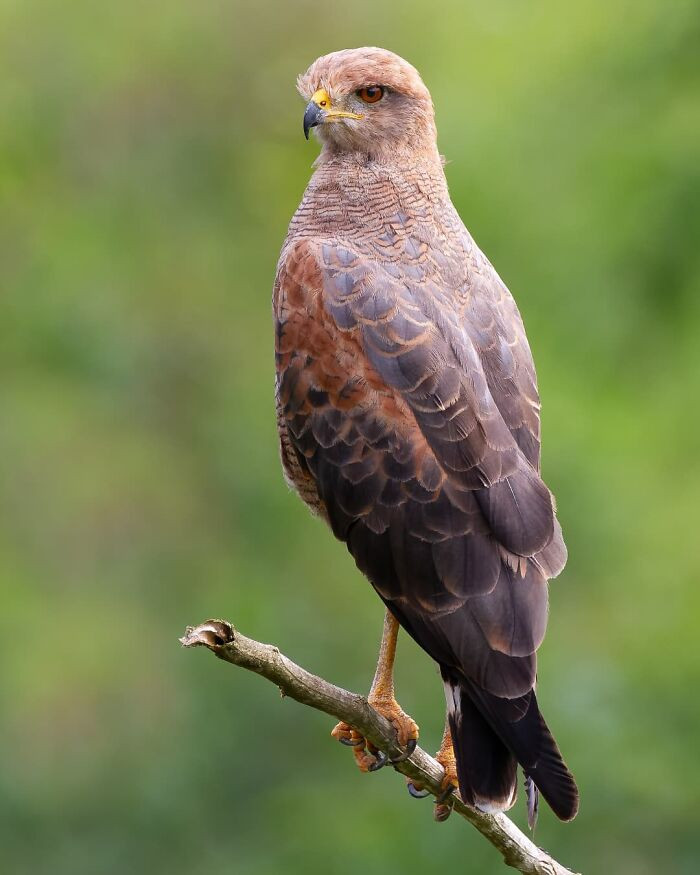
Savanna Hawk
Blue Dacnis

Balancing Technology and Nature
Photographer and tech expert Casey Neistat discusses the balance between modern technology and the natural world in photography.
Neistat encourages photographers to embrace technology while remaining present in the moment, capturing the beauty of wildlife authentically. This balance can lead to more meaningful and impactful photographs.
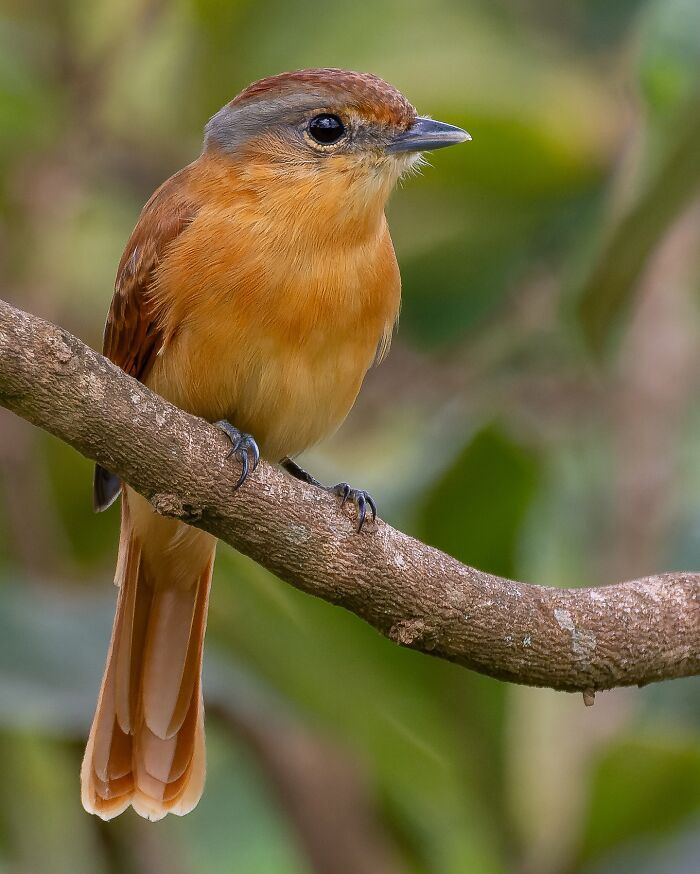
Chestnut-Crowned Becard
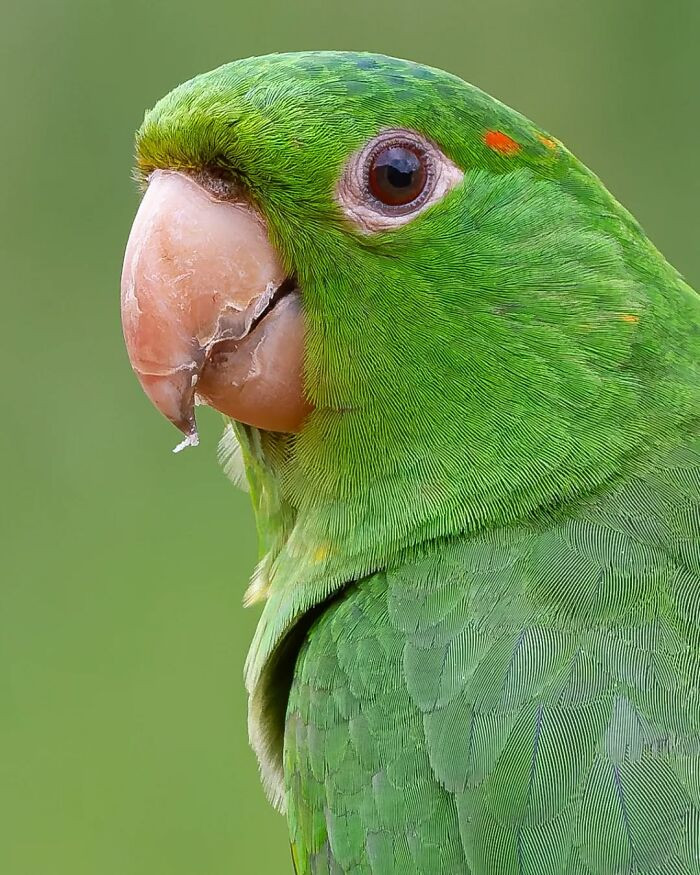
White-Eyed Parakeet
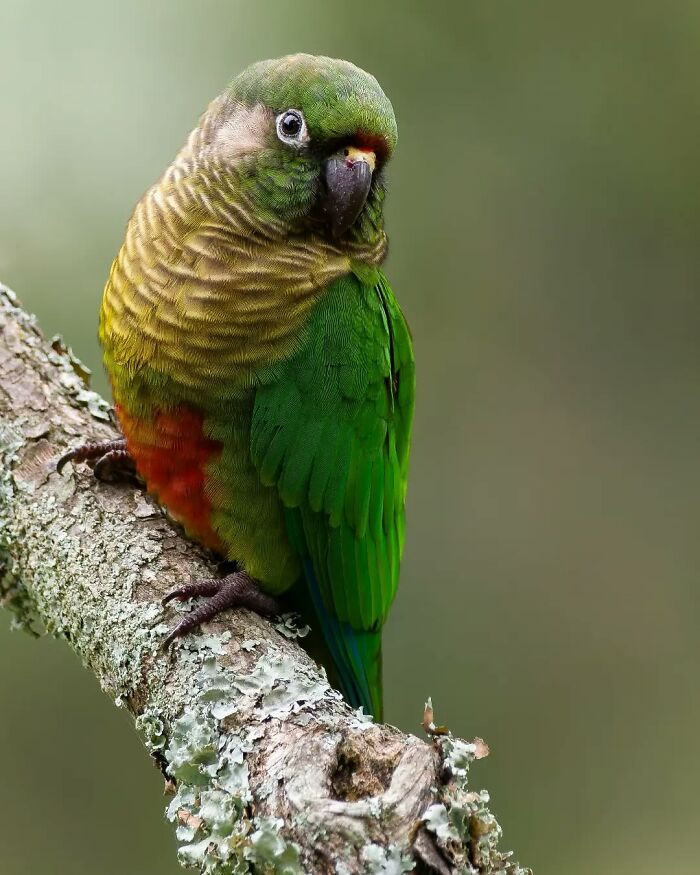
Maroon-Bellied Parakeet
Climate change poses a significant threat to bird populations. Shifting habitats can influence bird behavior and, consequently, the opportunities for photographers.
As photographers document these changes, they can play a vital role in raising awareness about the consequences of environmental shifts. Photography can be used as a tool to highlight conservation efforts and advocate for policy changes.
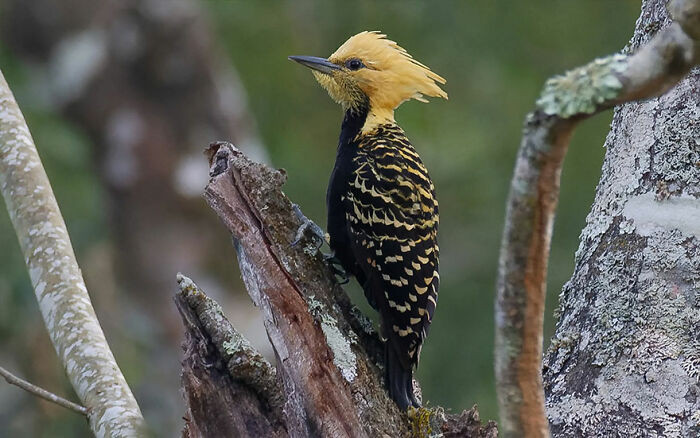
Blond-Crested Woodpecker
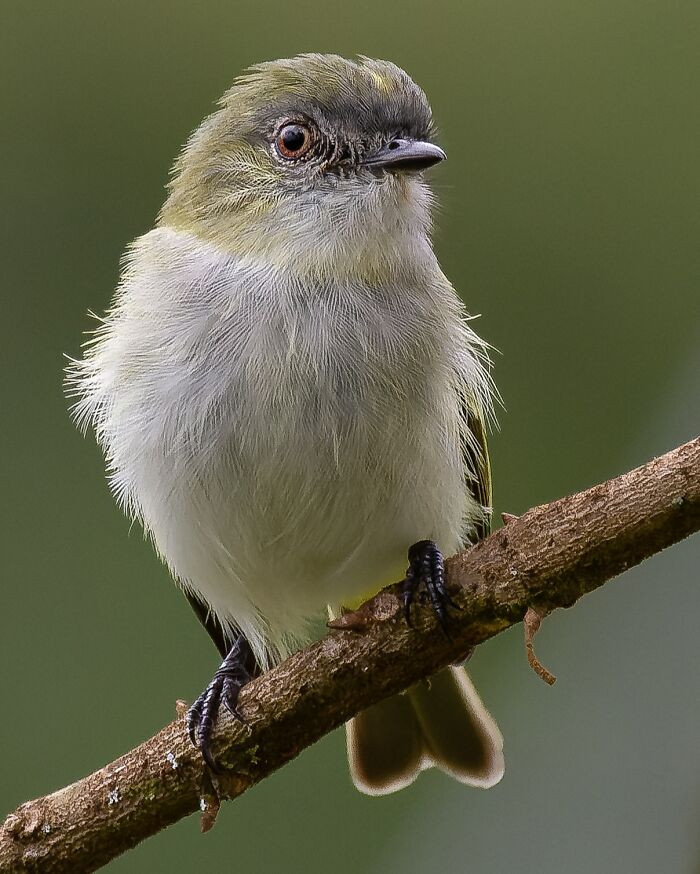
Gray-Headed Elaenia
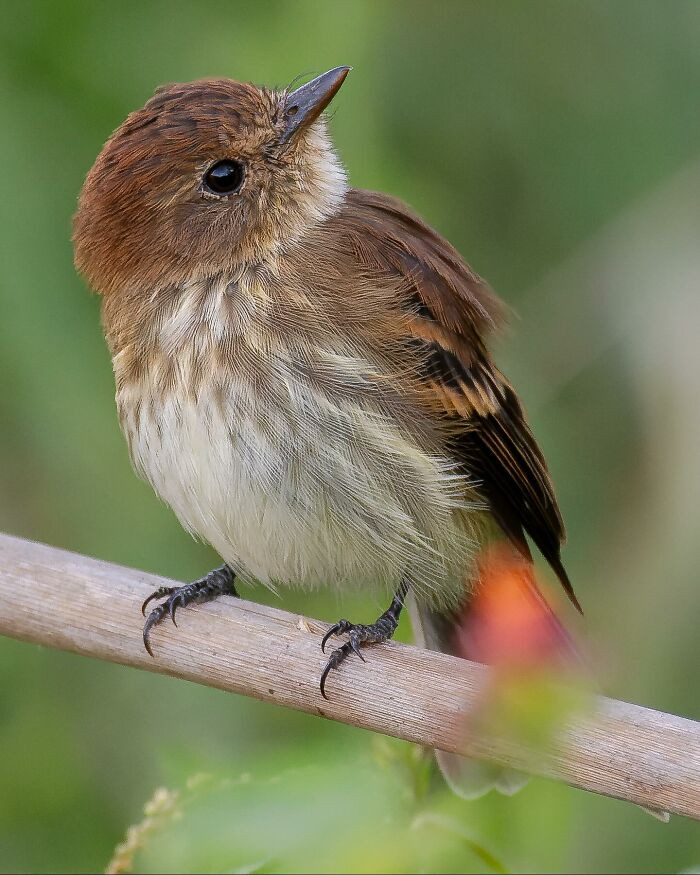
Bran-Colored Flycatcher
The Art of Composition
Composition is a crucial element in wildlife photography. Techniques like the rule of thirds can be used to create visually appealing images.
By placing the subject off-center and including elements of the environment, photographers can produce more dynamic and engaging photographs. This approach not only enhances aesthetics but also tells a more compelling story about the subject's habitat.
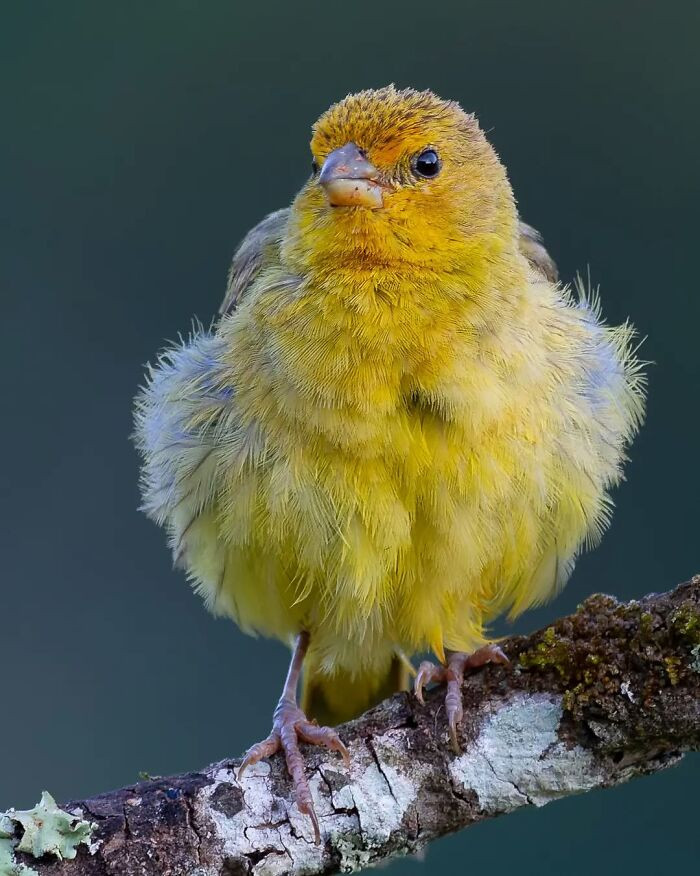
Saffron Finch
Crescent-Chested Puffbird

Blue-Winged Macaw
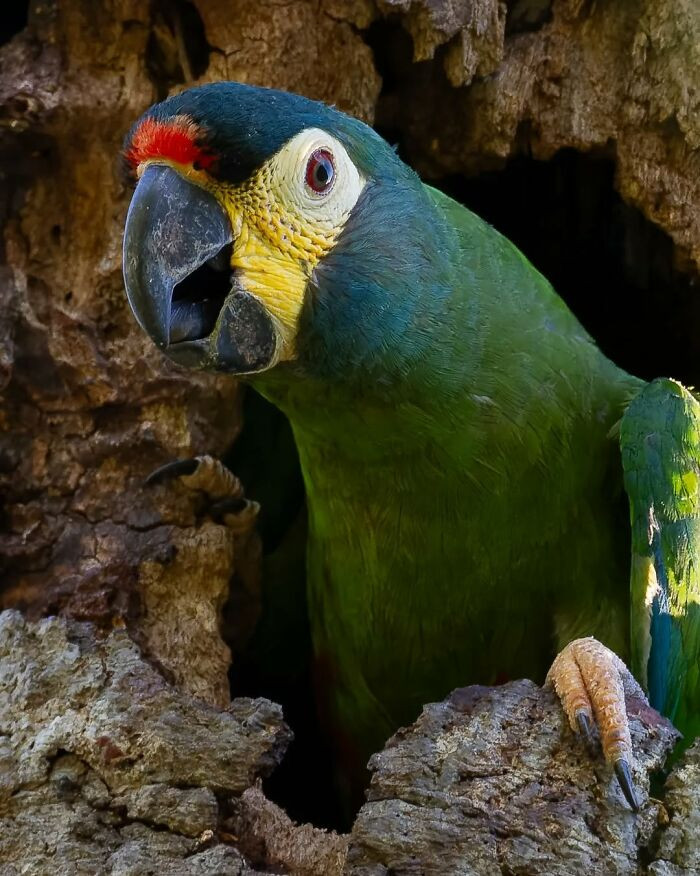
And by the time Amethyst Woodstar wings catch the light, the photos stop being a personal win and start pushing people toward protecting habitats.
Patience and respect are important when photographing wildlife. Wildlife can sense human presence and may become agitated if approached too closely.
Photographers are advised to maintain a respectful distance, allowing animals to behave naturally. This approach not only ensures the well-being of the wildlife but also results in more authentic and captivating images.
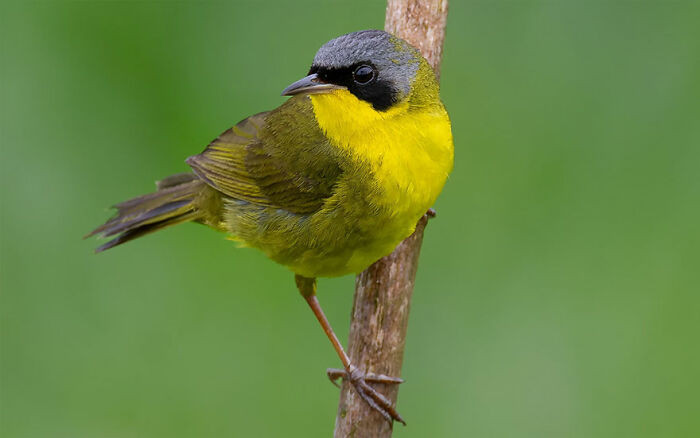
Masked Yellowthroat
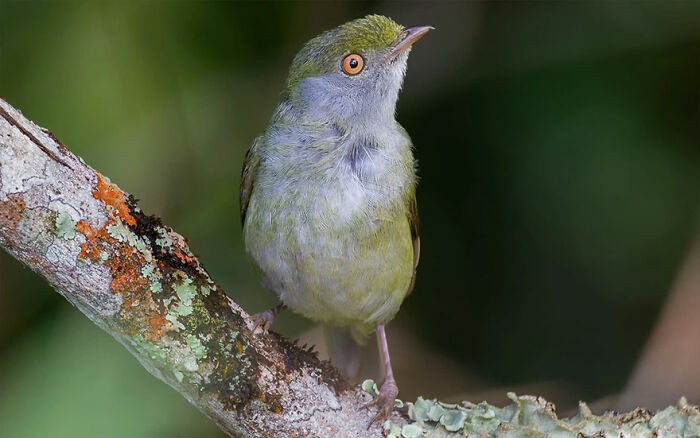
Pin-Tailed Manakin
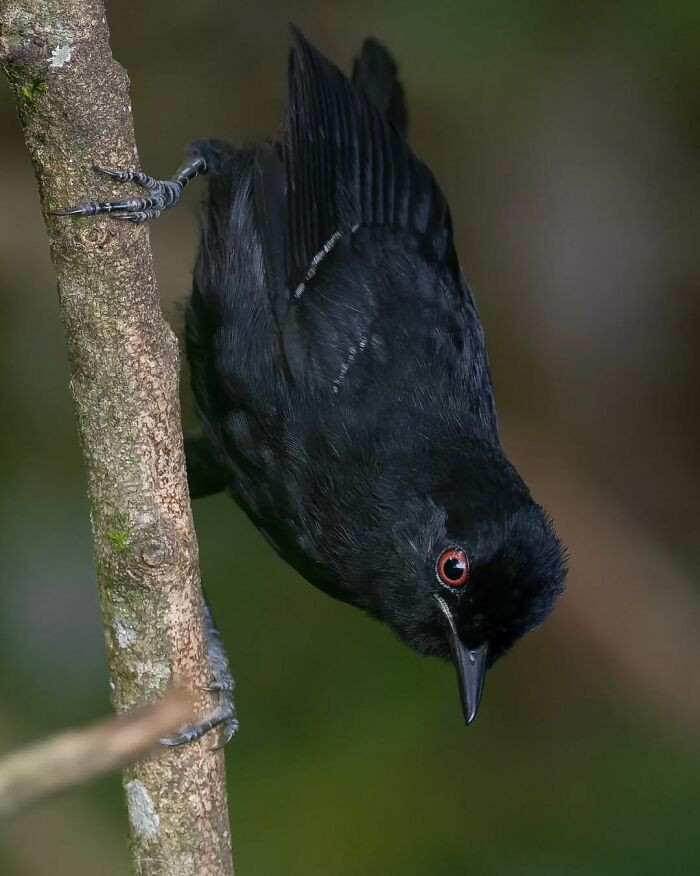
White-Shouldered Fire-Eye
Educational Opportunities in Bird Photography
Bird photography can also serve as a powerful educational tool. Sharing images and stories can foster a greater understanding of avian species and their ecosystems.
By hosting workshops or online classes, photographers can engage the community and inspire others to appreciate and protect wildlife. This educational aspect enriches the photography experience and contributes to conservation efforts.
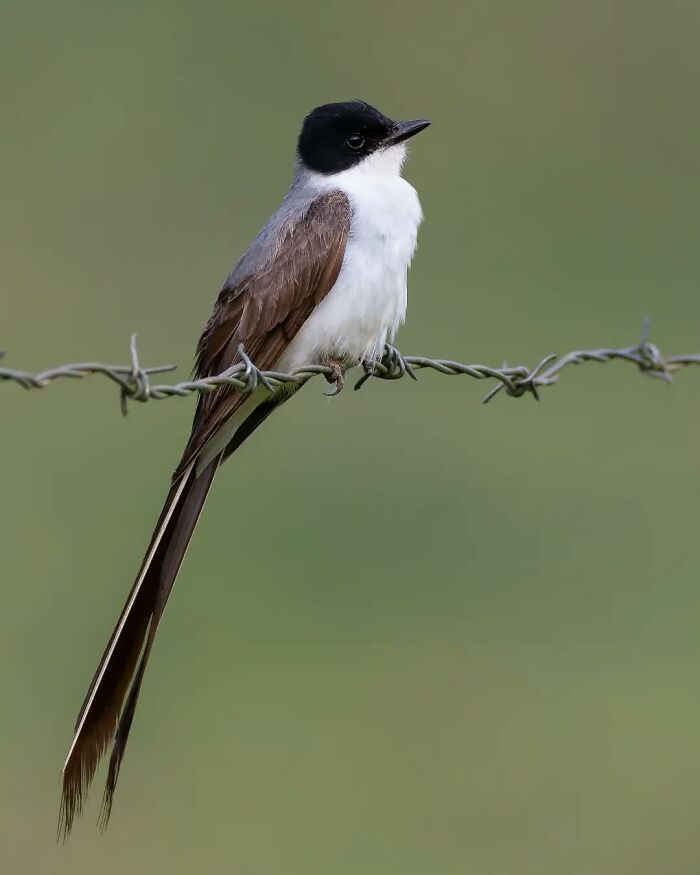
Fork-Tailed Flycatcher
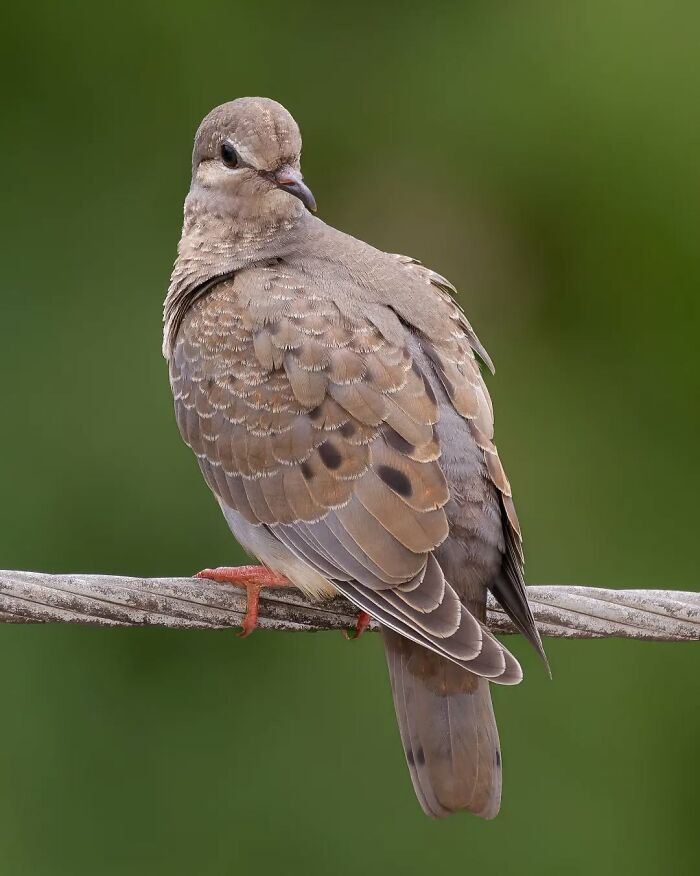
Eared Dove
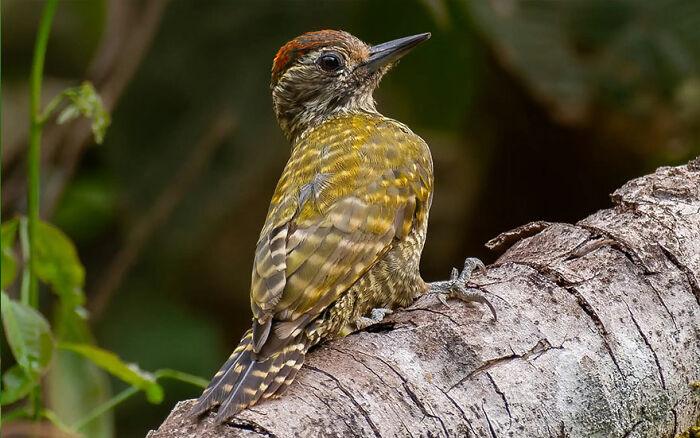
White-Spotted Woodpecker
Photography can influence public perception of wildlife.
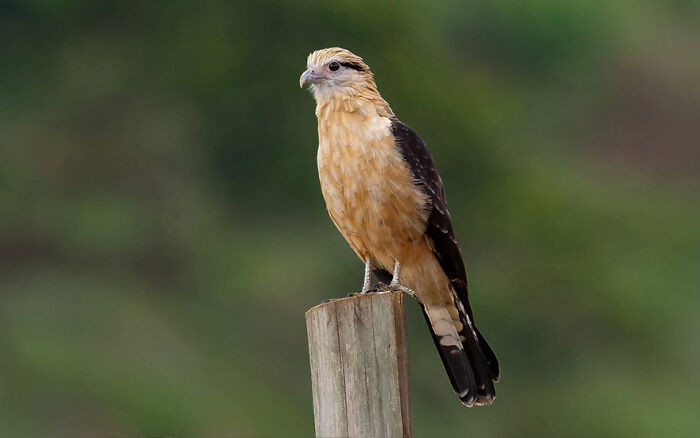
Yellow-Headed Caracara
Rufous-Capped Antshrike
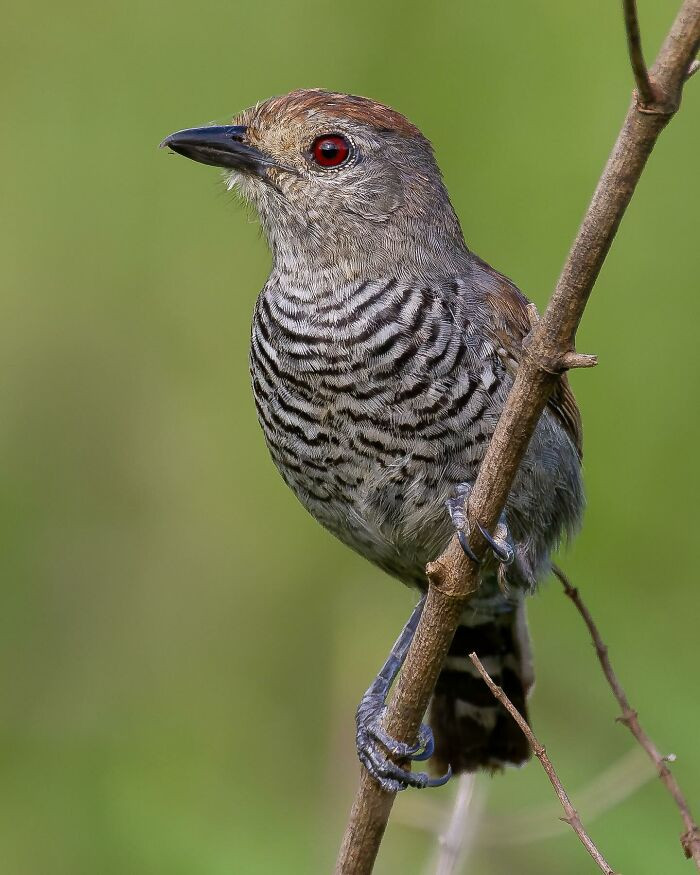
Manacus
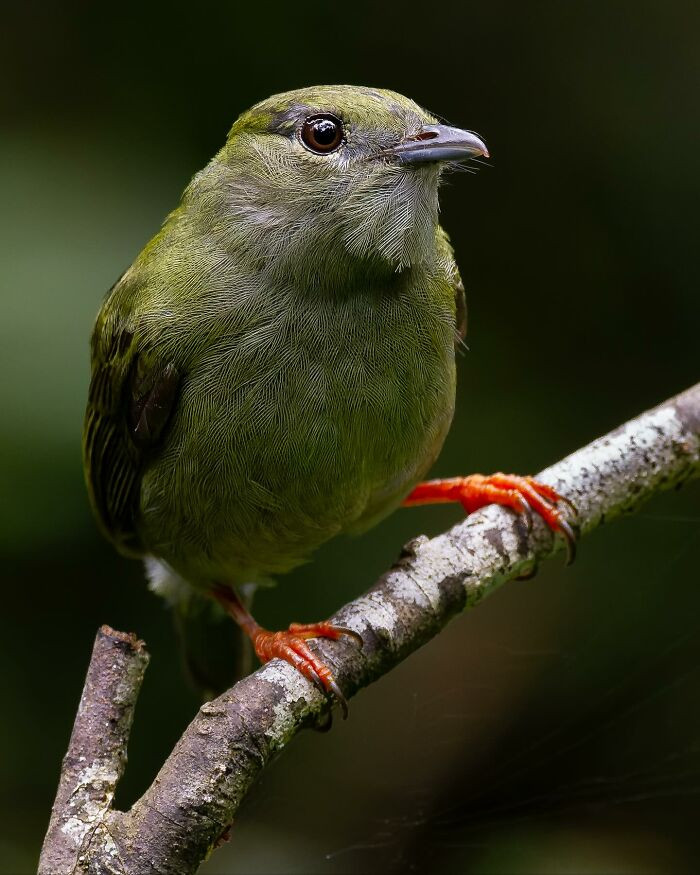
Grey Pileated Finch

Pin-Tailed Manakin

Euler's Flycatcher
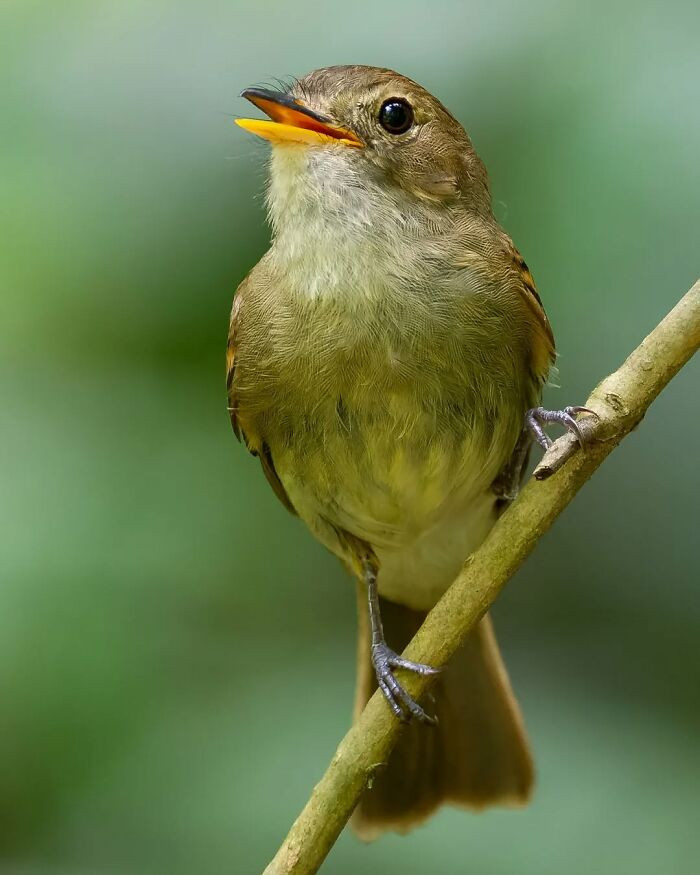
Saffron-Billed Sparrow
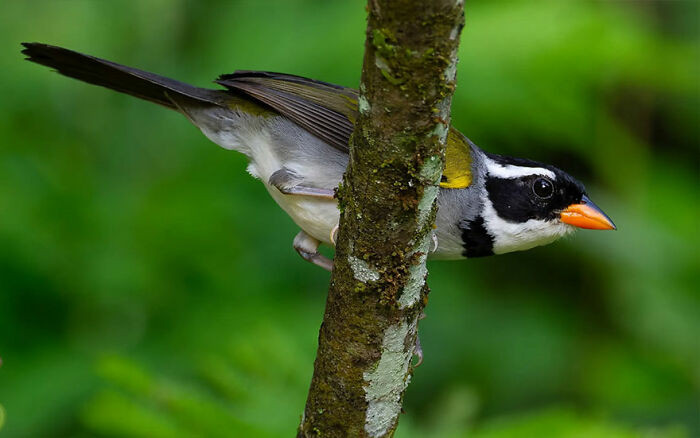
Kohn’s work offers more than beautiful images; it gives a closer look at Brazil’s incredible birdlife. Each photo captures details that might otherwise go unnoticed, showing how diverse and lively these habitats truly are.
Bird photography transcends mere artistic expression; it is a crucial instrument for education and conservation. The article highlights how an intimate understanding of animal behavior, ethical practices, and environmental contexts enriches the photographic journey. Engaging with local communities while harnessing the evocative power of stunning imagery allows photographers to spark action and deepen appreciation for wildlife. As the captivating beauty of Brazil's birds is captured, there lies an inherent responsibility to advocate for their protection and preservation, ensuring that future generations can relish their vibrant existence.
The moment Vinícius Kohn gets Chestnut-Bellied Euphonia on frame, the forest gets a voice, and it refuses to be ignored.
Want more feathered masterpieces like these, see 23 amazing bird photos by an award-winning photographer.
Share this article: