
Japanese Dog Names With Meanings

A 28-year-old woman refused to use the “cute” dog name the whole neighborhood kept pushing on her, and it turned into a whole mini-drama at family dinner. She wasn’t trying to be difficult, she just wanted something that actually sounded right when you call your dog from across the room.
Here’s the complicated part, her dog is a total vibe-magnet, so every time someone suggested a name, they also tossed in a meaning like it was a group project. One person wanted “Hana” because it’s pretty, another insisted “Kuro” because the coat is dark, and someone else started pitching food names like Mochi and Miso like they were offering a full menu.
By the time seasonal names like Natsu and Momiji got mentioned, the table was split, and she still had to choose the one name that would stick.
Japanese Nature Words
These are romanized Japanese words with relatively direct meanings. Long vowels and kanji can change how words are written, so treat the English spelling as a call-name form.
- Hana: flower
- Sora: sky
- Umi: sea
- Kaze: wind
- Yuki: snow
- Hoshi: star
- Tsuki: moon
- Kumo: cloud
- Ame: rain
- Nami: wave
- Mori: forest
- Kawa: river
- Yama: mountain
- Taki: waterfall
- Iwa: rock

Color-Inspired Japanese Names
Color words work well when the coat provides the cue.
- Kuro: black
- Shiro: white
- Aka: red
- Ao: blue
- Cha: tea or brown tone
- Gin: silver
- Kin: gold
- Momo: peach
- Sakura: cherry blossom
- Kohaku: amber
- Midori: green
- Murasaki: purple
- Sumi: ink
- Haiiro: gray
- Kuri: chestnut
Popular Japanese-Style Dog Names
These short names appear naturally in Japanese pet naming. Some are words; others are given-name readings whose meaning depends on the kanji chosen.
- Mugi
- Coco
- Moka
- Latte
- Moko
- Maron
- Leo
- Komugi
- Bell
- Lulu
- Ten
- Maru
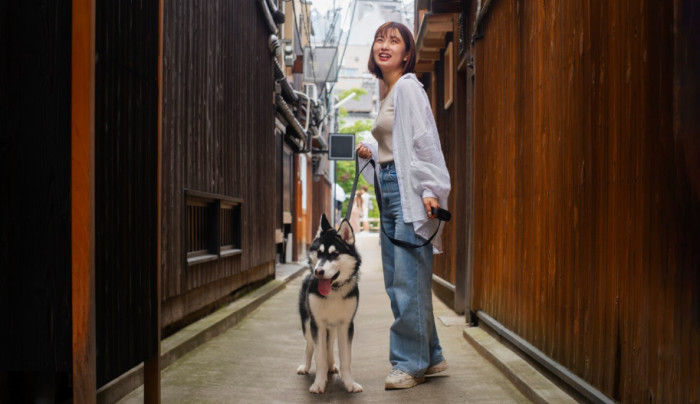
Her sister kept steering the conversation toward Hana and Sora, acting like flower and sky were the only choices that mattered.
Male Japanese Dog Names
Human given names can have several kanji spellings and therefore several meanings. The sound remains usable even without assigning one fixed translation.
- Haruto
- Ren
- Kaito
- Yuto
- Hiro
- Kenji
- Akira
- Daiki
- Haru
- Riku
- Sota
- Minato
- Kota
- Shin
- Taro
Female Japanese Dog Names
These readings are widely used for girls, pets, or both, but exact meaning varies by written form.
- Aoi
- Emi
- Hikari
- Hinata
- Kaori
- Keiko
- Mai
- Mika
- Misaki
- Nana
- Rei
- Rin
- Yui
- Yuna

Then her roommate pulled out color names like Kuro, Shiro, and Sakura, pointing at the coat and acting way too confident about it.
Speaking of Japanese folklore, the tanuki that shapeshifts with a sake bottle and tricks people is the perfect inspiration.
Japanese Food Names
Food names have become common pet choices because they are short, visual, and easy to say.
- Mochi: rice cake
- Miso: fermented soybean paste
- Nori: seaweed
- Soba: buckwheat noodles
- Udon: thick noodles
- Tofu: bean curd
- Yuzu: citrus fruit
- Mikan: mandarin orange
- Azuki: red bean
- Kinako: roasted soybean flour
- Ramen
- Sushi
- Tamago: egg
- Wasabi
- Sencha: green tea
Japanese Seasonal Names
Japan’s seasonal vocabulary creates names that feel specific without being difficult to call.
- Natsu: summer
- Aki: autumn
- Fuyu: winter
- Momiji: autumn maple leaves
- Hotaru: firefly
- Asahi: morning sun
- Yūhi: evening sun
- Koyuki: light snow
- Satsuki: fifth month
- Yayoi: traditional third month
- Hazuki: traditional eighth month
- Shigure: late-autumn rain

Right when the argument started to cool down, someone blurted out Mugi, Latte, and Momo, and suddenly everyone had a “favorite.”
Japanese Animal Names
A Japanese Corgi famous for facial expressions could easily carry one of the comic choices.
- Kuma: bear
- Kitsune: fox
- Tora: tiger
- Shika: deer
- Usagi: rabbit
- Neko: cat
- Suzume: sparrow
- Karasu: crow
- Tsuru: crane
- Koi: carp
- Ryu: dragon
- Tanuki: raccoon dog
- Hachi: bee or eight
- Inu: dog
- Chō: butterfly
Japanese Place-Inspired Names
Place names can honor a trip, heritage, or a favorite landscape without pretending to be a traditional personal name.
- Tokyo
- Kyoto
- Nara
- Kobe
- Osaka
- Nikko
- Fuji
- Hakone
- Sapporo
- Sendai
- Nagano
- Kamakura
- Okinawa
- Shibuya
- Ginza

Short Japanese Dog Names
Two clean syllables are practical. These also avoid the problem described when someone was criticized for an American Akita’s culturally loaded name: context still matters.
- Kai
- Ken
- Zen
- Jin
- Jun
- Ryo
- Sho
- Yori
- Kiko
- Miki
- Niko
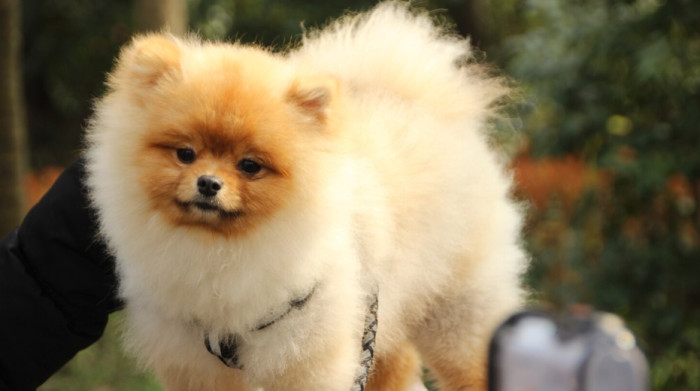
Finally, the family started throwing seasonal picks like Natsu and Hotaru into the mix, and the dinner energy turned into full-on name chaos.
How to Choose the Right Name
Meaning should be verified before style. A romanized word may have several readings, while a human name can be written with different kanji and carry different meanings. Online lists often flatten those distinctions into one confident translation. Treat that as a warning, especially when the name will be explained publicly.
Pronunciation is the next filter. Decide how the household will say long vowels and syllables such as ryo, tsu, and shi. A technically accurate name used three different ways will be harder for the dog than a simple choice everyone says consistently. Short words such as Sora, Mugi, Hana, Kuro, and Yuki are practical for that reason.
Food names are common in Japan as well as abroad, so Mochi, Miso, Nori, and Kinako are not automatically strange pet choices. Still, consider whether the food reference feels affectionate or merely fashionable. The word should mean something to you after the trend fades.
Breed origin can guide the list without controlling it. A Shiba Inu does not require a Japanese name, and a Labrador can carry one perfectly well. Heritage is one valid connection among many. Travel, family background, language study, or a favorite place can create a stronger reason.
Be careful with sacred, historical, or culturally loaded terms. Gods, imperial titles, and names connected with tragedy deserve more thought than a color word or seasonal reference. Ask a fluent speaker when the context is unclear. A five-minute check can prevent years of awkward explanations.
Try the name in ordinary English sentences. “Hana, come.” “Kuma, leave it.” “Sora, dinner.” The transitions should feel comfortable, not like a performance. If the name only sounds appealing when pronounced slowly and ceremonially, it may not survive real life.
A good Japanese dog name can be simple. Correct meaning, stable pronunciation, and a personal connection are enough.
Japanese names written in Latin letters can hide important differences. Hana is straightforward as the word for flower, but many human names can be written with several kanji combinations. Do not attach a precise meaning unless you have checked the intended written form.
The AKC guide to choosing a dog name recommends clarity and separation from common cues. That matters with imported words too. Choose a pronunciation everyone in the household can use consistently.
Listen for ease, then check meaning. Both matter.
Japanese names often appeal because of their compact sounds and clear meanings. Owners interested in names tied to language and place can continue with German dog names, Italian dog names, or French dog names to compare different naming traditions.
Share this article:





