
19 Rarely-Known Animal Facts That Should Be In Any "Boring Party First Aid Kit"

Some animal facts are so strange they sound made up, but that is exactly why they stick with you. This roundup pulls together a bunch of Reddit-favorite animal tidbits, from weird survival tricks to the kind of details that make you look at wildlife a little differently.
The lineup includes everything from dragonflies playing dead to hippos with surprising body chemistry, plus a few other facts that are equal parts funny and fascinating. It is the kind of list that starts as a quick scroll and ends with you wanting to repeat the best ones at your next dinner table conversation.
Read on, because the animal kingdom is about to get a lot more interesting.
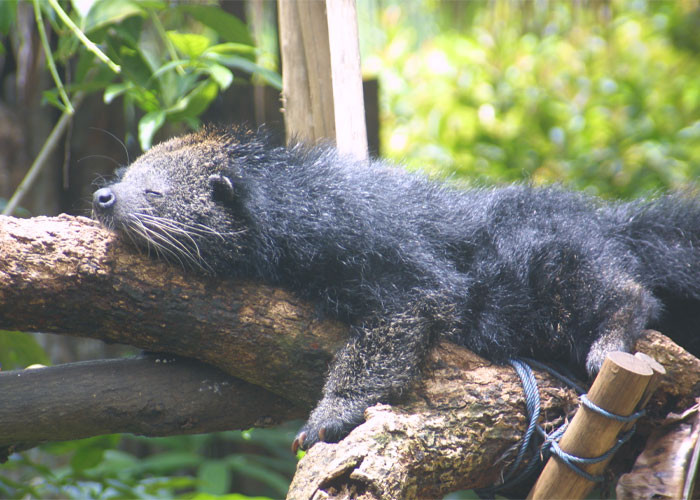
1. Binturong
“The binturong, also known as the bearcat, is an arboreal mammal closely related to the red panda. It smells like popcorn!
My obscure fact about it is that captive binturongs are capable of holding grudges and will climb above people they dislike in order to defecate on their heads.”
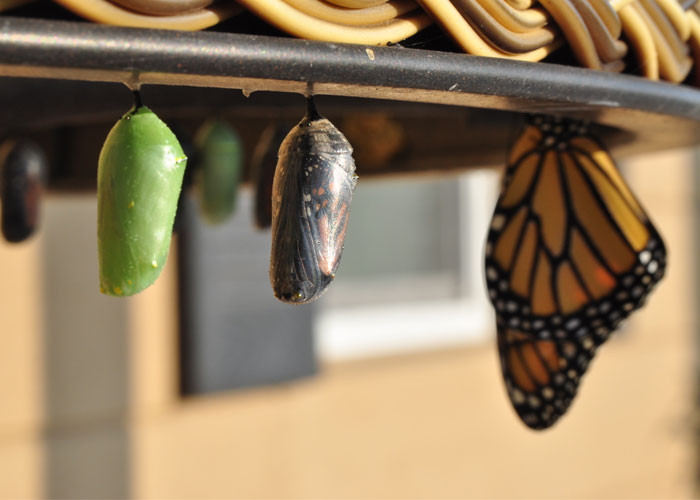
2. Caterpillars
“When caterpillars enter the chrysalis phase, they don’t just sprout wings; their entire body first turns into a liquid, soupy substance that then reforms into the butterfly.”
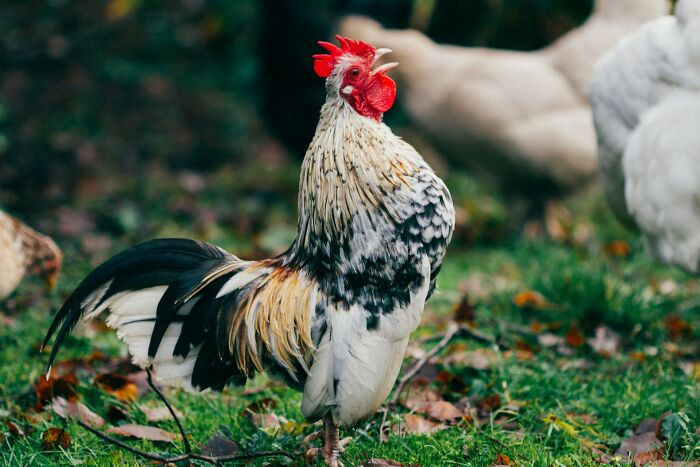
3. Roosters
“Roosters deafen themselves temporarily every time they crow so that they don’t damage their own hearing.”
The striking behavior of female dragonflies pretending to be dead to fend off persistent male suitors offers a compelling glimpse into the intricate tapestry of animal behavior. This act of deception illustrates not just a survival tactic but a nuanced understanding of evolutionary psychology, where traits that contribute to survival and reproductive success are increasingly favored. Such cunning strategies are not confined to dragonflies alone; they echo across various species, underscoring the evolutionary benefits of manipulating perceptions to one’s advantage.
This phenomenon aligns with the broader theme of strategic deception within social interactions in the animal kingdom. The evidence suggests that animals often engage in deceptive tactics, creating complex social dynamics that showcase their intelligence and adaptability. The implications of these behaviors extend beyond mere survival; they reveal a rich inner life and social acumen among creatures that we often underestimate. The world of animal behavior is far more intricate than it might appear at first glance, reminding us of the fascinating complexities that lie beneath the surface.
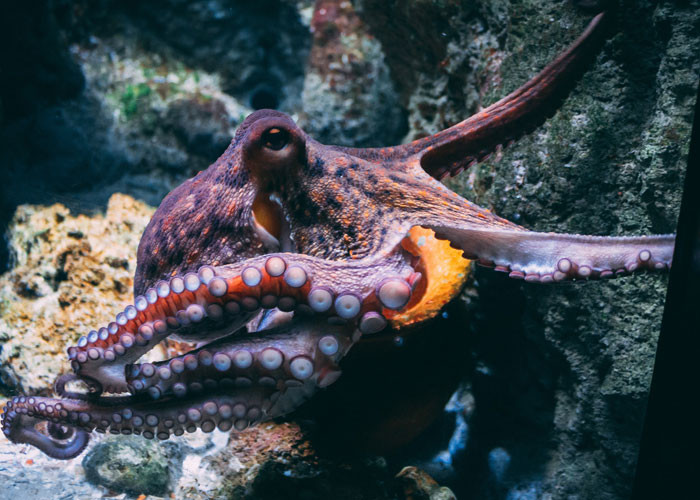
4. Octopus
“We all know an octopus has eight legs. It also has three hearts and nine brains, and it can fit itself through a hole the size of a quarter.”
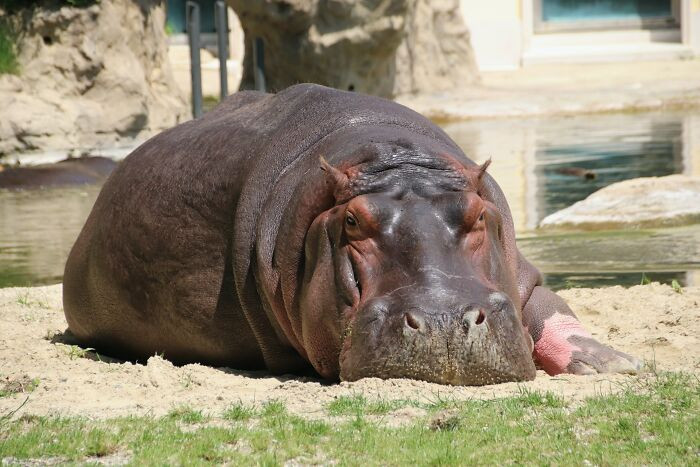
5. Hippos
“Hippo sweat is red.”
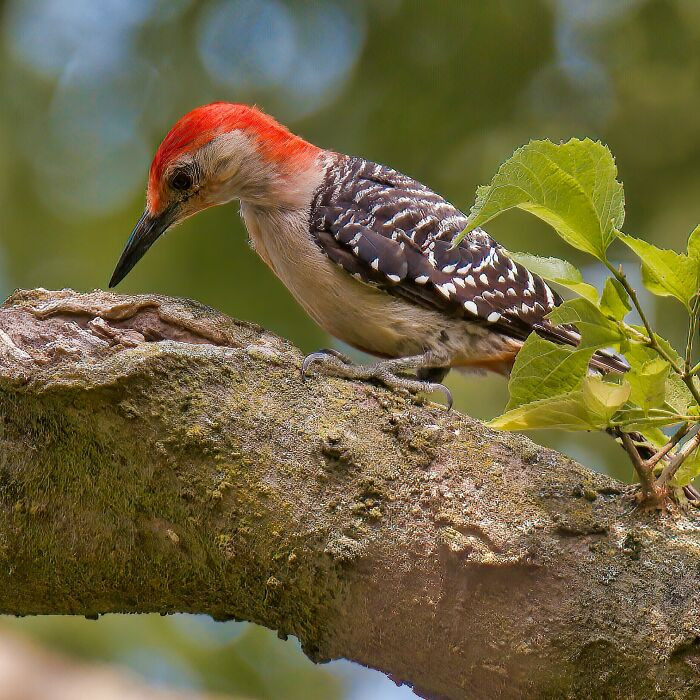
6. Woodpecker
“Woodpecker tongues wrap around the back of their brains. This helps protect the brain during high-speed pecking.”
From a social psychological perspective, the influence of cute animal videos on our mood can be tied to the concept of affective contagion, where observing positive emotions in others (or in this case, animals) can trigger similar feelings in ourselves. Research from the University of California, Los Angeles (UCLA) found that participants who viewed images of cute animals experienced elevated levels of happiness and reduced stress (Mason et al., 2013). This phenomenon can be explained by the mirror neuron system, which allows us to empathize with and emotionally resonate with others, even if they are of a different species.
Incorporating small doses of these joyful experiences into our daily lives can serve as a practical strategy for enhancing overall emotional well-being. Those feeling under the weather might consider scheduling regular breaks to view cute animal content, allowing for a natural uplift in mood that can counteract feelings of fatigue or sadness.
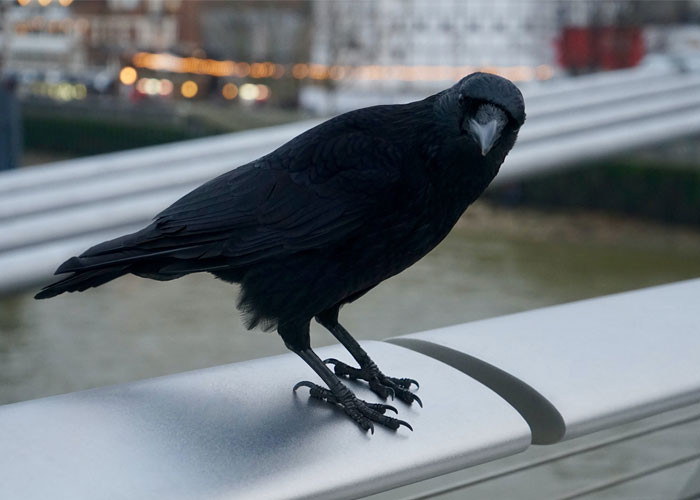
7. Crows
“Crows recognize individual people even if they are wearing disguises and after many years. (The people are wearing disguises, not the crows.)”
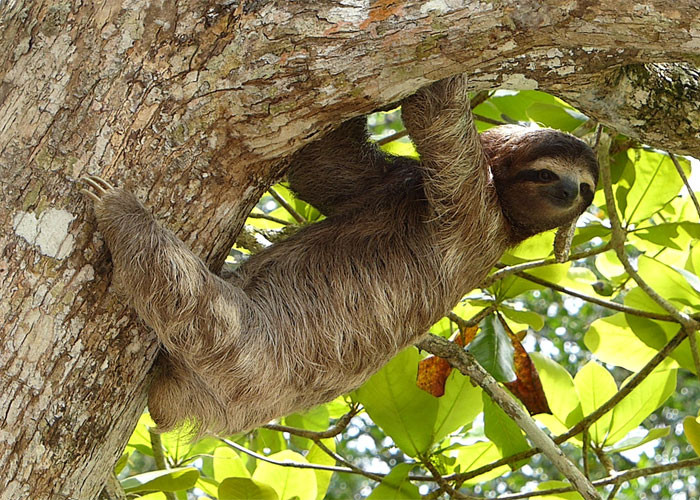
8. Sloths
“Sloths are literally too lazy to go looking for a mate, so a female sloth will often sit in a tree and scream until a male hears her and decides to mate with her.”
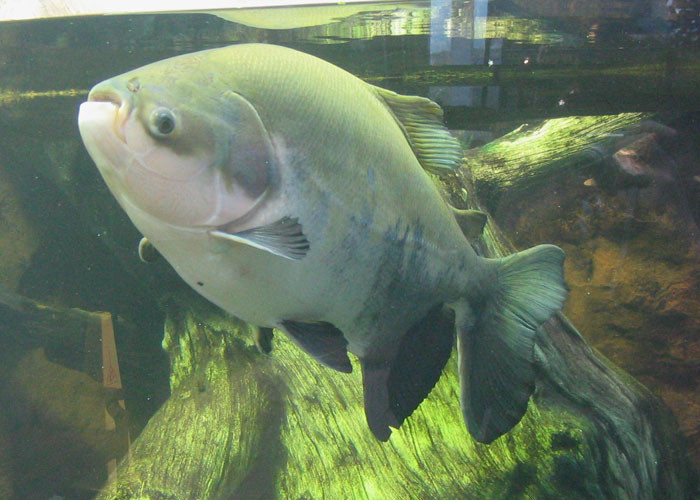
9. Pacu fish
“Pacu fish have teeth that look exactly like human teeth. They evolved to chew nuts that fell into the water.”
Anthropomorphism and Its Effects
The tendency to attribute human-like qualities to animals, known as anthropomorphism, can significantly impact our emotional responses and perceptions of these creatures. By viewing animals as sentient beings with thoughts and feelings, we may feel a heightened sense of responsibility toward their welfare.
Moreover, anthropomorphism can enhance our emotional connections with animals, leading to increased empathy and pro-social behavior. This understanding suggests that fostering a sense of kinship with non-human species can not only enrich our lives but also promote more compassionate attitudes towards animal rights and conservation initiatives.
For nature’s fantasy-level weirdness, check out 13 real animals that look straight out of a fantasy world.
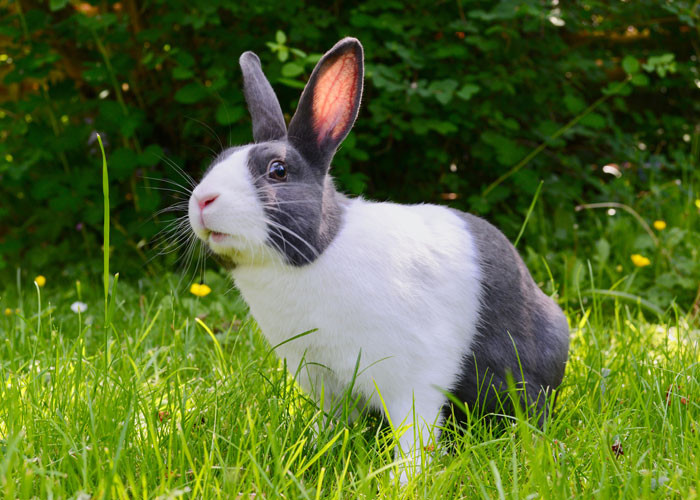
10. Rabbits
“Rabbits don’t have pads on their paws, only fur.
So if you see a cartoon rabbit with pads on its paw, that’s completely wrong.”
11. Birds
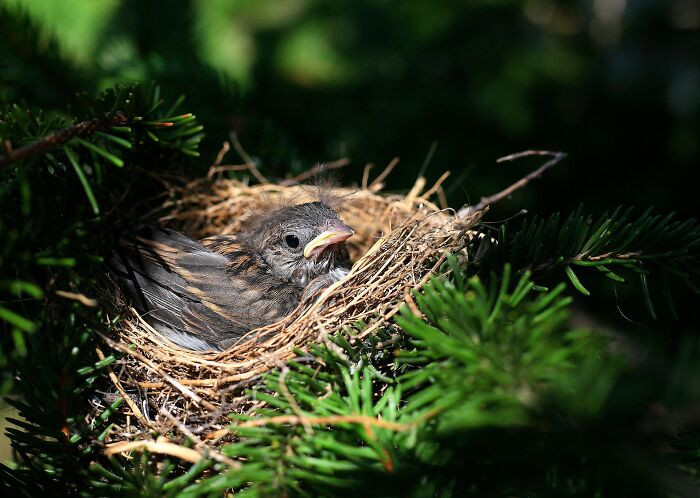
“Many bird species will eat the fecal sacks of their young, thus keeping the nest clean for their young. I no longer wish to know what it would be like to be a bird.”
12. Anglerfish
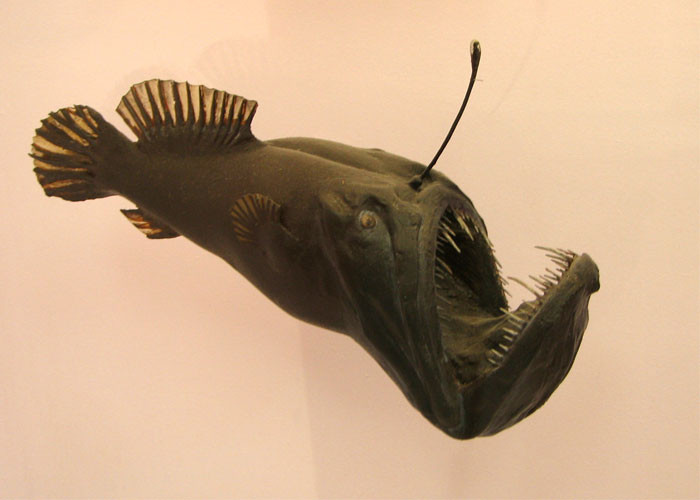
“All the deep-sea anglerfish you see pictures of with the little lights hanging over their heads? They’re all female.
The males are tiny and born with a terribly weak jaw and a massive hunger. They seek out a female, and torn between hungry and horny, they bite her.
She then releases an enzyme that fuses the male to her body. She slowly absorbs him into her body with only his little testicles remaining so she can instantly fertilize her eggs when she wants to.
Some females have rows and rows of little testicles on their bodies from where they have absorbed multiple males.
And you thought your sex life was weird, eh?
But no kink-shaming.”
Engagement with animal-related content can also be framed through the lens of the biophilia hypothesis, which suggests that humans have an innate affinity for nature and living things. This connection emphasizes the importance of integrating nature into urban living and our daily routines.
For practical application, individuals can seek to create environments that include natural elements, such as indoor plants or pet ownership, as a way to bolster mental health. Engaging with animals, even through virtual means, can provide valuable psychological benefits, promoting a sense of connection to the natural world that many urban dwellers often miss.
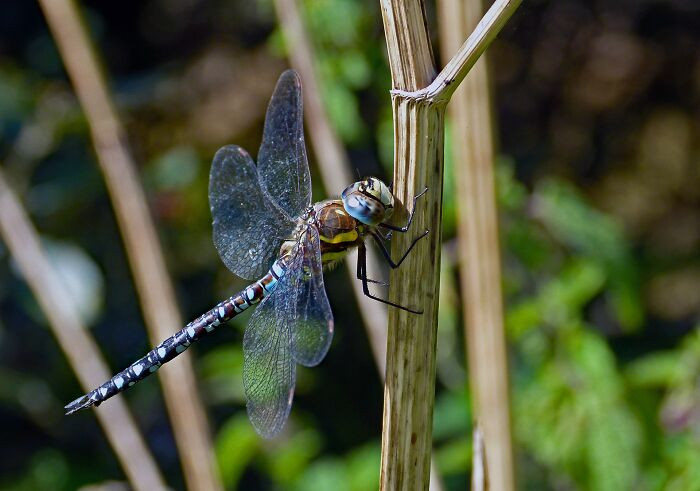
13. Dragonflies
“Female dragonflies will fake being dead in order to stop unwanted male advances.”
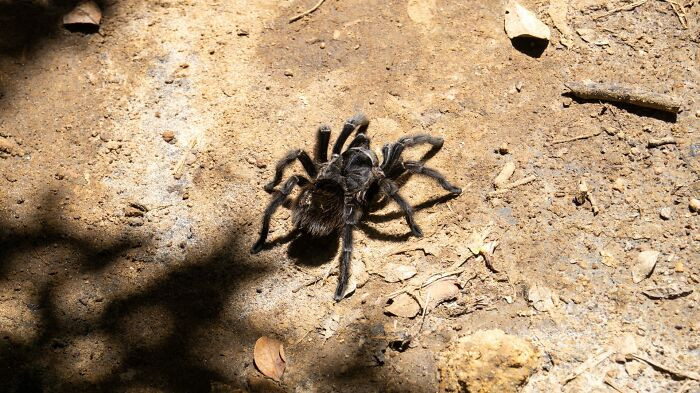
14. Tarantulas
“Tarantulas have pet frogs. The frogs eat bugs and parasites that would damage the spider’s eggs, and in turn, the spider protects the frog.
Even after the eggs hatch, they continue to protect the frog.”
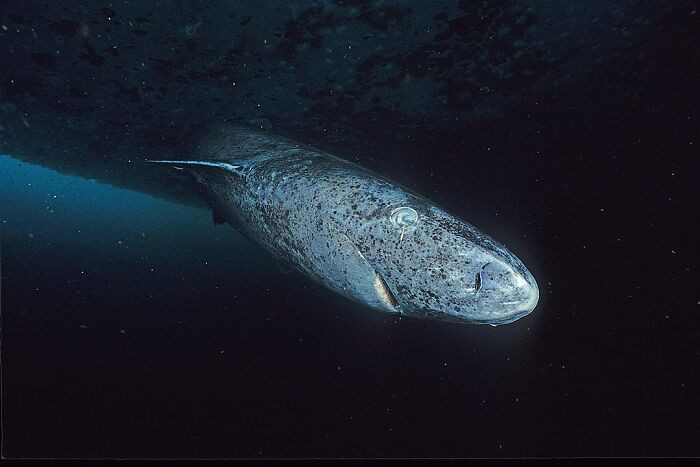
15. Greenland sharks
“The vast majority of Greenland sharks are blind thanks to a special parasite that eats their eyes and replaces them. It is thought that this might actually be helpful because a) their eyesight was poor anyway, b) the parasites wave like lures and may have an anglerfish-like effect, and c) the sharks are super slow, so that might be one of the few ways for them to catch live prey.
Imagine something eating your eyeballs and it being an *upgrade*.”
Social Learning and Animal Behavior
Many of the behaviors observed in animals, such as the aforementioned dragonflies' deceptive tactics, underscore the importance of social learning in the animal kingdom. Social learning theory posits that individuals can learn not only through direct experience but also by observing the behaviors of others (Bandura, 1977). This is particularly relevant in species that rely on complex social structures, where the ability to adapt and mimic successful strategies can enhance survival and reproductive success.
Research highlights how social learning can lead to cultural variations in animal behavior, suggesting that even species with limited cognitive abilities can exhibit remarkable adaptability through observation and imitation. This insight encourages us to consider how our own social learning processes shape human behavior, particularly in group settings where norms and practices evolve over time.
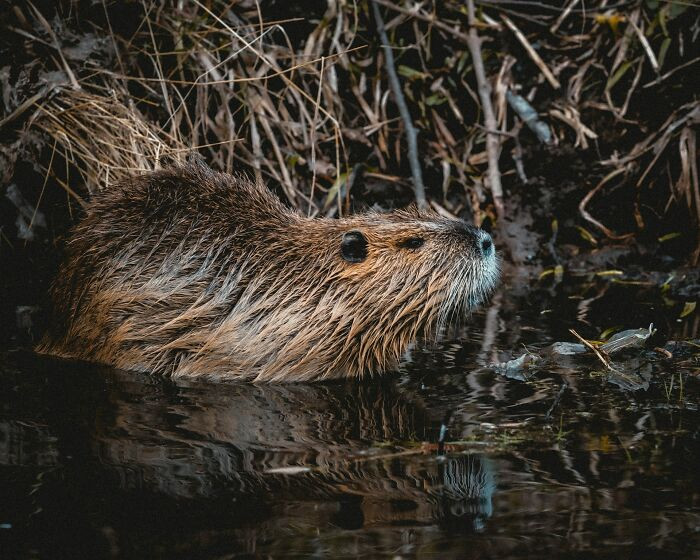
16. Beaver
“A beaver’s anus smells like ice cream. Castoreum, the product of those anal glands, was once used as a flavor substitute for vanilla.
It’s now only used in perfume and a style of Swedish schnapps called Bäverhojt, or “beaver shout.”
17. Turtles
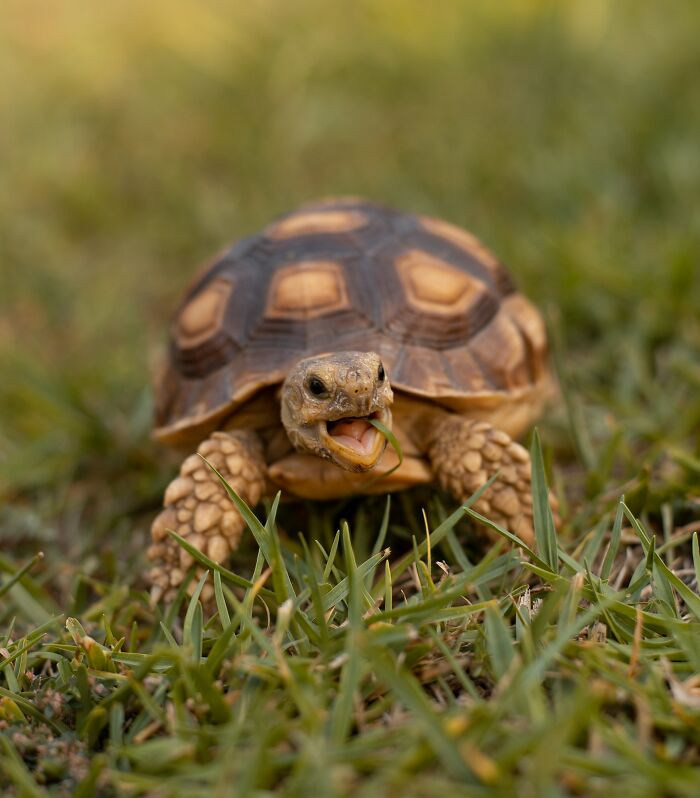
“Turtles can breathe through their butts.”
18. Kangaroo
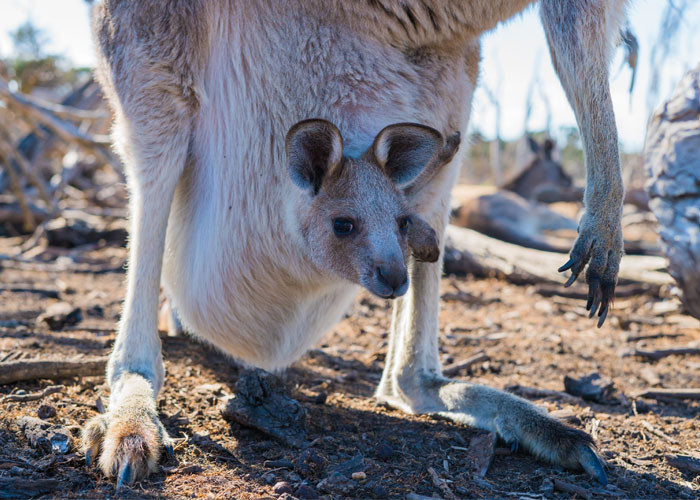
“A kangaroo will mate again one to three days after giving birth. The newborn will latch onto a teat in the pouch, and as long as it thrives, the kangaroo can put its newly fertilized embryo in a state of dormancy and have a backup baby ready to go.
If the newborn grows out of the pouch or dies, the kangaroo's hormones will send signals to start the development of the egg. So they can have an adolescent joey, a nursing one, and one in stasis all at the same time.”
Animal behaviors that captivate our attention often serve as a reminder of the intricate bonds we share with nature. Furthermore, interactions with animals have been shown to promote feelings of compassion and empathy, which are crucial in building supportive communities.
In light of this, for those feeling isolated or overwhelmed, fostering connections with animals, whether through volunteering at shelters, visiting pet cafes, or even virtual interactions, can provide significant emotional benefits. These activities not only enhance individual well-being but also contribute to a more compassionate and empathetic society.
19. Bees and fake banana flavor
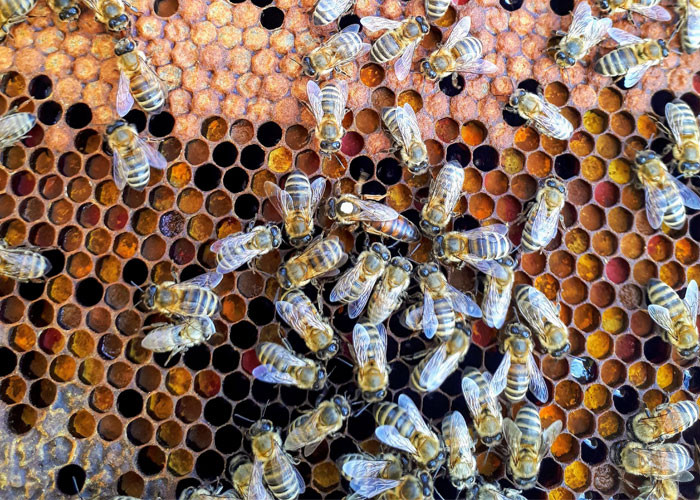
“The chemical compound used to make fake banana flavor is the same compound honey bees use as an alarm pheromone. So never eat banana sweets near a beehive, and if you suddenly smell banana near a beehive, run!”
Animals are amazing, right? We surely think so.
Did you write down the advice about bees and artificial banana flavor? You better write it down and share it with your friends.
Oh, and you should definitely think about sharing some of these delectable informational nuggets at the following dinner gathering, nothing's like boasting to your fellow guests!
The exploration of animal behavior in the article reveals a compelling narrative about our emotional connections with the animal kingdom. The mention of how certain animal antics can elevate our mood resonates deeply in a world where stress often reigns. Observing quirky animal traits, as suggested in the piece, offers an accessible remedy for the pressures of daily life. This simple pleasure is not just a distraction; it is a reminder of the joy that can be found in the smallest of moments.
Furthermore, the emphasis on social learning and anthropomorphism highlights an important ethical dimension. As we engage with these fascinating creatures, we are prompted to reflect on our responsibilities toward them. This connection nurtures empathy, suggesting that our interactions with animals can lead to a more compassionate society. Ultimately, the article encourages us to embrace these relationships, not just for our own benefit, but for the welfare of all species sharing our planet.
Want more “adorable but weird” animal facts? See these educational and surprisingly cute animal facts.
Share this article:





