Neighbor Reports Constant Barking And Family’s Dog Is Taken Away

A late-night barking problem started like a minor annoyance, then turned into the kind of neighbor feud that keeps everyone up, including the people who never asked for drama.
A new young family moved in next door with a dog that barked nonstop, timed so perfectly it felt less like “the dog being a dog” and more like a daily sleep sabotage. At first, multiple neighbors tried to handle it directly, but every conversation hit the same wall, patience running out on both sides.
After months of back-and-forth, the issue stopped being personal and started going official, and now the real question is whether anyone tried hard enough for the dog, not just for themselves.
A late-night barking problem that slowly turned into a much bigger moral dilemma.

A new neighbor, a young family, and a pet that quickly became impossible to ignore.

The noise wasn’t occasional. It was relentless, timed perfectly to ruin sleep.

With multiple neighbors involved, addressing it directly felt unavoidable.
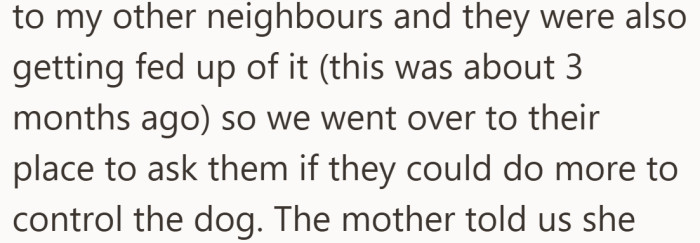
For a moment, it looked like the issue might actually be resolved.
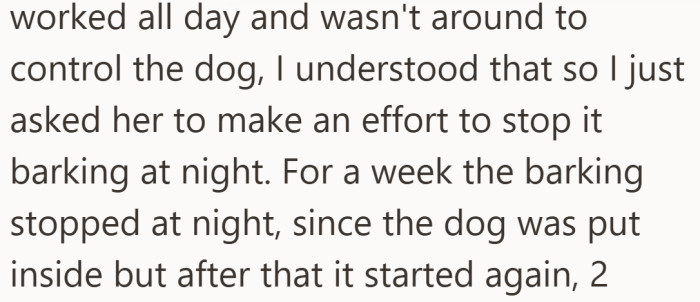
Attempts to resolve it directly ran out of patience on both sides.

After months of failed conversations, the issue moved from personal to official.

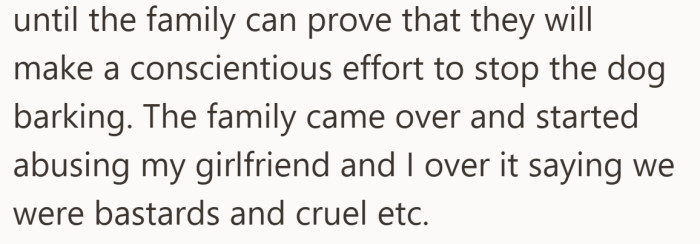
What had been a quiet dispute erupted into direct confrontation.
After everything that happened, the doubt finally sets in.
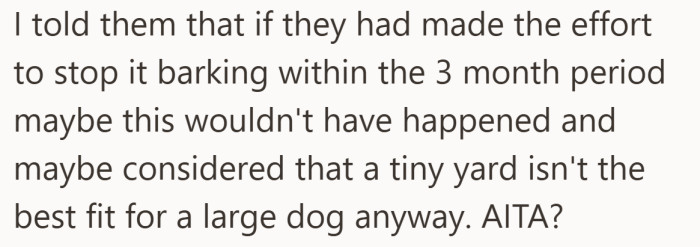
It’s blunt, but it reflects how exhaustion can turn polite requests into firm action.

It leans into the idea that the dog’s well-being mattered just as much as everyone’s sleep.

Quiet nights are nice, but the bigger relief here might be knowing the dog got more attention.
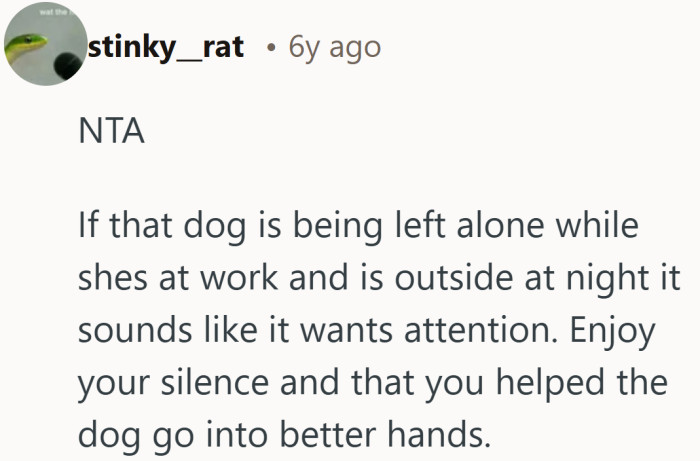
After months of back and forth, this one lands on patience and paperwork doing their thing.
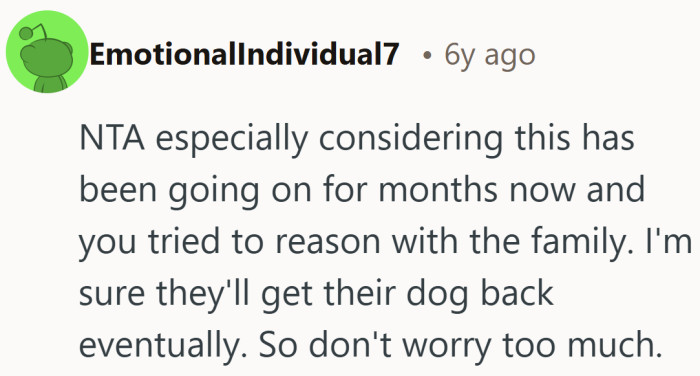
At some point, repeated chances start to look like warnings.
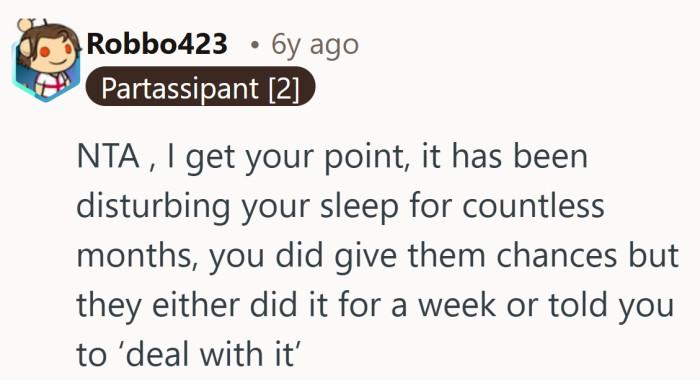
Apparently one week of effort does not earn a passing score.
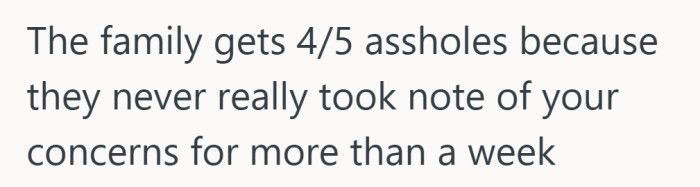
Sleep deprivation does a great job of lowering everyone’s tolerance for chaos.
Turns out the loudest clue was hiding in plain sight the entire time.
It reframes the outcome as care, for the neighbors and for the dog itself.
Turns out hoping a dog will figure it out on its own is not a training plan.

This draws a clear line between normal noise and an animal not being properly cared for.
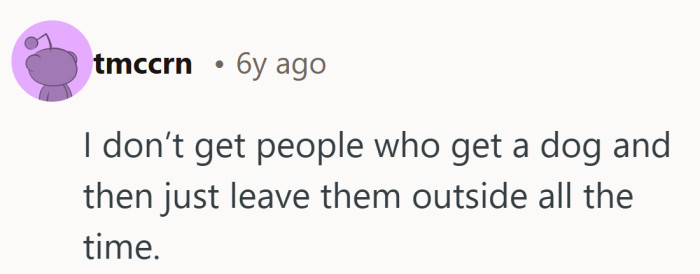
It taps into the frustration people feel when care doesn’t match commitment.
The whole thing begins with those late-night barks that hit right when everyone finally falls asleep, and the neighbors start comparing notes fast.
When the new family’s attempts to “fix it” fizzle out and the conversations turn into arguments, the whole block starts feeling trapped in the same loop.
After months of failed talks, it escalates from door-to-door complaints to paperwork, and suddenly everyone is treating the situation like it has to be documented.
By the time one week of effort gets judged as “not enough,” it’s no longer about being annoyed, it’s about whether the dog is actually being cared for.
Some people see this situation as a necessary step after months of unresolved disruption.
Now everyone is wondering if the real barking problem was never the dog’s, it was the family’s.
Wait until you see how a homeowner snapped at neighbors over their Dachshund’s nonstop barking.
Share this article: