Here Are 45 Pictures Which Prove That Cats Are The Best Camouflagers Ever

My cat didn’t just “hide,” it fully committed to the bit like a furry ninja with excellent Wi-Fi signal. One minute he’s a normal, smug little roommate, the next minute he’s gone, and you’re left staring at the room like it personally betrayed you.
This is the part where the whole apartment turns into a crime scene. You search everywhere, you check the usual suspects, you even start blaming the lighting, and then you hear it, a tiny rustle, or a bird chirp from the TV. Meanwhile, your parents are casually running a whole dog household, and somehow the cat is still the only thing missing.
And that’s how “I couldn’t find him till he yelled” becomes a whole lifestyle.
1. My Cat Tried To Hide From Me

2. After Searching The Entire Apartment

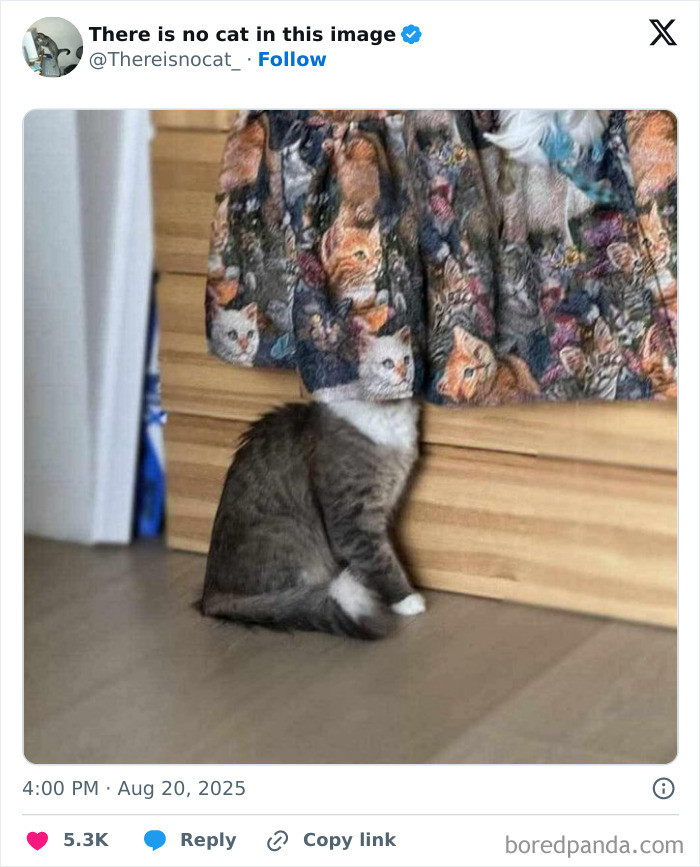
3. Tiniest Head Ever
Cats' Camouflage Skills
These instincts are developed through evolution, allowing cats to blend into their environments effectively while hunting or avoiding predators.
His research highlights that their fur patterns and colors are tailored to their surroundings, making them masters of stealth. This adaptability not only aids in survival but also strengthens their hunting skills, showcasing the intricate relationship between an animal's biology and its environment.
4. My Parents Have 3 Dogs. And A Cat

5. I Don't Get It, Where's The Cat
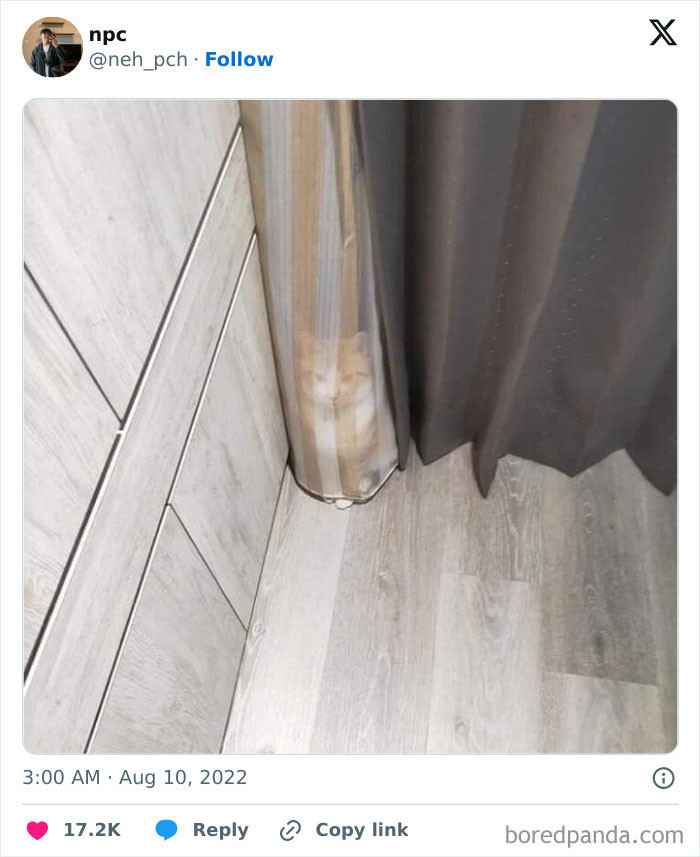
6. There Is No Cat, Only Delicious Soda Pop

The ability of cats to camouflage effectively is also linked to their behavioral traits. Cats often exhibit a natural instinct to hide and seek safety, leveraging their surroundings to avoid detection.
This behavior can be observed in domestic settings where cats choose spots that mimic their natural habitats. Understanding these instincts can help cat owners create environments that foster their pets' natural behaviors, ultimately enhancing their well-being.
7. I Finally Figured Out Where Tank The Cat Has Been Hiding. I Only Saw Him Because A Bird Chirped On TV And He Stuck His Head Up Slightly. Who Sees Him?

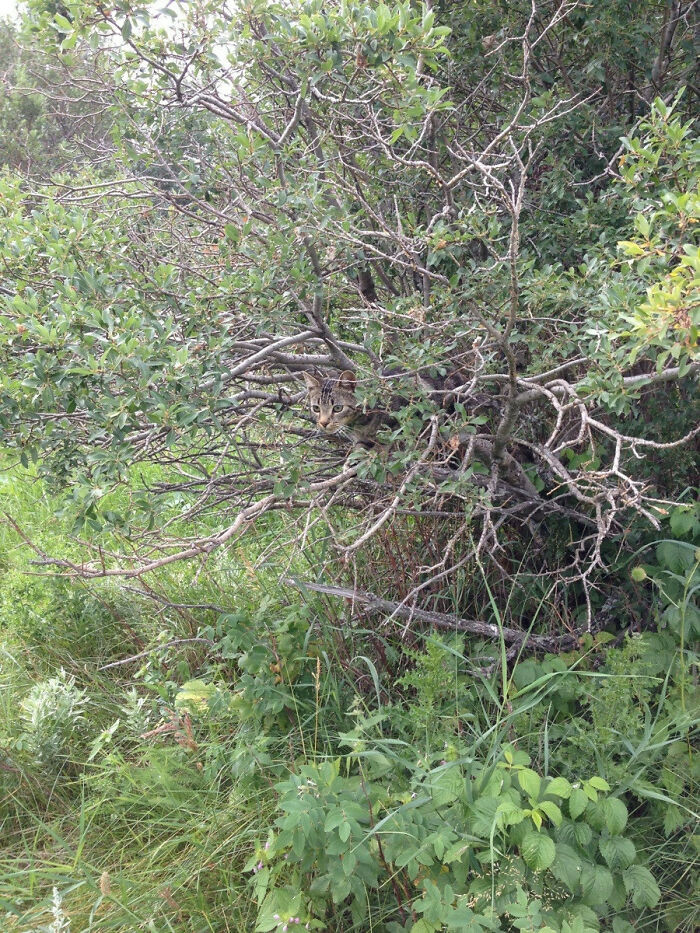
8. Was Out Picking Raspberries When I Heard Rustling In The Bushes Behind Me
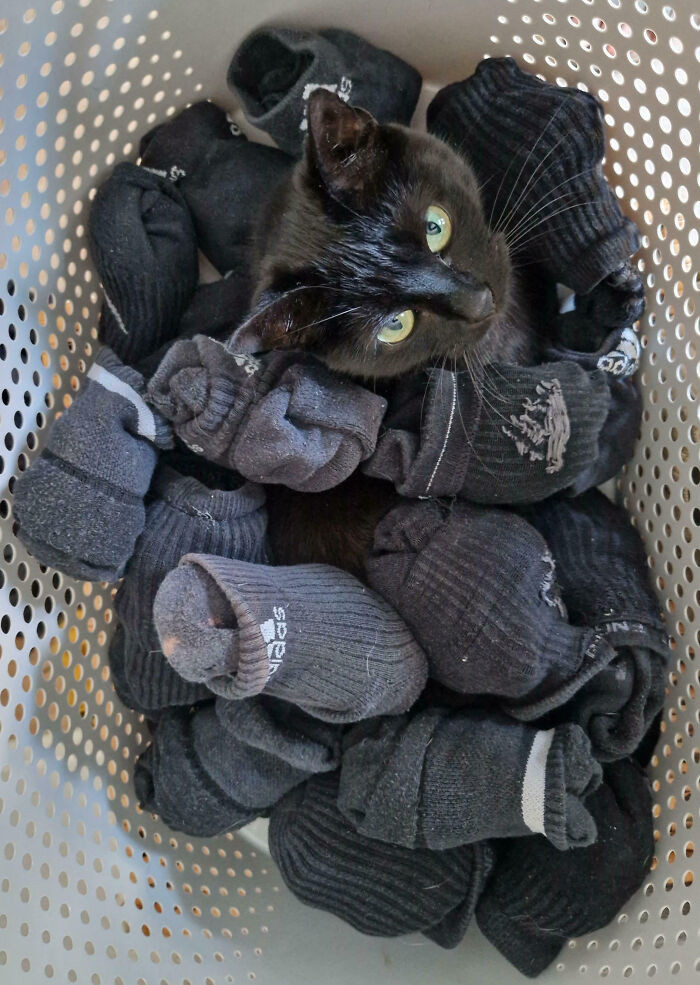
9. My Socks Have Eyes
After you’ve searched the entire apartment and still only see “tiniest head ever,” you start questioning whether your cat is even real.
While dogs are often more social and visible, cats' solitary nature allows them to thrive in stealthy environments. Cats' ability to camouflage is not just a matter of color but also about understanding their surroundings.
Owners can enhance their cats' natural instincts by providing diverse environments. This could involve creating vertical spaces or hiding spots where cats can feel secure and exercise their natural behaviors. Such environments can improve mental stimulation and overall health.
10. Pete’s Peet

11. I Couldn’t Find Him Till He Yelled

12. Old Photo Of My Cat. Can You Find Her?
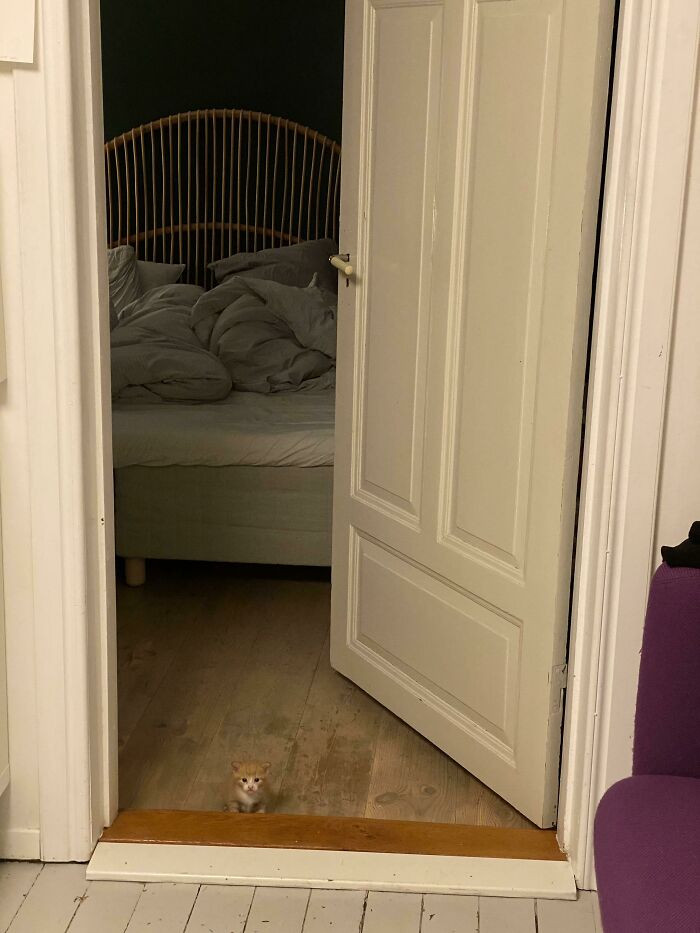
The camouflage of wild cats, like the leopard, is a classic example of nature's ingenuity. These animals have evolved over thousands of years, developing patterns that match their habitats, such as the dappled light of forests.
Understanding these adaptations can inspire conservation efforts, emphasizing that protecting natural habitats is crucial for maintaining the survival of these species and their remarkable camouflage abilities.
13. Nova Is Hiding From The Vet
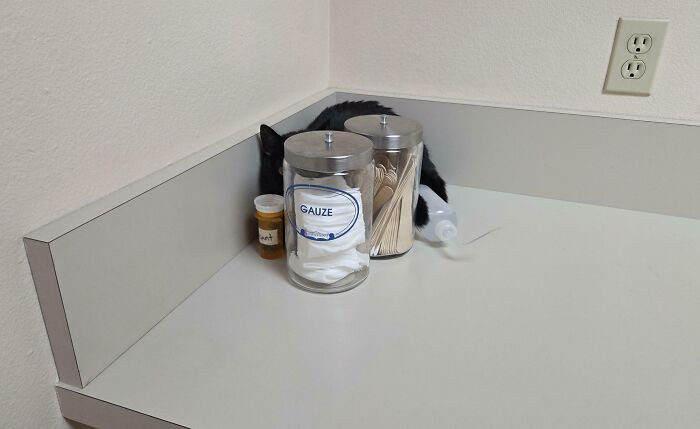
14. Uh Oh, I Visited The Vet Without A Cat

15. There's Two Of Them
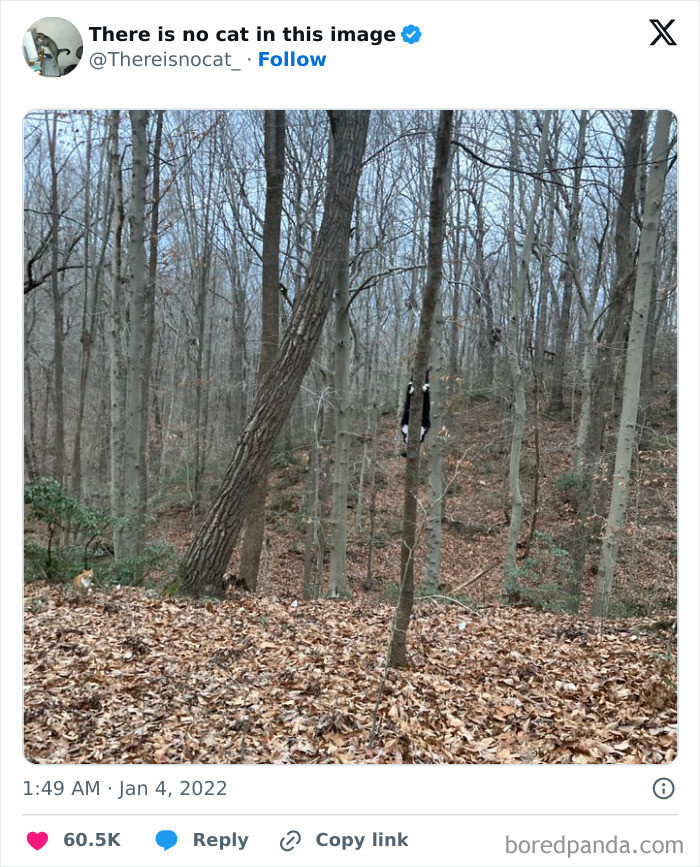
The camouflage skills of cats can also be understood through their behavioral adaptations. Cats are naturally inclined to hide when they feel threatened, which is why they often choose spots that blend in with their environment.
Recognizing these behaviors can help pet owners create safe spaces for their cats at home. Providing cozy hiding spots can reduce stress and promote a sense of security, enabling cats to express their natural instincts.
16. Catfish
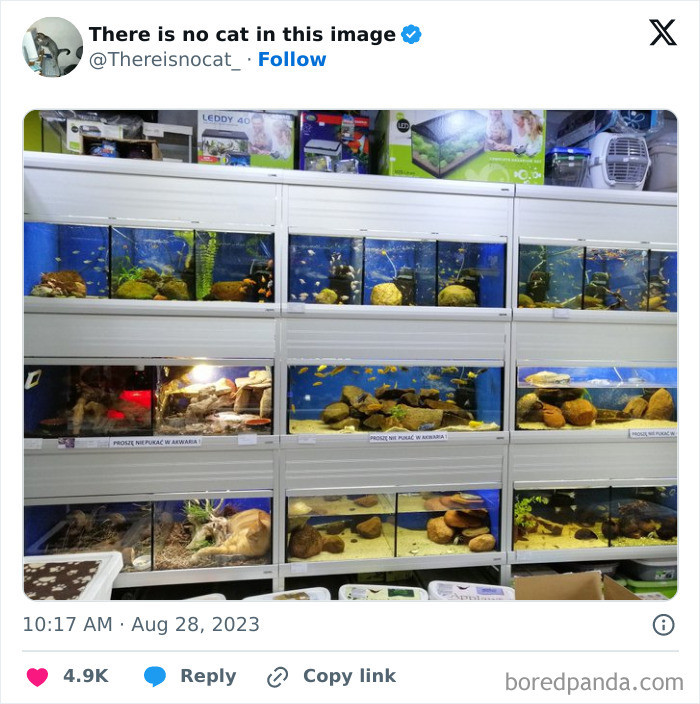
17. She Thinks I Can’t See Her

18. Just A Cool Blanket

Then your parents’ three dogs keep wandering around like they own the place, while “there is no cat, only delicious soda pop” becomes your new theory.
Cats' ability to camouflage is not just a survival tactic; it reflects their evolutionary history as solitary hunters. Their unique fur patterns are adaptations that enhance their ability to stalk prey unnoticed.
Understanding these traits for cat owners can help create stimulating environments that allow their pets to engage in instinctual activities, like climbing and hiding, ultimately benefiting their mental health.
19. Angry

20. You See Nothing, I Am Garden
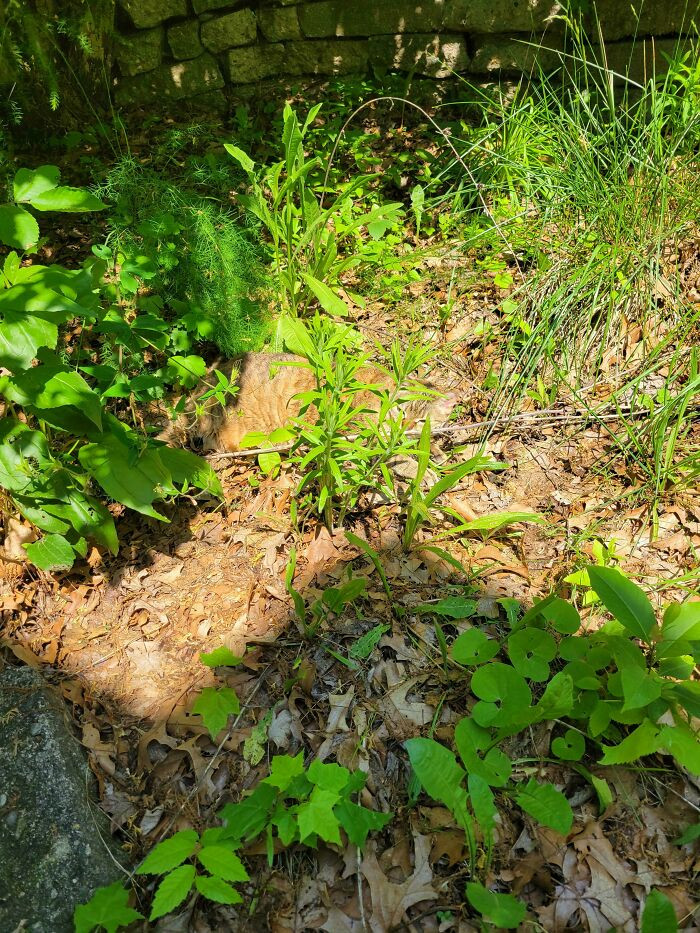
21. When You See It

Enhancing Cat Environments
To better support your cat’s natural camouflage instincts, consider creating a more stimulating environment.
Providing diverse textures and colors in your home can also enhance your cat's ability to camouflage. Using natural materials like wood or fabrics that resemble their outdoor environments can make your indoor space feel safer and more engaging for them.
And if you think hiding is impressive, these cats turned “if I fits, I sits” into a whole new level.
22. Camouflage Cat

23. After Years Of Saving I Finally Bought A House
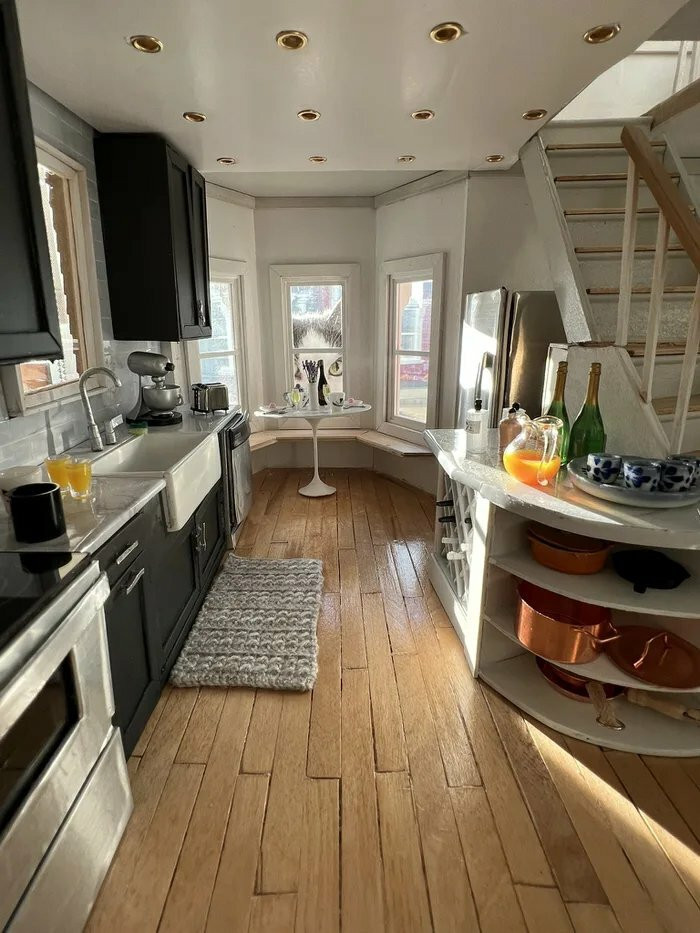
24. No Cat, Only Plants

Understanding animal behavior can enhance pet care. By observing how cats camouflage in their natural environments, owners can tailor their spaces to reflect these behaviors.
This means introducing elements like hiding spots and climbing areas that mimic natural settings, which can significantly impact a cat's happiness and overall health. Engaging with your cat's natural instincts can lead to a more fulfilling life for both pet and owner.
25. My Garden Never Grows Cats
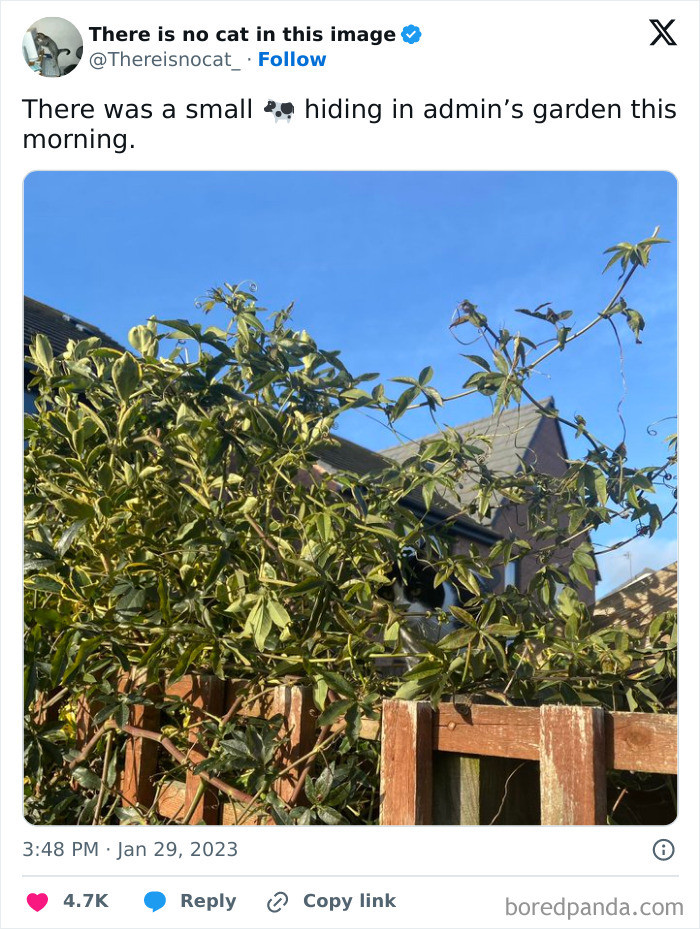
26. Camouflage Kitten

27. Where She Waits For Her Food
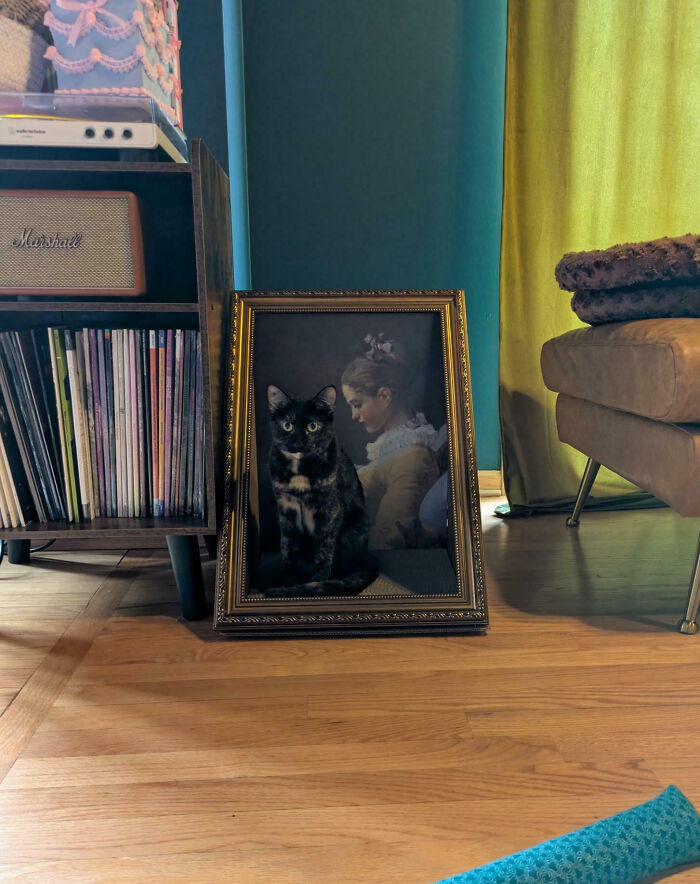
The moment you hear a bird chirp on TV and Tank’s head peeks up slightly, the whole mystery flips from scary to hilarious.
Observation plays a role in understanding how cats camouflage themselves. By watching their cats interact with their surroundings, owners can discover which environments make their pets feel safest.
This awareness can lead to creating enriched spaces that cater to a cat's instincts, ultimately enhancing their quality of life. Owners are encouraged to take note of their cats' preferences and design spaces that reflect these natural inclinations.
28. I Thought He Was A Yarn

29. My Cat Thinks She’s A Stuffy

30. Vet: “Wait, There Is A Cat In Here, Right?”

The ability of cats to camouflage is deeply rooted in their evolutionary biology. This skill has been crucial for their survival, allowing them to evade predators and successfully hunt.
Recognizing the significance of a cat's camouflage can lead to more informed pet ownership. By understanding these traits, owners can better appreciate their cats' behaviors and create environments that nurture their instincts and overall well-being.
31. I Can't Even Fully Mow My Lawn Because A Little Tiny Black Jaguar Has Found A Hiding Spot! He Thinks He's Invisible
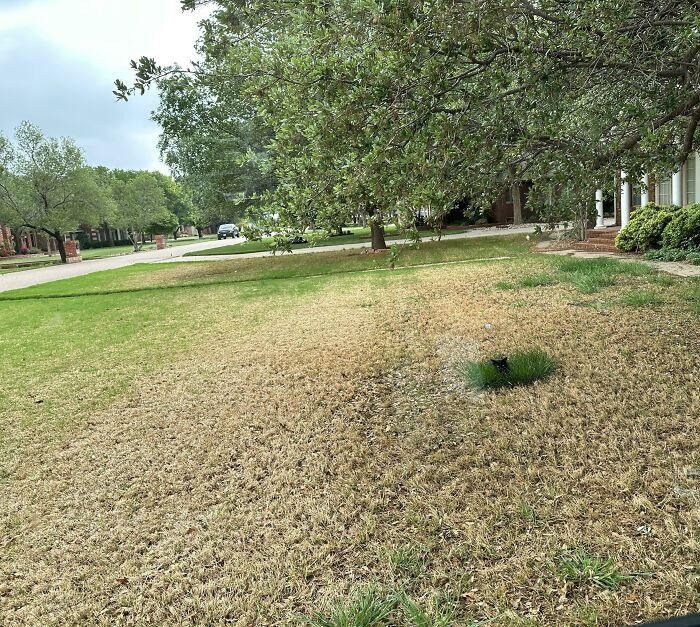
32. Anyone Seen Cheddar?

33. No Cat, Only Flowers
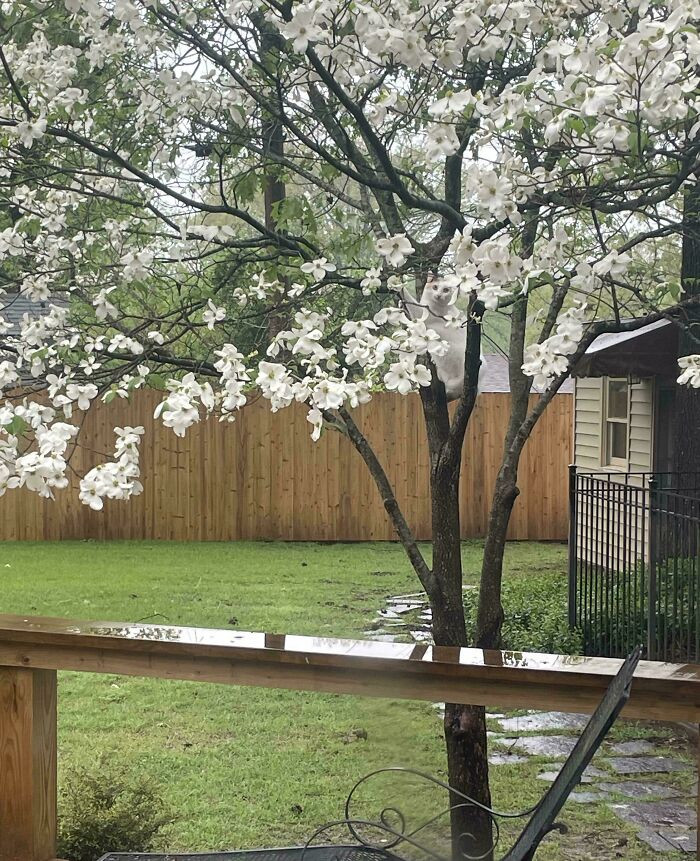
Creating Safe Spaces
Incorporating hiding spots and vertical structures that mimic the environments cats would naturally inhabit can be beneficial.
34. Spot The Black And White

35. No One Here But Us Plants
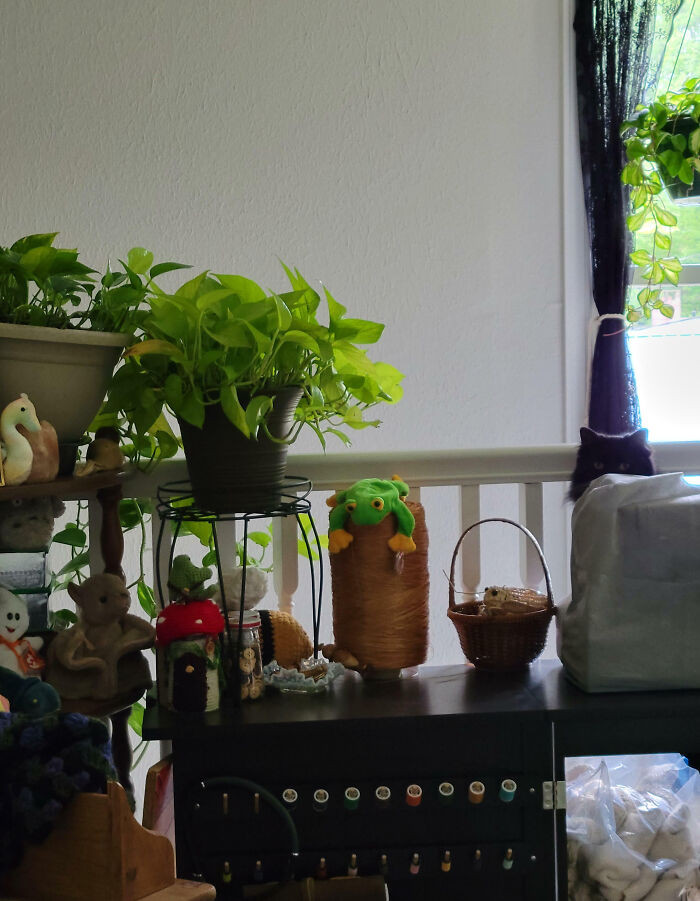
36. One Of My Cats Got Creative

Right when you think you’ve finally caught him, Pete’s Peet and “my socks have eyes” remind you the camouflage is still happening, just somewhere stupider.
The camouflage abilities of cats can also teach us about animal intelligence.
37. Goober

38. I’m Deciding What Socks To Wear Today
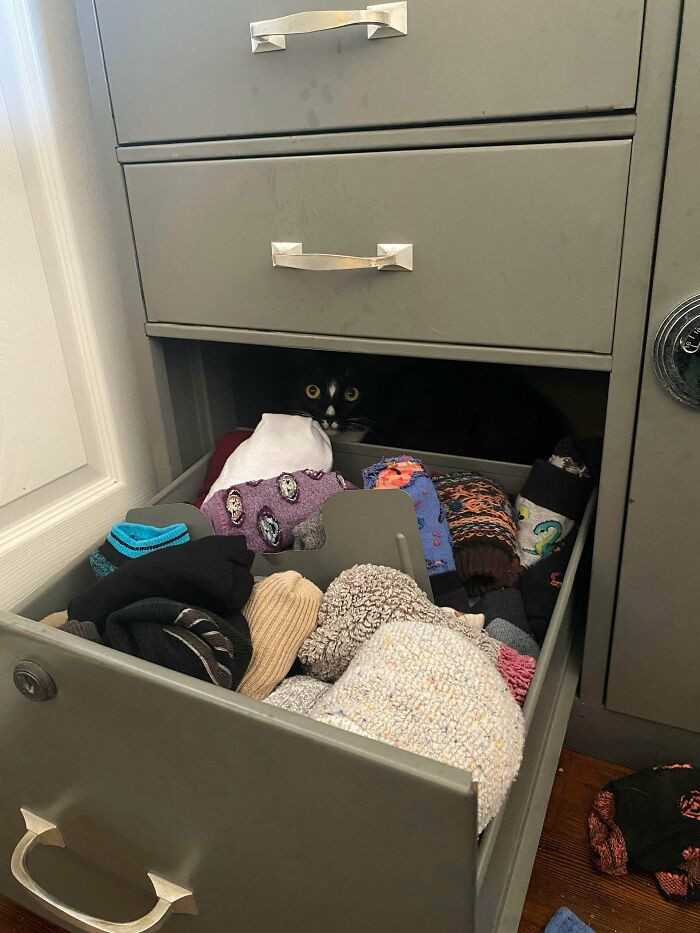
39. Small Baby
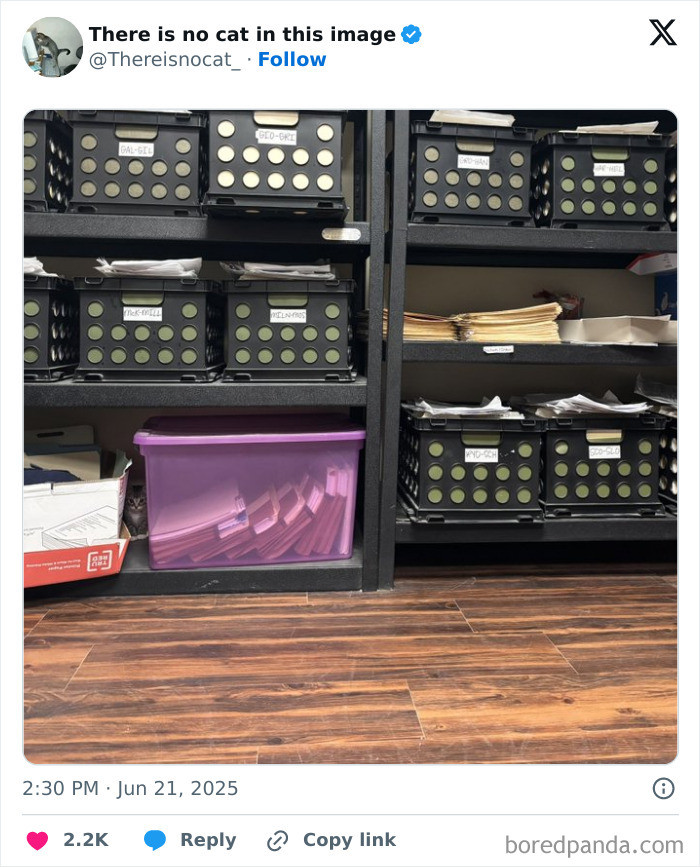
Embracing Natural Instincts
Embracing natural instincts in pets is important. Cats, much like marine animals that blend into their environments, possess unique adaptations for survival.
Creating spaces that allow cats to express these instincts—such as climbing, hiding, and stalking—can enhance their overall well-being. Pet owners should consider incorporating natural elements that reflect a cat's innate behaviors to foster a happier home.
40. Deborah Meowrgan
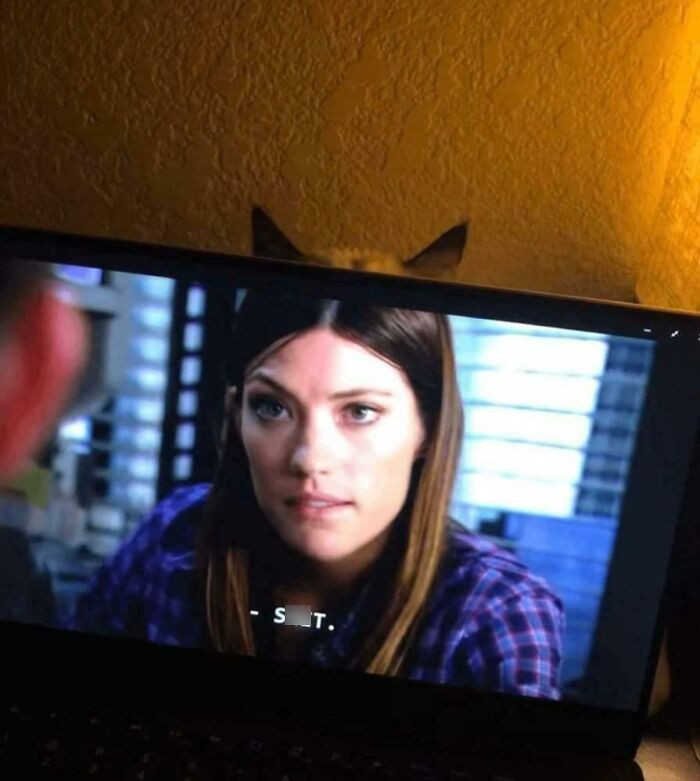
41. Cat: Guess Where I Am?
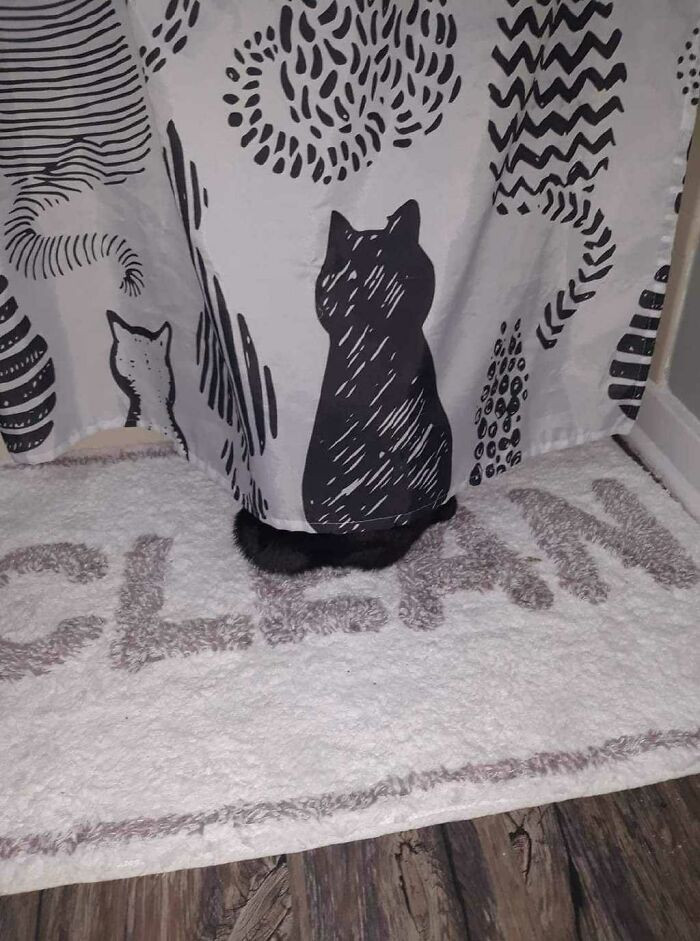
42. Took Me A While To Find The Cat

There are parallels between animal camouflage in aquatic life and terrestrial animals like cats.
43. Kiki Watches, Hidden In The Jungle
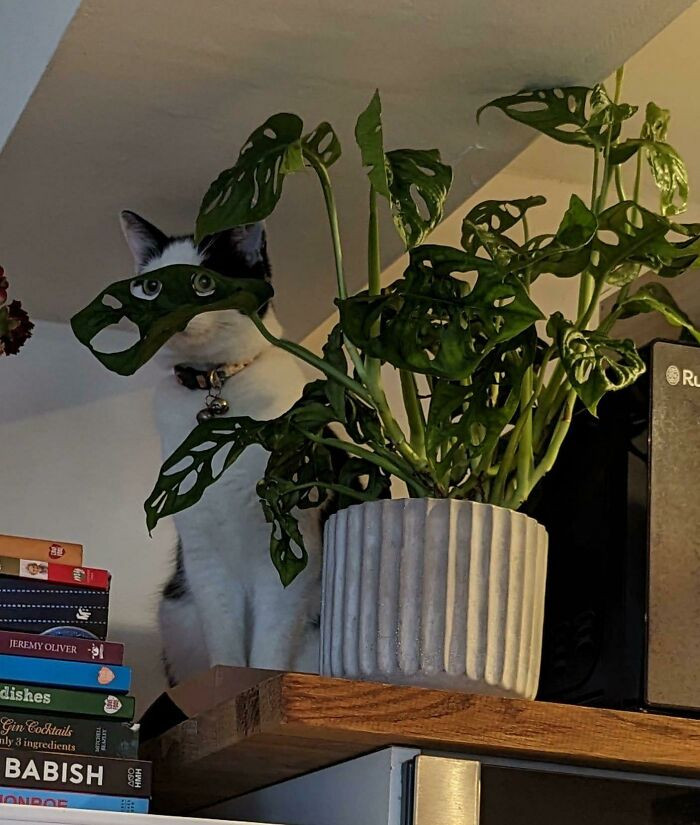
44. Find The Cat

45. They'll Never Find Me Here
The Future of Pet Care
As our understanding of animal behavior evolves, so too should our approaches to pet care. Advocating for a deeper connection with pets through observation and understanding their natural instincts is important.
By applying these insights, pet owners can cultivate environments that not only cater to their pets' camouflage abilities but also support their overall mental and emotional well-being. This approach can lead to healthier, happier pets and a stronger relationship with their owners.
Oh, our dear furry little pals.
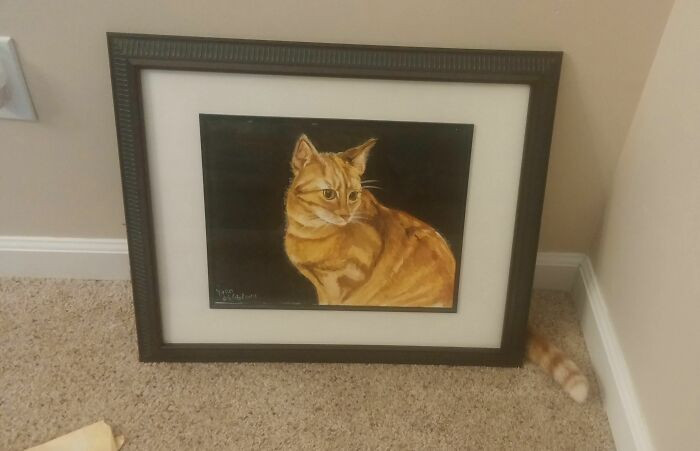
These cats should be given an award because they've taught us a thing or two about blending in literally. Additionally, we would want to hear from cat lovers.
Are your feline companions similarly good at camouflage? Where in the house do they most often do it?
Drop your replies and opinions in the comments section!
The article showcases the extraordinary ability of cats to blend into their surroundings, a remarkable trait that stems from their evolutionary history. This natural camouflage is not just a quirky behavior; it serves a vital role in their survival instincts. By recognizing and appreciating this aspect of feline behavior, cat owners can take steps to create environments that align with their pets' instinctual needs. Enhancing their living spaces with elements that mimic their natural habitats can lead to a happier and more fulfilling life for these elusive creatures. In doing so, pet owners foster a deeper connection with their cats, ultimately enriching the bond they share.
The hardest part isn’t finding your cat, it’s accepting he was never lost in the first place.
After you “can’t see” your cat, try spotting the one from The Invisible Cat Phenomenon, try to find them.
Share this article: