
27 Captivating Street Photos Show the True Beauty of Black Cats

These aren’t just pretty black-cat snapshots, they’re tiny reality checks. On these streets, the cats look like they belong everywhere, curled up on sidewalks, weaving through everyday life, and stealing the spotlight without even trying.
And that’s what makes the story complicated. The photos are surrounded by a long, messy history of superstition, the kind that turns a sleek, affectionate cat into a “bad luck” rumor. Even the way black cats get framed in movies and ads can nudge people into treating them like problems instead of companions.
So when you see these cats hanging out like they own the block, it’s hard not to wonder how much of their “mystery” is just old bias wearing a new costume.
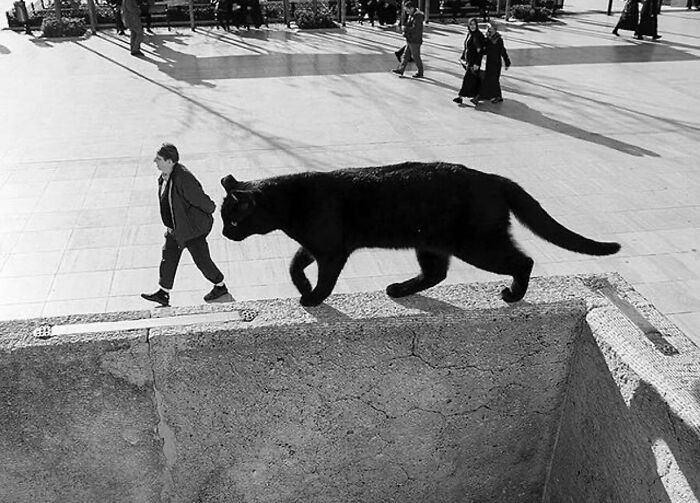
Photo By Sami Uçan
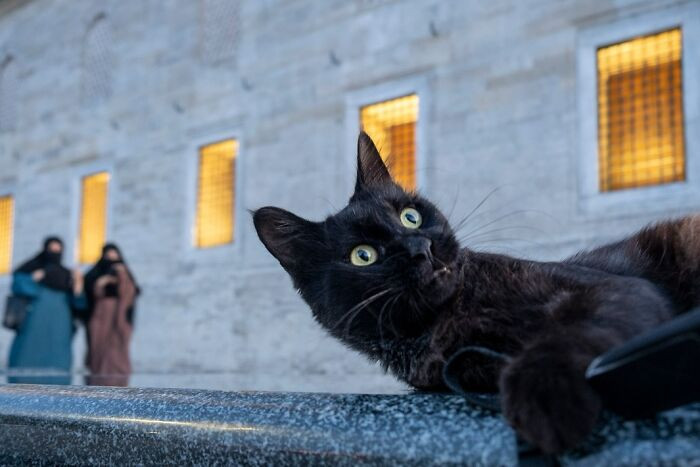
Photo By Agus Ibrahim
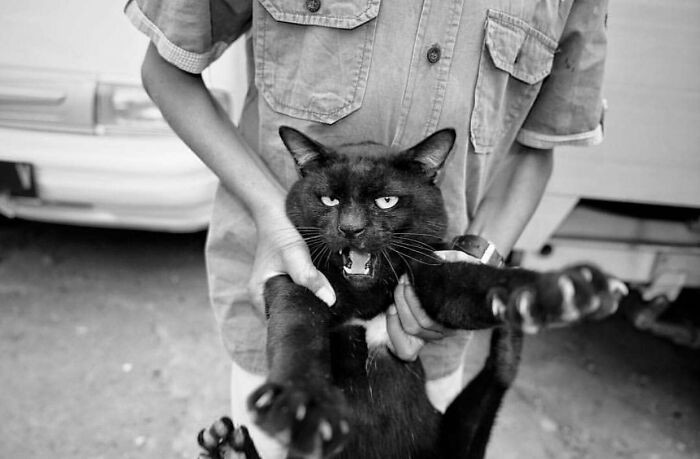
Photo By Ali Zoghadri

It's crucial to highlight their playful and affectionate behavior, which is just as present in them as in any other cat.
The media plays a pivotal role in changing the narrative surrounding black cats, as the article suggests. By presenting these elegant creatures as loving companions rather than omens of misfortune, we can reshape public perception. The portrayal of black cats in movies and advertisements has the potential to dismantle long-standing stereotypes that have unfairly tarnished their image.
Furthermore, the idea of collaborating with filmmakers and social media influencers to create captivating content is a promising strategy. This approach could not only celebrate the unique beauty of black cats but also encourage adoption and appreciation, ultimately leading to a more favorable view of these misunderstood felines.
Photo By Rangefinderx
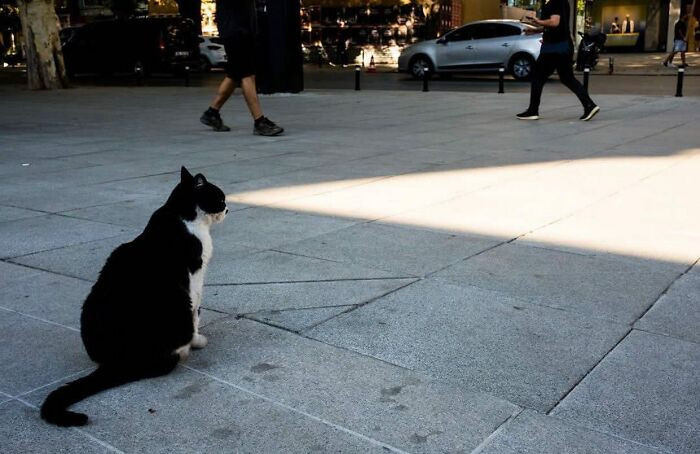
Photo By Sevil Alkan
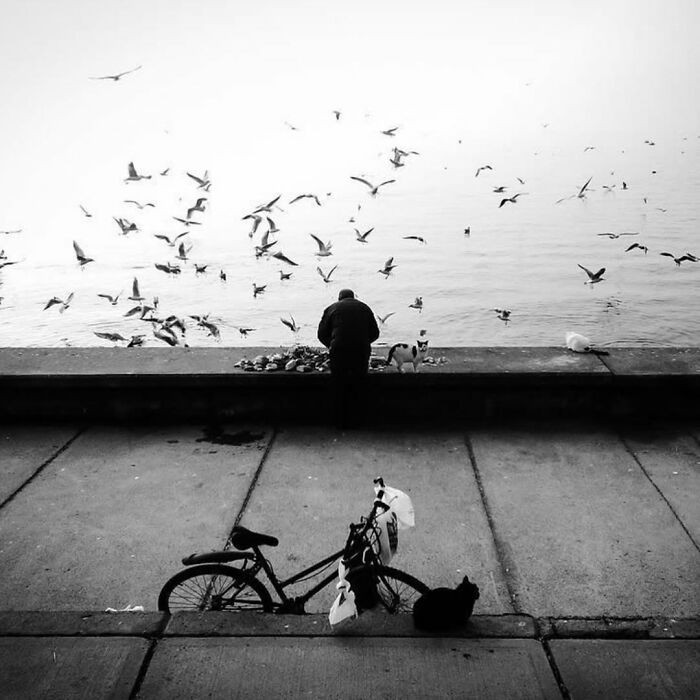
Photo By Aude Delannoy Dib
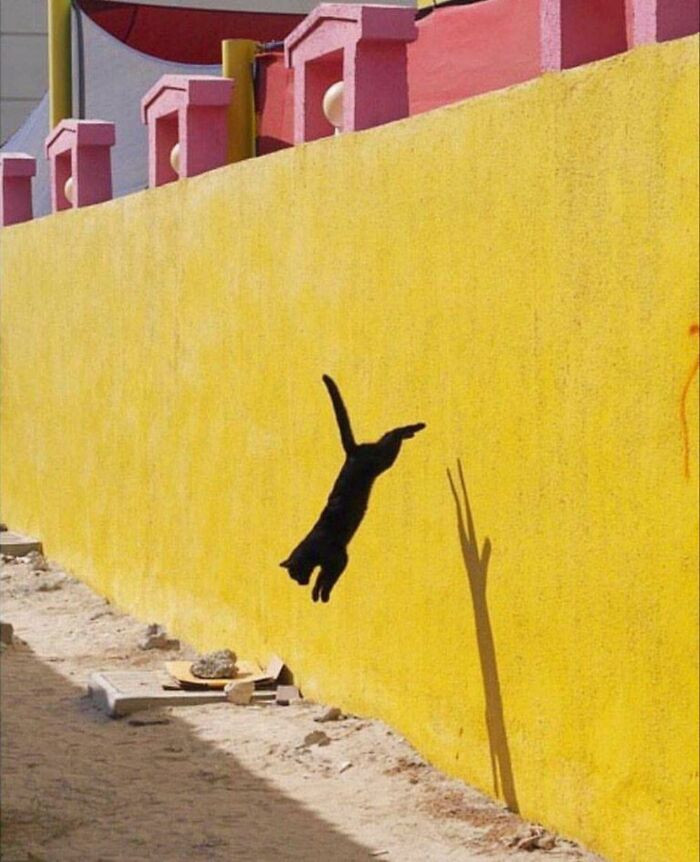
The article’s Photo By Sami Uçan moment, with black cats looking relaxed and playful, is the first crack in the “omen” narrative.
The article highlights a significant cultural bias that has long plagued black cats, portraying them as symbols of bad luck or witchcraft. This negative perception, deeply rooted in superstition, has unfortunately influenced how these beautiful animals are treated. By showcasing captivating street photos of black cats, the piece underscores the need for a shift in narrative. Increasing their representation in media and public campaigns is crucial to dismantling these outdated beliefs. By sharing stories that celebrate the affectionate and loving nature of black cats, communities can begin to change the narrative and foster a deeper appreciation for these enchanting felines.
Photo By Paul Mccain
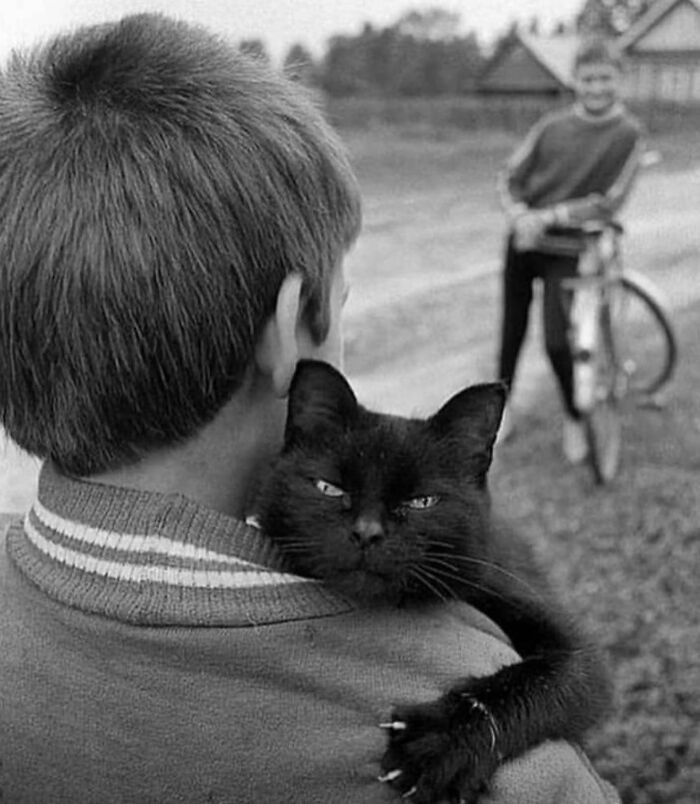
Photo By Miran Rahiim
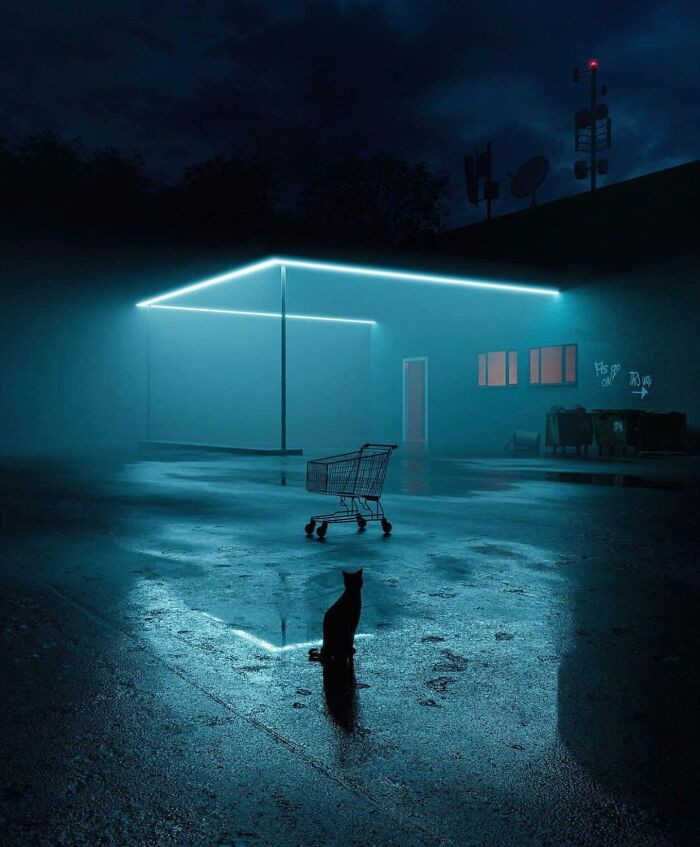
Photo By Jim
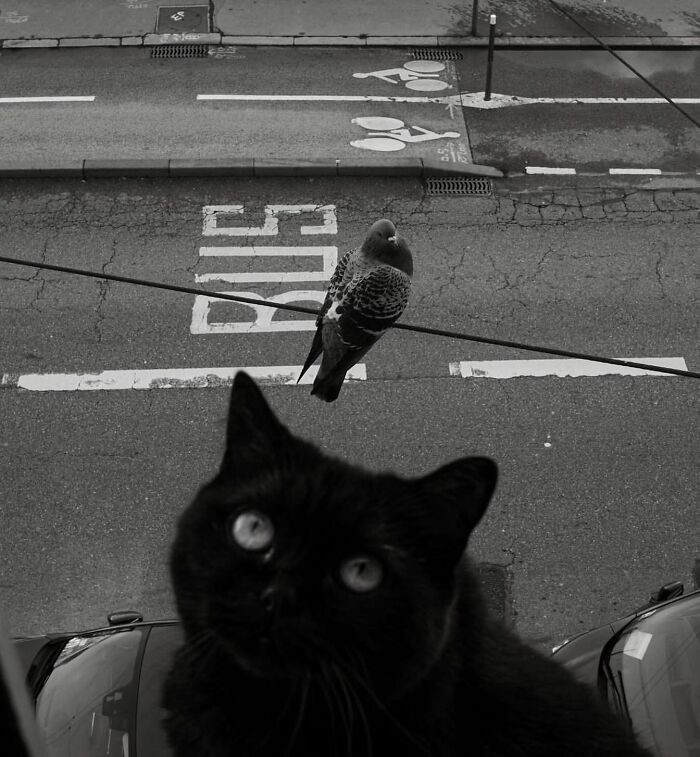
Promoting Adoption of Black Cats
Showcasing their unique personalities can make a difference.
Photo By Sami Uçan
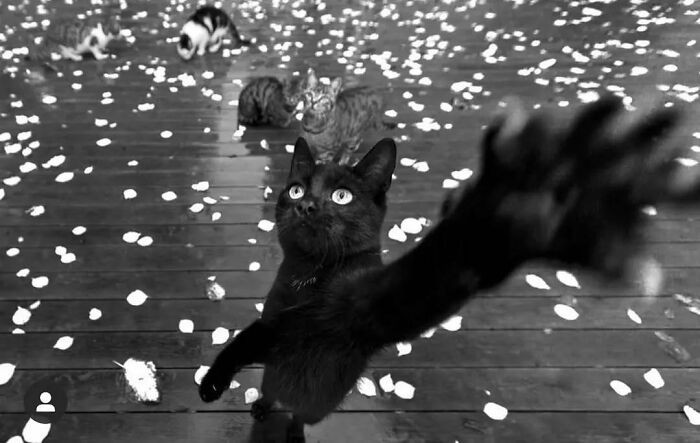
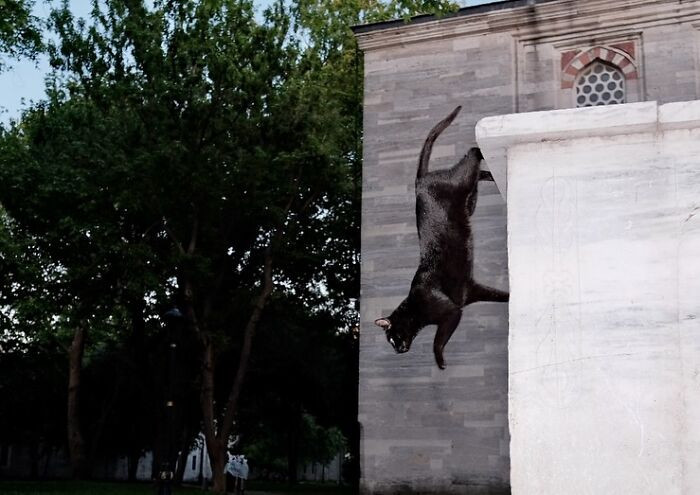
Photo By Yalım Vural
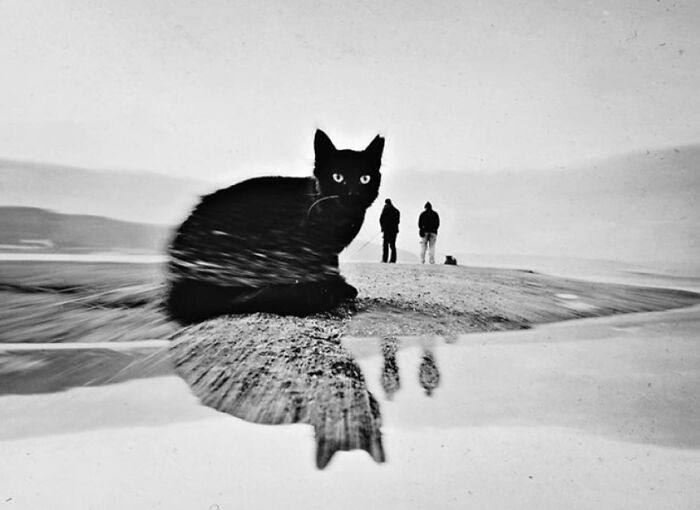
Then the page switches gears to the cultural bias, like the superstition that follows black cats into shelters and streets, even when they’re clearly just cats.
And if you want the same “black cat as loving companion” energy, see the adoptable felines in their ideal homes from “Dreamy Homes.”
Understanding the unique traits of black cats is crucial for improving their adoption rates. These cats are often affectionate and can form strong bonds with their owners, a quality that should be emphasized in adoption campaigns. Highlighting their loving nature can help dispel the myths that have long surrounded these beautiful felines.
Additionally, shelters must offer training to their staff on how to positively present black cats. By showcasing their playful and loving behaviors, shelters can change perceptions and attract potential adopters who may have previously overlooked these captivating animals.
Photo By Vitaly Zimarin
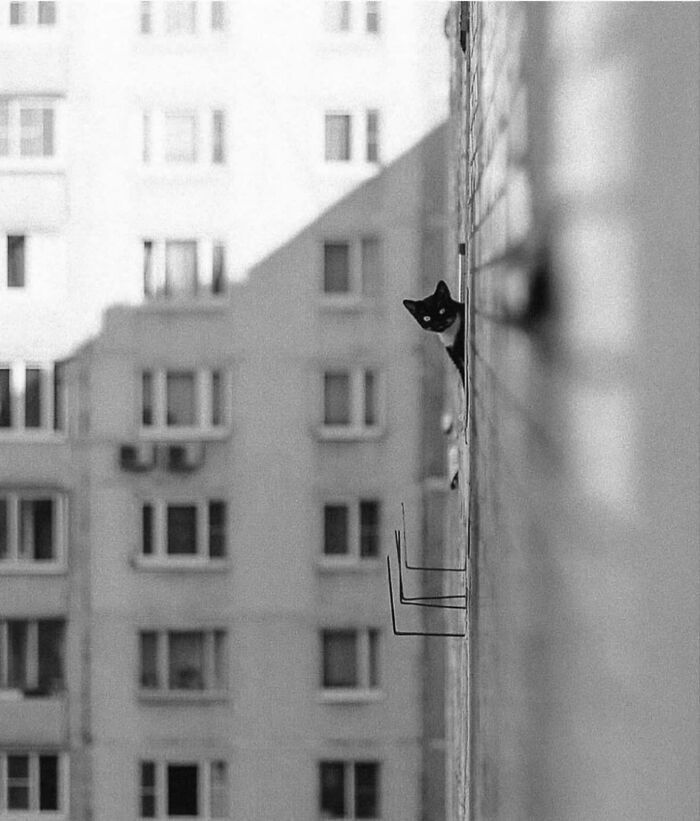
Photo By Camilo Delgado Castilla
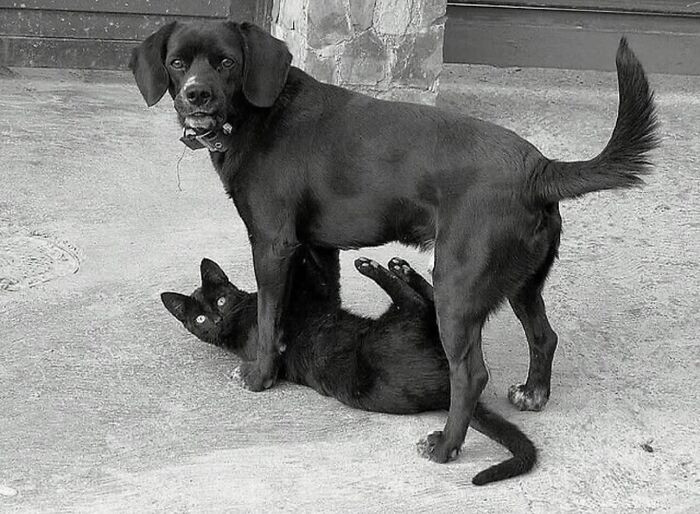
Photo By Shami

That’s why the section on promoting adoption hits harder, because the photos from Sami Uçan and Yalım Vural show personality, not fear.
Challenging Superstitions
A cultural anthropologist notes that the stigmas surrounding black cats are often rooted in historical beliefs that don’t hold up in modern society. This expert points out that while the negative perceptions persist, many people are now actively working to change the narrative. Celebrating the uniqueness of black cats through social media campaigns has proven effective in reshaping public attitudes.
By sharing positive stories and images online, communities can foster a more inviting environment for black cats, making them more desirable as pets.
Photo By Jilbertolo
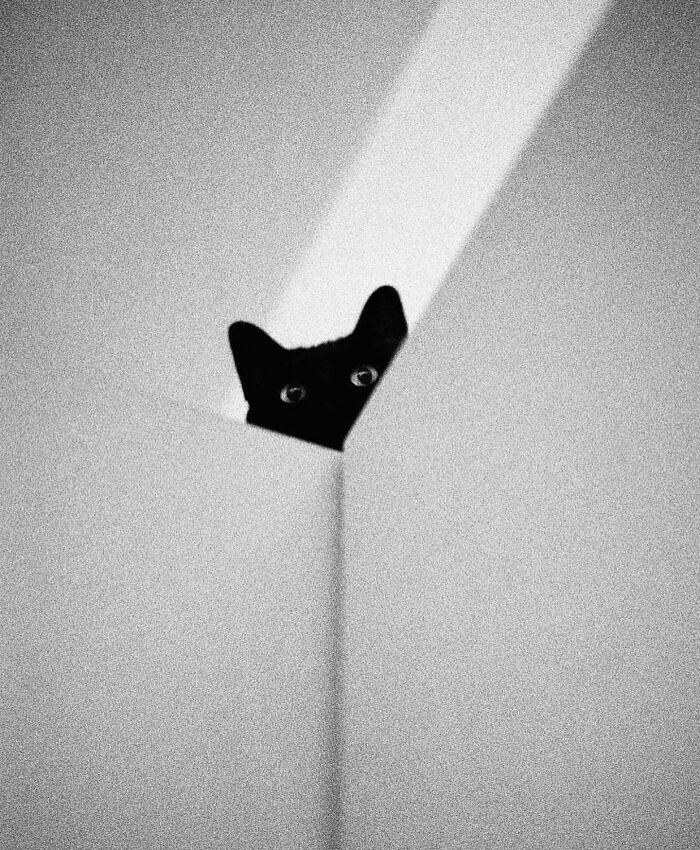
Photo By Arek Rataj
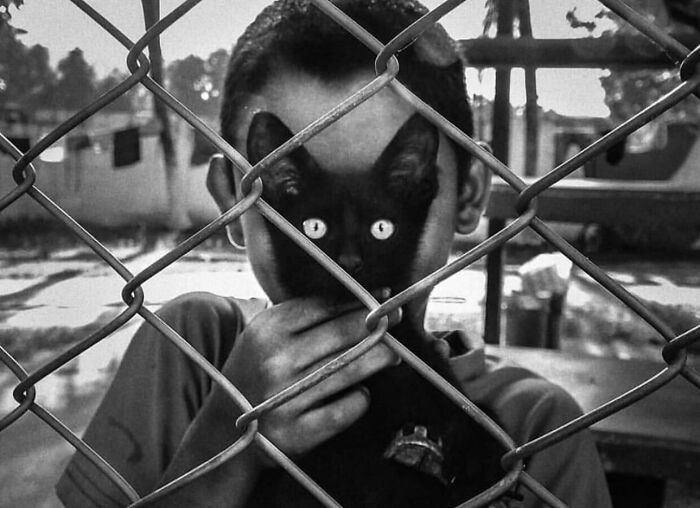
Photo By Pavel Volkov
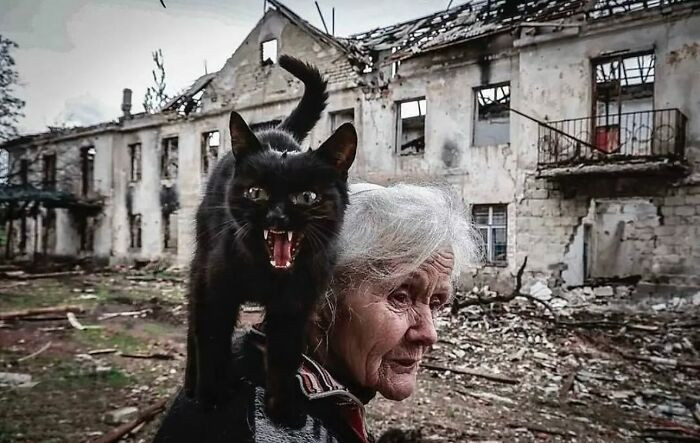
Understanding the relationship between humans and animals is vital when it comes to black cats. Many potential adopters are often swayed by deep-rooted fears and superstitions that have historically surrounded these elegant creatures. However, educational initiatives can effectively counter these misconceptions. By sharing factual information about the behavior and temperament of black cats, shelters have the opportunity to ease potential adopters' concerns.
Workshops and information sessions designed to dispel myths surrounding black cats not only serve to educate the public but also foster a supportive community for those considering adoption. This proactive approach can shift perceptions and highlight the true beauty of these misunderstood felines, ultimately encouraging more people to welcome them into their homes.
Photo By Francis James Mortimer
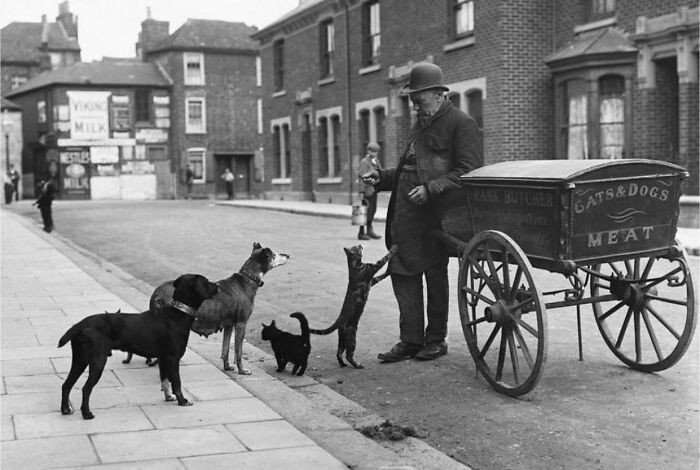
Photo By Hiro

Photo By Nadia Anemiche
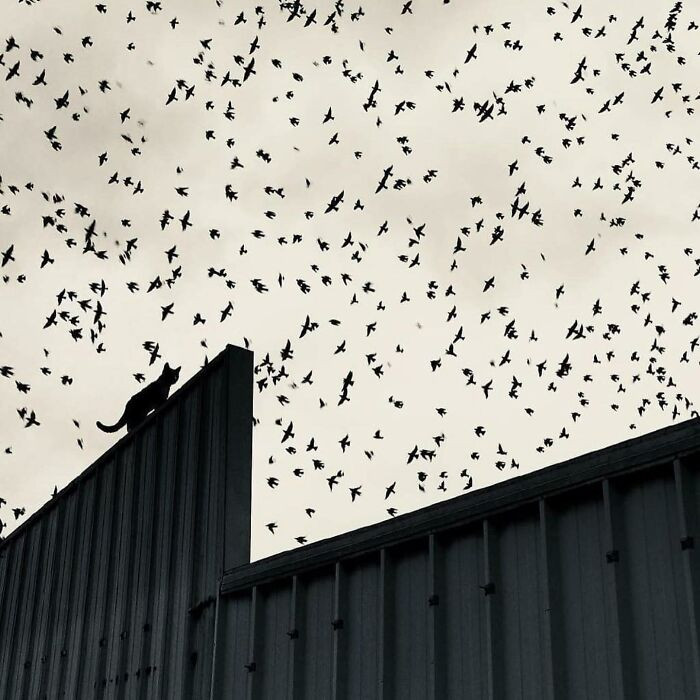
By the time you reach the “Showcasing their unique personalities can make a difference” beat, it feels like the whole point is that these cats deserve to be seen, not judged.
Creating Positive Spaces for Black Cats
Creating a visually appealing space where black cats can be showcased is essential. This could include themed decorations that celebrate their unique beauty and charm.
Additionally, fostering interactions between visitors and black cats can enhance their appeal. This hands-on approach can help potential adopters see these animals in a new light, encouraging them to consider adopting a black cat.
Photo By Victor Cervantes
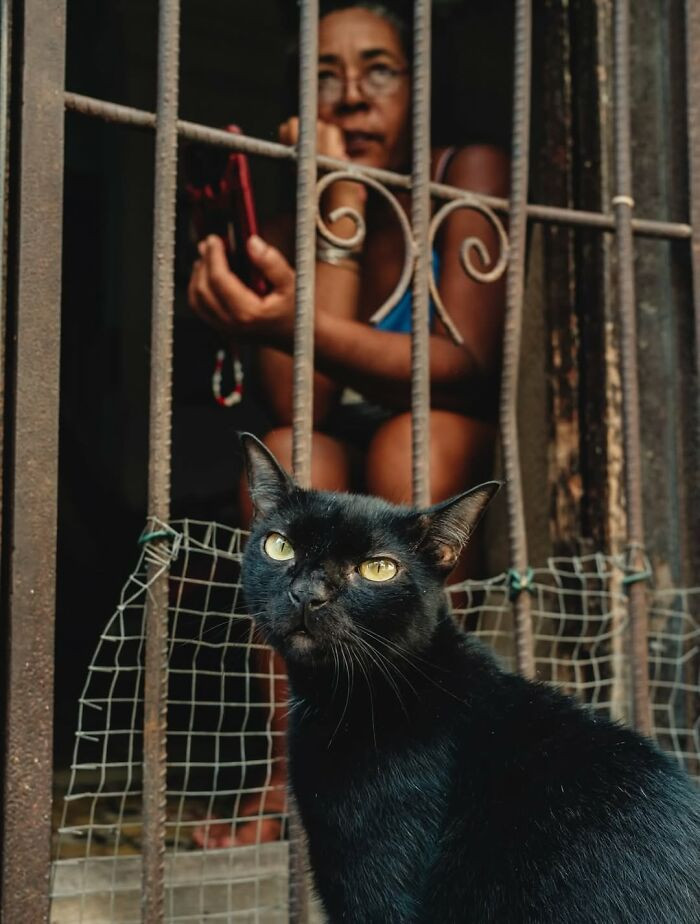
Photo By Stephan Bordy
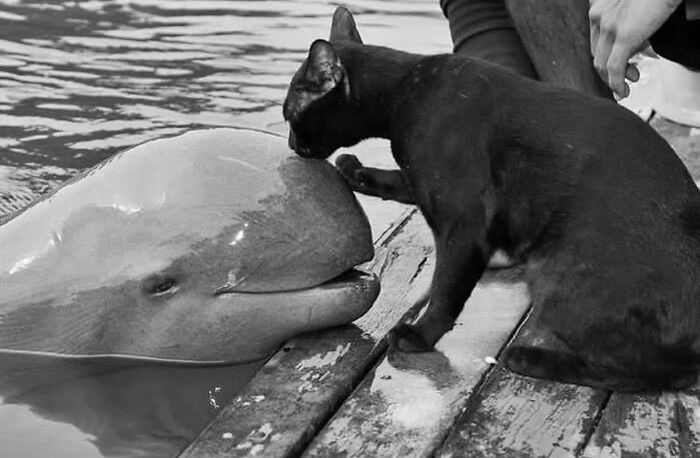
Photo By Sami Uçan
The article underscores a vital aspect of black cat ownership that often goes overlooked: health education.
Photo By Uwais
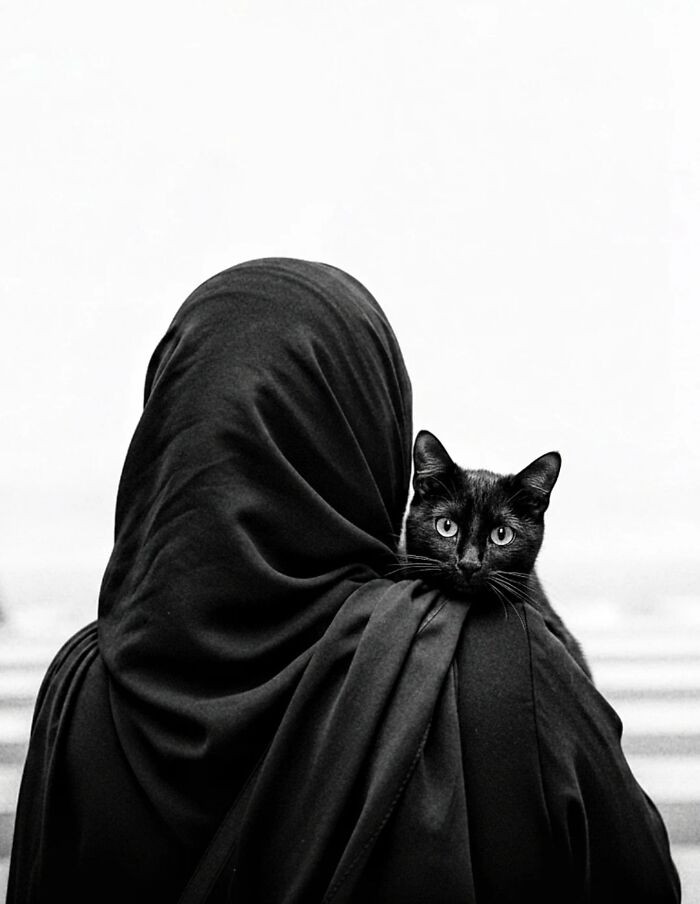
Photo By Okira Kuoki
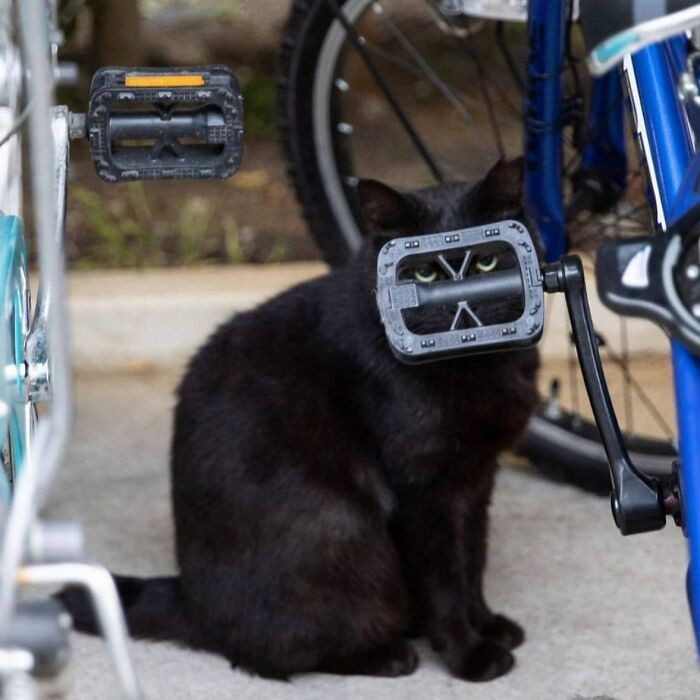
In the end, black cats are far more than symbols of mystery; they’re living reminders that beauty often hides in the shadows. For too long, superstition has clouded how people see them, but these stunning street portraits reveal the truth: black cats are graceful, curious, and full of quiet charm.
Each image tells a story of resilience and individuality, proof that their dark coats don’t conceal darkness but rather radiate a unique kind of light.
As you finish this visual journey, perhaps you’ll see black cats a little differently, not as unlucky omens, but as everyday marvels that carry history, elegance, and spirit in every step. They don’t just walk the streets; they command them with quiet confidence.
And maybe that’s the real magic they’ve had all along.
The evolving narrative surrounding black cats is ripe for transformation, shifting from outdated superstition to a vibrant celebration of their true essence. The article emphasizes the importance of education, representation, and community engagement in altering societal perceptions. By highlighting the unique personalities and affectionate nature of these beautiful felines, we can pave the way for more black cats to find loving homes.
Creating a supportive environment for these elegant creatures is essential. Through collective efforts, we can redefine black cats from being viewed as symbols of misfortune to being cherished companions, worthy of the same love and recognition as any other pet.
If these street photos can win people over, the real “bad luck” is the stereotype that never got updated.
Want more street-level cat magic, check out Helin Bereket’s tribute to city cats.
Share this article:





