
This Bird That Has A Mischievous Pattern Looks Like Quite The Adorable Troublemaker

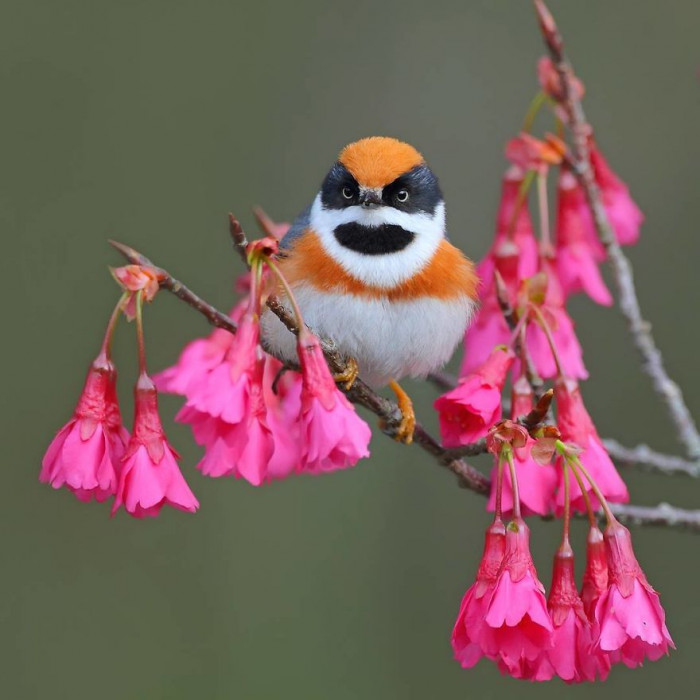
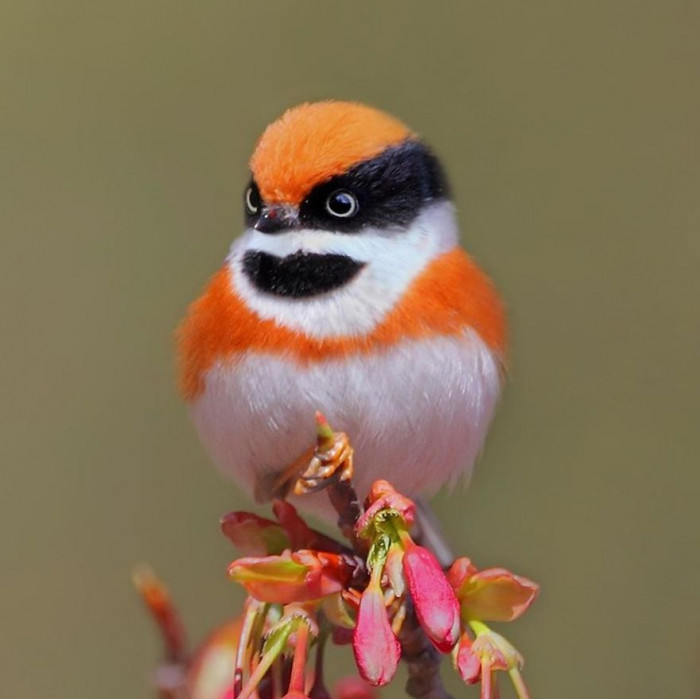
The black-throated bushtit looks like it was born to cause a little trouble, with a dark bandit mask and a grin-like mark on its throat. That tiny face has made the bird a favorite for wildlife fans, especially when photos catch its bold pattern up close.
Known scientifically as Aegithalos concinnus, this small passerine lives across eastern and southern Asia, including Nepal, Bhutan, northeastern India, Bangladesh, Myanmar, Cambodia, Laos, Vietnam, Thailand, Taiwan, and parts of China. Its plumage can vary by region, but the mask, throat mark, and social habits make it easy to recognize.
From its mixed flocks to its busy breeding season, this little bird has plenty going on. Read on.
This cute little bird with a permanent grin is called the black-throated bushtit, and its mark gives it a permanent grin.
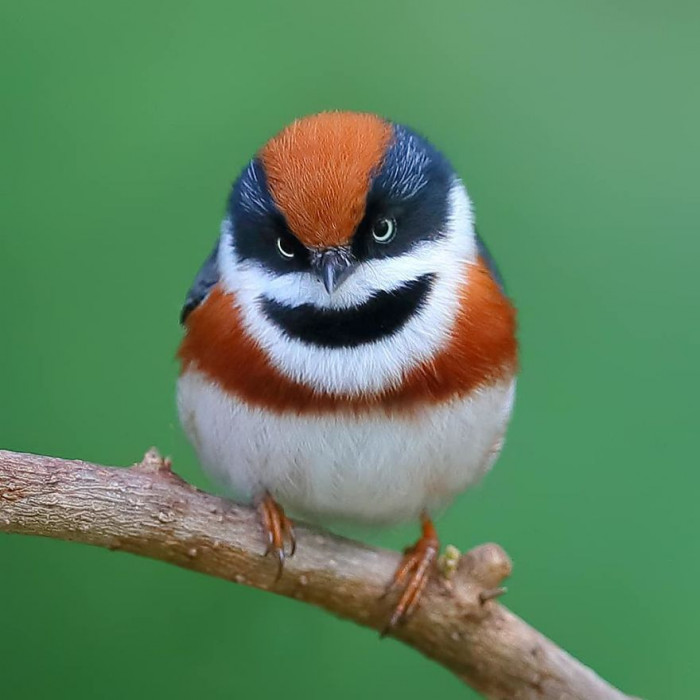
They weigh about 4-9 grams and are typically only 10.5 centimeters or 4 inches in length.
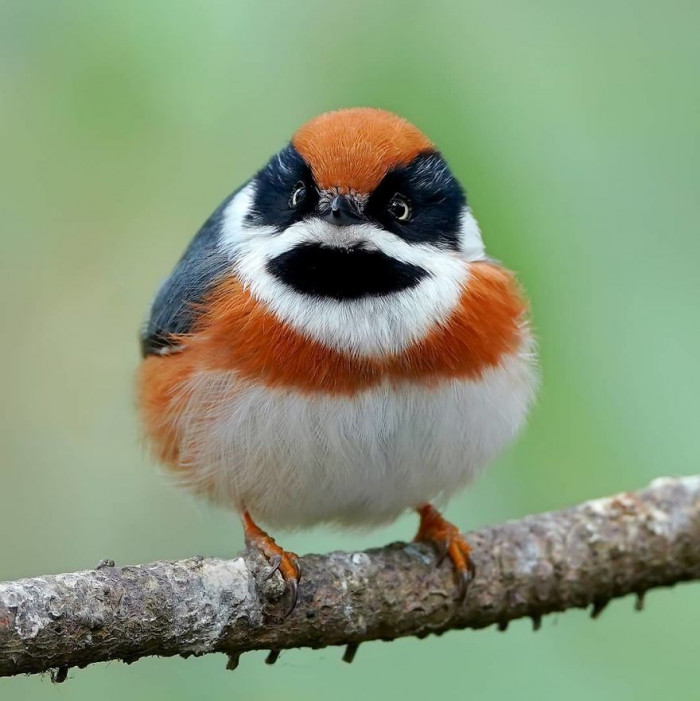
Chen Chengguang, a Taiwanese wildlife photographer who specializes in bird photography, has shared photos of these birds that he captured online.
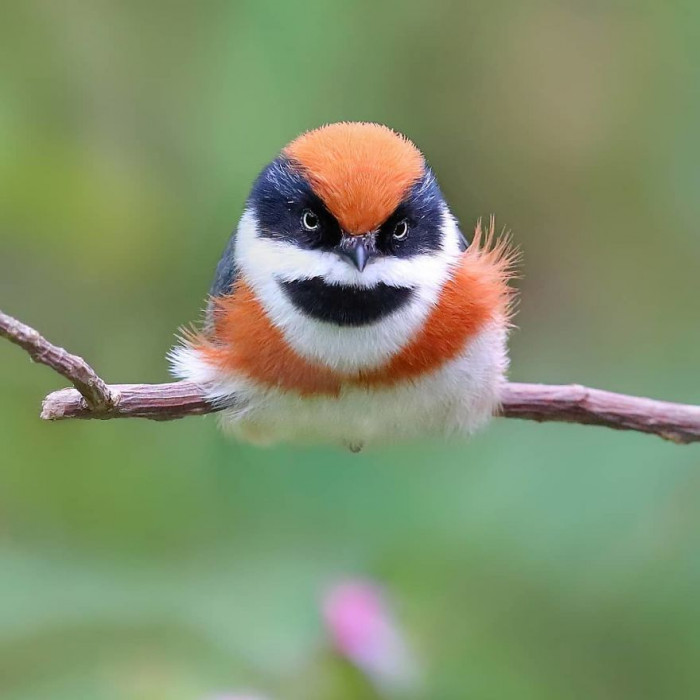
These species have varying plumage, but all subspecies have tails of the same length, along with their famous black throat and the black bandit mask around their eyes.
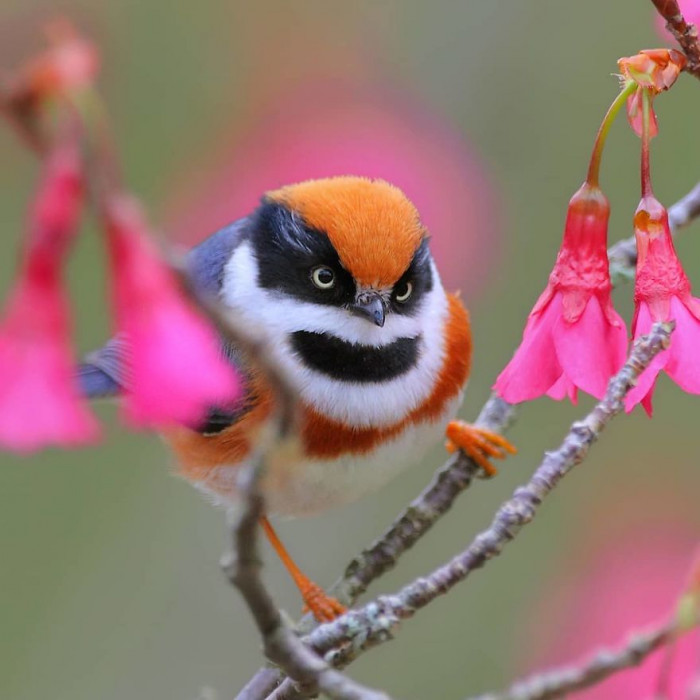
Their population extends from the foothills of the Himalayas all the way to northern India, northeastern Bangladesh, Bhutan, Nepal, northern Burma, Taiwan, and Vietnam.
Some other populations have also been found in southern Vietnam, northern China, and the island of Hainan.
They can also be found near the Yellow River.
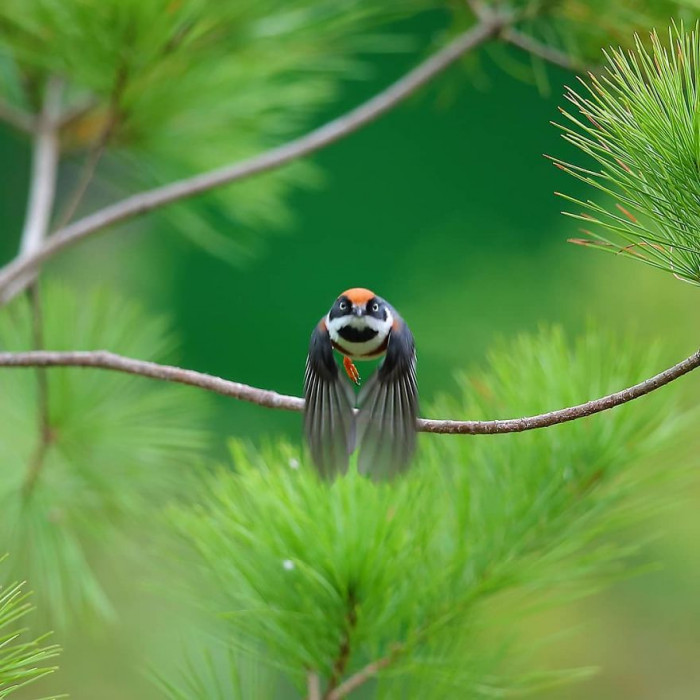
They prefer to live in open forests, especially in mid-latitude areas.
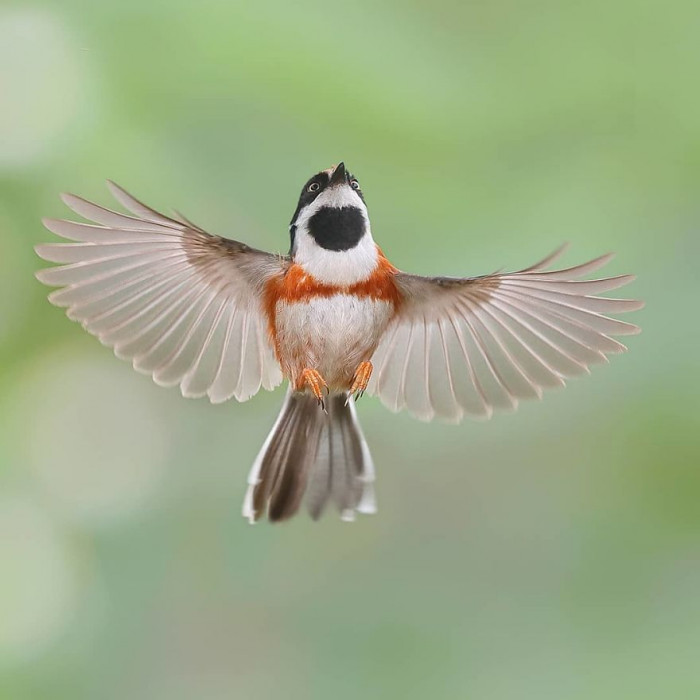
It is a very social bird, traveling in flocks of up to 40 individuals.

And if you’re craving another “wait, that can’t be real” moment, check out this Indian giant squirrel that looks too good to be true.
They enjoy feeding on berries and seeds.

However, they also eagerly consume any insects or spiders they happen to encounter.

They also love raspberries!

Breeding pairs in their flock may stay together for years.

They are monogamous and usually produce one brood each year.

They typically breed between February and May.

The females lay about five to eight eggs per clutch.

Their nests are made of moss, spider webs, lichen, and other materials.

The young are then fed spiders and insects by both parents.

The chicks are ready to fledge by 16 to 17 days.

Like other bushtit species, they display very cooperative behavior when it comes to breeding.

Sometimes, the parents may even have one or two helpers to raise their young.

These bushtits do not have territorial calls, but they do exhibit high-pitched calls, trills, and sputters.

As of now, the black-throated bushtits are classified under the Least Concern category and are unlikely to be in danger anytime soon, given their numbers. Habitat loss may pose a potential threat to them, but at present, there is no immediate threat.
Comment with your thoughts, or share this article for all your family and friends to see!
Want more adorable troublemakers? See the masked cardinal rocking a black-and-white coat against a red head.
Share this article:





