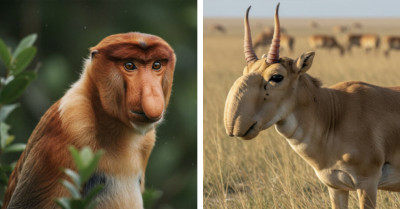
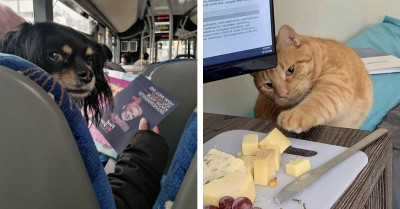
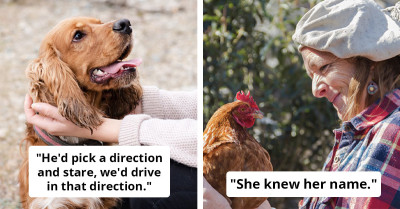
Get Your Booping Fingers Ready, 40 Pictures Of The Most Boopable Snoots

Some animal photos are cute, and then some are basically begging for a boop. This roundup is packed with snoots, snouts, and tiny noses that look ready for a gentle tap.
From dogs and foxes to sloths, bats, and a few surprise contenders, the pictures here all have one thing in common, they make it very hard not to reach out and boop the screen. The Reddit captions do a lot of the heavy lifting too, turning each animal into a tiny invitation for affection.
Scroll through the most boopable snoots on the internet, and try not to pick a favorite. Read on.
Get ready to boop the screen

1. Leopard looks worthy of a boop

2. Fox boops the camera

The whimsical act of booping a snoot may seem trivial, but it taps into deeper emotional connections. The article showcases a variety of adorably boopable noses, each eliciting a playful response that reinforces our innate desire for bonding and intimacy.
This playful interaction can serve as a reminder of the importance of emotional connections in our lives. Engaging in these light-hearted interactions not only brings joy but can also remind us of the simple ways we can nurture our relationships, both with our furry friends and among ourselves.
3. He begs for boops!

4. My coworker brought in her greyhound to work and I've never seen a snoot more majestic

5. My friend has a whippet and as soon as I saw this picture I knew you guys would appreciate it

Research in social psychology highlights the profound impact of social support on mental health.
6. Waiting to be booped

7. Monday boop 👆🐽😍

8. Happy Friday🎉🎉

The whimsical world of animal noses, especially in the context of the latest collection of adorable snoots, highlights the emotional power of simple actions like booping. This delightful practice not only showcases the unique characteristics of various animals, from the flat faces of bulldogs to the elongated noses of elephants, but also taps into a shared human experience of joy and affection. The article emphasizes that these charming interactions can lift our spirits.
Just as cognitive behavioral strategies encourage the identification of negative thought patterns, the act of booping serves as a reminder to focus on moments of happiness. Engaging with these animals fosters a sense of connection and lightheartedness. This playful action can help counterbalance the stresses of daily life, similar to how reframing negative thoughts can lead to a more positive outlook. The pictures featured in the article not only invite us to engage with these creatures but also prompt us to embrace the joy they can bring into our lives.
9. Jake would like to know what he has to do to get a boop around here.

10. Perfect looking snoot to boop

11. bat snoot :)

This principle has been effectively used in various settings, including education and therapy, to promote desirable behaviors.
12. pls boop

13. Sloth that got curious about my camera at the Duisburg Zoo

14. Boop the snoot

Mindfulness practices have gained traction in psychological circles, particularly for their effectiveness in reducing anxiety and enhancing emotional regulation. Specifically, studies show increased gray matter density in the prefrontal cortex, which is responsible for executive functions, including decision-making and self-control.
To incorporate mindfulness into daily life, individuals can start with just a few minutes of meditation each day, focusing on their breath or bodily sensations. Over time, this practice can lead to significant improvements in emotional well-being and stress management.
15. To me, you are perfect.

16. Little boop snoot

17. Booop 👆

Keeping a daily gratitude journal, where individuals reflect on what they appreciate in their lives, can shift focus away from comparison and promote a more positive self-image. Engaging in this practice can significantly enhance overall life satisfaction.
Boops are cute, but they are not the only face-time your dog has in mind, as dog owners reveal the real reasons behind licking your face.
18. would boop regardless of consequences

19. Booping Poncho with the new camera lens.

20. Forbidden Scaly Boop with Bonus Mlem

Regularly expressing gratitude has been shown to increase happiness, reduce depression, and enhance overall life satisfaction.
Incorporating a gratitude practice into daily life can be as simple as writing down three things one is thankful for each day. This shift in focus can change how individuals perceive their lives and relationships, fostering a more positive outlook and reducing negative thought patterns.
21. Lady!

22. Peek a boo

23. Woody gets very scared before vet appointments, and the only thing that calms him down is playing Disney songs in the car beforehand.

Research indicates that emotional intelligence (EI) plays a crucial role in personal and professional success.
24. Boop the heart.

25. Hello!♡

26. Maverick wants you to boop him

Resilience is the ability to bounce back from adversity, and it's a trait that can be developed over time.
To cultivate resilience, individuals can focus on building strong social networks and actively seeking support when needed. Engaging in community activities and fostering connections with friends and family can buffer against stress and enhance an individual's capacity to cope with difficulties.
27. Inverted pupper in desperate need of a boop.

28. boop the blep

29. Heckin needs a Boop

Regularly expressing gratitude has been shown to increase happiness, reduce depression, and enhance overall life satisfaction.
Incorporating a gratitude practice into daily life can be as simple as writing down three things one is thankful for each day. This shift in focus can change how individuals perceive their lives and relationships, fostering a more positive outlook and reducing negative thought patterns.
30. May I offer you a snoot to boop in these trying times

31. I am 3 years old!

32. Rainbow boop

Research shows that individuals who practice self-compassion experience higher levels of emotional well-being and lower levels of anxiety and depression.
To cultivate self-compassion, individuals can practice mindfulness and self-kindness, recognizing that suffering is a shared human experience. Engaging in self-affirmative statements and setting realistic expectations can also help foster a gentler approach to self-criticism and promote emotional resilience.
33. Give me all the boops, please!

34. Double boop

35. Cruising for a booping.

36. All the dogs here are getting boops, Sprinkles would also love to get one.

37. Snoot is ready to be booped 👆

38. This is Miles. He requests no boops at this time.

39. Boopable Snoot

40. He would really appreciate a boop

I hope you enjoyed these adorable snoots and got some quality boops in! Even if they may not have been as satisfactory as real-life boops.
Have you ever experienced the most perfect boop? I wanna hear all about it in the comments section below.
If you haven’t, we’re still curious about which of the pictures shared was your favorite. And don’t forget to share these boopable noses with your friends and family!
In the context of this delightful exploration of animal noses, the concept of booping transcends mere playfulness to reveal deeper psychological connections between humans and animals. The act of gently tapping a cute snoot not only brings joy but also fosters emotional bonds. Engaging with these animals highlights our innate desire for connection and affection, reflecting the importance of nurturing relationships in our lives. The whimsical nature of booping serves as a reminder that simple actions can enhance our emotional intelligence and promote well-being. As we take a moment to appreciate the unique variations in animal noses, we also engage in a small yet significant act of kindness that can uplift our spirits and reinforce the bonds we share with our furry companions.
Wondering what your dog means by that “boof” sound, too? Learn why dogs make it, as an expert explains the mysterious “boof”.
Share this article: