Frustrated Lady Calls the Cops on Her Neighbor's Loud "Therapy Chickens," Gets Termed Heartless

A 28-year-old woman decided her neighbor’s “therapy chickens” had crossed the line, then called the non-emergency police line because the noise was relentless. And instead of getting sympathy, she got hit with a brand-new label: heartless, ableist, and apparently the villain in someone else’s emotional-support universe.
Here’s the messy part, her neighbor claimed the birds were emotional support animals meant to help with anxiety, so the usual “please quiet down” route didn’t work. The OP wasn’t anti-ESAs in general, she was annoyed that the coop and the constant clucking were too close and too loud, turning her home into a daily soundtrack of chaos.
It started as a noise complaint, but it turned into a full-on neighbor feud with code enforcement looming and “emotional support nap” energy on the line.
The Headline
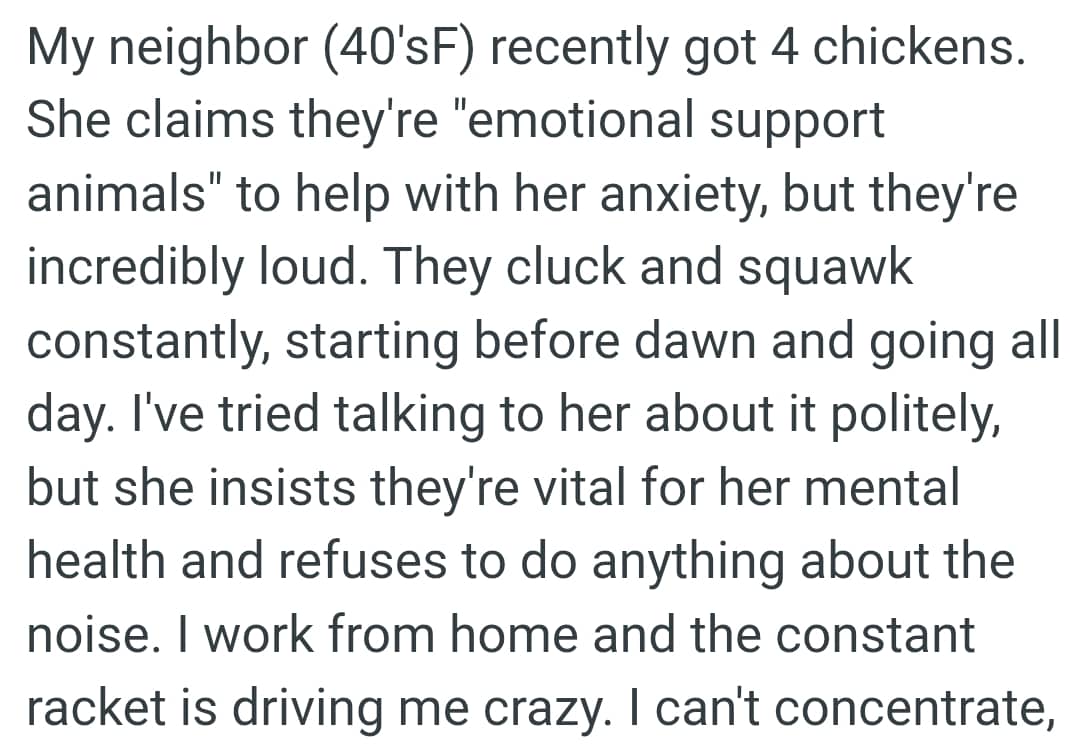
She Claims They're "Emotional Support Animals" to Help with Her Anxiety
The OP Finally Snapped and Called the Non-Emergency Police Line to Report a Noise Violation
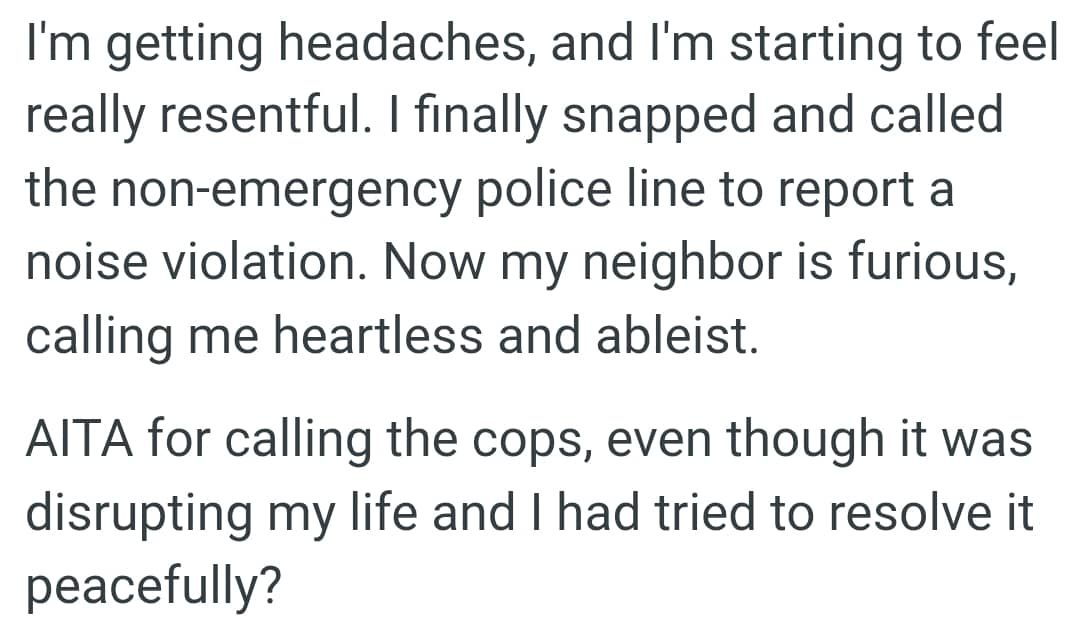
The OP finally snapped after the chickens kept making noise, even while her neighbor insisted they were “emotional support animals” for anxiety.
It's vital to foster a balance between personal comfort and community peace.
Moreover, implementing noise-reduction strategies, such as soundproofing or creating designated quiet hours, can significantly improve neighborly relations and prevent future disputes.
OP Has Offered the Following Explanation for Why They Think They Might Be the A-Hole:
I think I might be the a-hole because I called the cops on my neighbor over the chickens, and now she is calling me ableist. However, I am not against ESAs in general; it's just that the chickens are too loud, so I'm not sure who's right here.
And the Comments Roll In...

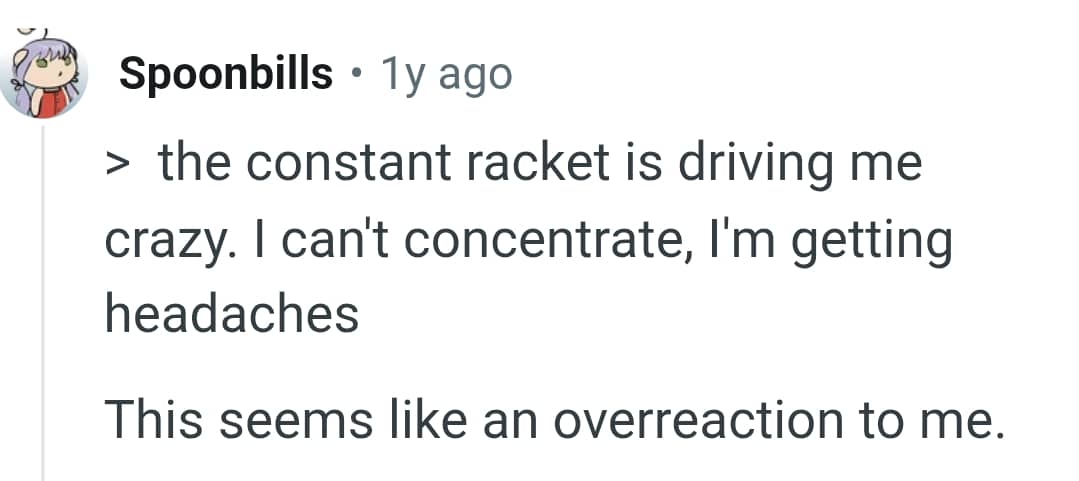
This Redditor Believes the OP Is Overreacting
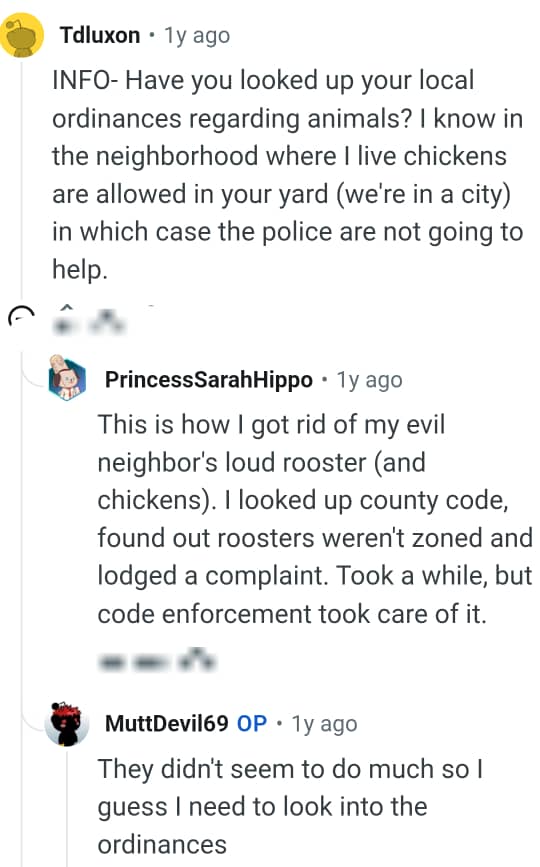
How This Redditor Got Rid of Their Evil Neighbor's Loud Rooster
That’s when the neighbor fired back, calling the OP ableist for reporting a noise violation instead of just living with it.
The rise in popularity of emotional support animals (ESAs) has sparked debate within communities.
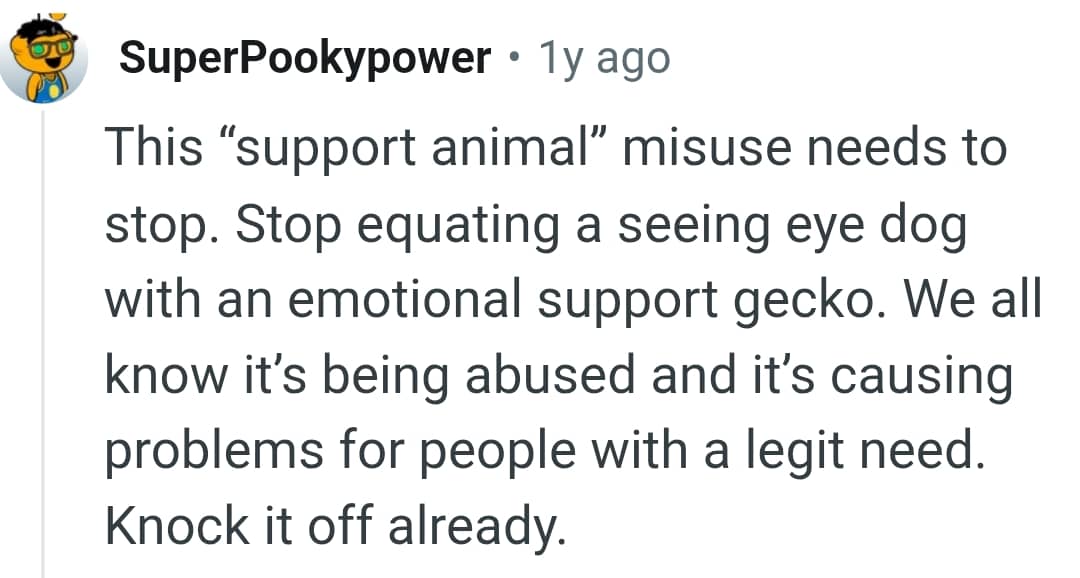
We All Know That Word Is Being Abused
In the comments, people debated whether the OP was overreacting, while others argued the rooster and coop were just too close to a residential building.
The OP Left This Hilarious Update Later On
I spent some time looking into it; there does appear to be a city ordinance that says you cannot have a coop within 300 ft of a residential building, which this definitely is. I will be calling code enforcement tomorrow, and then I can finally have my emotional support nap.
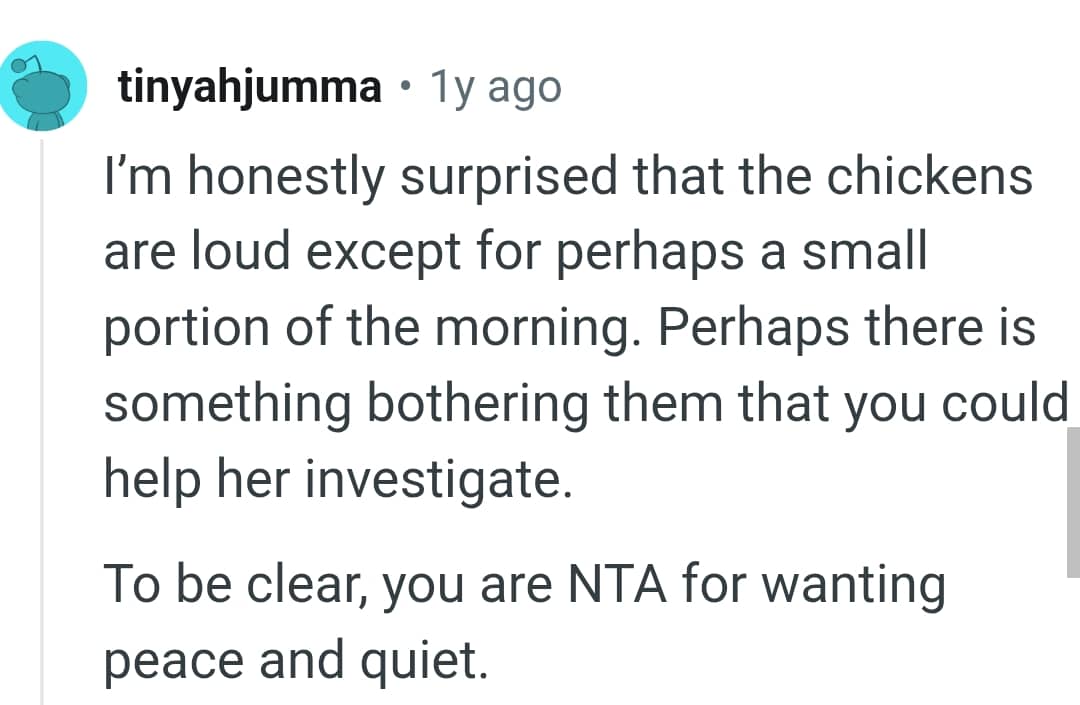
There Might Be Something Bothering Them
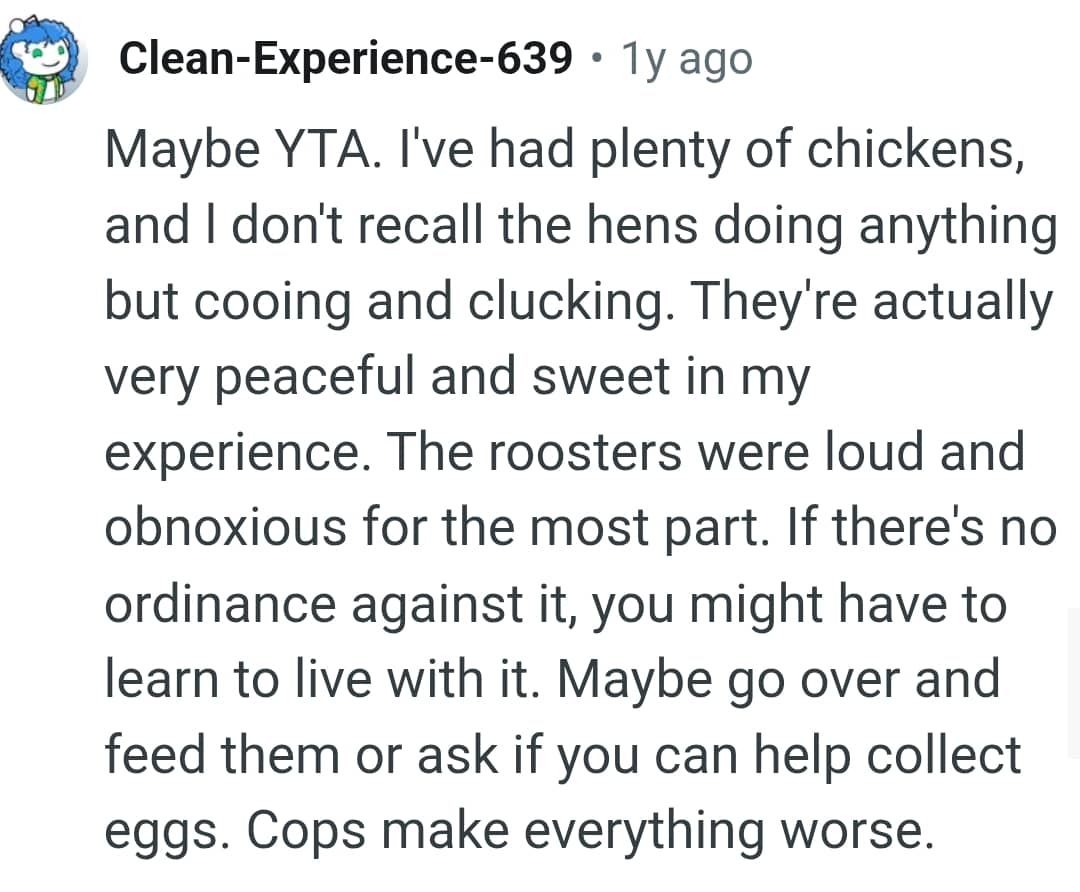
They Are Actually Very Peaceful and Sweet
Consider scheduling a time to discuss these issues calmly, which can pave the way for a more peaceful living environment.
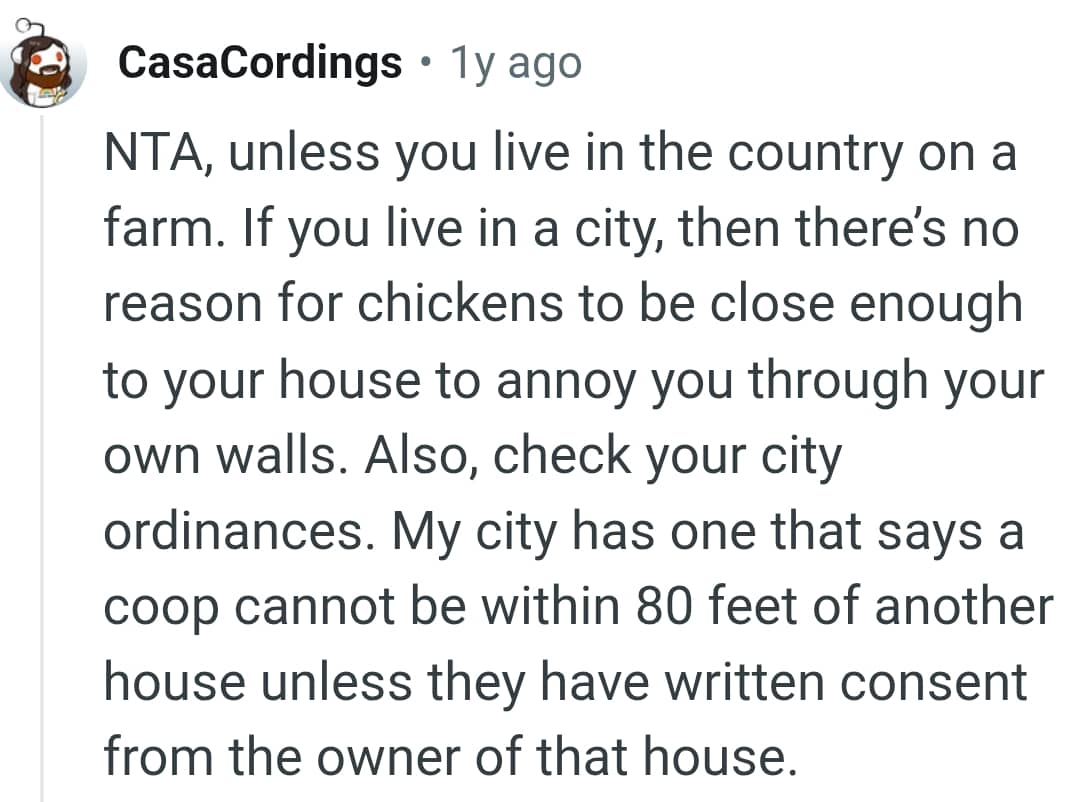
There's No Reason for Chickens to Be Close Enough
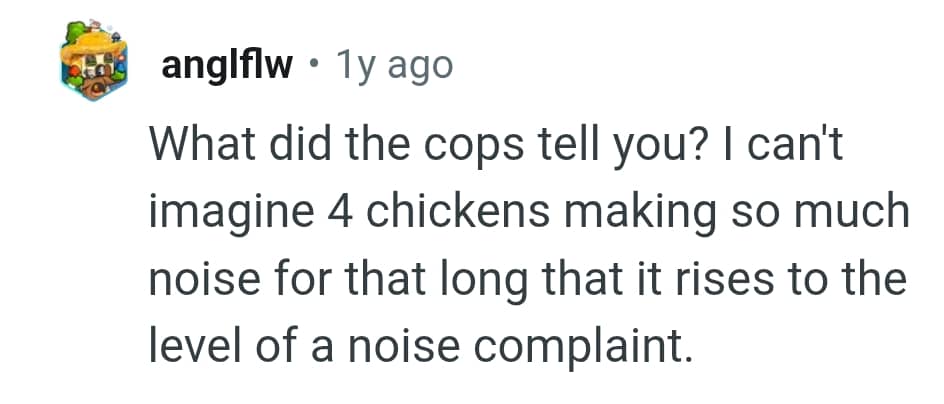
This Redditor Wants to Know What the Cops Told the OP
The OP later updated that she found a city ordinance about coop distance, and she planned to call code enforcement the next day.
The debate surrounding emotional support animals highlights the balancing of individual needs with community concerns.
This incident underscores the delicate balance between individual emotional needs and the collective harmony of a community. The neighbor's reliance on her "therapy chickens" indicates a profound emotional connection, illustrating the role that such animals can play in supporting mental health. Conversely, the frustration expressed by the other resident sheds light on how noise disturbances can disrupt one’s peace and security at home. This scenario exemplifies a fundamental clash of rights; both individuals are in pursuit of comfort and stability. Without open dialogue and a willingness to compromise, the tension between their differing needs will likely intensify, leading to further discord in their living environment.
Ultimately, the balance between personal well-being and community harmony is vital.
Now she’s basically waiting for the chickens to get relocated, because nobody wants “therapy” that sounds like a farmyard at 6 a.m.
Don’t miss the Redditor who refused to remove her pet chicken after neighbors complained.
Share this article: