
Clock Into These 50 Adorable Pictures Of Baby Animals To Start Your Day On A Bright Note

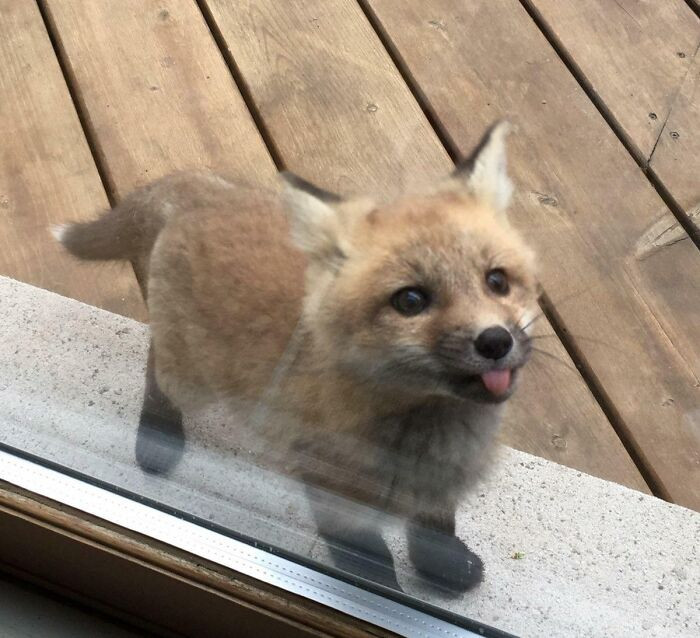
A baby fox just showed up to say hi at my grandmother’s house, like it owned the place. One minute everyone’s rushing around, the next minute there’s this tiny striped blur watching from the yard, and suddenly the whole day feels softer.
But this wasn’t just “cute for cute’s sake.” The same week had everything from a sleeping baby tiger at Animalia Park in Sao Paulo to Miss Stripey being taken into custody, plus foster kittens with round kitty tums and a baby boy still in his milking phase. Even the photos of baby pandas and little miniature horses hit that same nerve, because you can’t look at them without thinking about how quickly “adorable” can turn into “someone needs help.”
So yeah, these aren’t random snapshots, they’re reminders that the smallest lives can pull the biggest feelings right to the surface.
1. A Baby Fox Showed Up To Say Hi At My Grandmother's House
2. Really Cute
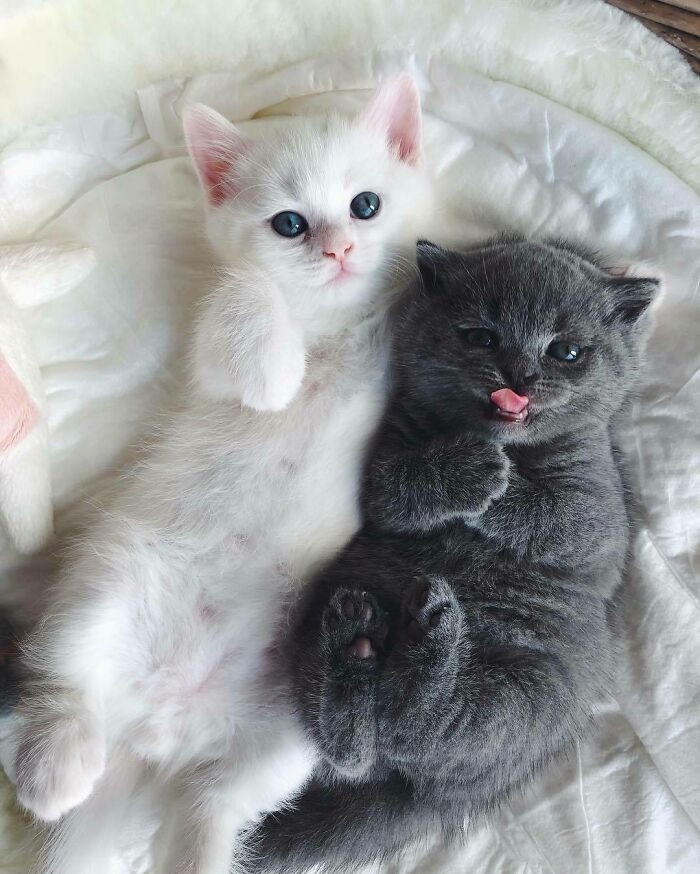
3. My Sweet Foster Babies, Featuring Their Round Kitty Tums
Research suggests that positive interactions with baby animals can reduce stress and improve mental well-being.
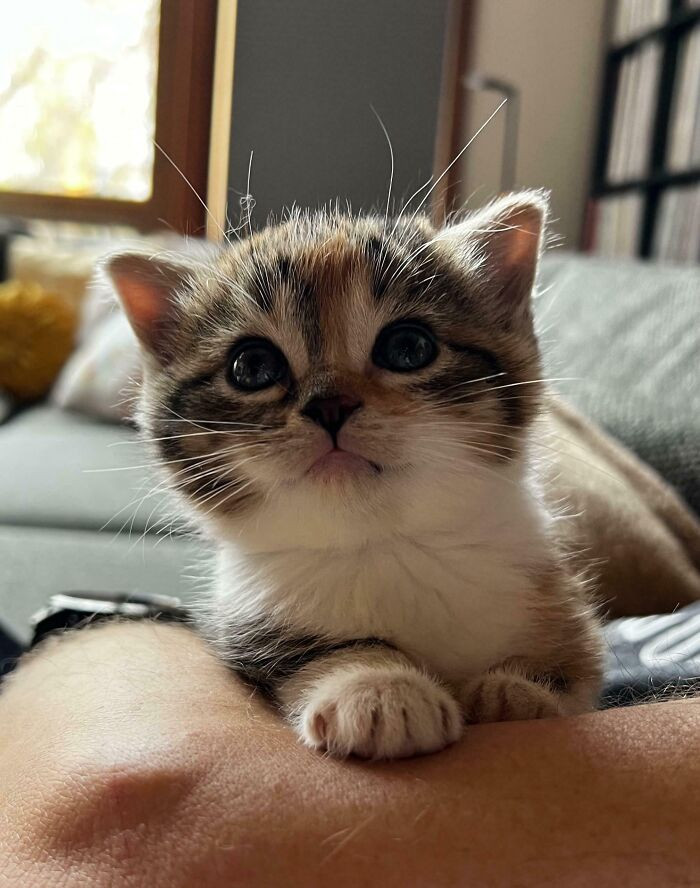
4. Miss Stripey Has Been Taken Into Custody
5. Baby Pandas
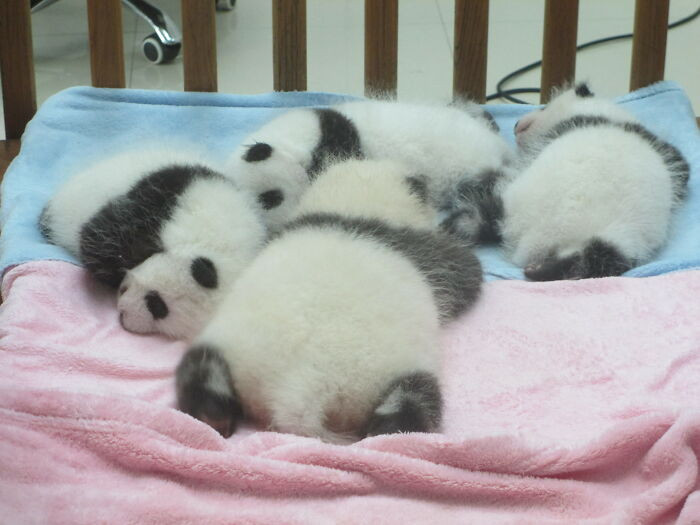
6. So Much Cuteness
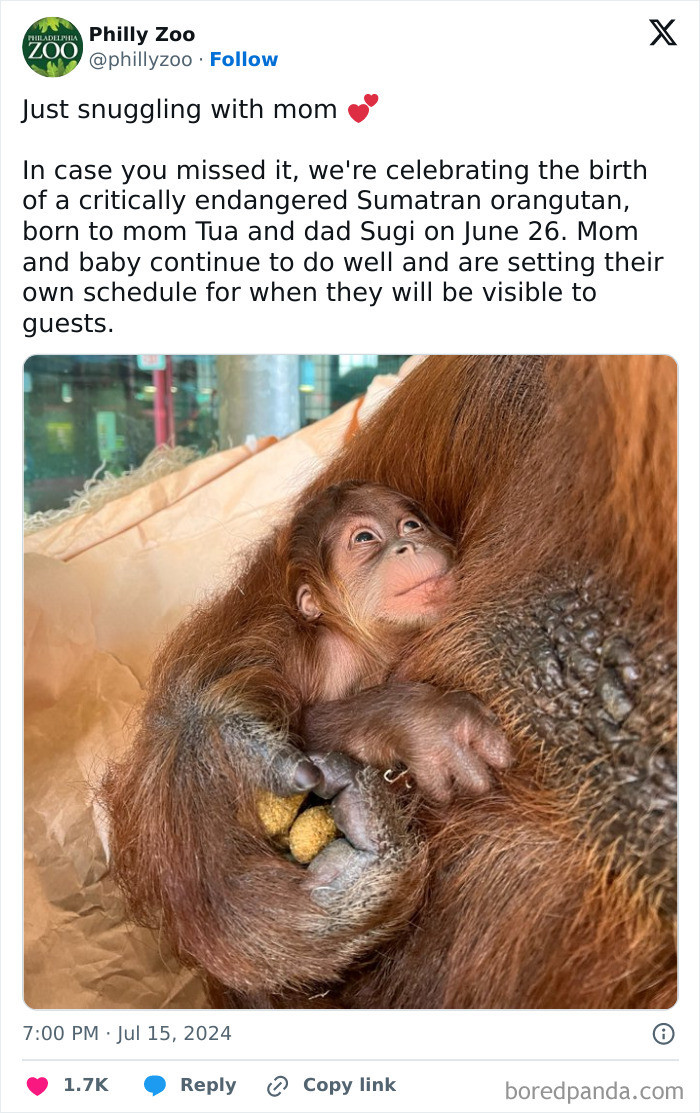
The article highlights the enchanting characteristics of baby animals, such as their round faces, big eyes, and small noses, which evoke a delightful response in our brains. This reaction is rooted in our evolutionary history, as these features trigger caregiving instincts that foster emotional connections between humans and animals. By showcasing these adorable creatures, we are reminded of the importance of empathy and compassion in our relationships with wildlife. Such an understanding not only enriches our interactions but also emphasizes the need for conservation efforts to protect these charming beings in their natural environments. As we admire these images, we are encouraged to reflect on our role in ensuring their survival.
7. I Think This Is The Only Time She's Stood Still For Me To Take A Photo. Baby Socks
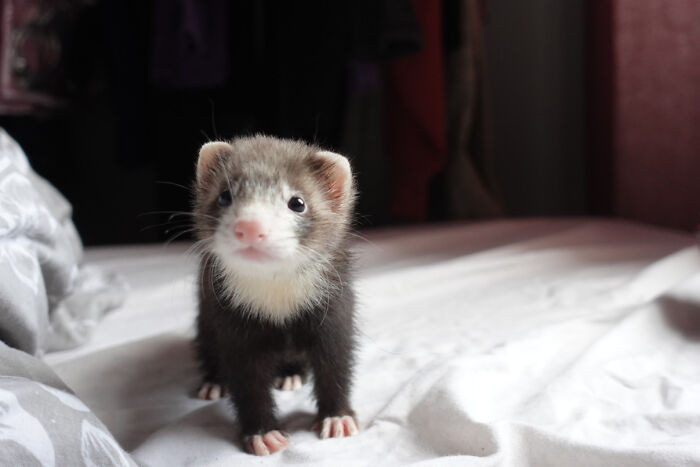
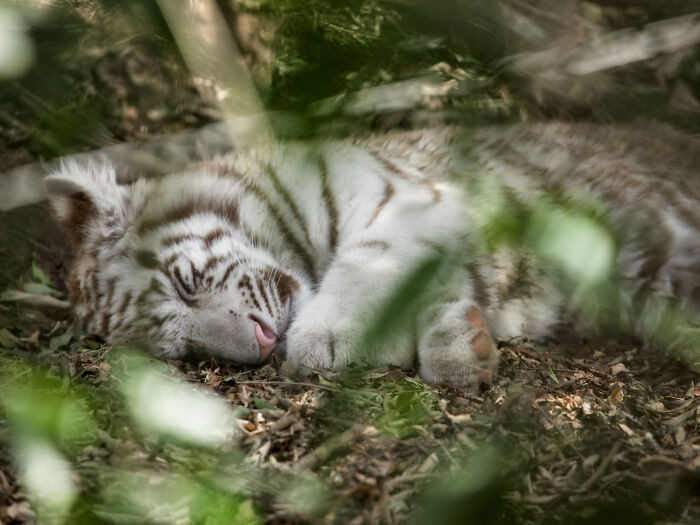
8. Sleeping Baby Tiger At Animalia Park, Sao Paulo, Brazil
9. Baby Boy
I found him all alone; he's still in his milking phase, can't be older than one month.
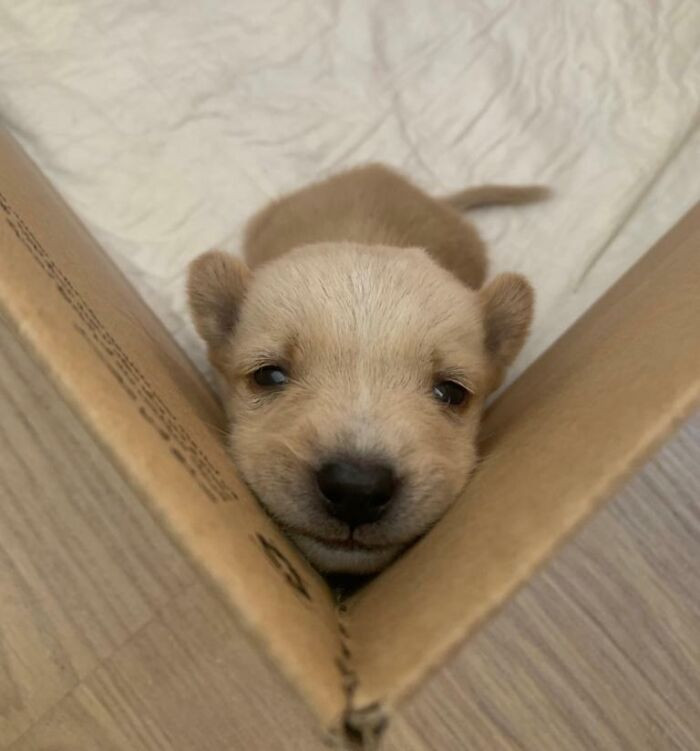
Right after the baby fox popped into the story at Grandma’s house, the cuteness just kept stacking up with “really cute” moments that demand you stop scrolling.
He believes that showcasing the beauty of baby animals through photography and storytelling can inspire people to take action. By fostering an emotional connection to these creatures, Packham argues that individuals are more likely to support initiatives aimed at preserving their habitats. He encourages educational programs that incorporate hands-on experiences with wildlife, making conservation efforts more relatable and engaging for the public.
10. About 7 Months Ago, I Posted About Having Rescued This Baby From A Hoarder. She Is 9 Months Old Today. She’s Doing Amazing

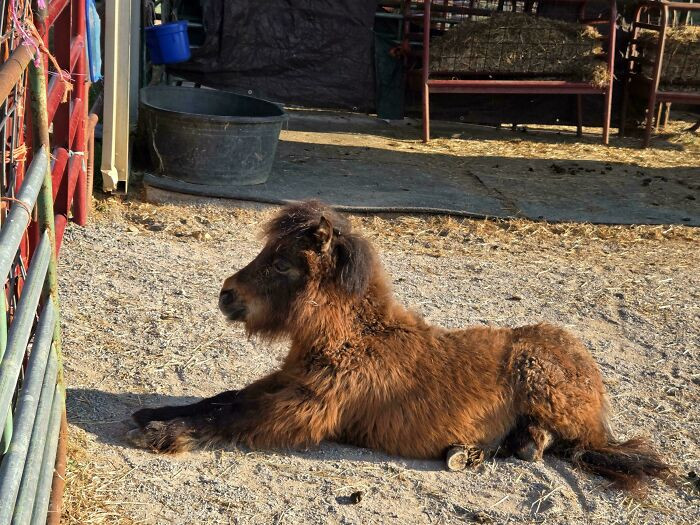
11. A Baby Miniature Horse We Have At Our Rescue Right Now
His name is Shadow, he was an auction pull, and he is 6-8 months old. He isn't adoptable yet because he has something going on with his back end, probably why he was dumped at an auction.
12. With Parenting, It Gets Thrown Into The Pool And Covered In Mud, So It Was Looking Pretty Exhausted. The Photo Shows It After Taking A Little Break And Getting Wiped Down
Practical Engagement with Wildlife
By participating in local wildlife surveys or habitat restoration efforts, individuals can contribute to preservation while gaining hands-on experience. Research illustrates that these activities not only help ecosystems but also deepen our understanding of animal behavior and foster a sense of responsibility towards nature.
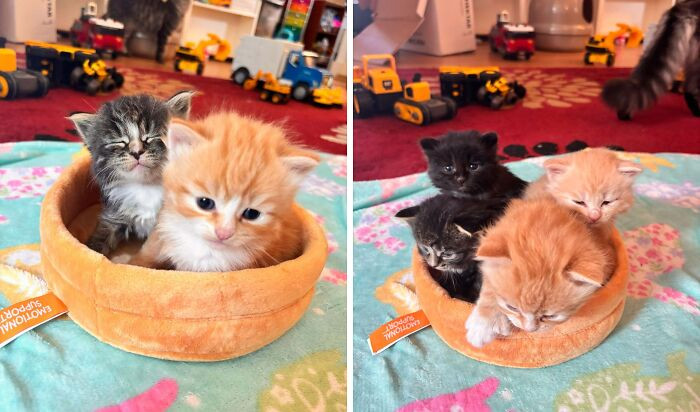
13. My Sister's Cat Had Kitten And Oh My Lord. Please Heal Your Hearts With Me And These Babies
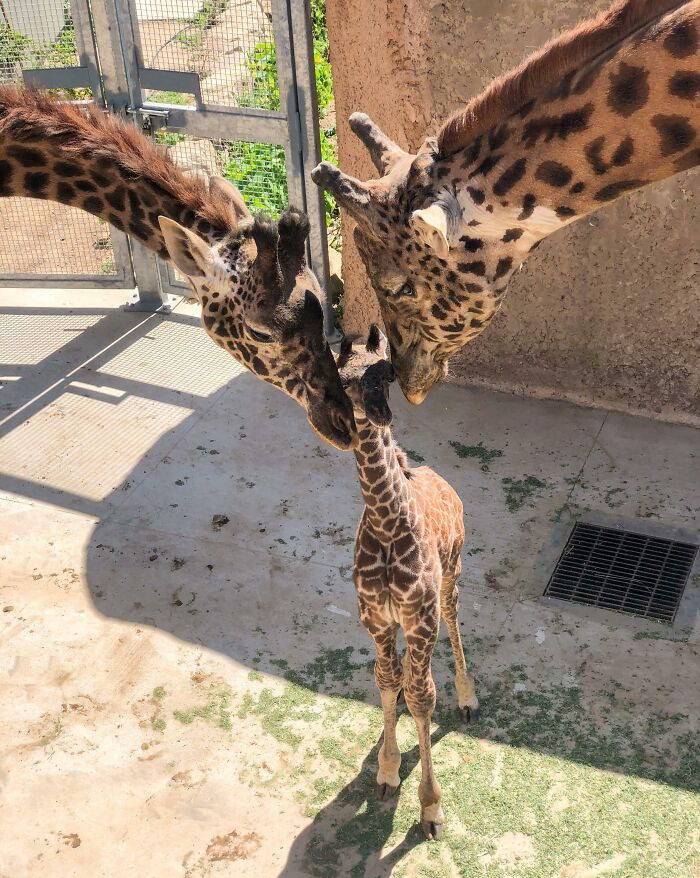
14. First Family Photo - Santa Barbara Zoo
He was 6 feet at birth. His dad (on the right) is a little over 16 feet tall!
15. Moo Moo Everyone

Wildlife journalist highlights the emotional impact of baby animals on social media. Emphasizes that this phenomenon can be harnessed for educational purposes, using platforms to share conservation messages alongside cute images. By combining entertainment with education, platforms can engage audiences in wildlife protection, encouraging them to support conservation efforts and connect with the natural world.
16. Baby Rough Green Snake

17. Happy Sleeping Baby Wombat

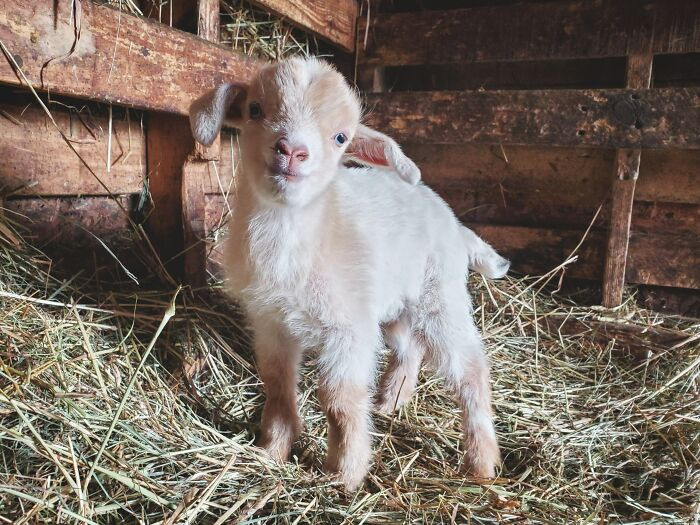
18. Butterscotch, 2 Days Old And Already Stealing My Heart
Then Miss Stripey gets taken into custody, and the vibe shifts from backyard wonder to “wait, what’s happening to this tiny stranger?”
Building Emotional Connections
Believes that fostering emotional connections between humans and animals is crucial for conservation efforts. Recommends integrating educational programs that focus on the emotional lives of animals, helping people see them not just as subjects of study but as sentient beings deserving of our care. Such approaches can lead to greater public involvement in wildlife conservation and habitat protection.
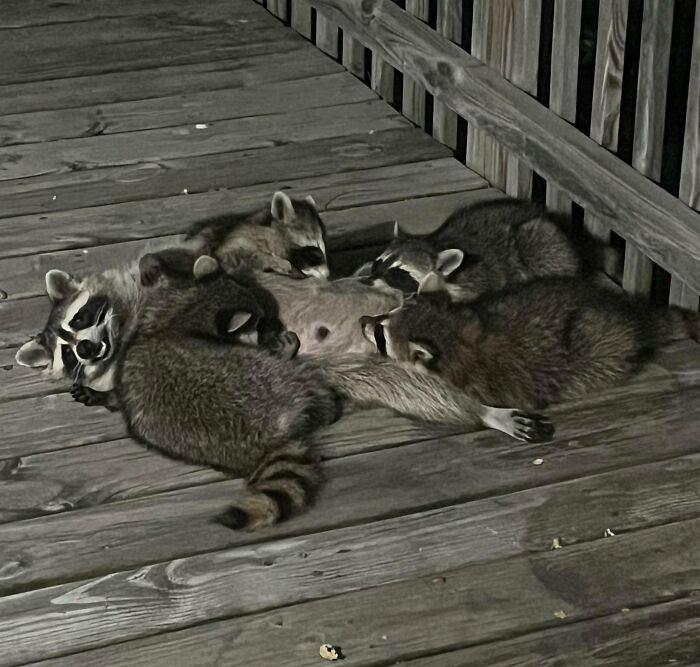
19. Baby Racoons Nursing On My Deck
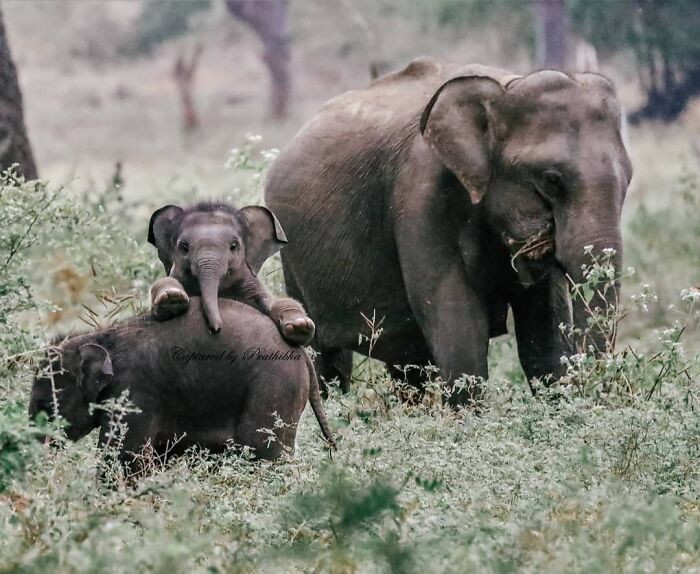
20. Cutest Baby Elephant
21. Baby Daisy
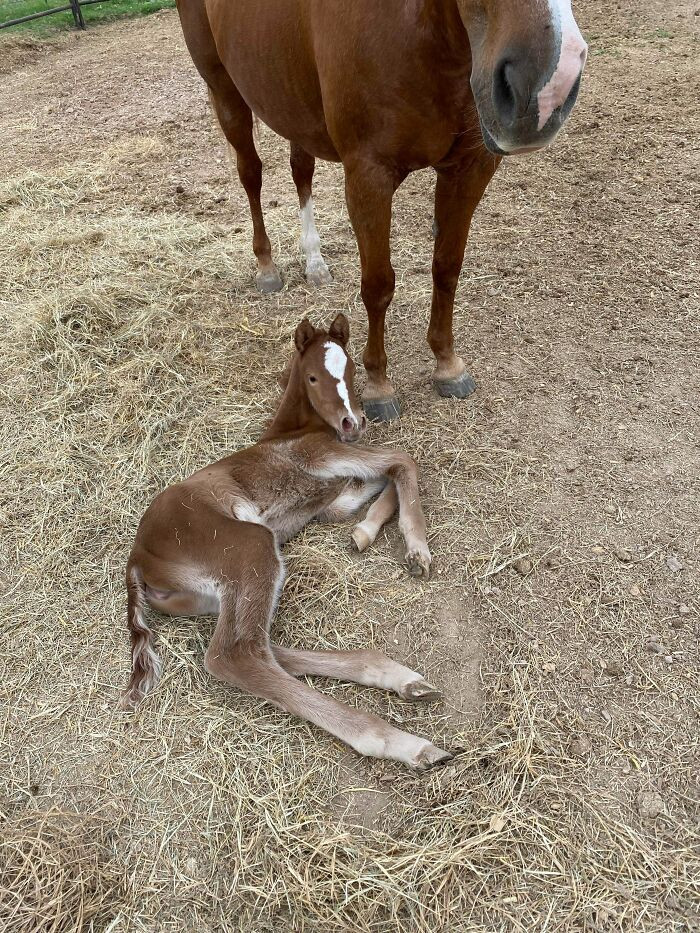
a primatologist, the cuteness of baby animals can also serve as a bridge to discussions about animal rights. Suggests that integrating educational campaigns that feature baby animals can effectively raise awareness about the ethical treatment of wildlife, ultimately leading to meaningful change in societal attitudes and policies.
And if you want cute with facts, check out the educational, surprisingly cute animal facts.
22. Remember Kiwi & His Goth Girlfriend? Well, Now She's His Goth Wife, And They Have 4 Beautiful Half Goth Babies
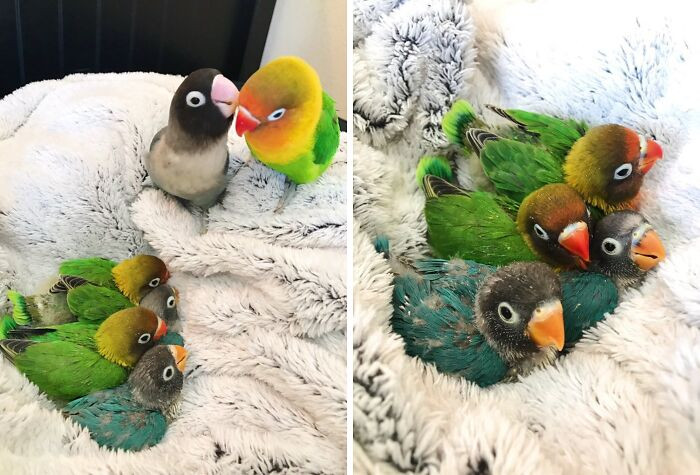
23. Throwback To Nutmeg And Ginger As Babies. They Were Absolutely Adorable Back Then
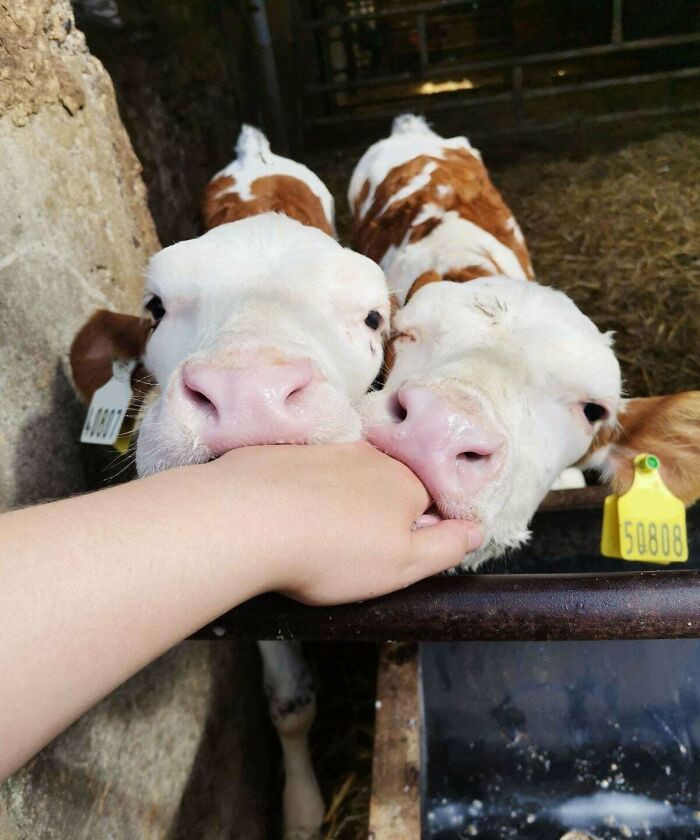
24. Applesauce, He’s Got Pointy Ears Now
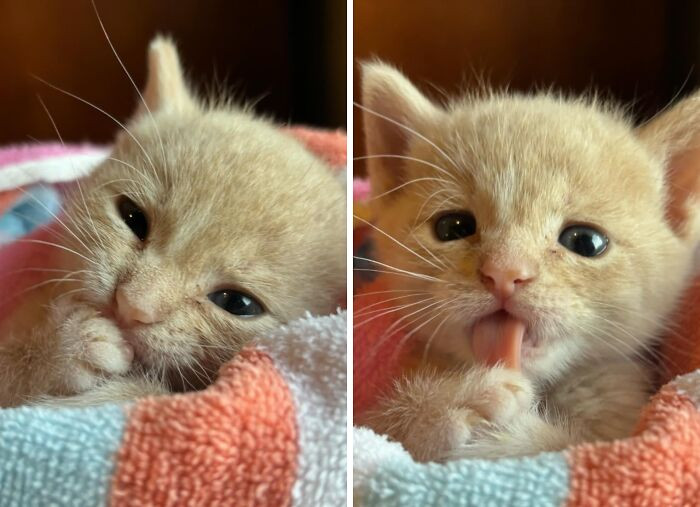
Discusses how exposure to baby animals can enhance children's learning experiences. Recommends incorporating animal interactions into educational curricula to help foster compassion and responsibility towards wildlife. By providing children with opportunities to learn about and care for baby animals, educators can cultivate a generation that values conservation and understands the importance of animal welfare.
25. Baby Anteater
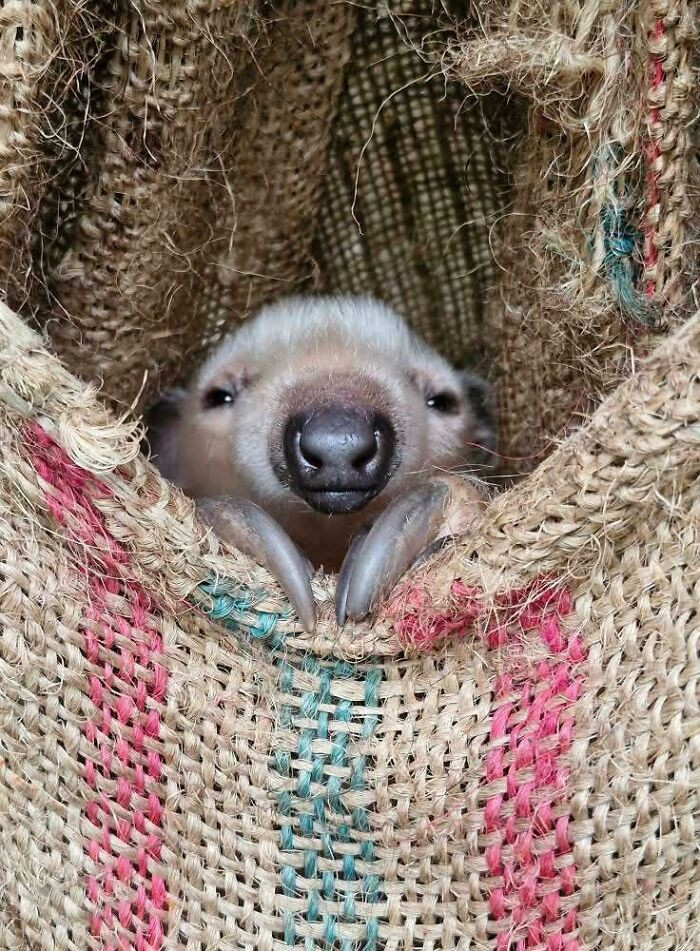
26. Ctrl C + Ctrl V

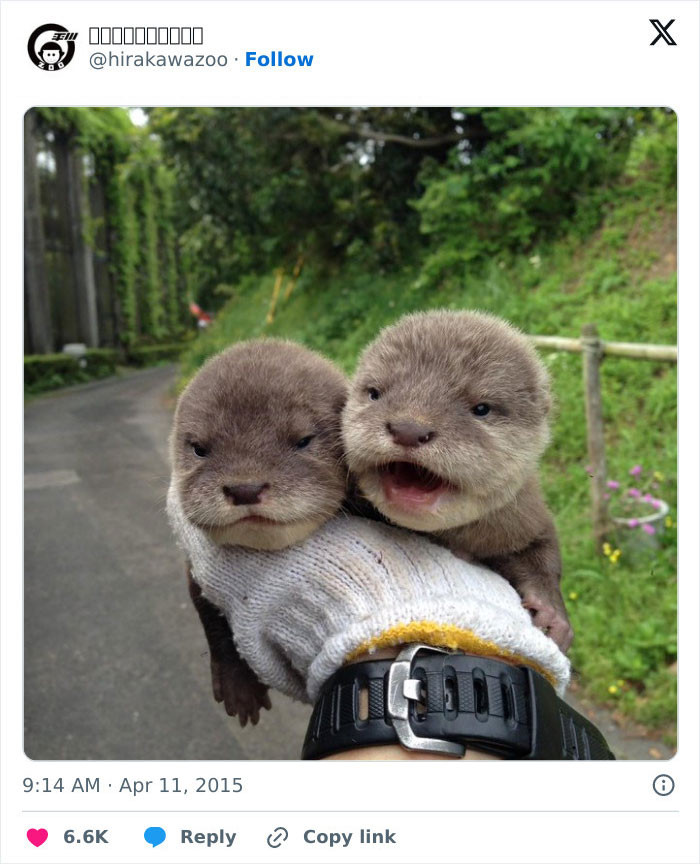
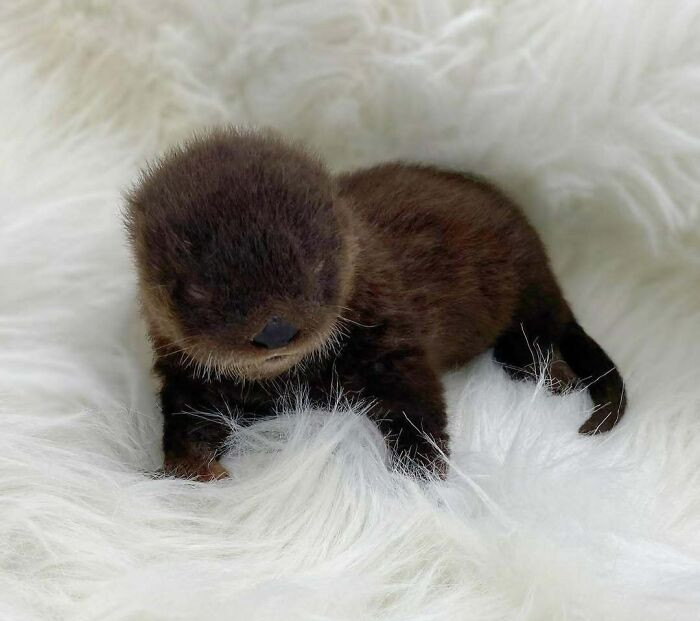
27. Our Sweet Emmett The Otter
Emphasizes the therapeutic benefits of connecting with baby animals. Advocates for therapy programs that include animal interactions, highlighting their potential in mental health treatment. By engaging with baby animals, individuals can experience emotional relief, making these programs a valuable resource for improving mental well-being and fostering positive human-animal relationships.
28. Our Little Beagle! Meet Belle

29. One Of My Babies. Name Ideas? I Love Her Teeny Little Ears

30. This Duck Used To Come To My Porch For Food. Recently, She Brought Her Babies. I've Been Watching Them Grow Up

While you’re still thinking about Stripey, you jump to the sleeping baby tiger at Animalia Park in Sao Paulo, and suddenly the photos feel heavier than they look.
Sustainable Practices for Wildlife Protection
Encourages individuals to reduce their ecological footprint by supporting wildlife-friendly products and practices. This includes choosing sustainably sourced materials, reducing plastic use, and advocating for policies that protect natural habitats. Emphasizes that collective efforts in sustainable living can lead to healthier ecosystems, ensuring that adorable baby animals have a safe environment to thrive in.
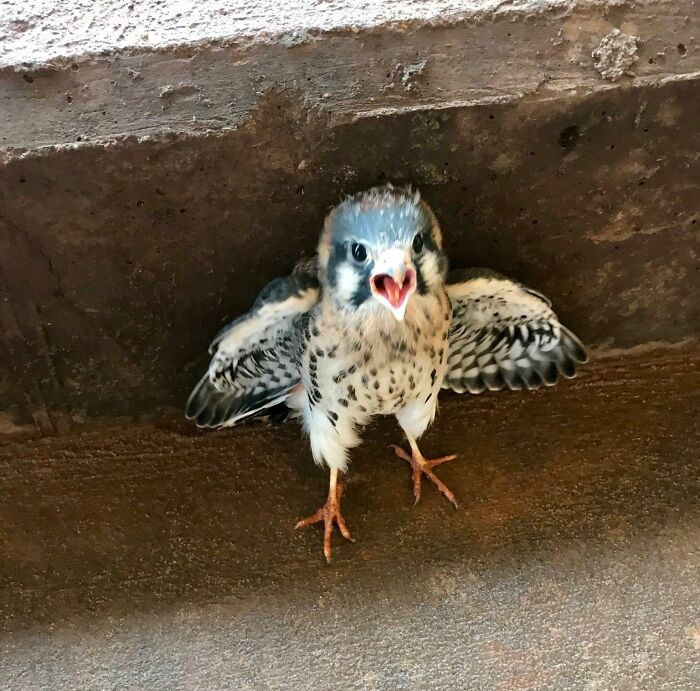
31. Found A Baby Hawk At Work Today
32. Teeny Tiny Itty-Bitty Froggo

33. I Moved In Recently With My Friend, Right After She Got A Puppy

Understanding the cognitive capabilities of baby animals is crucial for shifting public perceptions and enhancing conservation efforts.
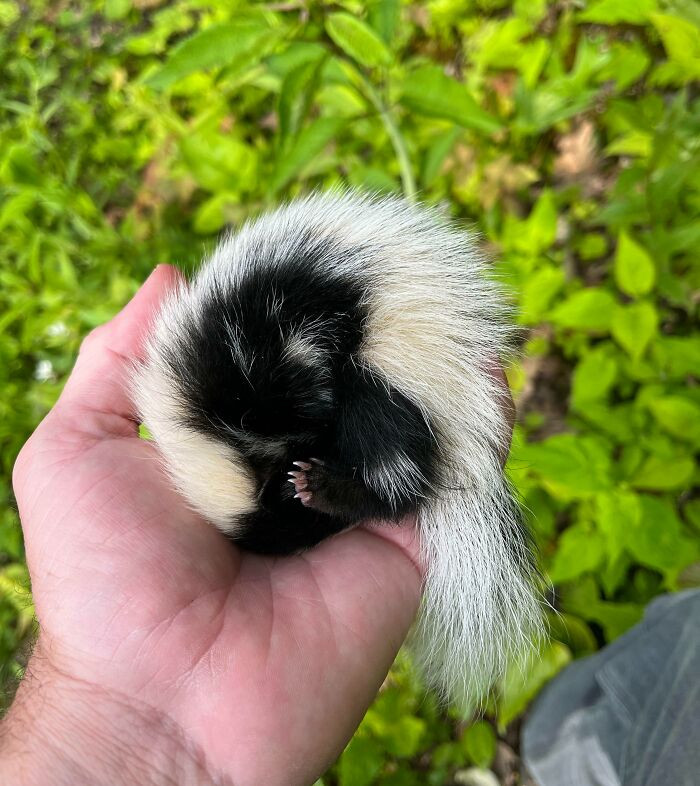
34. Baby Skunk Fell Asleep In My Hand Yesterday As I Returned It To Its Burrow
Not a pet. My son found it in the driveway. I’ve seen its mother on the hill above my house, always in the same spot. Figured it was where they lived, and I was right; there was another baby sleeping outside a hole in the ground. It ran into it when I approached, so I set its sibling down next to where it was sleeping. It ran inside.
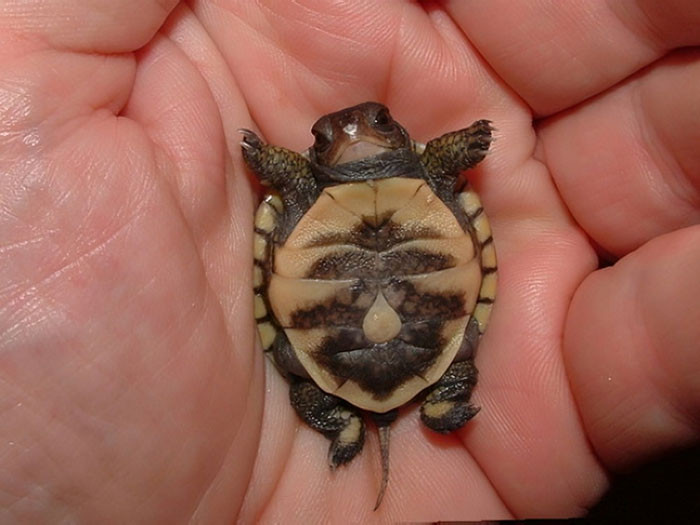
35. Baby Turtle
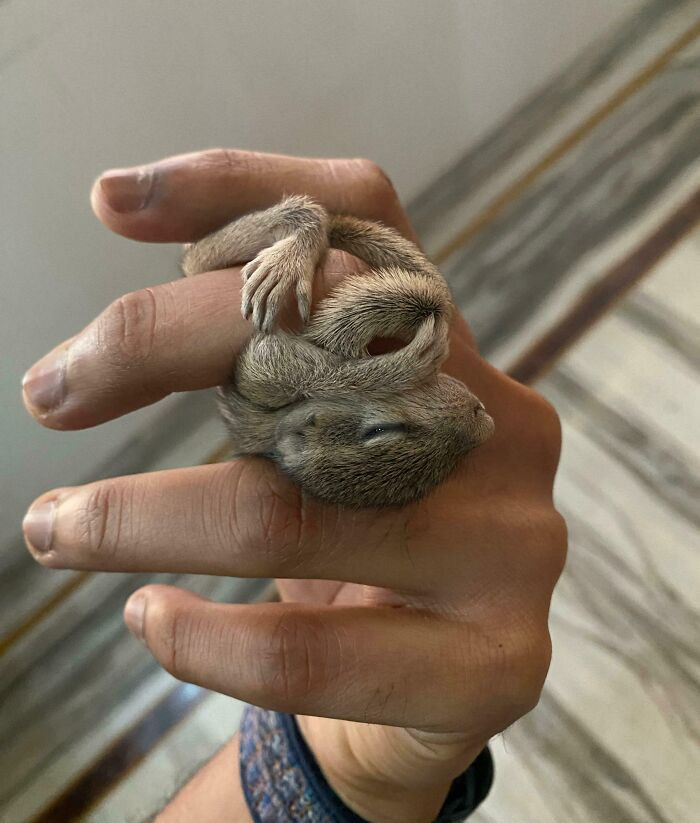
36. Baby Squirrel
I found it on my terrace; it fell from its nest. I put it back and haven’t seen it in some time, so I think the mother moved to another place.
Community Engagement for Conservation
Community involvement plays a pivotal role in wildlife conservation efforts. Recommends organizing community events such as beach clean-ups or wildlife observation days, allowing people to connect with nature while contributing to conservation. These interactive experiences not only foster a sense of community but also raise awareness about the importance of preserving our natural environment.
37. Baby Dolls
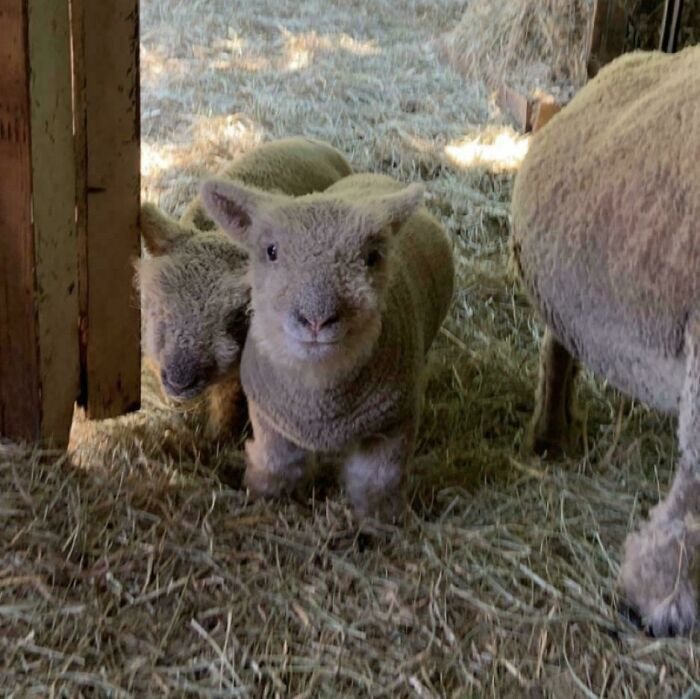
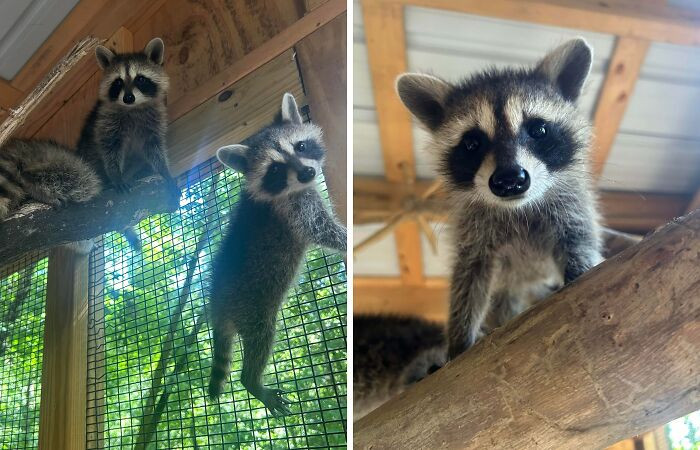
38. One Of Our Baby Raccoon Rescues Is Waving "Hello"
My wife has her wildlife rehabilitation license in Florida, and the doctor at the veterinarian clinic she works at sees wildlife pro bono, so we often have all sorts of wildlife in our home. The patients we have eventually "graduate" to another local rehabilitator who has much more space and resources than we do, but sometimes we get to facilitate a release.

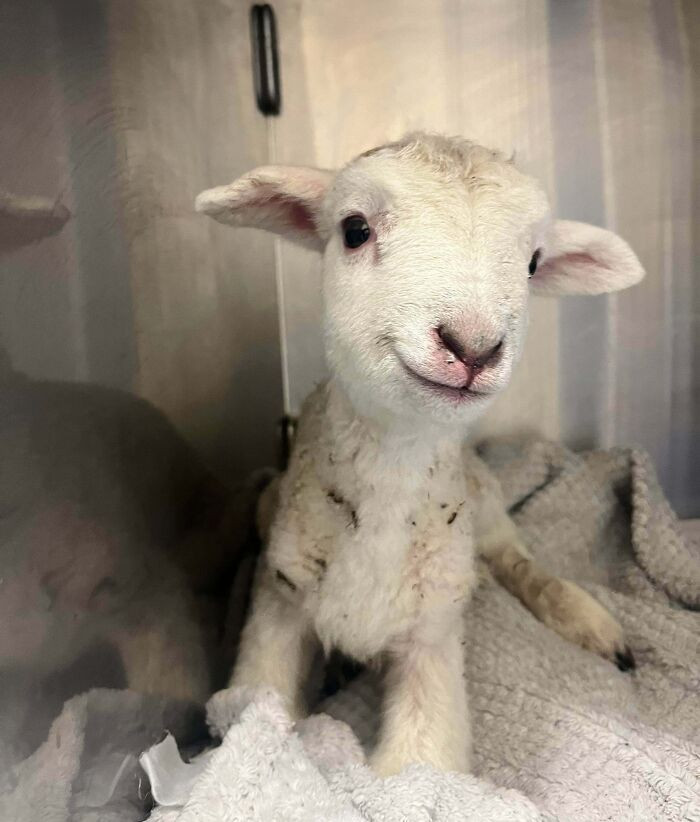
39. My Coworker Brought Her Day-Old Lamb Into Work
Lamb was rejected by mum.
And when the foster babies and the rescued hoarder baby show up as follow-ups, you realize this whole parade of baby animals is one long “how do we protect them?” thread.
Advocates for the importance of sharing stories about baby animals to motivate conservation efforts. Suggests that narratives about baby animals can be effectively used in educational campaigns, emphasizing the need for habitat protection and species conservation. By appealing to emotions through storytelling, we can inspire collective action to safeguard the future of our planet’s wildlife.
40. Adorale Baby Dingos
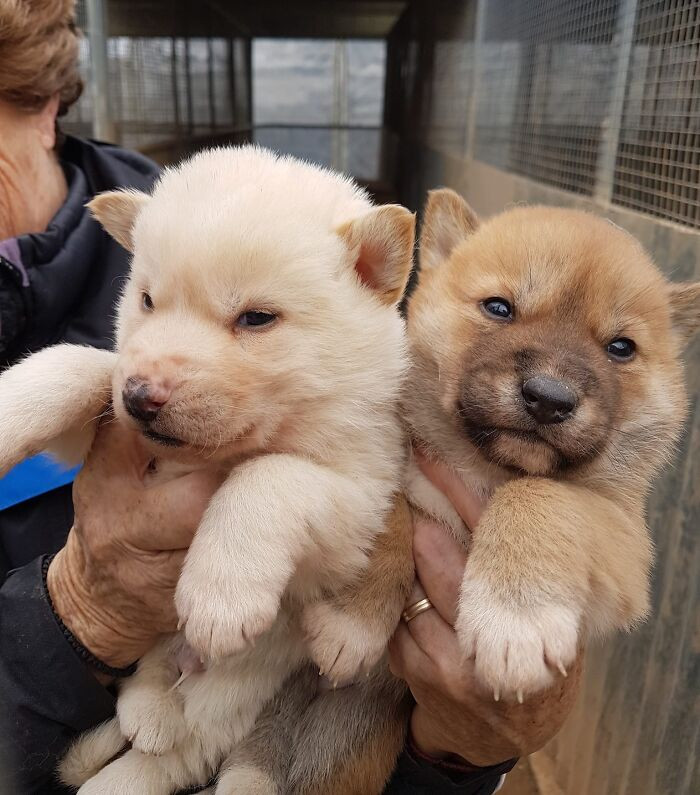
41. Babies Are Healthy And Hanging Out With New Friends
Their mom passed away, and I brought them to a wildlife sanctuary. I get weekly updates.
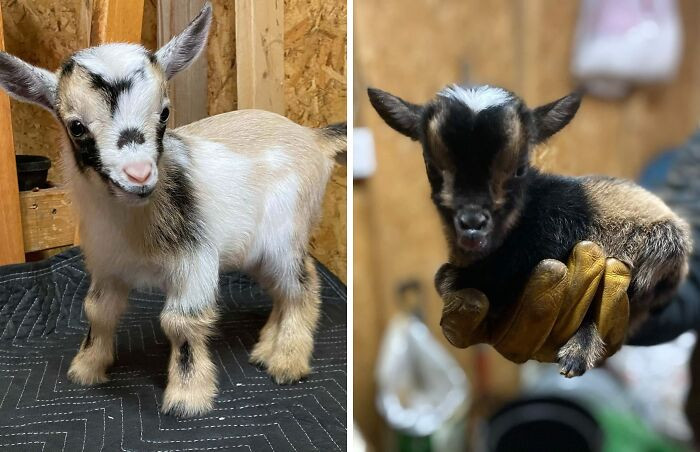
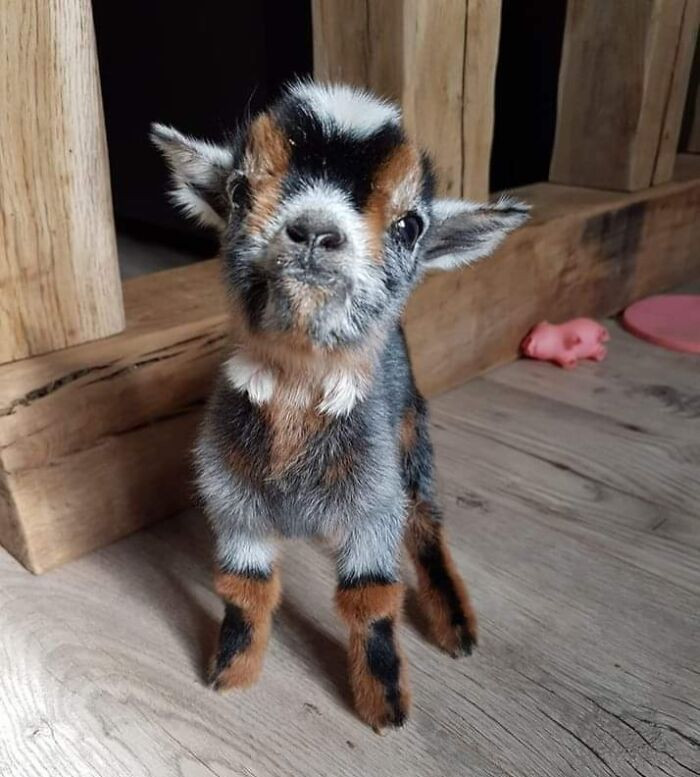
42. Parents Decided To Get Some Pygmy Goats
Incorporating Wildlife in Urban Spaces
Integrating wildlife into urban environments is essential for conservation. Suggests incorporating native plants in urban landscaping, which can attract various animal species, including pollinators. By promoting wildlife-friendly urban planning, communities can create habitats that encourage the presence of adorable baby animals, ultimately enriching the urban environment and fostering connections between people and nature.
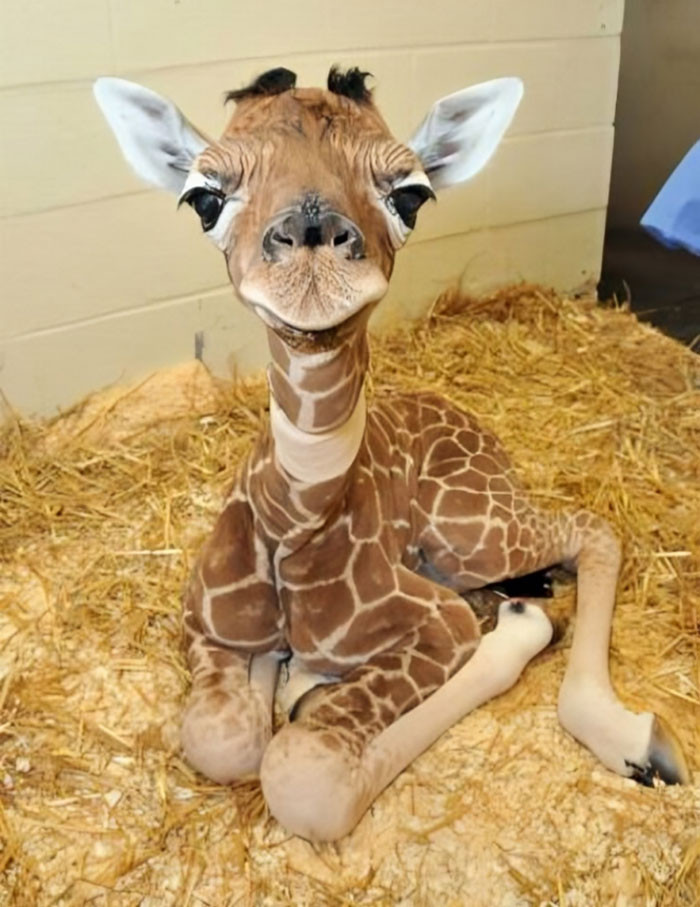
43. Aww Baby Long Neck
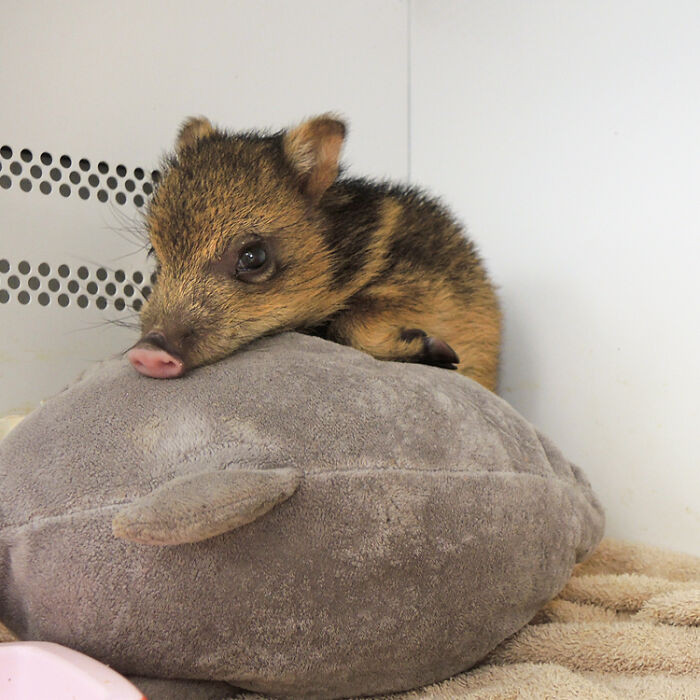
44. Javelina Baby
We’re still getting javelina babies (also called “reds”) this time of year. If separated from their mothers and the herd, it can be touch-and-go for a few weeks because they’re pretty sensitive to the cold. For these adorable (but feisty!) babes, a heat source is a must for survival. Depending on their age at arrival, we offer a warm incubator, ceramic heat lamps, heating pads, or heated mats in their enclosures until they’re several months old and ready for life with a new herd. Oh, and they all get a cuddle buddy!
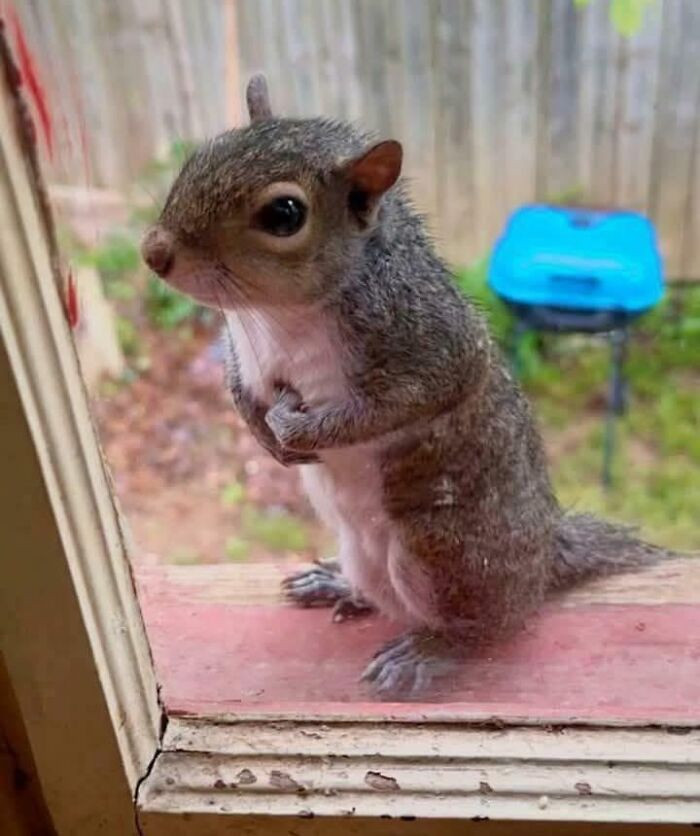
45. A Baby Squirrel Saved, Now She’s Demanding Peanuts
Emphasizes the importance of ocean habitats for wildlife, including adorable marine baby animals.
46. Look At This Adorable Shelter Bunny
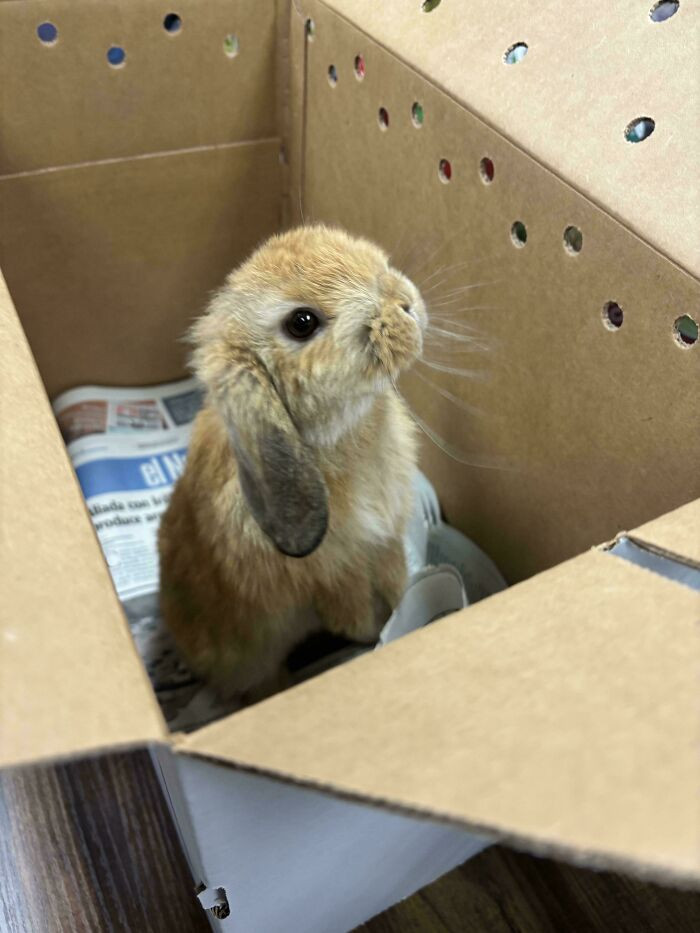
47. Whacchu Lookin' At, Peasant?
48. Bunnies
A mama rabbit decided to have her babies in one of our garden pots!
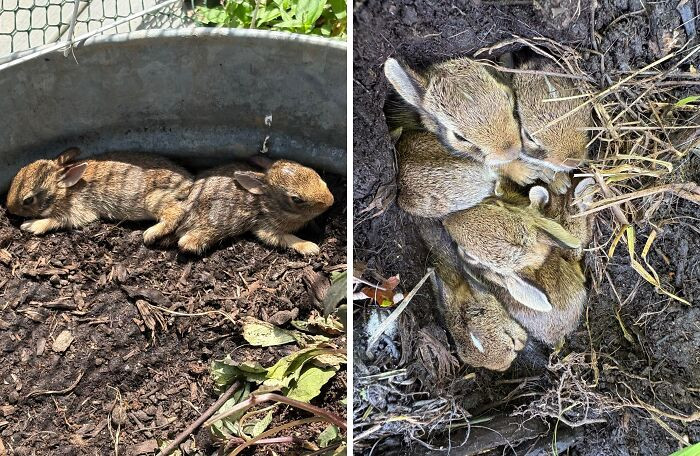
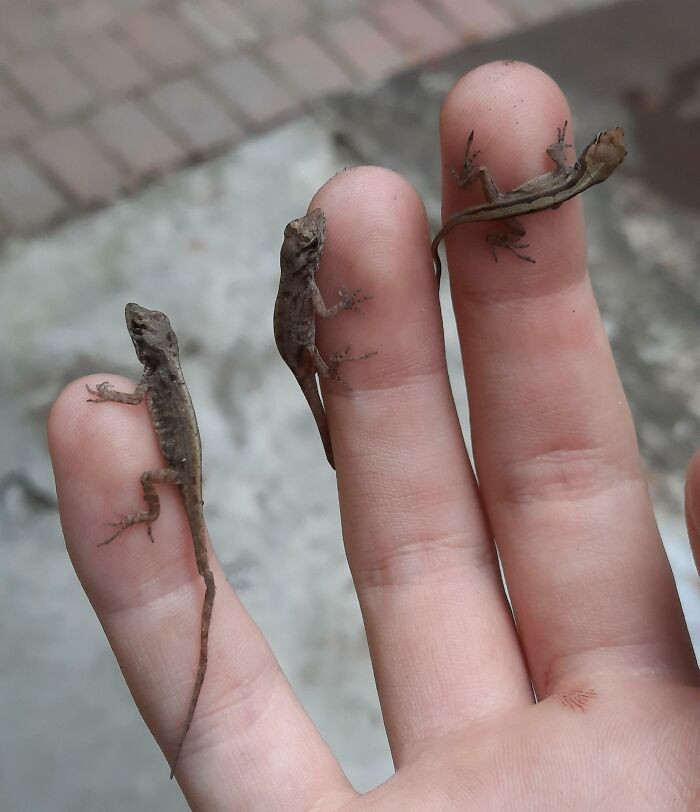
49. Please Enjoy These 3 Babies
50. Does Anyone Know Roughly How Old This Baby Squirrel Is?
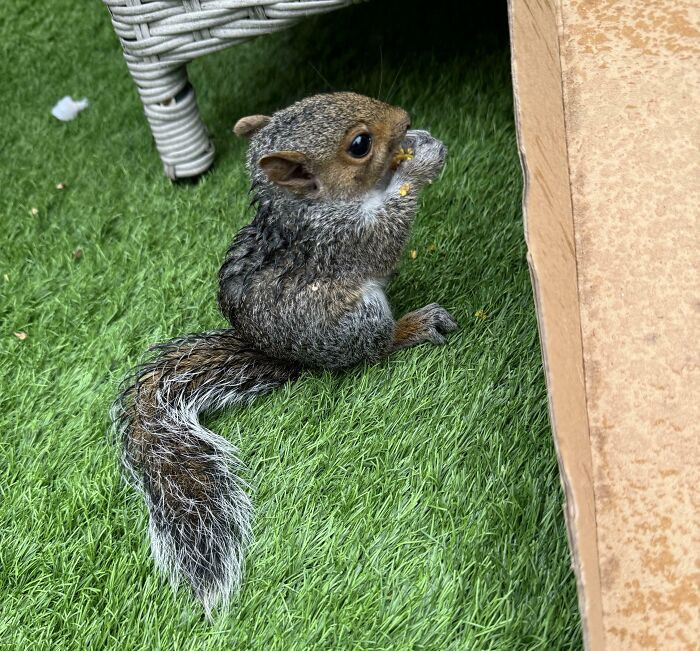
The baby squirrel above was found on a nearby road. It was trying to climb a wall and kept falling, holding its arm up with its other arm, and making a high-pitched squealing sound.
Since it appeared to be in pain and it was extremely cold and rainy outside, those who saw it made the decision to take it back for assistance. It appears to be between 8 and 10 weeks old because it has begun to learn how to climb.
Drop your thoughts about this collection in the comments section below and share as well.
The enchanting images of baby animals featured in this article serve as more than just a delightful start to the day. They invoke a sense of joy and emotional relief that resonates deeply within us. The depiction of these young creatures, with their small feet and oversized eyes, taps into our innate desire to protect and nurture. This connection is vital, as it fosters empathy towards wildlife and underscores the importance of conservation efforts.
By showcasing these adorable beings, the article highlights the potential for increased community engagement in wildlife education. When we allow ourselves to connect emotionally with these animals, we become more inclined to advocate for their protection and the preservation of their habitats. The appeal of baby animals is not fleeting; it can inspire collective action that promotes sustainable practices and storytelling that resonates with future generations. Ultimately, in celebrating the beauty of baby animals, we are reminded of our shared responsibility to create a world where wildlife and humans coexist harmoniously.
By the time you hit the last adorable update, you’re not just smiling, you’re quietly rooting for survival.
After that baby fox’s “hi,” warm up even more with 15 adorable zoo baby animals.
Share this article:





