
Online Community Shares Their Thoughts On Whether Dogs Can Be Considered The Best Doctors For Depression

A 28-year-old OP kicked off a Reddit debate with one blunt question: do you consider your dog the best doctor for depression? And the comments did not play around.
One person basically described their week like a schedule, two hours of psychotherapy with a professional, then puppy therapy the rest of the time, with a 70-pound shadow who follows them everywhere, sits right beside them, and folds into lap cuddles when the day turns heavy.
But then the thread swerved into biology talk, “blood pressure and cortisol” and “oxytocin,” plus a whole pack of dogs doing the most, and it ended with one messy truth, a dog is still a responsibility.
OP asks: "Do you consider the dog as the best doctor for depression?"

Psychotherapy once a week and puppy therapy the rest of the week
I receive 2 hours of psychotherapy a week with a professional. However, it is my puppy who is my therapist the rest of the week. He is the best treatment I am getting for my major depressive disorder.
He follows me everywhere I go, and when I stop and sit down, he is always sitting next to me. When I am sad, he comes and lays his head on my lap or tries to curl his whole body up on my lap (but he is 70 lbs!).
He's cheaper to pay in dog bones too!

Doggos go beyond what pills and therapists can do for this user.
My dog has done more for me than any SSRI pill or hours of therapy could ever do. If I'm having a particularly tough day, I will hug one of my 4 dogs, usually the mastiff or the pit bull, sometimes the chihuahua or the great Dane, though they are a little more antsy than the other two — but they all love to cuddle.
More and more research is coming out lately showing us what we as animal lovers already intuited to be true: dogs can lower your blood pressure and cortisol levels, and increase oxytocin, the love and bonding hormone, which helps raise feelings of well-being and reduces depression. I'm not necessarily very much of a cat person, but I'm sure that if you have the type of cat that will get up in your lap and snuggle with you, I imagine they would have exactly the same effect.
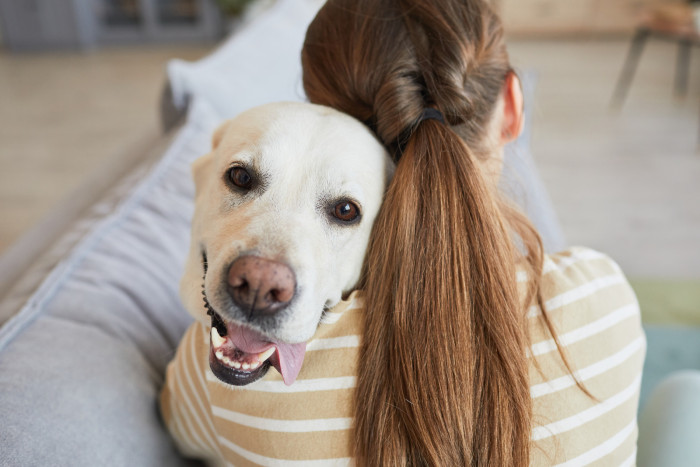
OP’s question sounds simple, until the comment about “puppy therapy the rest of the week” shows up with a full routine and a very clingy 70-pound lap candidate.
The Therapeutic Role of Pets in Mental Health
The debate about whether dogs can be considered the best doctors for depression taps into the profound impact of animal companionship on human emotional well-being. Research has consistently shown that pets can significantly reduce feelings of loneliness and anxiety.
This biochemical response can help alleviate symptoms of depression, making pets a valuable addition to mental health treatment plans.
In the end, dogs are still a responsibility.
No, therapy and medication are best, but a dog is a real plus IF the person can function enough to care for it properly.

Dogs can help, but they shouldn't be treated as the only solution.
Sometimes it really depends on the circumstances. Dogs are shown to reduce symptoms of depression and anxiety, but it really depends, because in order to take care of living beings, it’s important to take care of ourselves first.
So yes, dogs can reduce depression. Dogs also provide love and support for us, which gives us something to live for because dogs do need us.
This is also good treatment for depression, anxiety, and other mental disorders and developmental disabilities, as well as CBT and DBT, taking your medications as prescribed, and using coping skills. When this all comes together, dogs make a great tool to reduce depression.
I hope this helps.
Take care.
I hope this helps.
Take care.

Whether dogs can be doctors helping with depression will vary from one person to another.
Dogs can be wonderful companions and provide emotional support, which may help alleviate symptoms of depression in some individuals. While they are not a replacement for professional medical or psychological treatment, their unconditional love and presence can have positive effects on mental health.
Interacting with a dog can reduce stress and anxiety, increase oxytocin levels (the "love hormone"), and promote physical activity, all of which can contribute to improved mood and well-being. However, the effectiveness of dogs as "doctors" for depression can vary from person to person, and it's essential to seek appropriate professional help when dealing with mental health issues.
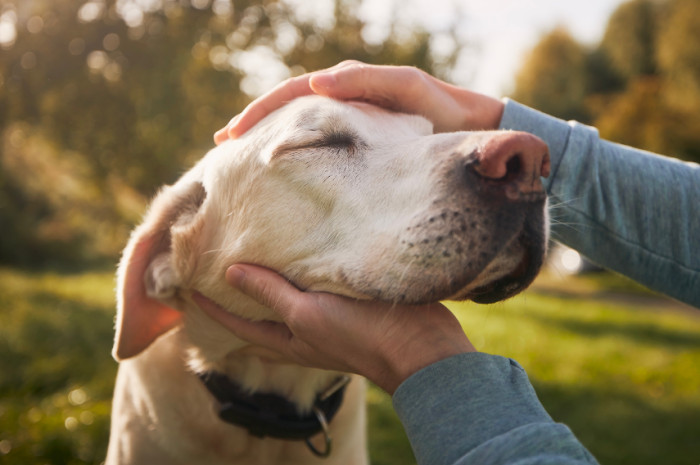
The story gets even more specific when the mastiff and pit bull are named as go-to cuddlers, while the chihuahua and great Dane are “a little more antsy” but still join the cuddle pile.
Moreover, the concept of animal-assisted therapy (AAT) has gained traction in recent years, demonstrating the therapeutic benefits of involving animals in treatment. The unconditional love and companionship offered by dogs can provide a sense of stability and emotional support, promoting healing.
Understanding the science behind these benefits can help individuals appreciate the potential role of pets in their mental health journey.
This also echoes the debate over whether it is cruel to have pets while living alone, like the commenters arguing “as long as they are well-trained and owners are consistent, they will be fine”.
A user would rather have therapy with a Parakeet
No. The only pet that wards off depression is a parakeet with a turquoise breast and the right temperament. A good college friend of mine, however, would agree with you.

For this user, their depression would worsen if something happens to the dog.
A lot depends on the dog and, to me, how healthy he is. I’ve lived feeling depressed a lot lately, and in general, it’s only made worse if I have a sick dog to worry about as well.

A dog as a solution for depression can only go so far.
Yes, a dog and exercise. You just won't have the time to navel-gaze at your brain chemistry when you are worn out from working out and have a dog to care for. People choose the shortcuts of medication, but there are definitely behavioral solutions to quell depression.

Then the thread turns from personal comfort to science-y claims about lowering cortisol and boosting oxytocin, like the commenters are trying to prove the snuggle has receipts.
A Balanced Perspective on Pet Ownership
While the benefits of pet ownership are widely acknowledged, it’s essential to approach this topic with a balanced perspective. Owning a pet also involves responsibilities and challenges that can impact mental health positively or negatively. For example, the commitment to care for an animal can provide structure and purpose, but it can also lead to stress if the individual is overwhelmed.
Individuals must consider their capacity to provide adequate care before adopting a pet, as this can influence the overall benefits gained from the experience.
Puppies could help.
No. I consider counseling and medication to be the best for depression.
Puppies, however, especially a whole bunch of them? Maybe:
Seriously, I don’t know if somebody would be cured from depression while in the middle of this, but I doubt you can be very sad while it’s happening.
For this user, his girlfriend helps with his depression.
Yes and no; dogs are good, but you also have to clean up after them. Like in my city, the new trend is people letting their dogs poo on the cement, which is actually quite rude. My personal cure is my girlfriend because she is there for me, and opening up deeper about your emotions actually strengthens your relationship.

It's always best to seek professionals.
No, I consider an actual mental health doctor to be the best doctor for depression. Many people with dogs suffer severe depression, so obviously, as a “doctor,” they are not effective.

And right when everyone is riding the dog-love high, the final reality check lands, therapy and medication come first, but a dog is still a responsibility you have to live with every day.
Pet owners can always turn to their beloved floofs for the much-needed warmth and love. But it's still important to seek professional help when dealing with serious depression. While dogs and other pets can offer emotional support and companionship, they aren't a replacement for the expertise of mental health professionals.
Furthermore, fostering a sense of community among pet owners can enhance the mental health benefits associated with pet companionship. Engaging in pet-related activities, such as dog parks or community events, can facilitate connections and foster friendships, further enhancing the emotional benefits of pet ownership.
Recognizing the social aspect of pet ownership can encourage individuals to seek out these connections while enriching their lives.
The discussion surrounding the idea of dogs as effective companions for combating depression reveals their profound impact on our emotional health. The article emphasizes how these animals not only understand our words but also excel at interpreting our feelings, which speaks volumes about their potential as therapeutic partners. The bond between humans and dogs is increasingly recognized for its ability to alleviate symptoms of mental distress, reinforcing the notion that they can indeed serve as invaluable allies in our pursuit of well-being. Embracing the joys of having a canine companion comes with its own set of responsibilities. It is crucial for individuals to weigh these factors carefully, ensuring that their choice to bring a dog into their lives truly enhances their emotional landscape rather than complicating it.
Even when the dogs are doing the heavy lifting, nobody can pretend the cuddles don’t come with real-life work.
Want more puppy therapy logistics, like juggling dog care while in school, check out online advice for managing a dog while attending school.
Share this article:





