
Cats Are Laughing At Us And We Love It - Inside The Goofy Magic Of Our Feline Roommates

Some people think cats just “do weird stuff,” but ours do it like they’re running a tiny comedy show with excellent timing. One minute your living room is calm, the next your cat is doing zoomies like they’ve been personally summoned by chaos itself, then immediately switching into a perfect kitty loaf that screams comfort and zero stress.
It started with a pair of cat lovers who couldn’t stop noticing the details. Krista traced her bond back to growing up surrounded by cats, while Amanda got obsessed with the quiet, subtle signals, like the meme-worthy stink face and the flehmen response that looks like pure judgment but is apparently just biological reading of the room. Add in the push to spot those “subtle” behaviors before they get misread, and suddenly the whole household feels like it’s speaking in cat language.
Here’s the part that really makes it click, the day the zoomies weren’t random at all, they were the punchline to everything we thought we understood about feline communication.
1. “Van Gogh’s lost masterpiece: The Cat in the Garden of Thoughts.”
Cat behavior consultants say the delight starts with understanding how cats communicate. Certified expert Krista Schulte told us her bond began in childhood and never left. “My love for cats stems from a lifelong connection. Growing up as a child, I was fortunate to have cats around me, whether they were in the same household or community cats in the neighbourhood. I always felt a deep, unspoken bond; they seemed to sense and understand when I would have good days and my challenging days.”

2. “Next he’ll be asking for a kale smoothie.”
She turned that bond into a mission to keep more cats in happy homes. “Cats are not small dogs, as they have signals that are often obvious; cats express themselves with ‘subtle’ behaviours that are frequently missed or misinterpreted.” Her favorites to spot are the classics. “Zoomies is a sudden release of pent-up energy, driven by their natural predatory cycle.” Then there is the universal comfort pose. “Another for me is the ‘kitty loaf’… This indicates comfort and security; they're not in fight or flight, just relaxed in a loafing position, a signal.”
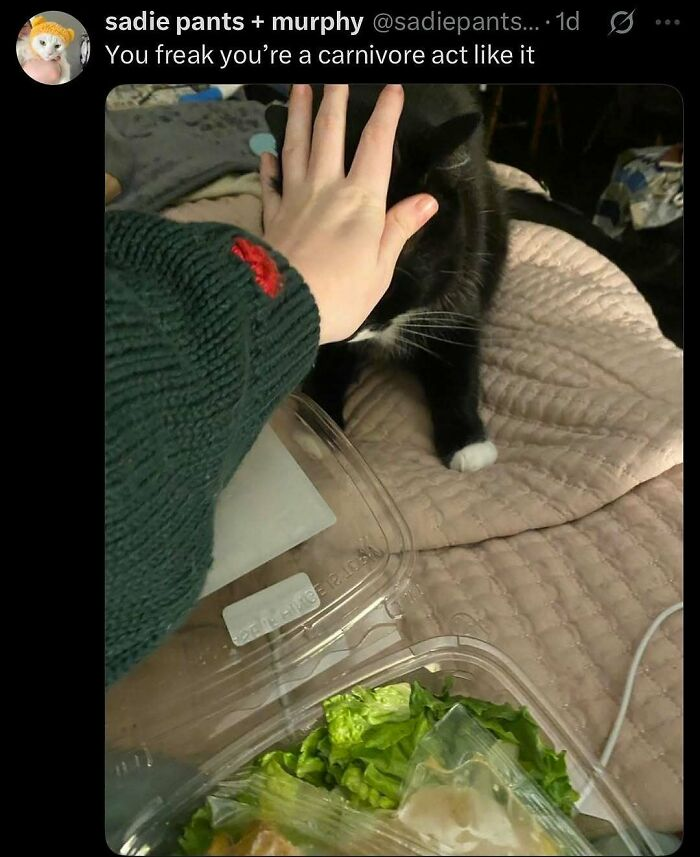
3. “You can’t compete with that level of charisma.”
Consultant Amanda Caron was hooked by that quiet language too. “There’s something about the way they communicate—quietly, subtly—that’s always fascinated me.” She loves demystifying famous cat faces, like the meme-worthy “stink face.” “One of my favorite quirky cat behaviors is the flehmen response… When cats make that funny grimace… they’re actually using a special organ in the roof of their mouth called the Jacobson’s organ.” Translation. They’re not being judgy. They’re reading the room, literally.

The Feline Experience
Explains that cats often engage in quirky behaviors because they thrive on social interaction.
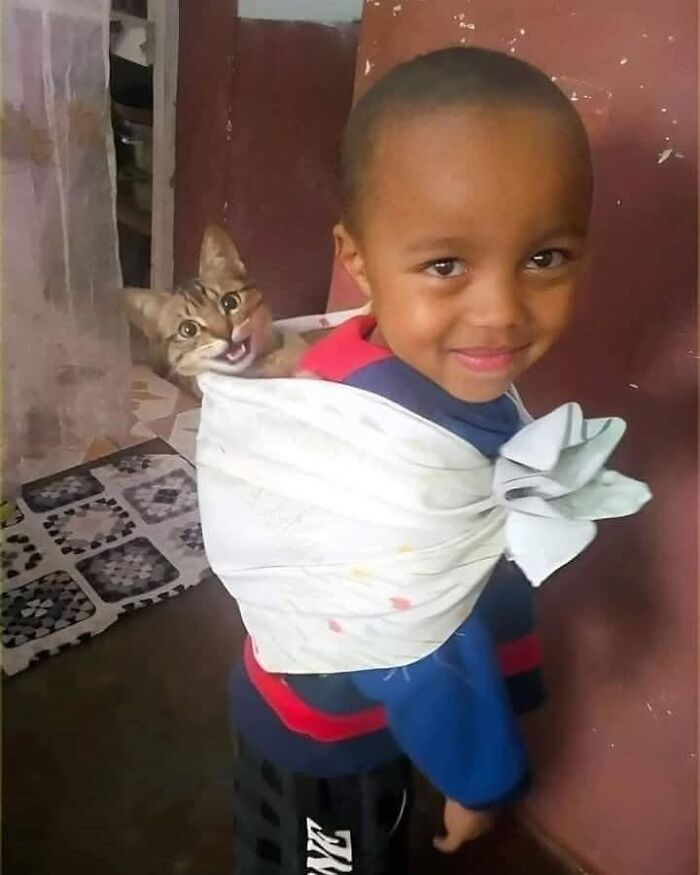
4. “Local child invents wearable cat happiness delivery system.”
Feline behavior and nutrition coach Jennifer Van de Kieft took a winding path to cat work, then found her lane. “In 2017, I left my job running an addiction treatment center in NYC and began the process of getting certified in feline behavior and training.” Her nights now feature a very specific ritual. “Recently, my cat Luke likes to be on my lap at night… I end up holding him like a baby… It’s ridiculous and adorable at the same time.”
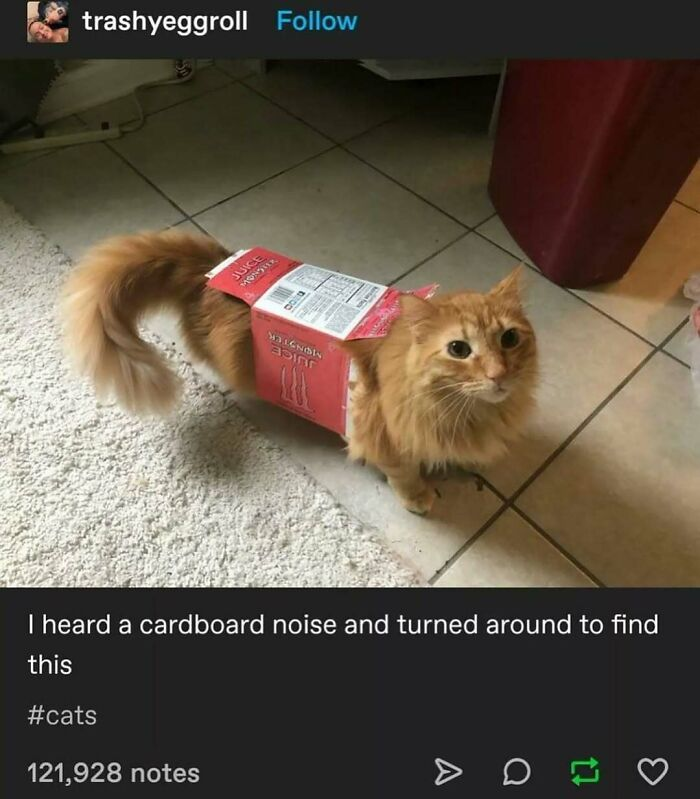
5. “He achieved maximum cat-to-box ratio.”
First-time cat parents are often surprised by how much the home itself shapes behavior. Schulte notes, “The cat's bond to their environment comes through scent marking (rubbing, scratching). They also require clearly defined and structured territories.” Watch for quiet signals. Hiding. Routine changes. House soiling that is often misread as spite. These are stress notes, not attitude. Caron adds that “safety and stability are the foundation.” Van de Kieft reminds us enrichment matters more than people think, especially for active youngsters.
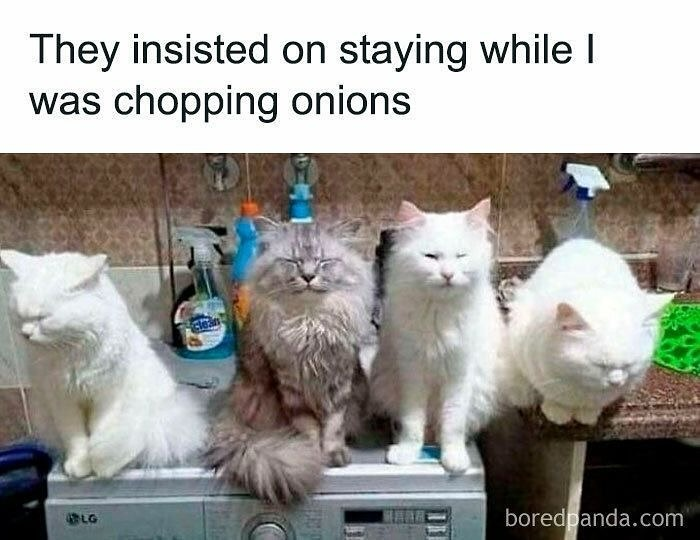
6. The council of fluff has seen too much.
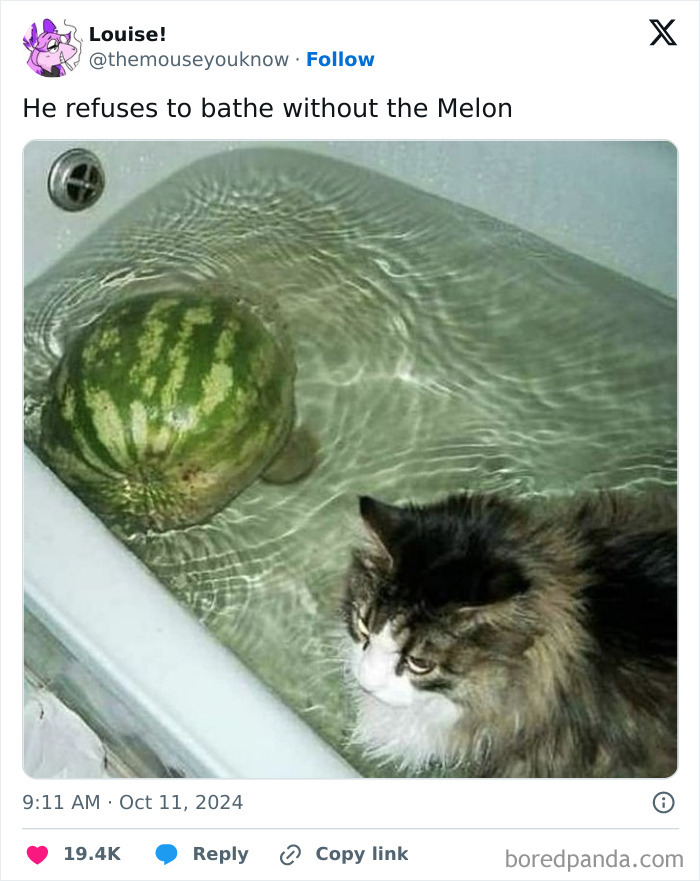
So how do you feed the goofy while keeping peace at home? Start with daily play to satisfy the hunt cycle. Add puzzle feeders so dinner becomes a job. “Feed a diet that is high in animal protein and moisture.” Never punish. Get curious about the why. The result is simple. A happier cat. Fewer 3 a.m. zoomies. More slow blinks. More tiny miracles, like a watermelon guardian in the tub or a tuxedo cat drafting emails at your laptop like a tiny CEO.
Animal behaviorists stress the importance of play in a cat's life.
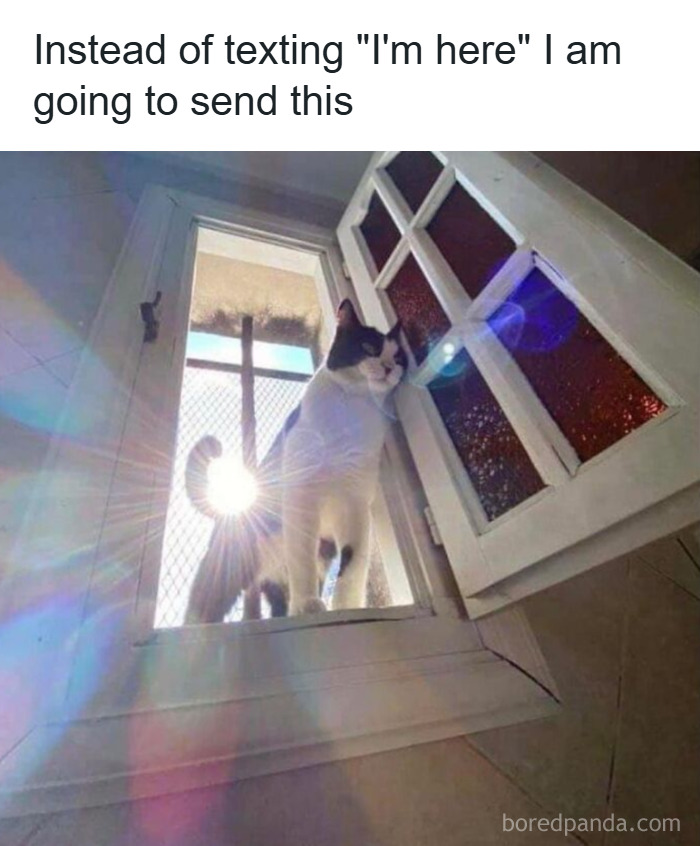
7. Entrance powered by sunlight and pure confidence.
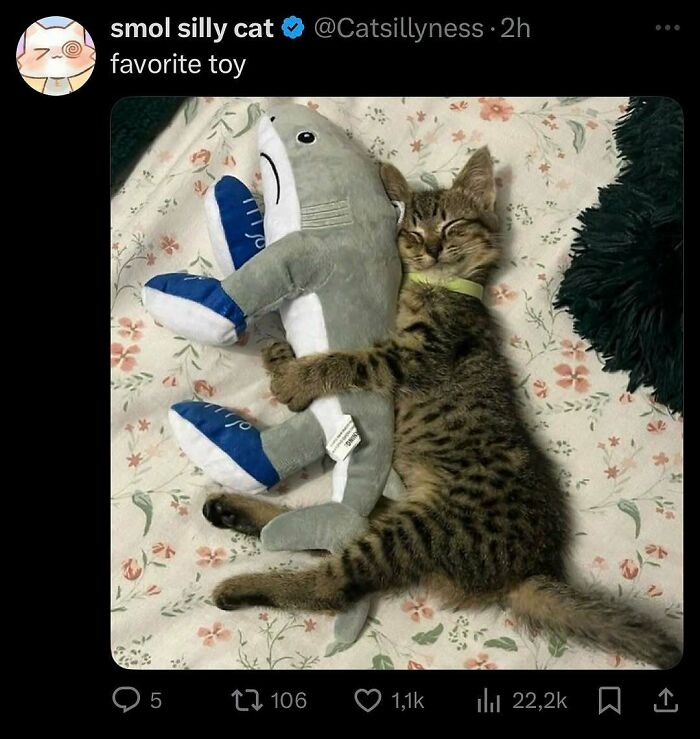
8. Shark Week? More like Snuggle Season.
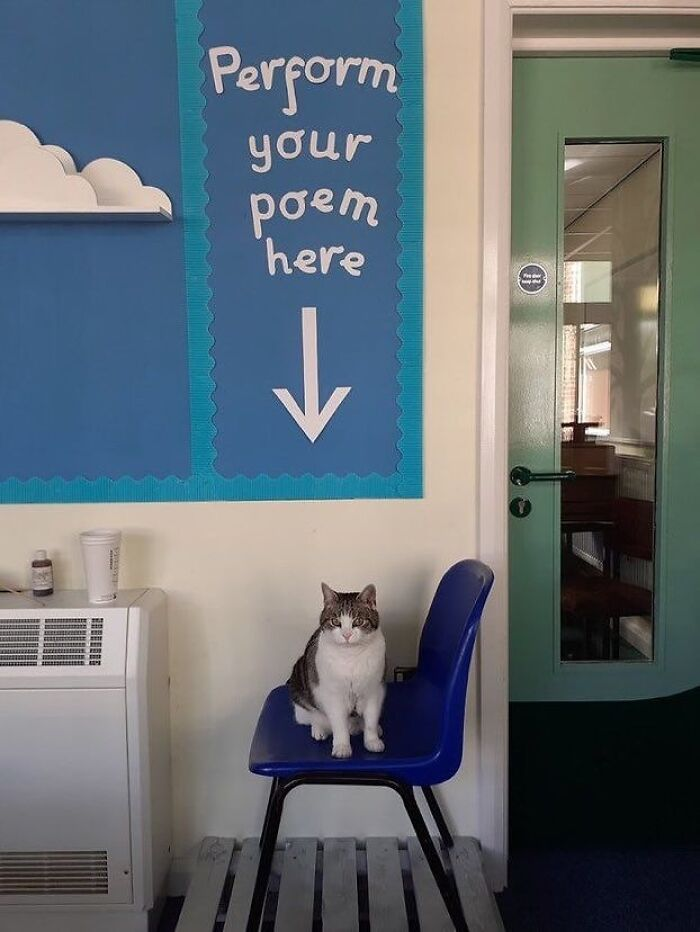
9. “Roses are red, tuna is neat, I knocked your mug off the counter—repeat.”
That’s when the “kitty loaf” moment hit, because Krista’s comfort-and-security loaf looked nothing like a random nap, it looked like a message.
Notes that understanding feline body language is crucial for cat owners.
Cats communicate through a combination of vocalizations, body postures, and tail movements. For instance, a slow blink can indicate trust, while a puffed tail signifies fear.
By learning these signals, owners can respond more effectively to their cats' needs, enhancing overall harmony in the home.
10. “Do not vacuum. He lives here now.”

11. Accountability is key to maintaining that perfect loaf shape.
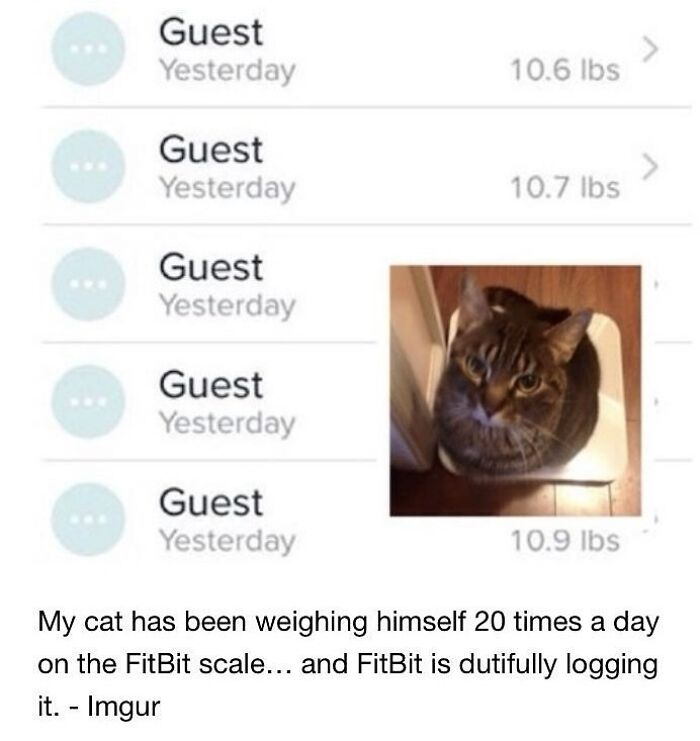
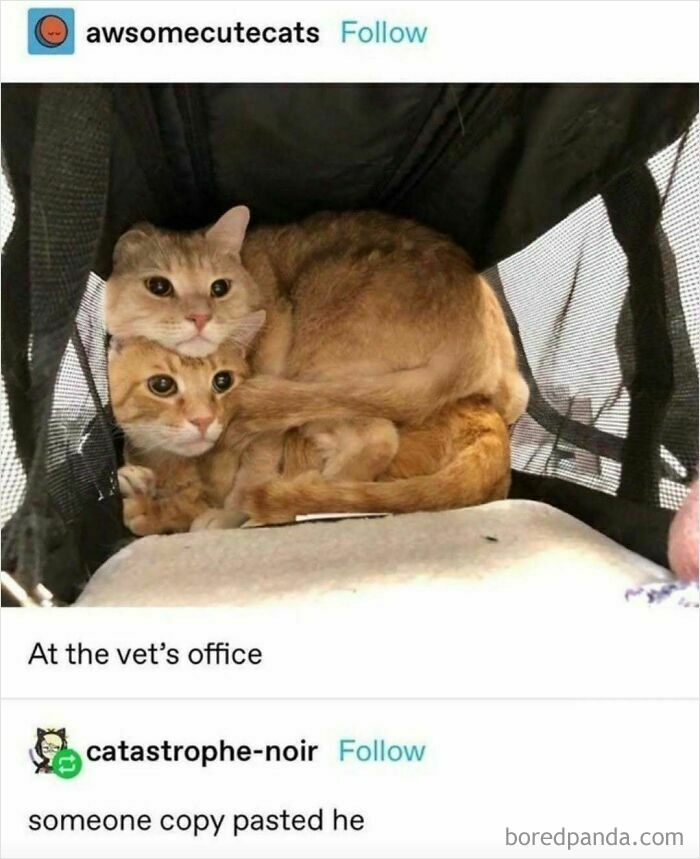
12. “When you accidentally open the same tab twice.”
Feline behavior specialists recommend creating a stimulating environment for indoor cats. Advocates for enriching cat habitats with climbing trees and scratching posts.
This not only satisfies their natural instincts but also combats boredom, which can lead to destructive behaviors. Regular rotation of toys can also keep your cat engaged and mentally stimulated.
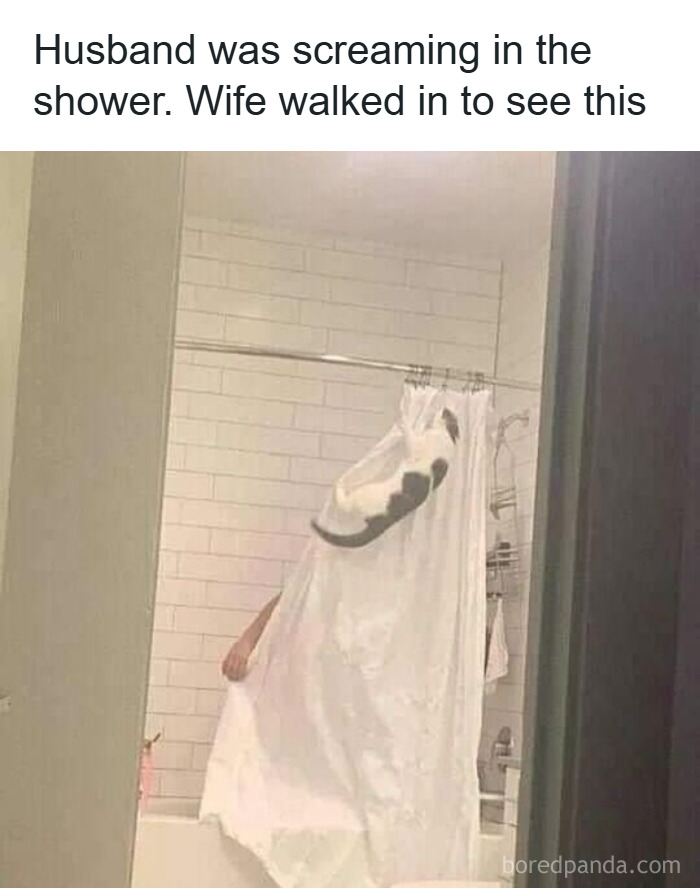
13. “The curtain gremlin reveals itself only when snacks are opened.”

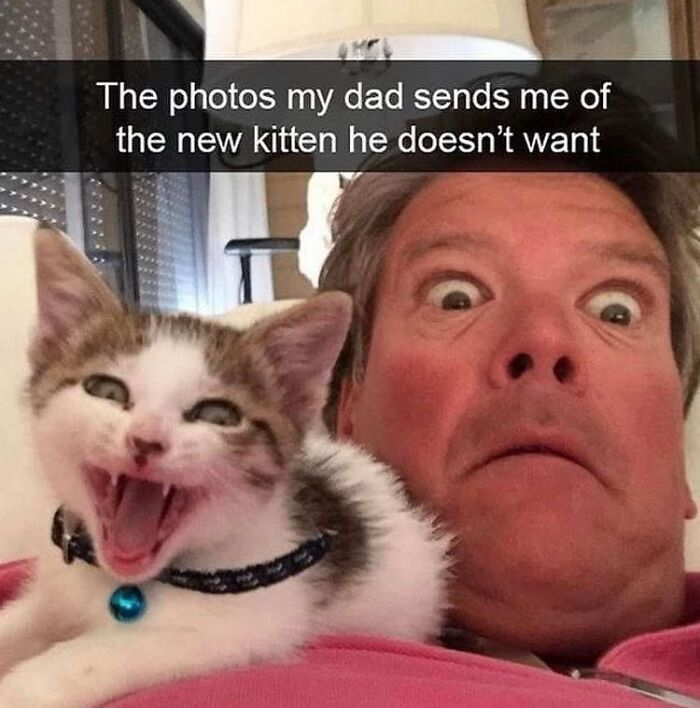
14. “He doesn’t want the kitten. He just wants to take 400 photos of it daily.”
15. “He didn’t fall. The tower simply bowed in respect.”

Has studied how pets influence human happiness. Notes that the companionship of cats can significantly reduce stress and anxiety in their owners.
When humans interact with their cats, the brain releases oxytocin, a hormone associated with bonding and affection. This connection highlights the therapeutic benefits of having a feline friend.
16. Meowcrosoft Teams meeting number four of the day.
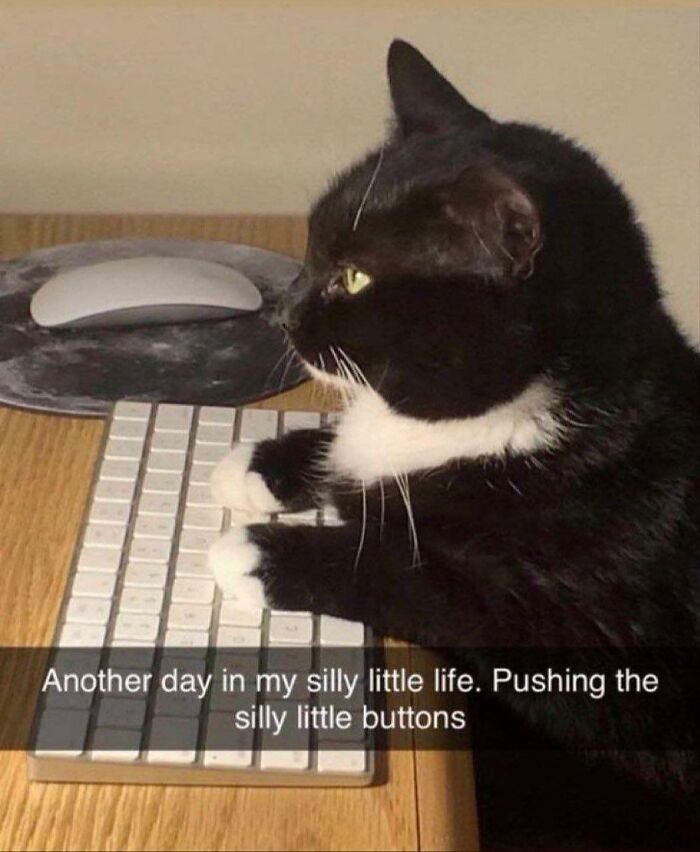
17. “Some men fight spiders. Others fight gravity and fur.”
18. Fuel efficient. Runs on treats and attention.

Emphasizes the importance of routine in a cat's life. Cats are creatures of habit, and a consistent daily schedule can help reduce anxiety.
Establishing regular feeding times and play sessions can create a sense of security, allowing your cat to thrive in its environment.
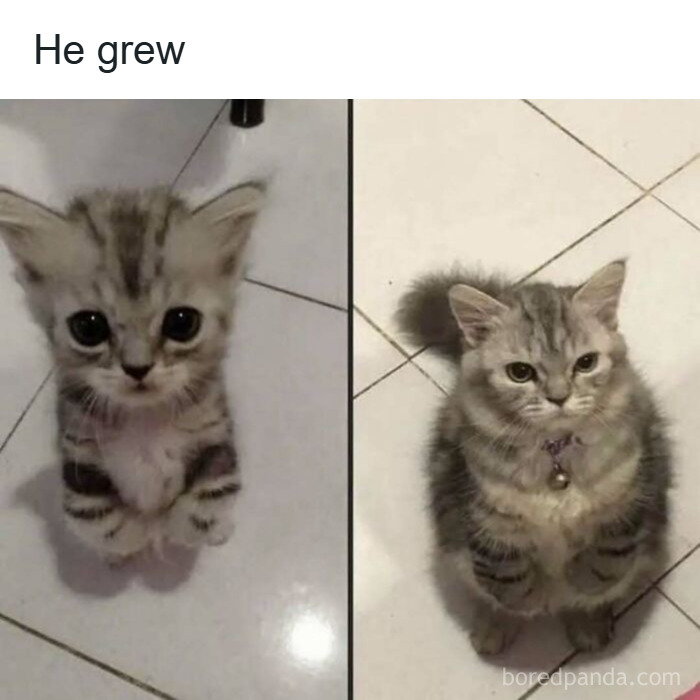
19. “From baby angel to tired office manager in six months flat.”
20. Banana holder? More like banana destroyer.

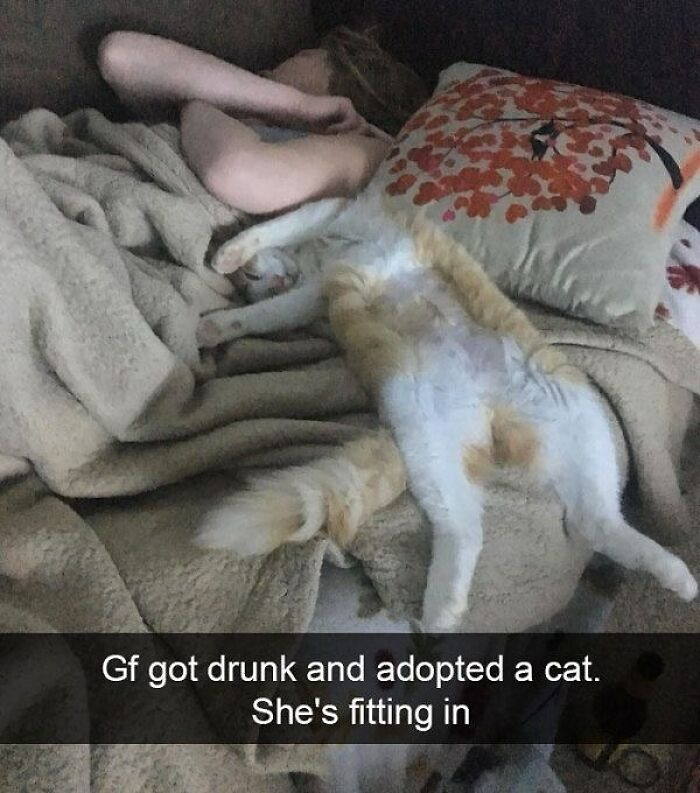
21. Adoption complete. Both now belong to the couch.
Right after that, Amanda’s obsession with the stink face and the flehmen grimace made everything weirder in the best way, like the cats were quietly translating our mood.
The Quirky Nature of Cats
Asserts that cats often engage in seemingly bizarre behaviors to express their individuality.
Whether it’s their fascination with boxes or sudden bursts of energy, these actions are part of their unique personalities. Embracing these quirks can lead to a deeper understanding and appreciation of your cat’s character.
Speaking of pure serotonin, these 39 pet photos prove animals might be running the internet.
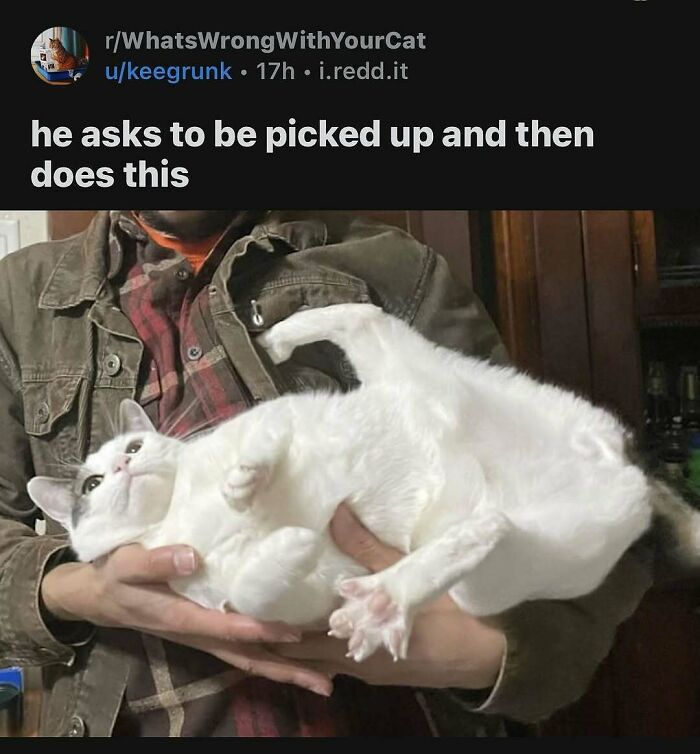
22. “He wanted affection, not responsibility.”
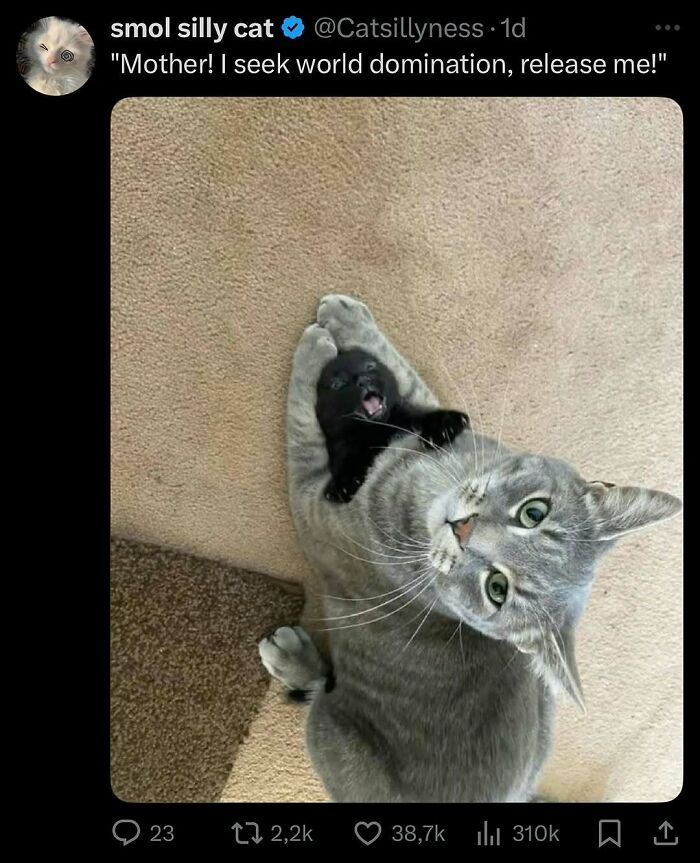
23. The prophecy foretold of this small, loud dictator.
24. Left: marshmallow mode. Right: espresso shot.

Veterinary behaviorists suggest that providing multiple resources can minimize territorial disputes among cats. Recommends having multiple food and litter stations, especially in multi-cat households.
By ensuring that each cat has its space, you can reduce stress and conflict, leading to a more peaceful home environment.
25. Breaking news: local feline grows a second, smaller cat on its face.
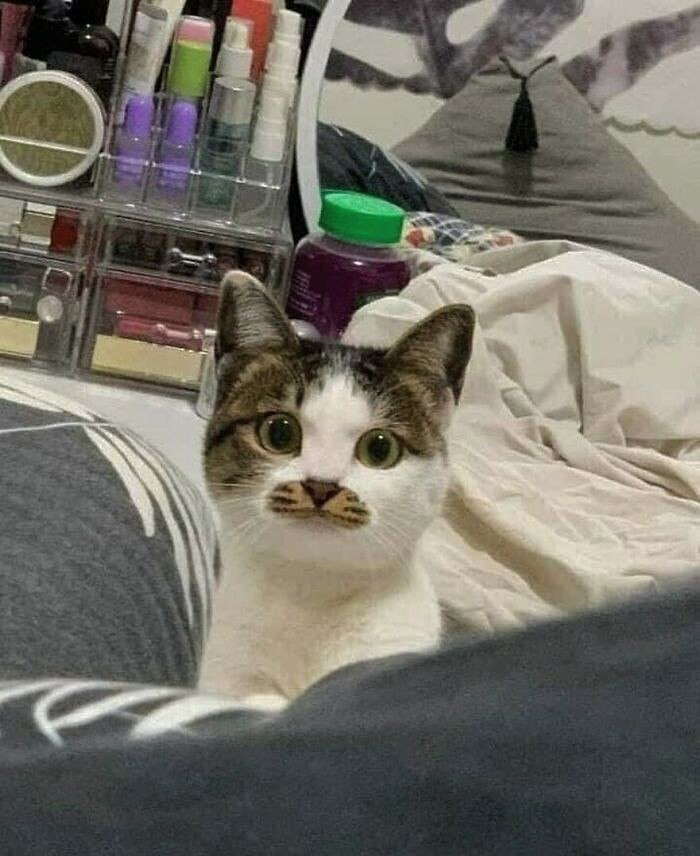
26. Quantum kitten detected. Exists only when observed.

27. “Authorities confirm: victim sustained minor boops.”

Enhancing Your Cat's Life
Advocates for regular veterinary check-ups as part of responsible pet ownership.
28. This is what caffeine feels like at 2 a.m.
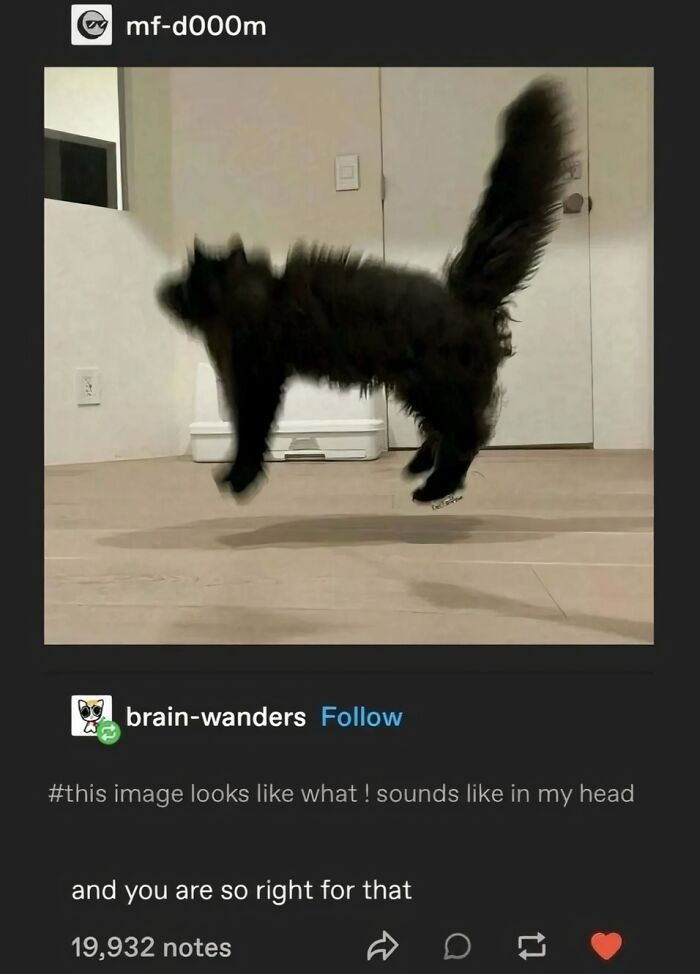
29. “The face of someone who knows crime pays—in pizza.”
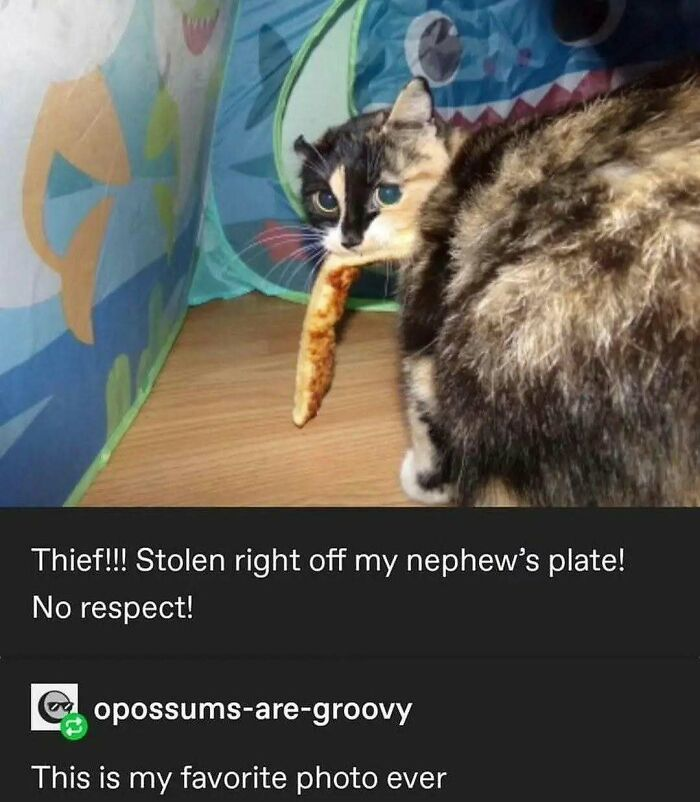
30. Every stage of confusion perfectly documented.
Then the conversation shifted from faces to full-on chaos, because the next time the zoomies tore through the room, it felt like a planned performance, not pent-up energy gone wild.
Points out that cats require both physical and emotional stimulation.
Providing a variety of toys and engaging in interactive play can help fulfill these needs, enhancing your cat's quality of life and strengthening your bond.
31. “Dreams do come true. Sometimes they just meow first.”
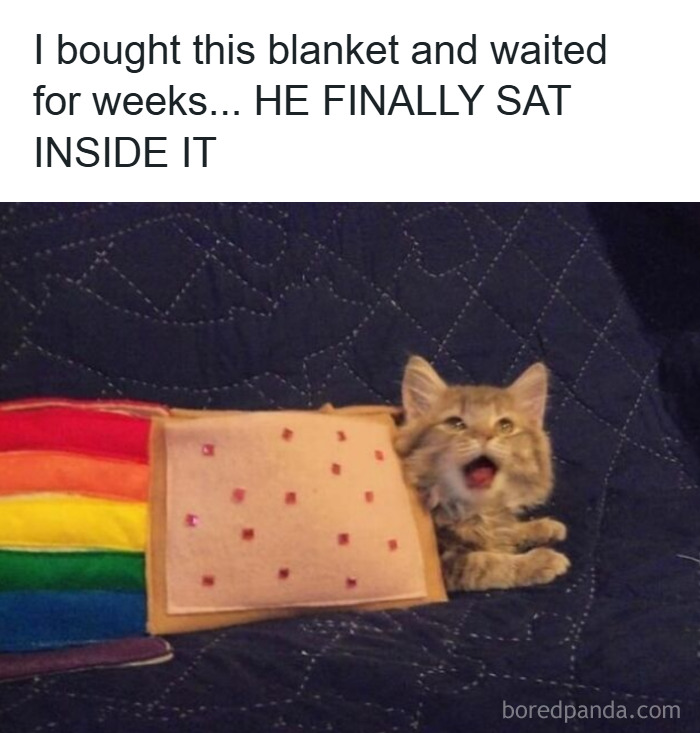
32. “When you ask for an orange cat but forget to specify the size.”
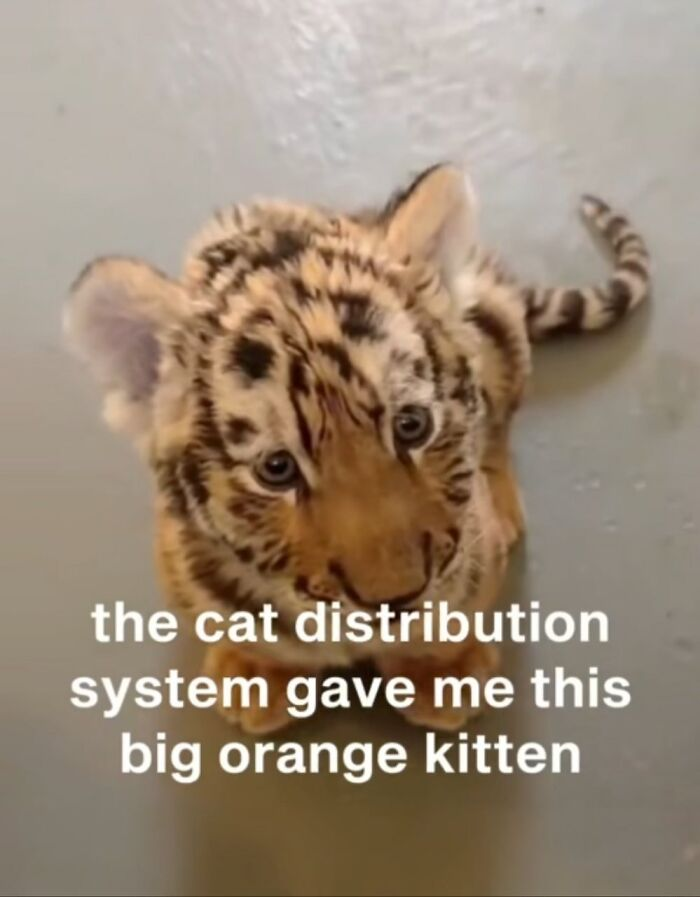
33. “This sermon is giving ‘hallelujah and hairballs.’”

Cats and Their Humans
Cats can sense their owner's emotions and respond accordingly. This sensitivity makes them unique companions.
When owners are calm and affectionate, their cats are more likely to exhibit relaxed behaviors. This mutual responsiveness can create a nurturing environment for both parties.
34. Breaking news: local feline files complaint against indoor rain.

35. “He just unlocked a new NPC in his house.”
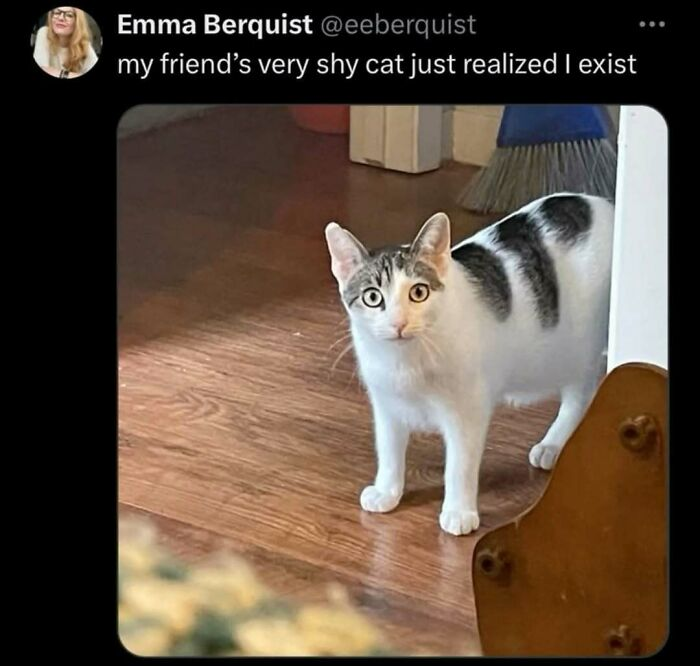
36. “Negotiation skills: 100. Defense against cuteness: 0.”
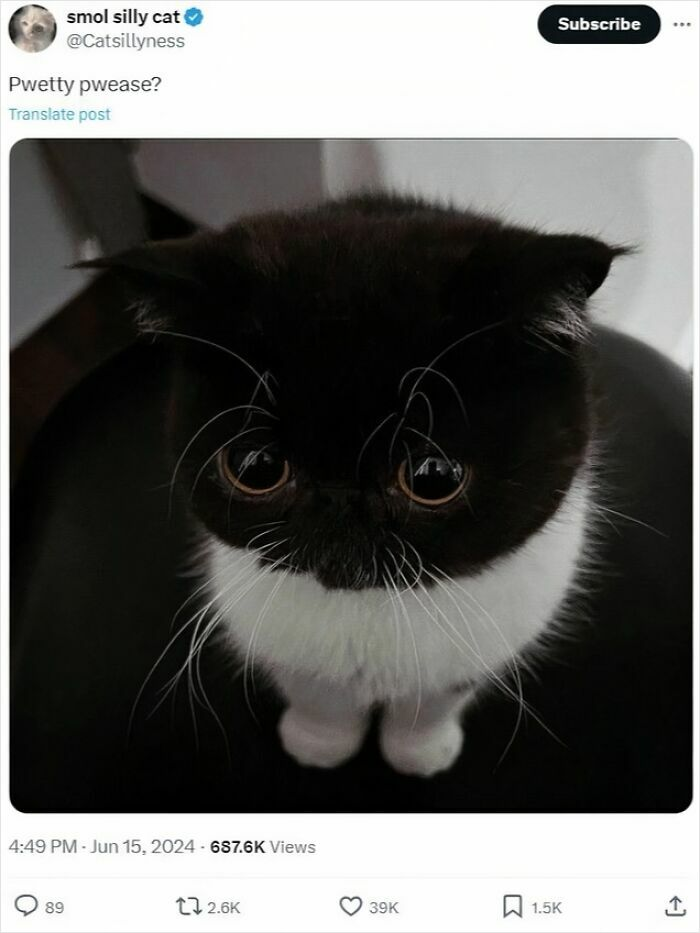
Suggests that climbing structures satisfy a cat's natural desire to perch high.
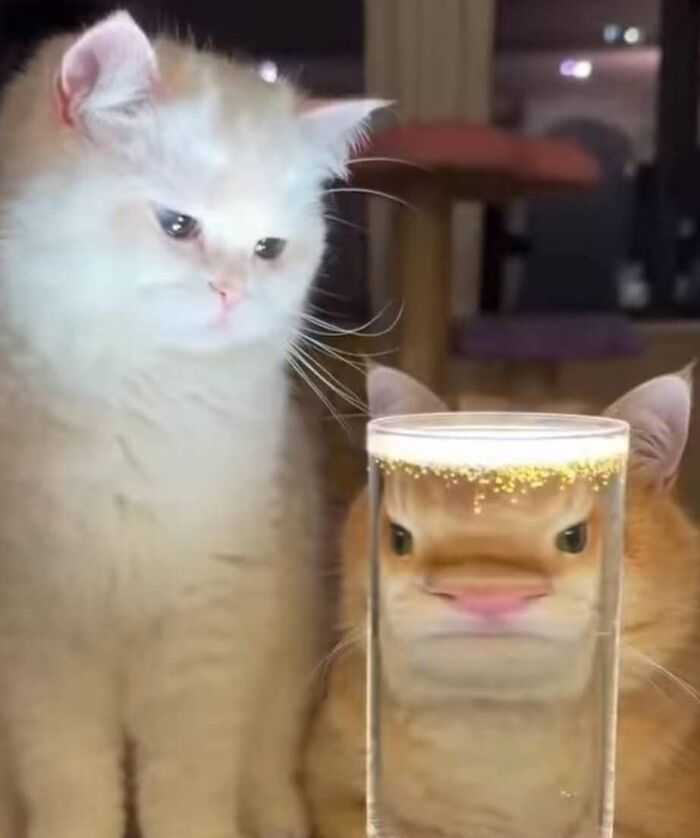
37. Cat on the left: emotional support. Cat on the right: pure judgment.
38. “It’s not just a melon. It’s a lifestyle.”
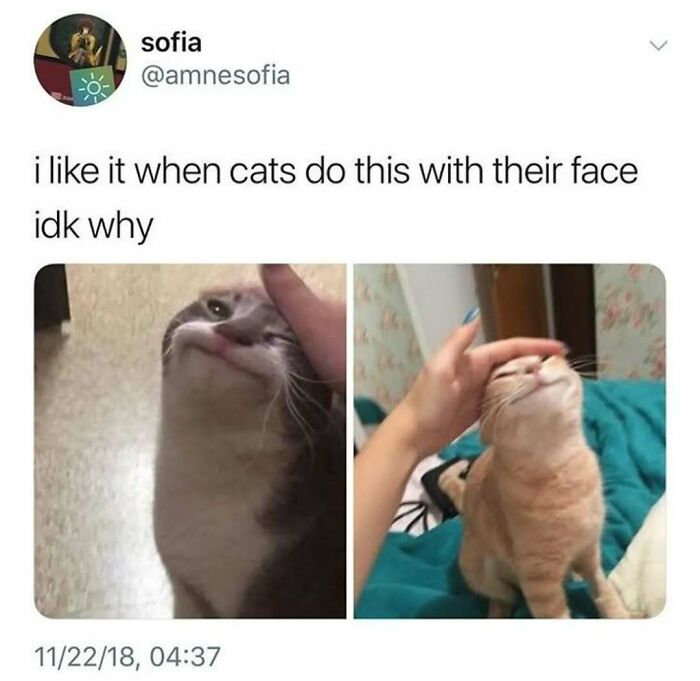
39. “When they activate the ‘approval received’ expression.”
And just as we thought we had the vibe figured out, the whole thing tangled up with that “wearable cat happiness delivery system” story, proving humans are trying to keep up with the feline schedule.
The Social Nature of Cats
Many people underestimate cats' social needs. Contrary to the belief that they are solitary creatures, many cats thrive on social interactions.
Providing companionship in the form of another pet or regular human engagement can help meet their social needs, leading to happier and healthier felines.
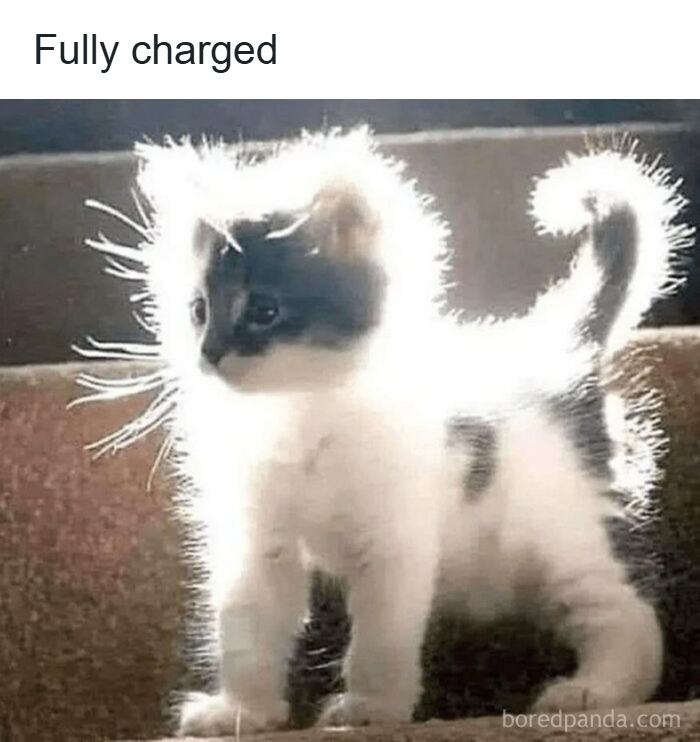
40. Achievement unlocked: Super Saiyan Furball.
41. The council of cats has reached a unanimous decision.
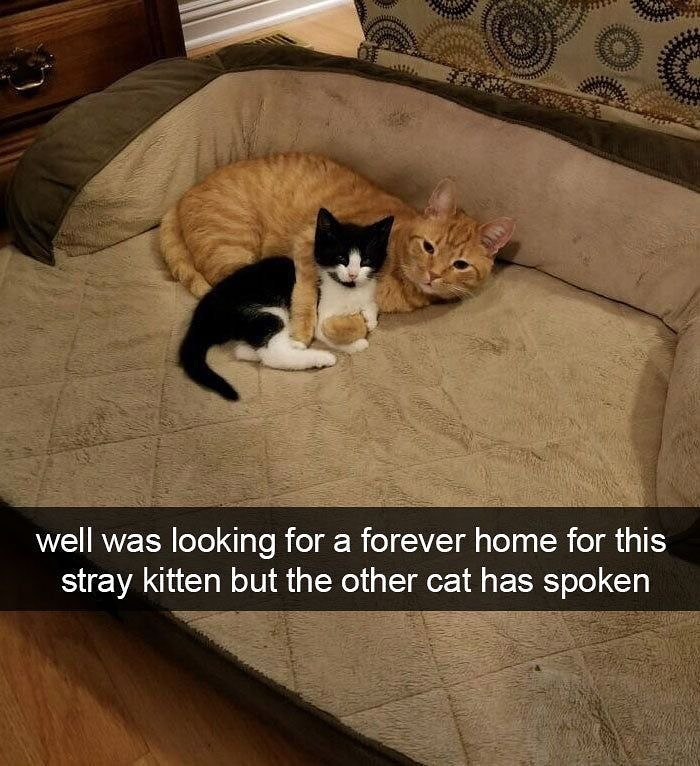
42. “When you roast each other but one of you takes it personally.”

Veterinary experts advocate for mental stimulation through puzzle feeders. Encourages using these tools to challenge your cat's problem-solving skills.
Not only do they keep your cat entertained, but they also promote healthy eating habits by slowing down their food consumption.
43. “She’s bringing the goods from the spring collection.”
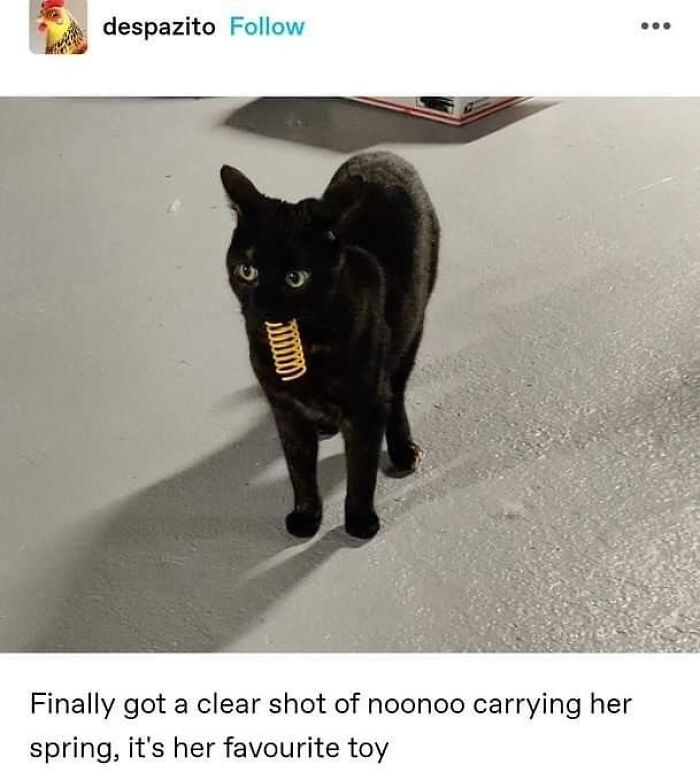
44. Corporate burnout, but make it feline.
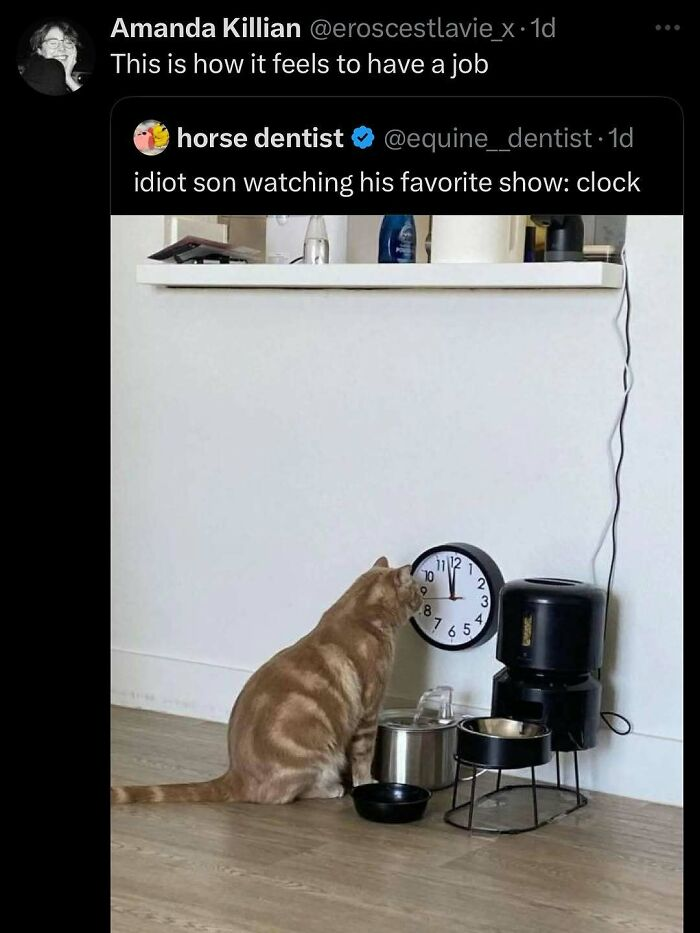
45. “He’s one meow away from calling the manager.”

Emphasizes the importance of adopting pets from shelters. Many cats in shelters have unique personalities that can enrich your life.
Choosing to adopt not only saves a life but also provides a loving home for a cat in need, creating a meaningful bond that benefits both the cat and the owner.
46. “Penny’s already planning the wedding, he just doesn’t know it yet.”

47. The secret ingredient? Confidence and a rough tongue.
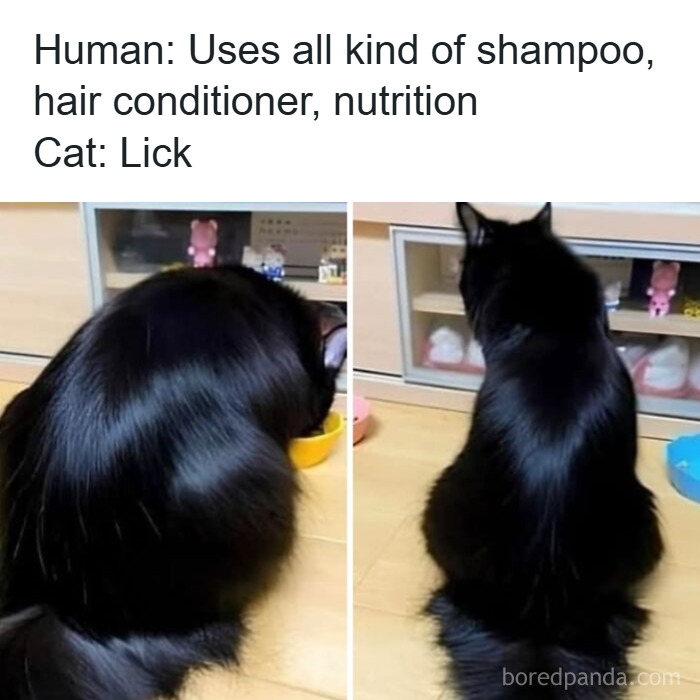
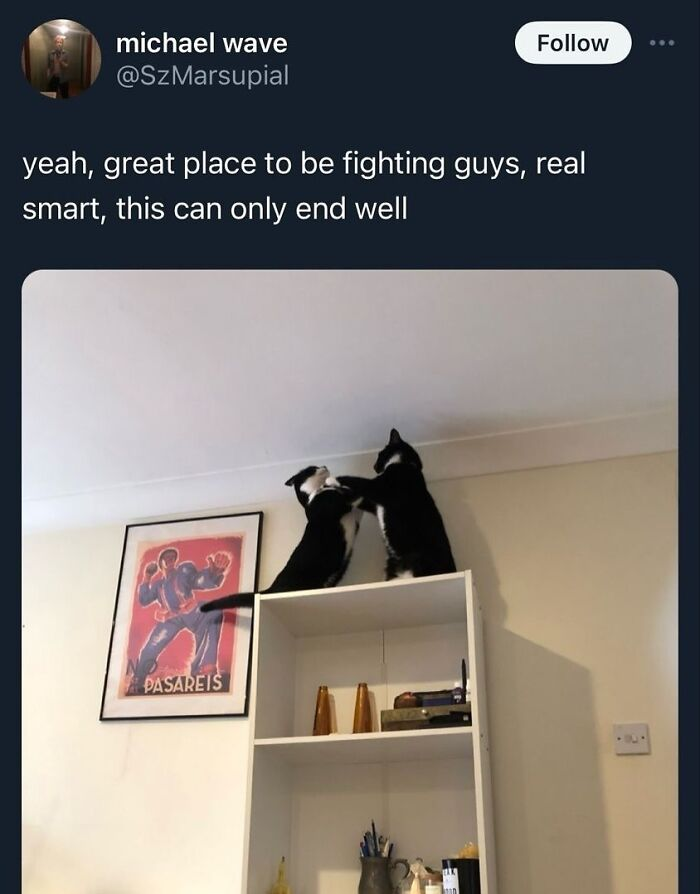
48. The higher the shelf, the stronger the drama.
Highlights the significance of observing your cat's individual preferences when it comes to play and interaction.
Some cats might prefer solo play, while others thrive in engaging social games. Tailoring activities to your cat's preferences can enhance their happiness and strengthen your bond.
49. “She’s serving resting judgment face and flawless fur.”
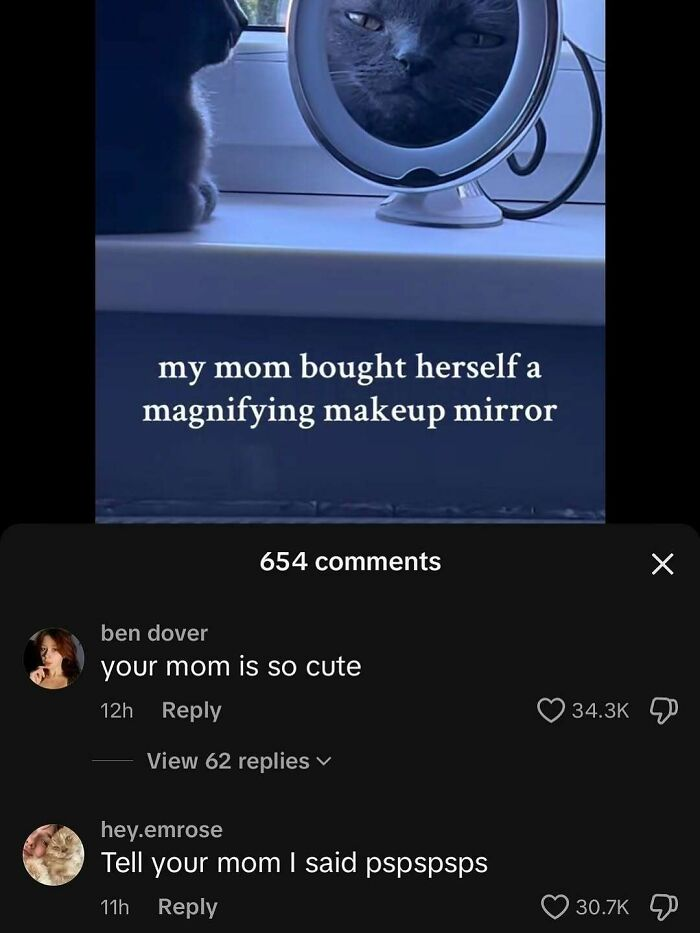
50. Five stars on MeowTripAdvisor.

Maybe that is the secret reason cat content wins the internet. It is ordinary life, but brighter. A loaf on a blanket. A toy in the mouth. A curtain climb that ends in a sheepish stare. None of it is trying to impress you. All of it invites you to breathe. If you share your space with a feline, tell us your best goofy moment. The sink soaker. The pizza thief. The clock watcher waiting for dinner.
Drop your story in the comments, tag a cat parent who needs a smile, and pass this along to anyone who could use a purr today!
In conclusion, the whimsical behaviors of our feline companions invite us to embrace a deeper understanding of their unique personalities. Observing their antics, like a cat leaping into the sink for a spontaneous spa day, highlights the joy they bring to our everyday lives. These playful moments serve as a testament to the bond we share with them, reminding us of the importance of recognizing their individuality. By catering to their needs and quirks, we can foster a more enriching environment that enhances our coexistence with these delightful creatures.
Our cats aren’t just laughing at us, they’re running the plot and we’re the side characters.
Want more cat chaos science, read how we “prove” they’re alien invaders, sort of.
Share this article:





