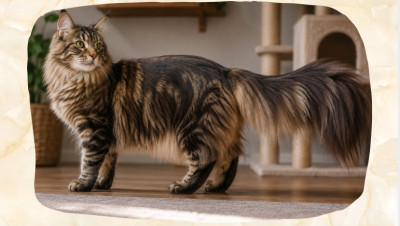
Little Kittens Are Getting Ready For Their First Sneak Attack And It's Definitely Adorable

Little kittens may look like tiny bundles of fluff, but they are already practicing the skills that will help them grow into full-grown hunters. Their first pounces, crouches, and sneaky little lunges are equal parts instinct and comedy, which is exactly why people love sharing them online.
This collection brings together kittens caught in the middle of their earliest sneak attack attempts, from awkward stalks to bold little leaps that miss by a mile. The photos show just how much of cat behavior starts early, even when the cat in question can still fit in one hand.
And once you see these tiny predators in training, it is hard not to root for every single one.
1.

2.

3.

4.
Keep in mind that your cat isn't done playing even if it stops after several minutes. They've just gone back to the first step in the prey sequence, staring. So keep moving the wand toy and keep your cat engaged, even if it's just staring. You can give your kitty a short break or change lures to reengage them, but don't give up!
Play sessions will be more intense for younger cats, but even older kitties and those with special needs love to play. Following a play session, give your cat a meal to initiate the hunt-eat-groom-sleep sequence, which is another behavior that cats naturally exhibit. You'll find your cat is more relaxed and content if you can stick to a routine schedule focused around play and meals.
5.

6.

7.

8.

9.

10.
11.
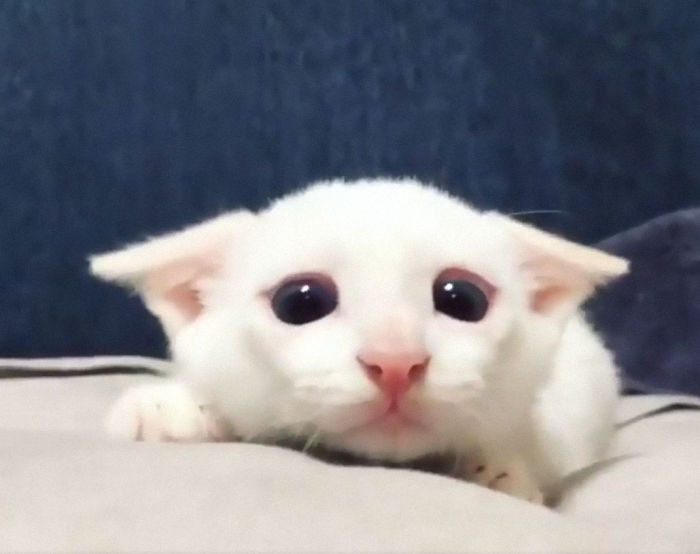
They're built for sneaking, even when the target is just a toy on the floor.
12.

13.
To be happy and healthy, they must get physical and mental exercise, which they achieve when they hunt and play.
Think about what an outdoor cat might do during her day: take a walk around her home range, kill and eat prey, groom, and nap in the sun. Cats evolved to interact with their environment, and we've asked, or demanded, that they adapt to an indoor living environment mostly devoid of the elements they evolved with.
In my opinion, boredom is one of the most frequent issues that can cause stress and behavior problems in cats, so ensuring that our cats have an enriched environment is incredibly important for their well-being.
Give them opportunities to play and hunt! When cats hunt, they go through the prey sequence:
1) staring,
2) stalking and chasing,
3) pouncing and grabbing, and 4) performing a kill bite.
The only type of toy that can truly satisfy all four steps of the prey sequence is an interactive wand toy, my favorite is 'Da Bird' with various lures to keep the play session fun and exciting. Try to have 1-2 play sessions with your cat every day, lasting 10-15 minutes each.
14.

It’s giving the same “blink and you miss it” vibe as the kitten who nods off while sitting.
15.

16.

17.

18.

19.

20.

21.

22.

23.
Many owners think that all cats need is a litter box, food, and water, which is false. Cats need plenty of mental and physical stimulation.
They require environmental resources in the form of perches and socially acceptable hiding places, as well as plenty of scratching devices. Many cats need two litter boxes, the general rule is to have the number of cats you have plus one, and these should be placed in a common room of the house, not hidden in the garage, bathroom, or closet.
24.

25.

26.

27.

28.

29.

30.

31.

32.

33.

34.

35.
Kittens training their ambush skills are not only an extremely cute topic, but it also demonstrates how naturally predatory felines are. Cats evolved to be highly stealthy because they are both predators, who often need to get fairly close to their prey before attacking, and prey, who need to be able to move around in their environment without being hunted by a larger predator.
In the beginning, cats were primarily kept for pest control purposes rather than companionship. They were essentially on their own and had to hunt for their food, just like their big cat cousins in the wild.
Without large quantities of food and prey, natural selection took effect, and only the most successful hunters survived and reproduced. Essentially, the cats we keep now are descendants of those great hunter cats.
These tiny hunters are still learning, but the instinct is already there.
Want more kitten chaos, check out 22 astonishing facts about kittens.
Share this article: