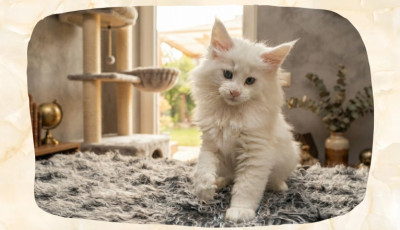
Trouble In Paradise As Husband Refuses To Convert The Cat’s Bedroom To His Toddler Son's Room

A 25-year-old Redditor thought she had a simple family-space problem on her hands, but it turned into a full-blown argument about a cat, a toddler, and a bedroom no one wanted to give up.
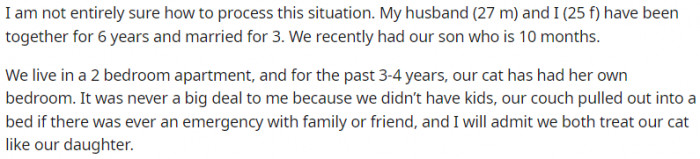
She and her husband live in a two-bedroom apartment with their 10-month-old son and a cat they both treat like a daughter. When she suggested turning the cat’s bedroom into a room for their child, her husband pushed back hard and accused her of trying to take away his daughter’s room.
Things got even messier when she mentioned they had not been intimate since the baby arrived. Now the comments are packed with opinions, and the story only gets stranger from here.
Converting the cat's bedroom...

And now into the story proper...
We haven't been intimate

That is where the argument starts to feel a lot bigger than just a room swap.
Attachment theory posits that the bonds we form in early life significantly influence our relationships throughout adulthood. When a partner prioritizes a pet's space over a child's needs, it may evoke feelings of insecurity and neglect for the child, which can impact their emotional development and sense of safety. Research indicates that children who experience inconsistent caregiving may develop anxious or avoidant attachment styles, making it difficult for them to trust others and form healthy relationships in the future. This creates a cycle where the child's unmet needs can perpetuate challenges in their future relationships, both as children and as adults.
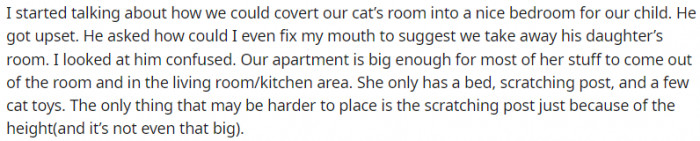
Our apartment is big enough...
A suggestion to buy a new place

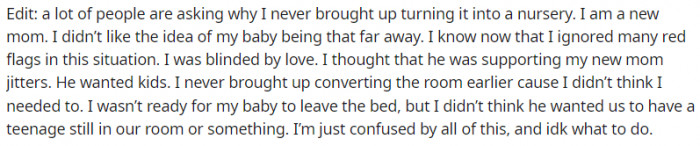
I'm just confused by all this
In examining the emotional landscape of this scenario, it's important to consider the psychological concept of 'cognitive dissonance.' Cognitive dissonance occurs when individuals hold conflicting beliefs or values, leading to discomfort. For instance, a parent might believe that a child's needs should come first, yet act in a way that prioritizes a pet's space.
Studies indicate that individuals often resolve this dissonance by changing their beliefs or rationalizing their behavior, which can lead to further psychological strain. Acknowledging these conflicts openly can lead to healthier decision-making processes and communication within the family.
So many people dropped a lot of interesting and mind-boggling replies as the post received more than a thousand comments. The OP also provided more details in the comments section, and we’ve gathered some of them for you.
Do check them all out below.
1. I'm a huge cat person
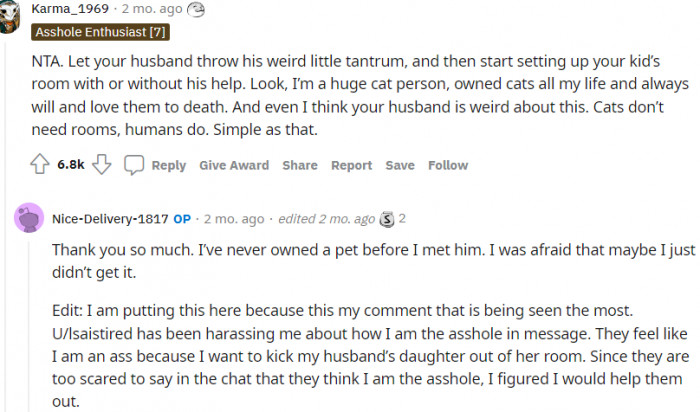
2. This cannot be about the cat
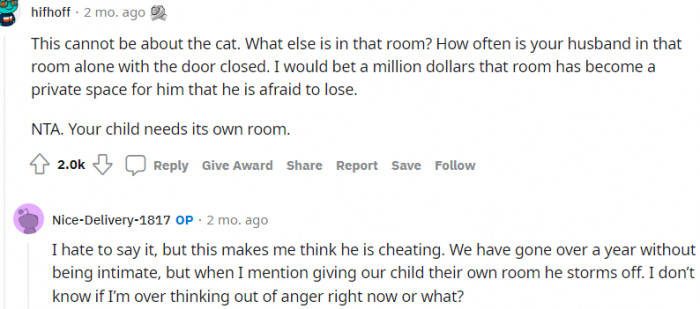
3. Where does he expect your child to sleep?

Pets can become a huge part of family life, and that seems to be part of the problem here.
Research indicates that pets can play a significant role in family dynamics and emotional well-being. Pets often serve as a source of companionship and emotional support for parents, which can inadvertently lead to prioritizing their needs over those of their children.
This can create tension in family roles, as parents may feel they’re providing emotional stability for themselves by caring for their pets. However, it’s crucial to balance this need with the responsibilities of parenting, ensuring that the child feels secure and valued.
4. I expected him to jump at the opportunity
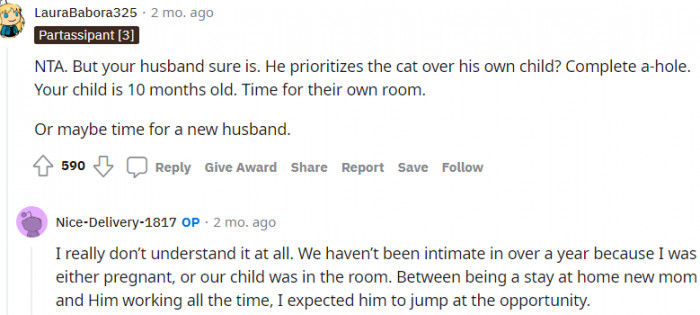
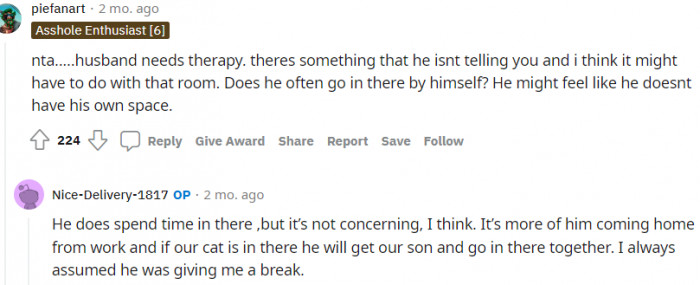
5. There is something really wrong with him
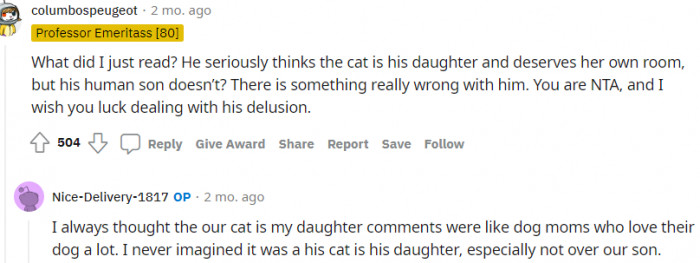
6. I assumed he was giving me a break
To address the underlying issues in this scenario, family therapy may offer beneficial strategies. A family therapist can help facilitate discussions that uncover the emotional needs of each family member and encourage collective problem-solving. Research shows that families who engage in therapy often experience improved communication and emotional resilience, leading to healthier dynamics.
It's important for families to establish routines and environments where both children and pets feel included and valued. Creating designated spaces for each can help alleviate feelings of competition for attention and resources.
This is similar to the delusional SIL who screamed that the host wasn’t watching the cat.
7. A cat doesn't need her own room
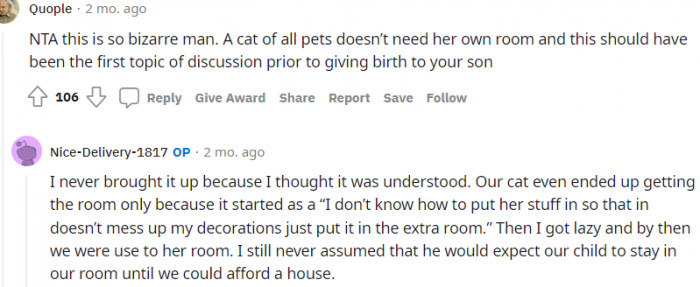
8. His reaction is bizarre and concerning

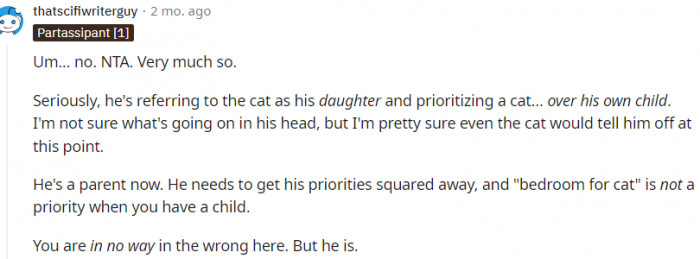
9. He's prioritizing his cat over his son
Cultural factors can significantly influence how families perceive the role of pets versus children.
10. There is more to this story

11. It will be healthier if the bedroom is a bedroom
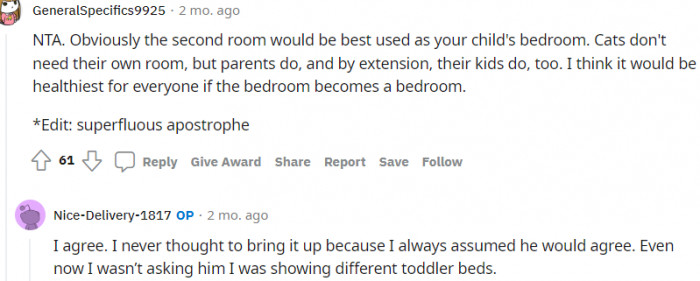
12. If I need the room for someone else
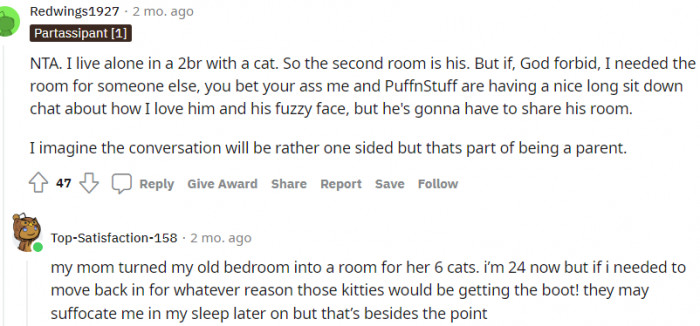
Another round of comments kept the debate going.
Behavioral psychology offers insight into why individuals might prioritize pets over children in certain situations. Operant conditioning suggests that behaviors followed by positive reinforcement tend to be repeated. If a parent finds comfort in their pet's affection during stressful times, they may unconsciously prioritize that relationship over their child's needs.
To counteract this tendency, individuals can practice mindfulness techniques that enhance awareness of their emotional responses. By being present and recognizing when stress is influencing their decisions, they can make more deliberate choices that prioritize their child's well-being.
13. Go keep your "daughter" company
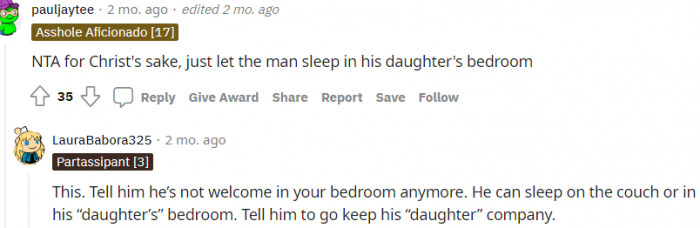
14. This is truly an odd situation
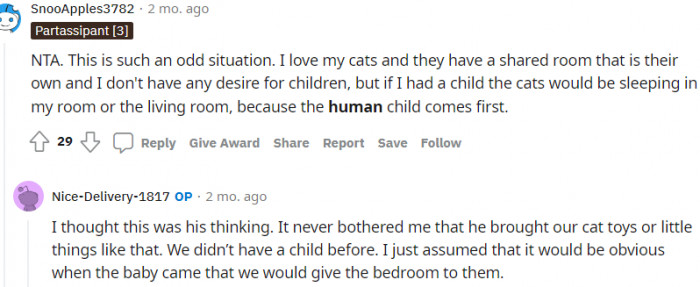
15. You do want to know what's going on
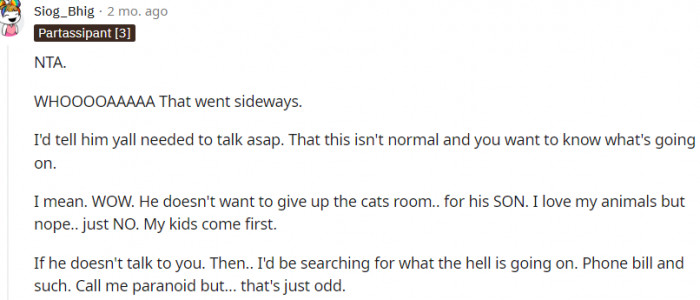
The comments only made the situation feel more divided.
16. I cannot picture this being real
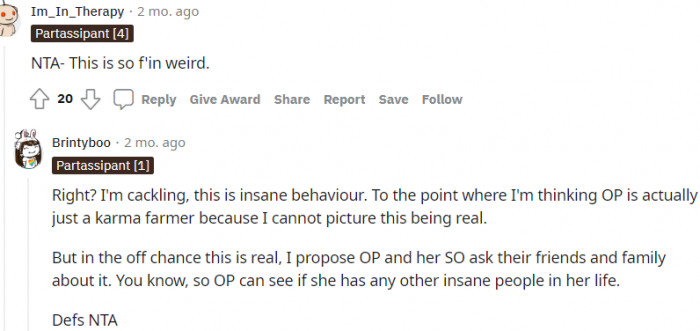
17. The human child needs his own bedroom

18. Saying this as a very involved dog mom
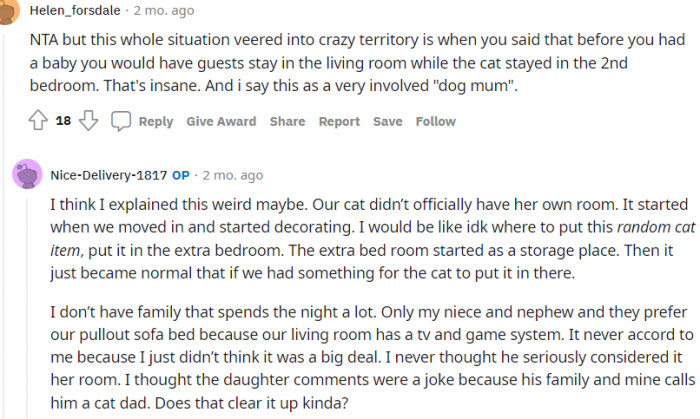
The scenario presented in the article illustrates a common yet challenging family dynamic where priorities clash.
19. Is he really serious about prioritizing his cat over his son?

20. Maybe I missed something but I just assumed
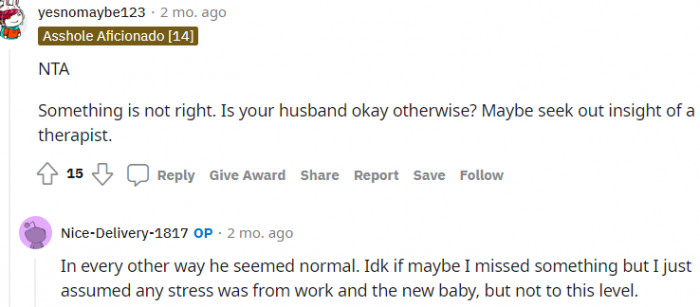
Yes, we love our furry buddies, and yes, we want to give them the best life possible, but can we really choose them over our own flesh and blood? This story is kind of complicated, and the Redditors have poured their thoughts out on what they think about it.
Do you agree with their verdicts, or do you have your own opinion? Share them with us in the comments section below.
The situation presented in this article reveals the complex interplay between the emotional needs of both children and pets within a family. The husband's refusal to convert the cat's bedroom into a space for their toddler son highlights a significant tension that can arise when personal attachments clash with family dynamics. It is crucial to recognize the unique bonds that children and pets can form, as both play vital roles in a nurturing environment.
Open communication is essential in such scenarios, as it can facilitate discussions that respect the emotional contributions of all family members, whether they walk on two legs or four. By addressing these concerns thoughtfully, families can work towards creating a harmonious atmosphere where both children and pets feel valued and secure. Ultimately, it is about striking a balance that enhances the overall family dynamic, ensuring that neither pets nor children are sidelined in the pursuit of a happy home.
He may love the cat, but this bedroom battle is not going away anytime soon.
Wait until you see the new mom who banned the cat from the bed, and her partner called her cruel.
Share this article: