
Tragic End For Man Who Treated Hippo Like Family

Some people save an animal and expect a sweet reunion, not a funeral. But in this case, the man who treated a hippo like family ended up as the headline, and the internet is still stuck on the “why would anyone think this is cute?” part.
Jeffrey Wicks from Netcare 911 says paramedics found Els after she had bitten the man multiple times, and the body had been in the water for an unknown stretch of time. The whole situation is messy because it started with a flood rescue, then went straight into a dangerous, unpredictable relationship with one of Africa’s deadliest animals.
Now the only thing anyone can agree on is that hippos do not do “Disney bonding.”
The man aimed to make the animal his pet after saving it from a flood.
Jeffrey Wicks, a spokesperson for Netcare 911, provided some details about what happened. Paramedics who responded to the scene found that Els had been bitten multiple times by the animal.
The body had been in the water for an unknown amount of time before being found. Since then, the story has circulated widely, especially on social media platforms like Reddit.
Many people commenting on the case pointed out just how dangerous hippos can be. One Reddit user put it bluntly: “The world isn’t like a Disney film where wild animals are friendly.”
Another shared a well-known fact about Steve Irwin, the famous wildlife expert. “Hippos are the only animals Steve Irwin was truly afraid of, not just respectful,” the user wrote.
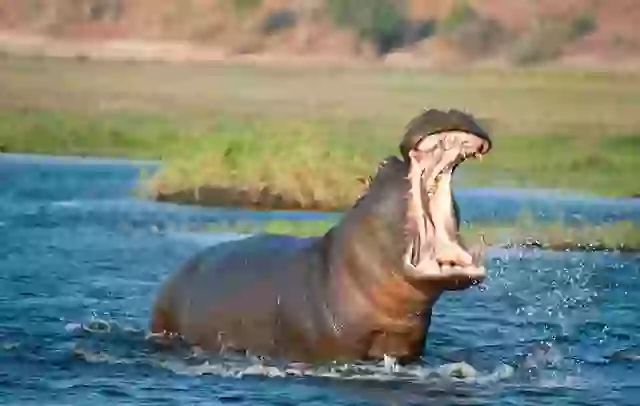
That flood rescue is exactly what made people online think the man was doing the right thing, right up until Els started biting him.
Others expanded on the hippo’s reputation, calling it one of Africa’s deadliest animals. One user explained that hippos don’t attack because they’re hungry or only when provoked.
Instead, they are aggressive by nature and constantly on the offensive toward anything smaller than an elephant. “They don’t have an off switch,” the comment read.
“Lions might leave humans alone if they aren’t hungry, and elephants often avoid trouble unless provoked, but hippos want you dead just for existing. They’re filled with hate for no reason at all.”
Once Reddit commenters brought up how hippos operate like they have no off switch, the story stopped sounding tragic and started sounding predictable.
The tragic outcome for the man who treated a hippo like family serves as a sobering reminder of the inherent risks associated with human-animal relationships, particularly with wild creatures. While many people are drawn to the idea of bonding with animals that seem endearing, it is crucial to acknowledge that the wild instincts of these animals can pose significant dangers. This story illustrates the fine line between admiration and the reality of animal behavior, especially in the case of a large and powerful creature like a hippo.
Rather than viewing our interactions with such animals through a purely affectionate lens, it is essential to adopt a mindset that acknowledges their wild nature. By understanding the complexities of animal behavior, we can foster a healthier respect for these creatures and recognize the potential consequences of anthropomorphizing them. The man’s tragic fate highlights the importance of maintaining a safe distance and understanding the limits of domestication.
In reflecting on this incident, we are reminded of the need for awareness and education about wild animals. Techniques like promoting mindful interactions with nature can encourage a more informed perspective, allowing individuals to appreciate wildlife without losing sight of the inherent risks involved.
It also echoes Aalborg Zoo’s unusual “healthy” pet request, where the public’s unwanted animals led to a teenager’s pony’s shocking fate.
Reddit users have shared how surprisingly dangerous hippos are.
It’s a harsh truth that the hippo’s cute, bulky appearance masks a very dangerous animal. Hippos are responsible for more human deaths in Africa than most other large animals.
Their size and strength make them capable of killing boats, cars, and people with ease. Despite their terrifying nature, the story of Marius Els illustrates the complicated relationship humans sometimes try to have with wild animals.
Some want to protect and care for them, even when nature doesn’t make that easy or safe. Unfortunately, in this case, the risks were too great.
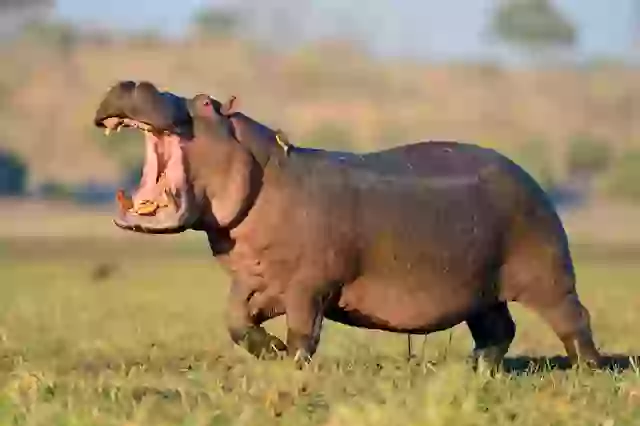
Even the Steve Irwin comparison, the one about hippos being the real fear, made the tragedy feel even more brutal.
Wild animals, even those that seem familiar, remain untamed at their core. Hippos, despite any moments of calm, follow instincts that clash with human companionship, and what feels safe one minute can become deadly the next. By honoring their wild nature and keeping a secure distance, we reduce the risk of harm and acknowledge that some animals simply cannot adapt to life alongside people.
And with Els’s aggressive reputation paired with the unknown time the body was in the water, the whole “family pet” idea lands as a warning, not a vibe.
The tragic fate of the man who treated a hippo like family serves as a stark reminder of the inherent risks involved in human-animal interactions, particularly with wild creatures. While many people are drawn to the charm and perceived gentleness of such animals, the reality is that they remain fundamentally unpredictable and dangerous.
This incident highlights the importance of understanding boundaries in relationships with wildlife. Rather than viewing these animals as companions, it is crucial to recognize their wild nature and the potential for aggression. Acknowledging this truth can foster safer practices and promote a healthier respect for the natural world.
He wanted a family member, but a hippo wanted an exit.
After a safari truck halted, see how an American tourist died when an elephant charged her: charging elephant killed this tourist.
Share this article:





