Massive 20-Foot Shark Seen In Rhode Island Pond

Rhode Island did not expect to open Memorial Day with a 20-foot shark story, but Block Island’s Great Salt Pond delivered anyway. One minute it’s calm water and weekend vibes, the next minute people are staring at a giant dorsal fin that looks way too similar to a great white.
Here’s what makes it messy, though: basking sharks can look intimidating from a distance, and their dark, finny silhouette can fool even seasoned eyes. Still, this wasn’t a predator on the prowl, it was a filter-feeder cruising for plankton, apparently turned around while moving along the west side of the island.
The wild part is how a creature built for open water ended up trapped in a pond for about a day, then slipped away when the boat traffic finally quieted.
A 20-foot shark seen in Block Island’s Great Salt Pond on Memorial Day was a harmless, likely lost, basking shark.
At a glance, basking sharks can resemble great whites. Their large dorsal fins and dark colors can fool even experienced observers. However, there’s a key difference: basking sharks feed by filtering water for plankton, not by hunting prey.
Dodd explained, “They look very intimidating, but if you know what to look for, you can tell it’s not a white shark.”
These giants prefer cooler waters, so it’s not unusual to see basking sharks in Rhode Island around this time of year.
“This is a shark that we’ll see fairly consistently,” Dodd said.
However, the species is still vulnerable, according to the International Union for the Conservation of Nature (IUCN), and in some regions, basking sharks are considered endangered.
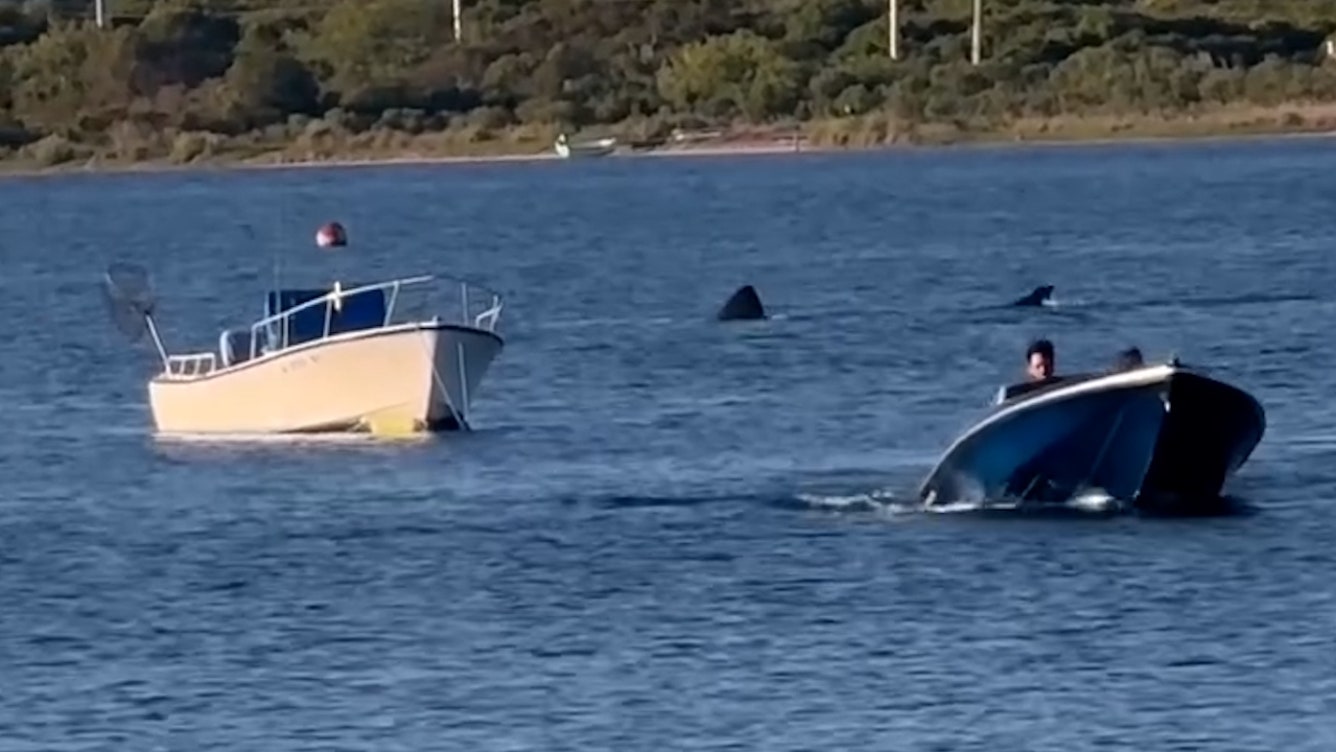
If you saw that fin cutting through Block Island’s Great Salt Pond on Memorial Day, you can see why everyone’s first thought was “great white,” not “basking shark.”
So, how did such a massive creature end up in a relatively small pond? Dodd suspects it was a simple mistake.
“He must’ve been cruising up the west side of Block Island and decided to check out the pond, probably curious about what’s inside,” he said.
It seems the shark got a bit turned around and found itself stuck in the wrong place. It’s believed the shark stayed in the pond for about a day before slipping back out at night when boat traffic slowed.
The recent sighting of a massive 20-foot shark in a Rhode Island pond not only stirs excitement but also highlights significant ecological concerns. This unusual event is a stark reminder that marine ecosystems are undergoing substantial changes, driven by a combination of climate change and human activities. As sharks venture into unexpected habitats, such as tranquil ponds, it raises questions about their search for food and breeding grounds in the face of environmental disruption. This incident serves as a call to action for local communities to evaluate and protect their ecosystems, fostering a sustainable relationship with marine wildlife. Engaging the public in conservation efforts is essential to ensuring that such habitats remain viable for diverse marine species in the future.
"We got a number of calls yesterday as people on Block Island, RI, were treated to quite the scene, kicking off the 2025 summer season! "
A close look at the basking shark.
While the initial shock caused some concern, experts view the sighting as a good sign. It indicates that these large sharks are active and healthy in the area.
“It’s a positive for marine conservation,” Dodd noted.
Seeing these creatures near the surface shows that the ecosystem can support them, which is encouraging news for anyone who cares about ocean life.
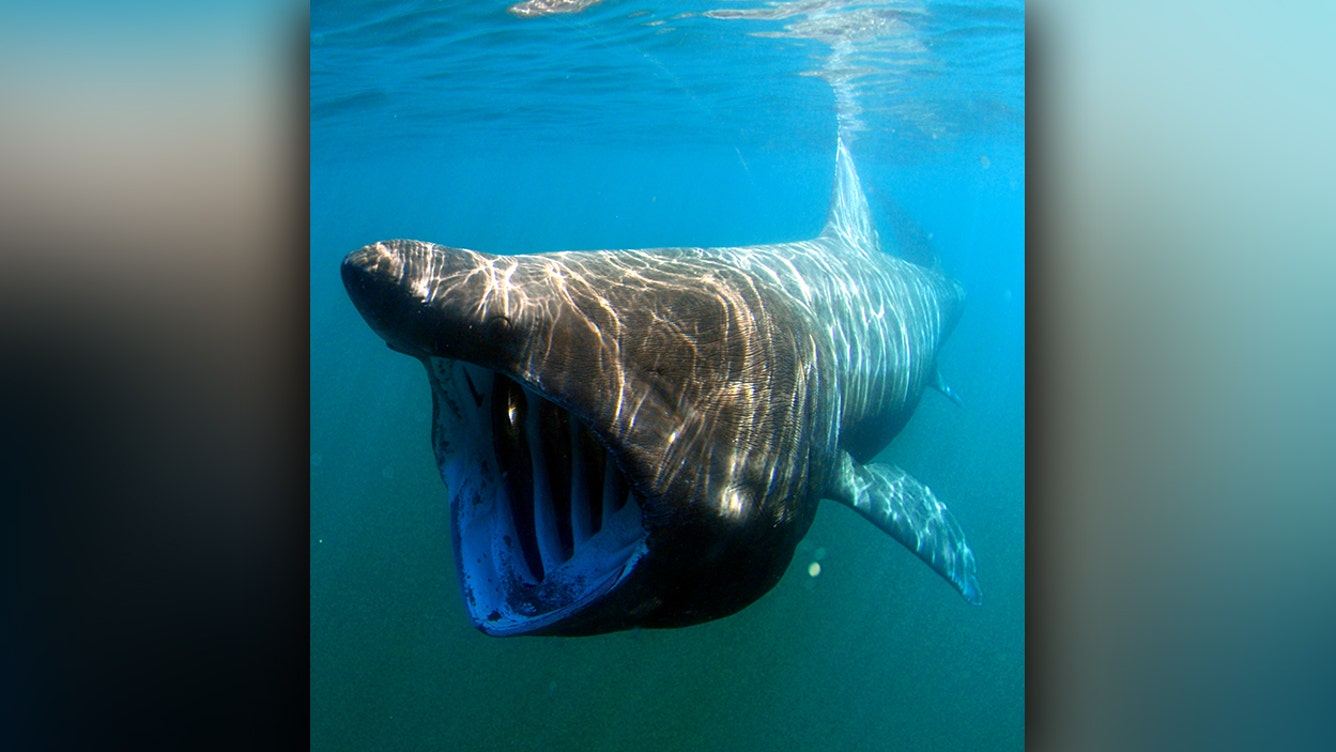
The complicated part is that basking sharks and great whites can share the same “big fin, dark body” vibe, even when their behavior is totally different.
This “zombie shark” moment echoes a diver’s bone-chilling encounter after the shark’s video went viral.
Once you picture it cruising the west side of the island, deciding to check out the pond, the whole “how did it get stuck here?” mystery starts to make brutal sense.
This event demonstrates just how much there still is to learn about the creatures living in nearby waters. Even huge animals like basking sharks can turn up in surprising places, offering a rare chance to see their world up close.
For the people of Block Island and their visitors, it was a moment filled with awe and excitement, sure to become a story they’ll tell for years. Thanks to social media and quick sharing, many others got a front-row view of the giant shark’s unexpected visit to a quiet pond.
And when night fell and the boat traffic slowed, it’s easy to imagine the shark simply slipping back out, like it had been waiting for the chaos to die down.
Community workshops that discuss shark ecology, safety tips, and conservation efforts can empower residents and promote coexistence.
The recent sighting of a massive shark in a Rhode Island pond is not just a surprising event; it highlights the complex interconnections within our ecosystems. Such occurrences challenge our perceptions of wildlife and serve as a crucial reminder of the need for a deeper understanding of these phenomena. The blend of fear and excitement felt by locals reflects a common reaction to the unexpected presence of a predator in a familiar setting.
Communities can benefit greatly from proactive education about local wildlife, which can help demystify these encounters and encourage coexistence with nature. By fostering a culture of awareness and conservation, residents can learn to respond to unusual animal behavior with informed perspectives rather than instinctive fear. Engaging with experts and implementing educational initiatives could transform a moment of anxiety into an opportunity for appreciation and understanding of the natural world that surrounds them.
That pond sighting wasn’t just scary, it was a reminder that changing seas can turn “impossible” into “right there.”
Wait till you see how researchers spotted a prehistoric-looking shark near a New England ship.
Share this article: