
55 Pictures Of People And Animals That Are The Epitome Of "I Guess This Is My Life Now"

Some pictures make it look like the universe has quietly decided, yep, this is your life now. A cat on your lap, a dog stuck in a ridiculous pose, or a person leaning into an awkward situation can turn an ordinary moment into something weirdly perfect.
That is exactly the vibe behind this Reddit roundup, where people and animals seem to accept their strange circumstances without much protest. From pets dressed up for their humans to unexpected public moments that nobody bothers to question, the posts capture the kind of everyday absurdity that makes the internet so fun.
The subreddit This Is My Life Now has built a whole community around that feeling, and these 55 pictures are some of the best examples. Read on.
1. “Do you like my hat?”
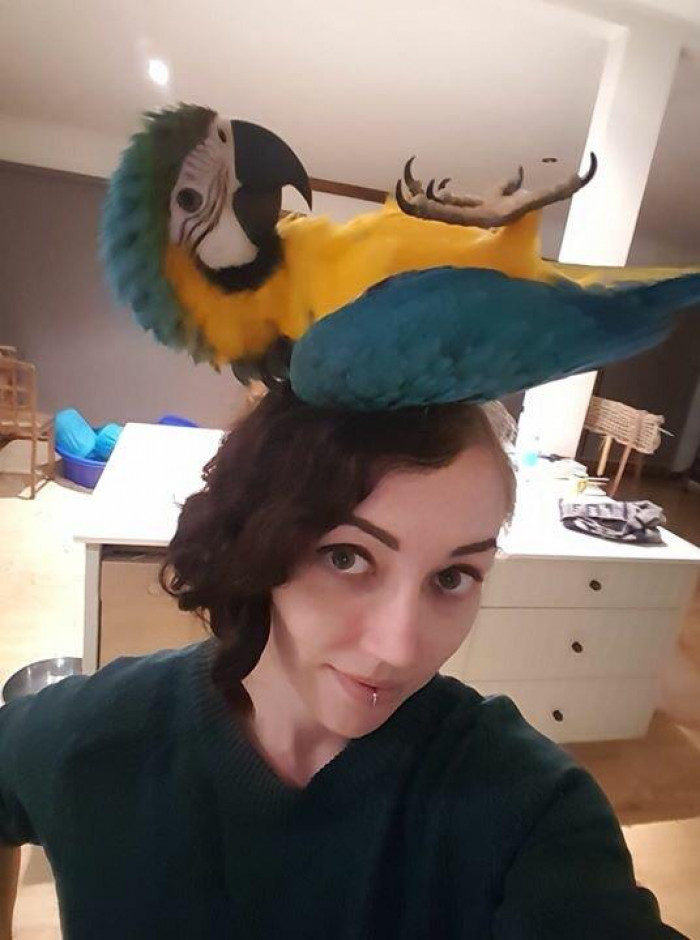
2. I'll just become a couch then
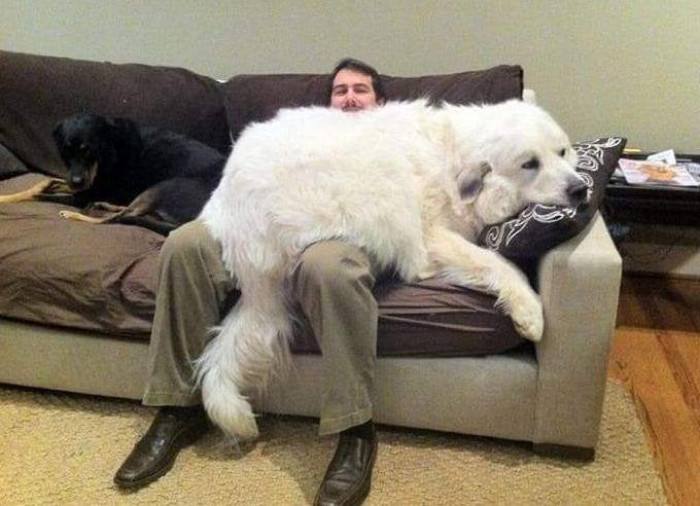
3. The best way to advertise your garage sale nearby
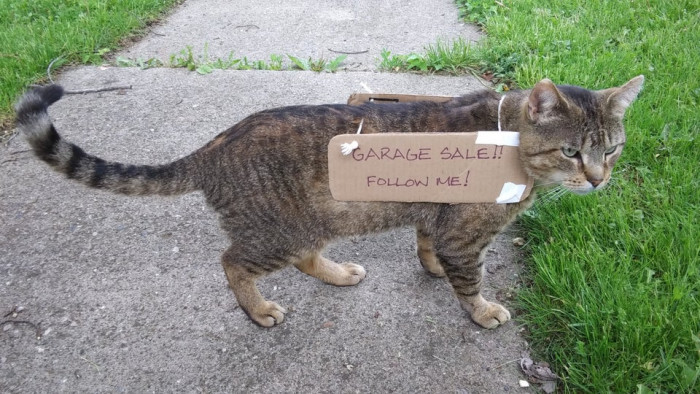
Acceptance in the face of unexpected circumstances is a common psychological phenomenon known as 'cognitive appraisal.' How we perceive and interpret a situation significantly influences our emotional response to it. When individuals encounter a situation they didn't foresee, like a cat resting on their lap, their ability to accept it can depend on their previous experiences and coping strategies. Studies have shown that those who practice mindfulness and acceptance strategies tend to experience lower levels of anxiety and higher levels of satisfaction in their daily lives.
Incorporating mindfulness techniques can enhance one's ability to deal with life's unpredictabilities. Mindfulness trains individuals to be present in the moment without judgment, allowing them to accept circumstances rather than resist them.
4. I see no otter way out....
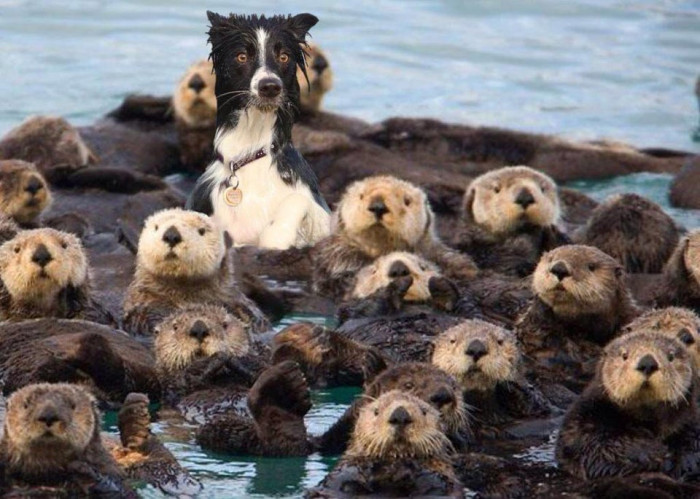
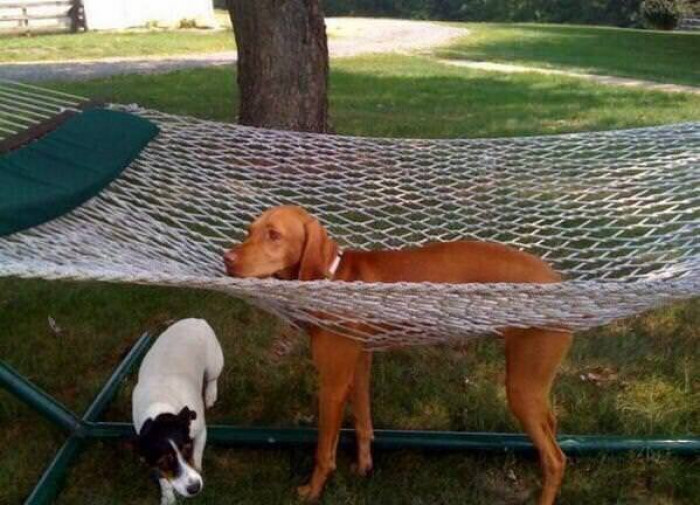
5. This is fine
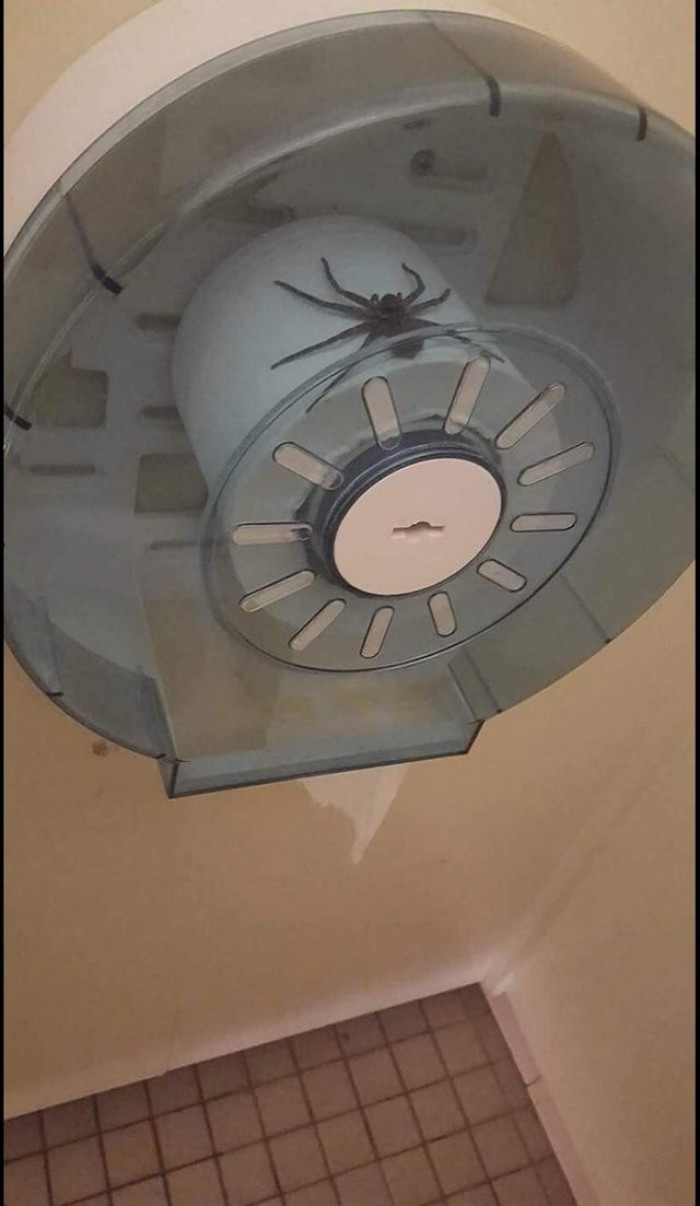
6. You have to either wipe or walk away without wiping. Both choices aren’t pleasant.
Humor plays a crucial role in how we cope with life's absurdities and unexpected events.
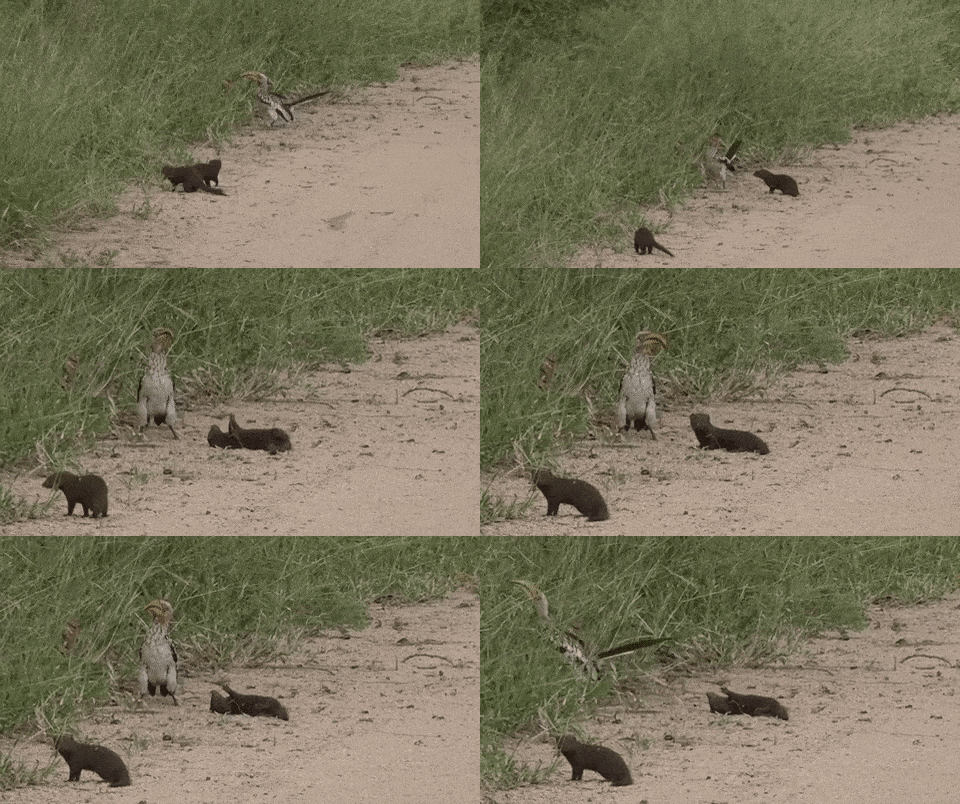
7. Hey look, i'm dead!
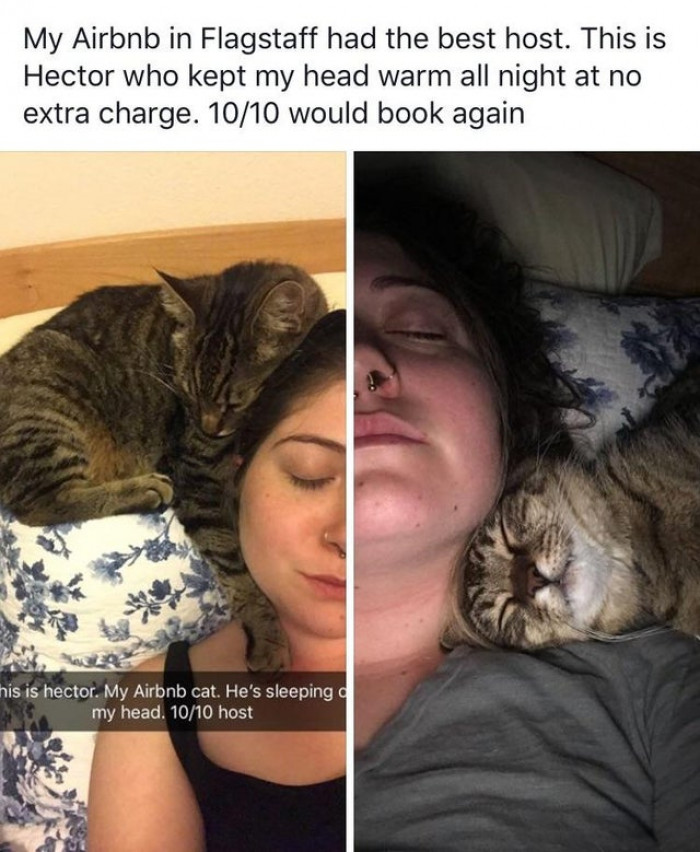
8. When your Airbnb comes with a cat
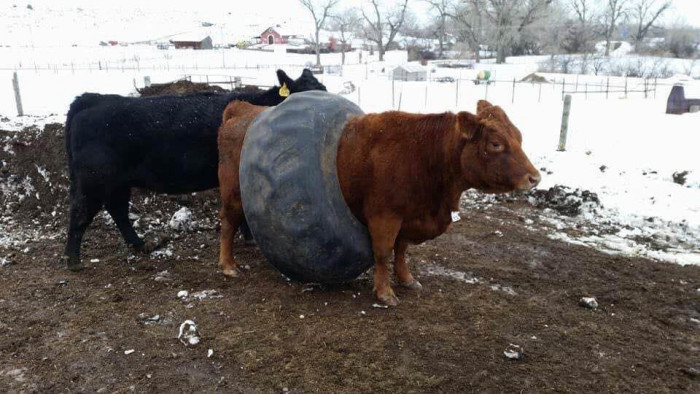
9. Play it cool, nobody will notice
Another significant psychological concept at play in unexpected situations is the notion of 'situational coping,' which refers to the strategies we employ based on specific contexts. When faced with harmless situations, such as an animal comfortably settling on them, individuals are more likely to adopt a light-hearted approach.
To enhance one's situational coping, it can be beneficial to develop a repertoire of coping strategies that include both problem-focused and emotion-focused techniques. This dual approach enables individuals to respond effectively to various unexpected events, ultimately fostering a sense of control and well-being.
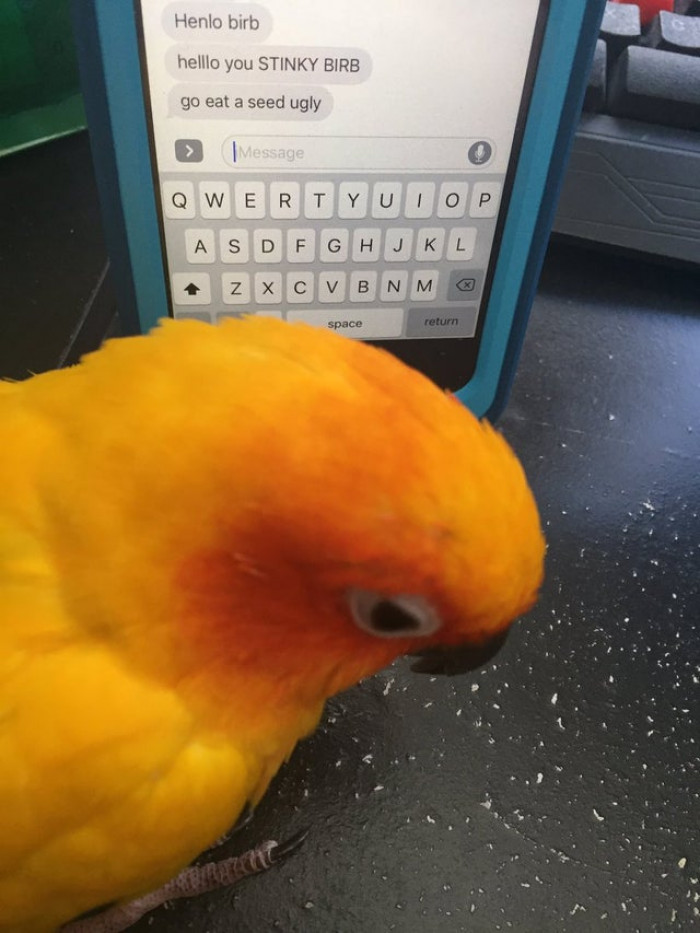
10. Effects of cyber bullying
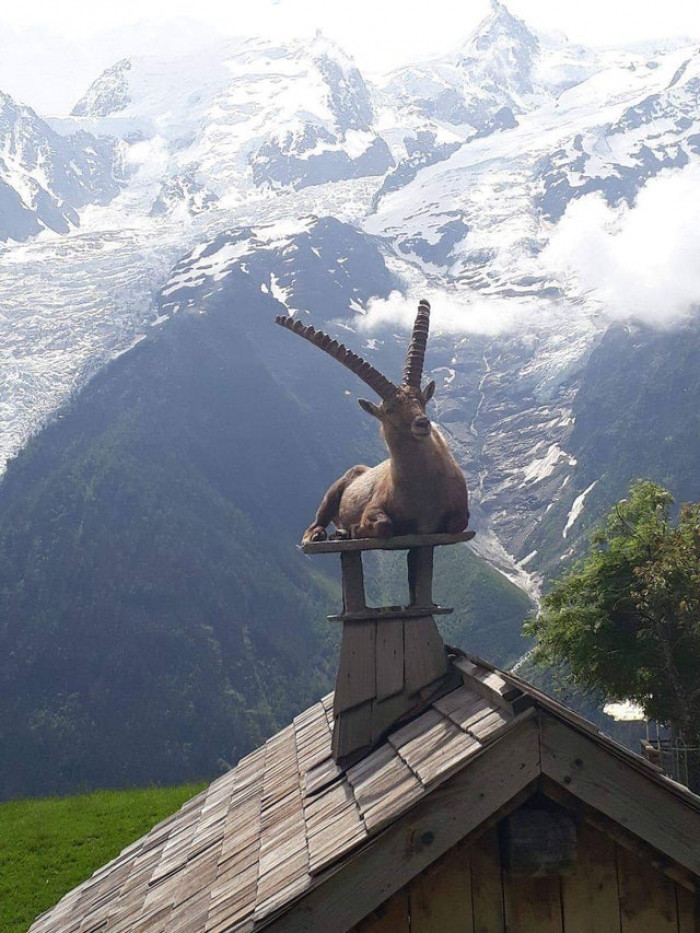
11. Ibex On The Chimney
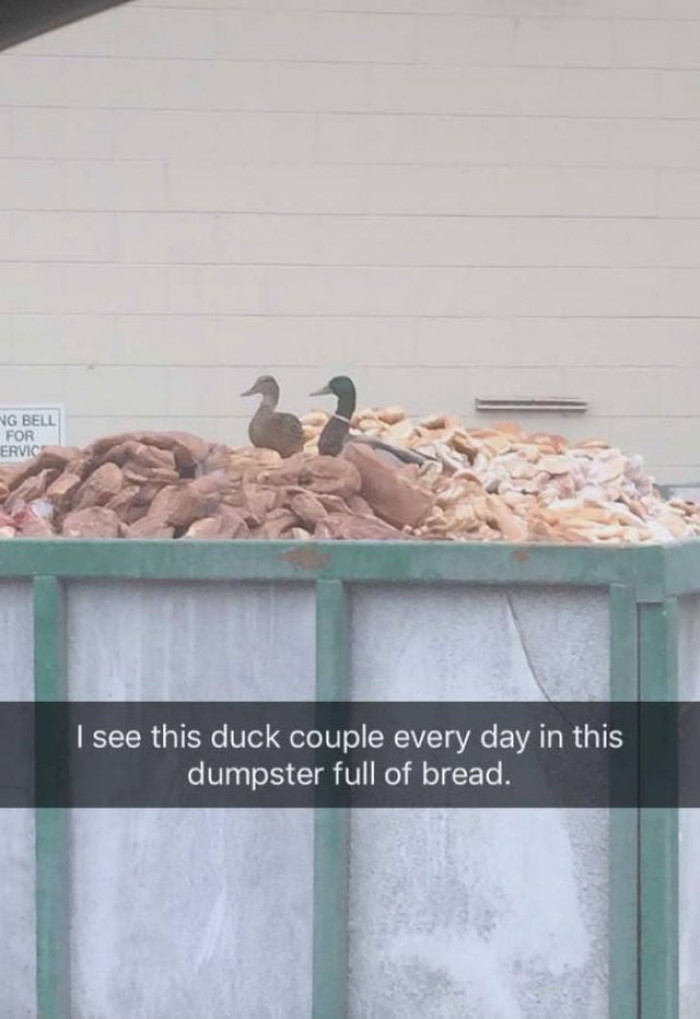
12. This duck couple hit the jackpot
Acceptance as a psychological construct has been extensively studied and is often linked to improved mental health outcomes. Individuals who practice acceptance in the face of adversity tend to experience lower levels of anxiety and depression. This aligns with the principles of Acceptance and Commitment Therapy (ACT), which encourages individuals to embrace their thoughts and feelings rather than struggling against them.
Practicing acceptance can involve simple daily exercises, such as acknowledging one's feelings about a situation without judgment. Over time, this practice can lead to increased emotional flexibility and resilience.
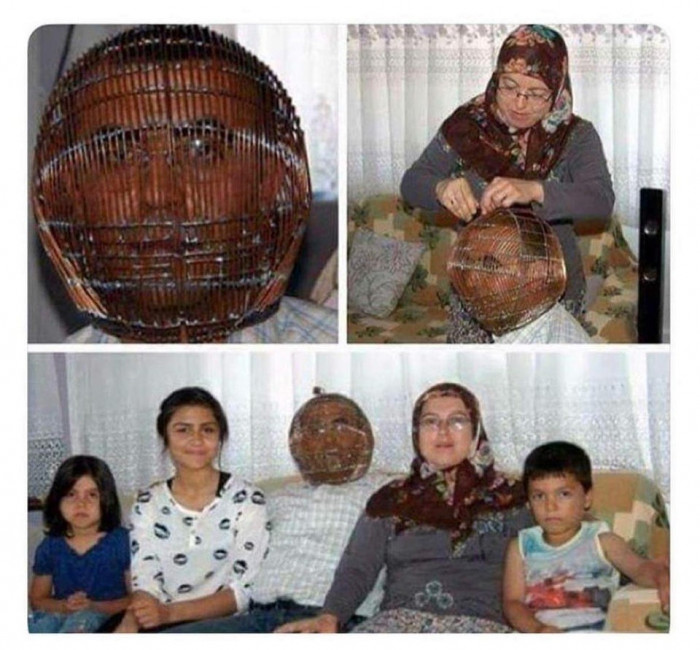
13. Guy locks his head in a cage in an attempt to give up smoking. His wife has the only key and only opens it for meals.
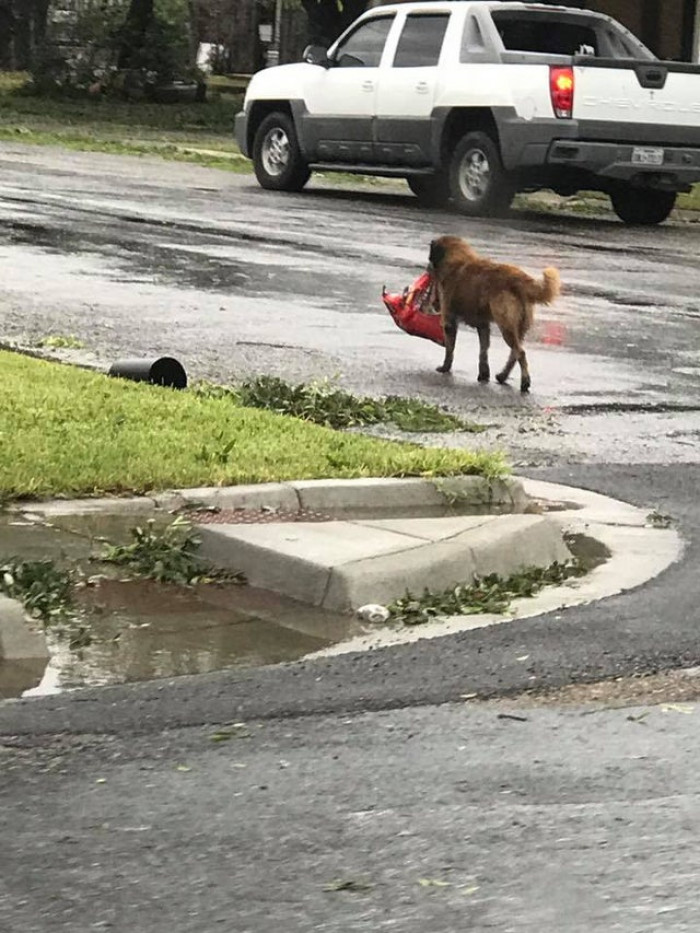
14. LOOTER BOY - This dog was photographed after the hurricane hit looting a big bag of dog food and embracing the life of survival
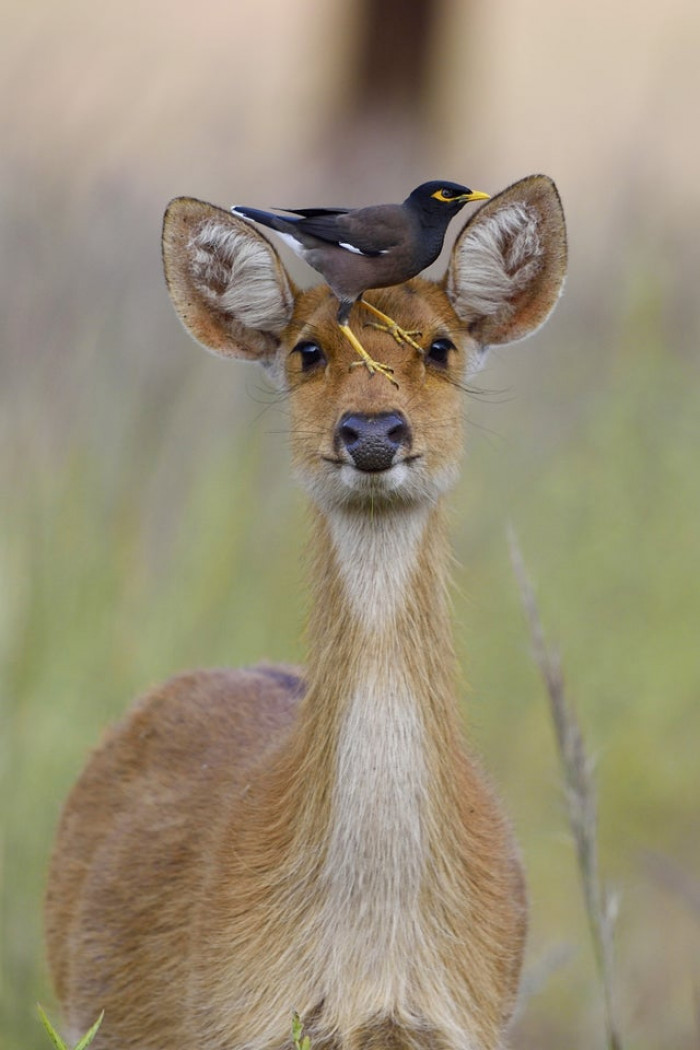
15. Watchtower
Another interesting aspect of our response to unexpected situations is the role of social support. When individuals share their humorous or awkward experiences with friends or loved ones, they not only foster social bonds but also gain perspective. This communal aspect of acceptance can transform a mundane or uncomfortable situation into a shared laugh, reinforcing the idea that we're all navigating life's unpredictability together.
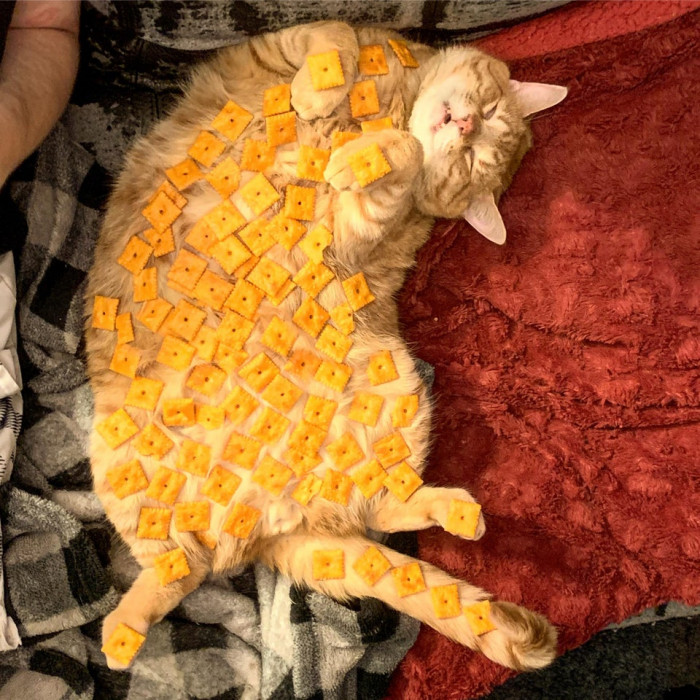
16. We got bored and our cat is a heavy sleeper, so we helped him live up to his nickname
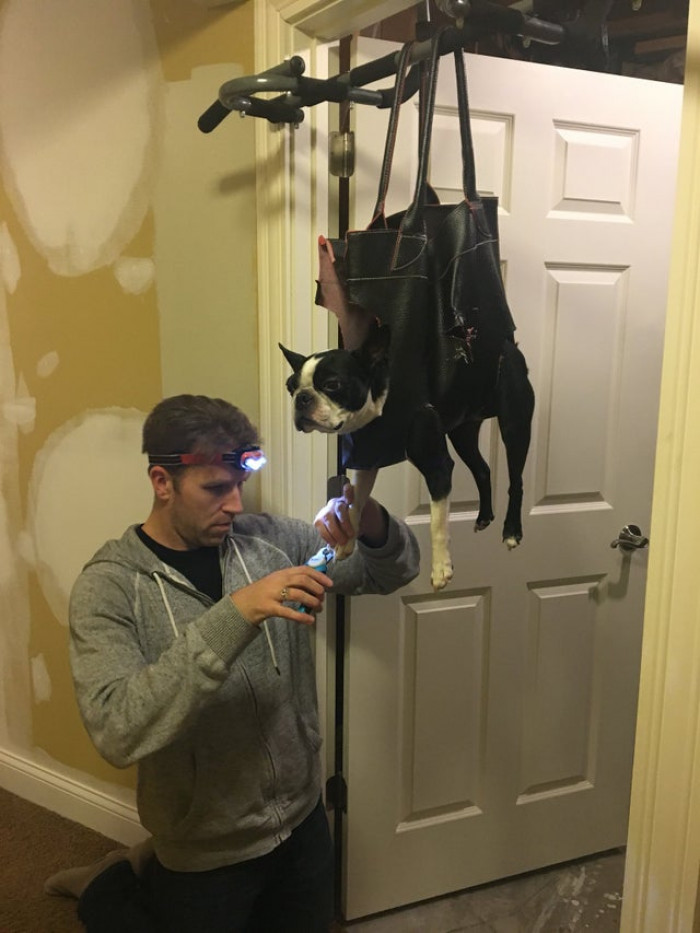
17. A pug that hates getting its nails clipped is resigned to Its fate.
18. "King Good Boy" to you, peasants

Cognitive dissonance, a concept developed by Leon Festinger, plays a pivotal role in how we reconcile our thoughts and feelings when faced with unexpected changes. This psychological phenomenon occurs when individuals experience discomfort due to conflicting beliefs or behaviors. For example, if someone finds themselves in an embarrassing situation, they might struggle with feelings of self-judgment.
Research has shown that addressing cognitive dissonance through self-affirmation can help individuals achieve a sense of acceptance. By recognizing and affirming their core values, people can reduce dissonance and cultivate a more positive self-image, allowing them to embrace life's quirks with grace.
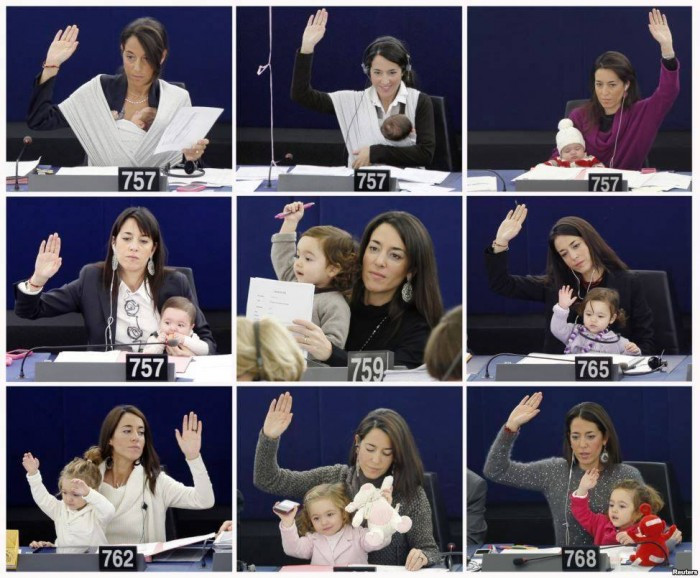
19. Licia Ronzulli, member of the European Parliament, has been taking her daughter Vittoria to the Parliament sessions when the girl was just over a month old.
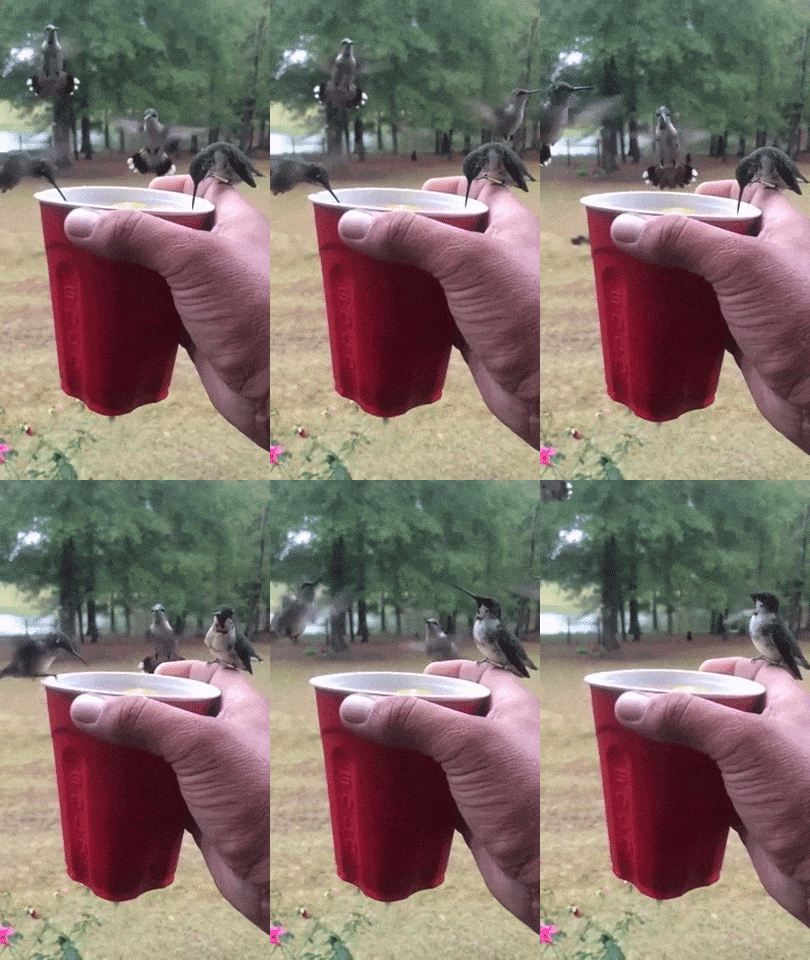
20. "I'm a Disney Princess now"
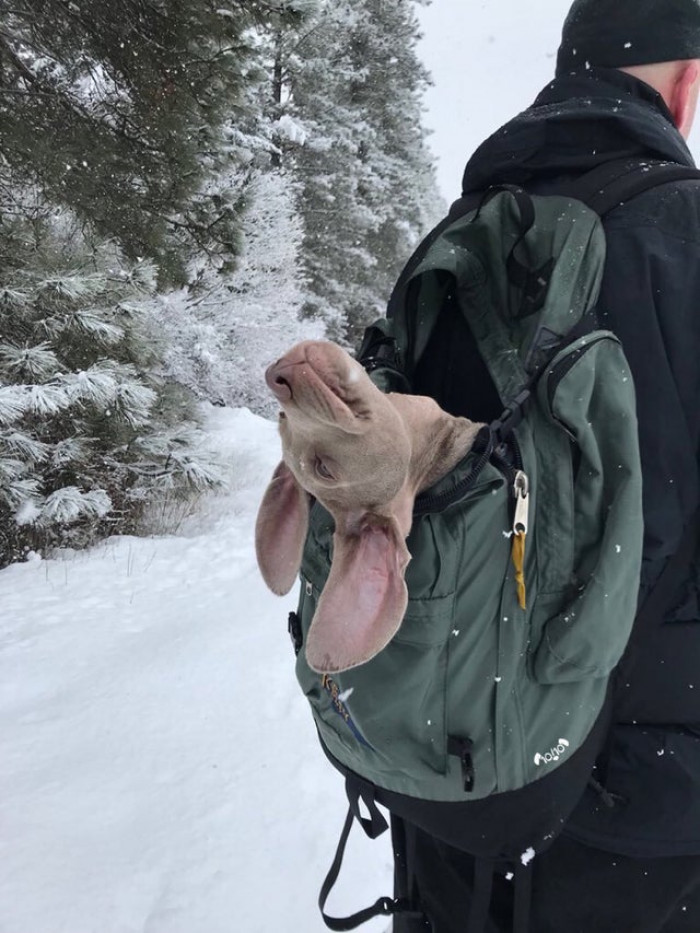
21. He’s on his first snow adventure. Got tired immediately and had to be carried the rest of the way.
Embracing spontaneity can also be seen as a form of psychological resilience.
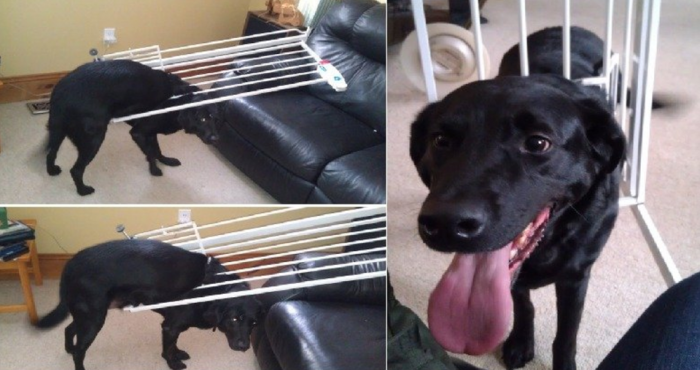
22. This is Duke. Duke tried to go through the cat door.
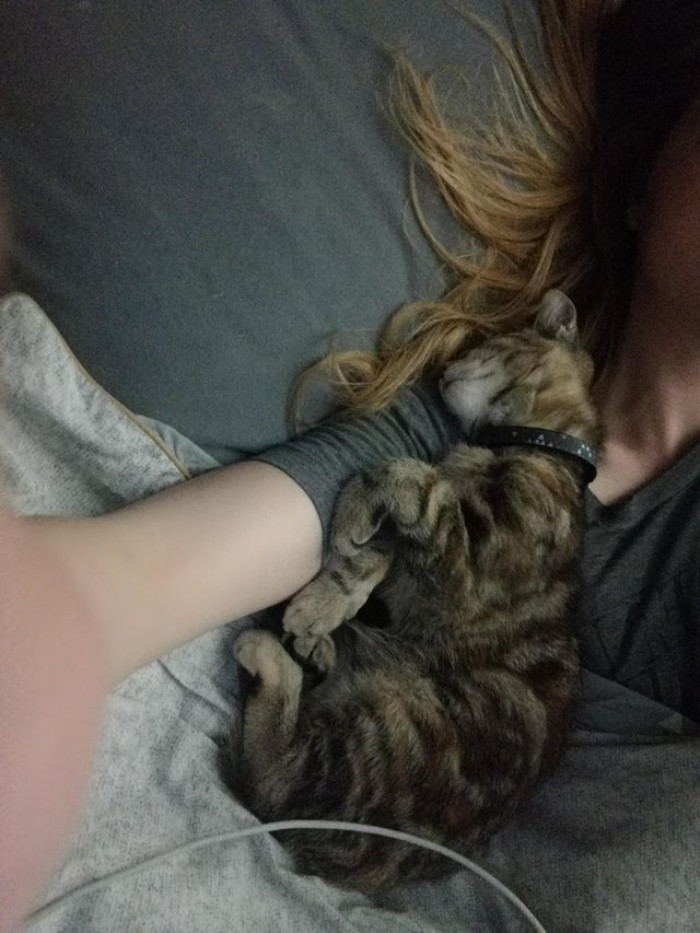
23. I can't move because it's against animal law, rules are rules
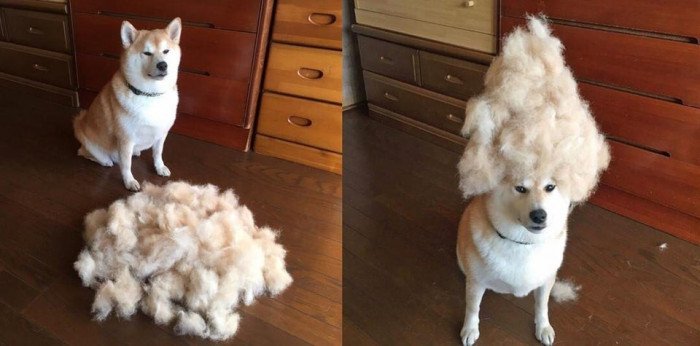
24. Recycle
Playfulness is a critical component in how we navigate the unexpected.
This energy matches animals caught in awkward situations after pushing their luck.
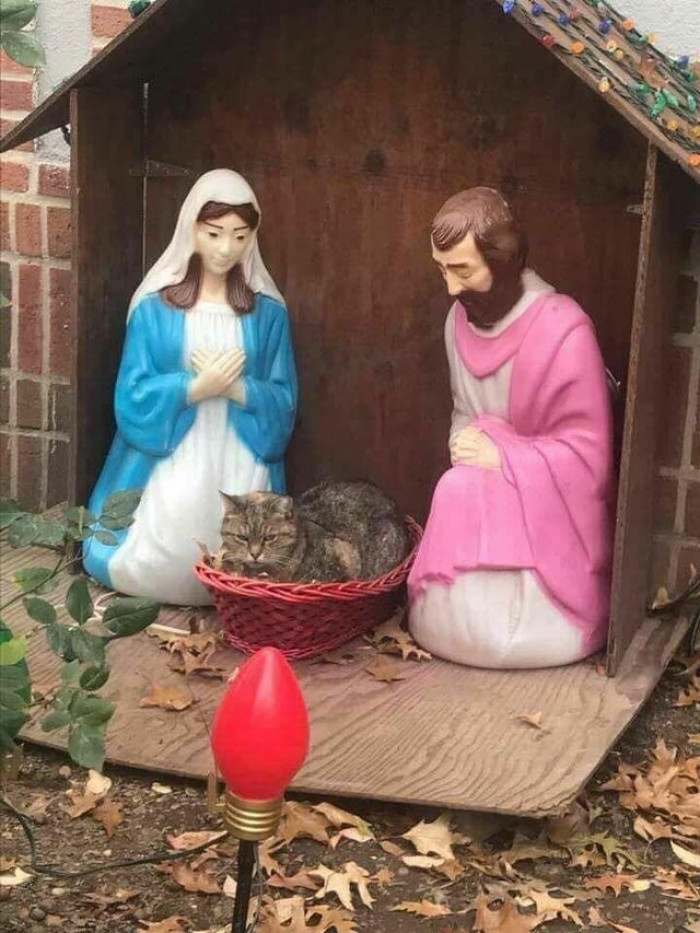
25. “F*ck off. I’m baby Jesus”
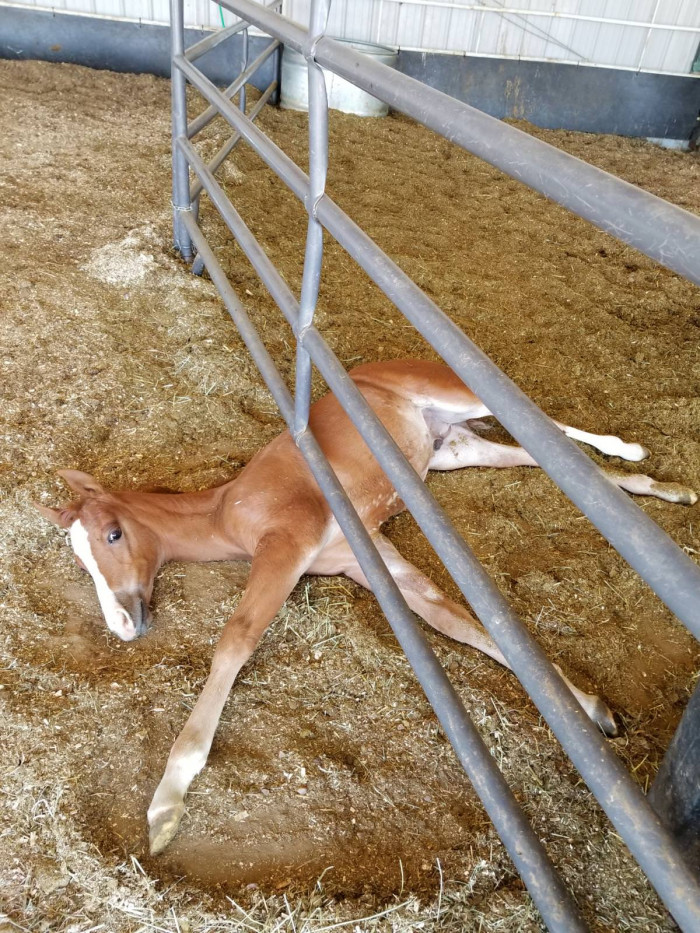
26. Gf sent me this with the text "horses are idiots."
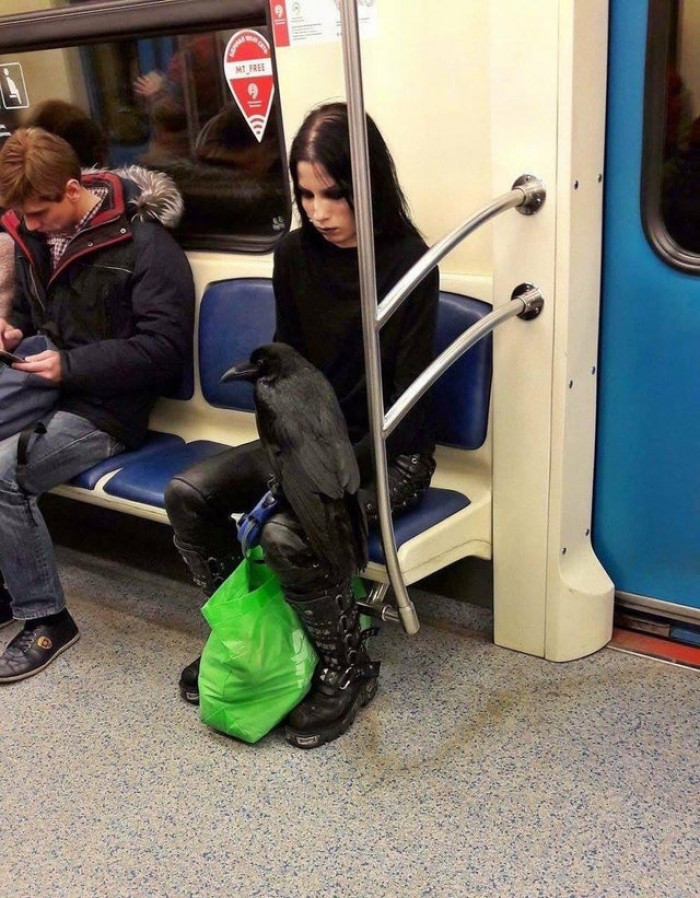
27. Sure, you might THINK you're goth, but unless you dejectedly ride the subway with your raven, you may as well hang up your black velvet frock coat and hit the beach.
Another psychological concept relevant to this discussion is the 'paradox of choice,' which suggests that having too many options can lead to anxiety and dissatisfaction. In the context of unexpected situations, individuals might feel pressured to respond in a certain way due to societal expectations.
To combat this, simplifying decision-making processes and setting realistic expectations can be beneficial. By focusing on a few key options and letting go of the need for perfection, individuals can cultivate a more accepting attitude toward life's unpredictability.
28. I guess i'm a reindeer now

29. Trash BOYE
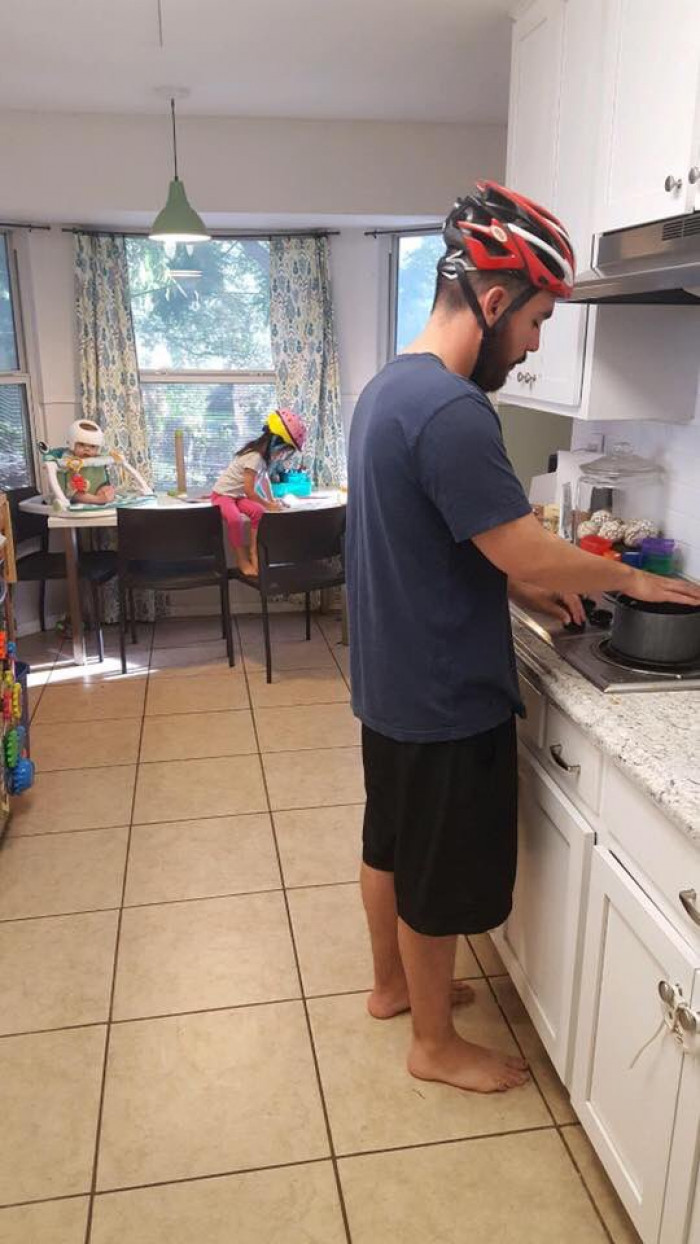
30. His baby wears a head-shaping helmet so he's got the whole family wearing helmets now.
Establishing routines can serve as a stabilizing force in the face of uncertainty. Consistent routines can enhance feelings of control and predictability, which are crucial for emotional well-being. When unexpected events arise, having a solid routine can provide a sense of normalcy, making it easier to accept and adapt.
Integrating small rituals into daily life, such as morning coffee, evening walks, or family game nights, can help individuals maintain a sense of stability amidst chaos. These routines can also serve as a reminder of the joy found in the ordinary, even when the unexpected disrupts our plans.
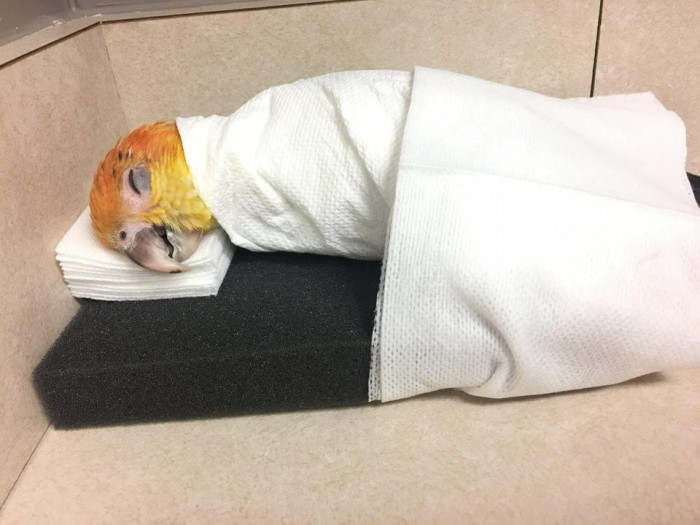
31. He’s enjoying a nap on a sponge bed with a paper towel pillow and cover
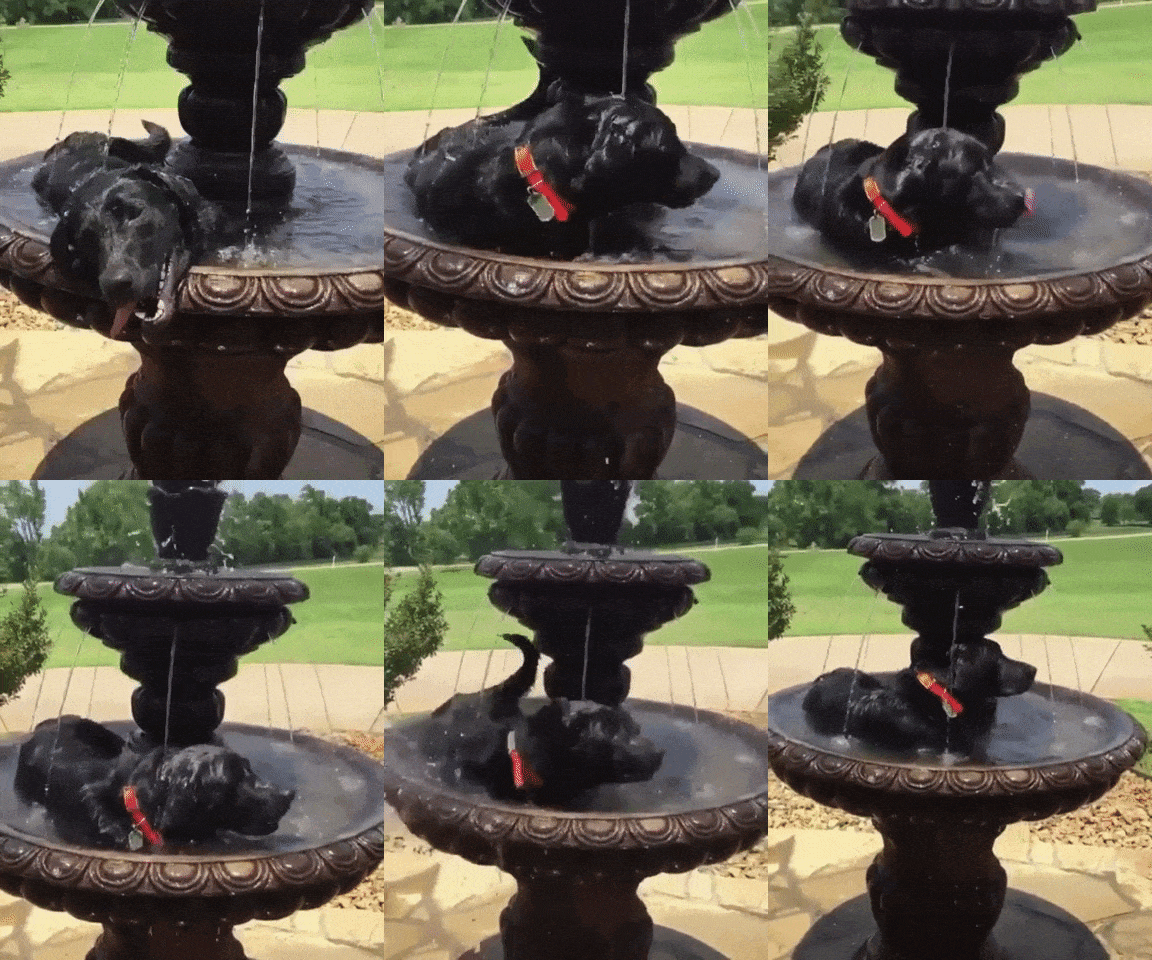
32. I'm a birdog now
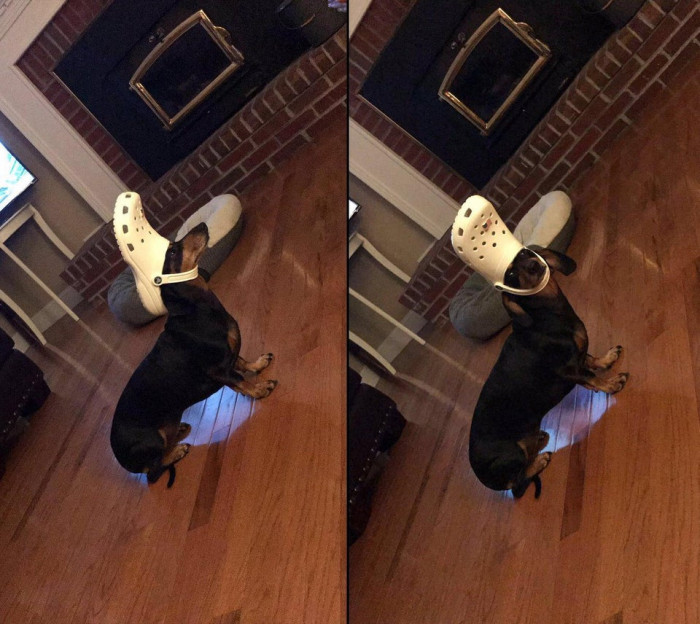
33. Play with crocs long enough and you become them
The practice of gratitude is another effective tool for fostering acceptance and well-being.
34. "I guess I'm part of my human's crew now"
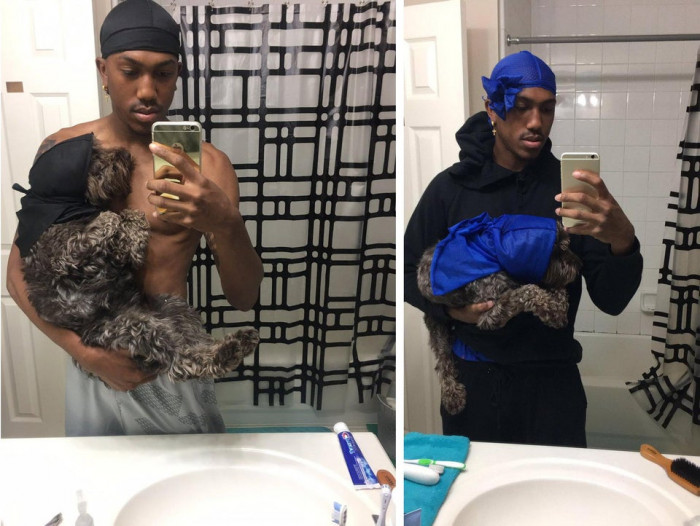
35. Look mom I made it as a model!

36. Thisismylifenow
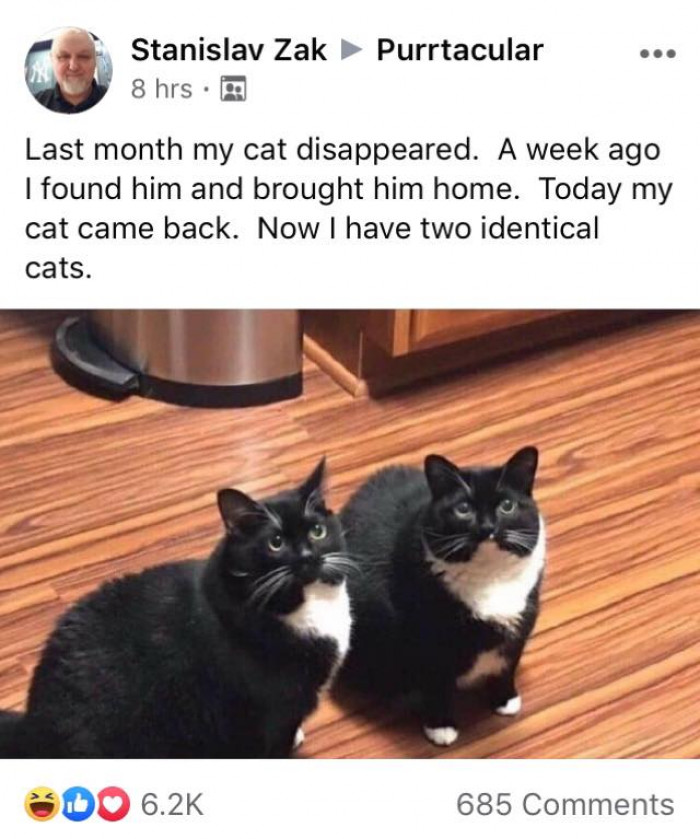
Emotional regulation is a fundamental skill that affects how we respond to unforeseen circumstances.
37. I'm soup now
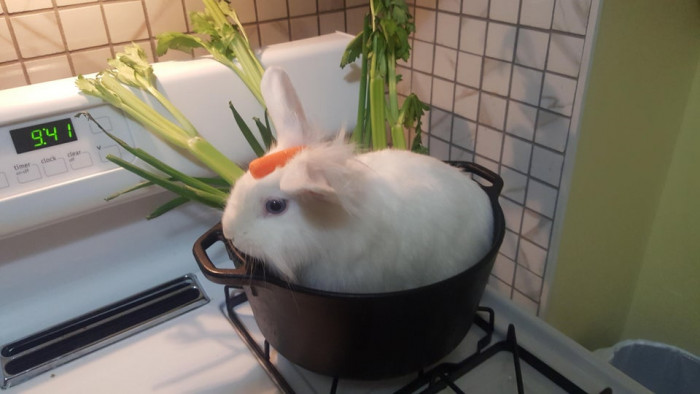
38. Wholesome doggos
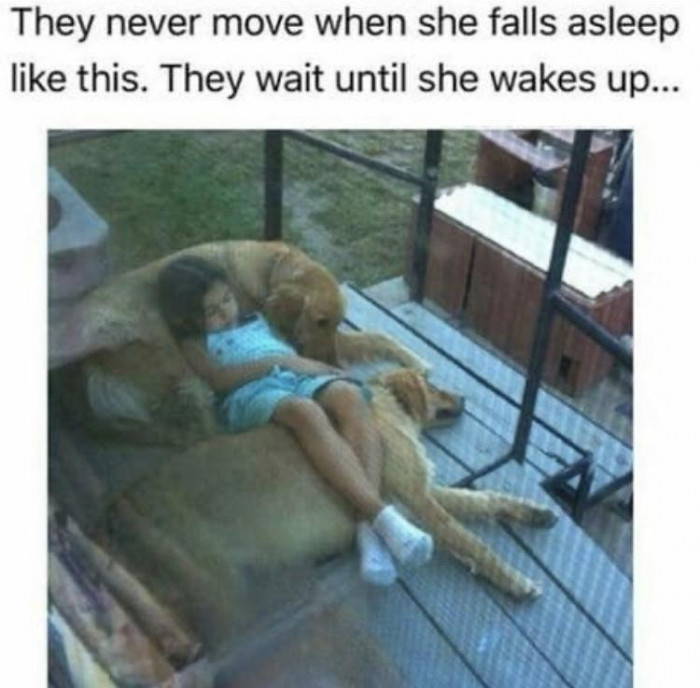
39. "Halp, plz"
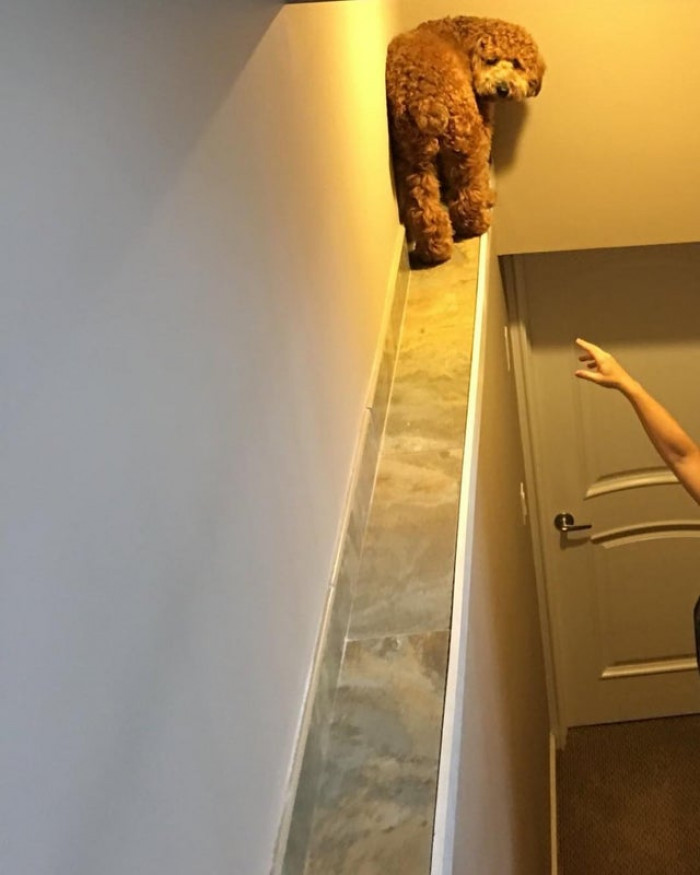
Finally, the importance of self-compassion cannot be overstated when it comes to accepting life's unpredictabilities. When individuals confront unexpected situations, practicing self-compassion allows for a more forgiving perspective, reducing feelings of shame or frustration.
Incorporating self-compassion practices, such as self-affirmation or mindful self-kindness, can help cultivate a nurturing inner dialogue. This shift in perspective encourages individuals to embrace their experiences, leading to a more accepting approach to life's challenges.
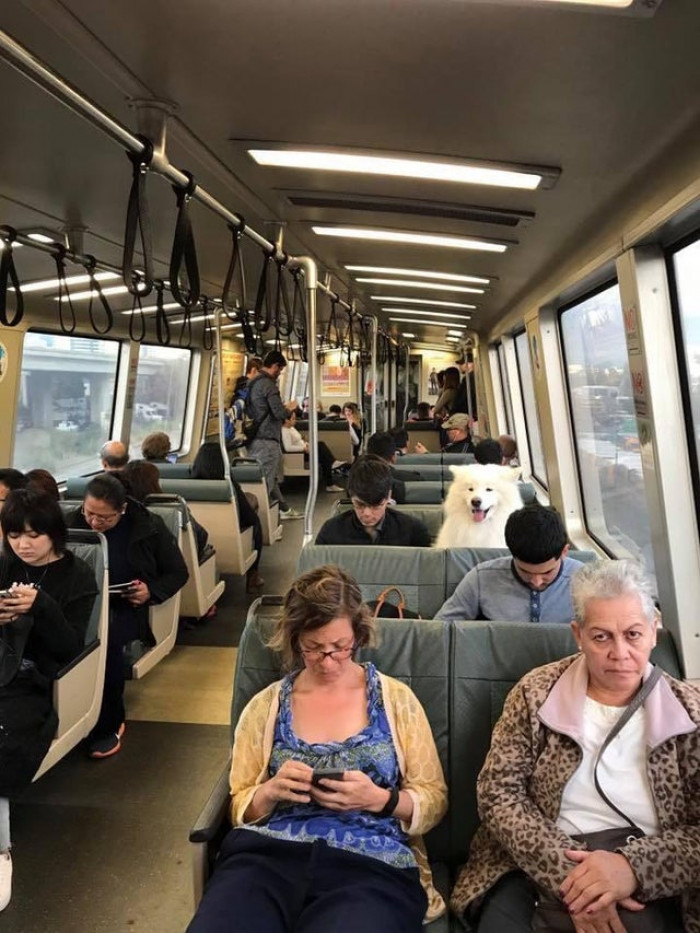
40. "I'm a tax-paying citizen taking public transport now"
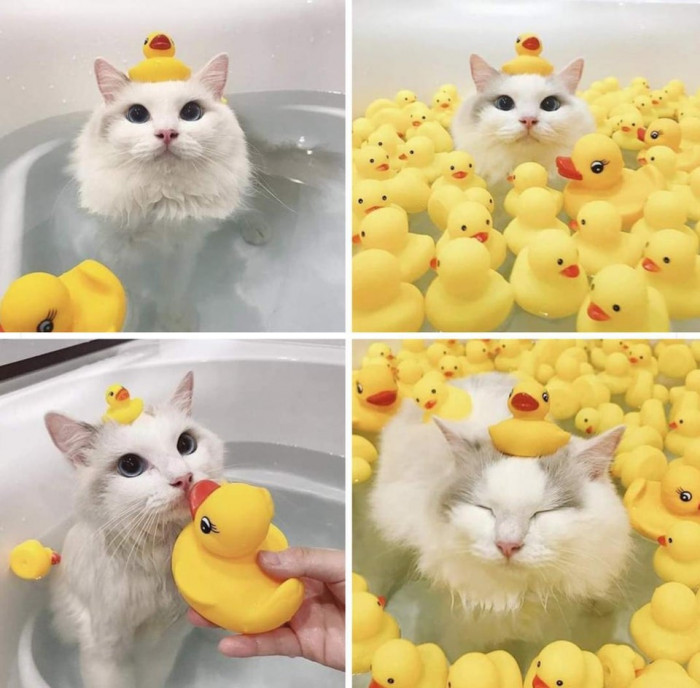
41. Cat accepts duck religion
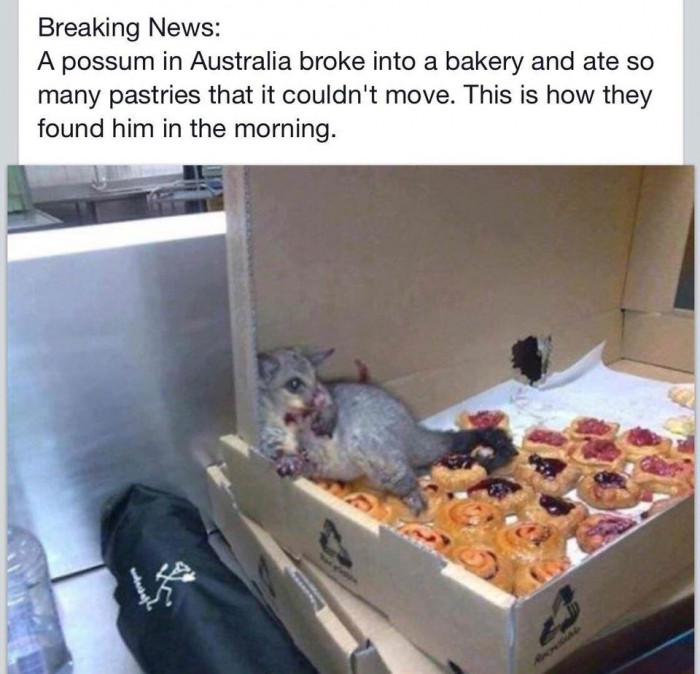
42. These two best friend have one peculiar story

43. Well done, little guy! Well done!
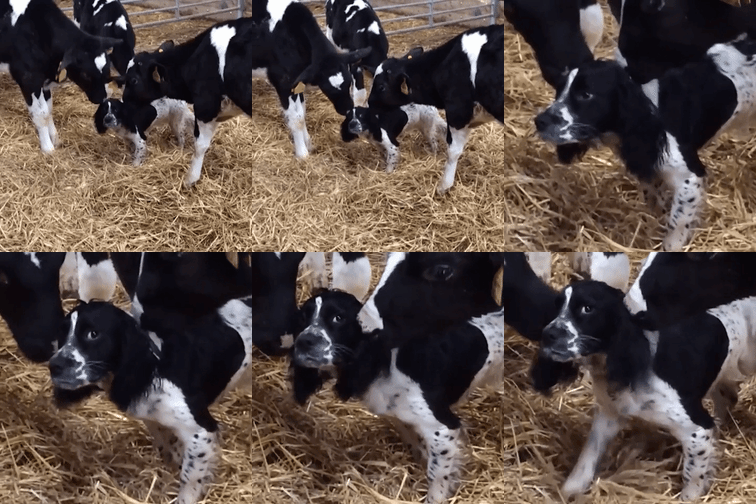
44. "Looks like I'm one of them now"
45. This alligator
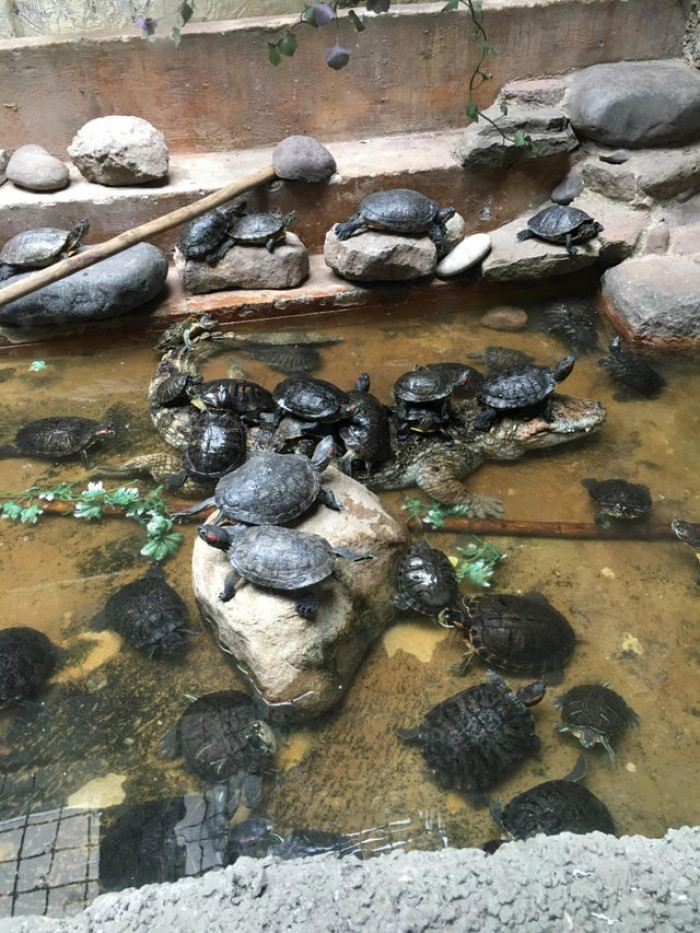
46. That puppy life
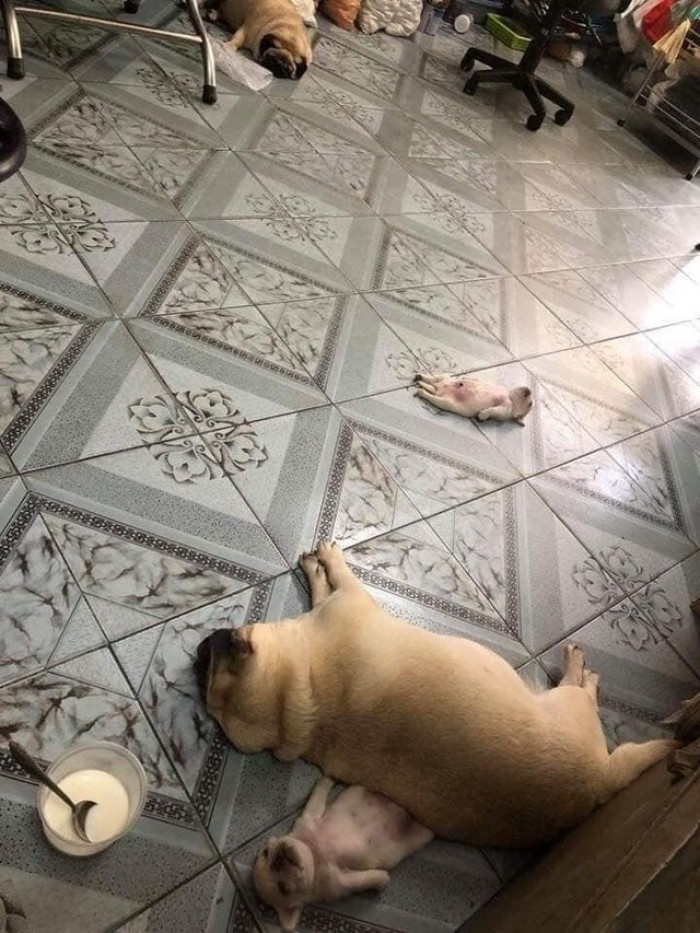
47. We are your parents now
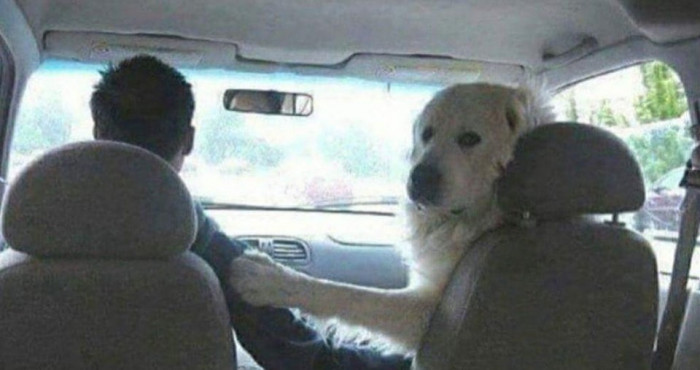
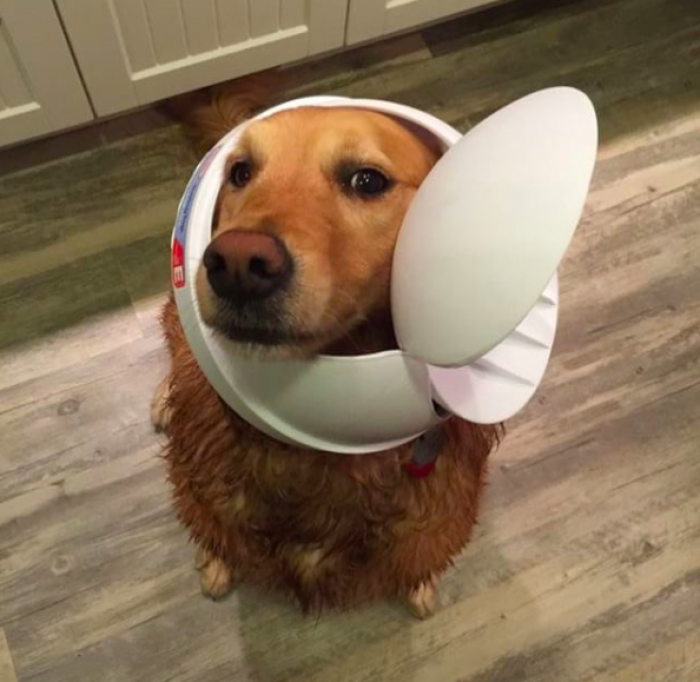
48. Doggo got stuck on the ball
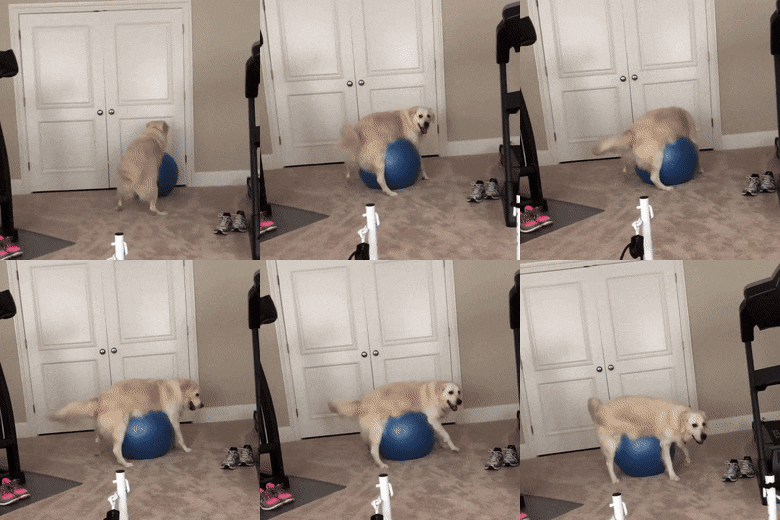
49. Liquid 4 Life
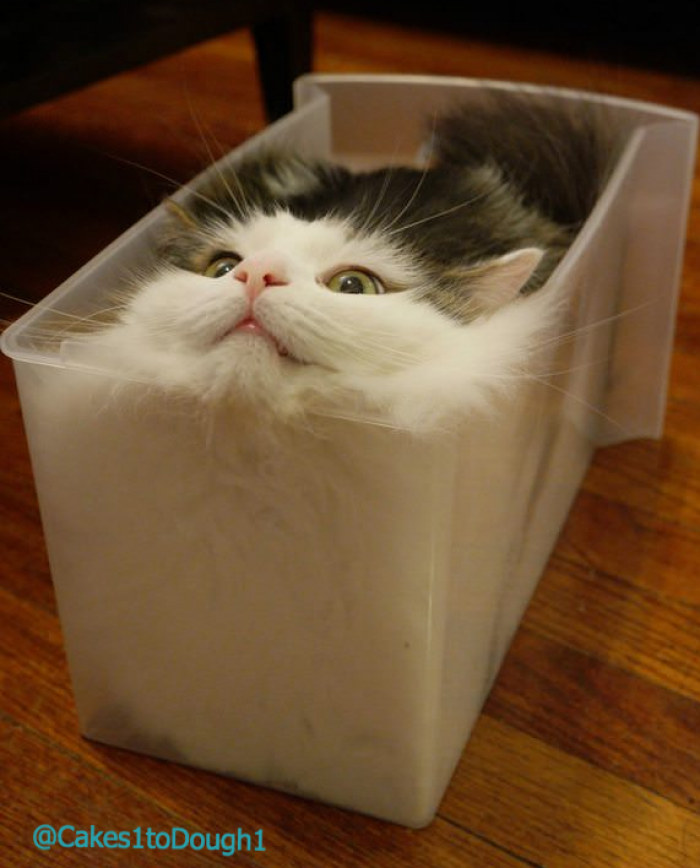
50. Dad is living his best life, Mom is contemplating her life choices.
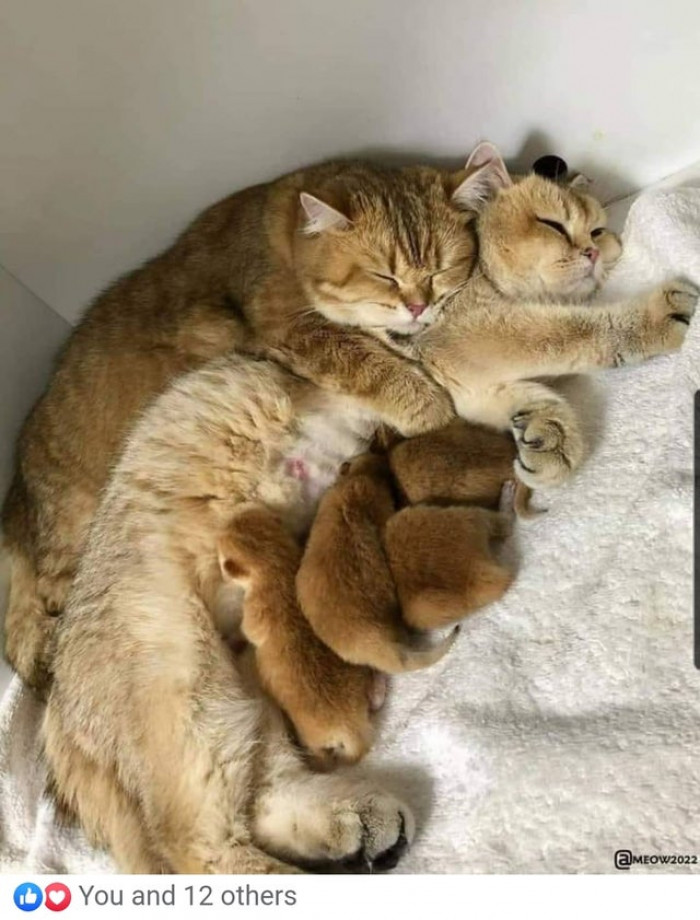
51. Snow owls sleep like they just got back from a night of heavy drinking and missed the bed
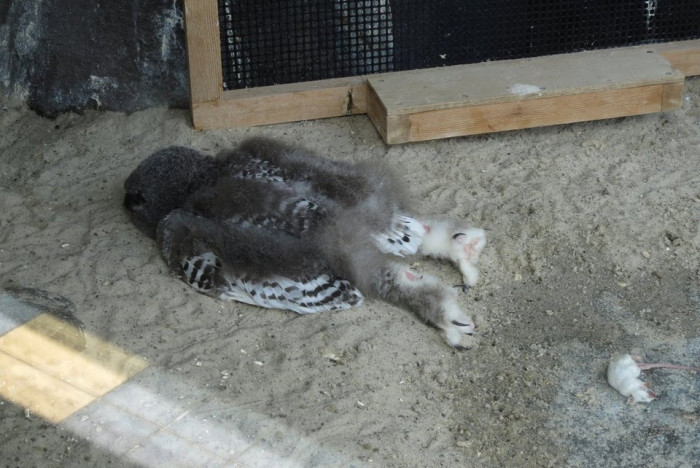
52. Motherhood
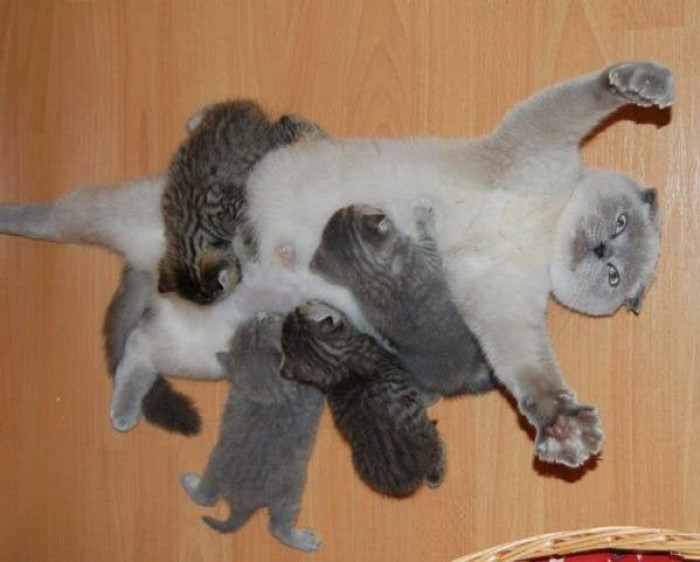
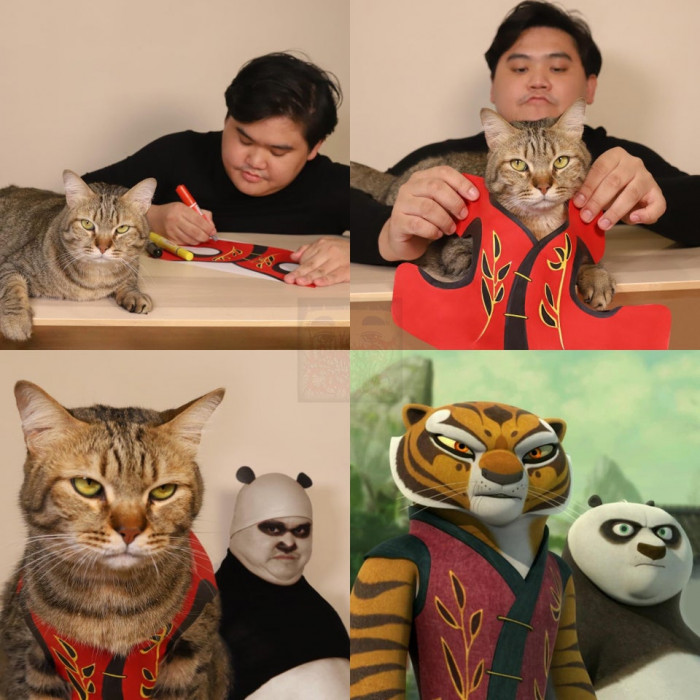
53. Tigress isn't amused
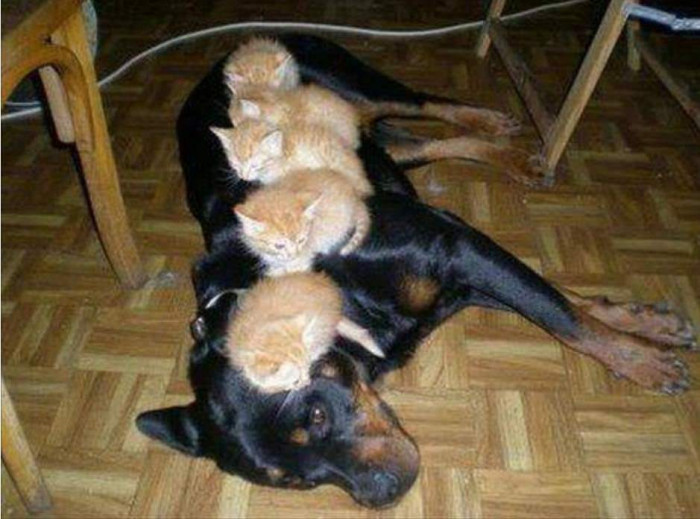
54. My name is Ned, now I'm a bed, and if I ruffs, I scare the fluffs, I cannot move, I just play dead, my name is Ned, and I'm a bed.
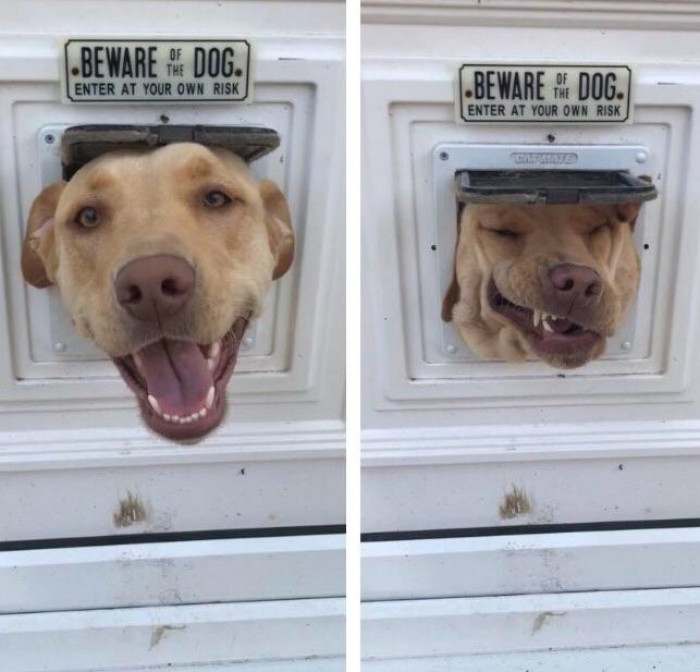
55. What goes in doesn’t always come out
Have you ever had a “this is my life now” moment that has stuck with you? Did any of the posts resonate with you?
I definitely relate to the one with a sleeping cat on you. It is ILLEGAL to move until they’re awake and you gotta just wait it out.
Let us know your thoughts in the comments section, and share this with your friends!
The collection of 55 pictures showcasing people and animals in unexpected situations truly embodies the essence of acceptance in life's unpredictable moments. Each image serves as a reminder that when faced with the unforeseen, the best response is often to embrace the absurdity of the situation. The whimsical expressions captured in these photographs reflect a universal truth: sometimes, the only option is to go along with the flow.
This visual exploration also highlights the importance of humor and social connection in navigating life's quirks. Whether it's a dog caught in a comical pose or a person reacting to an outlandish scenario, these moments encourage a lighthearted perspective on what could otherwise be seen as discomforting. By cultivating an attitude of acceptance, as illustrated through these images, we can transform challenging experiences into opportunities for joy and deeper connections with those around us.
For another heartbreaking standoff, read about a woman vetoing her boyfriend’s replacement plan for a dying cat.
Share this article:





