
Biotech Pushes Ozempic-Like Implant For Dogs By 2028

“Dogzempic” is the kind of nickname that spreads faster than the science behind it, and now a biotech company wants to turn that meme into a real, under-the-skin implant for dogs by 2028.
Okava’s plan is a six-month GLP-1 style treatment, using exenatide to nudge appetite and reduce the overeating behaviors many owners say they cannot control. The tricky part is the pitch, it is not meant to kill a dog’s love of food, it is meant to blunt the obsession, the scavenging, the constant begging, and the chaos that comes with it.
Before trials even start, pet owners are already arguing over safety, necessity, and whether this is animal welfare or just another profit-driven play.
A six-month GLP-1–style implant aims to curb dogs’ overeating without taking away their love of food.
Although the NHS does not officially approve Ozempic itself as a weight-loss treatment, it contains semaglutide, a GLP-1 mimetic. This hormone plays a key role in controlling blood sugar and signalling fullness. When GLP-1 levels rise, the brain receives a message that enough food has been consumed, a mechanism that explains why people taking drugs like Ozempic often find their appetite shrinking.
Okava’s implant would use exenatide, another substance that acts similarly to GLP-1. The device would be placed under the skin and remain effective for 6 months. According to the company, the goal isn’t to stop dogs from enjoying food, but to curb the overeating behaviours many owners find difficult to manage. The idea is that dogs would still eat regularly but without obsessing over food or resorting to scavenging for scraps.
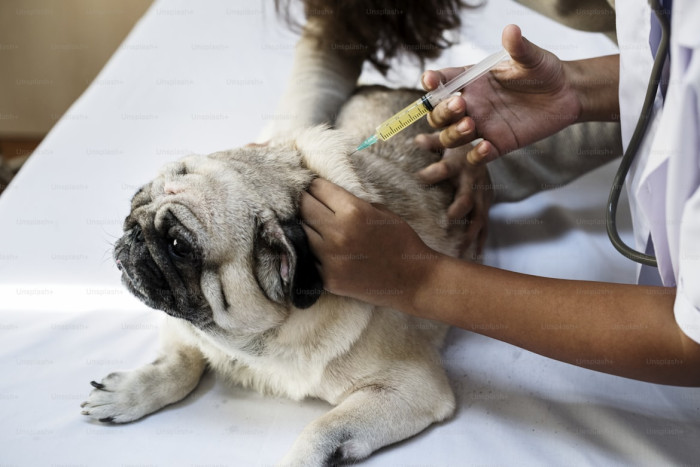
Okava says the behavioural shift should be subtle, but the “Dogzempic” label is already making people picture something harsher than a gentle appetite nudge.
Michael Klotsman, Okava’s chief executive, told The Guardian that the behavioural changes should be subtle rather than alarming. In other words, the implant is meant to support healthy habits, not eliminate a dog’s natural interest in food.
Dogzempic sparks backlash as pet owners question its safety and need.
But even before trials have begun, the proposed treatment, informally nicknamed “Dogzempic” online, has already stirred strong reactions among pet lovers. Social media users quickly voiced their frustration, calling the idea unnecessary or profit-driven rather than genuinely concerned about animal welfare.
Some commenters argued that owners should focus on better feeding routines and regular exercise instead of turning to medication. Others expressed fear about side effects, pointing out that human users of weight-loss drugs have reported various complications and questioning whether similar risks might appear in animals.
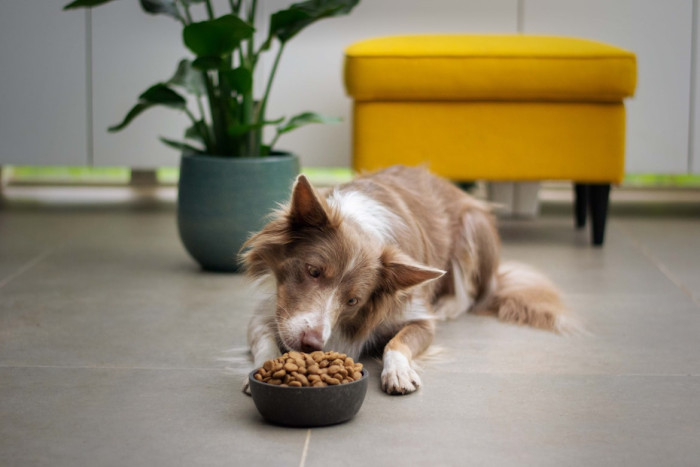
The backlash kicked off online as soon as owners connected the implant to Ozempic and semaglutide, even though this is exenatide and a six-month device.
And if you think extra weight is a non-issue, see the mom who shut down her son’s plan to clip bags on an assistance dog’s cape.
Then the fear of side effects hit hard, because humans taking weight-loss drugs have reported complications, and dog owners are wondering what that could mean for their pets.
Animal welfare organisations have also urged caution. Caroline Allen, Chief Veterinary Officer at the RSPCA, told The Independent that while weight management can be challenging for many dog owners, no medication should replace basic care.
She emphasised that exercise and a balanced diet remain the safest and most effective ways to help pets stay healthy. At this stage, she added, there is very little publicly available information about weight-loss implants or vaccines for animals, meaning owners should not expect a quick medical fix to enter the market anytime soon.
Even as the company frames it as “support healthy habits,” the debate is heating up around whether owners should be fixing routines and exercise instead of reaching for a medication-shaped shortcut.
As new studies move forward, the discussion raises a broader issue about the future of pet care. Are medications designed to control a pet’s weight the next step for owners, or should attention stay on daily habits like diet, exercise, and routine checkups?
At this stage, there is no firm conclusion.
The implant is supposed to calm dogs down, but the internet is already doing the opposite.
Before you judge the implant, check out the study testing an ageing-slowing pill for older dogs.
Share this article:





