Redditors Chirp In On Why It Is Common For People To Judge Dogs Based On Their Breeds

People love to think they can size up a dog at a glance, and that is exactly where the trouble starts. In this Reddit story, a Malinois mix named Lulu gets treated like a problem before she even does anything wrong.
The dog’s owner says Lulu is sweet, but strangers keep assuming she is aggressive because of her breed. That frustration sparked a r/dogs thread full of reactions from people who have dealt with the same kind of judgment.
And once the comments started rolling in, the debate got a lot more personal.
"If she's aggressive we will turn her away."
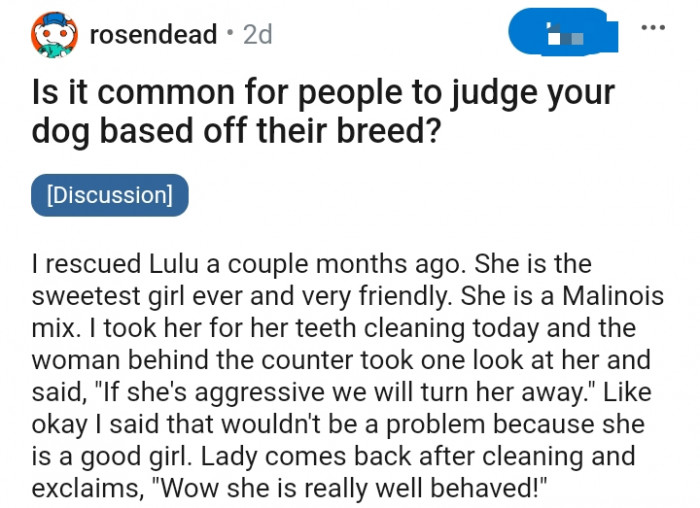
Is Lulu aggressive and okay with small dogs?
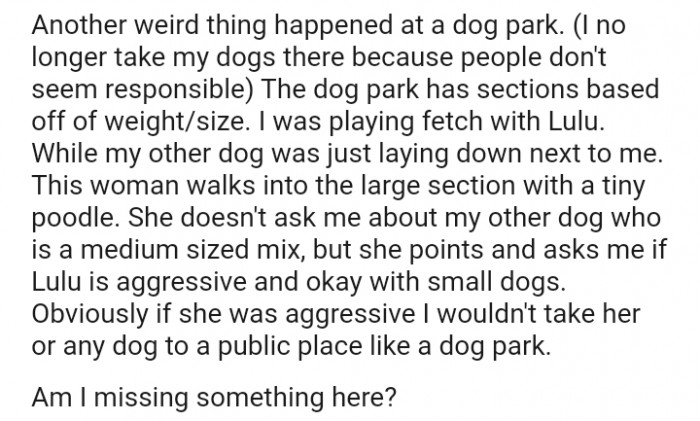
The Reddit post gathered hundreds of comments from Redditors as they could relate to the OP’s story. They made sure to speak their minds on what they thought about this breed judgment.
We've gathered some of the best comments from the thread, and they are full of insightful details, so go ahead and read through.
1. Some breeds have naturally higher prey drives

The phenomenon of judging dogs based on breed can be understood through the lens of social categorization, a concept extensively studied in social psychology. This process involves individuals simplifying complex social environments by categorizing objects or beings into groups, often leading to stereotypes. In the context of dog breeds, this means that people may unknowingly associate specific traits or behaviors with certain breeds, ignoring individual variation and context.
This tendency can be particularly problematic when it leads to negative assumptions about breeds often labeled as aggressive or dangerous, such as Pit Bulls or Rottweilers. Such labels can influence adoption rates in shelters and the treatment of these dogs in social settings, further perpetuating the cycle of bias.
2. They are beautiful dogs who need a job

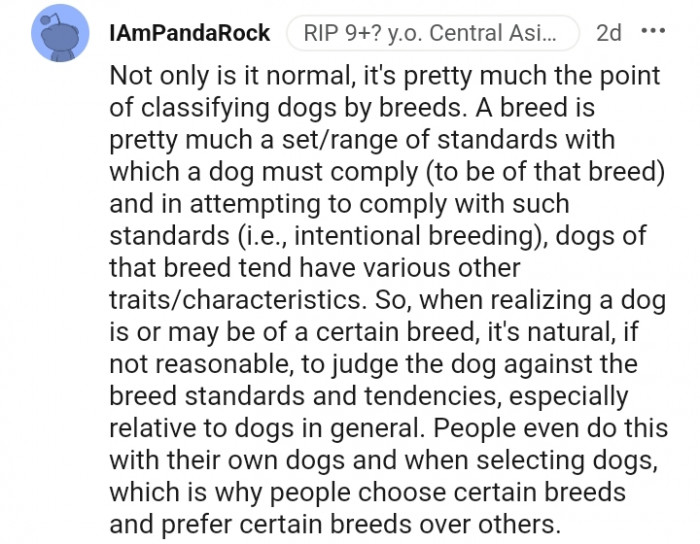
3. People do this with their own dogs too
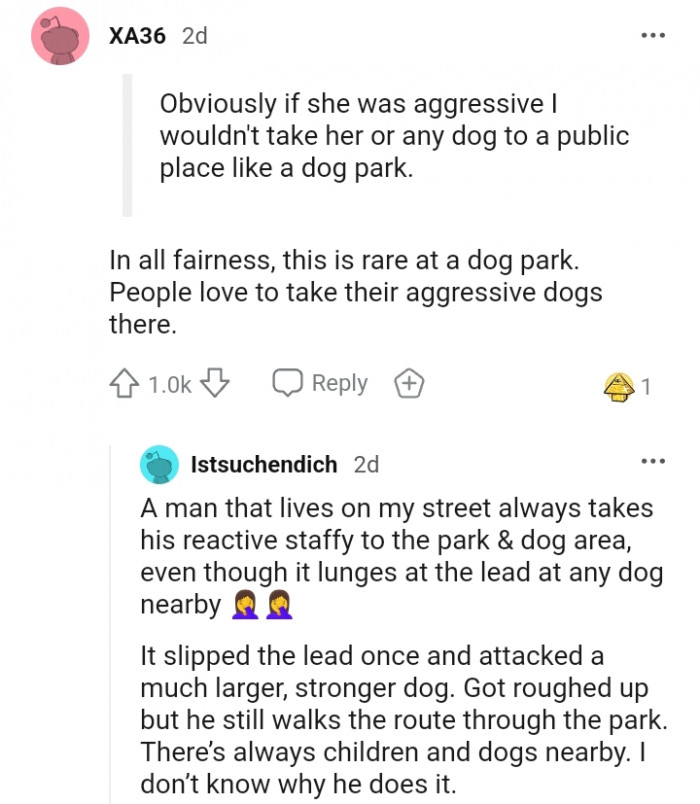
4. This is rare at a dog park
Research demonstrate that stereotypes can activate implicit biases that influence how we perceive and react to different groups. When applied to dogs, this suggests that our preconceived notions about certain breeds can lead to fear-based responses or unfair treatment, even in situations where a dog poses no threat.
For instance, a study published in the journal Psychological Science revealed that individuals who held negative stereotypes about certain dog breeds were less likely to approach or engage with these dogs, regardless of their actual behavior. This highlights the importance of addressing and challenging our biases to create a safer and more inclusive environment for all dogs, regardless of breed.
5. Those teeth aren't for show
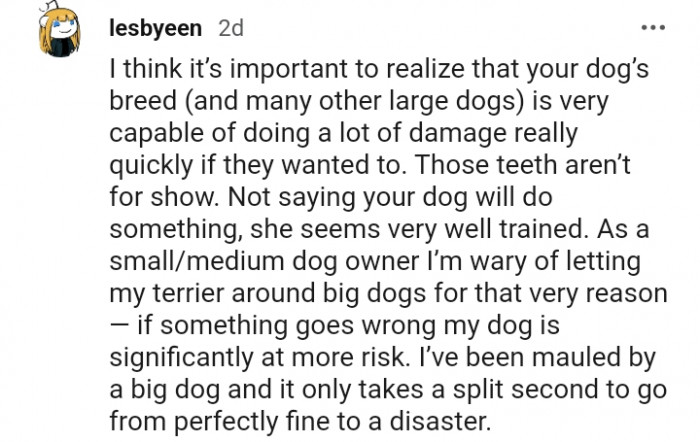
6. I never make any remarks to their owners
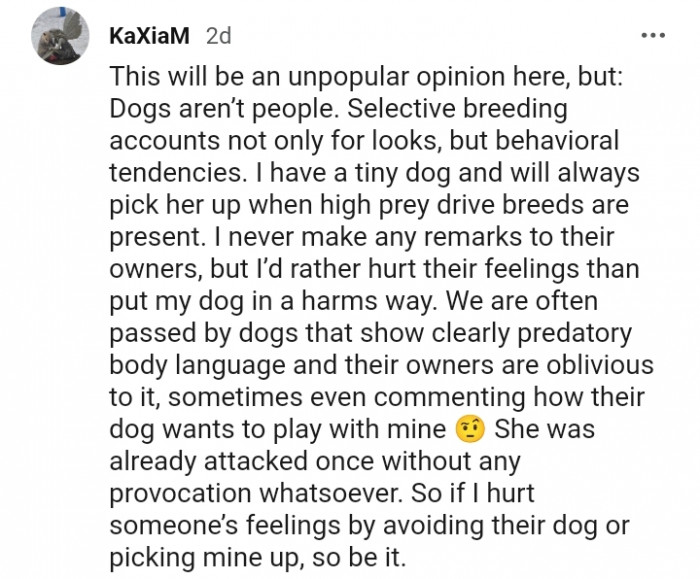
7. The woman was pretty considerate about it
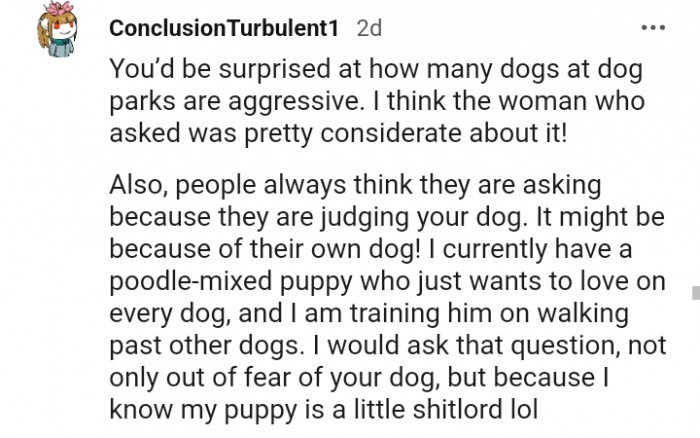
8. It is not wild to assume

9. You are responsible, but many owners are not
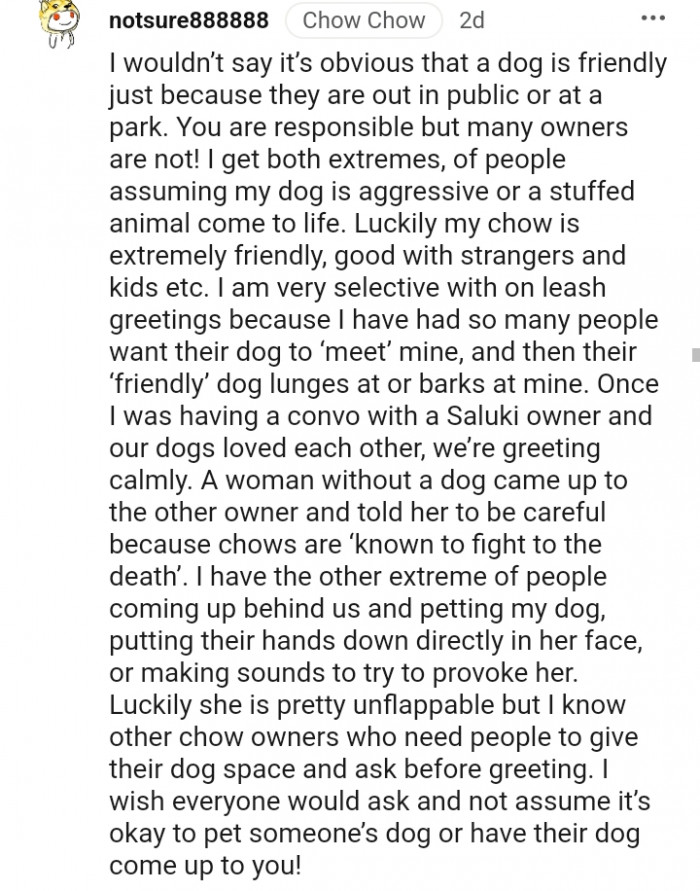
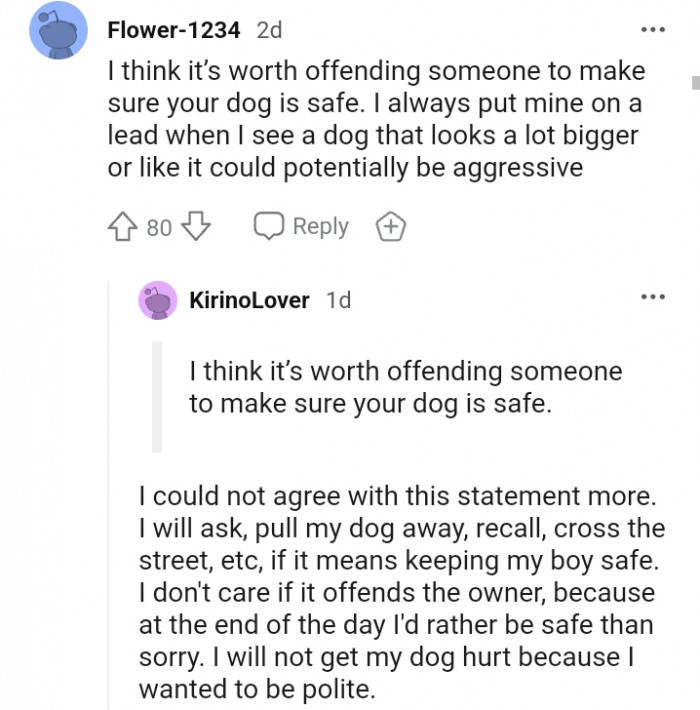
10. It's all just to make sure your dog is safe
Addressing Implicit Bias in Dog Perceptions
Implicit bias training has gained traction in various sectors, from law enforcement to corporate environments, and may also be beneficial in changing perceptions of dog breeds. Research from the National Institutes of Health suggests that structured interventions aimed at raising awareness of implicit biases can lead to more equitable behaviors. For dog owners and enthusiasts, participating in workshops that focus on the positive traits of various breeds could help challenge and reshape existing biases.
Such training can include exposure to real-life scenarios where individuals learn to evaluate dogs based on behavior rather than breed, thus promoting a more nuanced understanding. By actively engaging in these learning experiences, individuals may begin to appreciate the complexity of canine behavior and the role of the environment in shaping individual dogs, leading to more positive interactions and adoption outcomes.
And it is not like the “black dogs are scarier” claim, either, as Reddit users got corrected over black vs white dog danger myths.
11. It's so hard to try to explain to people

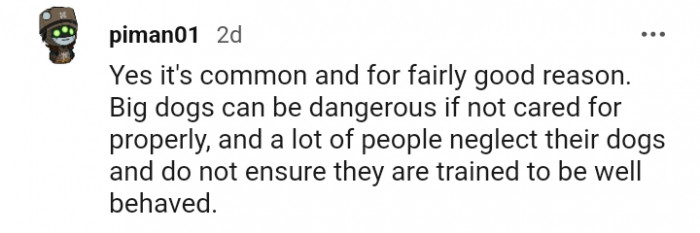
12. They are trained to be well-behaved
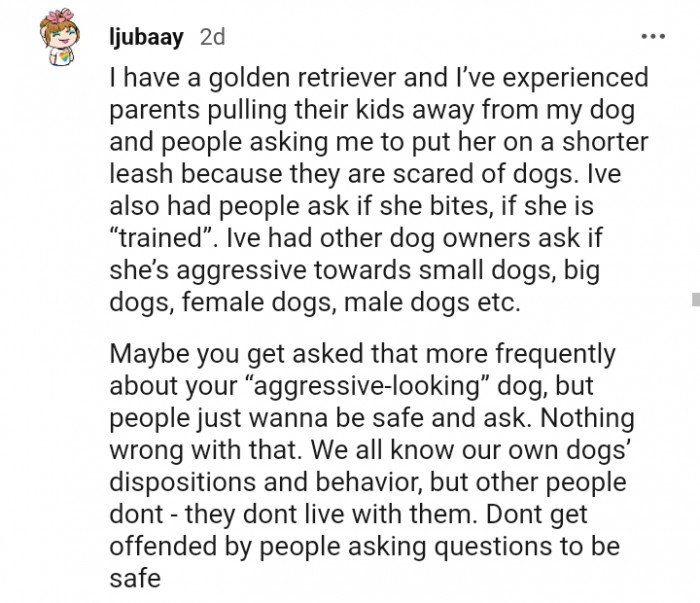
13. Don't get offended by people asking questions
The role of confirmation bias in how we judge dogs by breed cannot be overlooked. This cognitive bias occurs when individuals favor information that confirms their existing beliefs while ignoring evidence to the contrary. For example, if someone believes that a specific breed is aggressive, they are more likely to notice and remember instances that support that belief while disregarding positive examples. This bias can significantly skew perceptions and reinforce stereotypes.
To counteract confirmation bias, it’s essential for dog owners and potential adopters to actively seek out information that challenges their preconceptions. Engaging with reputable sources, such as dog training experts or breed-specific rescue organizations, can provide valuable insights into the temperament and needs of different breeds.
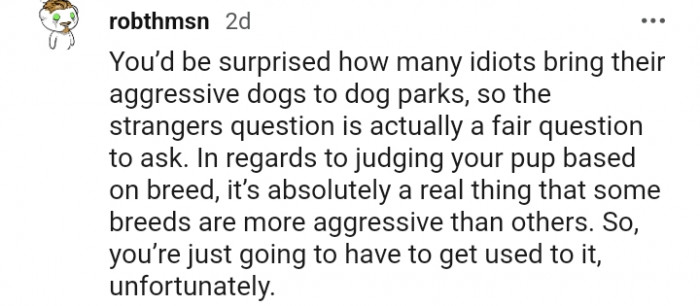
14. Some breeds are more aggressive than others
15. Breeds are selected and bred based on certain traits

16. It can be annoying sometimes, but...

Social Influences on Dog Breed Judgments
Social influence plays a significant role in how we perceive dog breeds, often stemming from cultural narratives and media portrayals. For example, breeds that are often depicted as villains in movies or news stories are more likely to be viewed negatively, even if those portrayals are exaggerated or unfounded.
This social conditioning can lead to a cycle of fear and misunderstanding, making it vital for media outlets and influencers to portray a more balanced view of different breeds. Engaging with responsible media, promoting positive stories about various breeds, and actively challenging negative stereotypes can help shift the narrative and reduce biases within communities.
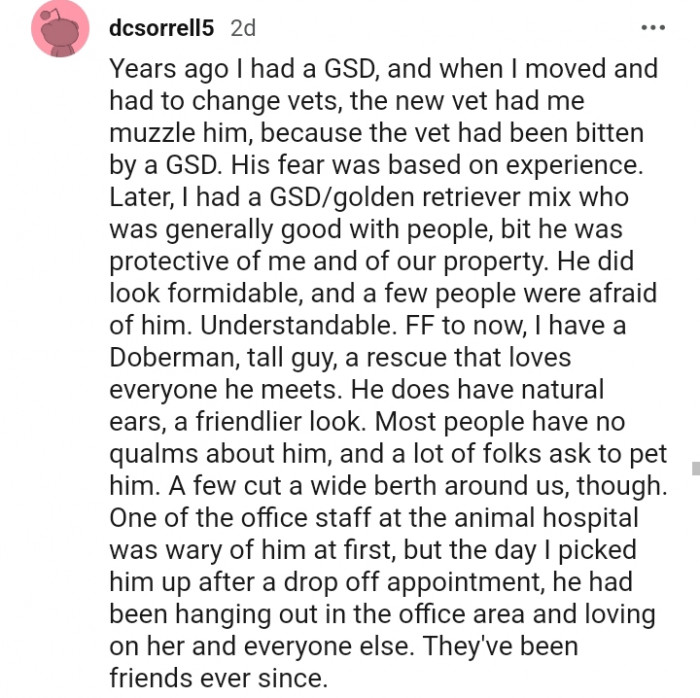
17. Most people have no qualms about him
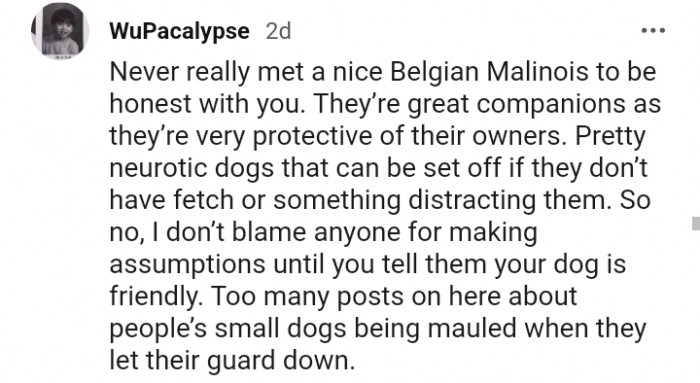
18. I don't blame anyone for making assumptions
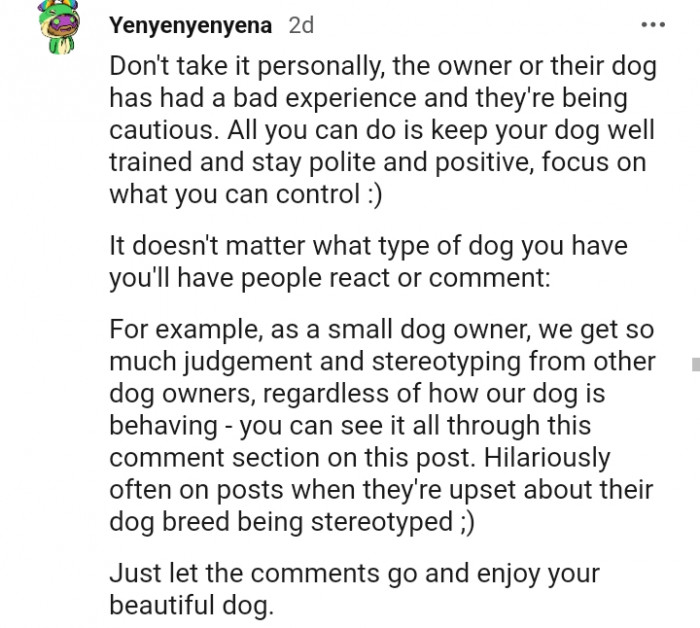
19. Let the comments go and enjoy your dog
Understanding the psychological principles behind dog breed judgments can also pave the way for more empathetic interactions between humans and canines. The concept of empathy, which is crucial in fostering positive relationships, suggests that recognizing and understanding the feelings and experiences of others can lead to better outcomes.
In the context of dog breeds, this could involve encouraging dog owners to reflect on their pets' experiences and emotions. By fostering empathy for dogs, individuals may be more inclined to understand behavior as a product of individual temperament and environmental factors, rather than merely a reflection of breed-ultimately leading to more compassionate treatment of all dogs.
20. The breed is a very big factor

Whether you have a purebred dog or a mixed breed, how you handle and train your dog will have a significant impact on how it behaves as an adult. That is one of the things that Redditors pointed out, and we totally agree with them.
What are your thoughts about the topic being discussed? Drop your comments below and share them with your loved ones.
The debate surrounding dog breed judgments reveals deep-seated psychological influences that shape our perceptions. The article highlights a prevalent misconception that certain breeds inherently possess specific traits, leading to unfair biases against them. This judgment, often rooted in stereotypes, can result in negative outcomes for dogs based solely on their appearance rather than their individual behavior. By fostering awareness of these biases, we can encourage more positive interactions and challenge the stereotypes that persist in society.
Community engagement and education emerge as vital strategies in this endeavor. The piece emphasizes the importance of viewing dogs through the lens of their unique personalities rather than their breeds. This shift in perspective not only aids in improving adoption practices but also enhances the relationships between humans and their canine companions. By acknowledging and confronting our biases, we pave the way for a more inclusive and understanding environment that benefits both dogs and their owners.
Want more breed-stigma drama, like the people debating which dogs are most likely to bite? People Share Opinions On What Dogs Are Most Likely To Bite.
Share this article: