
Portland Airport Gains Popularity Online For Its Therapy Llamas

Portland International Airport is doing the most wholesome thing possible, and people online can’t stop talking about it. Instead of just staring at the departure board like the rest of us, passengers have been getting the chance to spot therapy llamas at PDX.
Here’s the catch, the llamas are only there for a limited window, so you can’t just plan a whole vacation around it and expect a guaranteed hug. Add in the real-world chaos of airport life, long lines, tight security, and that “why is my gate always changing” feeling, and suddenly a fluffy distraction becomes the whole story.
And once you hear when the llamas show up, you might start timing your flights around them too.
Not every day do you run into a llama at the airport, but when it happens, it’s almost sure to lift your spirits.

Portland International Airport introduced therapy llamas to allow visitors to relax by spending time with them, enabling people to hug, pet, and even feed the animals.
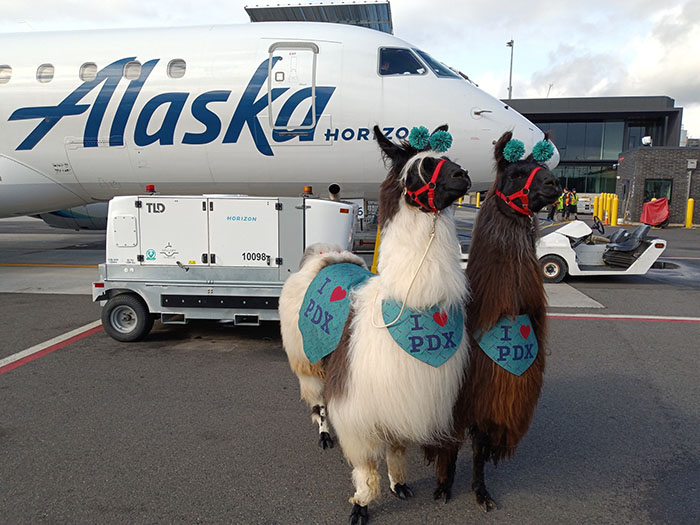
Since the animals can only stay at the airport for a limited time to ensure their well-being, not everyone will have a chance to see them.

That first glimpse of a llama near the terminal is the kind of surprise that makes people forget they were stressed in the first place.
The Benefits of Animal-Assisted Therapy
Research into animal-assisted therapy indicates that interactions with animals can significantly reduce stress and anxiety. In environments like airports, where stress levels can peak, the presence of therapy llamas provides a unique avenue for emotional support. This innovative approach not only enhances passenger experience but may also encourage other airports to consider similar programs.
Future of Therapy Animals in Airports
As airports continue to evolve, the inclusion of therapy animals like llamas may pave the way for broader acceptance of alternative stress-relief methods.
To further this initiative, airports should consider formal training programs for both the animals and airport staff. This would ensure that interactions are safe and beneficial, thereby enhancing the overall effectiveness of the therapy animal program.
Many travelers plan their flights to coincide with the times when the adorable animals are at Portland Airport.

Experts noted that although therapy animals are usually dogs or cats, each species offers something unique and can be just as effective.

The experts highlighted that different therapy animals provide unique benefits, making them equally valuable in terms of therapeutic support.

But because the animals only stay for limited time to keep things well, the timing becomes a mini-mission for anyone trying to catch them.
This is similar to Tewkesbury Abbey, where Eric and Flo the assistant vergers became official helpers.
As travelers navigate the often-stressful environment of airports, the introduction of therapy llamas at Portland International Airport (PDX) offers a refreshing solution to alleviate anxiety. The long lines and rigorous security checks can heighten nerves, making the airport experience less than enjoyable. The innovative use of therapy animals at PDX not only provides a unique distraction but also fosters a calming atmosphere that can enhance the overall travel experience. By allowing passengers to interact with these gentle creatures, PDX creates an opportunity for emotional relief amidst the chaos of travel. Implementing structured interaction times could further enhance this initiative, ensuring that all passengers have the chance to engage with the therapy llamas in a way that is both organized and soothing. This thoughtful approach to airport design underscores the importance of comfort and mental well-being in the travel experience.
Although therapy animals are essential, they differ from service animals and shouldn't be mistaken for the same.

Prince and Beni, residents of the Mtn Peaks Therapy Llamas & Alpacas farm, enjoy plenty of attention, whether posing for photos or receiving pets, hugs, and treats.

“Travelers’ faces say it best,” said the PDX media relations manager, Allison Ferre.

Still, with visitors able to hug, pet, and even feed the llamas, the airport suddenly feels less like a chore and more like a detour.
Impact on Mental Health
By implementing therapy llamas, Portland International Airport not only provides a momentary distraction but also fosters a sense of joy and connection, which is critical for mental health. Research supports the notion that even brief encounters with animals can create lasting positive effects on travelers' mood and stress levels.
The commenters enjoyed discovering these events, with some sharing jokes while others were already considering their trip to PDX.

“They are lovely.”

“What a great idea!”

Then the whole idea of “maybe other airports will copy this” starts spreading, right along with the videos of people meeting the llamas at PDX.
Airports could enhance the therapy llama initiative by incorporating mindfulness practices, such as guided breathing exercises, alongside the llamas. This combined approach can help travelers manage their anxiety more effectively while waiting for flights.
The llamas have captured so much attention that their story has gone viral online. Portland International Airport’s decision to introduce therapy llamas has been a resounding success.
This creative idea has transformed the airport experience, making a regular travel day memorable and enjoyable. Prince and Beni have certainly left their mark, proving that a touch of creativity can significantly impact.
Portland International Airport's initiative to introduce therapy llamas is a brilliant move to enhance the often stressful travel experience. With long lines and security checks, airports can feel overwhelming. However, the presence of these friendly llamas provides a unique opportunity for travelers to alleviate anxiety and find a moment of joy amid the chaos. The positive impact of animal interactions on mental health is well-documented, making this approach not only innovative but also grounded in psychological benefits.
Structured interactions with the llamas could be designed to create mindful moments for travelers, offering a brief respite from the hustle and bustle of travel. This initiative sets a new standard for other airports, demonstrating that infusing elements of joy and support into the travel experience can significantly enhance passenger satisfaction. As PDX embraces this unconventional strategy, it paves the way for a more pleasant journey through the airport.
If you miss the therapy llama window at PDX, you’ll probably be planning your next flight around not missing it again.
Want more airport comfort, check out passengers who’d switch seats for a service dog.
Share this article:





