35 Fascinating And Puzzling Facts About Animals You Would Be Glad To Learn

Some animal facts sound so strange they almost feel made up, but that is exactly what makes them fun to read. From clever crows to deep-sea oddballs, the natural world keeps finding new ways to surprise us.
This roundup pulls together a Reddit thread full of wild animal trivia, with each entry highlighting a different creature and a different kind of weird. Some of the facts are funny, some are unsettling, and a few are just plain fascinating.
By the end, you may never look at animals the same way again. Read on.
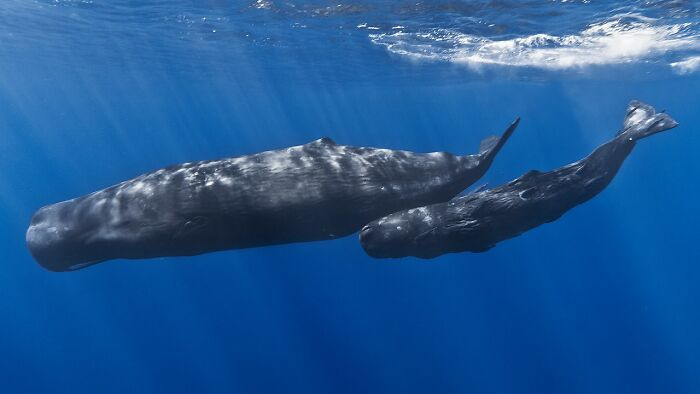
1. Sperm Whales
A sperm whale call is so loud the sound waves could kill a human if they swam close to the whale.
Apparently some divers said they could feel the water heat up from the energy of the sound.
-MountEverest14
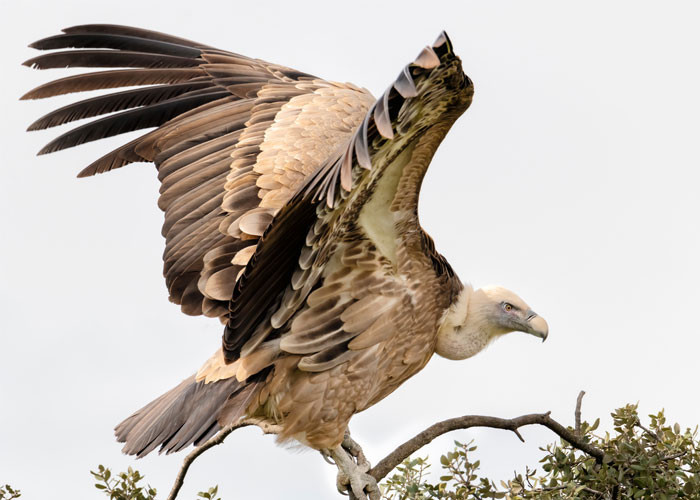
2. Vultures
Vultures urinate on their legs and feet to cool off on hot days, a process called urohydrosis. Their urine also helps kill any bacteria or parasites they’ve picked up from walking through carcasses or perching on dead animals. - Iron_Chic
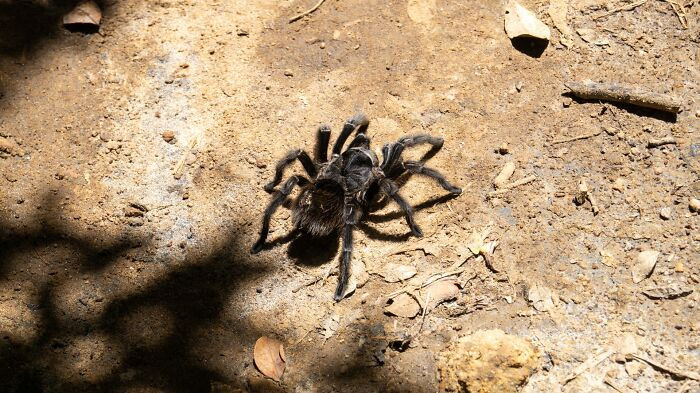
3. Tarantulas
Tarantulas have pet frogs. The frogs eat bugs and parasites that would damage the spider’s eggs, and in turn the spider protects the frog. Even after the eggs hatch they continue to protect the frog. - Hazmatix_art
The remarkable ability of crows to recognize human faces, even in disguises, is a testament to their advanced cognitive functions, which rival those of some primates. This ability reflects a higher level of social cognition, often linked to survival instincts in animals.
Understanding animal cognition not only broadens our appreciation for wildlife but can also inform how we view intelligence and emotional capacity across different species. This research points toward the importance of social learning and memory in animal behavior, echoing findings in human psychology about social recognition and emotional responses to different stimuli.
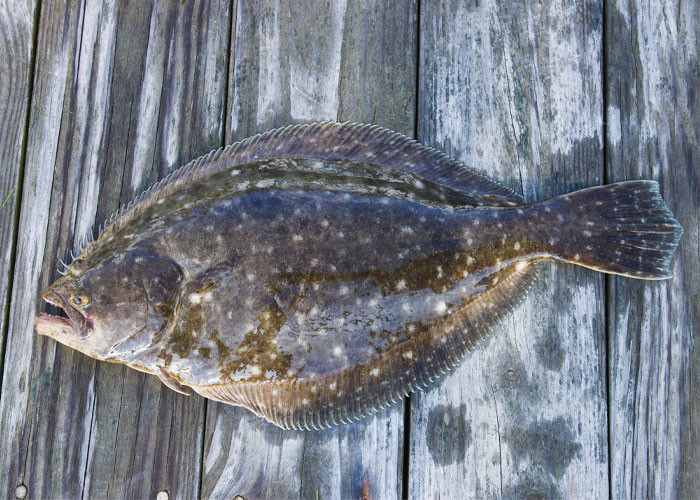
4. Halibut
All halibut are male until they reach 45 inches in length. They then all become female. - serouslydoe
5. Platypuses
Platypus' glow teal under a UV light, so Perry the Platypus is actually the correct color. - smollindy-loo

6. Caterpillars
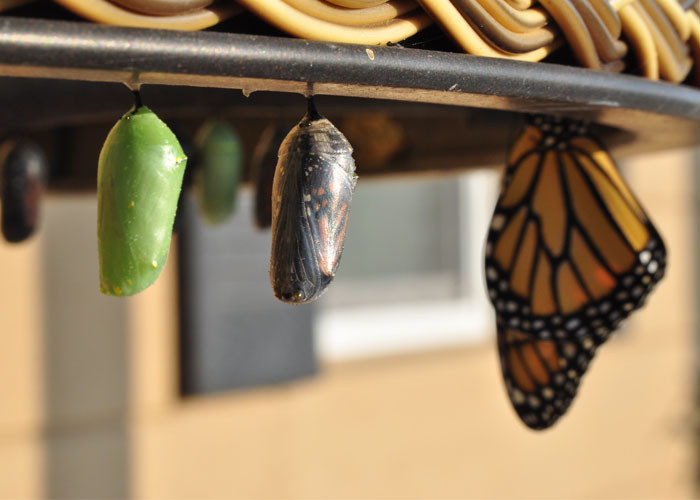
When caterpillars enter the chrysalis phase, they don’t just sprout wings, their entire body first turns into a liquid, soupy substance which then reforms into the butterfly. - Unlucky-Pomegranate3
Engaging with animals has been shown to have profound psychological benefits for humans, including stress reduction and increased feelings of happiness. A meta-analysis published in the journal 'Anthrozoös' found that interactions with pets can lead to decreases in cortisol levels and increases in oxytocin, the hormone associated with bonding and affection. This aligns with the biopsychosocial model, which highlights how biological, psychological, and social factors interplay in health and well-being.
For those seeking to harness these benefits, incorporating regular interactions with animals into daily routines, whether through pet ownership or volunteering at shelters, can serve as a simple yet effective strategy to improve mental health. Mindfulness practices combined with animal interactions, such as petting a dog while focusing on breathing, can also enhance the calming effects of these experiences.
7. Greenland Sharks
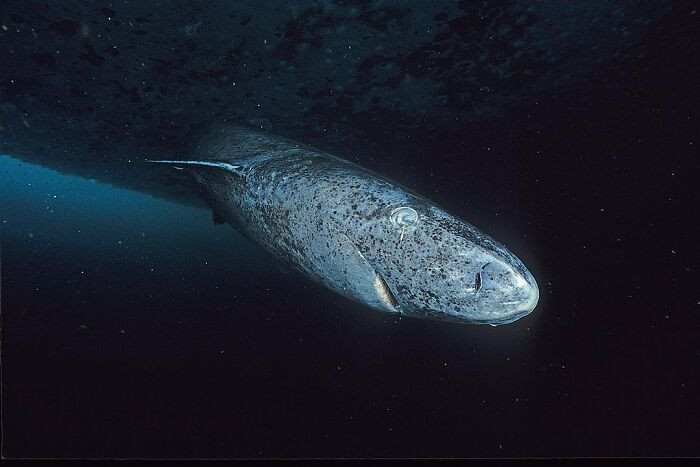
The vast majority of Greenland sharks are blind thanks to a special parasite that eats their eyes and replaces them.
It is thought that this might actually be helpful because a) their eyesight was s**t anyway, b) the parasites wave like lures and may have an anglerfish-like effect, and c) the sharks are super slow so that might be one of the few ways for them to catch live prey.
Imagine something eating your eyeballs and it being an *upgrade*.
-Fabled_Webs
8. Penguins
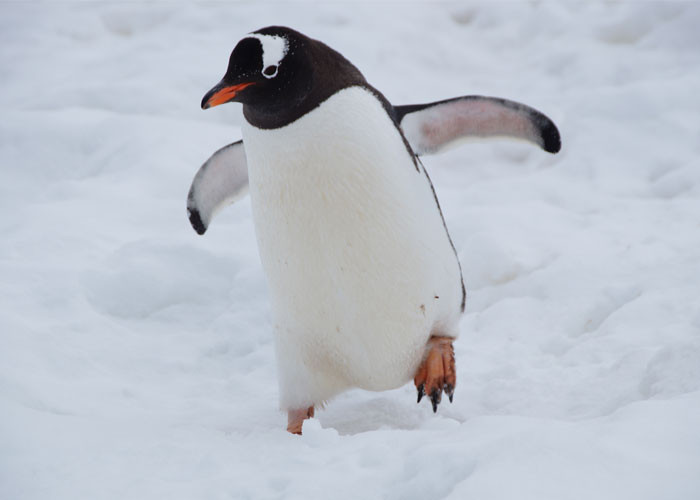
Penguins have a gland above their eye that converts saltwater into freshwater - Yeeteth_thy_baby
9. Honeyguides
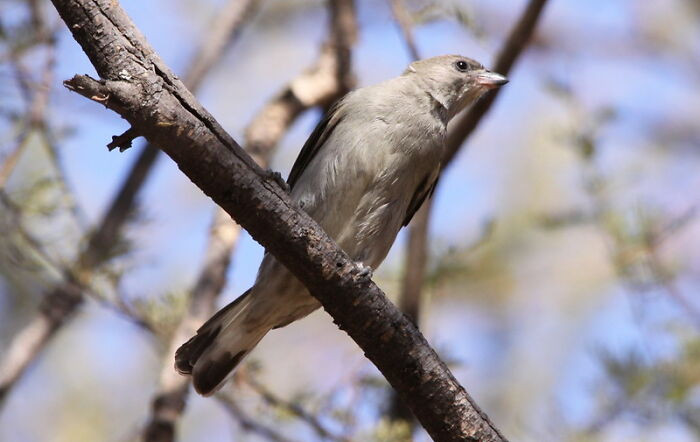
In Africa certain tribes communicate directly with birds called Honeyguides letting them know they are ready to hunt. The honey guides then lead them to hidden beehives in trees. The tribesmen break open the hives and take the honey( an important resource in their diet) and leave the honeyguides the bee larva and wax to feast on. In fact, it’s the only known example of targeted two-way signals between people and a free-living species. - spoon_shaped_spoon
The emotional complexity of elephants is a fascinating area of study that underscores the depth of animal emotions.
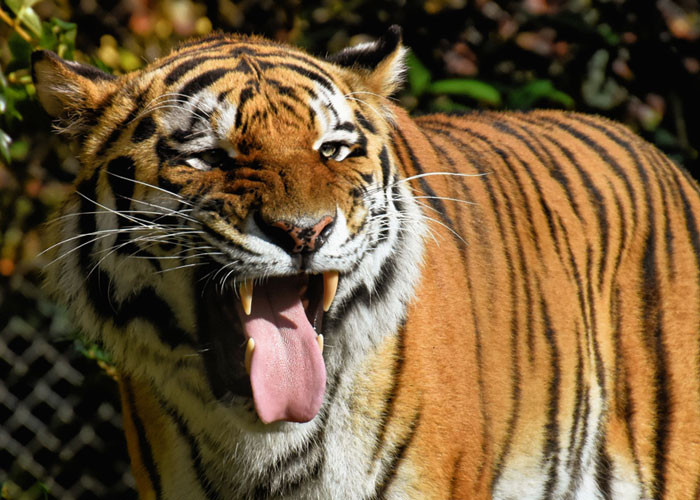
10. Tigers
The spines on a Tiger's tongue are sharp enough to lick skin clean off of muscle. - me0619
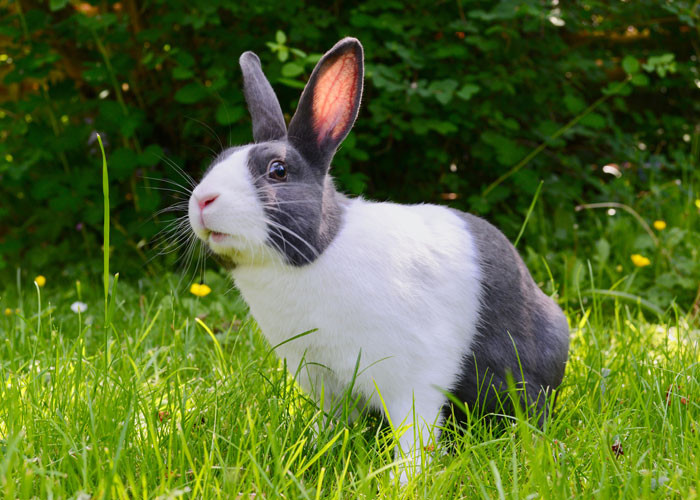
11. Rabbits
Rabbits don't have pads on their paws. Only fur.
So if you see a cartoon rabbit with pads on its paw, completely wrong.
-FOTBWN
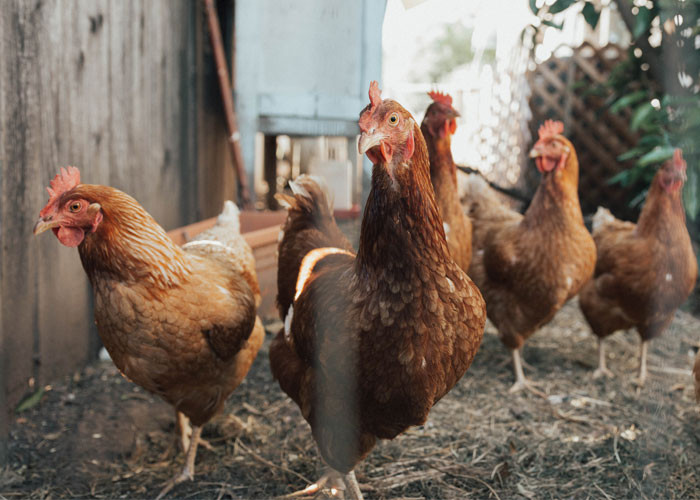
12. Chickens
Chickens will come say goodbye to each other when one is dying and they do soft clicks and will then leave and that chicken will normally die alone. Some chickens also will kill another chicken because they sense something’s wrong with the chicken, a disease for example. Hope u enjoyed these facts I found them in a book called How To Speak Chicken - WalterDaSquirrel1259
Animal behavior studies provide rich insights into human psychology, particularly in understanding social dynamics and aggression.
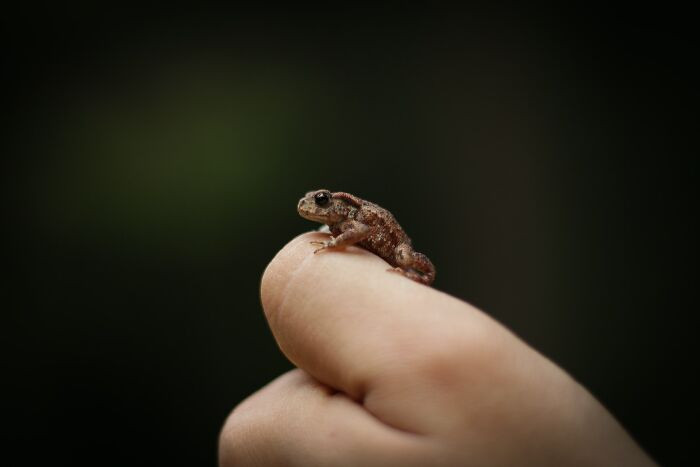
13. Frogs
There is a genus of frog called "Mini". There are only three frogs in the genus, and their scientific names are all puns: Mini mum, Mini ature and Mini scule. - SwimmingOnMars
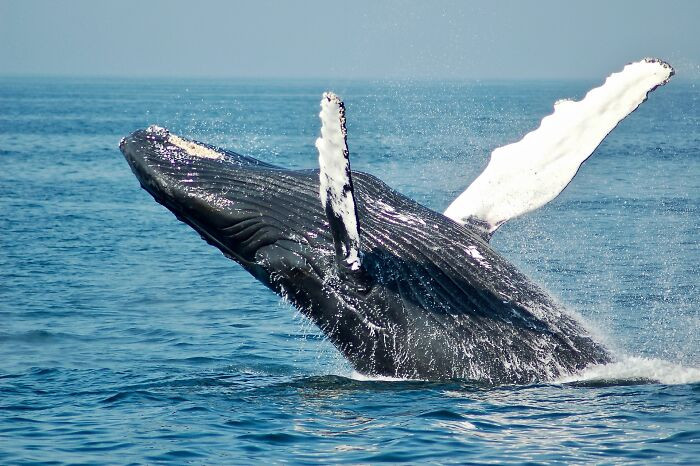
14. Whales
Mine are all whale related:
* Whale milk is so fatty that it has the consistency of toothpaste...
* ...this enables blue whale calves to grow at a rate of approximately 10lbs per hour
* Whales are the loudest animals on the planet - humpback whale songs can be heard 10,000 miles away
* Whales are the longest lived mammals on the planet - in 2007, a deadbowhead whale was found in Alaska with a 19th century harpoon embeddedin its flesh, making the animal at least 130 years old at the time ofits death
* The blue whale is the largest animal to have ever lived on earth - far larger than any prehistoric animal discovered to date
-kirkl3s
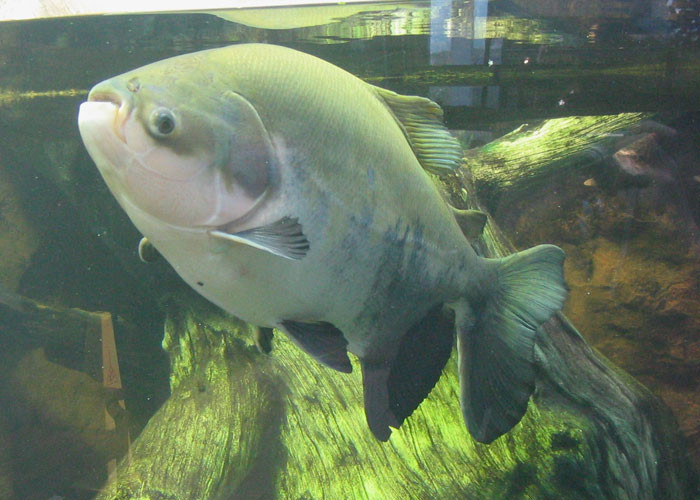
15. Pacu Fish
Pacu fish have teeth that look exactly like people’s. They evolved to chew nuts that fell into the water. - SunnySaigon
The importance of play in animal behavior, particularly among mammals, is supported by extensive research indicating that play is vital for social and cognitive development. This is reflective of the psychological principle that play serves as a practice ground for real-world interactions, helping individuals learn to navigate complex social structures.
For parents and educators, recognizing the value of play in human development can guide approaches to child-rearing and education. Encouraging free play in safe environments allows children to explore their creativity and develop problem-solving skills, which are foundational for emotional intelligence and social competence later in life.
Speaking of survival strength, this is similar to the animal power plays that redefine what “strong” really means.
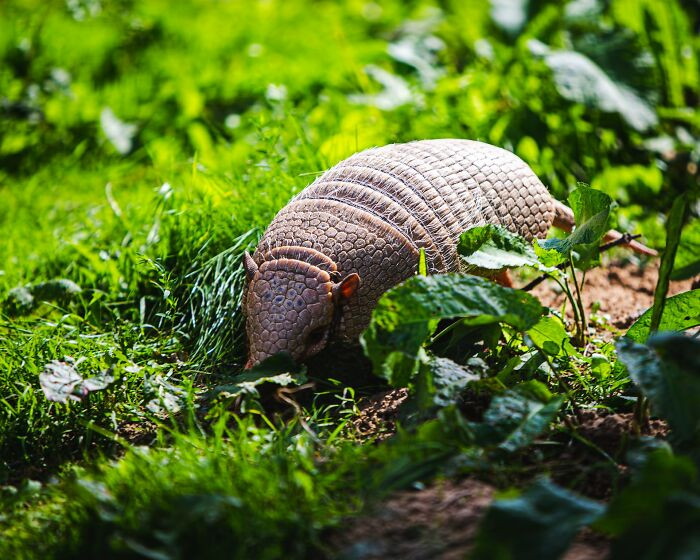
16. Armadillos
To cross a river Armadillos can either sink to the bottom and crawl across since they can hold their breath for 7 minutes or they can inflate their intestines and use them as a flotation device to float. - Madbadbat
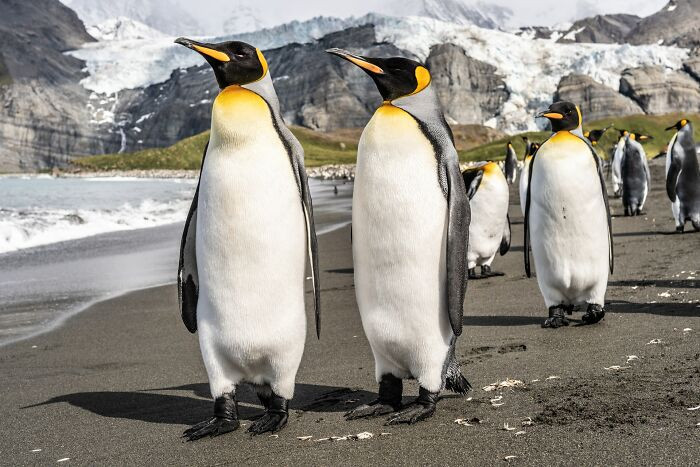
7. Emperor Penguins
Every once in awhile, an emperor penguin will do something very strange. Most of them will never do this, but the ones who do have stumped scientists for awhile now.
Every once in awhile, a penguin will turn away from its colony and start heading for the interior of the continent (Antarctica). Away from the food, the water, the safety of the colony. Off alone towards certain death. Almost like zombies. In the past, scientists would try to stop them. Or take them back to the colony. At which point, they'd simply turn around and begin their journey again, in the same direction, toward the same end. Some would even get violent if they were met with intervention.
The prevailing thought is that this penguin is depressed and is committing suicide in a very non-altruistic manner. But nobody knows for sure. There are a lot of possible explanations for this (including the possibility of a fungal infection similar to the cordyceps infection that can cause some colony insects to behave in exactly the same way, potential signs of brain tumors or other medical conditions that the birds are exposed to) It's well known that birds can experience depression or anxiety, but they tend to respond to this in very immediate ways, such as by over-preening (pulling out their own feathers), screaming, or being unusually quiet, loss of appetite, etc. (Bird anorexia is a MAJOR thing) These activities are signs of redirecting stress, while wandering off into the abyss of an unforgiving frozen continent implies the ability to analyze and think ahead in a way that most birds really don't seem to be able to do. So the reason may not be as immediately obvious as you might think.
From what I know, no autopsies have been performed on these rogue penguins. Most likely because the conditions are too harsh to hunt their corpses down. But until one is performed, we really have zero idea why they do this. And yet they do. And the behaviour is common enough that it's been documented multiple times.
-StGir1
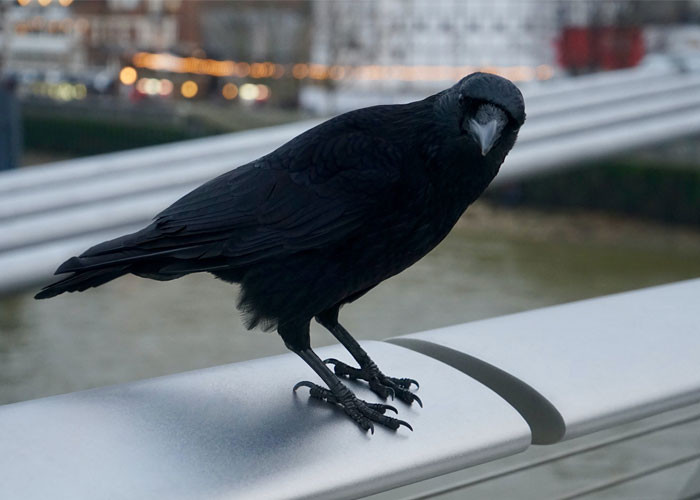
18. Crows
Crows recognize individual people even if they are wearing disguises and after many years. (The people are wearing disguises, not the crows.) - PatienceandFortitude
Research on animal intelligence, particularly in species like dolphins and octopuses, reveals fascinating parallels to human problem-solving abilities. These findings challenge the notion that complex problem-solving is exclusively a human trait and underscore the evolutionary advantages of intelligence across species.
Incorporating activities that stimulate problem-solving skills, such as puzzles or strategic games, can benefit both children and adults. For instance, engaging in brain training exercises has been shown to improve cognitive function and adaptability, paralleling the adaptive problem-solving seen in intelligent animal species.
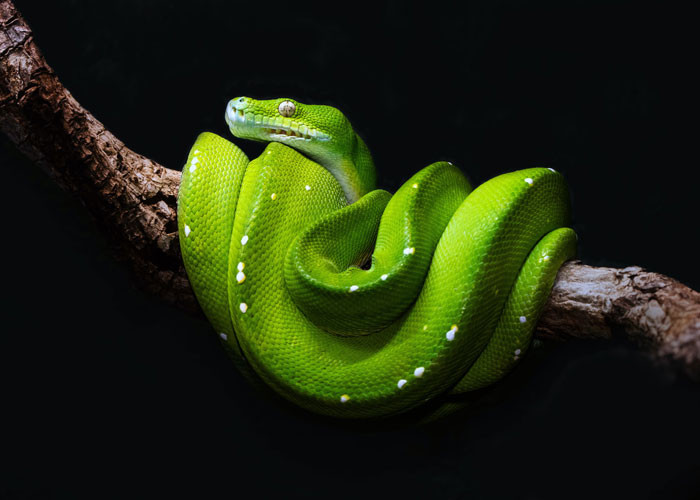
19. Snakes
Snakes don't have eyelids. If you see a snake blink, that's a legless lizard. - CirothUngol
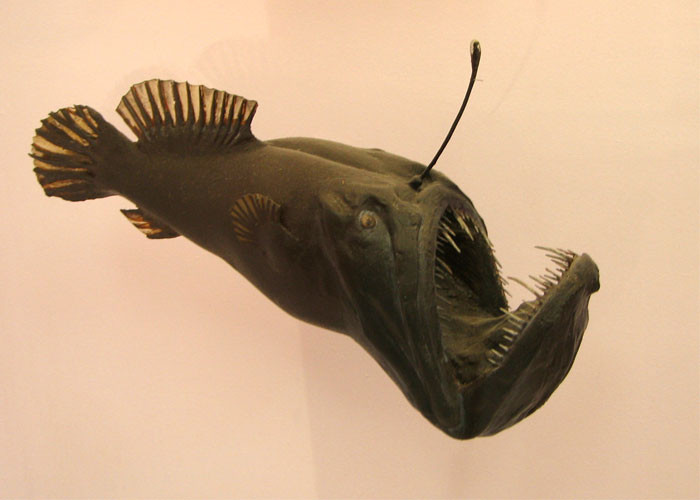
20. Anglerfish
All the deep sea anglerfish you see pictures of with the lil lights hanging over their heads? They're all female.
The males are tiny and born with a terribly weak jaw and a massive hunger. They seek out a female, and torn between hungry and horny they bite her.
She then releases an enzyme that fuses the male to her body. She slowly absorbs them into her body with only their lil testicles remaining so she can instantly fertilize her eggs when she wants to.
Some females have rows and rows of lil testicles on their bodies from where they have absorbed multiple males.
And you thought your sex life was weird, eh?
But no kink shaming.
- Hyzenthlay87
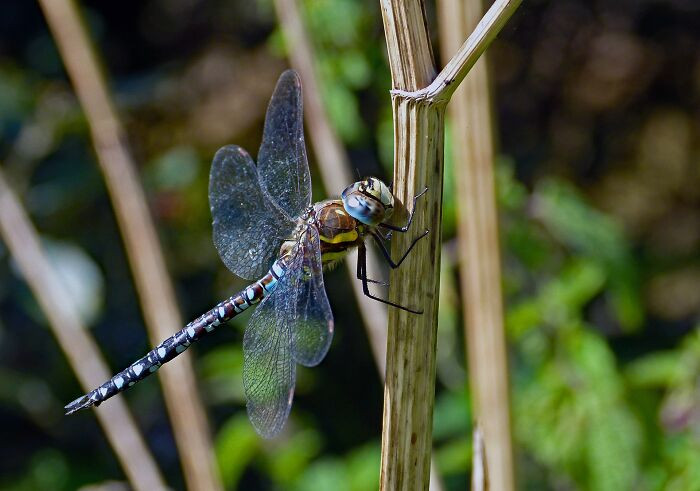
21. Dragonflies
Female dragonflies will fake being dead in order to stop unwanted male advances. - -eDgAR-
The ways animals communicate with one another offer compelling insights into the evolution of language and social interaction.
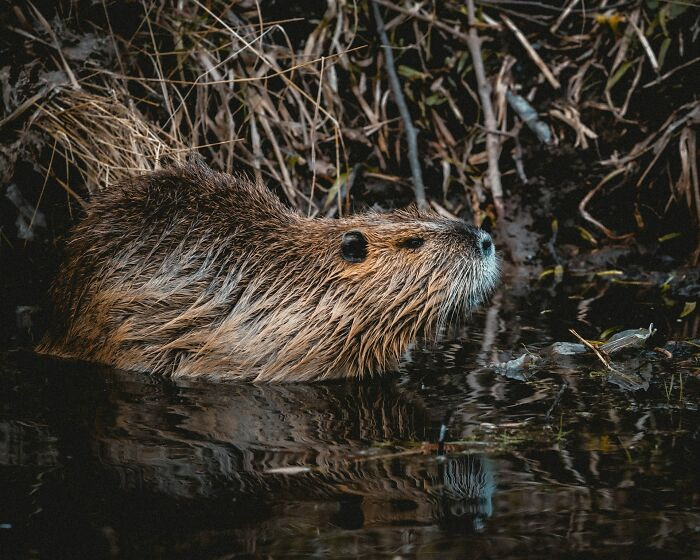
22. Beavers
A beaver's a*s smells like icecream.
Castoreum, the product of those anal glands, was once used as a flavor substitute for vanilla. It’s now only used in perfume and a style of Swedish schnapps called Bäverhojt, or “beaver shout.”
-TheDefected
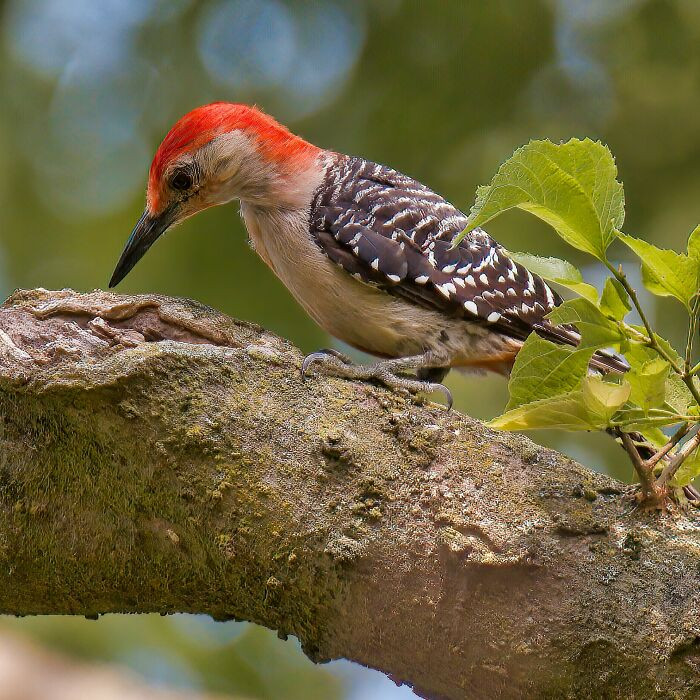
23. Woodpeckers
Woodpecker tongues wrap around the back of their brains. This helps the brain stay protected during high speed pecking. - powderabuser
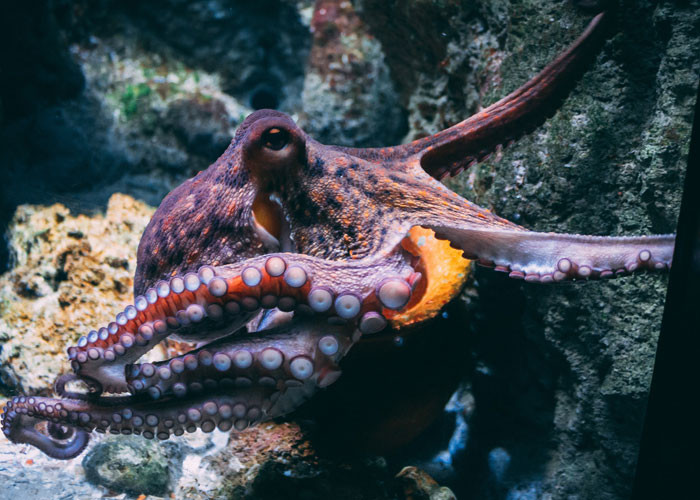
24. Octopus
We all know an octopus has 8 legs.
It also has 3 hearts and 9 brains, and it can fit itself through a hole the size of a quarter.
-Waldo_007
Numerous studies have documented the positive effects of nature exposure on mental health, particularly in reducing symptoms of anxiety and depression. Research indicates that spending time in natural environments can lead to significant reductions in rumination, a common risk factor for mental health issues. This aligns with the biophilia hypothesis, which posits that humans have an innate connection to nature that enhances well-being.
Incorporating more nature into daily life can be as simple as taking regular walks in parks or gardening. Such activities not only promote physical health but also cultivate mindfulness and improve overall emotional resilience, serving as effective tools for managing stress and enhancing life satisfaction.
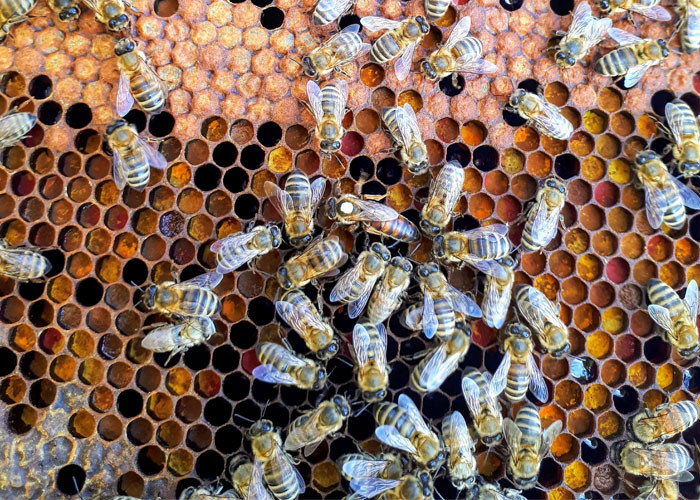
25. Bees
The chemical compound which is used to make fake banana flavour is the same compound honey bees use as an alarm pheromone. So never eat banana sweets near a beehive, and if you suddenly smell banana near a beehive, run! - generic-volume
26. Birds
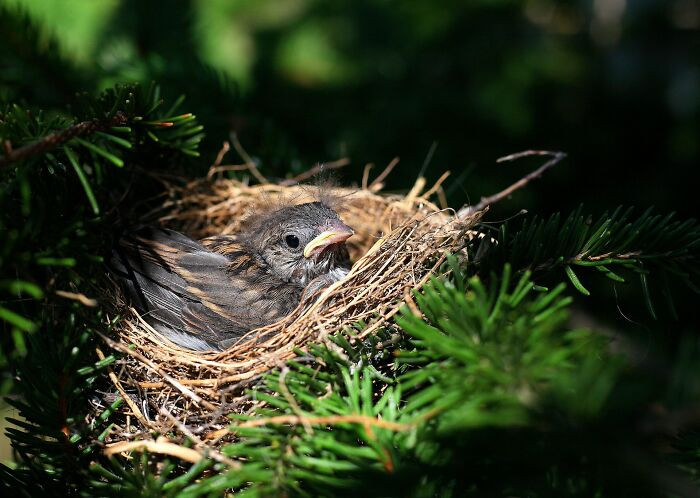
Many bird species will eat the fecal sacks of their young, thus keeping the nest clean for their young.
I no longer wish I knew what it would be like to be a bird.
-HoleyerThanThou
27. Bearcats
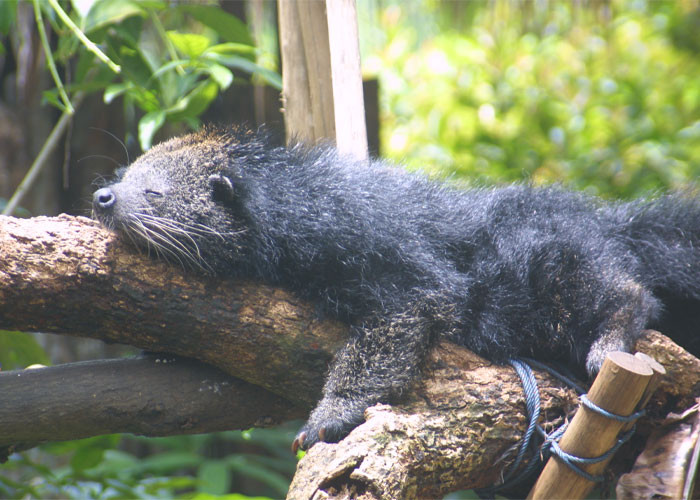
The binturong, also known as the bearcat, is an arboreal mammal closely related to the red panda. It smells like popcorn!
My obscure fact about it is that captive binturong are capable of holding grudges, and will climb above people they dislike in order to s**t on their heads.
-gengarde
Observing animal behavior can provide profound insights into human psychology, particularly regarding social hierarchies and aggressive behaviors. Studies have shown that many species exhibit dominance hierarchies, which can be seen as parallels to human social structures. For instance, research published in the 'Journal of Comparative Psychology' indicates that primates utilize social strategies that mirror human behaviors in leadership and cooperation.
Understanding these parallels can inform how we approach leadership and teamwork in human contexts. By fostering environments that encourage egalitarian practices and recognizing the value of diverse contributions, we can create more cohesive and effective teams, mirroring the successful social structures observed in animal groups.
28. Sharks vs Coconuts
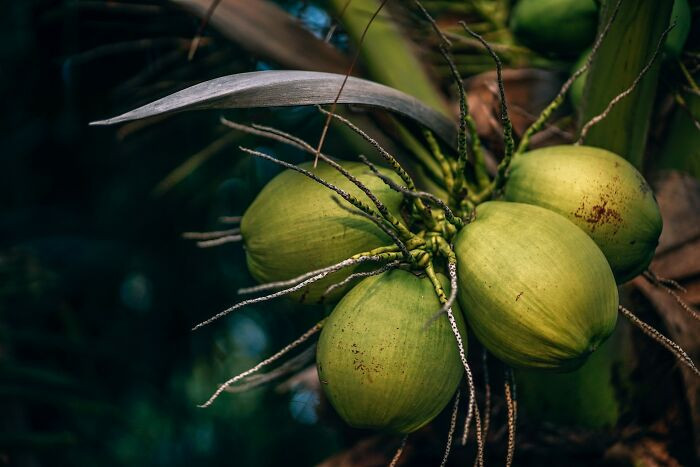
There are more people who die each year because a coconut fell on their head than people who die in shark attacks.
I love this fact.
-Blue0309
29. Roosters
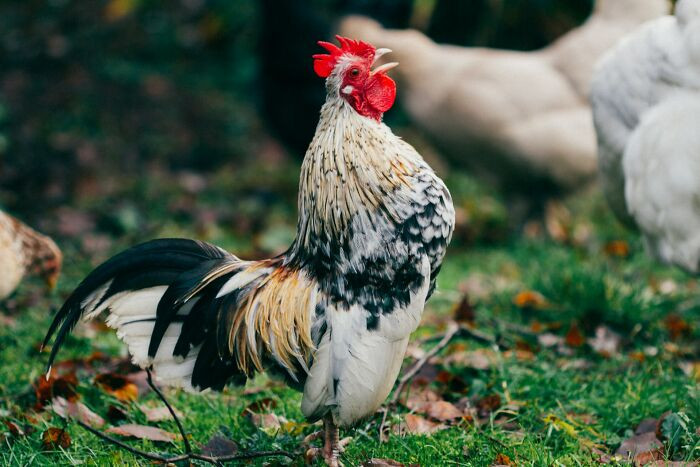
Roosters deafen themselves temporarily every time they crow, so that they don’t damage their own hearing. - Soulfighter56
30. Kangaroos
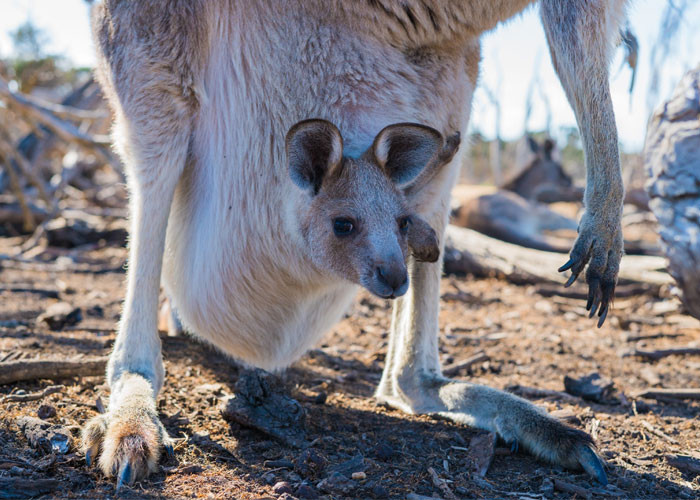
A kangaroo will mate again one to three days after giving birth. the newborn will latch onto a teat in the pouch and as long as it thrives, the kangaroo can put its newly fertilized embryo in a state of dormancy and have a back up baby ready to go. if the newborn grows out of the pouch or dies, the kangaroos hormones will send signals to start the development of the egg. so they can have an adolescent Joey, a nursing one, and one in stasis all at the same time. - themoonhasgone
31. Sloths
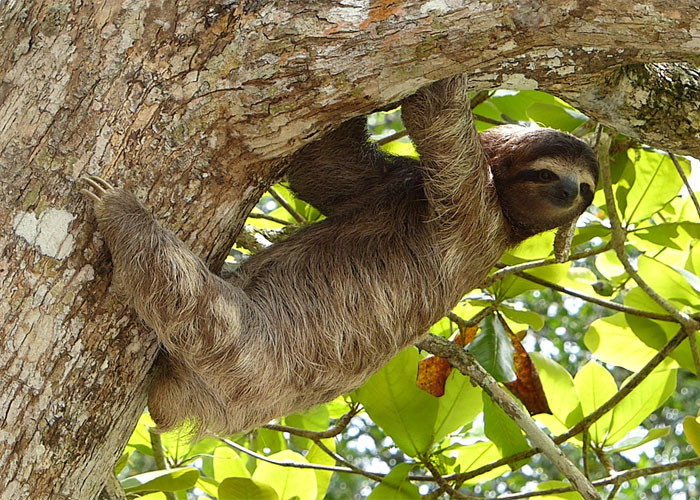
Sloths are literally too lazy to go looking for a mate, so a female sloth will often sit in a tree and scream until a male hears her and decides to mate with her - amishsheepherder
32. Hippopotamuses
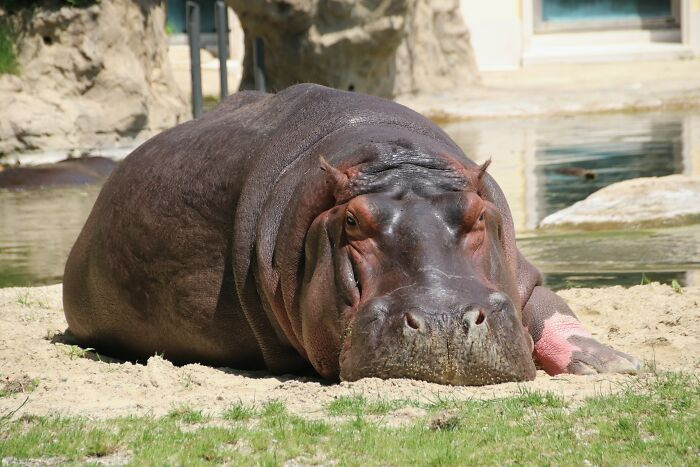
Hippos sweat is red. - Ethan8246
33. Squirrels
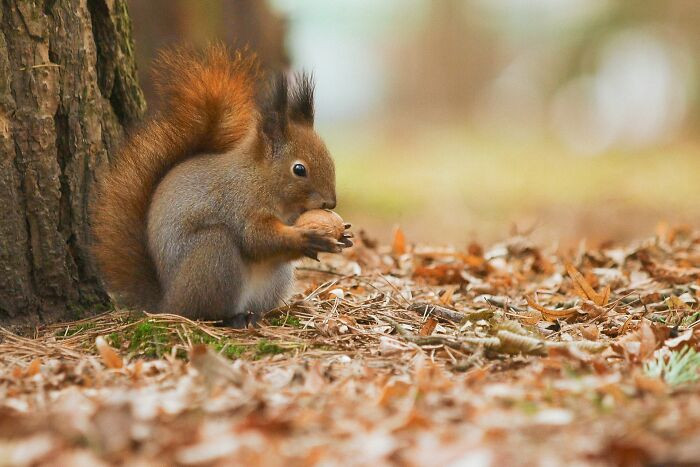
Idk how obscure it is but the average lifespan for a squirrel is 16 years which is a lot longer than I would have ever thought - covalentbond007
34. Turtles
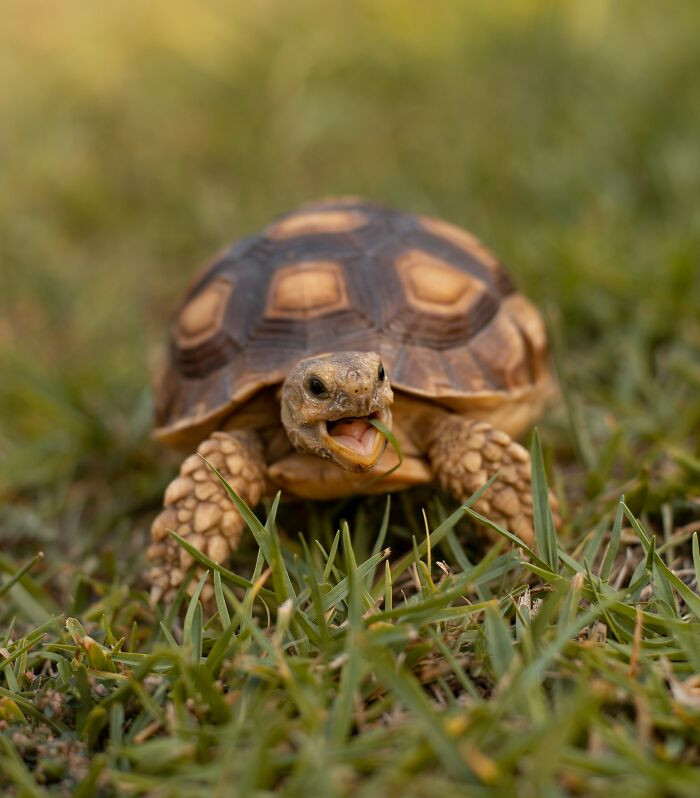
Turtles can breathe through their butts - ghost_gurrl
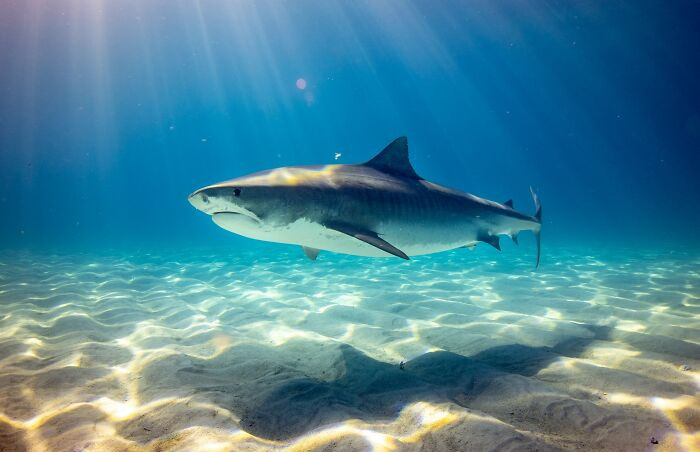
35. Sharks and Dinosaurs
Sharks are older than Dinosaurs, Trees, and *the Rings of Saturn*.
Sharks are old as f**k.
-voidsong
Everything's cool and fascinating in the animal world, you just need the determination and patience to see all these details! They truly show how complex and beautiful our world is, and it's always an honor to learn more things about them and how they work as creatures in this macrocosm.
Do you have any animal trivia to share? Comment down your thoughts or share this article for all your family and friends to see!
The exploration of animal behavior in this article reveals not just intriguing facts but also profound insights into the essence of life itself. Each fascinating tidbit serves as a reminder of the intricate web that connects all living beings, shedding light on the importance of empathy and cooperation. For instance, the surprising social structures of certain species highlight how communication plays a crucial role in their survival and well-being. These lessons are not limited to the animal kingdom; they resonate deeply with our human experiences.
As we delve into the remarkable traits of animals, we find reflections of our own societal dynamics. The principles of resilience and harmony illustrated through their behaviors can inspire us to cultivate similar qualities in our daily lives, fostering relationships that are not only enriching but also essential for our collective mental health and social harmony.
Want more dominance stories, start with these fierce female leaders, from power struggles to survival wins.
Share this article: