Hilarious Story Of Man Who Taught His Dog A Trick And Later Regretted It Has Others Sharing Theirs

One dog trick turned into a full-blown regret story, and Reddit could not get enough of it. A dog owner taught his pup a move that sounded funny at first, then quickly became the kind of household habit he probably wishes he could take back.
In this Reddit thread, Totally_Kyle0420 shares how a simple training moment spiraled into something much more annoying, and other dog owners jumped in with their own stories of tricks that backfired. The result is part comedy, part cautionary tale, and very relatable if you have ever taught a pet something cute that later became a problem.
Scroll on for the original post and the funniest replies it sparked.
The Caption

And the story begins

She will dance and dance and dance...

The amusing tale of a man who inadvertently taught his dog a trick he later regretted underscores a universal theme of regret that resonates deeply with dog owners. The decision to train a pet often comes with unforeseen consequences, as illustrated by this owner's experience. While the initial intention was to bond and teach a new skill, the chaotic fallout from the dog's newfound ability likely caught him off guard.
This narrative serves as a reminder that while training can strengthen the bond between owner and pet, it also requires careful consideration of the potential outcomes. The unpredictability of a dog's behavior can lead to humorous yet regrettable situations, prompting owners to think more thoroughly about their training strategies in the future.
Humor and learning are intricately linked in the realm of dog training, particularly when owners recount their amusing mishaps. The story of a man who taught his dog a trick only to find himself regretting it serves as a perfect illustration of this dynamic. Such experiences highlight that mistakes in training are not just humorous anecdotes but also valuable lessons. By sharing these moments, dog owners foster a sense of community, reminding us that everyone faces their share of setbacks. This camaraderie reinforces the notion that the journey of teaching and learning is filled with ups and downs, ultimately strengthening the bond between humans and their canine companions.
And below, we have gathered a list of hilarious replies given by Redditors. So go ahead and have a good laugh...
1. And the problem here is really hilarious
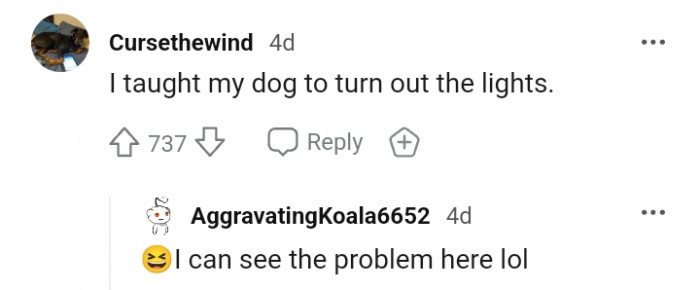
2. My sibling's dog punches people for attention

3. What my dog realized quickly

Moreover, the emotional response to regret can be mitigated through cognitive reframing. By viewing the situation as a learning opportunity rather than a failure, individuals can reduce feelings of shame or frustration associated with their decisions.
Encouraging individuals to embrace the lessons learned from their experiences rather than dwelling on mistakes can foster a more positive outlook on life.
Moreover, laughter can serve as a coping mechanism, helping individuals process their experiences in a lighter way.
The act of finding humor in our mishaps can foster resilience, allowing us to bounce back more quickly from disappointments.
4. I taught my beagle to speak

5. Owning a friendly, out-of-the-blue mechanical bull
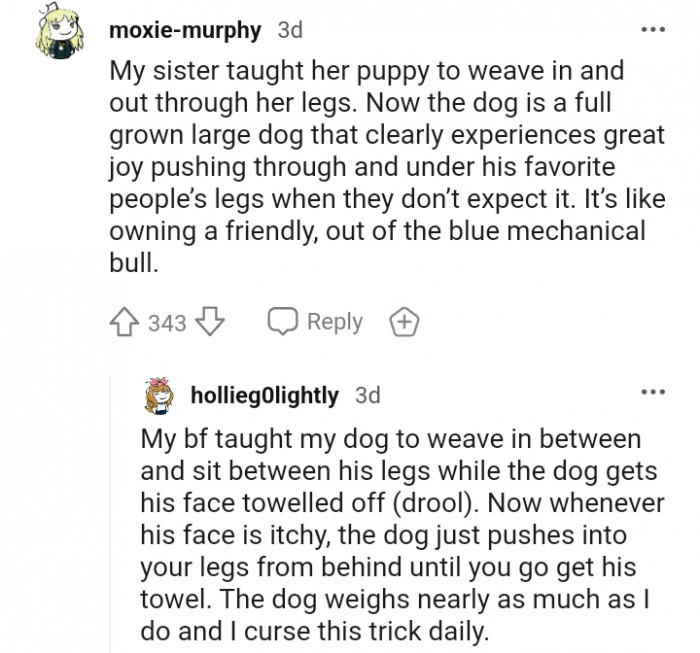
6. I taught my dog to lay down

Training and Responsibility in Pet Ownership
Responsible pet ownership entails understanding the training and behavioral needs of animals. The anecdote illustrates how unanticipated consequences can arise from training methods that lack clarity or consistency.
And if you think training is harmless, read how a fed-up Redditor taught a friend’s dog manners, then got accused of changing her personality.
Coping with Pet Behavior Challenges
Training pets effectively requires patience and understanding, as both animals and humans navigate learning curves.
When pet owners approach training with empathy and knowledge, they are more likely to achieve positive results.
7. There is no safe time for this
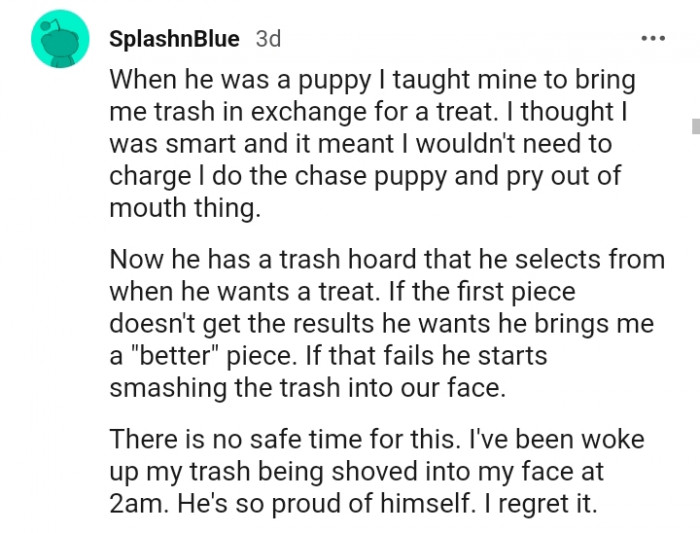
8. Assisting us with traveling excitement

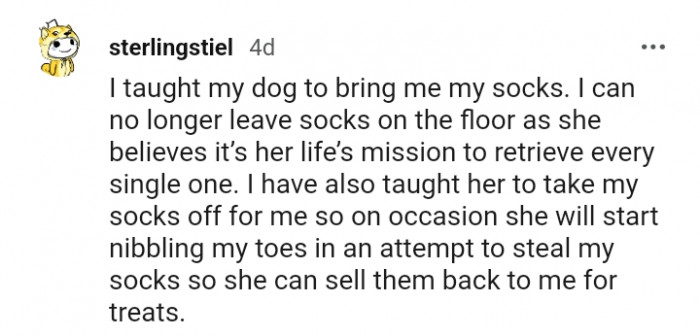
9. My dog retrieves every single sock
To enhance the training experience, pet owners should consider engaging in training classes that focus on positive reinforcement techniques. These classes not only provide valuable skills but also create a supportive community among pet owners. Additionally, seeking guidance from professional trainers can help owners navigate the complexities of animal behavior and training.
Ultimately, fostering a collaborative approach to training can lead to more successful outcomes for both pets and their owners.
10. My dog turns off the Xbox

11. Giving the dog plastic bottles to play with
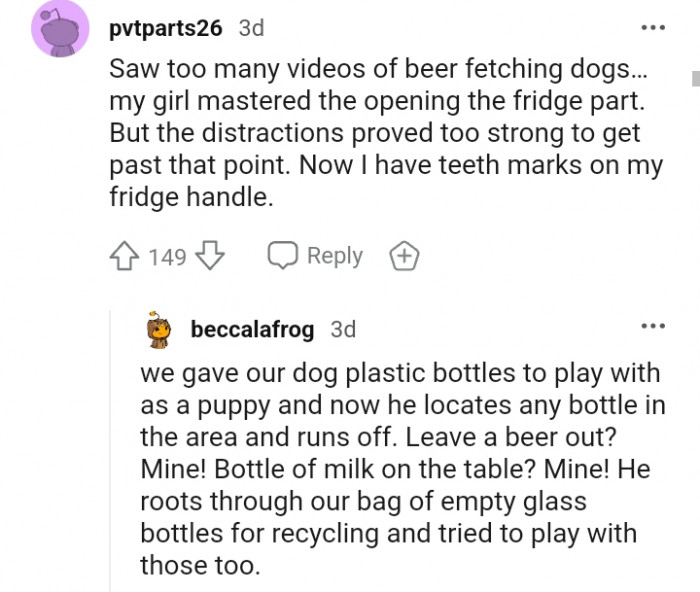
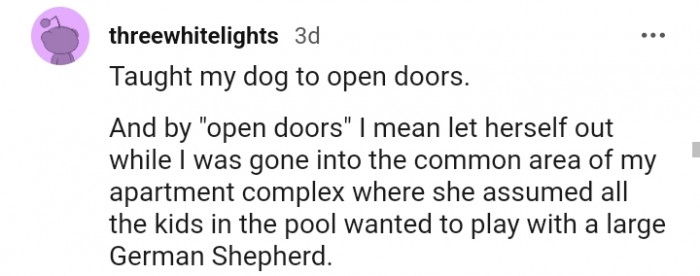
12. This dog was taught to open doors
Adaptability is essential for overcoming the inevitable challenges of pet ownership, especially when it comes to training. The humorous anecdotes shared in the article highlight how teaching dogs tricks can lead to unexpected outcomes, reminding us that pet training is not always a straightforward process. Embracing a mindset that views these challenges as opportunities for growth allows owners to cultivate patience and flexibility. This approach is particularly valuable when faced with the amusing but sometimes frustrating results of training gone awry, as many dog owners can relate to the quirky behaviors that emerge from their well-intentioned teaching efforts.
13. She's particularly fond of self-employing it

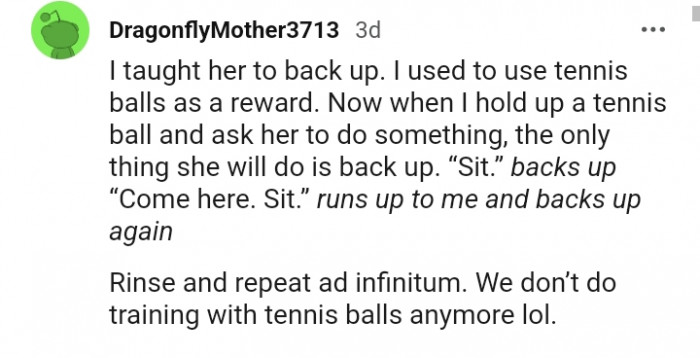
14. This dog was taught to back up
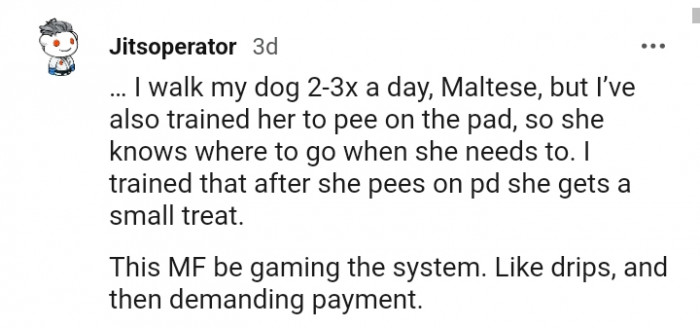
15. My dog has taken over the system
Encouraging an attitude of curiosity can also lead to more successful training experiences.
Pet owners should approach training as a journey of discovery, where both parties learn from each other.
This perspective can transform challenges into opportunities for bonding and mutual understanding.
16. Teaching my dog to sit pretty

17. I made a mistake and a very big one at that

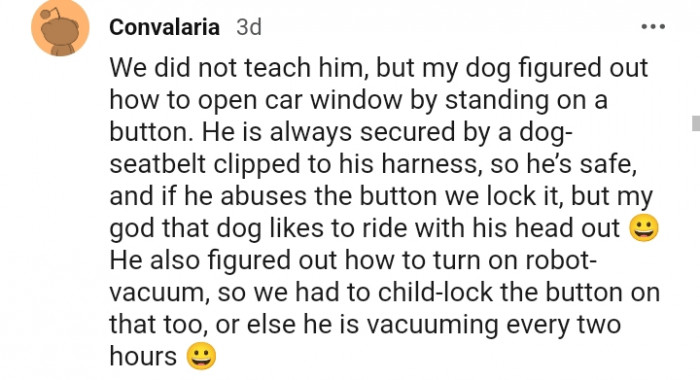
18. My dog figured out how to open the car window
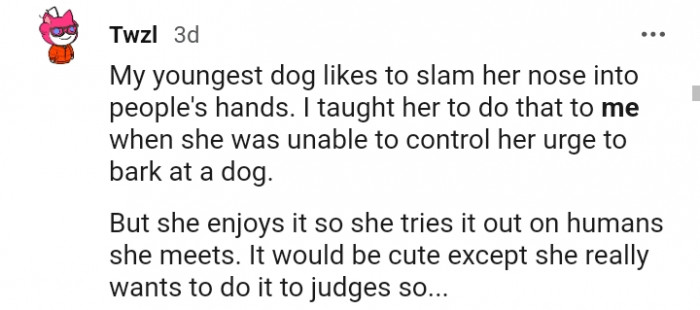
19. My dog slams her nose into people's hands
20. This is really one hilarious thread indeed

Even though our furry friends can unlearn some things we later discover aren’t good for them, it is always a tight corner no dog owner wants to find himself or herself in with their furry buddy. The unlearning process will take time and will always be hectic.
So it’s always important to think twice before teaching your furry companion any tricks. Let us know your thoughts in the comments section.
As the humorous tale of a man who regretted teaching his dog a trick suggests, the journey of pet ownership is fraught with unexpected challenges. This story highlights the importance of patience and adaptability in training our furry friends. When we approach training with a sense of humor and a willingness to learn from our missteps, we can turn these moments of regret into opportunities for growth.
Employing positive training techniques not only strengthens the bond between pet and owner but also fosters a deeper understanding of each other's needs. As seen in the shared experiences of others, a supportive and compassionate approach is crucial for nurturing healthy dynamics. After all, the laughter that comes from these training mishaps can ultimately lead to a more fulfilling relationship with our beloved pets.
The story of the man who taught his dog a trick only to later regret it highlights the intricate dynamics of pet ownership. It serves as a reminder that while teaching our pets can be a source of joy, it also comes with unexpected consequences. This particular incident illustrates how our well-intentioned actions can lead to unforeseen challenges, prompting us to reconsider our methods and motivations. The narrative underscores that responsible pet ownership extends beyond mere training; it involves a deep commitment to understanding the unique personalities and needs of our furry companions. This tale invites us to reflect on our own experiences and the lessons learned along the way, ultimately enriching the bond we share with our pets.
Want regret too, check out the dog owner who left her pet with a friend who ignored instructions.
Share this article: