Teen Rehomes Birthday Pets After Mom Refuses Proper Care and Calls Her Ungrateful

A teen rehomed the birthday pets herself after her mom refused to set them up properly, and then called her ungrateful for “ruining” the surprise. The kicker is, the animals were never supposed to be a spontaneous drop-off, they were part of a real plan, with real upgrades and real supplies.
In the middle of the celebration excitement, the setup started looking temporary, like a cage that would turn into a permanent problem. The teen moved fast to fix it, but her mom shut it down, arguing over how long the pets would even “matter,” leaning on store claims and guesses instead of anything solid.
What follows is a family blowup where the animals end up being the only thing anyone can’t afford to ignore.
She thought she was being a responsible pet owner. Her family saw it very differently.
The excitement was real, but so was the preparation. These pets were never meant to be a surprise.
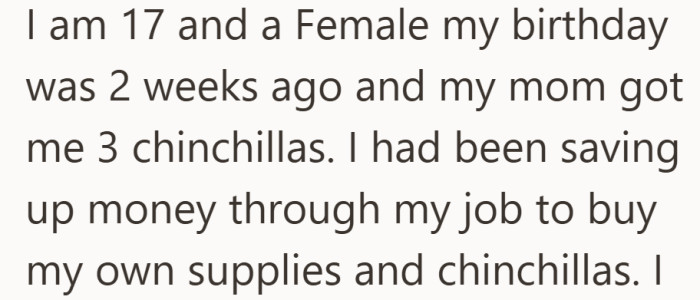
A dream pet moment, slightly undercut by a cage that looked temporary at best.
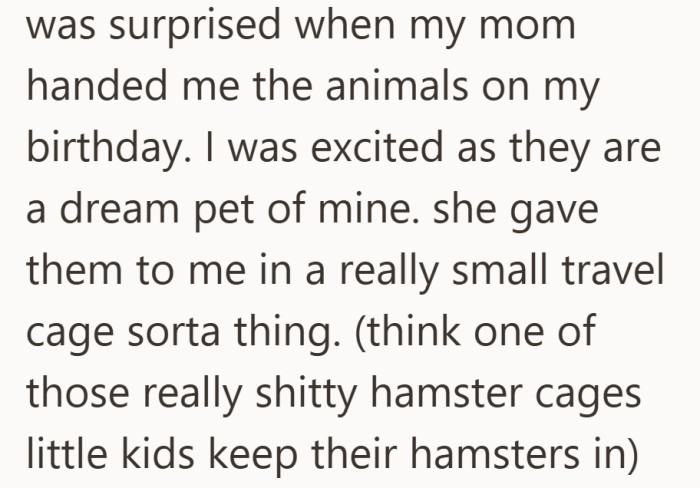
The plan was simple: upgrade the space, buy the supplies, and do it right.
She tried to act fast, before a temporary setup turned into a long-term problem.
The plan stopped cold, and the argument started just as fast.
The argument centered on how long the pets would even matter in the first place.
Knowledge and preparation did not carry much weight in this conversation.
Store assurances and wild guesses became the justification.
Responsibility and drama began to blur in the middle of the argument.
This is similar to the Redditor whose parents took back the dog they rehomed after just three days.
Drawing a boundary was taken as rejection instead of concern.
The situation shifted from a disagreement to a family-wide verdict.
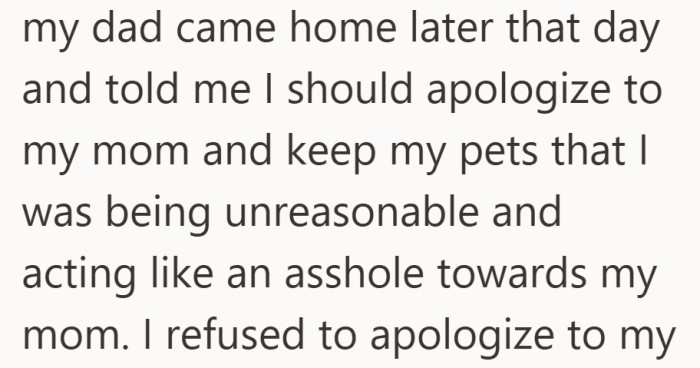
She found a solution that put the animals first, even if it cost her emotionally.
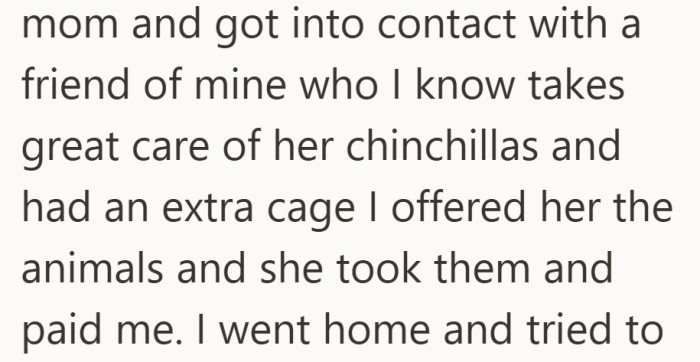
The gesture meant to close the loop ended up reopening the wound.
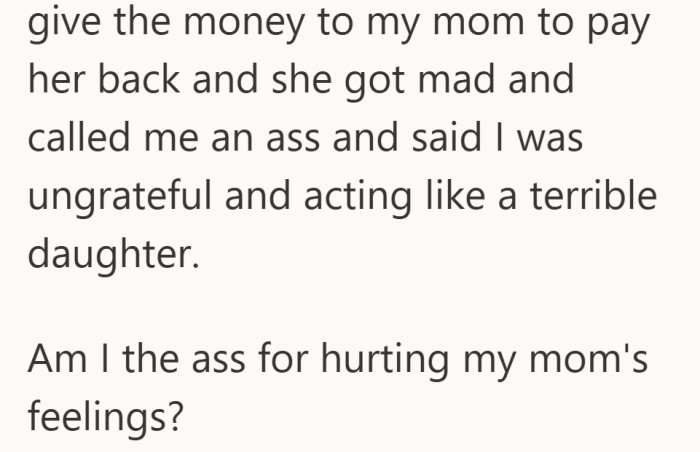
When “they won’t live long anyway” meets actual research, responsibility tends to win.
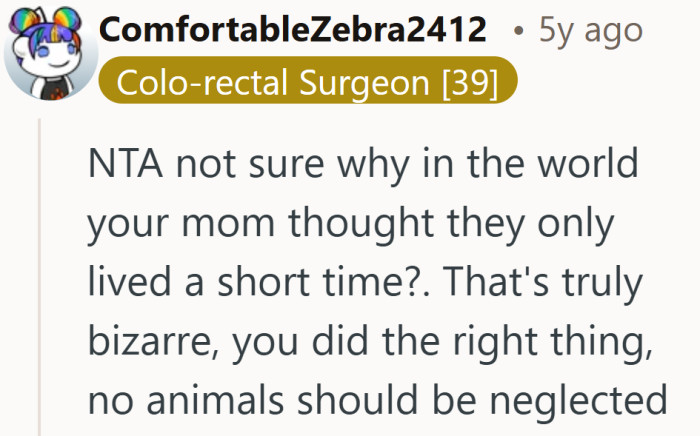
It is hard to argue with a line that simple, even harder to ignore.
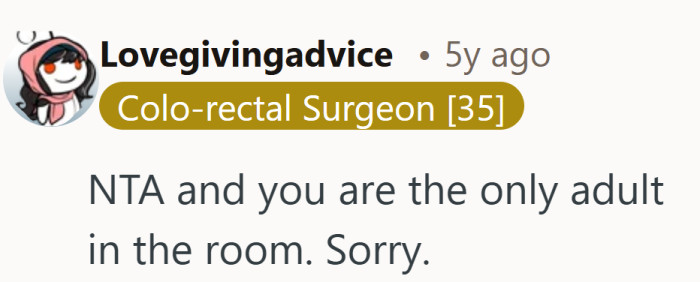
Trust was the missing piece here, not knowledge.
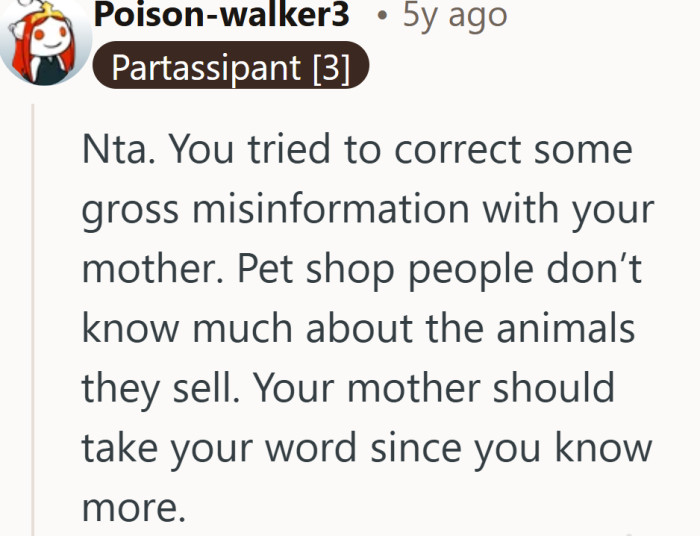
Relief, reassurance, and a quiet hope that the ending was not goodbye.
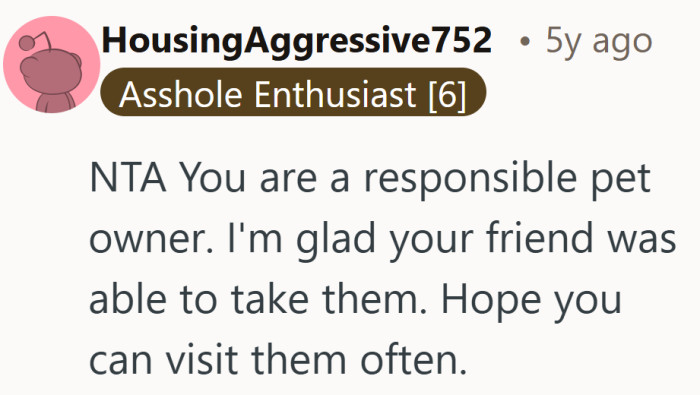
Not exactly gentle feedback, but the point landed loud and clear.
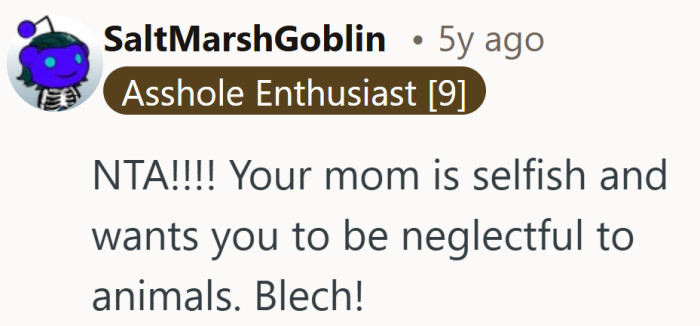
A firm line in the sand, framed as a matter of principle.
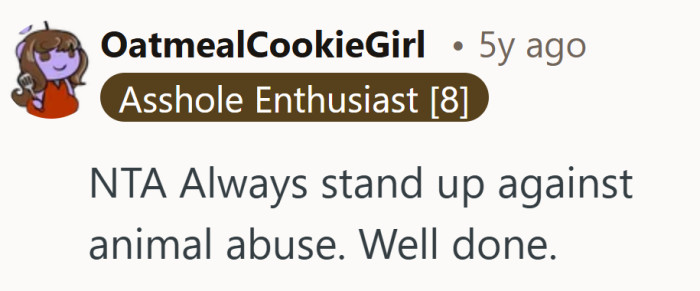
For many, the real frustration was not the pets. It was the refusal to listen.
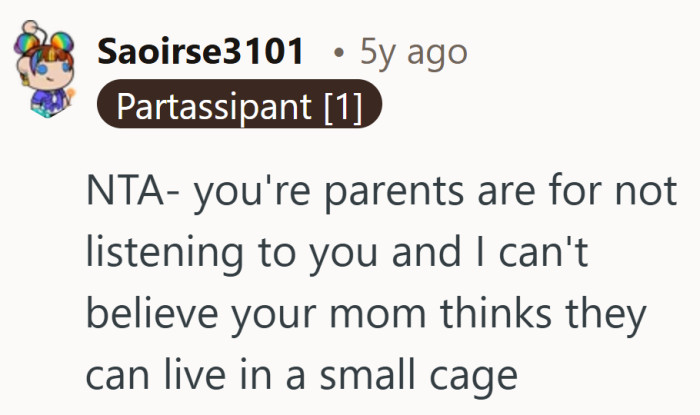
That birthday pet moment turned sour the second the “temporary” cage became the mom’s excuse to stall on proper care.
The teen tried to upgrade the space, but the argument immediately shifted from logistics to whether the pets were worth the effort.
When mom said, “they won’t live long anyway,” the teen’s plan stopped being a favor and started being a fight over reality.
By the time the teen drew a boundary and rehomed the animals, the gesture that was supposed to close the loop reopened the whole wound at family dinner.
At the heart of this situation is a familiar question about responsibility and respect. Some believe caring properly means making tough decisions, even when feelings get hurt. Others see loyalty and gratitude as sticking it out, even under imperfect conditions.
It also raises a bigger issue about animals relying entirely on humans to advocate for them, especially when adults disagree. When does doing the right thing outweigh keeping the peace at home? And who ultimately gets to decide what responsible care looks like?
Where would you have drawn the line? Share this with someone who would have strong feelings on both sides.
Nobody wins a birthday surprise when one person treats the pets like props and the other treats them like living beings.
For more birthday pet drama, see how a jealous daughter made her cousin cry over a finger monkey.
Share this article: