
Two Rheas Disturb the Peace in Venice, Cause Authorities to Fine Their Owners and Bar Them from the City.

Two rheas took a very public walk through Venice, and the city did not exactly roll out the welcome mat.
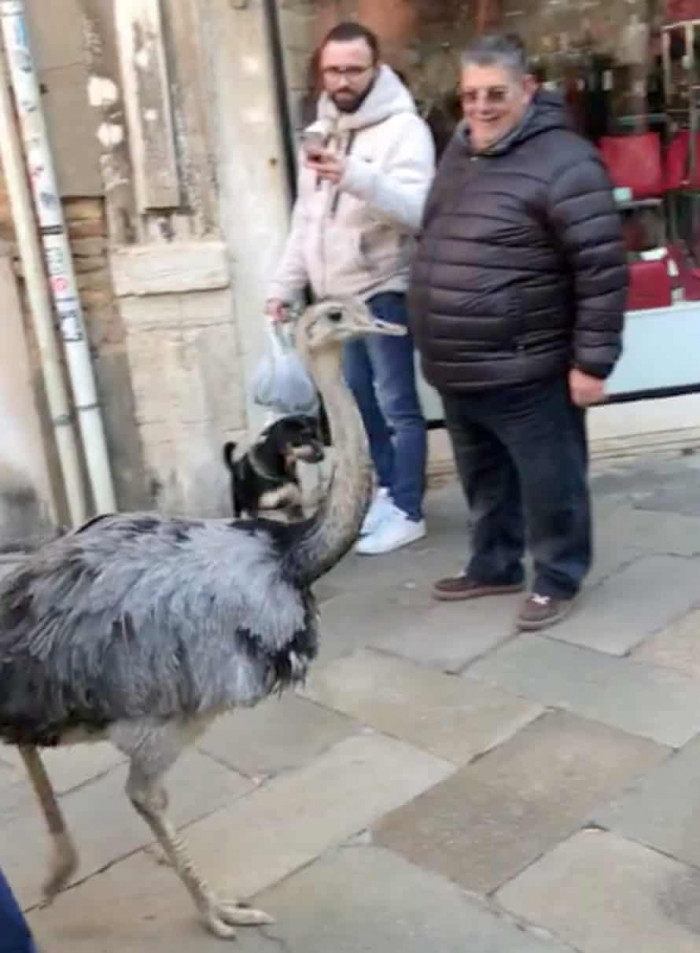
The unusual sight quickly drew attention in Cannaregio, where the birds were spotted roaming around after arriving by train with their Slovenian owners. Police were called by dozens of concerned people, and the situation escalated fast once authorities tracked the birds down near the station.
What happened next was a reminder that Venice does not take kindly to surprise wildlife tours. Read on.
Venice day out

These emu-like birds decided to tour the city. But not everyone was comfortable with that
Authorities were contacted about these unusual visitors. You can bet their owners had some questions to answer and a hefty fine to pay
The recent incident involving the Rheas in Venice highlights the complexities of human-animal relationships, particularly when wild animals are introduced into urban environments. This situation can evoke feelings of stress and anxiety not just in the animals but also in the human population. This reflects how the presence of animals in inappropriate settings can lead to heightened discomfort among bystanders, impacting their perceptions of safety and control. Furthermore, a study conducted by researchers at the University of California, Berkeley, emphasizes the concept of 'perceived threat' in unfamiliar wildlife interactions. This underlines the importance of understanding the psychological dynamics at play when wild animals enter human spaces and the need for appropriate management strategies that prioritize both public safety and animal welfare.
Moreover, the concept of 'social proof' suggests that people look to others' reactions to determine how to behave in unfamiliar situations, which can escalate fear or aggression. To mitigate these reactions, community education initiatives are crucial. Local authorities could consider creating public awareness campaigns that inform citizens about wildlife behavior, emphasizing coexistence and respect for nature. Such educational efforts can foster a more informed public, potentially reducing fear and promoting positive interactions with wildlife, ultimately leading to a safer environment for both humans and animals.
The incident involving the Rheas in Venice highlights a fascinating intersection of wildlife and urban life. Birds adapting to urban environments often reflect broader themes in behavioral ecology, where animals modify their habits to thrive in human-dominated spaces. Research shows that urban wildlife can exhibit altered behaviors, from foraging patterns to social interactions, as they navigate the challenges posed by urbanization.
This adaptability speaks to the resilience of species, yet it also raises critical questions about human-wildlife interactions and the responsibilities we have toward these animals.
Indeed, Venice authorities don't tolerate delinquent tourists
The owners explained that Nina and Nande aren't dangerous
Here's how the Reddit community reacted to the news:
This is similar to a no-pet building landlord fining a roommate for bringing in a dog.
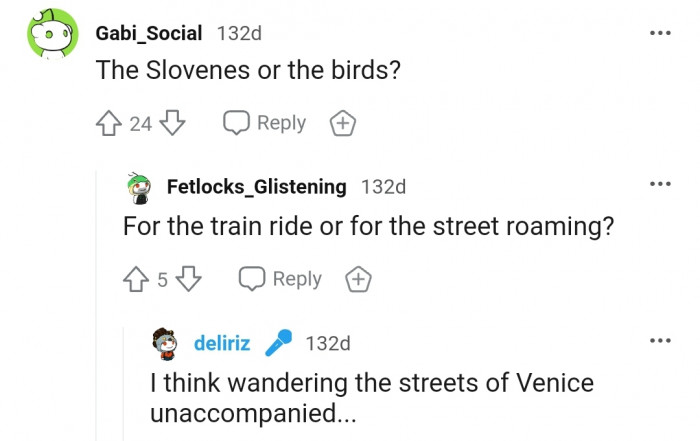
Just so you know, in Venice you could get fined for letting your pet roam the streets unaccompanied
Behavioral psychologists have long studied the implications of keeping wild animals as pets and the potential consequences for both the animals and their owners. Rheas, as non-domesticated birds, exhibit natural behaviors that can be challenging to manage in a domestic setting. Research has shown that when wild animals are kept in captivity, they often experience a range of psychological issues due to a lack of appropriate environmental stimuli, which can result in behavioral problems. This includes understanding their social structures, diet, and habitat requirements. Responsible ownership should involve creating environments that mimic natural habitats as closely as possible. Such an approach not only supports the well-being of the animals but also enhances the owner's experience, leading to better behavioral outcomes and a more harmonious human-animal relationship.
Moreover, the legal ramifications faced by the owners of the Rheas serve as a reminder of the social contract between humans and animals in shared spaces. Urban planning and wildlife management must consider not only the needs of human populations but also the ecological roles of wildlife. Studies in urban ecology emphasize that creating inclusive environments for both people and wildlife can lead to healthier ecosystems and more sustainable cities.
Understanding these dynamics can inform policies that promote coexistence rather than conflict.
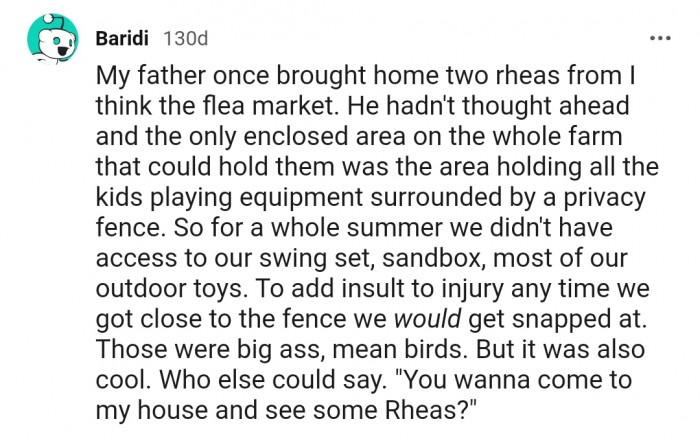
Who else has had a first-hand experience with Rheas?

It seems Rheas aren't the friendliest pets. But on the bright side, you can gain a little attention as a Rheas owner.
Although the owners apologized, stating that the birds weren’t wild and were trained to play with kids, we bet they frightened many people in the area.
Who wouldn’t be terrified after seeing these huge birds on the streets? We know we’d be.
What would you have done if you had spotted one of these Rheas on the streets? Let us know in the comments below!
To improve human-wildlife interactions, community outreach and education play essential roles. Residents can be educated about the importance of respecting wildlife and the potential consequences of their actions. Programs that foster awareness about urban wildlife can lead to more informed decisions and behaviors that minimize conflicts. Research indicates that communities with strong educational initiatives often see a reduction in negative wildlife encounters.
By promoting coexistence through education, we can cultivate a more harmonious relationship between residents and urban wildlife.
The incident involving the two Rheas in Venice highlights the intricate challenges of urban wildlife management.
Understanding the psychological dimensions of human-wildlife interactions is essential for developing effective community responses.
Venice made its point quickly, and the rheas did not get a second tour.
Wait until you see the crew racing to capture 130 escaped hamsters after a grounded plane.
Share this article:





