
Host Tells Family Service Dog Must Act “On Duty” Entire Birthday Party

It started like a normal birthday invite, then turned into a full-blown “service dog on duty” power struggle that left everyone side-eyeing everyone else.
OP’s family was hosting a child’s birthday party, and the rules were laid out early. The host gave permission, but only with a checklist, including a bathroom rule that basically treated the dog like a prop that had to perform perfectly, not an actual working animal with a handler doing the job.
What made it explode was the tone, not the concept, and it forced the family to decide whether “accommodation” was coming with respect or with strings attached.
The rules were set early, but the tone made it clear this was about control as much as comfort.
A child’s birthday sets the scene, but a personal dislike is already shaping the guest list.
Permission was given, but it came with a checklist that left little room for reality.
The pushback was immediate, and the word family suddenly carried weight.
The decision didn’t stay private, and neither did the fallout.
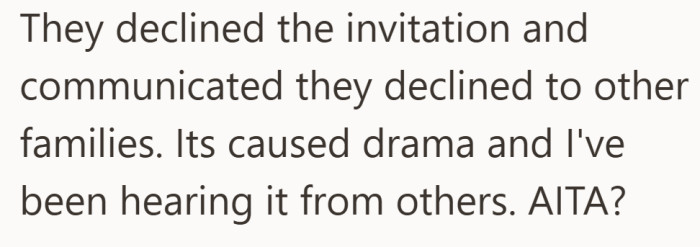
This was meant to draw a line between service animal and family pet.
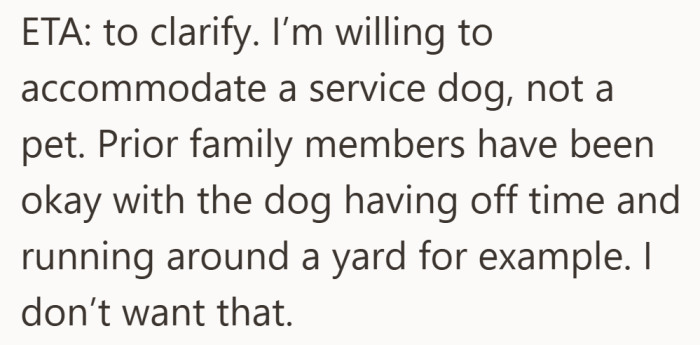
The bathroom rule is where the logic really starts to wobble.
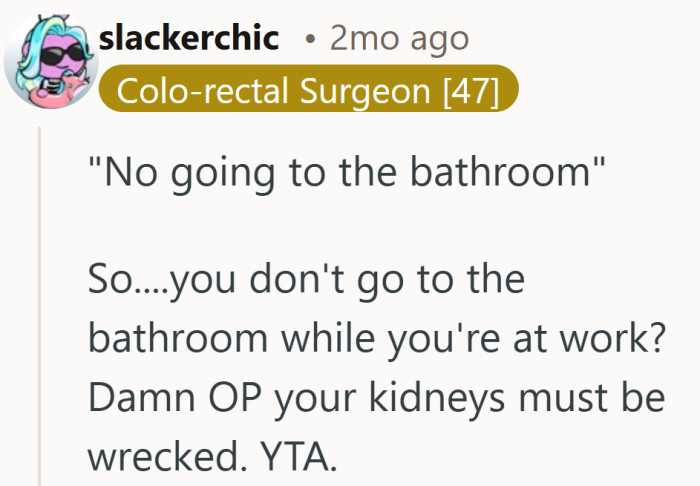
It shifts the focus from behavior to what a service dog actually does.
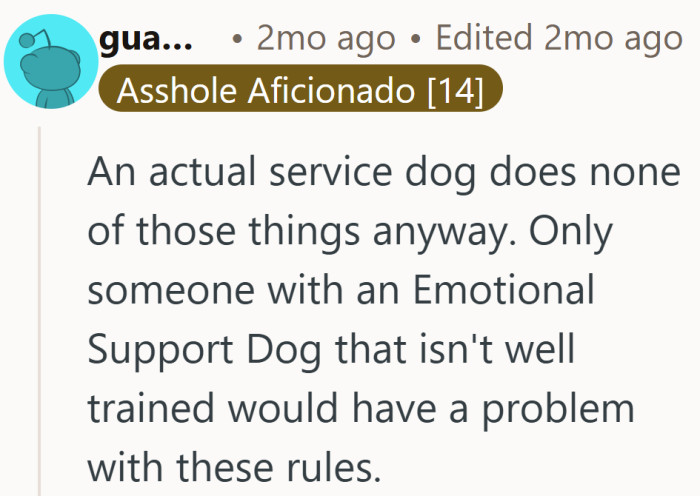
The issue stops being policy and starts feeling personal.
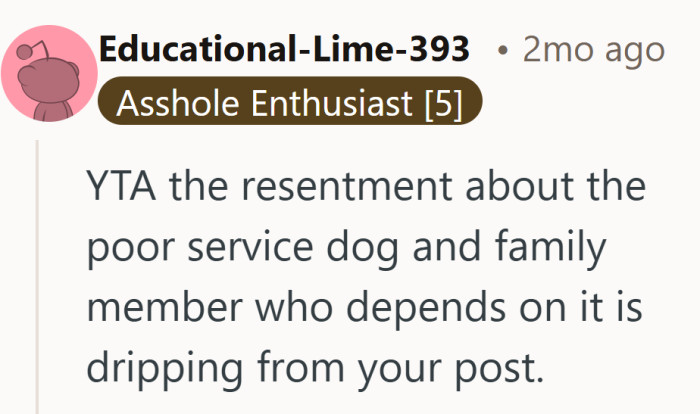
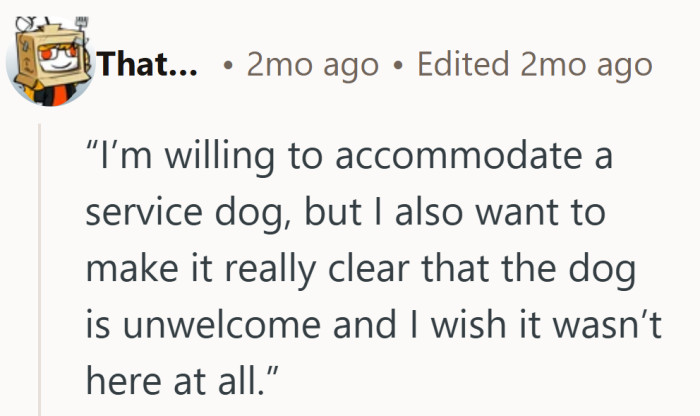
Accommodation was offered, warmth never joined the invitation.
This is similar to the woman who banned her SIL’s chaotic “therapy dog” from a family barbecue.
Rights and tone can coexist, but the tone often speaks louder.
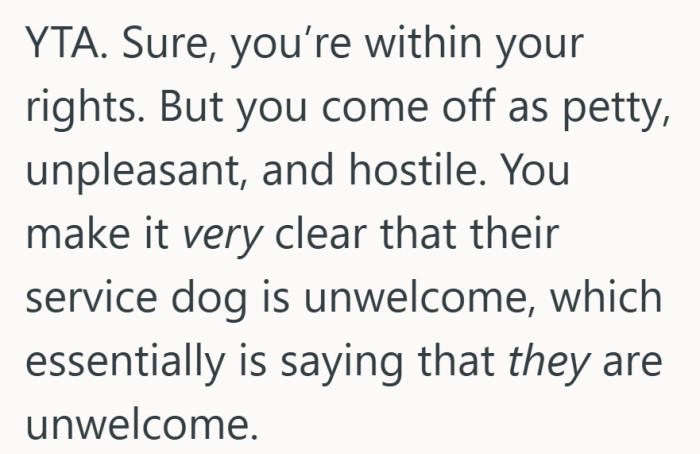
House rules may be allowed, but the delivery left a sour aftertaste.
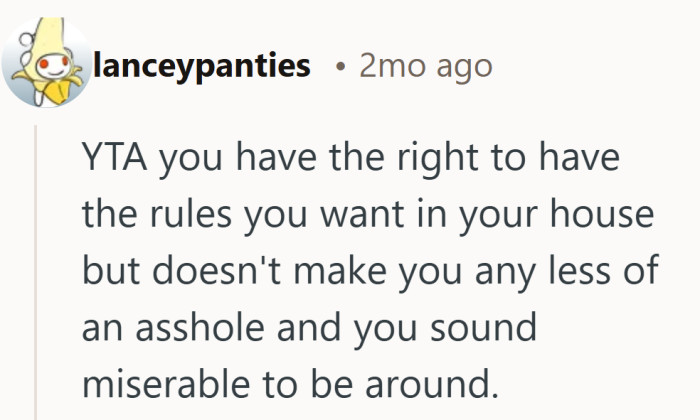
Reasonable rules lose their footing when wrapped in condescension.
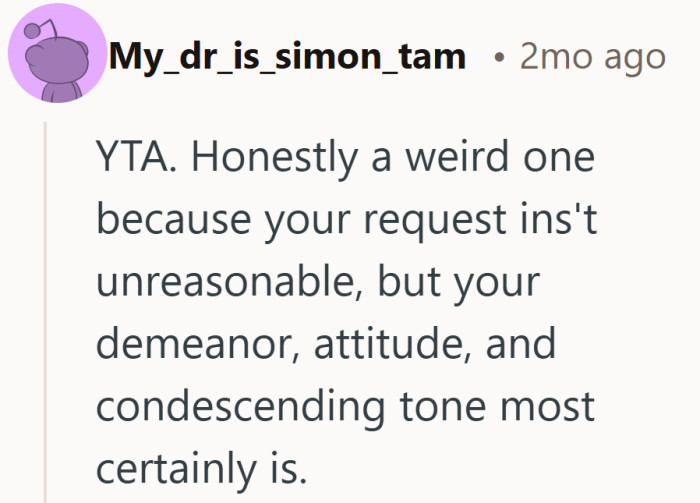
Normal boundaries met an expectation that no living creature could meet.
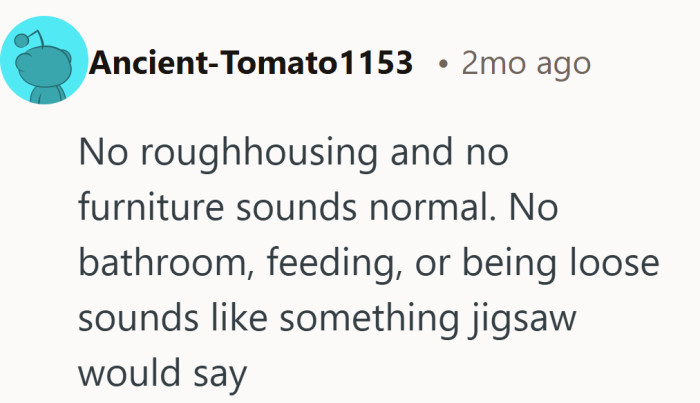
Much of the tension seems rooted in assumptions rather than reality.
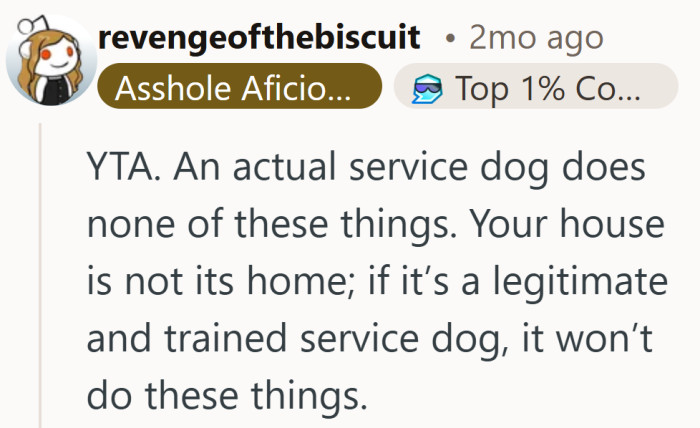
Declining the invite solved one problem and created several others.
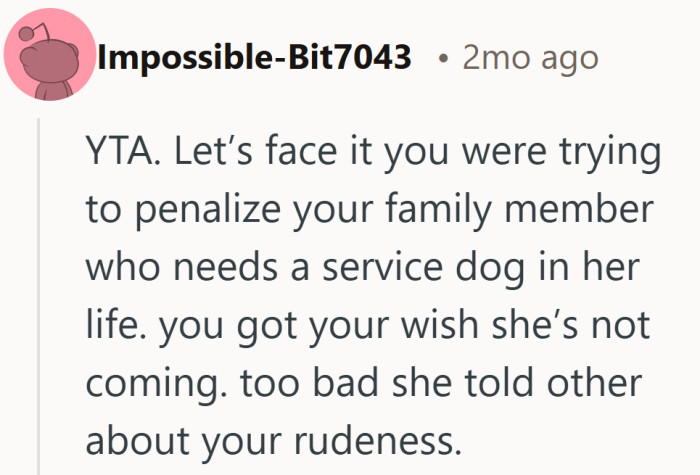
Of all the boundaries to enforce, this one surprised a lot of people.
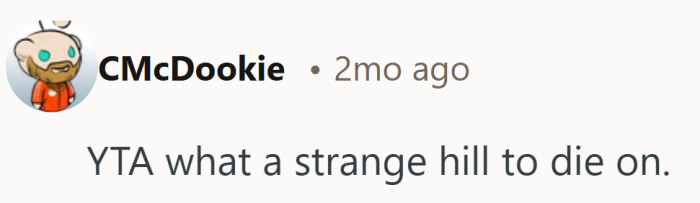
The simplest logic often feels the most convincing, even when emotions run high.
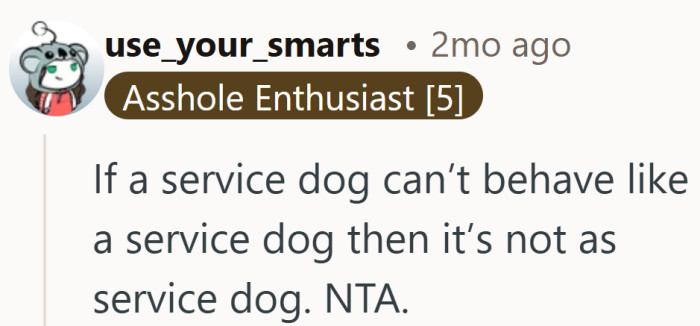
Working status became the deciding factor, nothing else mattered.
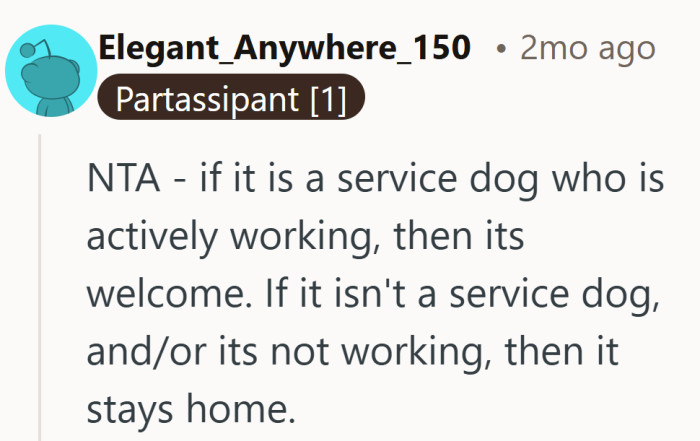
The frustration here is less about rules and more about a perceived lack of understanding.
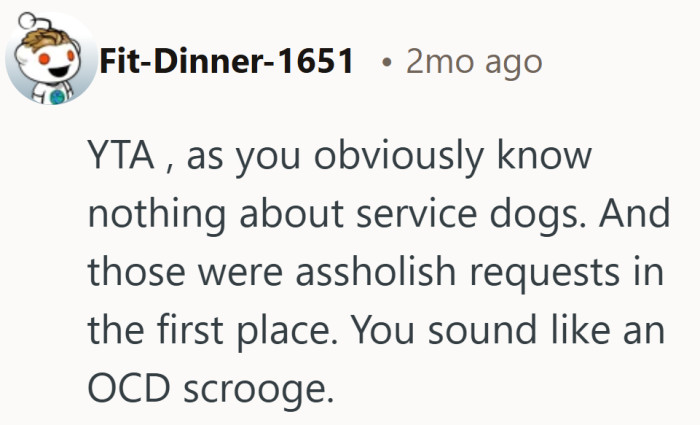
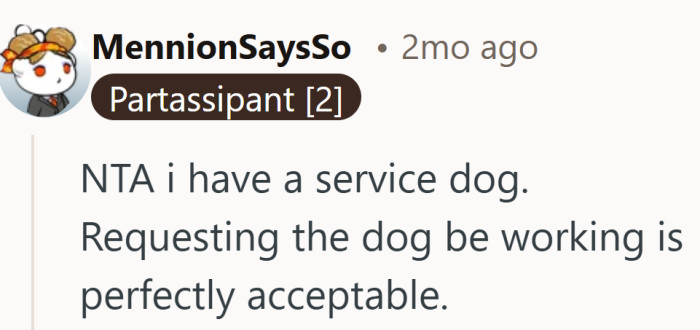
This take reframes the request as standard practice, not hostility.
The host set the rules at the start of the birthday planning, and the “checklist” vibe immediately made it feel less like comfort and more like control.
When the family pushed back, the word “family” suddenly felt like a weapon, not a warm label for the people showing up to celebrate.
The bathroom rule was the moment most readers probably would have clocked the logic wobbling, because it shifted from behavior to a service dog’s actual work.
Once the invite terms leaked into the fallout, the birthday dinner did not end well, and declining the invite created even more tension than the rules did.
For some, asking a service dog to remain fully “on duty” feels reasonable inside a private home. For others, it reads as a misunderstanding of how service animals and their handlers actually function day to day.
The situation raises a bigger question about accommodation versus control and how families communicate limits without turning them into ultimatums.
Should hosting automatically mean setting the rules, or does family require more flexibility than that? How much compromise is enough before it feels like too much?
Share this story with someone who has strong feelings about boundaries, disability, or what it really means to be welcoming.
The birthday party became a test of whether “on duty” was meant to help the dog, or to remind the family who’s in charge.
Want more fallout after “rules,” see how a grieving guest got blamed for dog mess. Friend hosts grieving guest, then demands payment for “dog mess” that never happened.
Share this article:





