
Concerned Dog Lovers Share Their Ways To Stop Biting And Aggressive Behavior In Canines

It starts with a simple question on Quora, a dog owner basically begging for a fix: “Is there a way to stop my dog from biting or aggressive behavior?”
On paper, it sounds straightforward, but in real life it turns into a messy pattern of sudden lunges, tense moments with guests, and that awful second where you realize you do not know what set your dog off this time. And because every incident has its own vibe, there is no single magic switch that flips aggression off.
Here is how dog lovers tried to untangle the triggers, the timing, and the training choices that decide whether play stays play or turns into a problem.
A Quora user asks: "Is there a way to stop my dog from biting/aggressive behavior?"
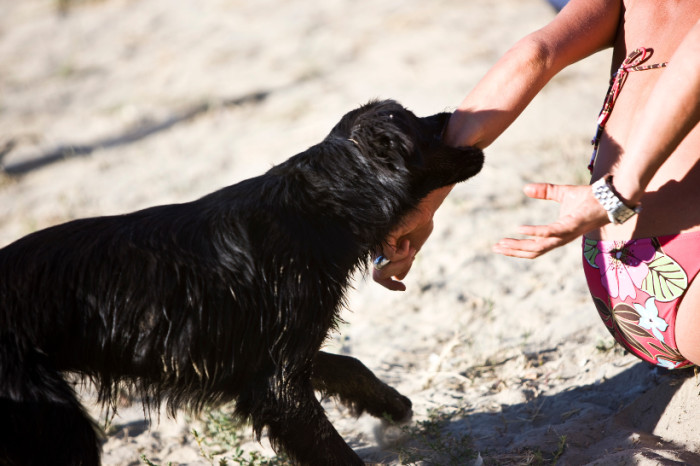
There is no one way to deal with this problem.
Dealing with a dog that exhibits biting and aggressive behavior can be concerning and challenging. However, with the right approach and consistency, you can address this issue and promote a safer and happier environment for both you and your furry companion. Here are some effective methods to help stop your dog from biting and exhibiting aggressive behavior:
Positive Reinforcement Training: Reward your dog with treats, praise, or affection when they display good behavior and refrain from biting or aggression. Use verbal cues like "sit," "stay," or "leave it" to redirect their focus and deter negative behavior.
Socialization: Expose your dog to various people, animals, and environments from an early age. This will help them develop positive associations and reduce fear-based aggression. Gradually introduce them to new experiences, rewarding calm and friendly behavior during interactions.
Identify Triggers: Observe your dog's behavior to identify specific triggers that lead to biting or aggression. Common triggers may include fear, territorial instincts, resource guarding, or feeling threatened.
Avoid Punishment: Refrain from using physical punishment or scolding when your dog acts aggressively, as this may exacerbate the problem and damage your bond. Instead, focus on positive reinforcement and redirection techniques.
Train Bite Inhibition: Teach your dog bite inhibition by letting them interact with other dogs or puppies. When they bite too hard, the other dog will yelp, teaching your dog to control the force of their bite. If your dog bites you during play, stop the play immediately and ignore them for a few minutes to communicate that biting leads to the end of fun.
Seek Professional Help: If the aggressive behavior persists or worsens, consider seeking assistance from a certified dog trainer or animal behaviorist. They can create a personalized training plan tailored to your dog's specific needs.
Exercise and Mental Stimulation: Ensure your dog receives enough physical exercise and mental stimulation to prevent boredom-related aggression. Engage them in interactive games, puzzle toys, and regular walks to release excess energy.
Provide a Safe Space: Create a designated area where your dog can retreat when feeling overwhelmed or anxious. This safe space will help them feel secure and reduce the likelihood of aggressive outbursts.
Remember, addressing biting and aggressive behavior takes time and patience. Consistency and positive reinforcement are key to helping your dog develop better behavior patterns. Always prioritize their safety and well-being, and never hesitate to seek professional advice if needed. With the right approach, you can help your dog become a well-adjusted and happy companion.
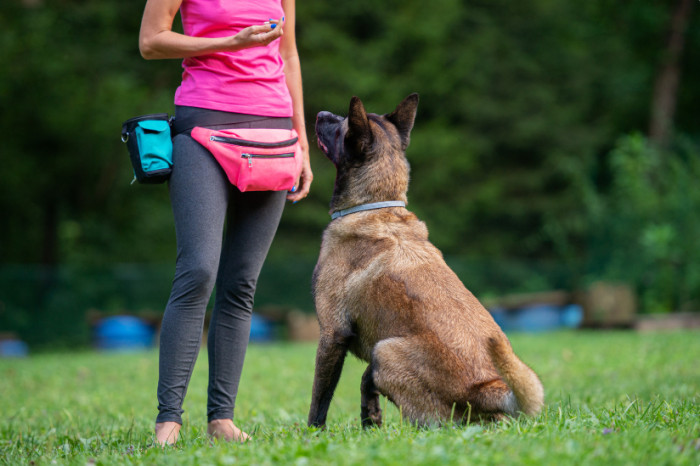
It takes several measures to stop biting in dogs.
Addressing biting or aggressive behavior in dogs requires careful consideration and professional guidance. Here are some general suggestions to help manage and address the issue:
Consult with a professional: It is crucial to seek guidance from a qualified professional, such as a certified dog trainer or behaviorist. They can assess your dog's behavior, determine the underlying causes, and create a tailored training plan.
Identify triggers: Observe your dog's behavior to identify any specific triggers or situations that lead to aggression or biting. Understanding the triggers can help you avoid or manage those situations to prevent further incidents.
Implement positive reinforcement training: Positive reinforcement techniques focus on rewarding desirable behaviors to encourage their repetition. Work with a professional trainer to implement positive reinforcement training methods to encourage appropriate behavior and discourage aggressive tendencies.
Socialize your dog: Proper socialization from an early age is crucial to help dogs become comfortable and confident around people and other animals. Gradually introduce controlled and positive experiences with other dogs and people to help reduce fear or aggression.
Provide mental and physical stimulation: Boredom and excess energy can contribute to behavioral issues. Ensure your dog gets regular exercise and mental stimulation through activities such as interactive toys, puzzle games, and training sessions.
Create a safe environment: Manage your dog's environment to prevent situations that may trigger aggression. Use leashes, fences, or other physical barriers when necessary to ensure the safety of your dog and others.
Be consistent and patient: Changing behavior takes time and consistency. Stick to the training plan recommended by the professional and remain patient throughout the process. Avoid punishment-based methods, as they can worsen the problem or increase fear and anxiety in your dog.
Remember, every dog is unique, and it's important to address aggression or biting issues with professional guidance tailored to your specific situation. A professional can provide a thorough assessment and develop a comprehensive plan to address the underlying causes and promote positive behavior in your dog.
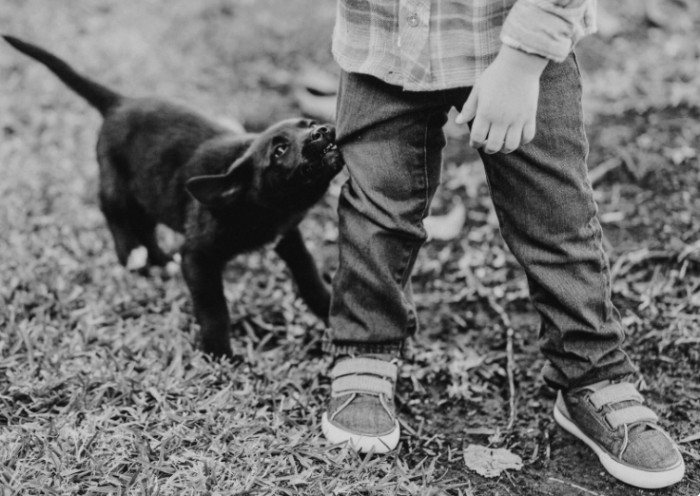
A user suggests getting an e-collar for dog training.
Yes. Dogs should be affable, adaptable, and neutral in the presence of other dogs. If you were to find a state-of-the-art training class, you would probably be learning basic obedience commands in a distracting public environment with other dogs.
Your dog would be wearing an e-collar. After a few weeks of training for brief periods twice each day, you would be surprised at the results.
You might want to avoid the anthropomorphism advice that you will surely receive on this forum.
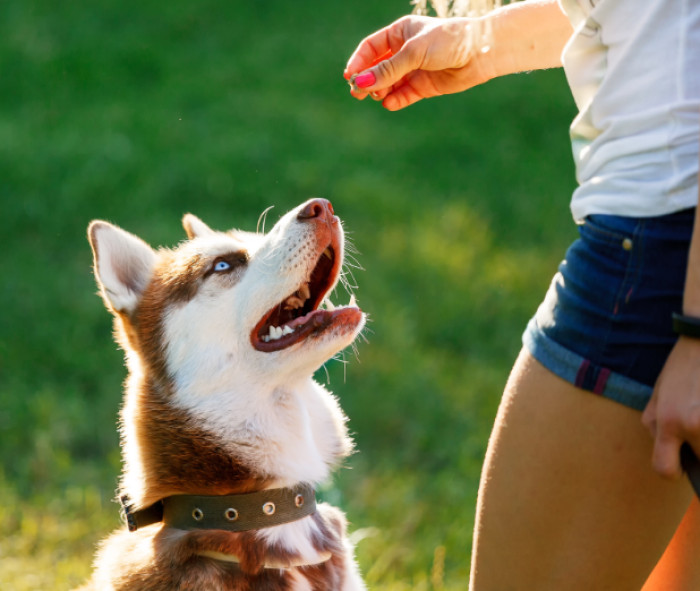
A vet can help determine where the behavior comes from.
Before you stop this behavior, you must figure out why your dog is behaving this way. A trip to the vet would be a good idea.

Learn from the pros.
The easiest way to learn this is to SEE it. Go watch some Cesar Milan videos on this kind of problem. That Ssssst sound works wonders. It even works on strangers' dogs and bawling kids. Proven and tested by me.
The whole thread kicks off when that Quora user asks how to stop biting, and suddenly everyone is talking about what “works” depending on the dog’s mood that day.
This also matches the walk-time problem in dog owners who shared advice for stopping dogs from barking at strangers.
Then the conversation shifts to the basics, rewarding calm moments with treats and using cues like “leave it” when the dog starts getting ready to snap.
Next comes the part where people admit they had to track the exact trigger, whether it was fear, guarding, or feeling threatened, because the aggression did not happen randomly.
After that, the thread gets real about playtime, when biting leads to the end of fun, and other dogs yelp their way into teaching bite control.
At times, handling your pet's aggressive behavior can be quite challenging. While we might get some ideas from TV shows, it's essential to remember that every pet is unique, and what works on screen might not work for your furry friend.
It's perfectly okay to seek assistance when things get tough. Consider reaching out to a veterinarian, a skilled dog trainer, or a dog behaviorist to help you and your pet navigate this situation together.
They have the expertise to make a real difference in improving your pet's behavior and strengthening your bond.
Nobody wants their dog’s “play” to turn into a bite that ruins the whole day.
Before you decide anything drastic after a biting incident, read the debate over whether the dog should be put down.
Share this article:





