
23 Amazing Bird Photos Captured By Award-Winning Photographer

Some bird photos look like luck, until you realize someone was out there chasing the exact moment, rain or shine. This set of 23 images does not just show feathers, it shows weather, movement, and tiny dramas happening inches from the lens.
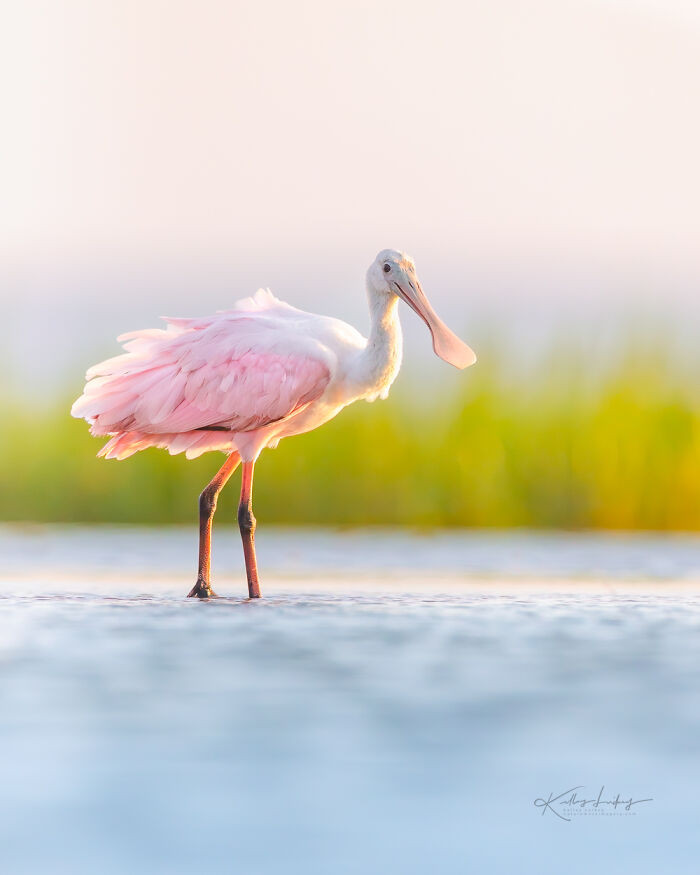
Behind the shots is Kelley, who still calls her “spark bird” the Roseate Spoonbill, because she loved the pink so much she would have “bribed” her kids $10 each to come photograph them. And then there’s the rest of the story, Montgomery urging photographers to think beyond aesthetics, while wildlife photographers try to pull their communities in through workshops and local conservation conversations that can actually spark action.
So when you spot “In The Rain” and “Puff In Moon,” it feels like more than pretty pictures, it feels like a whole ecosystem of people, places, and purpose.
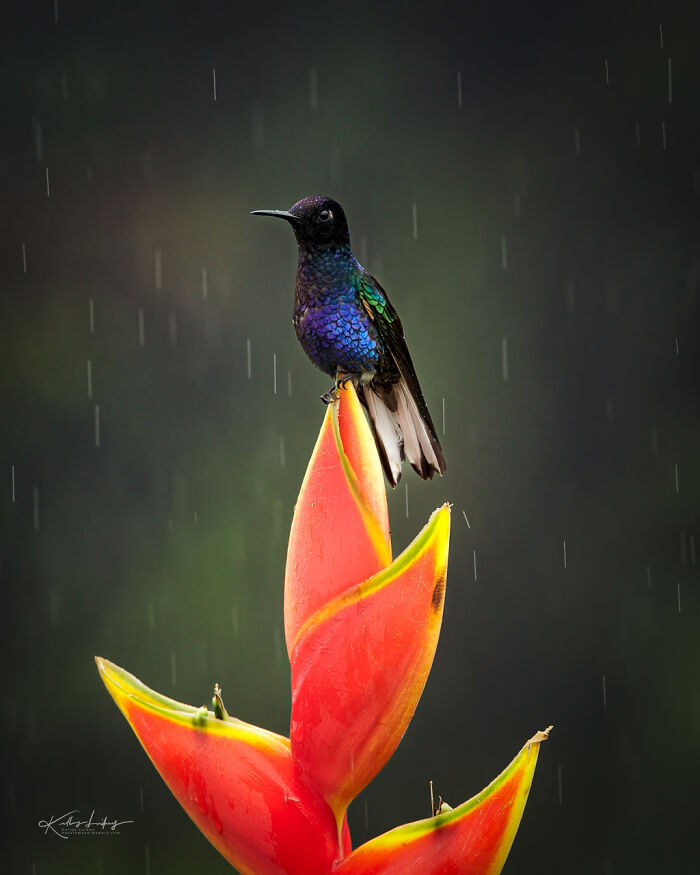
In The Rain
A Little Floof
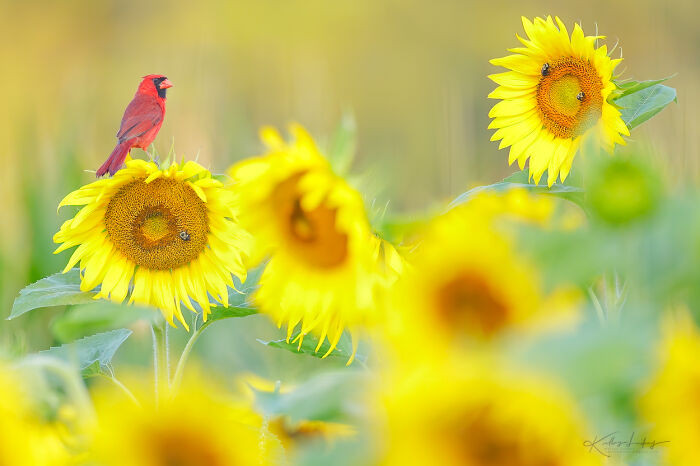
Summer Boy
Montgomery encourages aspiring photographers to not only focus on aesthetics but to also consider the ecological narratives their images represent.
Engaging the Community Through Photography
Wildlife photographers can engage their communities by organizing workshops or exhibitions that highlight local bird species. Involving the community fosters appreciation for wildlife. This engagement not only raises awareness but also builds a sense of community around shared environmental goals.
Creating a platform for dialogue about conservation can lead to collective action and inspire a new generation of wildlife enthusiasts.
Forest Flame
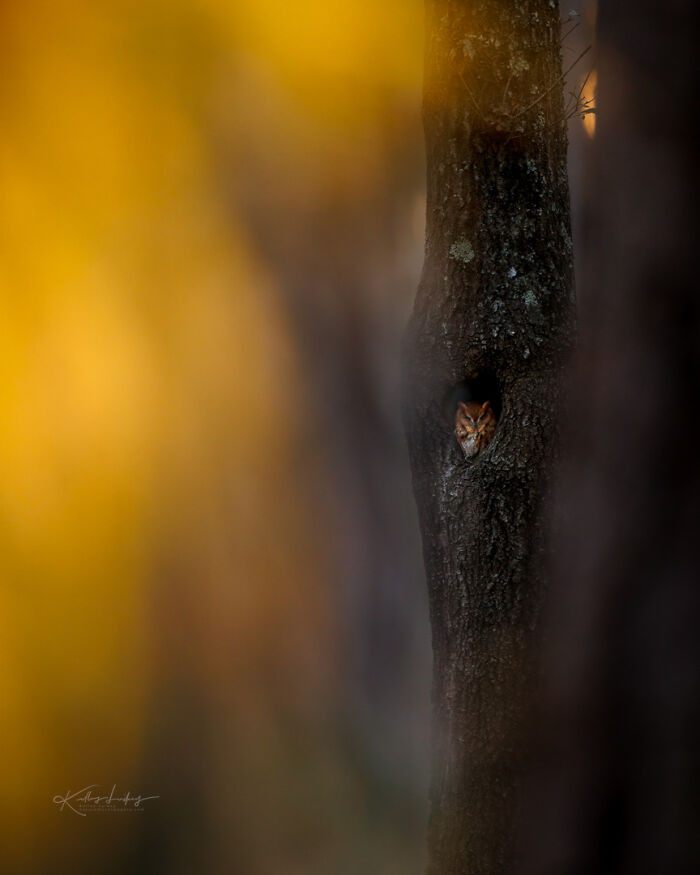
Rufous Tail
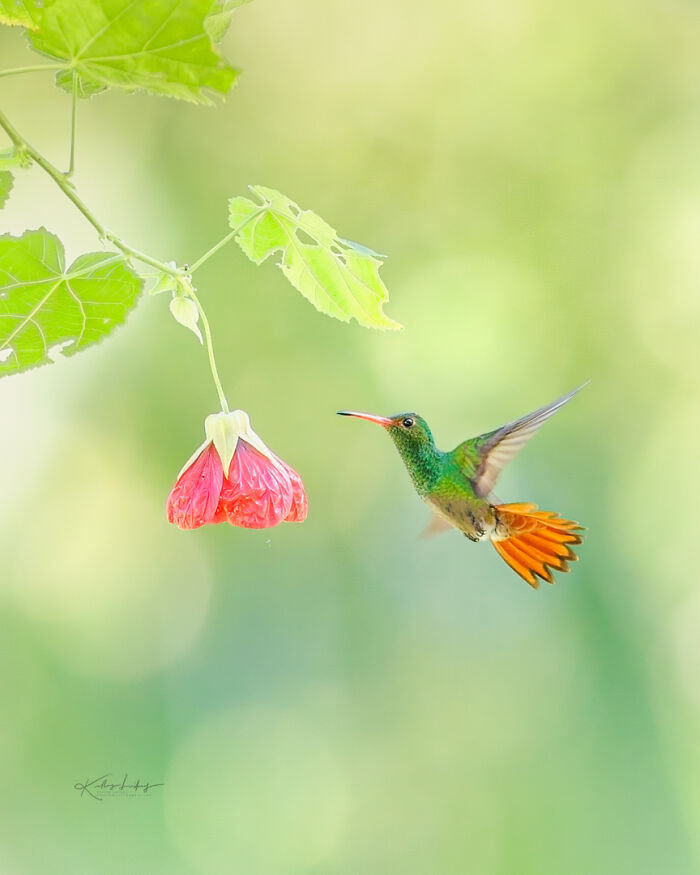
Ballerina Bird
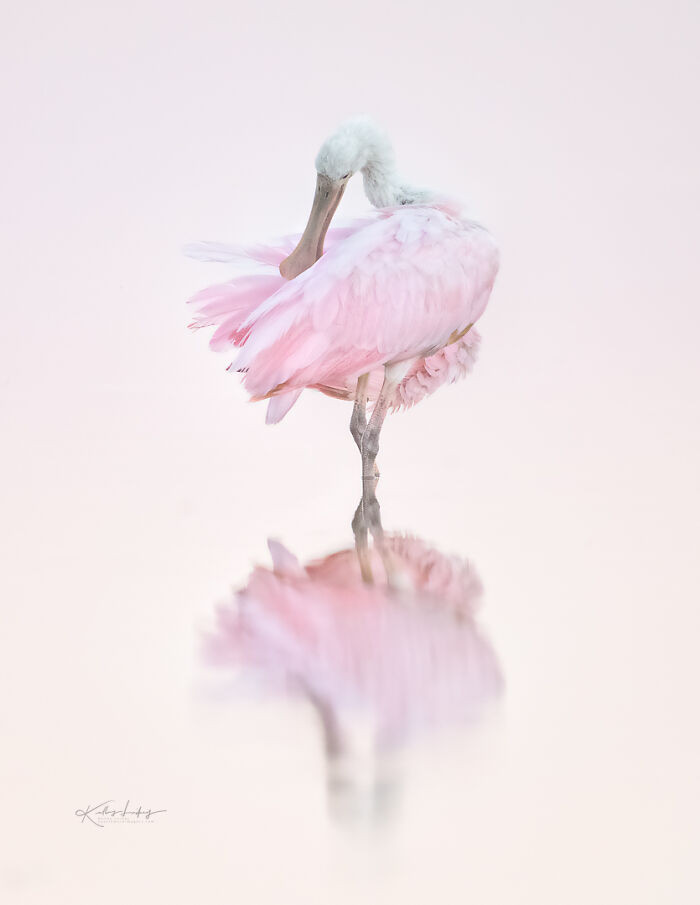
Right after “In The Rain” drops you into the weather, you start noticing how much the photographer’s patience has to do with getting the bird to show up at all.
Capturing Movement in Photography
By observing birds in their natural habitats, photographers can anticipate moments that reveal their essence.
When asked about her first bird love, or “spark bird,” Kelley said:
“For me, the bird that started it all – and still is my favorite subject – was the Roseate Spoonbill! Why? Because they are pink! If I heard there were some Roseate Spoonbills hanging out in an area when my kids were little, I would bribe them $10 each to come with me to photograph them. I am not sure what kind of parent that makes me, but hopefully they have fond memories of searching for the pink birds.”
Sitting Pretty
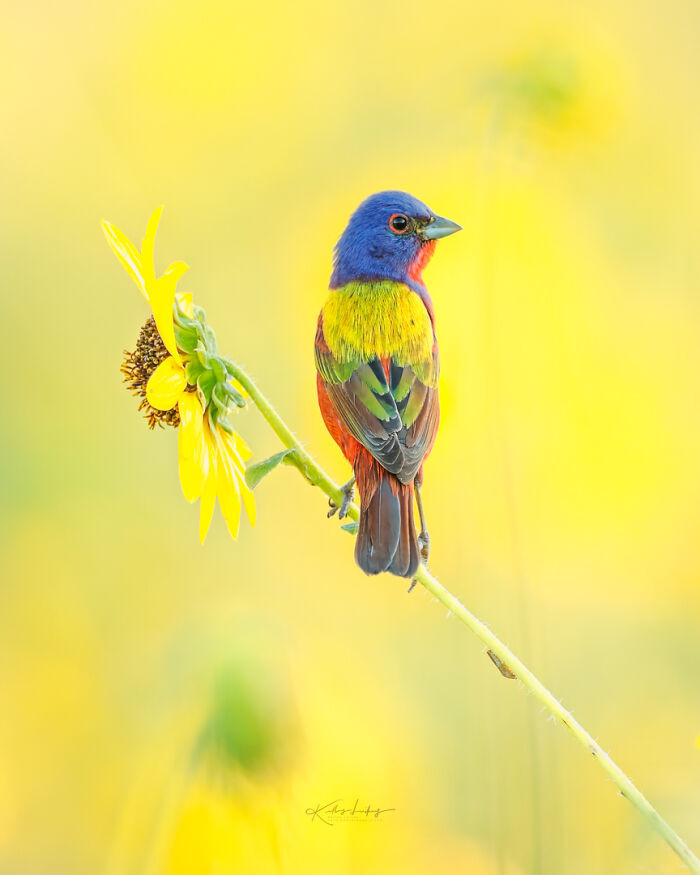
Ruffled
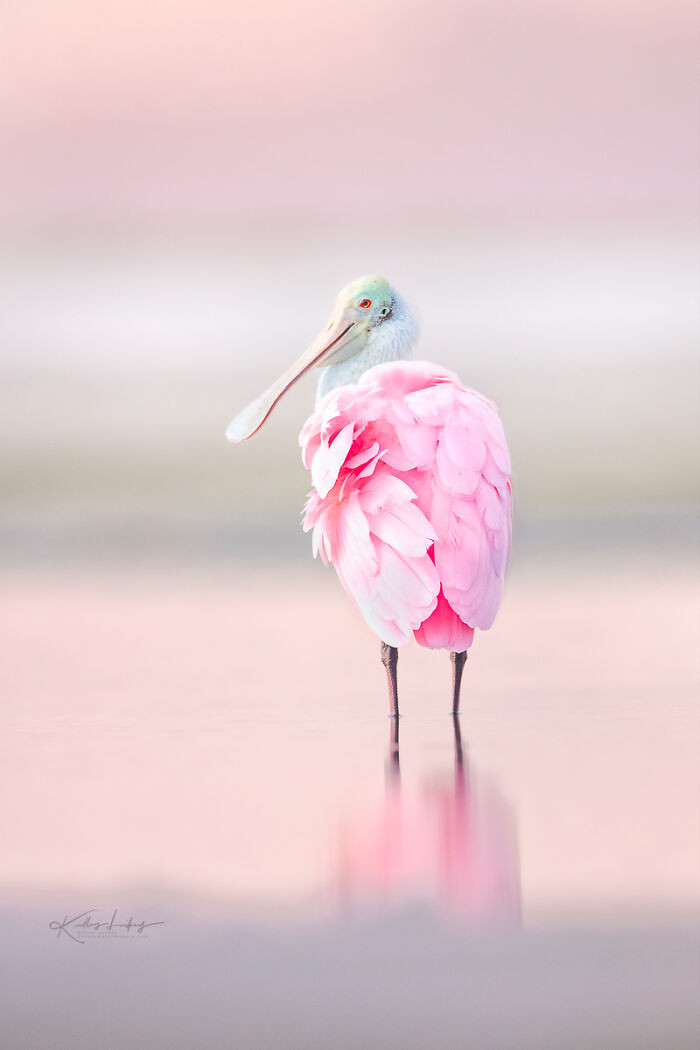
Puff In Moon
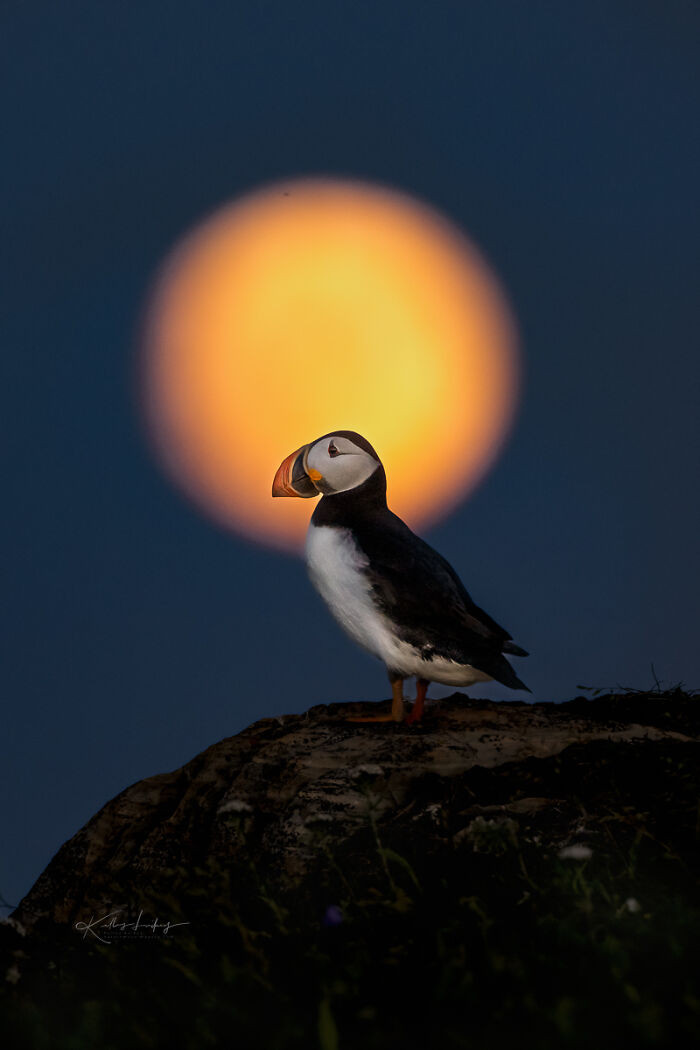
Then “A Little Floof” and “Summer Boy” make Kelley’s Roseate Spoonbill obsession hit harder, because that pink bird story is basically the origin myth for the whole gallery.
By portraying birds in their social contexts, photographers can inspire a sense of empathy and connection.
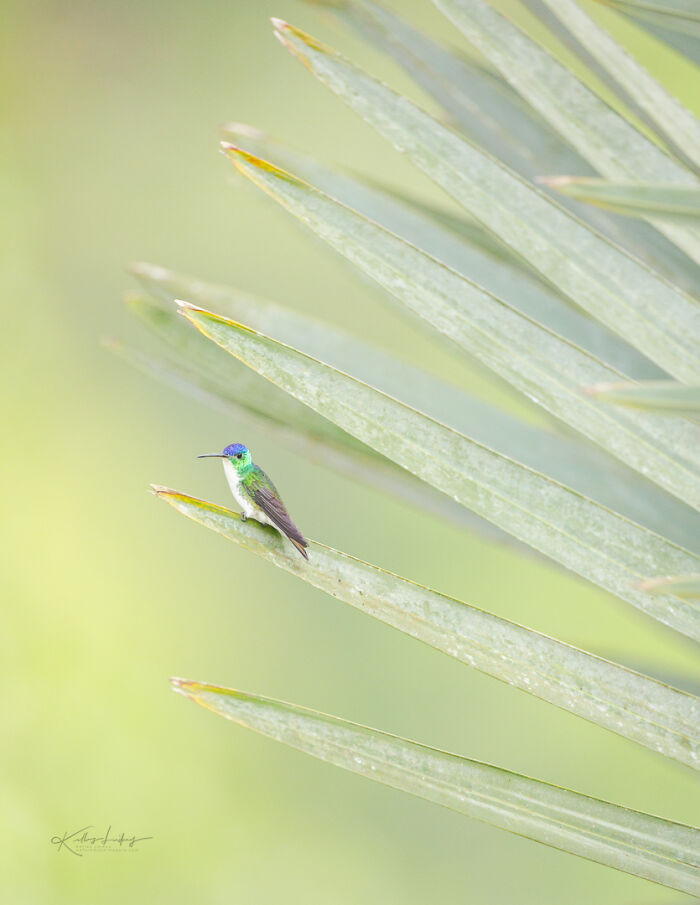
Spoon Feeding
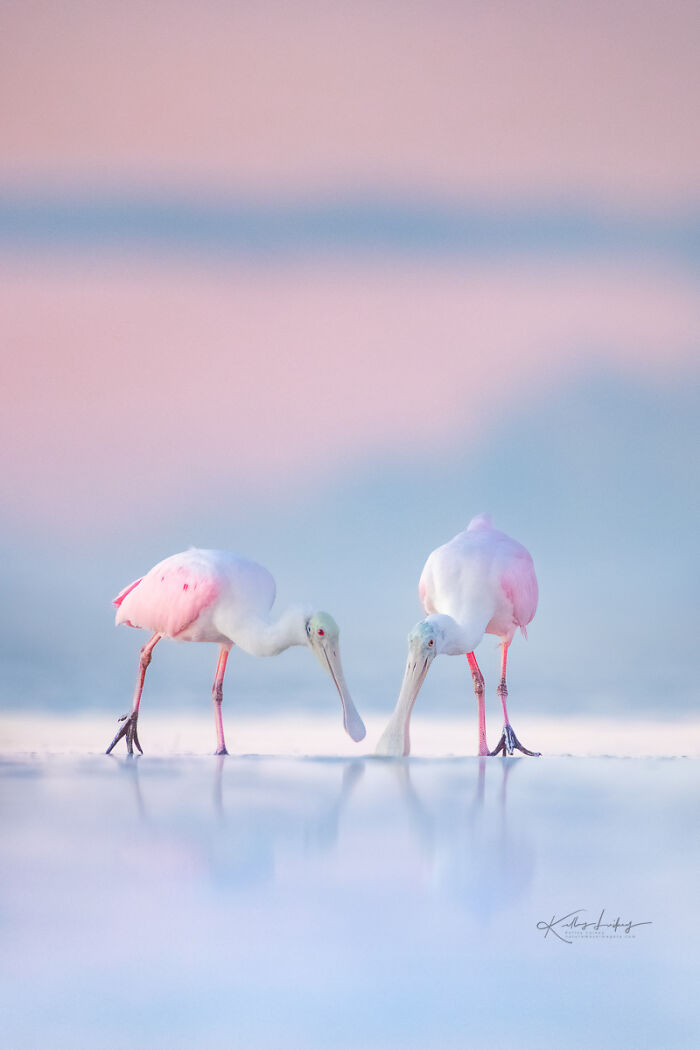
Amidst The Giants
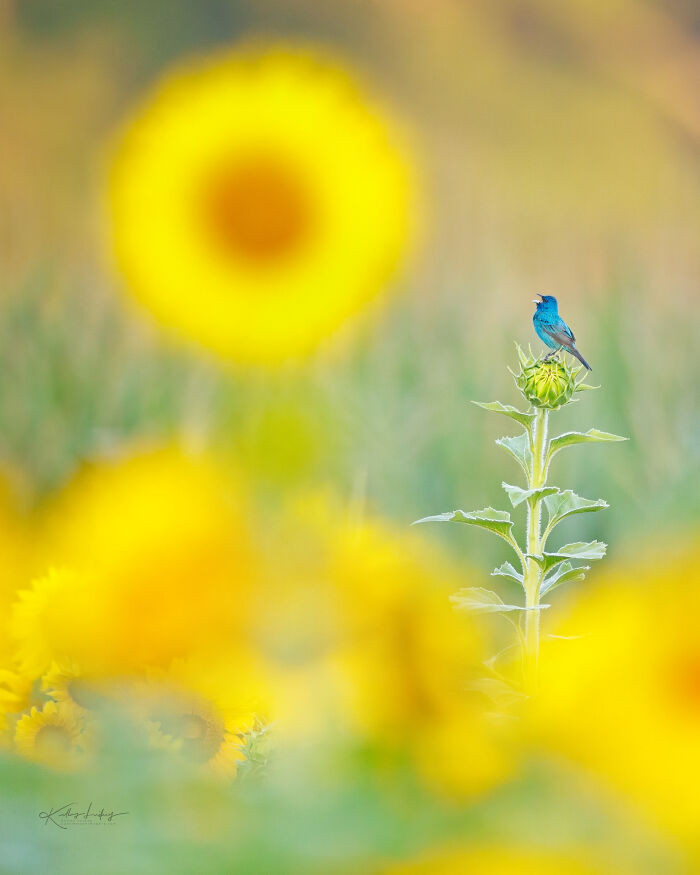
Practical Tips for Bird Photography
First, invest in a quality telephoto lens to capture detailed images from a distance without disturbing the birds. Second, practice patience; waiting for the right moment can yield incredible results. Finally, learn about the specific species you want to photograph, as this knowledge can help you anticipate their movements and behaviors.
By applying these strategies, photographers can enhance their skills and produce more impactful images that resonate with audiences.
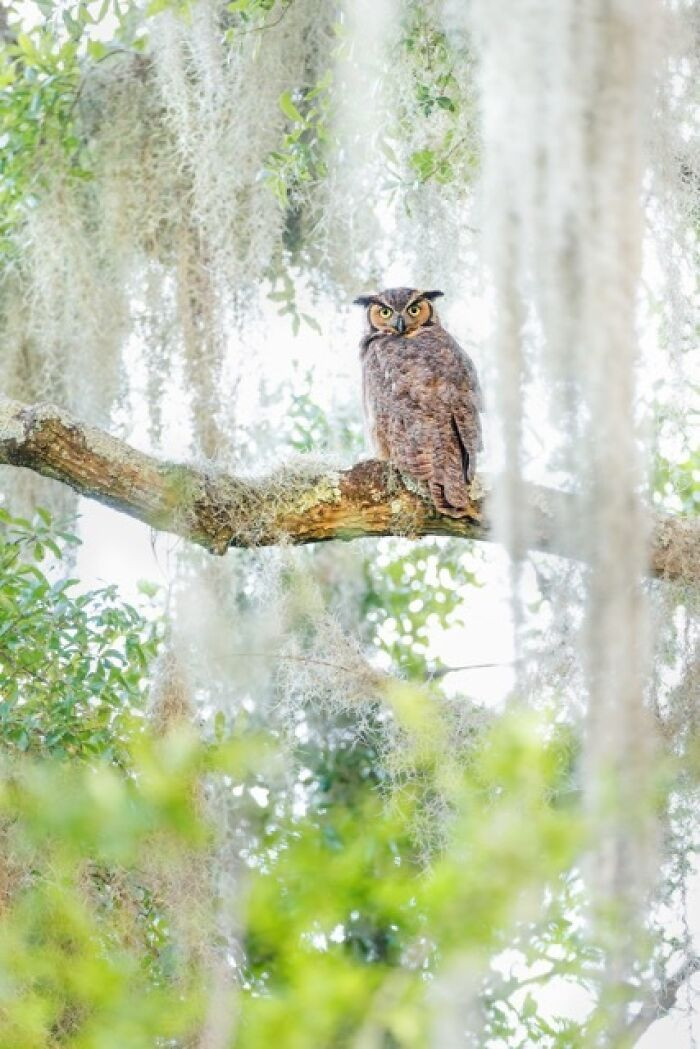
Enchanted Oak
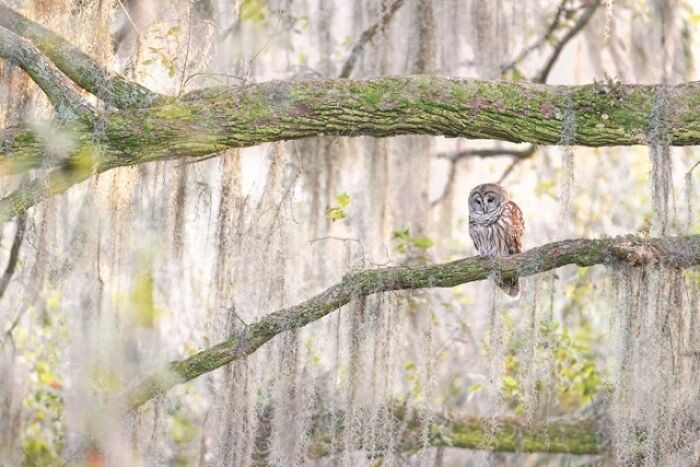
Nesting Spot
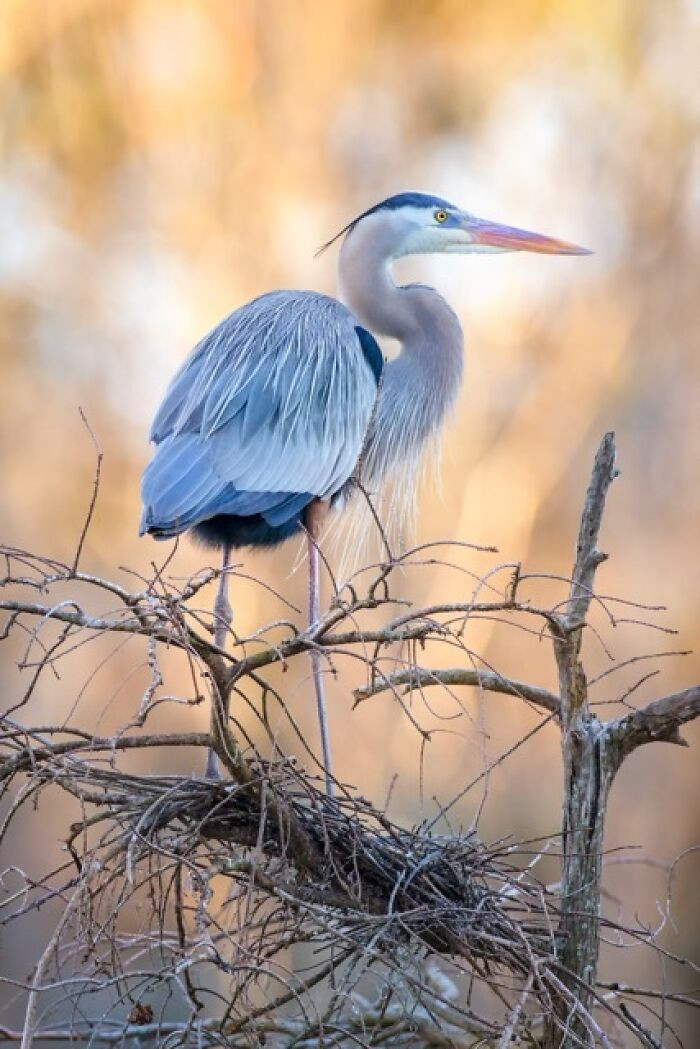
Pair Of Pink
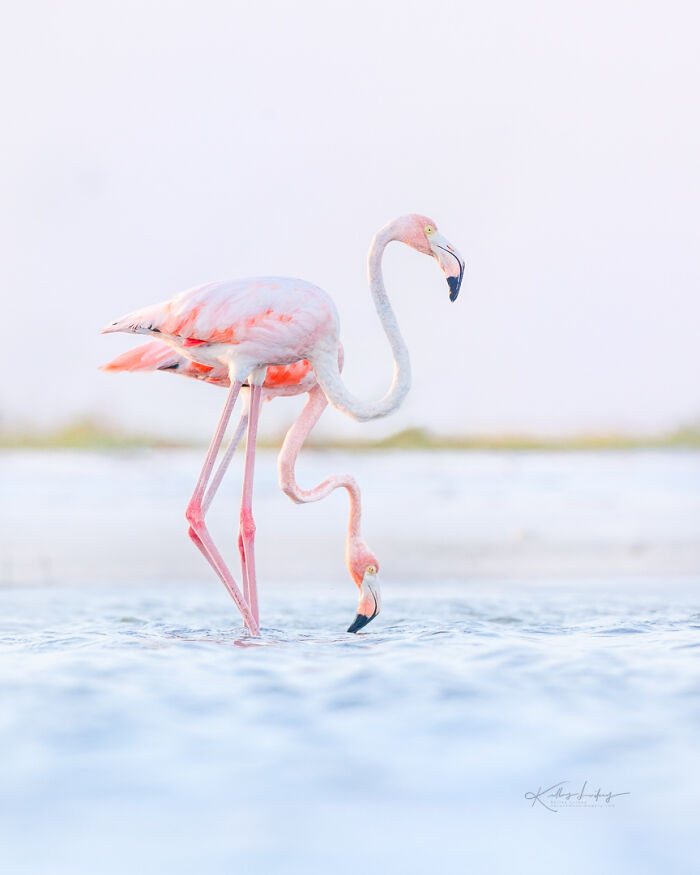
When “Forest Flame” and “Rufous Tail” roll in, the article shifts from capturing beauty to capturing context, like birds in their social scenes instead of just posed moments.
Incorporating educational elements into photography exhibitions can engage audiences and deepen their understanding of avian species.
Ondis Play
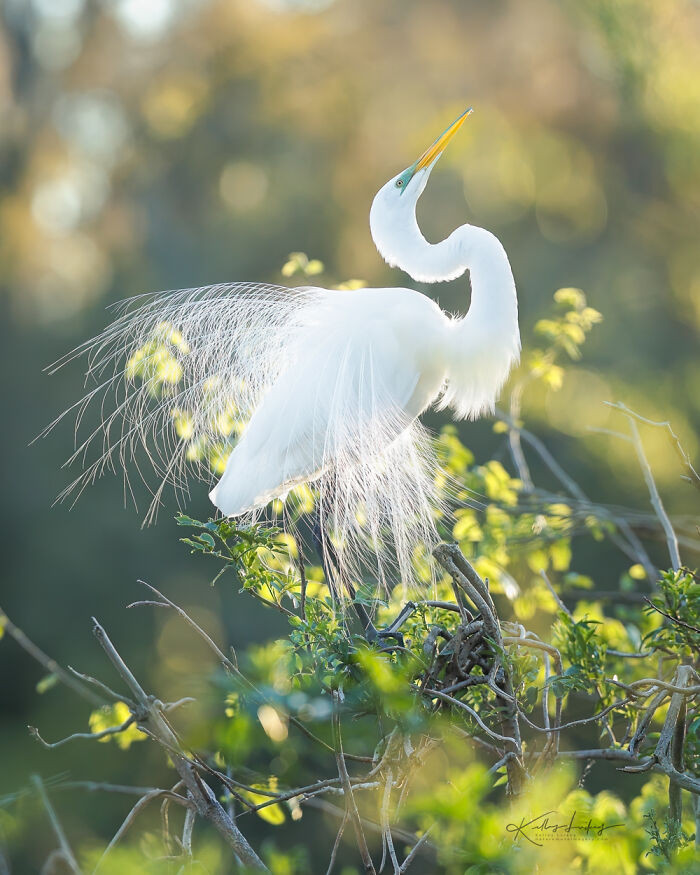
August Morning
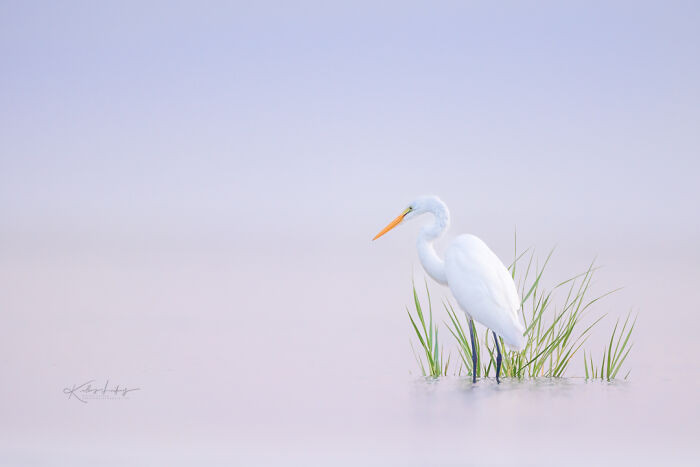
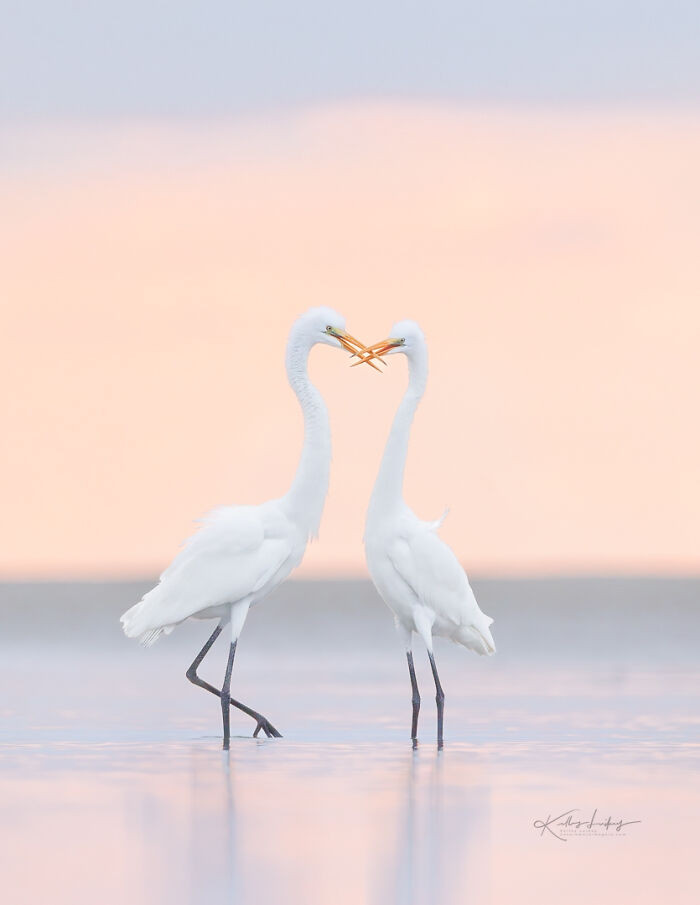
Seaside Smooch
Light plays a crucial role in wildlife photography, particularly with birds.
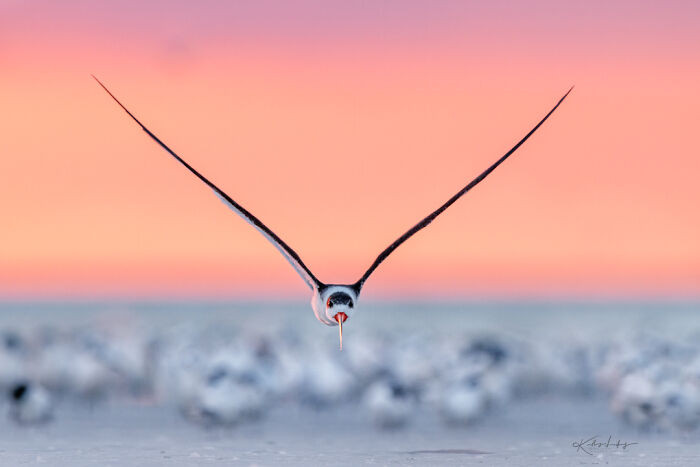
Skimmer
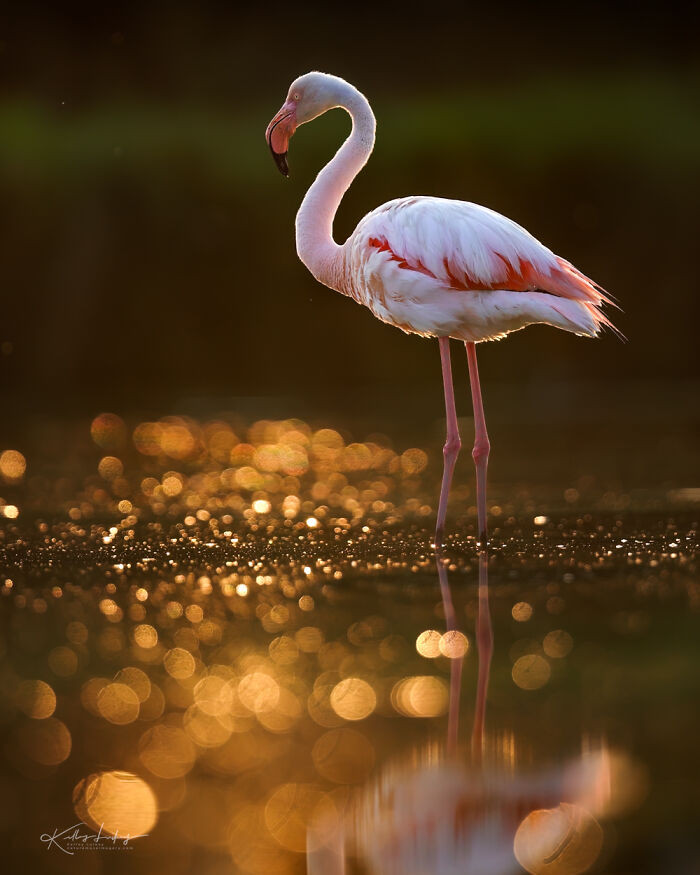
Camargue Magic
Southern Soul
Finally, “Spoon Feeding” and “Amidst The Giants” land right before the practical tips, reminding you why a telephoto lens and long waits matter when you are trying not to disturb anyone.
Photographers should strive to capture moments that highlight the interconnectedness of life, making their work resonate on multiple levels.
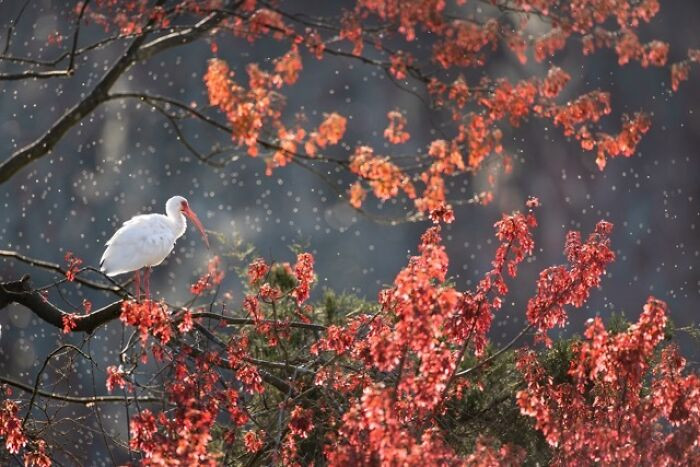
Ibis And The Fairy Bugs
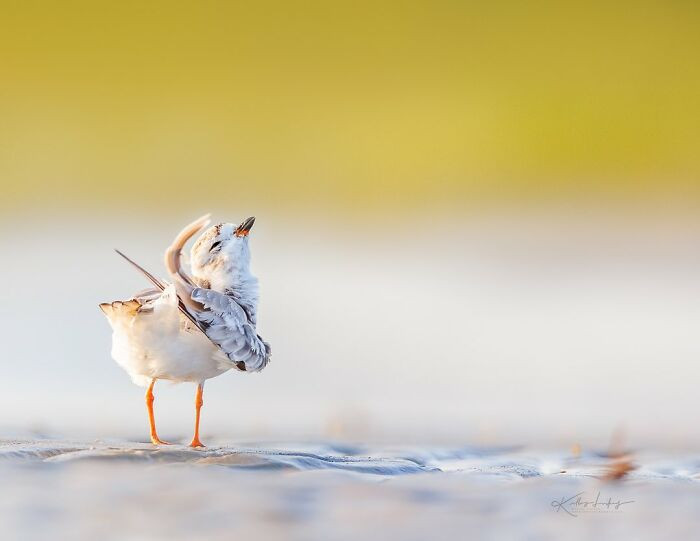
Feels So Good
In a world where beauty often rushes past unnoticed, Kelley Luikey’s photography reminds us to slow down and truly see. Her birds are more than subjects — they’re symbols of fragility, freedom, and the quiet harmony between art and nature.
Each image holds a stillness that speaks louder than words, inviting us to reconnect with the natural world and the wonder it offers in every flutter of wings.
Through her lens, we’re reminded that fine art isn’t confined to galleries or canvases — it’s alive in the skies above us, painted daily by the graceful flight of birds. Luikey simply shows us how to look.
Kelley Luikey's stunning bird photography not only showcases the elegance of these creatures but also serves as a powerful catalyst for conservation awareness. By skillfully blending insights into avian behavior with compelling environmental narratives, Luikey creates images that resonate deeply with viewers. Her work exemplifies how photography can transcend mere aesthetics, becoming a form of advocacy that fosters a profound appreciation for wildlife. Through her lens, we are reminded that each photograph is not just a moment captured in time but a call to action, urging us to protect the delicate ecosystems that our avian friends inhabit.
These photos are pretty, but the real flex is how they pull you into the conservation plot.
Want more Brazilian forest drama? See Vinícius Kohn’s stunning hidden-beauty bird shots here.
Share this article:





