Redditors Give Their One Cent About Widespread Belief That Vaccination Can Cause Autism In Dogs

Some Redditors went full conspiracy mode over one weird claim, that vaccinating dogs can supposedly cause autism. The post is simple, the screenshot is dramatic, and suddenly everyone has a theory they swear is “common sense.”
In the middle of it, you’ve got the real-world basics staring everyone in the face: dogs get vaccinated for rabies, hepatitis, and distemper, and those shots help prevent illness that can spread through dog-to-dog contact. But the comments keep circling back to the autism idea, treating it like a smoking gun instead of something with zero solid scientific backing.
And when you scroll far enough, the thread turns into a masterclass in how misinformation spreads, one bold comment at a time.
The headline

Here's the screenshot
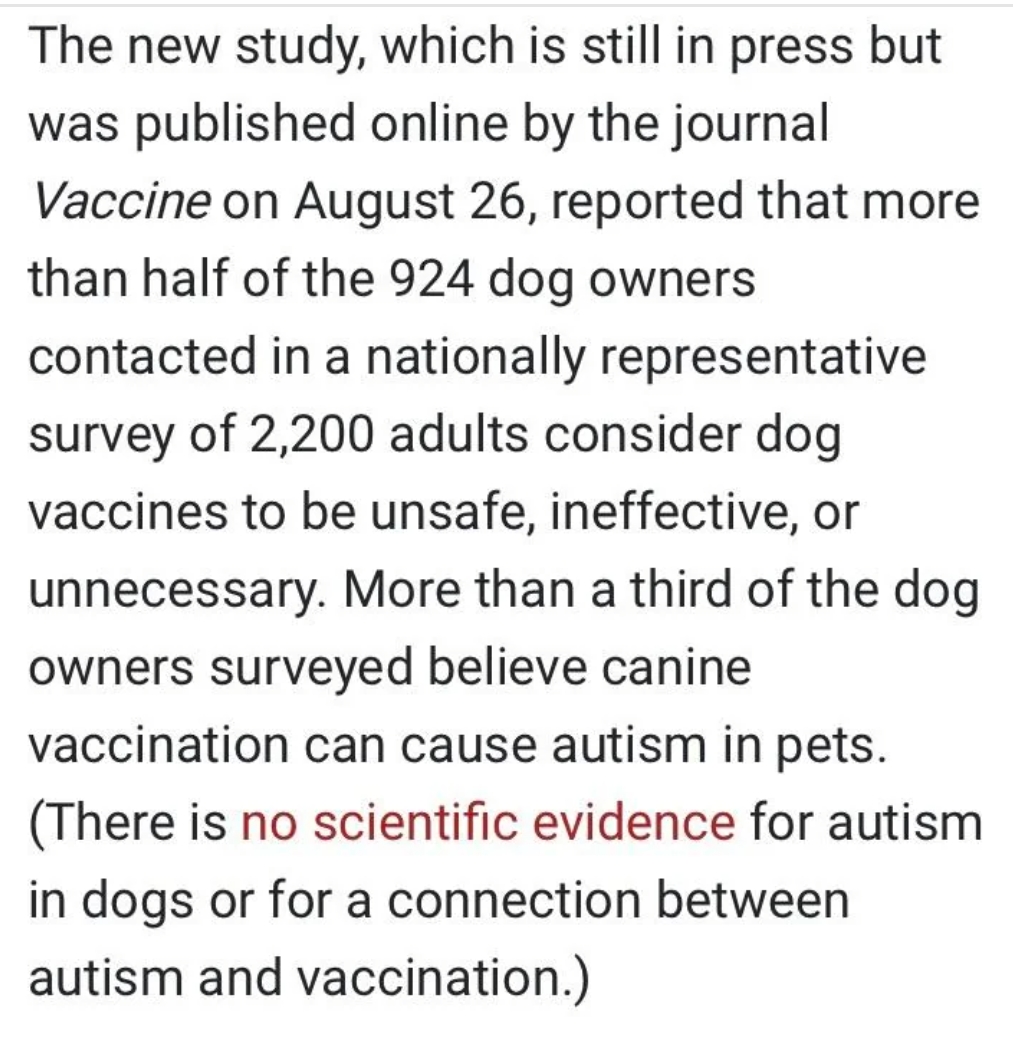
Dogs are immunized against a number of illnesses, such as rabies, hepatitis, and distemper. In addition to protecting humans, vaccinations against these diseases frequently shield animals from disease transmission caused by dogs, which can include rabies.
As of this time, there is no solid scientific evidence linking dog autism to vaccinations. The benefits of vaccinations in preventing disease outweigh any potential negative effects, which are extremely rare.
Let's head into the comments section and find out what other Redditors have to say regarding this topic.
1. It's all fun until...

2. Slapping it on behaviours

The whole thing kicks off with that screenshot, where the “dog autism” claim gets treated like it’s already proven.
Addressing Misinformation Surrounding Vaccination
The belief that vaccinations can cause autism in dogs is a prime example of how misinformation can proliferate within communities. Cognitive psychologists emphasize the role of cognitive biases, such as confirmation bias, which can lead individuals to seek out information that confirms existing beliefs while ignoring contradictory evidence. This phenomenon is particularly concerning in the realm of pet health, where misconceptions can lead to harmful choices.
Studies published in the Journal of Health Psychology indicate that misinformation around vaccinations can create a ripple effect, leading to increased rates of preventable diseases in animals. It's crucial for pet owners to rely on credible sources of information when making health decisions for their pets.
3. From the same people

4. This Redditor calls it...

Educational initiatives targeting pet owners about the safety and efficacy of vaccines could help alleviate fears and promote informed decision-making.
5. This Redditor had lots of questions

6. It's all messed up

Then the thread starts stacking examples about vaccines preventing rabies and distemper, like the facts are trying to interrupt the vibes.
Social norms and community beliefs significantly affect health behaviors.
It also echoes a mom proving her daughter’s severe dog allergies after years of being gaslit.
7. People are way more stupid

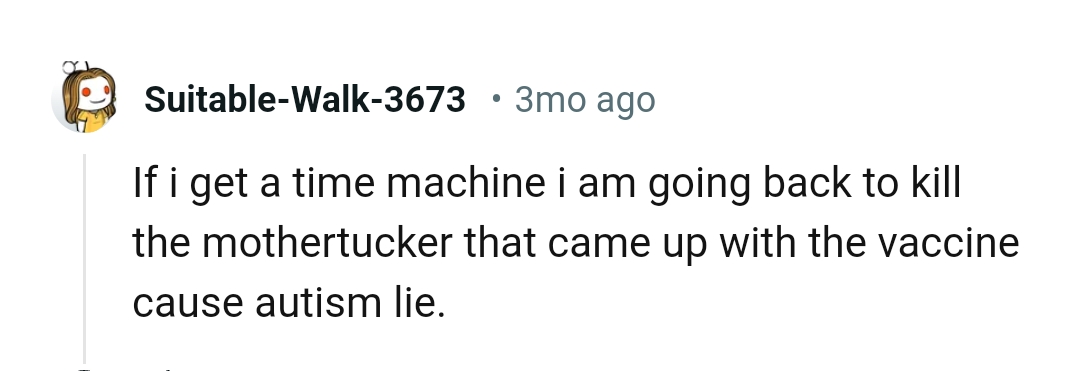
8. Who came up with such?
Utilizing social media platforms to disseminate factual information about vaccines in a relatable manner can significantly enhance public understanding. Campaigns that share personal stories or testimonials from pet owners who have vaccinated their pets without issues can help demystify the process and build trust in veterinary recommendations.
Additionally, workshops or informational sessions led by veterinarians can create safe spaces for pet owners to ask questions and express concerns, thereby fostering a culture of informed decision-making.
9. They can't be more autistic

10. This Redditor reveals their favorite quote

Right around the “It’s all fun until…” and “Slapping it on behaviours” comments, people start explaining their logic with zero receipts.
With the proliferation of "anti-vax" content on the internet, pet owners are reportedly refusing to vaccinate their animals out of concern that they will develop autism. Given that dogs and cats spend more time outside and in areas where contaminants like mud and feces could spread, experts say this increase is cause for grave concern.
The RSPCA has warned pet owners that the abundance of information available online shouldn't discourage them from forgoing potentially life-saving vaccinations for their dogs and cats.
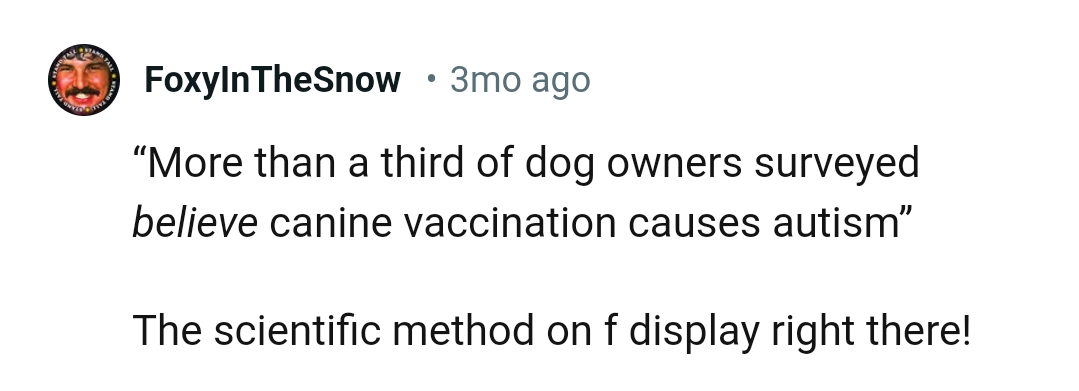
11. The scientific method
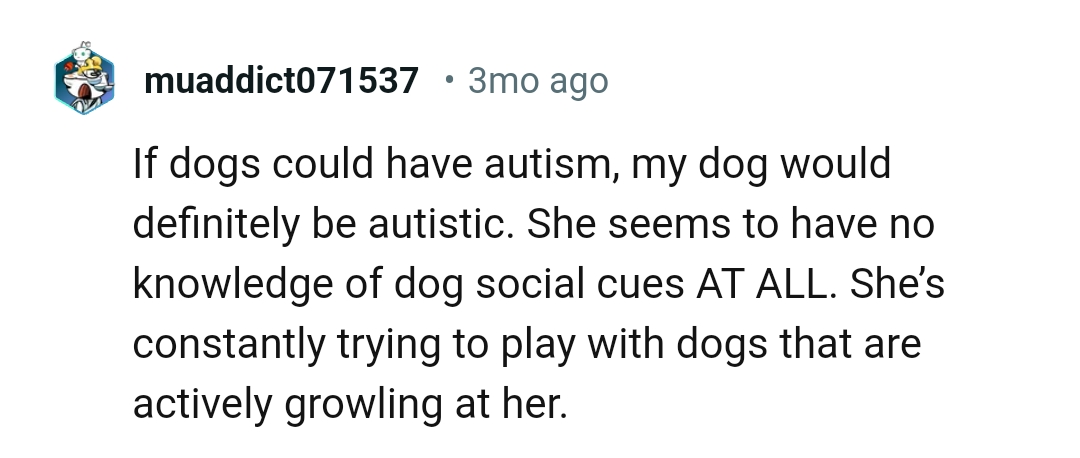
12. Dog's social cues
13. No scientific evidence to back it up

14. Making anti-vaxxers accountable

15. This Redditor is beyond amazed

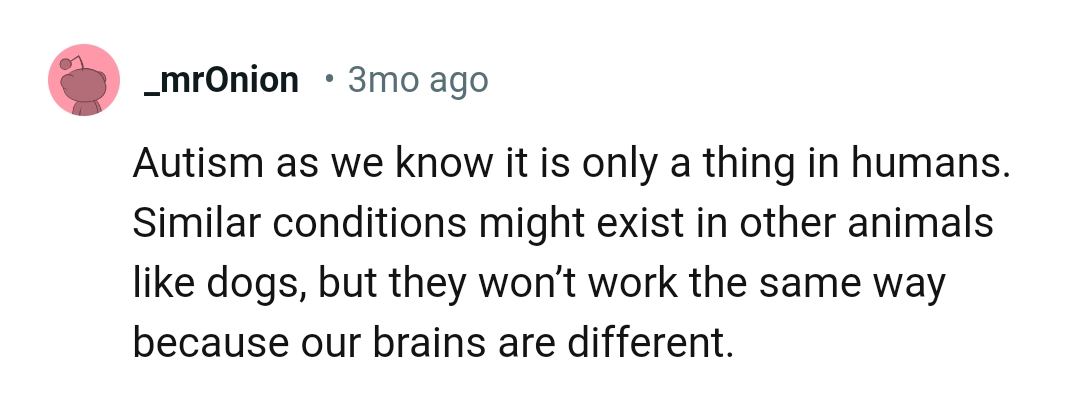
16. Similar conditions might exist in other animals
17. Vaccines keep them from dying

18. This is pretty surprising

19. From a curious Redditor

20. Until the dog gets rabies...

By the time you hit “Who came up with such?” and “People are way more stupid,” the conversation stops being about dogs and turns into a blame game.
Understanding and countering the widespread misconceptions about vaccinations, particularly the unfounded belief that they may cause autism in dogs, is essential for the well-being of our pets. The article highlights that informed pet owners tend to make healthier choices for their animals. By fostering transparent discussions and disseminating factual information, we can effectively dismantle these myths and safeguard our beloved companions from preventable illnesses.
The thread ends with everyone arguing, and nobody actually fixing the misinformation problem.
After a man got bitten and wondered if he should worry, see what happened next in a vaccinated dog-bite scare.
Share this article: