
This Bat With A Huge Head Surprises People All Over The Internet With Its Peculiar Appearance

Some bats look a little odd, but this one has a face that stops people in their tracks. The hammer-headed fruit bat has such a strange appearance that many viewers assume it must be fake at first glance.
That reaction makes sense, because this bat does not look like the small, familiar creatures people usually picture. Still, it is very real, and its unusual features are part of what makes it stand out in the wild.
Once you see it, the internet debate starts almost immediately.
The peculiar fruit bat:
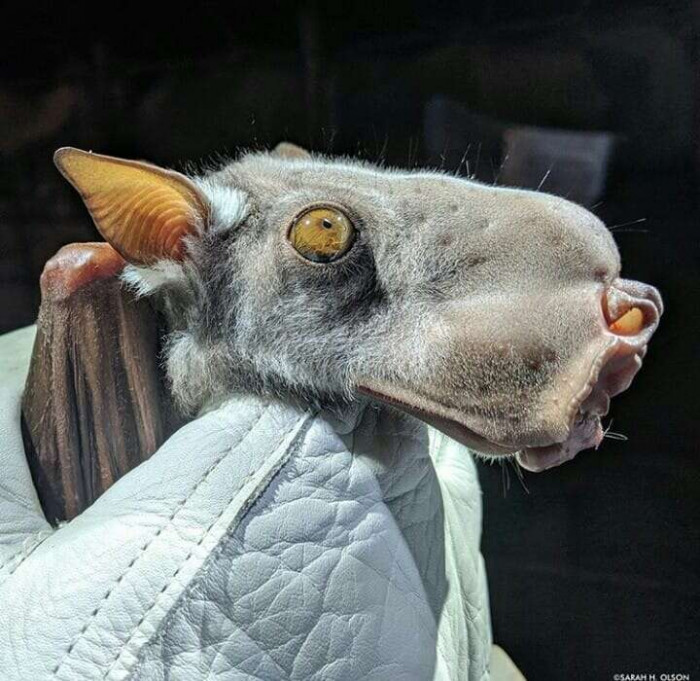
While most bats have rodent- or canine-like faces, these hammer-headed fruit bats have a completely different look that is unique to them. And while you might think they would have a hard time finding mates because of this difference, that's where you're wrong.
Their unusual faces are part of what makes them so memorable.
A "megabat."
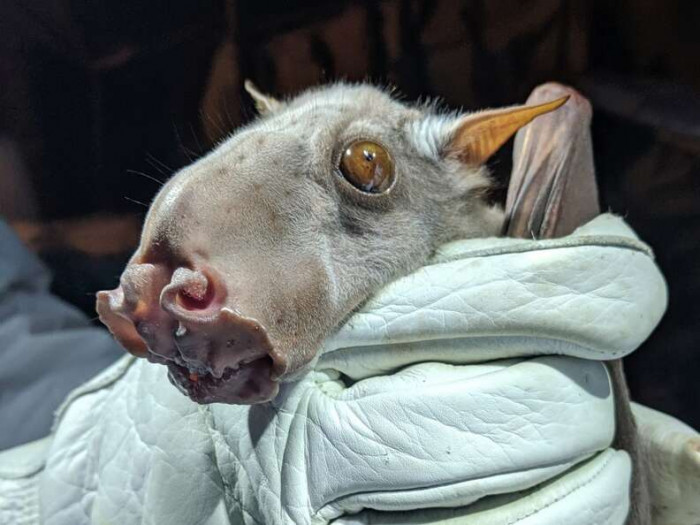
These bats look so different from the typical bat that many people have a hard time believing they really exist. However, this megabat, which is actually the largest in Africa, is far from fantasy.
Large groups of male hammer-headed bats, called leks, can be found across the tropical forests of central Africa. You can usually see them hanging from trees and singing or honking at females flying by.
That face-first shock is similar to the man who captured a terrifying creature while sunbathing on the beach.
These bats usually prefer to keep to themselves, but lately, they've been getting more and more comfortable with closer contact with people.
That is where the human-bat tension starts to show.
It's kind of cute.

Like all other kinds of fruit bats, the hammer-headed bat plays a very important role in helping tropical forests grow by dispersing seeds across the land. Olson and her teammates are studying the bats and their movements in hopes of helping and protecting these amazing creatures.
However, with deforestation and habitat loss, it has been an uphill battle.
If you have any doubt that these bats are special, all you need to do is look at one.
They are hard to forget once you see them.
However, like most of their kind in the wild, they're also facing the consequences of human actions. They're in danger of losing their homes and breeding grounds that they've used for years, all because of human development.
Hopefully, something can be done quickly to help save these bats before they become another addition to the endangered list.
What do you think about this bat?
It is one of the strangest-looking bats people have ever seen.
For another “what am I looking at?” moment, see scientists shocked by a massive Darth Vader sea bug in the South China Sea.
Share this article:





