
The World’s Slowest Animals

Some animals don’t just move slowly, they treat time like it’s optional. The kakapo, the American woodcock, the banana slug, and the three-toed sloth all have their own brand of “why rush?” energy, and it turns out survival can look a lot like taking your sweet time.
Here’s the twist: each one is slow for a reason, but that reason is totally different. The kakapo hides in New Zealand forests by day and creeps around at night, the woodcock practically dances sideways while its head stays locked in place, the banana slug leaves shiny trails like it’s painting the rainforest floor, and the sloth moves so slowly it feels like it’s just hanging out for the vibes.
By the time you get to the sloth, you’ll start wondering if “slow” is actually the smartest move in the whole animal kingdom.
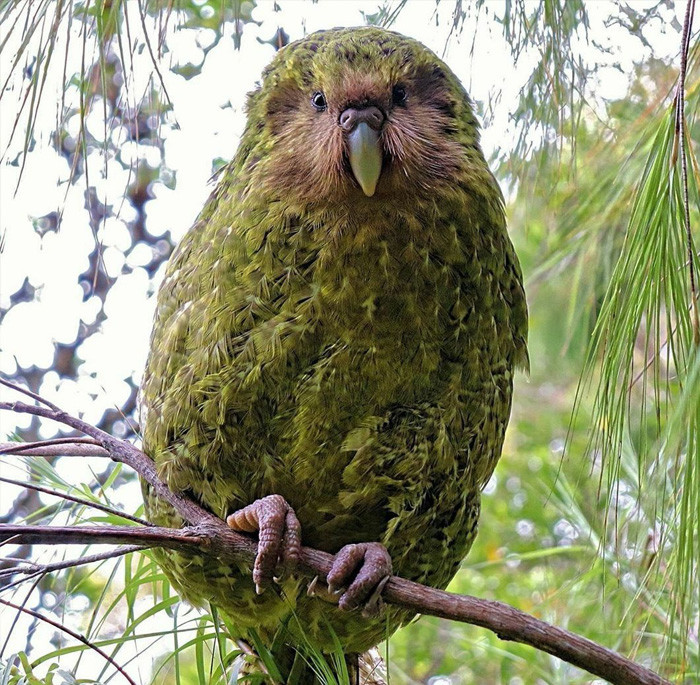
Kakapo
The kakapo, also known as the owl parrot, is the world’s largest and slowest parrot. This flightless bird uses its green-yellow feathers to blend into New Zealand’s forests and stays hidden during the day, becoming active at night. Kakapos can live for about 60 years, with some reaching 100.
Though unable to fly, they have strong legs for long, slow walks and are skilled climbers, using their short wings to help them descend from trees. Critically endangered, the kakapo is now protected as a national treasure of New Zealand.
The American Woodcock
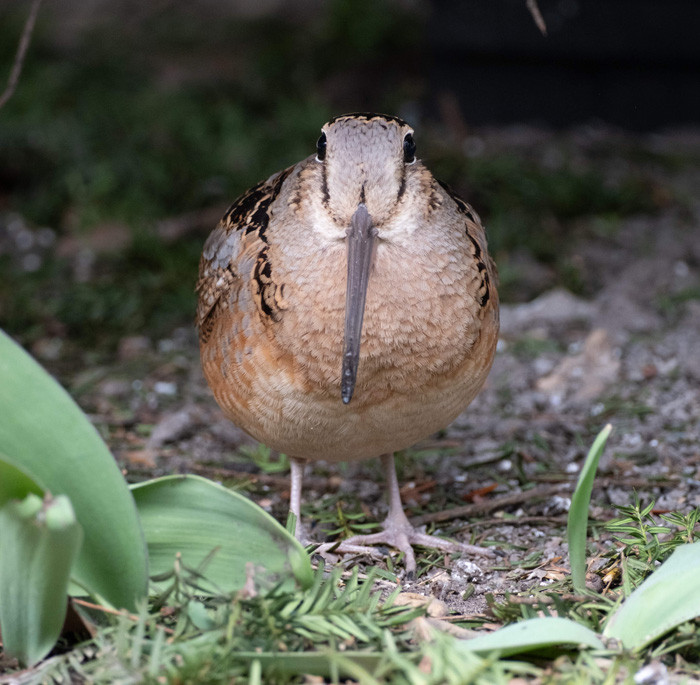
The American woodcock, also called the mudbat, is the only woodcock species found in North America. It lives on damp forest floors and is famous for moving at its own pace. On the ground, it walks with a gentle side-to-side sway while its head stays perfectly still, a motion that looks almost choreographed.
Researchers believe this odd walk helps protect the bird by alerting predators before they can strike. The woodcock also holds a world record: according to Guinness World Records, it has the slowest flight of any bird, topping out at just 5 mph.
Banana Slug
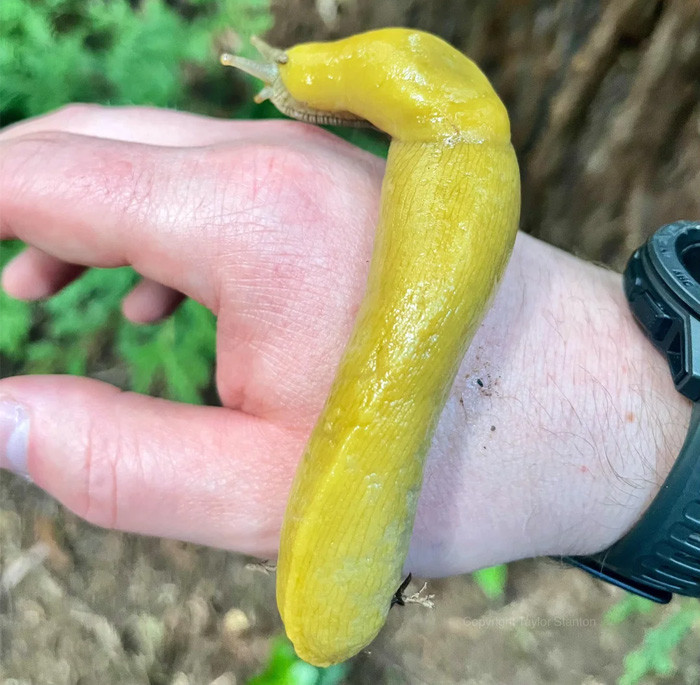
At first glance, Ariolimax columbianus looks like a ripe banana, but a closer look reveals it is actually a large, bright-yellow slug. Growing over 26 centimeters long, this rainforest dweller is one of the largest land slugs on Earth.
Found along the Pacific coast, it moves at a painfully slow pace of about 6.5 inches per minute. Its body is covered in a thick mucus that protects its soft skin, helps it breathe and reproduce, and leaves shiny trails across the forest floor.
Three-Toed Sloth
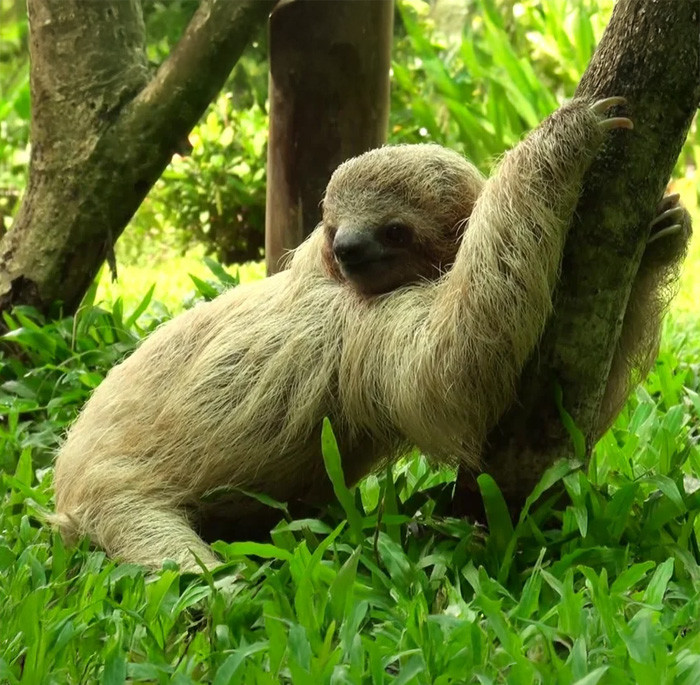
The three-toed sloth, part of the Bradypus genus—meaning “slow-footed” - fully lives up to its name. All five species move at a highly relaxed pace, topping out at just 0.16 miles per hour, which makes the sloth the slowest known mammal.
But its unhurried movement is only part of the story. Strong, curved claws allow the sloth to hang upside down and travel safely through treetops. Its body is also adapted to this lifestyle, with internal structures that support its organs and help the lungs function properly when inverted.
Living almost entirely in the canopy, the sloth rarely descends to the ground. In fact, it can store large amounts of urine and waste, climbing down only about once a week to relieve itself before slowly returning to the trees.
Galapagos Giant Tortoise
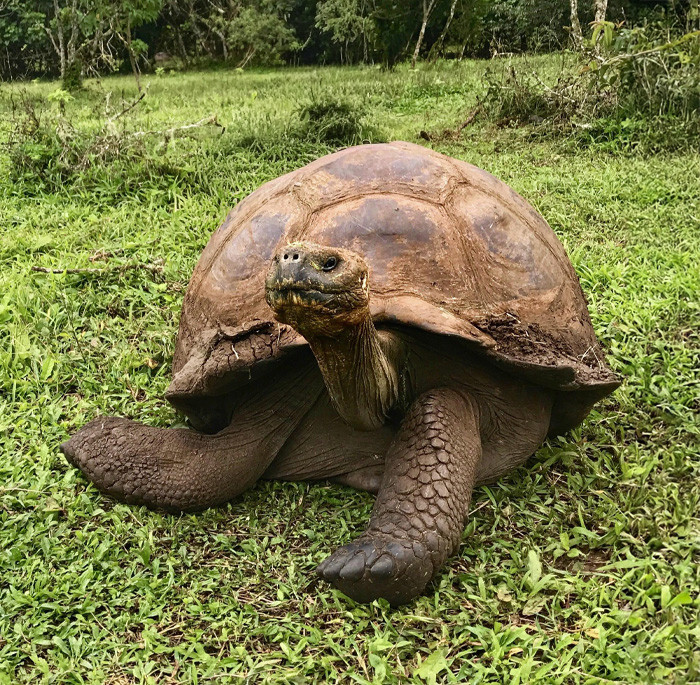
Galápagos giant tortoises are the largest living tortoises and, unsurprisingly, the slowest. Native to several Galápagos Islands in Ecuador, they usually weigh between 250 and 400 kilograms.
Their massive bodies limit their movement, so even at their fastest, they travel only about 40 to 50 meters a day. Their slow metabolism also allows them to survive for months without food or water, relying on stored energy to get through harsh conditions.
Manatee
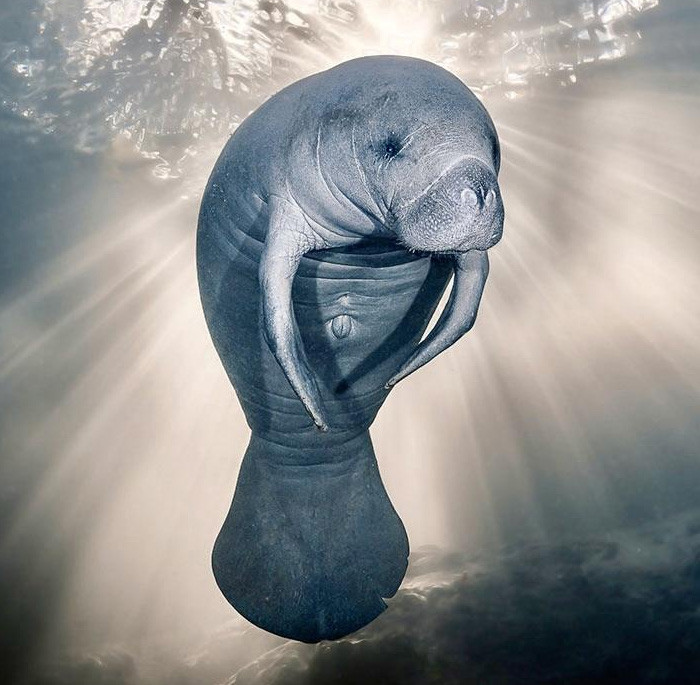
Manatees, often called sea cows, are large, slow-moving aquatic mammals related to elephants. They live in warm, shallow waters around the Caribbean and Mexico. Most adults weigh between 800 and 1,200 pounds, though one record-breaking manatee reached nearly 3,650 pounds.
Their heavy bodies keep them moving at about five miles per hour, even if they can briefly swim faster. In the wild, manatees usually live for about 40 years and feed almost constantly on plants. Because this diet wears down their teeth, they have a rare ability to replace them throughout their lives.
Slow Loris
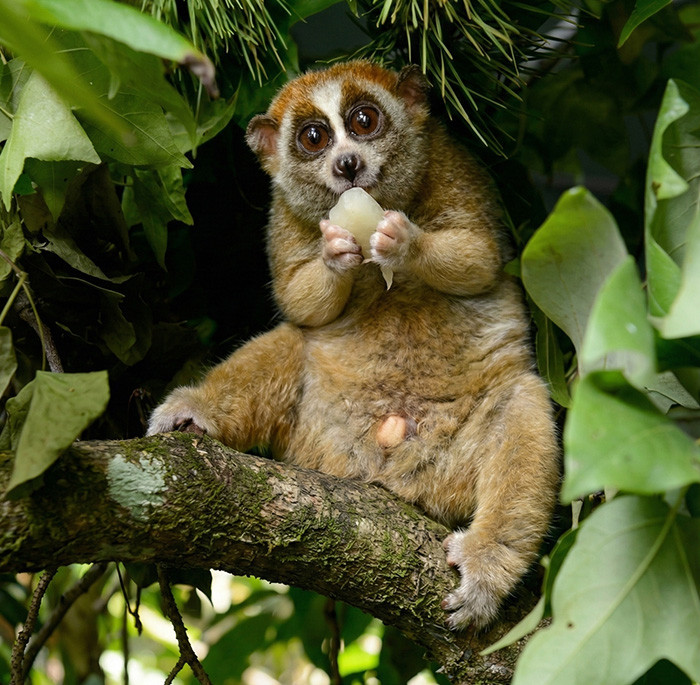
True to its name, Nycticebus bengalensis moves through the trees at a calm, careful pace. This wide-eyed primate lives high in tropical forests and rarely touches the ground, using all four limbs to climb slowly and steadily in a movement known as clambering.
Despite its gentle look, the slow loris has a strong defense. It produces a toxin from glands near its armpits, mixes it with saliva, and delivers it through a bite, making this small primate far more dangerous than it appears.
This slow, stealthy kakapo makes you think of animals that use strength in unexpected ways.
Seahorse
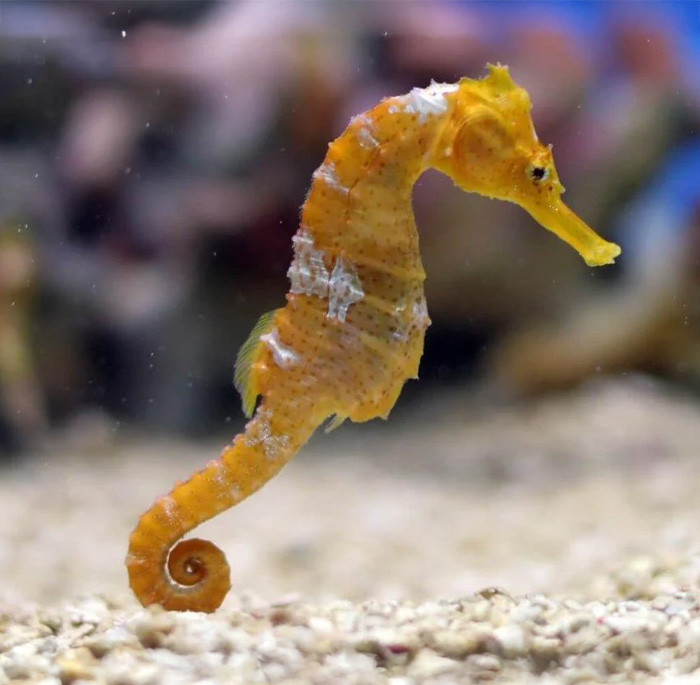
Seahorses are small marine fish named for their horse-like heads and curved necks, with bodies covered in rigid, ringed plates. They live in shallow coastal waters and swim upright, using tiny fins to move and steer.
This makes them very slow - the dwarf seahorse reaches just about five feet per hour. Instead of chasing prey, seahorses use a clever feeding method that lets them stay hidden until the exact moment they strike, catching food by surprise.
Gila Monster
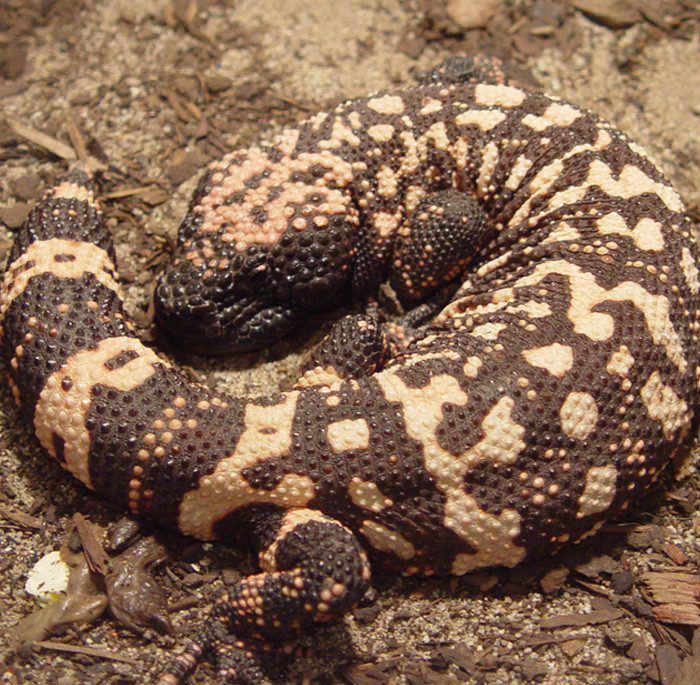
The Gila monster is a large, venomous lizard native to the deserts of the southwestern United States and Mexico. Known for its striking black-and-yellow or black-and-pink scales, it can grow to about 22 inches long.
Slow and energy-efficient, it spends much of its time in underground burrows to escape the heat. The Gila monster feeds on eggs, insects, and small animals, using ambush rather than venom to hunt, saving its venom mainly for self-defense.
Garden Snail
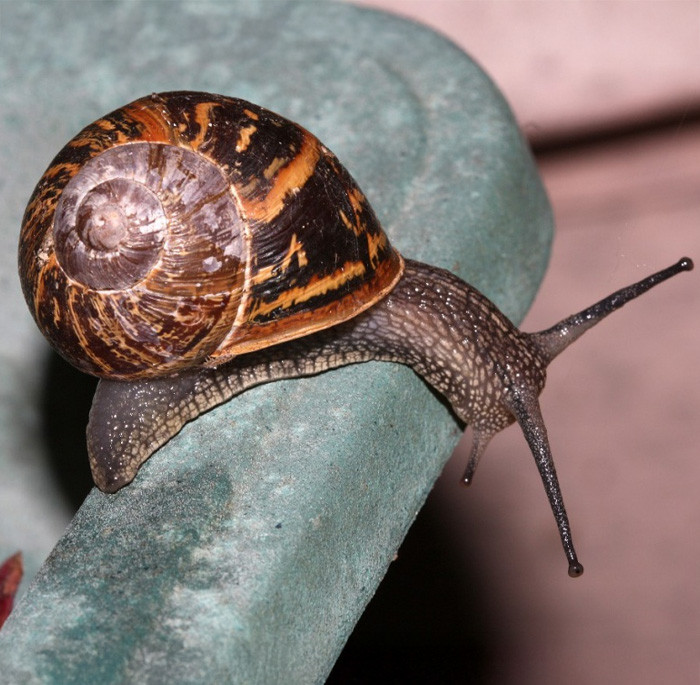
Originally from the Mediterranean, garden snails have spread worldwide and are now the most common land snail. They thrive in gardens, fields, and grassy areas, especially after rain. Their hard brown shell protects a soft body that moves using a single muscular foot.
This limits their speed to about 0.01 inches per second, making them easy targets. Still, moving slowly has benefits. Snails use thick mucus to glide forward, conserving energy and reducing water loss in dry conditions. To save even more effort, they often travel in groups, sliding over the slime trails left by others.
Sea Anemone
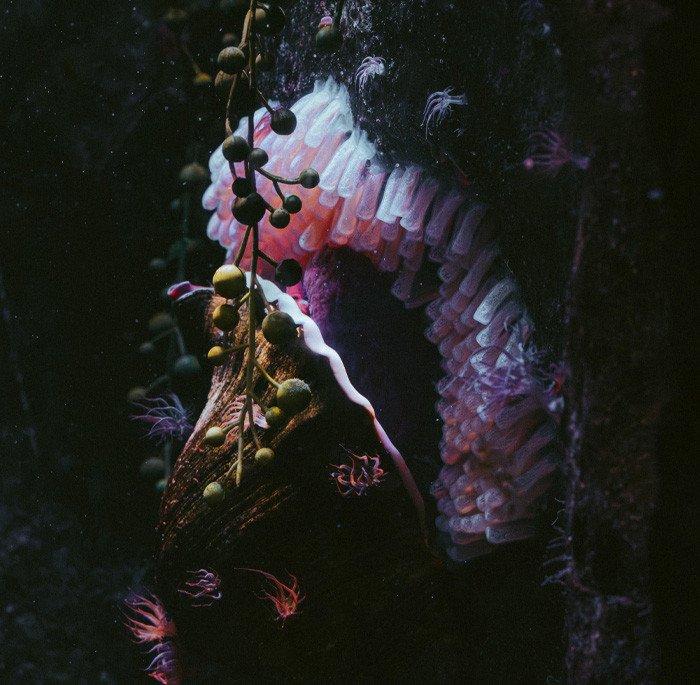
Sea anemones move so slowly that they appear motionless, with their movement only visible through time-lapse photography. They drift with currents, gently inflate their bodies, or slowly creep along the seafloor.
While their bright colors attract human attention, they hide a deadly side. Using stinging cells called nematocysts, sea anemones paralyze prey before pulling it into a flexible mouth that can swallow animals as large as crabs or small fish.
Starfish
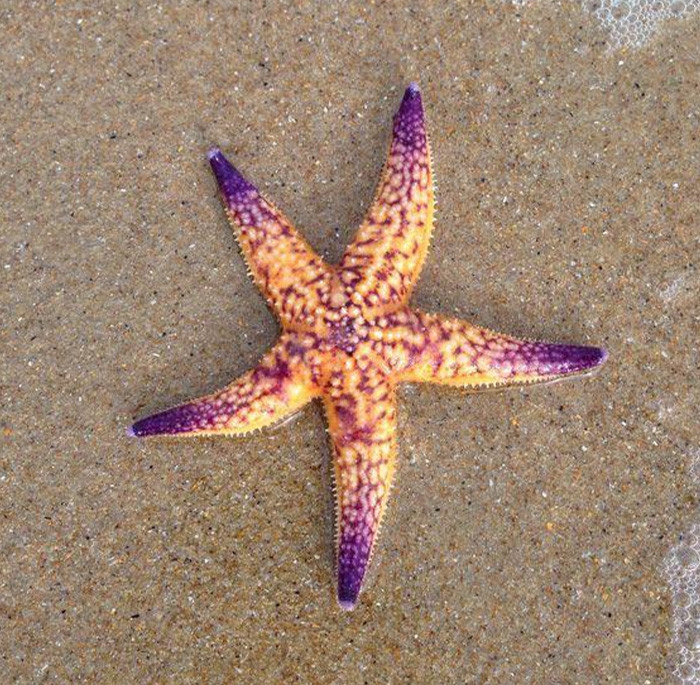
Sea stars include more than 2,000 marine species that live on the ocean floor, with the five-armed starfish being the best known. Studies show they move using hundreds of tiny tube feet that work together, reaching speeds of just 27 inches per minute.
They can move faster with a brief bouncing motion, but it costs much more energy. Despite their abilities, sea stars have no brain and rely on a simple nerve network to control their bodies.
The kakapo’s night routine is the first clue that “slow” can be camouflage, not weakness.
Then the American woodcock shows up with that mudbat sway, looking like it’s performing a warning signal instead of rushing anywhere.
After that, the banana slug makes the whole pace thing feel even more dramatic, inching along at about 6.5 inches per minute and turning the forest floor into a glossy breadcrumb trail.
And when the three-toed sloth tops out around 0.16 miles per hour, it makes the “slowest” title feel less like a joke and more like a strategy.
These slow-moving animals show that staying alive is not always about being fast or aggressive. Their unhurried pace allows them to conserve energy, reduce stress on their bodies, and retain vital moisture, especially in dry or challenging environments.
What may look like a disadvantage at first glance is actually a smart way to survive. By moving slowly, they avoid unnecessary risks and adapt to conditions that would overwhelm faster creatures. In nature, success is not measured solely by speed; a steady, patient approach can be just as powerful.
The real surprise is that these slow movers are winning, one painfully unhurried step at a time.
Wait until you see the pocket-sized frogs and microscopic swimmers in this tiny-animal roundup.
Share this article:





