
Redditor Shares Their Cat's Act Of Petty Revenge, Others Share Similar "Hilarious" Actions

Jerry the cat didn’t just “act up” in the living room, he went full petty landlord on his own family couch, right in front of Mom.
It starts with claws on the family couch, Mom reading nearby, thinking she can wait it out. Jerry ignores the verbal reprimands, so Mom throws a paperback at him, which only makes Jerry go quiet for a while. Then, hours later, he strolls over to Mom’s white winter coat hanging on a chair, locks eyes, and sprays it like a signature move.
And honestly, once you see the coat incident, the earlier couch tantrum starts to look less random and more like a message.
OP says:

Jerry sharpens his claws on the family couch, irking Mom who's reading nearby.

After Jerry ignores her verbal reprimands, Mom throws a paperback novel at him, startling him away.

Mom’s paperback toss was supposed to end the couch chaos, but it basically gave Jerry a new storyline to star in.
The intriguing anecdotes shared by Reddit users highlight the fascinating ways in which cats display their feelings through what can be perceived as petty revenge. These behaviors, often dismissed as mere mischief, are actually complex forms of communication that reflect the cat's emotional state. The actions reported by pet owners reveal that when cats encounter stress or dissatisfaction in their environment, they may engage in seemingly humorous acts that serve a deeper purpose. Instead of simple antics, these behaviors are indicators of unmet needs and emotional responses, showcasing the rich inner lives of these enigmatic creatures.
Hours later, Jerry positions himself in front of Mom's white winter coat, hanging on a chair.

As Mom watches, Jerry locks eyes with her and sprays the coat, marking his discontent before fleeing.

Jerry's actions serve as a reminder that cats, in their own unique and sometimes baffling ways, communicate their feelings. What might seem like mere pettiness to us is often a cat's method of expressing dissatisfaction or asserting independence.
By understanding and appreciating these nuances, cat owners can better connect with their feline friends, embracing the mysterious and captivating world of cat behavior.
This Redditor also had a vindictive cat:
After Jerry sprays Mom’s white winter coat and bolts, the “hilarious revenge” part hits harder because it looks personal, not just mischievous.
This sensitivity may lead to behaviors that humans interpret as revenge, but they are often more about expressing discomfort than malice.
Understanding this can help pet owners interpret their cats' actions more compassionately.
This also matches the man who woke his cat up too early and got paid back by morning.
Similar story, only with less explosive results:
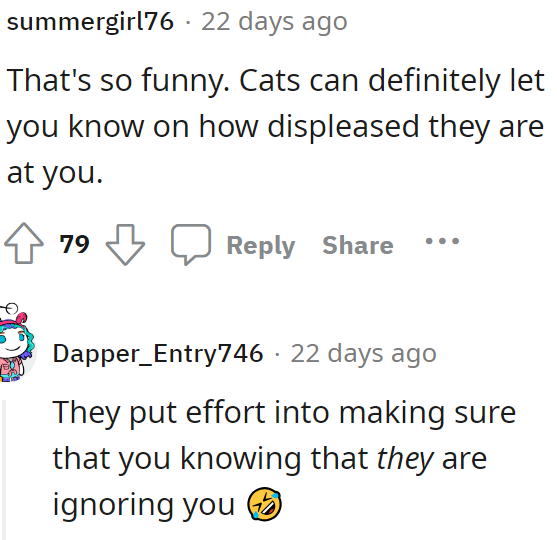
"They put effort into making sure that you know that they are ignoring you."
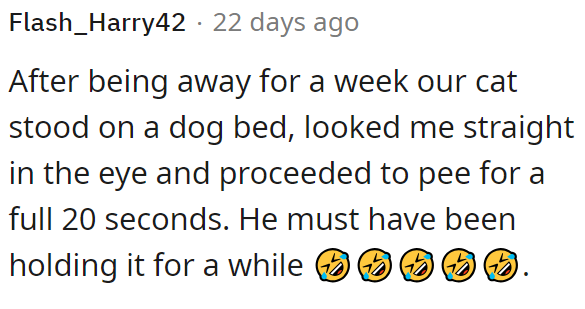
He must have been holding it for a while
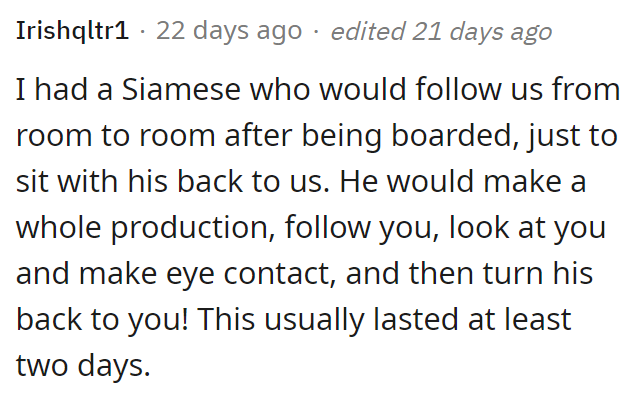
The other Reddit comments basically nod along, saying cats “ignore” you with effort, just like Jerry positioned himself for maximum impact.
Stressors in a cat's environment, such as changes in routine or the introduction of new pets, can lead to behavioral issues.
Creating safe spaces for cats to retreat to when feeling overwhelmed can also improve their well-being.
Cats can hold a grudge.
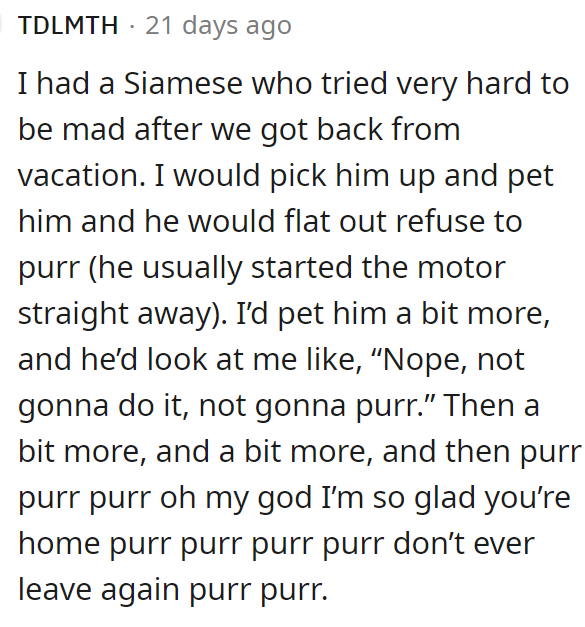
What's not to miss?
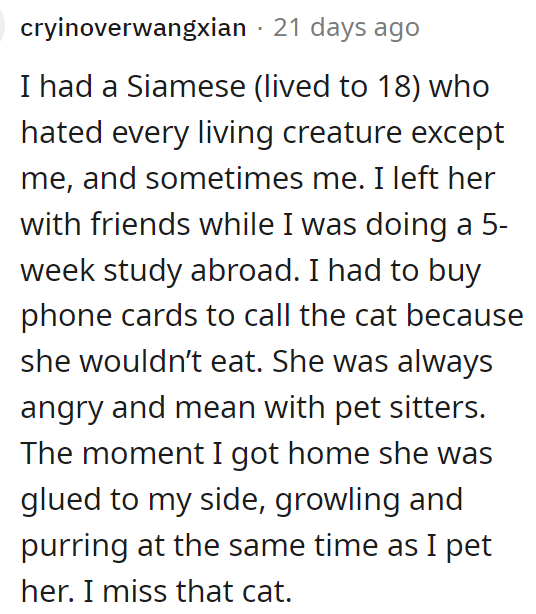
Payback time!
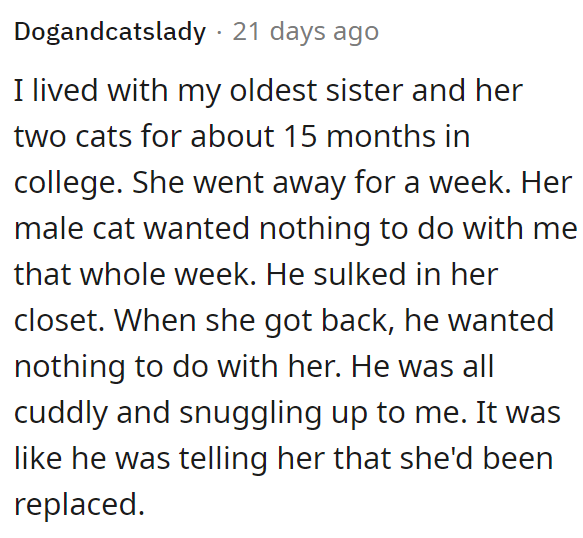
So when you hear about the less explosive version of the same move, it makes Jerry’s whole timeline feel even more intentional.
Regular playtime can not only strengthen the bond between pet and owner but also promote mental stimulation and reduce stress.
Establishing a routine that includes play can help create a more harmonious living environment.
Cats, those adorable little sovereigns of our homes, have a flair for the dramatic, especially when it comes to expressing displeasure. Jerry's tale of spraying revenge is just a drop in the ocean of feline antics.
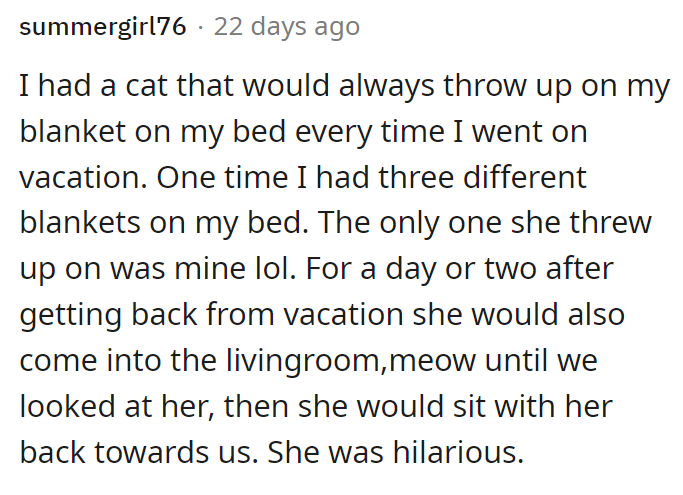
Take, for instance, the cat who meticulously vomited on their owner's blanket every time they went on vacation. It's as if the cat was saying, "Enjoy your trip? Well, here's a 'welcome back' gift on your favorite blanket!
And let's not forget the cat who, after a week of their owner's absence, decided to hold a 20-second pee performance on a dog bed. It's as if the cat was saying, "I'm not just mad; I'm 'hold-my-pee-till-you-get-home' mad!" Whether it's calibrated bladder control or a well-timed backturn, cats know how to stage their feelings.
Cats' ability to express their grudges is hilariously human-like. Their antics range from the passive-aggressive 'silent meow' to outright pee protests. It's almost as if they've studied us, learned our ways of expressing annoyance, and then added their own feline twist.
The bond between humans and pets is complex and can significantly impact behavior.
When owners are stressed or anxious, their pets may respond with behavioral changes, which can create a feedback loop of stress.
By managing their own stress levels, owners can create a more stable emotional environment for their pets, leading to improved behavior.
The recent Reddit post showcasing a cat's act of petty revenge highlights the intricate dynamics of feline behavior. This incident serves as a reminder that our feline friends communicate their feelings in ways that can be both humorous and telling.
Creating a stable and engaging environment for cats is essential, as evidenced by the shared stories of similar antics that many users recounted. These experiences illustrate how a well-cared-for cat is less likely to resort to such mischievous behavior as a means of expressing their dissatisfaction.
Ultimately, the bond between humans and their cats thrives on understanding and addressing the emotional needs of these independent creatures. Recognizing their unique personalities can lead to a more harmonious coexistence, filled with both laughter and affection.
Now Mom is stuck wondering if Jerry isn’t mad about the couch at all, he’s mad about the paperback.
Jerry’s “petty revenge” vibes are tame compared to what happened after a cat was locked in the bathroom. Read the bathroom-lock revenge story.
Share this article:





