Elusive Clouded Leopard Spotted In High Altitude Himalayan Forest

Some sightings are so rare they feel like a glitch in the real world, and this one is no exception. A clouded leopard was spotted in high-altitude Himalayan forest, far above where people usually expect to find this elusive cat.
The twist is that clouded leopards are already solitary, already nocturnal, and already hard to track when they stick to the shadows. Now add altitude, colder conditions, and forests that were never really part of the original “where to look” map, and suddenly the story gets complicated fast. The researchers’ excitement is real, but so are the questions about what pushed this shift and what it means for survival.
Because if it can thrive up there, then conservation plans built for low-elevation rainforests might be missing the whole plot.
These cats are exceptional climbers. They can climb down trees headfirst, which is a rare skill among cats. They can also hang upside down from branches using their powerful limbs and long tail for balance.
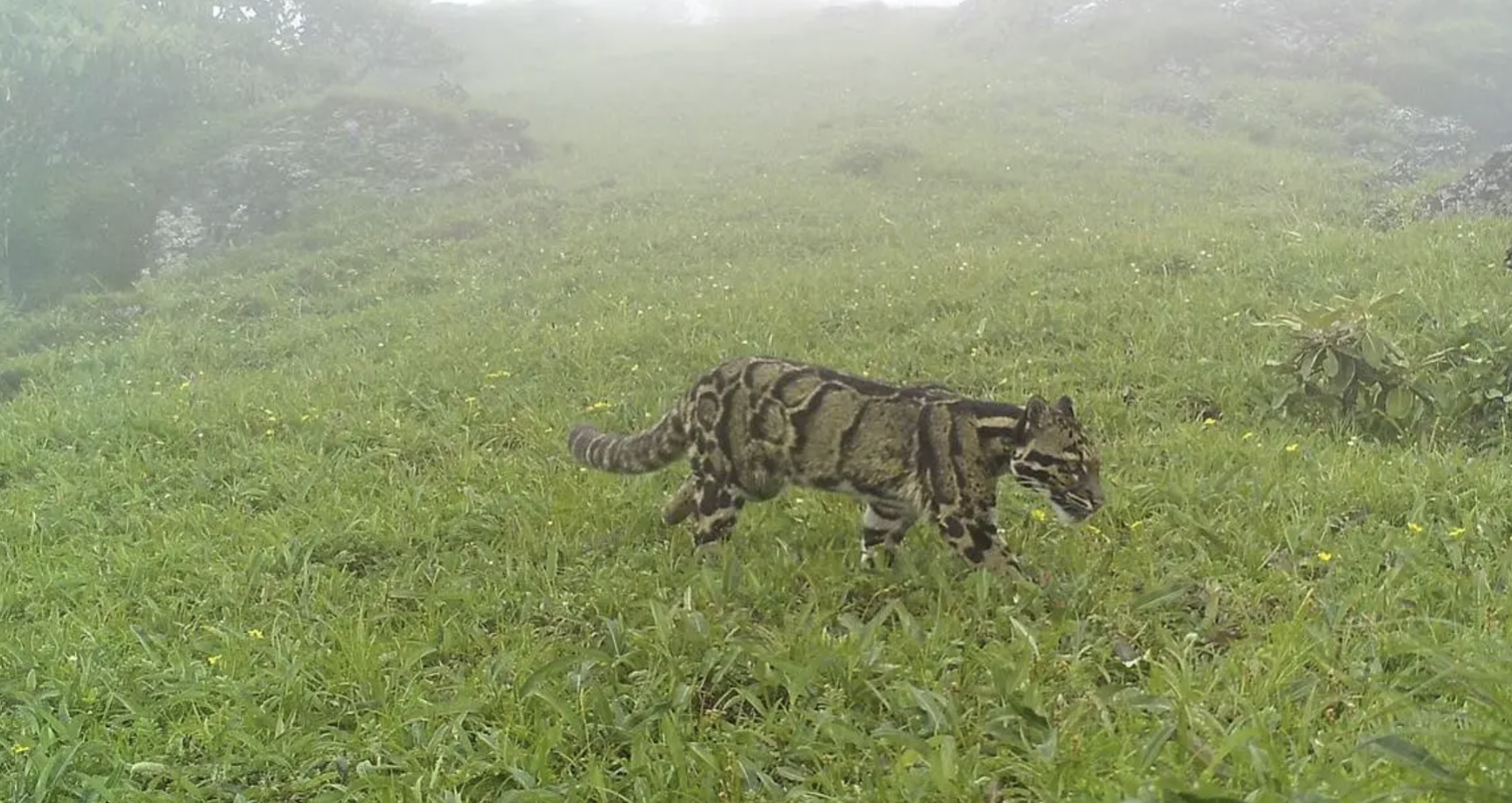
Clouded leopards are known for their elusive and solitary nature. They are primarily nocturnal, making them difficult to spot in the wild.
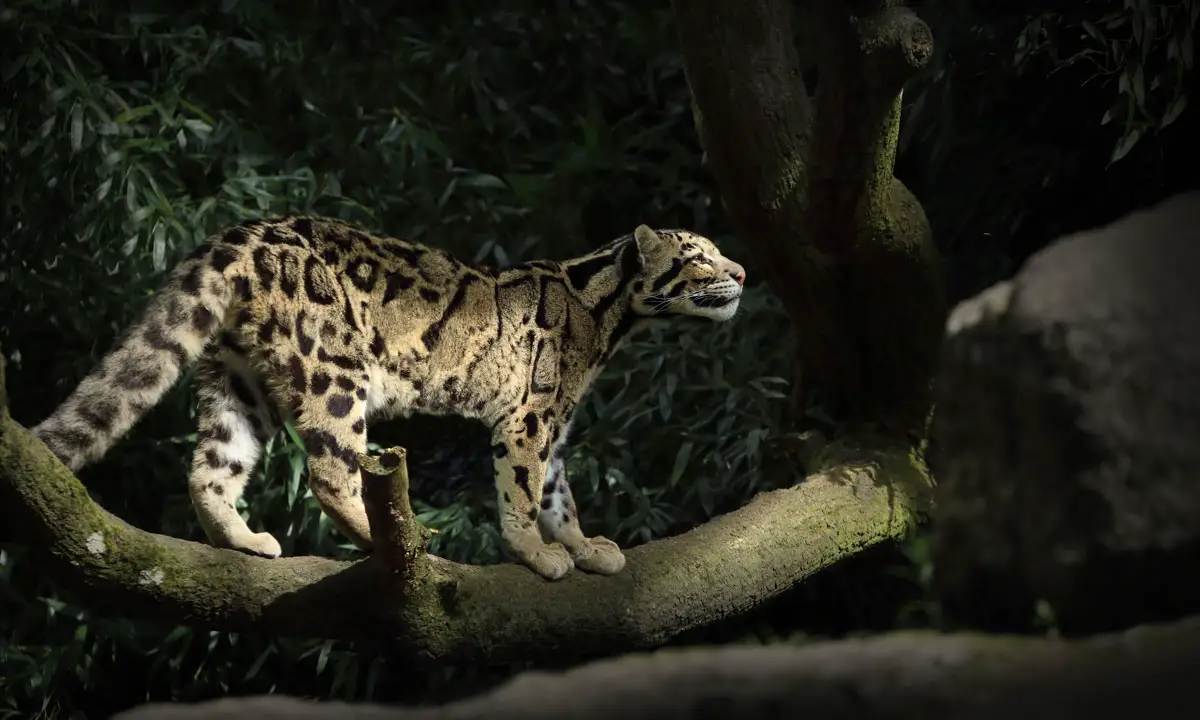
Clouded leopards are classified as vulnerable due to habitat loss, poaching, and the illegal wildlife trade.
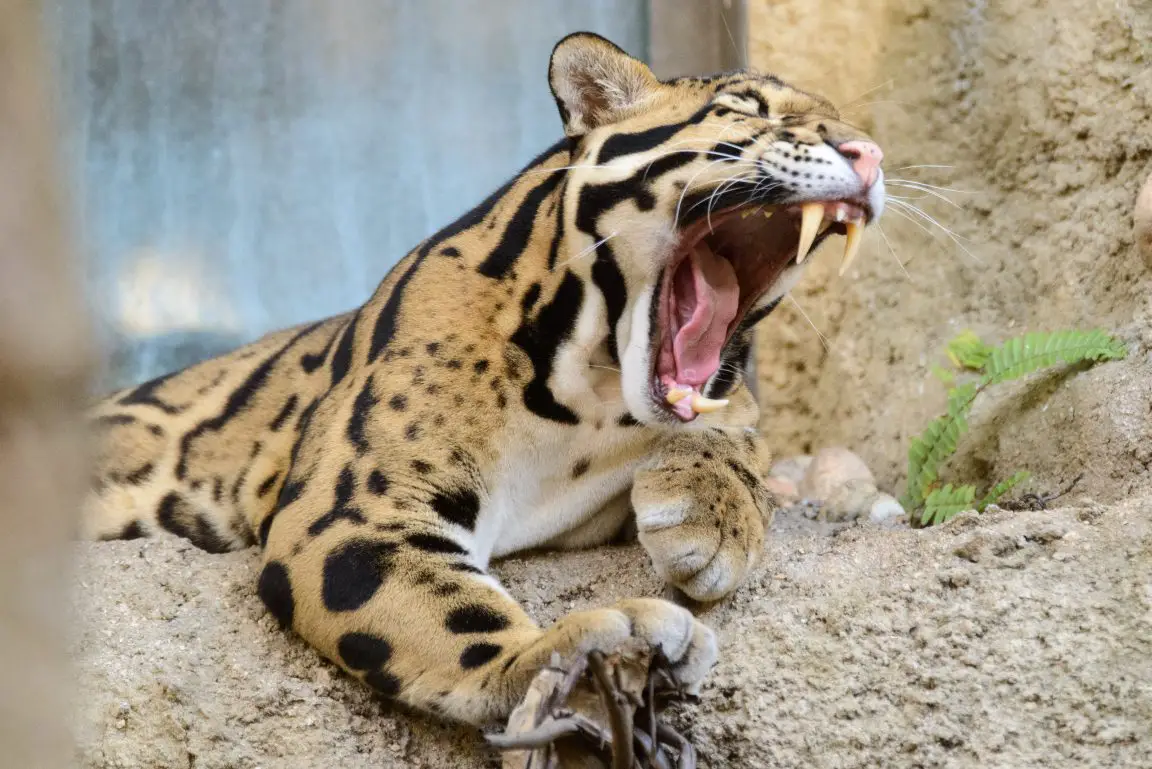
That’s when the “exceptional climbers” detail starts to matter, because a cat that can hang upside down and climb headfirst has no trouble exploring treetops at altitude.
And just like the habitat-loss and illegal wildlife trade pressures already listed, this new high-elevation sighting raises the stakes for where protection needs to show up.
The recent sighting of clouded leopards in the high-altitude Himalayan forests marks a significant shift in our understanding of this elusive species. Historically associated with low-elevation rainforests, these majestic felines have demonstrated remarkable adaptability by venturing into higher elevations. This behavior not only highlights their flexibility in habitat use but also raises important questions about the factors driving such a change.
As environmental conditions continue to evolve, it is essential for conservationists to rethink their strategies. The inclusion of high-altitude forests in conservation efforts could be vital for the survival of the clouded leopard. By recognizing and protecting these newly identified habitats, we stand a better chance of ensuring the long-term viability of this mysterious creature.
It’s the same kind of “blink and you miss it” hunt as this brutal game of finding the elusive puma in a startling wildlife image.
The moment the leopard was spotted in the high-altitude Himalayan forests, it turned a familiar story about low-elevation rainforests into a brand-new mystery trail.
Increasing awareness about the clouded leopard's habitat can play a vital role in conservation efforts.
"Clouded Leopard Cubs Grow Up."
So when conservationists rethink their strategies and include high-altitude forests, it’s not just awareness anymore, it’s a direct response to where this predator is actually living.
As the clouded leopard continues to reveal its secrets, this finding not only enriches our knowledge but also enhances our appreciation for the complexity of nature and the survival strategies of one of its most elusive predators.
This significant milestone in wildlife research provides both hope and excitement for future studies and conservation strategies, ensuring these magnificent creatures continue to thrive in their high-altitude havens.
The recent sighting of a clouded leopard in the high-altitude Himalayan forest highlights the urgent need for adaptive conservation strategies. This rare glimpse into the life of such an elusive species emphasizes the importance of understanding the broader ecological challenges these magnificent felines face. As their habitats shift and change, it becomes increasingly vital for conservationists to engage local communities through education and collaboration. This approach not only raises awareness but also fosters a culture of conservation that is essential for the sustainable future of clouded leopards. The continued survival of this enigmatic creature relies on our ability to adapt and respond to the evolving environmental landscape.
If the clouded leopard is already up in the clouds, conservation has to follow it.
Wait until you hear the wild, rare roar captured in this snowy moment when a snow leopard finally let loose.
Share this article: