Meet The White-Winged Fairy-Wren, A Glistening Feathered Jewel, Dazzling Like A Bright Blue Sapphire

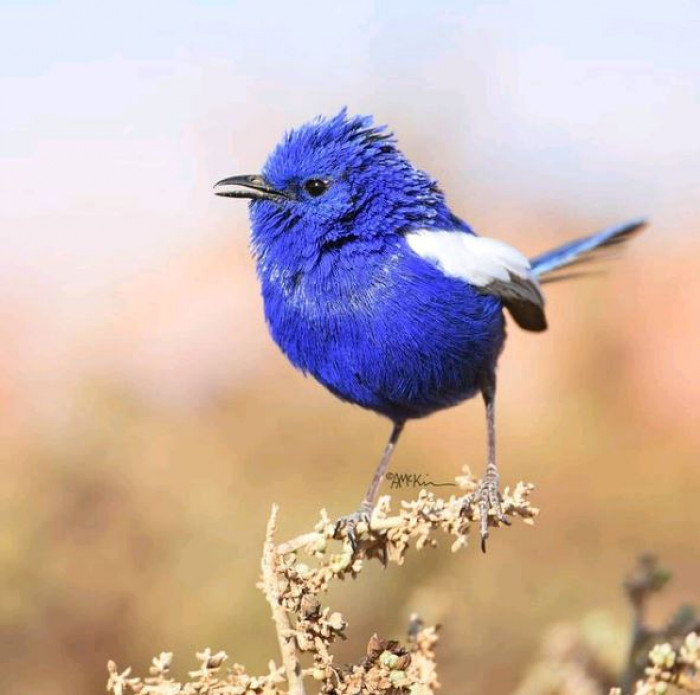
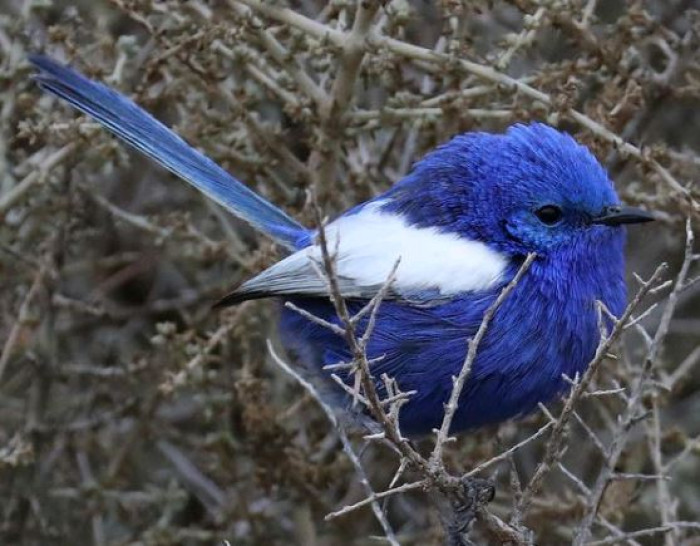
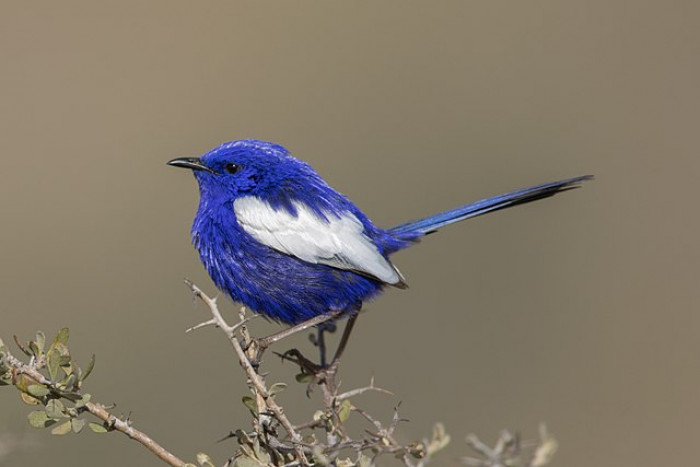
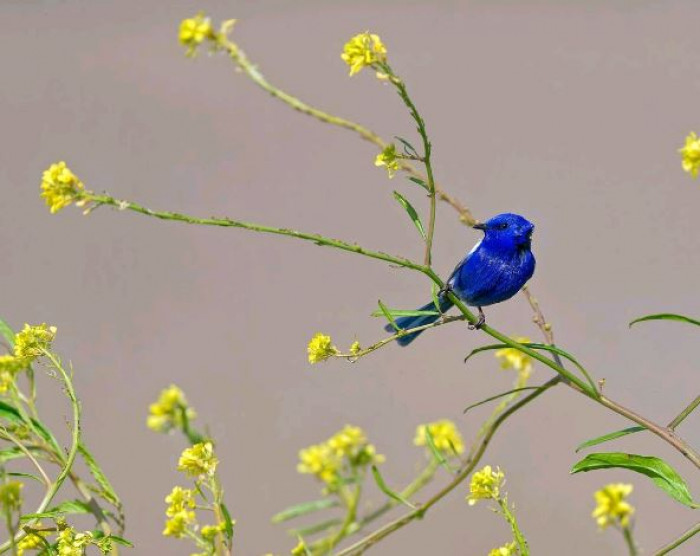
Australia's White-winged Fairy-wrens are tiny birds with a big visual payoff. The males are usually a vivid cobalt blue, while their white wings give them the jewel-like look that makes them stand out in the scrub.
Most live across mainland Australia's inland regions and semi-dry coastlines, though the males on Dirk Hartog and Barrow Islands are black instead of blue. They favor low shrubland, chenopod country, and salty flats, and their habits shift with the seasons, from staying put to wandering more widely.
With their insect-heavy diet, quick movements, and striking colors, it's easy to see why these birds draw so much attention. Here's a closer look at the White-winged Fairy-wren in all its bright, busy glory.
This is the White-winged Fairy-wren (Malurus leucopterus).
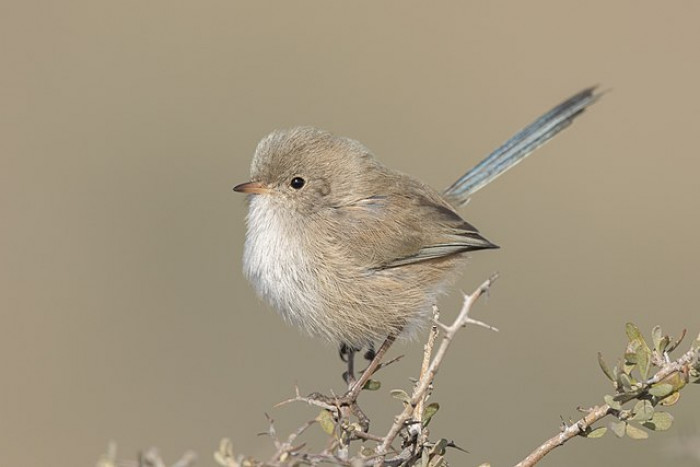
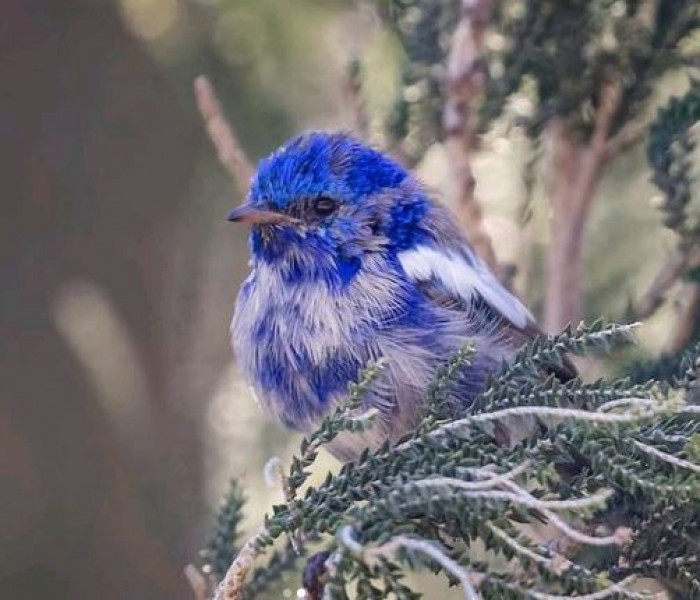
The females look different, though.
Their feathers are mostly a dull grey-brown, with their back and the outline of their wings being grey with a hint of blue. Younger males that have reached sexual maturity often resemble the female White-winged Fairy-wrens.
Socially, they are monogamous, but sexually, they are promiscuous.
That social setup is where things get interesting.
That same internet-wide charm hits again with the penguin couple’s romantic beach walk.
They are communal breeders and tend to live in groups.
Their nests are built by the females.
The structure has a dome-like shape, measuring 10 x 6 cm, and features an entrance on the side.

Their nests consist of fine grasses and are lined with feathers and plant down.
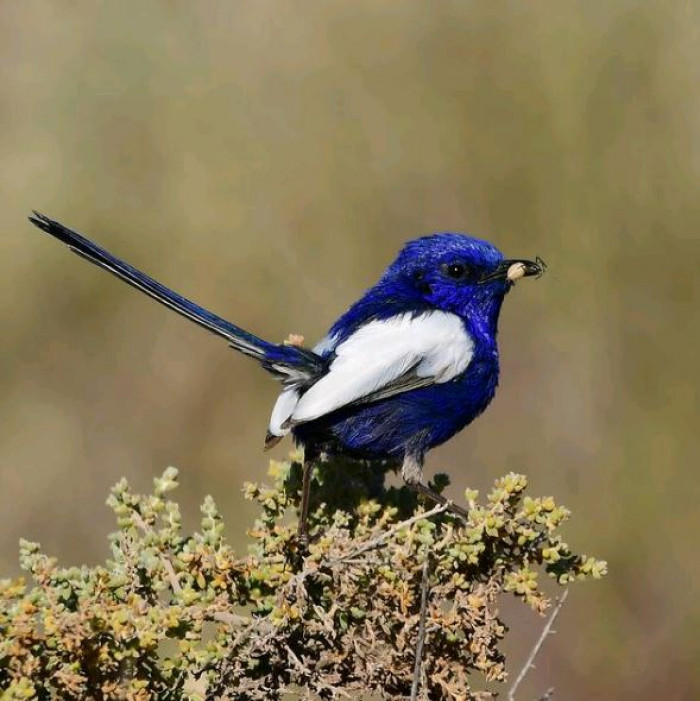
Nests are typically built 1 meter above the ground.
Females construct the nests amidst thick, thorny bushes and are responsible for incubating the eggs.
The rest of the group generally feeds the chicks for about four weeks. The fledged young will remain part of the group.
Sadly, the population of these bright and beautiful creatures is declining. Habitat destruction caused by humans has a negative impact on their numbers.
Even their song has a few layers to it.
Want to listen to how they sing? Check out the video below.
Scientists have identified five calling patterns among these species. Their primary vocalization is the reel, which is used by both males and females to unify the group and establish territory.
How does their population get affected?
In New South Wales, their habitat is destroyed during the clearing of lignum thickets and chenopod shrublands in areas that are frequently flooded.
Burning their habitat also has short-term adverse effects on their population. In addition to habitat destruction, mammalian predators naturally impact their numbers.
Red foxes and feral cats are among the animals that prey on these birds, while predatory birds pose another threat to the White-winged Fairy-wrens.
Wait until you see how the woman’s accidental photo turned an endangered bird into a viral illusion.
Share this article: