Moose and Her Calves Sneak Into Family's Backyard and Have the Best Time

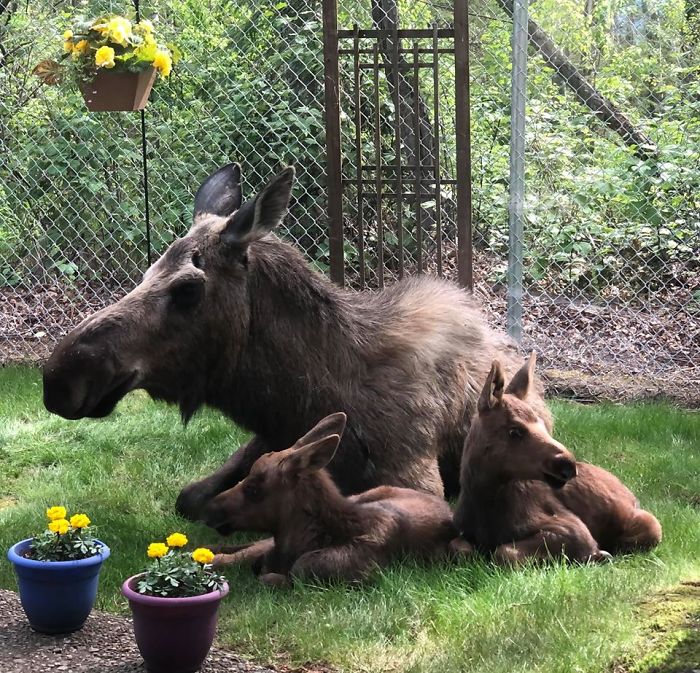
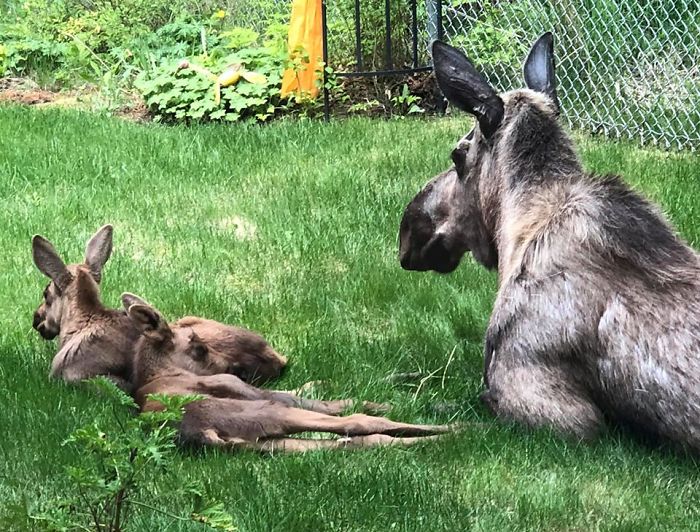
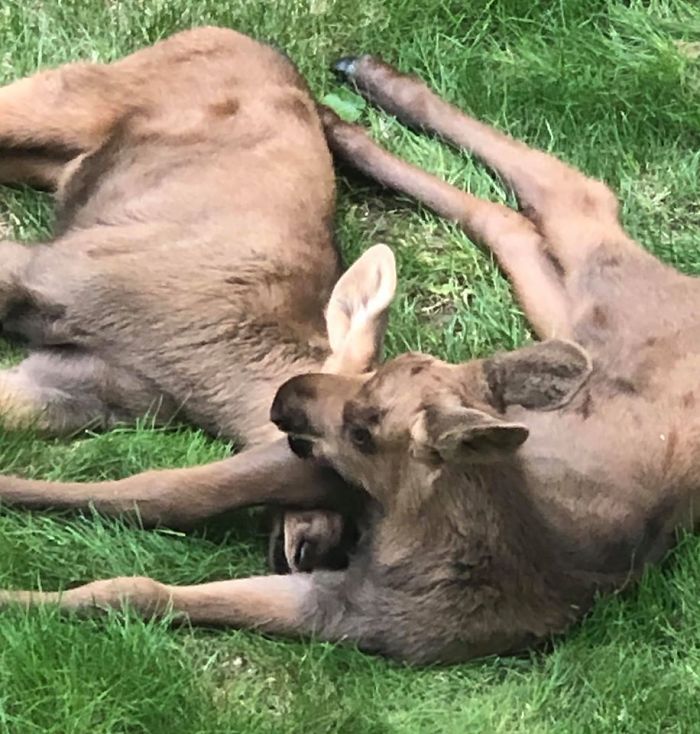
A moose cow and her two calves didn’t just stroll through Anchorage, they basically treated one family’s backyard like their personal playground. And yes, the whole thing happened right after the family noticed something big moving through the green space behind their home.
Rydstrom watched it all unfold, took a few photos of the joyful chaos, and later shared them on Facebook like, “You have to see this.” The complication? This was not some distant wildlife documentary moment, it was right in the middle of residential life, where the line between “cute nature sighting” and “uh oh” gets thin fast.
By the time the calves were standing and walking close to their mother, the backyard went from normal to unforgettable.
The stunning scenery moved Rydstrom, and he took several photos of the joyful family, later sharing them on Facebook.
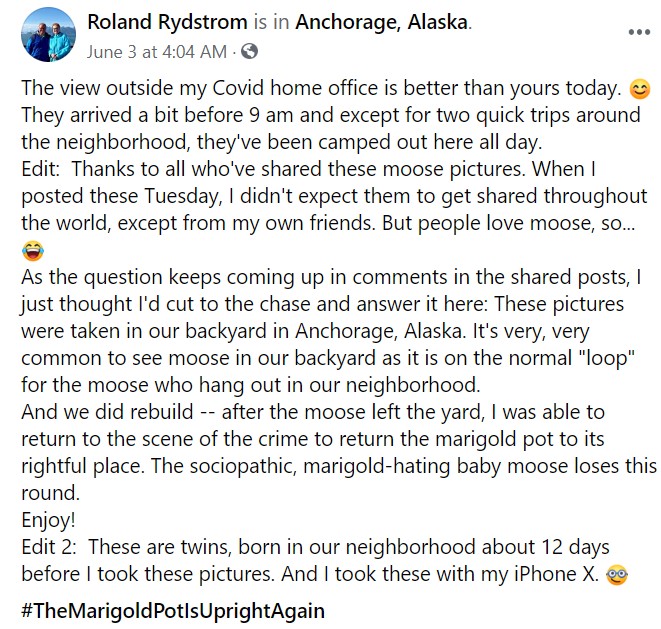
In Anchorage, Alaska, moose are a common and fascinating sight.
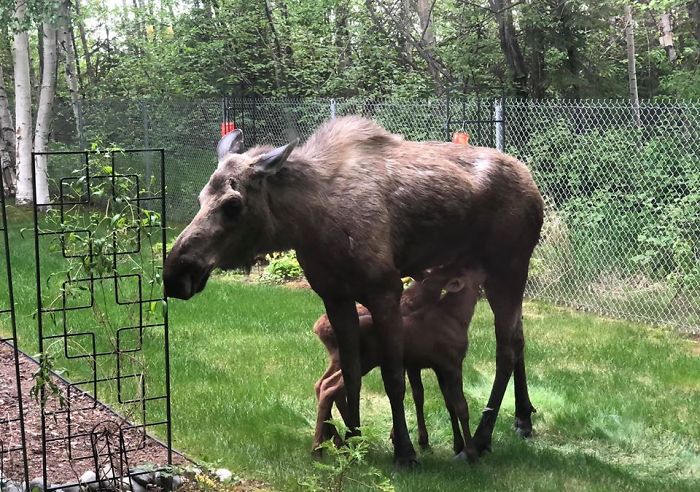
These large, majestic animals are well-adapted to the rugged Alaskan environment, and it's not unusual to see a moose cow with her calves wandering through the city, particularly in residential areas, parks, and along trails.
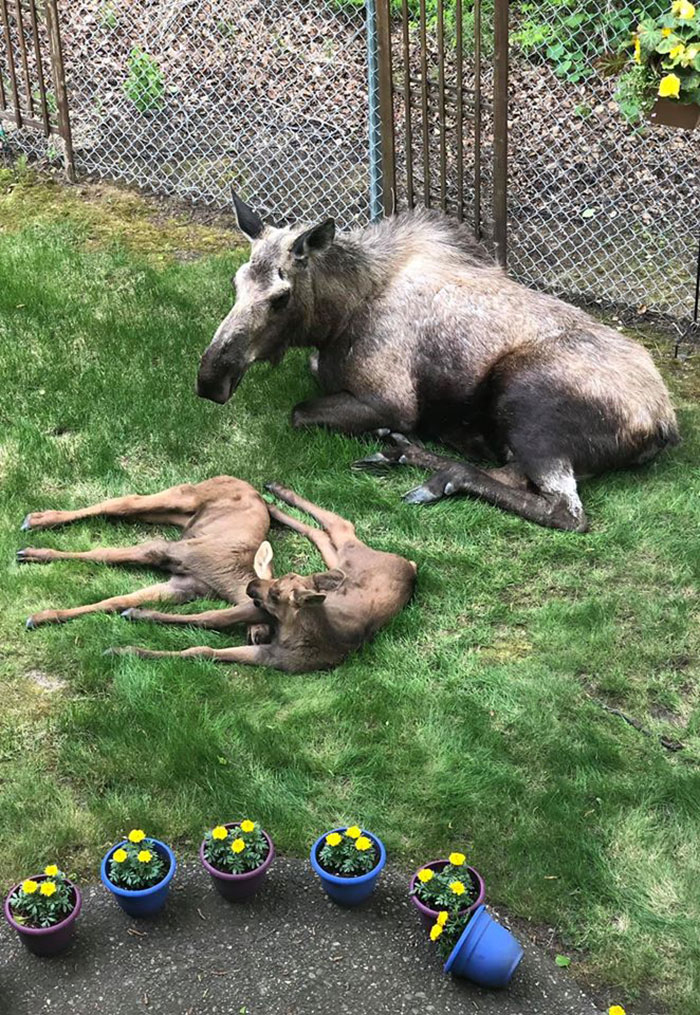
The Value of Nature
Research indicates that interactions with wildlife, like the moose encounter in Rydstrom's backyard, can significantly enhance mental well-being and reduce stress.
These moments create a sense of connection to nature, which is vital for our emotional health. Encouraging families to engage with local wildlife can foster a greater appreciation for natural habitats.
For families, creating a routine that includes outdoor activities can be incredibly beneficial.
In Anchorage, they often find food and safety in the green spaces within and around the city.
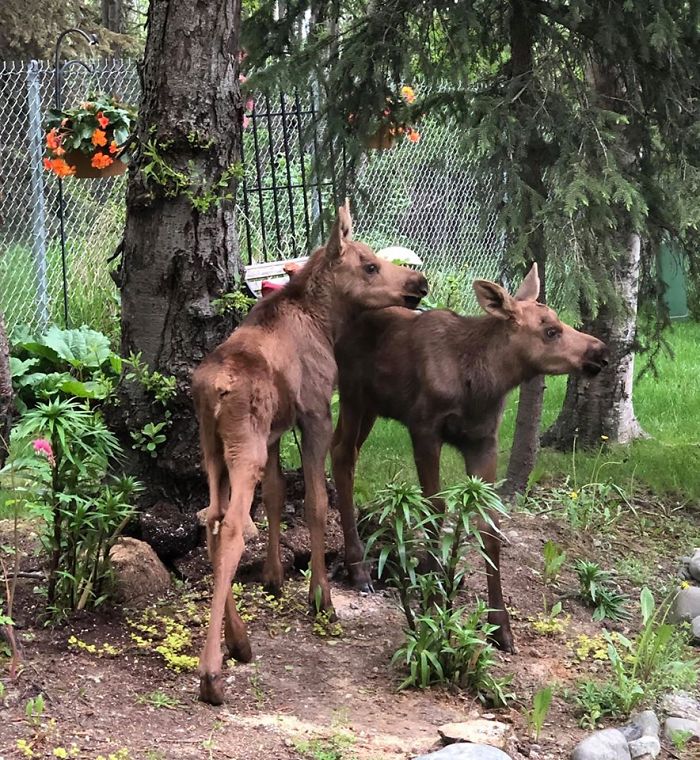
A female moose, called a cow, has a gestation period of about eight months.
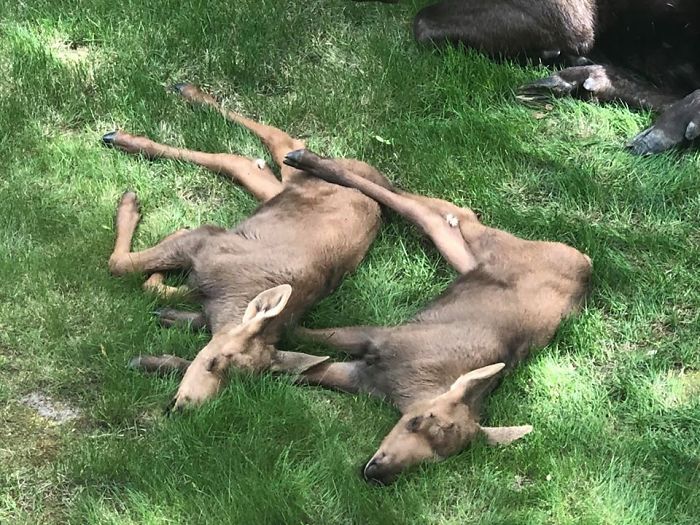
Calves are typically born in late spring or early summer.
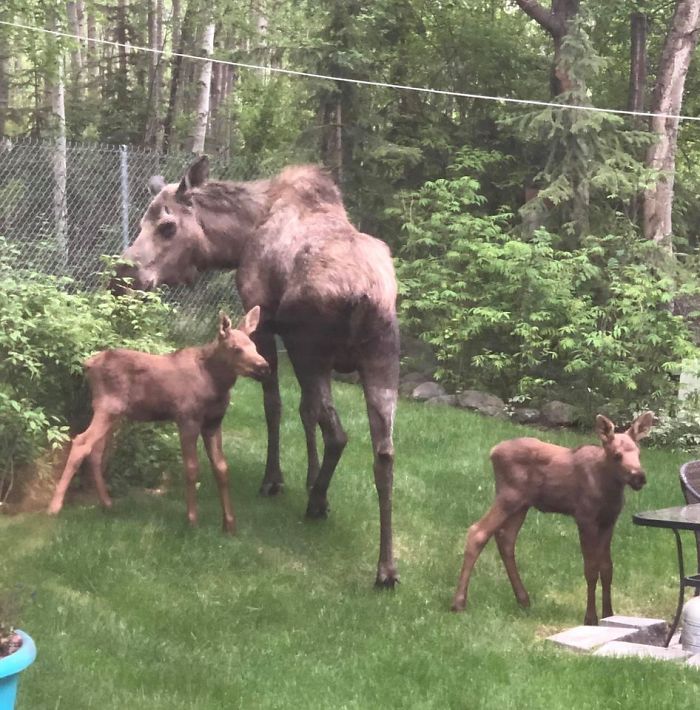
While the family was going about their day in Anchorage, Rydstrom happened to catch the moose cow and her calves slipping into the backyard like they owned the place.
For instance, maintaining a wildlife-friendly garden, using fencing, and securing trash can deter animals like moose from entering backyards. These strategies promote a harmonious relationship between humans and wildlife while ensuring safety for both parties.
At birth, calves are relatively large, weighing between 25 and 35 pounds.
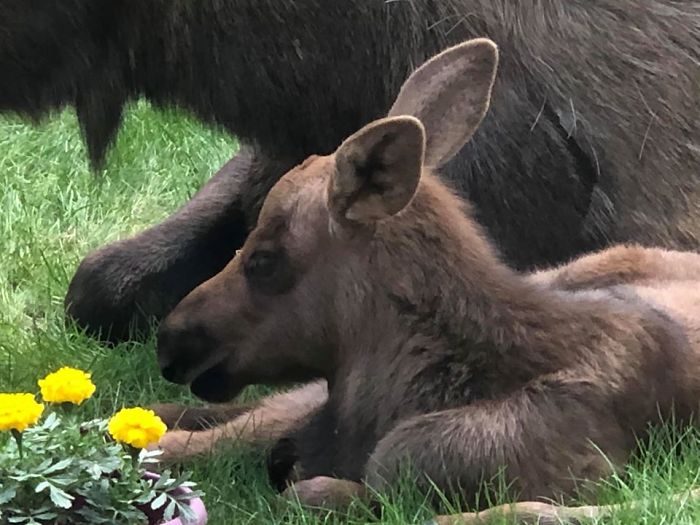
These calves are born with a reddish-brown coat and can stand and walk within hours of birth.
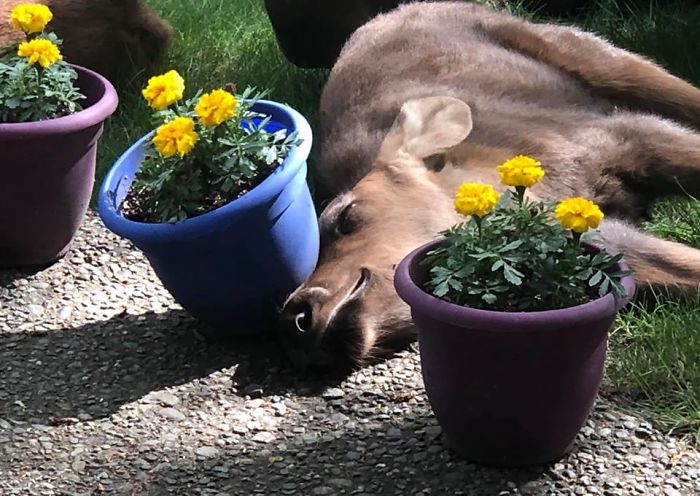
They stay close to their mother for the first few months.
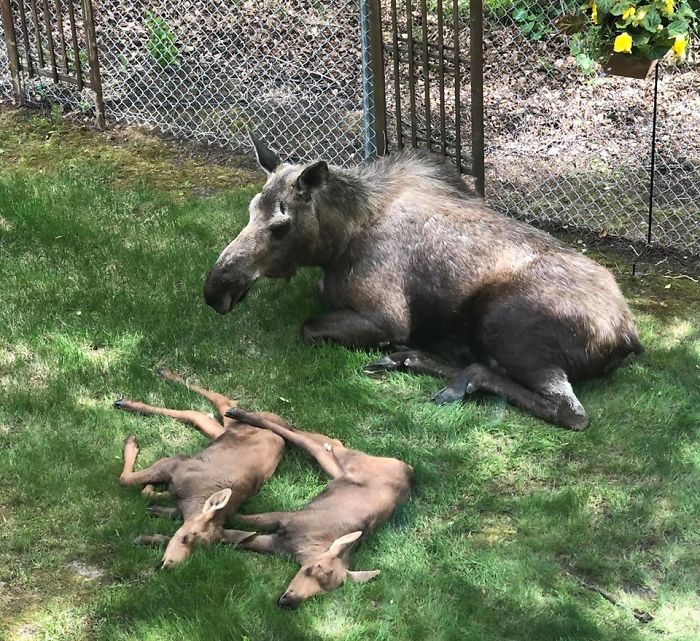
The joyful photos on Facebook made everyone focus on the scenery, but the fact that moose often find food and safety in nearby green spaces made it feel extra real.
Childhood Lessons from Nature
Incorporating nature into family activities can bolster children's understanding of environmental stewardship.
And speaking of unexpected visitors, Lori had to laugh when a deer family strolled into a gift store.
Calves rely on their mother’s milk for the first few months of life.
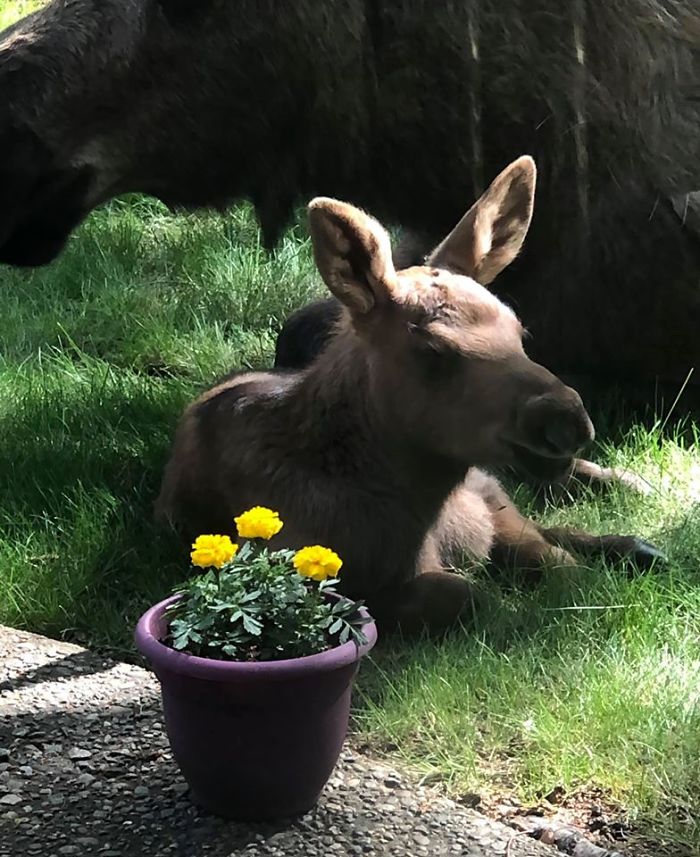
Moose milk is rich in fat, providing essential nutrients for rapid growth.
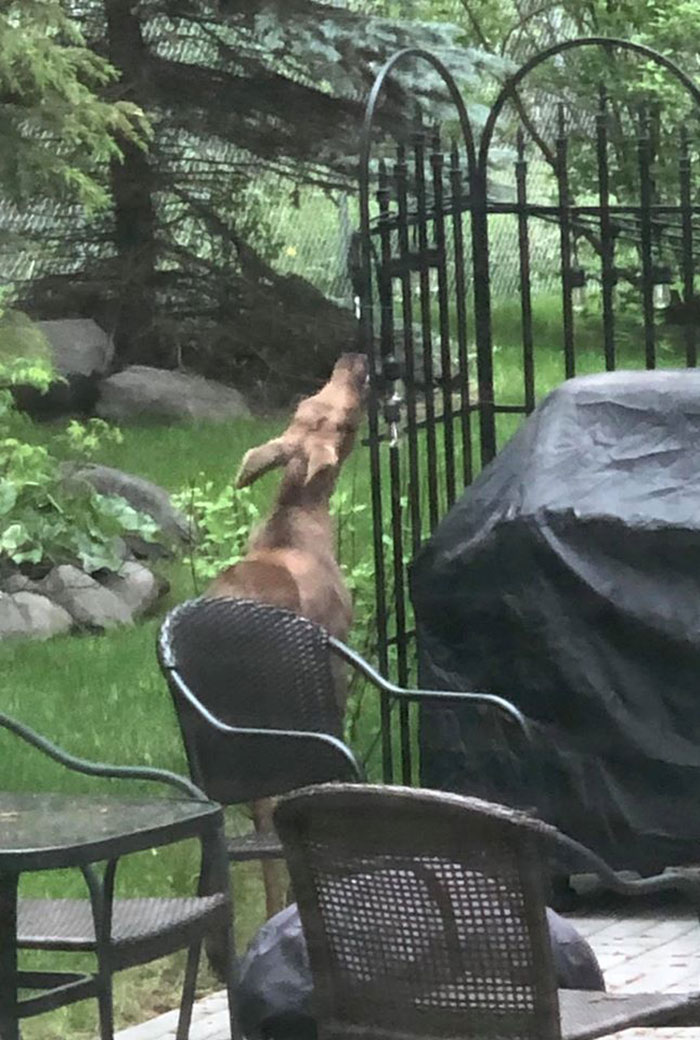
The mother teaches the calves how to find food and recognize threats. This period of learning is critical for the calves’ development.
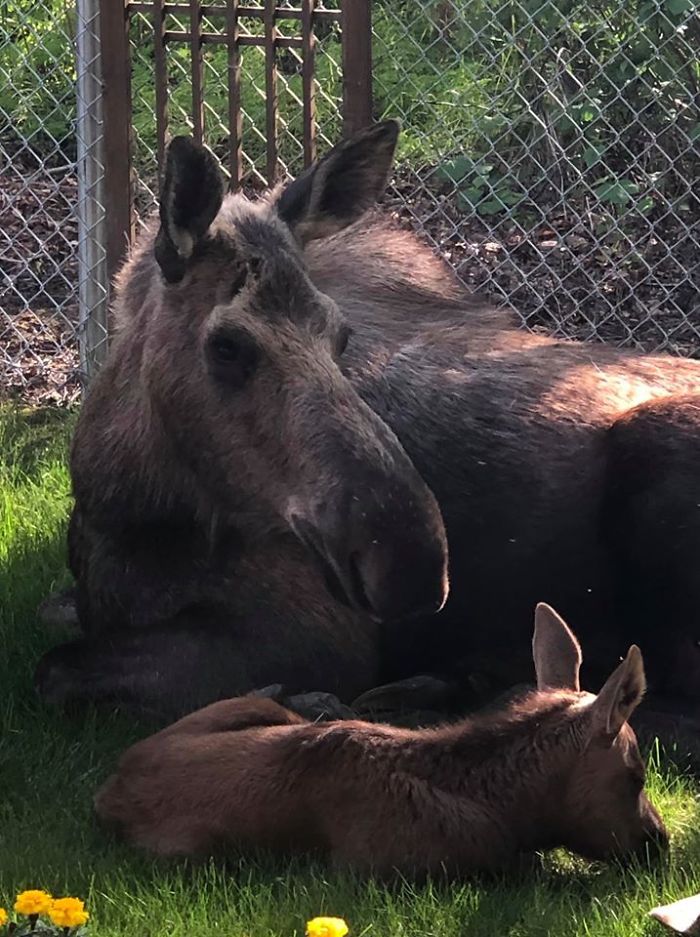
The delightful encounter between Roland Rydstrom and the moose in his backyard serves as a poignant reminder of how nature can forge connections among family members. In a world often filled with distractions, such unexpected moments of joy can strengthen familial ties and create lasting memories.
As illustrated by Rydstrom's experience, engaging with local wildlife offers families a unique opportunity to bond over shared experiences. Such moments not only enhance relationships but also foster a collective appreciation for the tranquility and beauty that nature provides. Families would do well to embrace these opportunities, whether through planned outings to natural settings or by simply observing the wildlife that visits their own backyards.
Calves start to eat solid food within a few weeks but are typically weaned by six months.
They continue to stay with their mother for about a year.
After a year, their mother usually drives the calves away as she prepares to give birth to a new set of calves.
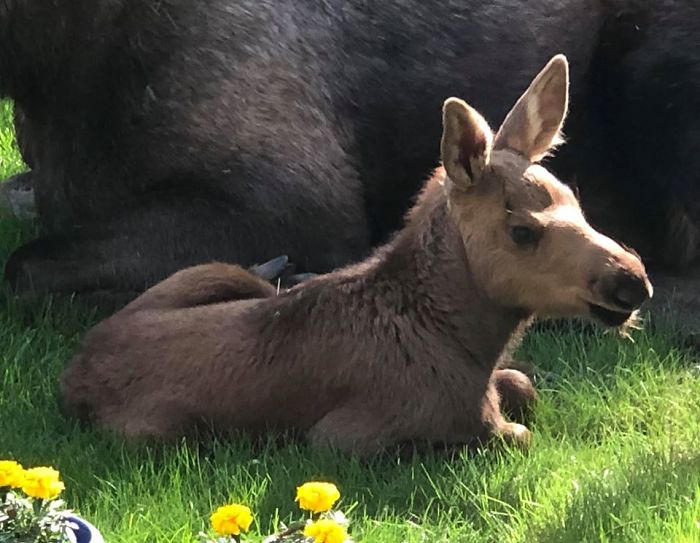
Once the calves stayed close to their mother, it turned the whole encounter into this fast-moving, “wait, they’re really here” moment for the family.
Wildlife biologist understanding animal behavior is crucial for peaceful coexistence. Animals, including moose, are drawn to areas with food and shelter, which often overlap with human spaces.
To minimize unwanted visits, it’s important to secure gardens and remove attractants like pet food or birdseed. Educating families on these behaviors can prevent future incursions and foster a more respectful approach to wildlife management.
The young moose must then establish their territory.
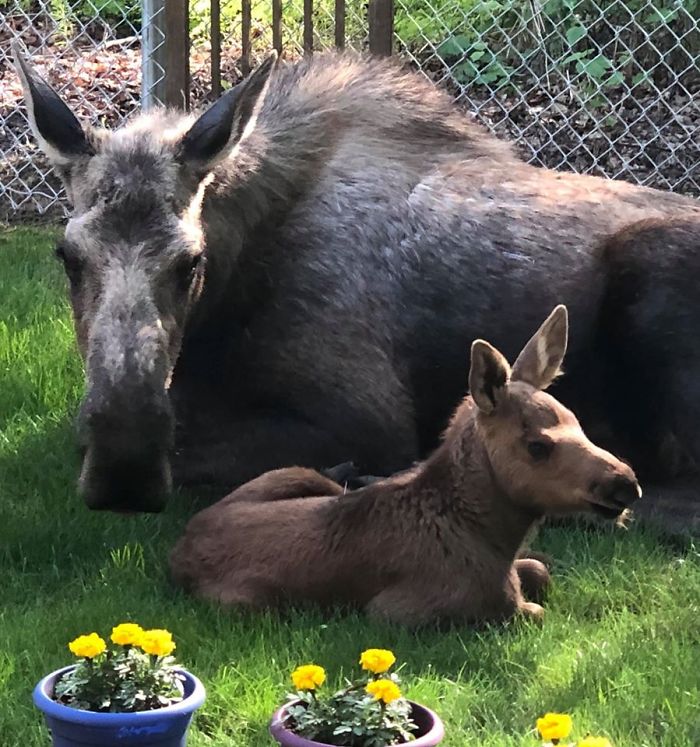
Calves are vulnerable to predators.
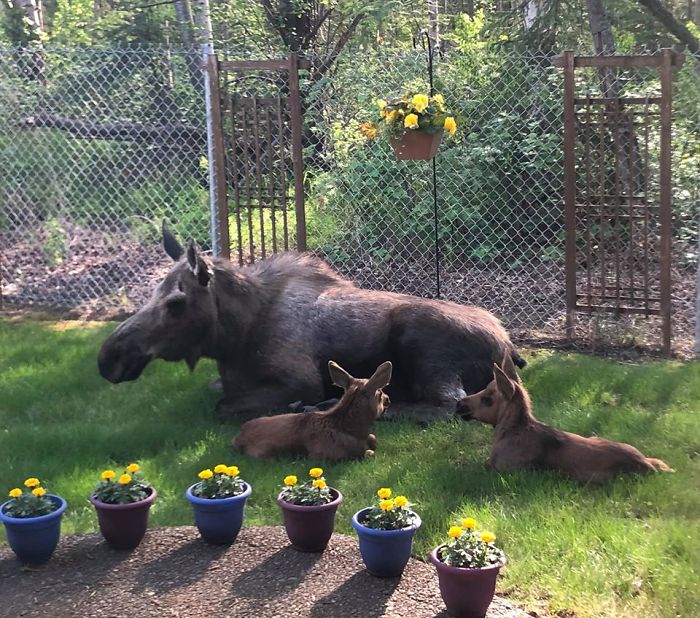
Residents and visitors in Anchorage enjoy watching these magnificent creatures, but it is essential to remember that moose can be dangerous, especially mother moose with her calves.
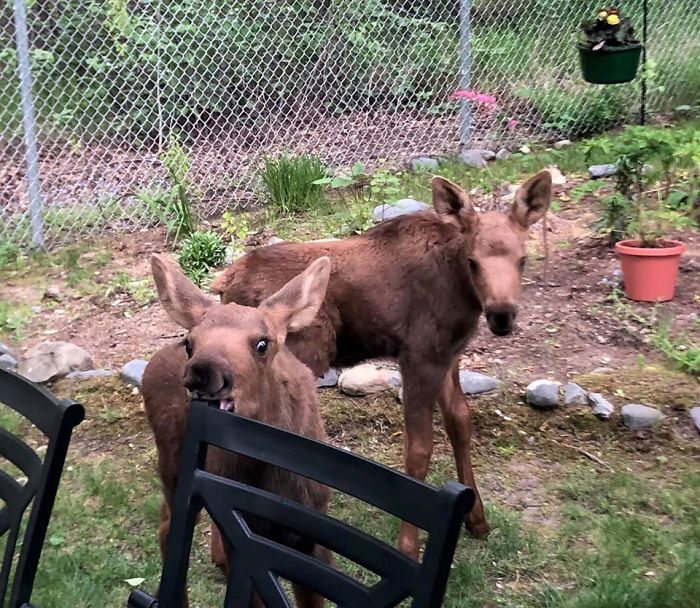
After seeing the calves weigh 25 to 35 pounds at birth and move within hours, Rydstrom’s backyard picture-perfect scene suddenly had a safety vibe too.
The heartwarming encounter of Roland Rydstrom and the moose family in his backyard serves as a reminder of how shared experiences in nature can deepen family bonds.
This delightful surprise emphasizes the value of engaging with nature, as it not only provides joy but also fosters connections among family members. Whether through simple activities like backyard wildlife watching or planned excursions into the great outdoors, these experiences can enrich relationships and promote a sense of well-being that is often missing in our hectic lives.
To safely observe moose in Anchorage, it is crucial to maintain a respectful distance. Never approach a moose, particularly a cow with calves, and give them plenty of space to move freely.
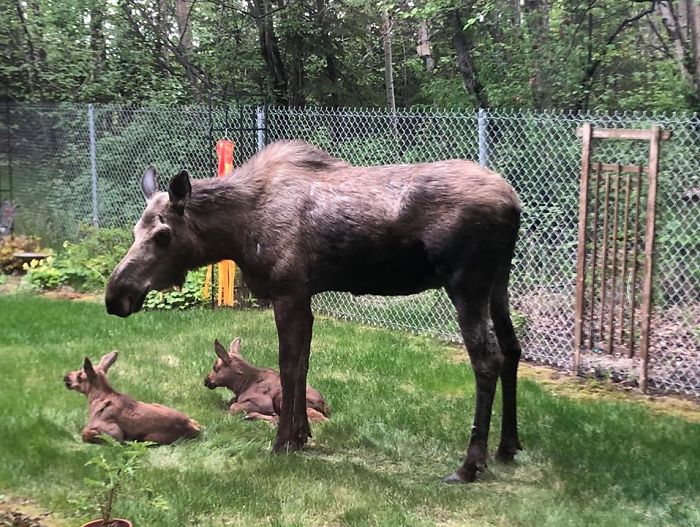
Anchorage residents have learned to coexist with moose, implementing various measures to reduce conflicts and ensure the safety of both humans and animals.
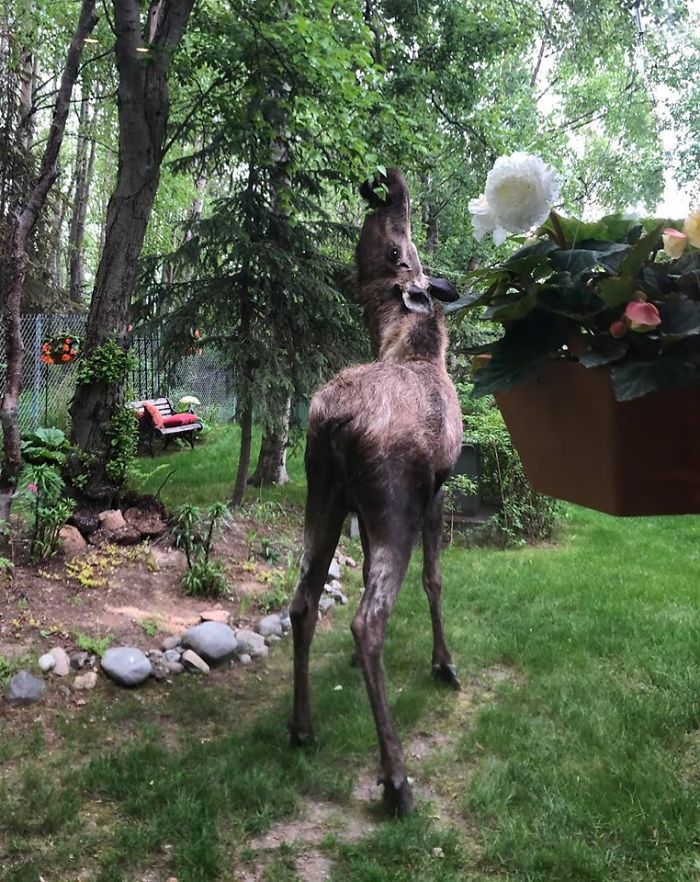
For example, many people use fencing to protect their gardens and ornamental plants from hungry moose.
Community engagement plays a vital role in fostering appreciation for local wildlife. Involving children in community conservation efforts can deepen their connection to nature.
Programs like wildlife monitoring or local clean-up days create opportunities for families to actively participate in preserving their environment. Such initiatives not only educate but also instill a sense of responsibility, ensuring future generations cherish and protect their natural surroundings.
Rydstrom's story shows how nature can bring joy and a sense of connection to our lives, even in unexpected ways. It reminds us to appreciate simple pleasures and be open to nature's surprises.
By sharing his experience, Rydstrom documented a special moment and spread a message of appreciation for wildlife. His story encourages others to look for the beauty around them and cherish nature's spontaneous gifts.
Encounters with wildlife, such as the moose family in Rydstrom's backyard, remind us of the importance of nature in our lives. Engaging with wildlife not only enhances family bonds but also enriches our understanding of the natural world.
By creating wildlife-friendly spaces and engaging in communal conservation efforts, we can cultivate a harmonious relationship with the natural world and promote well-being for ourselves and future generations.
The backyard looked like a wildlife fair, but now the family is probably rethinking what “open space” means.
Want more wildlife drama? See how a mother moose confronted a grizzly bear to protect her baby.
Share this article: