Heartbroken Dog Visits His Late Owner's Grave Every Day

Zozo didn’t just “miss” Ozturk. He made the grief a daily routine, slipping out to the grave like it was the only place that still felt like home.
Ozturk is gone, but Zozo’s brain didn’t get the memo. After the death of his owner, the dog started showing the kind of sorrow that looks almost stubborn, pacing, vocalizing, and losing interest in everything that used to matter. And instead of fading away, he kept going, searching for familiarity at the one spot that still connects him to Ozturk.
Here’s the part that hurts, Zozo visits that grave every day, as if love can outwalk death.
Zozo had fled his home in order to visit Ozturk's grave.
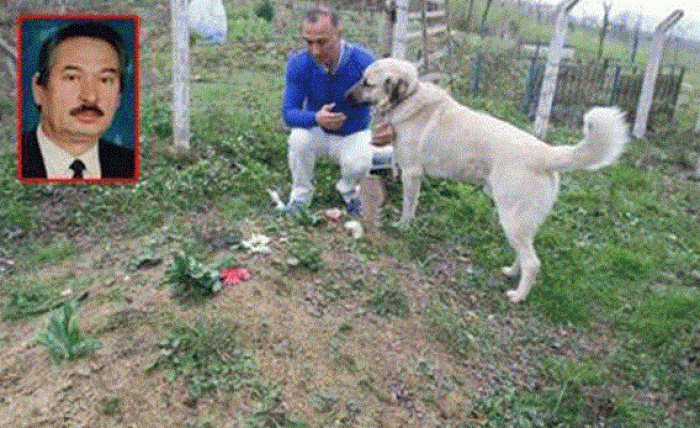
Zozo fled his home to visit Ozturk’s grave, and the rest of the day didn’t exactly go as planned.
Dogs bond with their owners primarily due to their evolutionary history and inherent sociability. Descended from pack-centric wolves, domesticated dogs view humans as part of their pack and form bonds essential for their survival and well-being.
As naturally social creatures, dogs crave companionship, which they often find in their human caregivers. Furthermore, they associate their owners with positive experiences like food, play, and comfort, strengthening their bond.
Lastly, owners often reciprocate this affection, providing consistent love, care, and communication that deepens this relationship.
Loyal and True Love
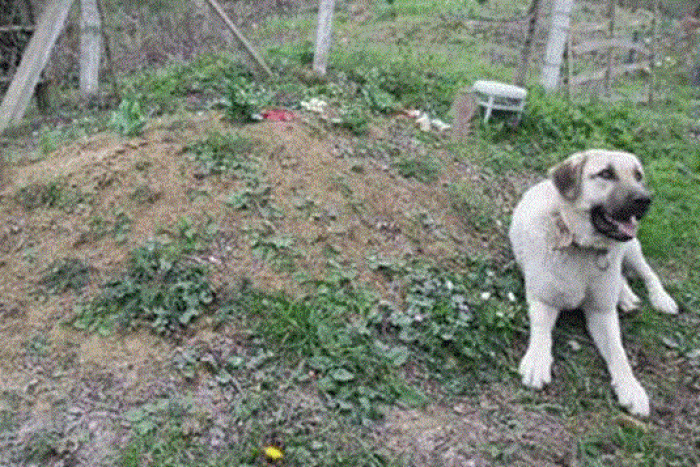
While the family watched him grow more withdrawn, he kept choosing the same reminder place, over and over.
Zozo’s daily grave visits echo stories of dogs mourning lost family pets, including ones who return to a buddy’s grave.
The more Zozo paced and vocalized, the more it looked like he wasn’t “acting up,” he was grieving.
After the death of their owner, dogs may exhibit various signs of grief and sorrow. Their behavior might change, becoming withdrawn or less active.
Some dogs may lose interest in activities they once enjoyed and experience a loss of appetite, leading to weight loss. They might display restlessness, pacing back and forth, and struggling to settle or sleep through the night. Some dogs may vocalize more than usual, howling or barking mournfully.
Grieving dogs may seek comfort from remaining family members, spending more time seeking attention and physical affection. They may appear lethargic and show signs of depression, such as a lack of enthusiasm or response to stimuli.
Some dogs might repeatedly visit places that remind them of their deceased owner, seeking familiarity and connection.
Sending Abundant Love, Beautiful!
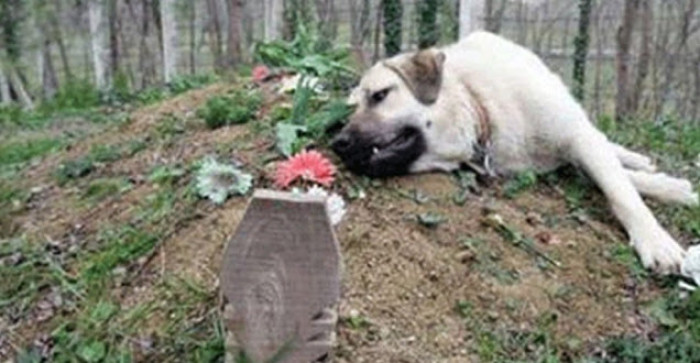
Even when attention and affection were offered, Zozo still returned to Ozturk’s grave like that was the only comfort that counted.
They display a range of emotions, showing signs of sorrow and longing for their departed human friend.
Their unique expressions of grief, from changes in behavior to seeking comfort and revisiting familiar places, remind us of the depth of their emotional capacity. As responsible and compassionate pet owners, we need to recognize and acknowledge the grieving process that dogs may go through.
Providing them with the support, understanding, and love they need during this difficult time can make a significant difference in helping them cope with their loss.
Zozo isn’t just visiting a grave, he’s still trying to find Ozturk.
It looks like Zozo was not alone, read how owners described their dogs grieving after losing their canine companion.
Share this article: